Your search Han Potoci gave 881 results.
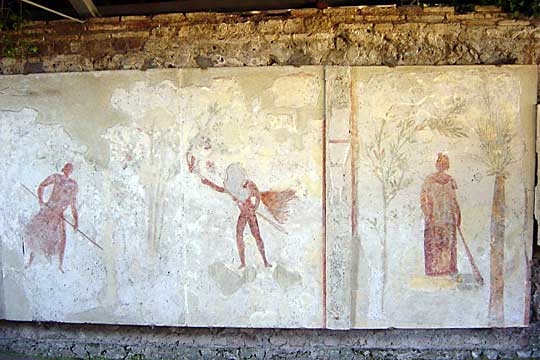
The frescoes depict several figures dressed in different garments associated with the Mithraic degrees.
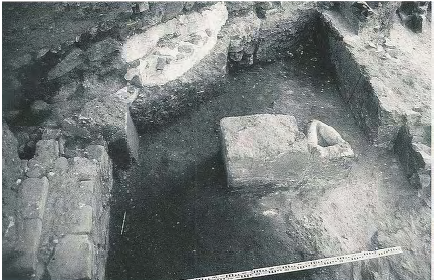
The Mithraeum at Espronceda Street, in Merida, was discovered in 2000. It is a semi-subterranean temple.
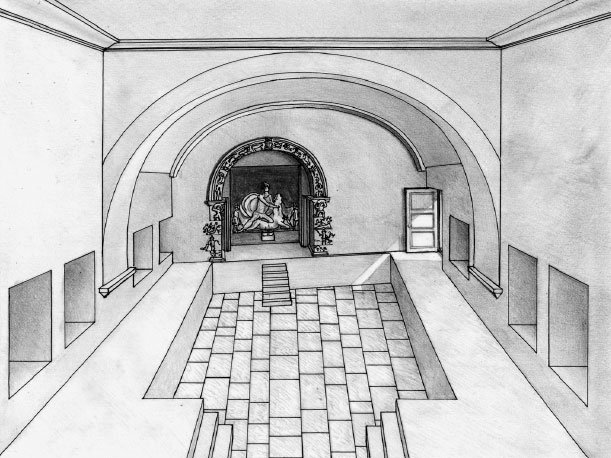
The Mithraeum of Saara, Syria, has been identified through the deciphering of the remains of the iconographic programme on its arch.

Fragment of a marble relief (H. 0.27 Br. 0.38 D. 0.045).
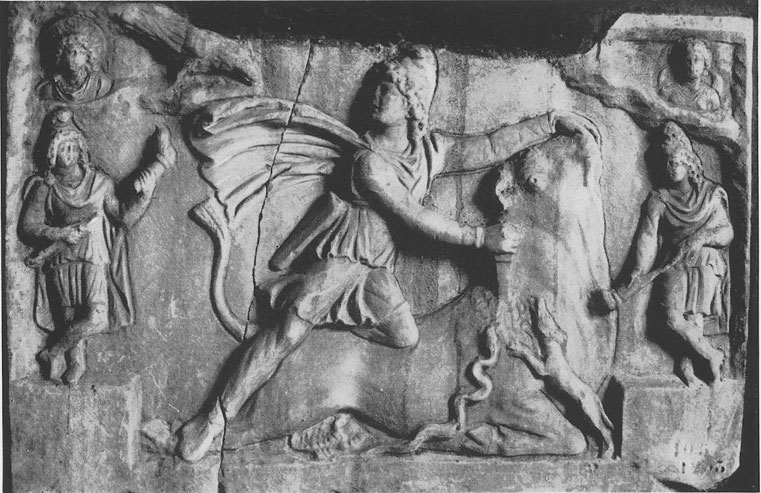
White marble relief depicting Mithras killing the bull, found broken in two parts in 1872 near Salita delle Tre Pile in Rome.
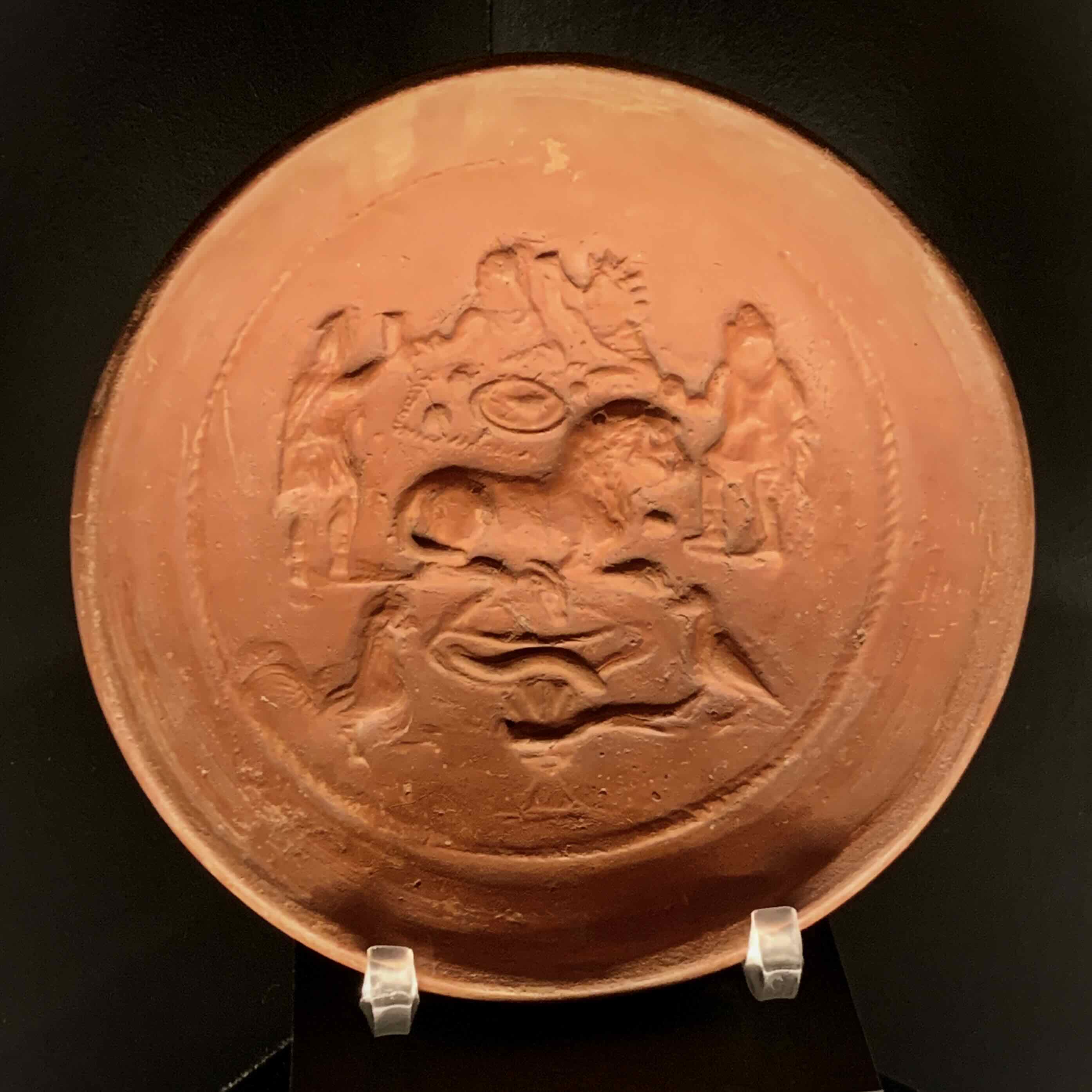
This terra sigillata was found in 1926 in a grave on the Roman cemetery of St. Matthias, Trier. An eyelet indicates that it could have been hung on a wall.

The existence of a mithraeum in the "tana del lupo", a natural cave in the castle of Angera, has been assumed since the 19th century, following the discovery of two mithraic inscriptions in the town.

This very fine relief of Mithras killing the bull was discovered in 2014 in Germán, near Sofia, Bulgaria, and is now housed in the Sofia History Museum.
The Mysteries of Mithras is an independent Initiatic Order which is inspired by and uses the allegory of the lost and ancient Mithraic Mysteries also known as Mithraism a previously influential Roman Cult of the same name.

The Mithraeum of Visentium, near Capodimonte in Viterbo, was carved grotto-style into a tuff cliff overlooking the waters of Lake Bolsena, just a few dozen metres away.

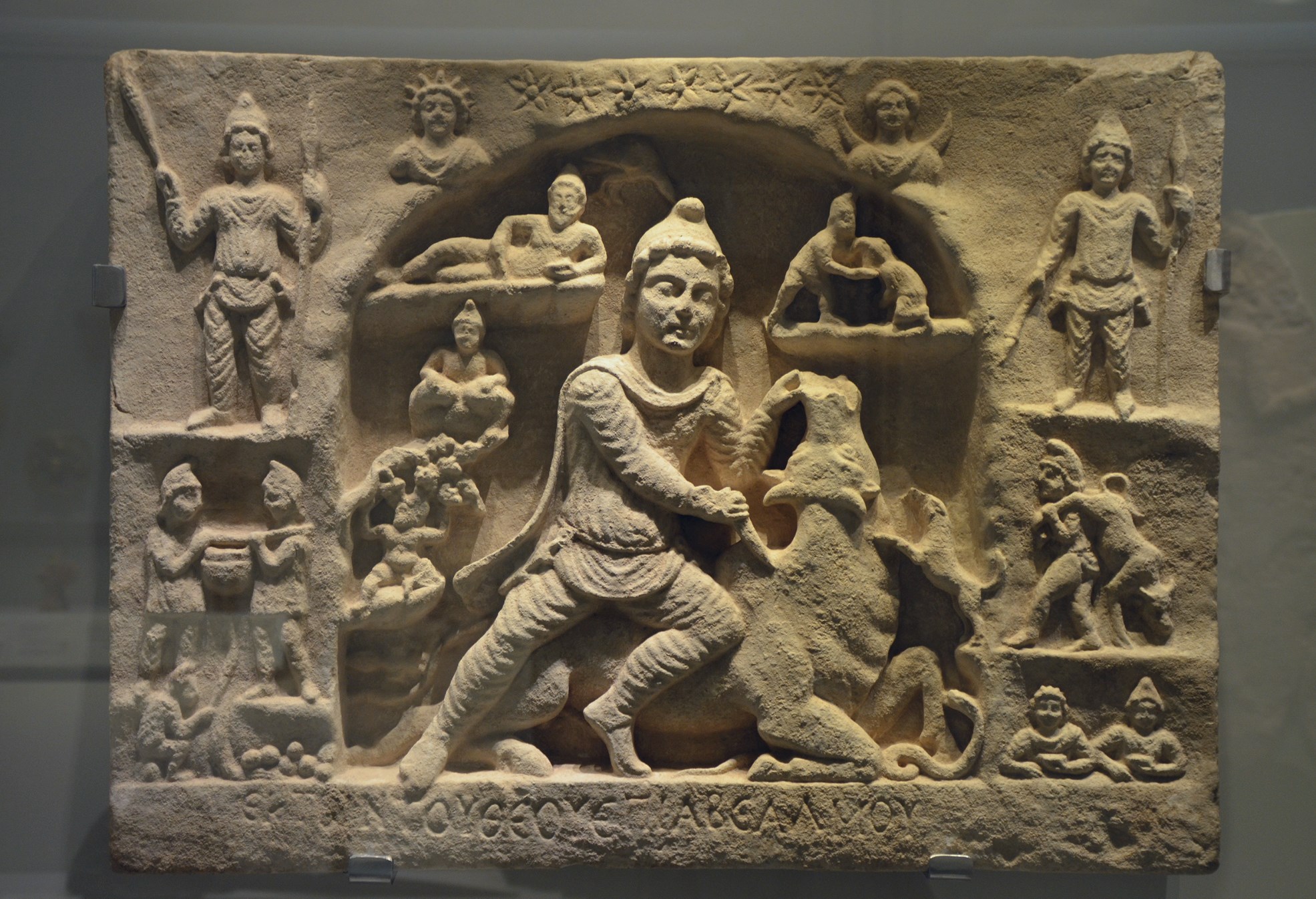
"The remaining figure on this monument, Herakles, was previously misidentified as Apollo on this remarkable black basalt tablet from Samsat, known in Roman times as Samosata.
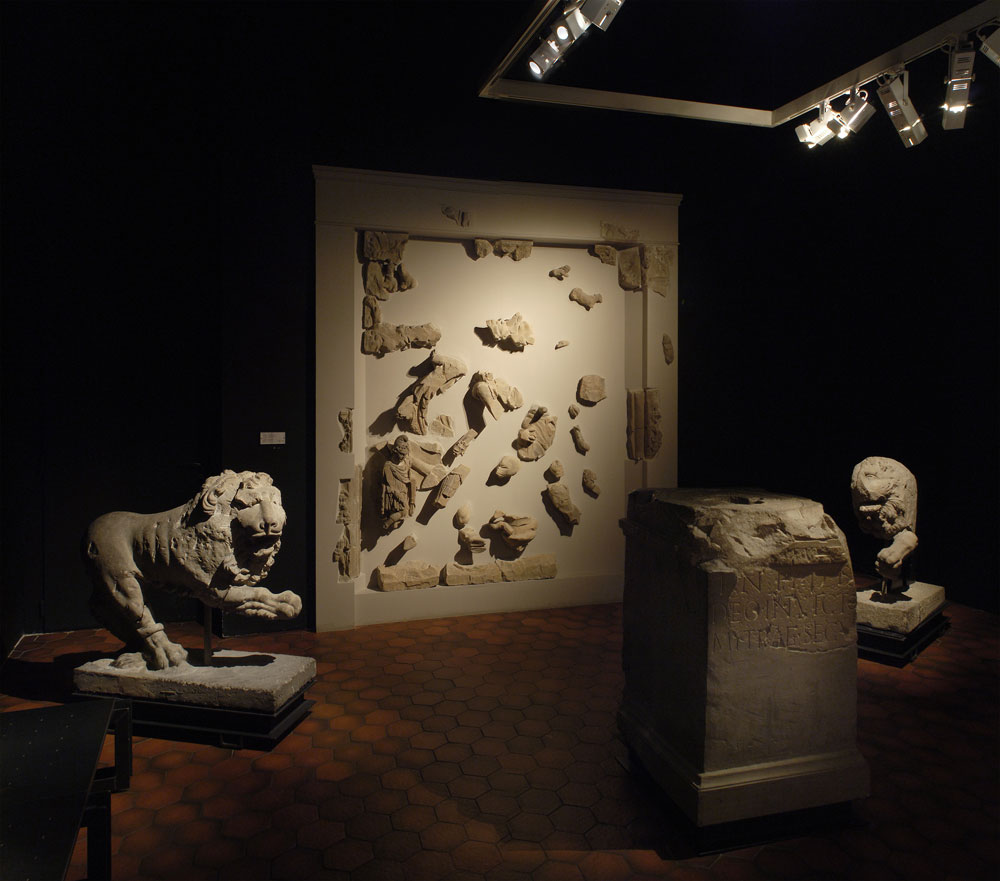
These fragments of a monumental relief of Mithras killing the bull from Koenigshoffen were reassembled and are now on display at the Musée Archéologique de Strasbourg.
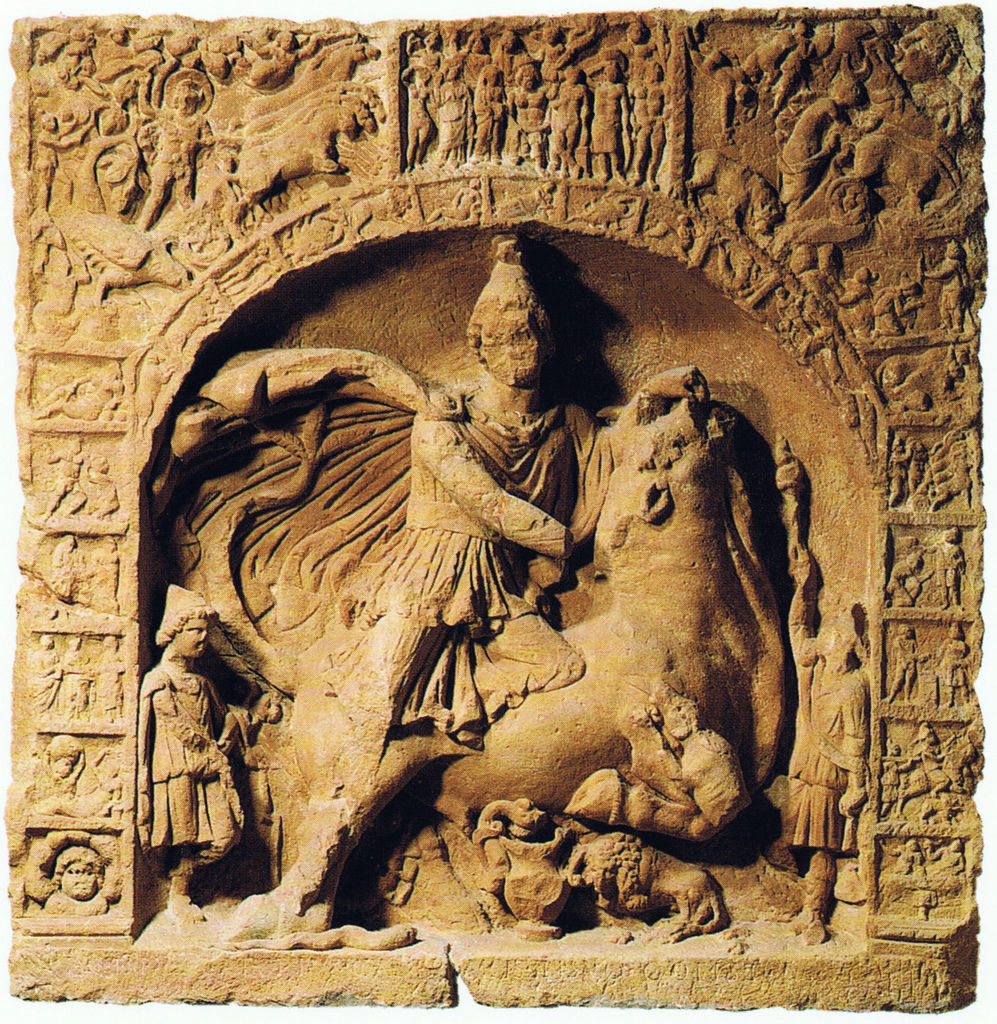
Franz Cumont considers the bas relief of Osterburken ’the most remarkable of all the monuments of the cult of Mithras found up to now’.

This remarkable marble statue of Mithras killing the bull from Apulum includes a unique dedication by its donor, featuring the rare term signum, seldom found in Mithraic contexts.

Tracing the links between the cult of Mithras and the Proud Boys’ quest for identity, power, and belonging. How ancient rituals and brotherhood ideals resurface in radical modern movements.


This gemstone depicting Mithras killing the bull, preserved in the Ploiești Museum, originated from Prahova County or south of the Danube area.

The large number of monuments found at the Mithraeum of Sarmizegetusa and the sheer size of the temple are unusual.

Over the last century or so, a great deal has been said about the god Mithras and his mysteries, which became known to the European world mainly through his Roman cultus during the Imperial Period.
