Your search Jabal al-Druze gave 3543 results.
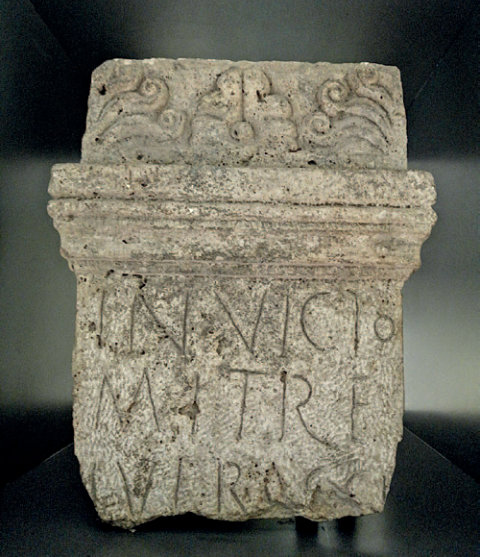
This Mithraic altar of a certain Iulius Rasci or Racci was found in 1979 in a field in Borovo, Croatia, in the area of the Roman fort of Teutoburgium.

A certain Secundinus, steward of the emperor, dedicated this altar to Mithras in Noricum, today Austria.
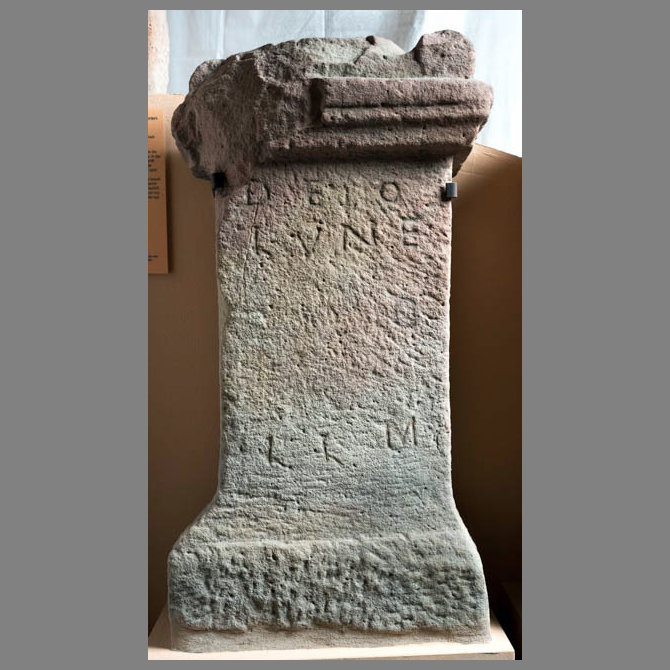
This sandstone altar was dedicated to Luna, who is mentioned as a male deity.
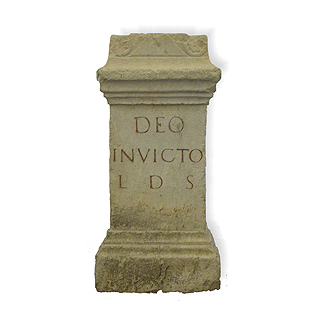
This altar to Deo Invicto was found during the excavation of the Monastero Delle Benedettine di Santa Grata in Bergamo, with a bronze calf’s head on top.
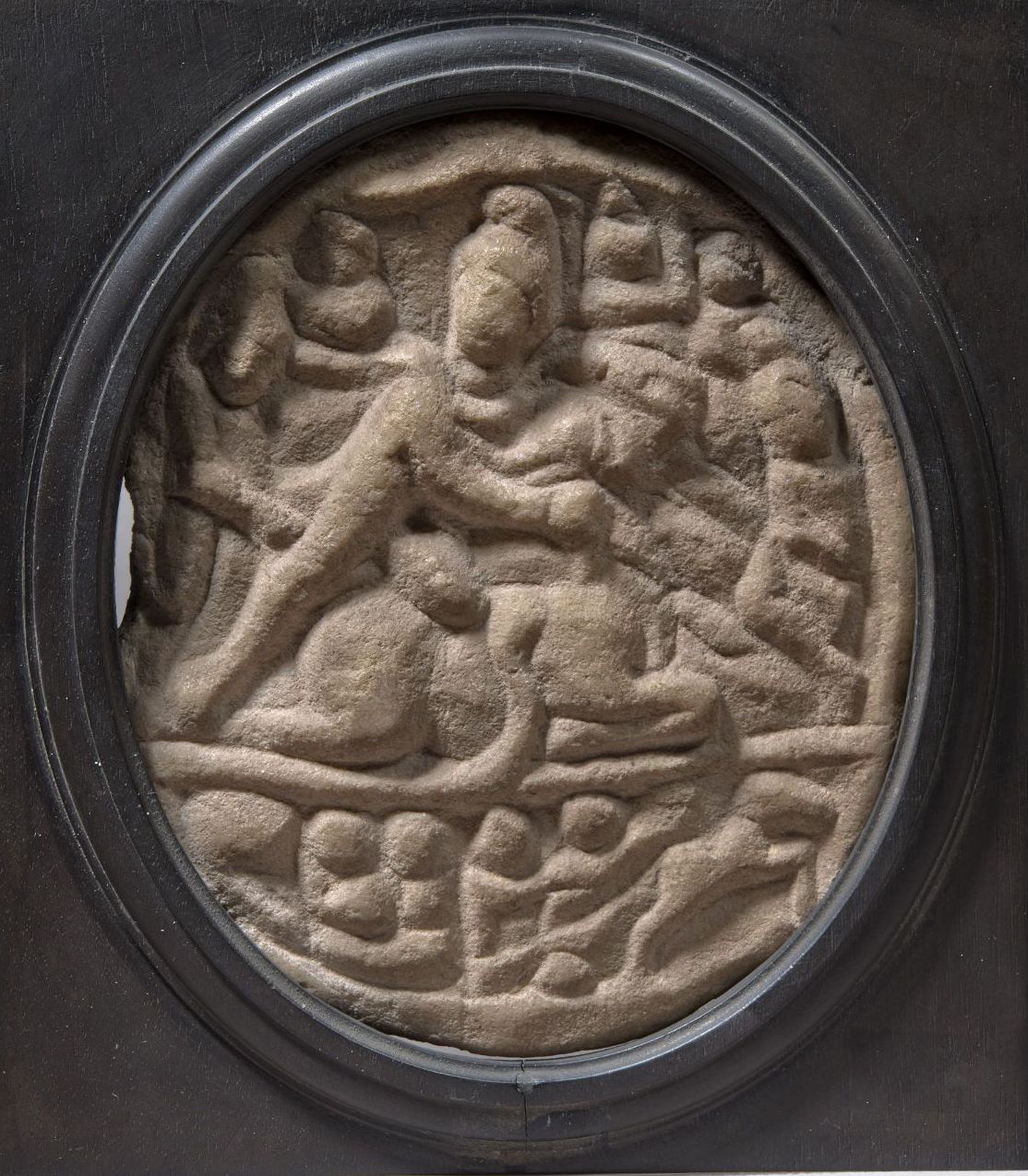
This medallion belongs to a specific category of rounded pieces found in other provinces of the Roman world.
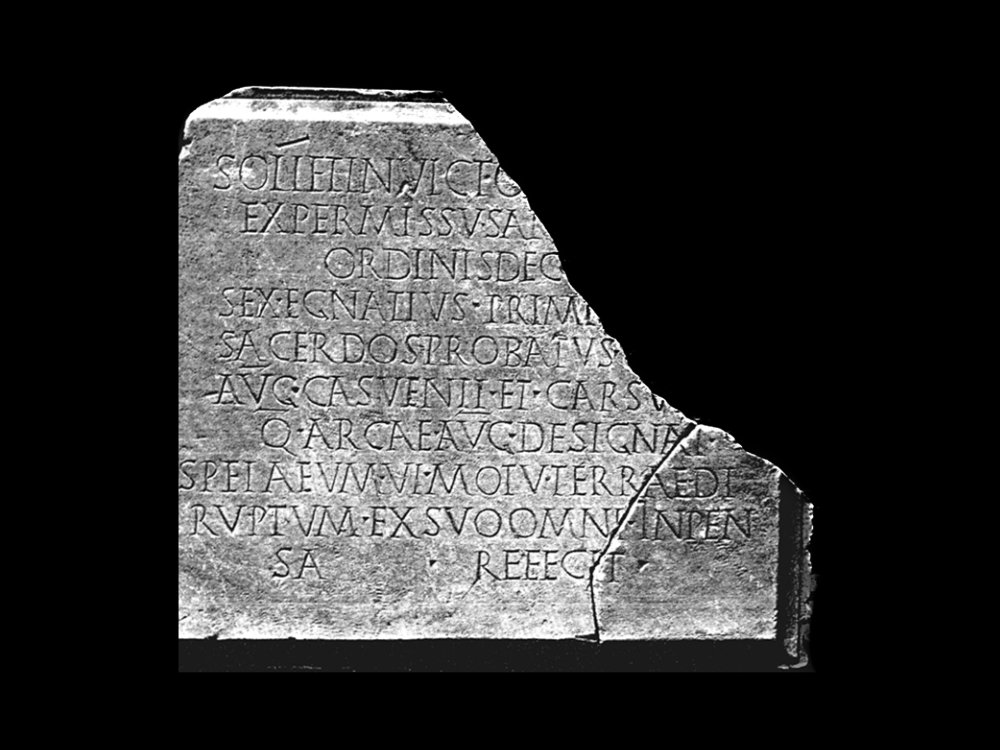
Marble plaque with inscription of a sacerdos probatus to Sol and the god Invictus Mithras.
This is one of the few known Mithraic inscriptions dedicated by a member who attained the grade of Perses.
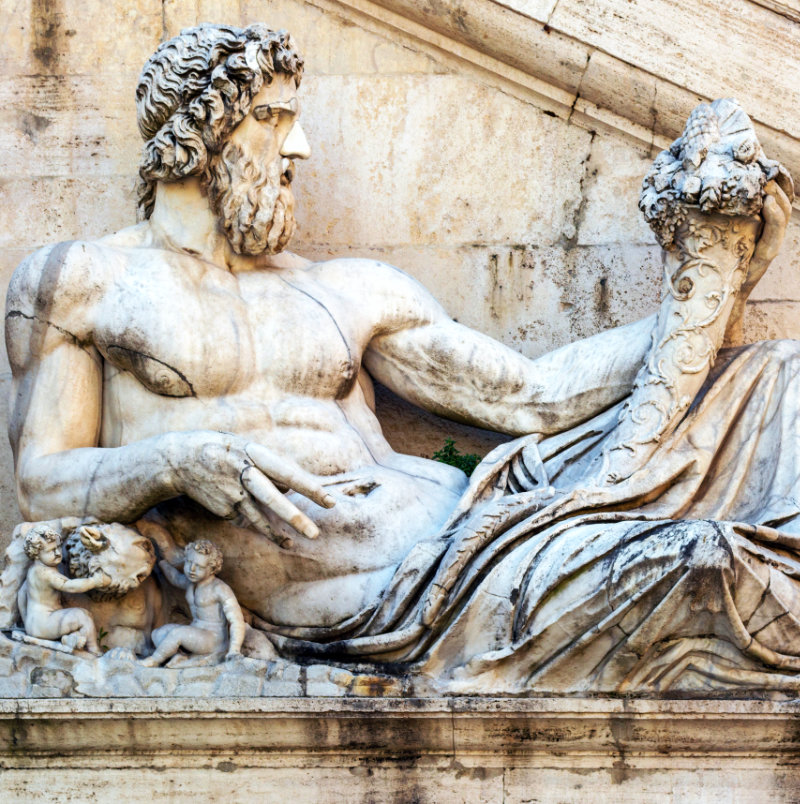
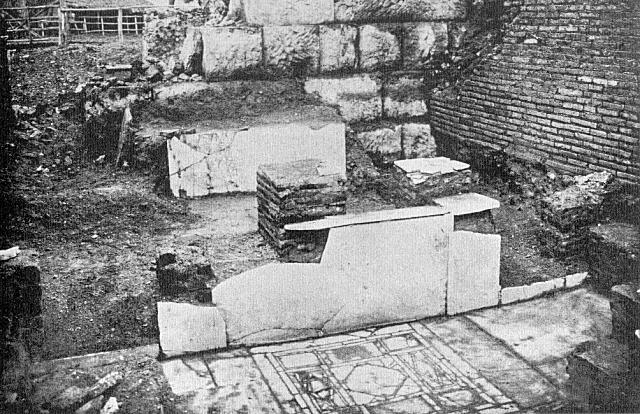
The Mithraeum of Aldobrandini was excavated in 1924 by G. Calza on the premises belonging to the Aldobrandini family.
This marble base found in Angera in 1868 bears the inscription of two people who reached the degree of Leo.
The inscription explains the transmission of the fourth Mithraic degree through the Paters of the Mitraeum of San Silvestro.
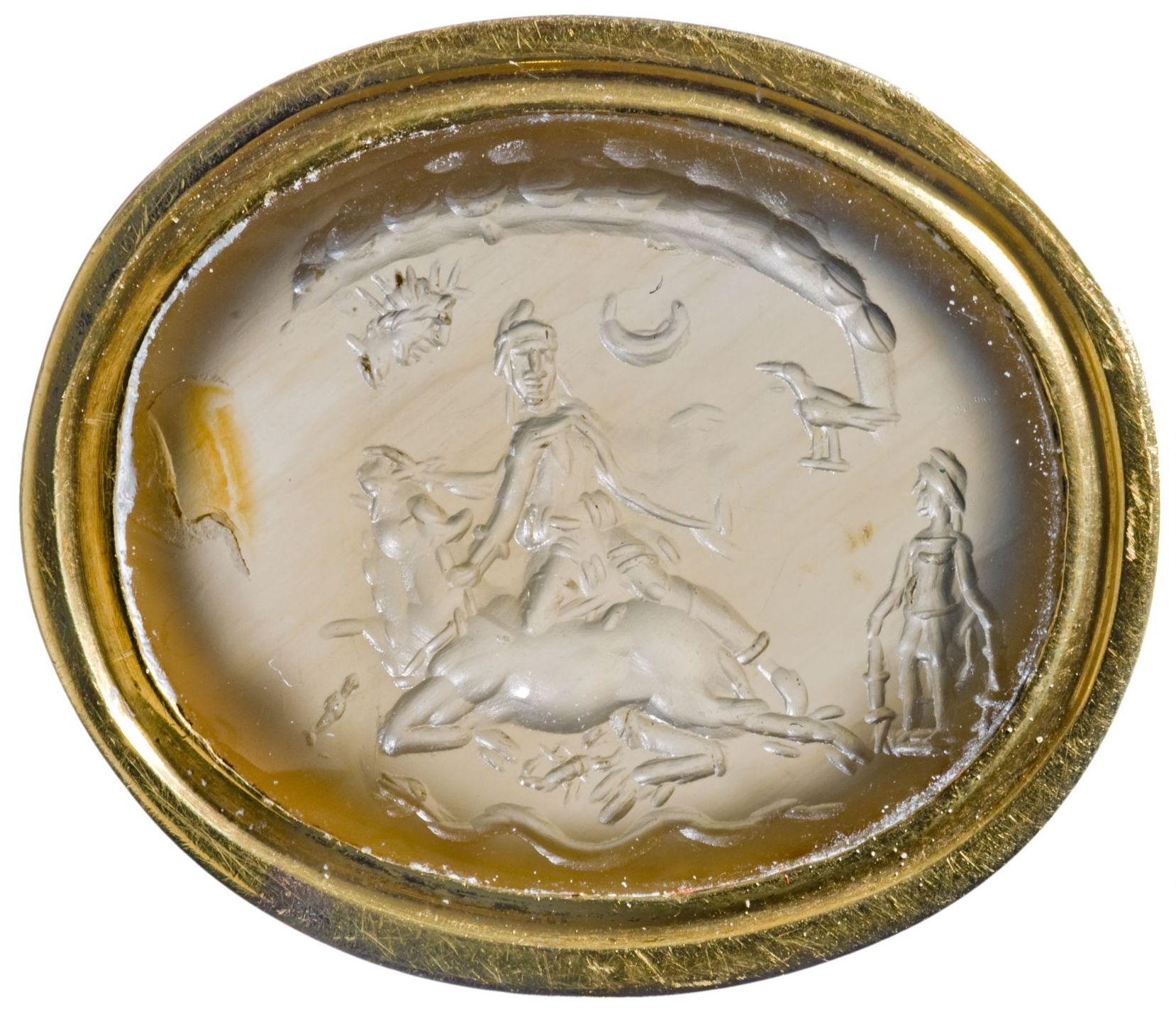
This intaglio depicting Mithras killing the bull is preserved at the Bibliothèque national de France.
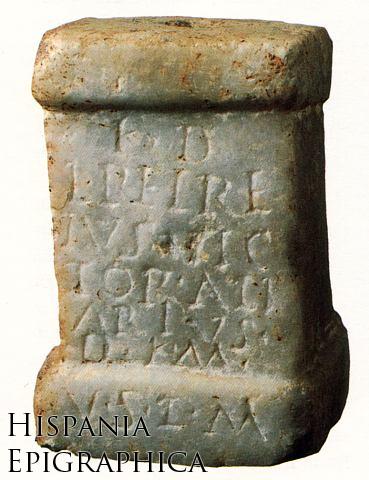
Small arula with mithraic inscription and dedication to Cautes from a garlic merchant.
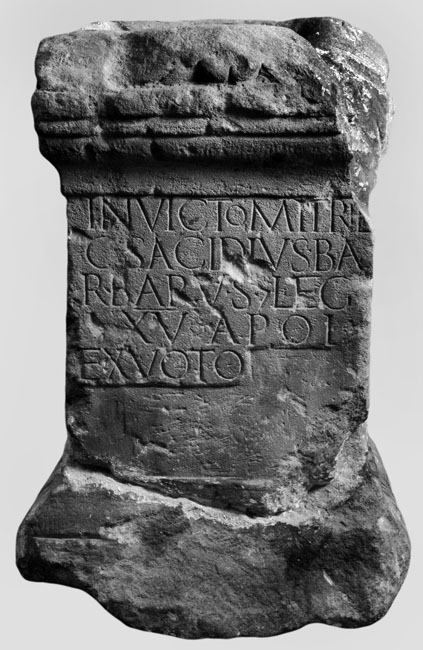
This altar bears the oldest known Latin inscription to the god Mithras, written Mitrhe.

The image of the god Arimanius to which this monument refers has not yet been found.
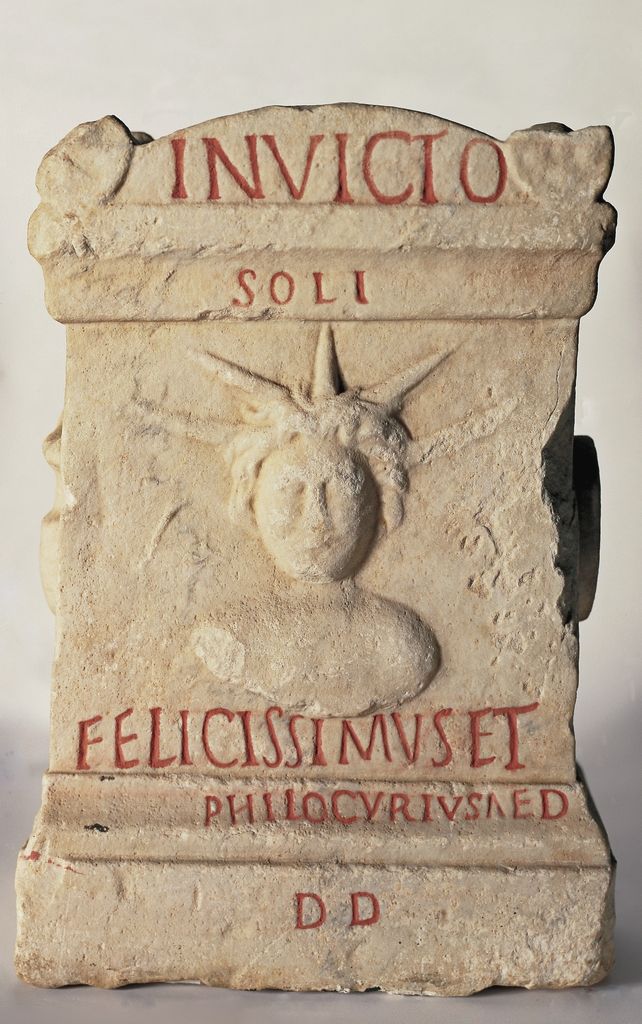
This small altar found in Rome depicts the god Sol with five rays around his head.
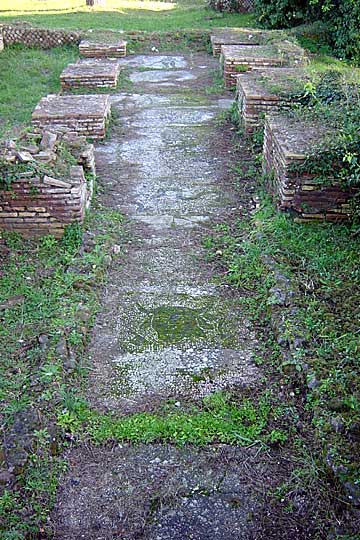
The Mithraeum of the Animals was decorated with a mosaic depicting a naked man, a cock, a raven, an scorpion, a snake and the head of the bull.

BSc Econ in Political Science and Intelligence Studies, born in Warsaw, PL, Researcher of Cults and Mysteries, a practicing Heathen since the age of 12.
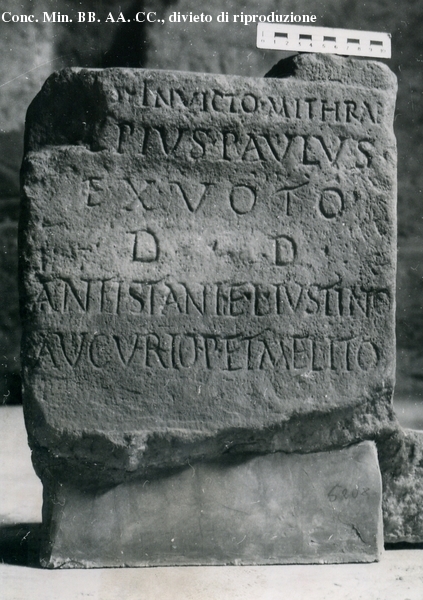
Small marble base, found in one of the private houses along the Via Sacra nearly opposite to the Basilica of Constantine, Rome.
White carnelian with red stripes, reportedly acquired at Epidaurum, depicting what may be Mithras as bull-slayer before a burning altar surmounted by a crescent and a nine-rayed star.
