Your search Jabal al-Druze gave 2993 results.

Natural rock enclosure at a quarter-hour's walk from Veliki Vitalj near Prozor, Dalmatia, used as a Mithraic sanctuary, with a tauroctony carved directly into the rock.
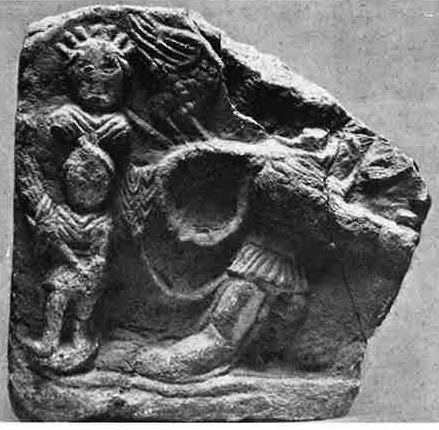
Yellow limestone tauroctony relief found in the bed of the brook Obdulje at Sinać near Otočac in the Lika, Dalmatia, depicting the standard bull-slaying scene.
Altar found at Rab, ancient Arba in Dalmatia, in 1867, bearing a dedication to Invicto by Octavius Geminus; the Mithraic attribution is uncertain.
Structure in the Tarn region initially reported as a Mithraeum but later identified as an ordinary silo.
Decorated ceramic vessel showing Mithras slaying the bull together with torchbearers, zodiacal motifs and figures of abundance.
Sculpted lion’s head from Vichy tentatively described as Mithraic in regional archaeological literature.
Fragment of a white marble statue of Mithras tauroktonos with dog, serpent and scorpion, upper body and right leg missing, found at Praeneste (modern Palestrina).
Limestone head with Phrygian cap, possibly depicting Mithras, found in Egypt (possibly Alexandria), now in Tübingen, 2nd–3rd century A.D.
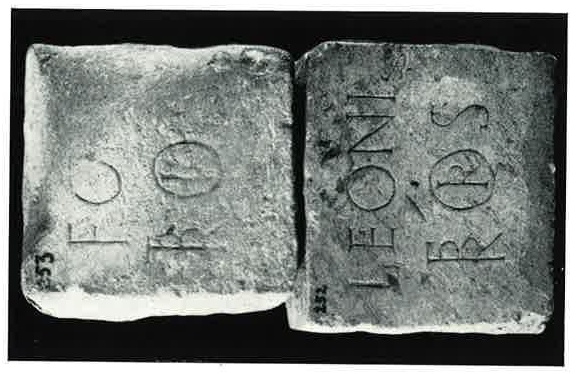
Two white limestone blocks from Golubić near Bihać, Dalmatia, depicting the standard Mithraic tauroctony scene.
Foundations of a rectangular building (10 × 6 m) and a front-stone fragment at Golubić near Bihać, Dalmatia, suggesting the existence of a Mithraic sanctuary.
Greek ritual graffito scratched on wall plaster in the Mithraeum of Dura-Europos, mentioning the “fiery exhalation” and the “sacred nitre” of the Magi.
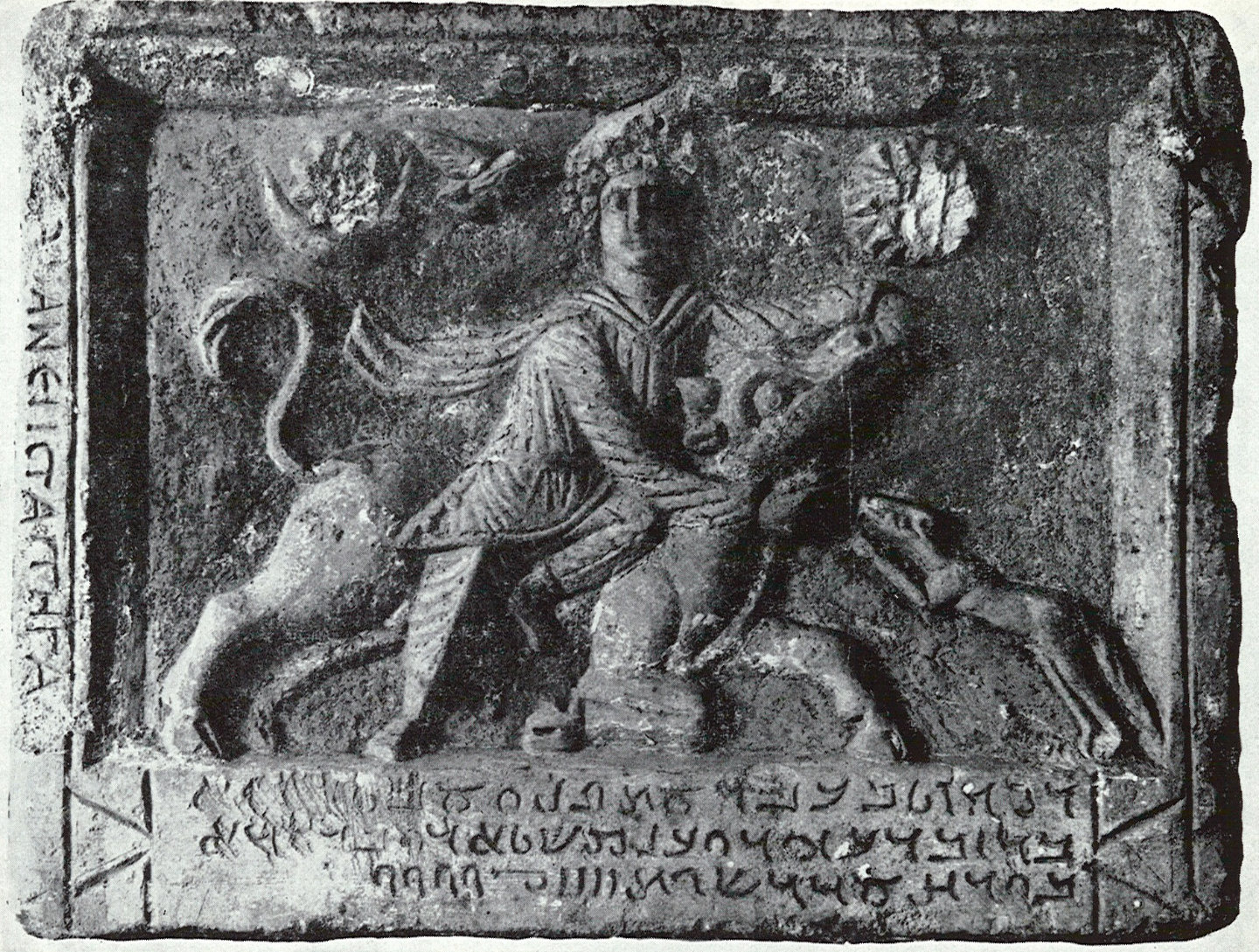
One of the reliefs of the Dura Europos tauroctonies includes several characters with their respective names.
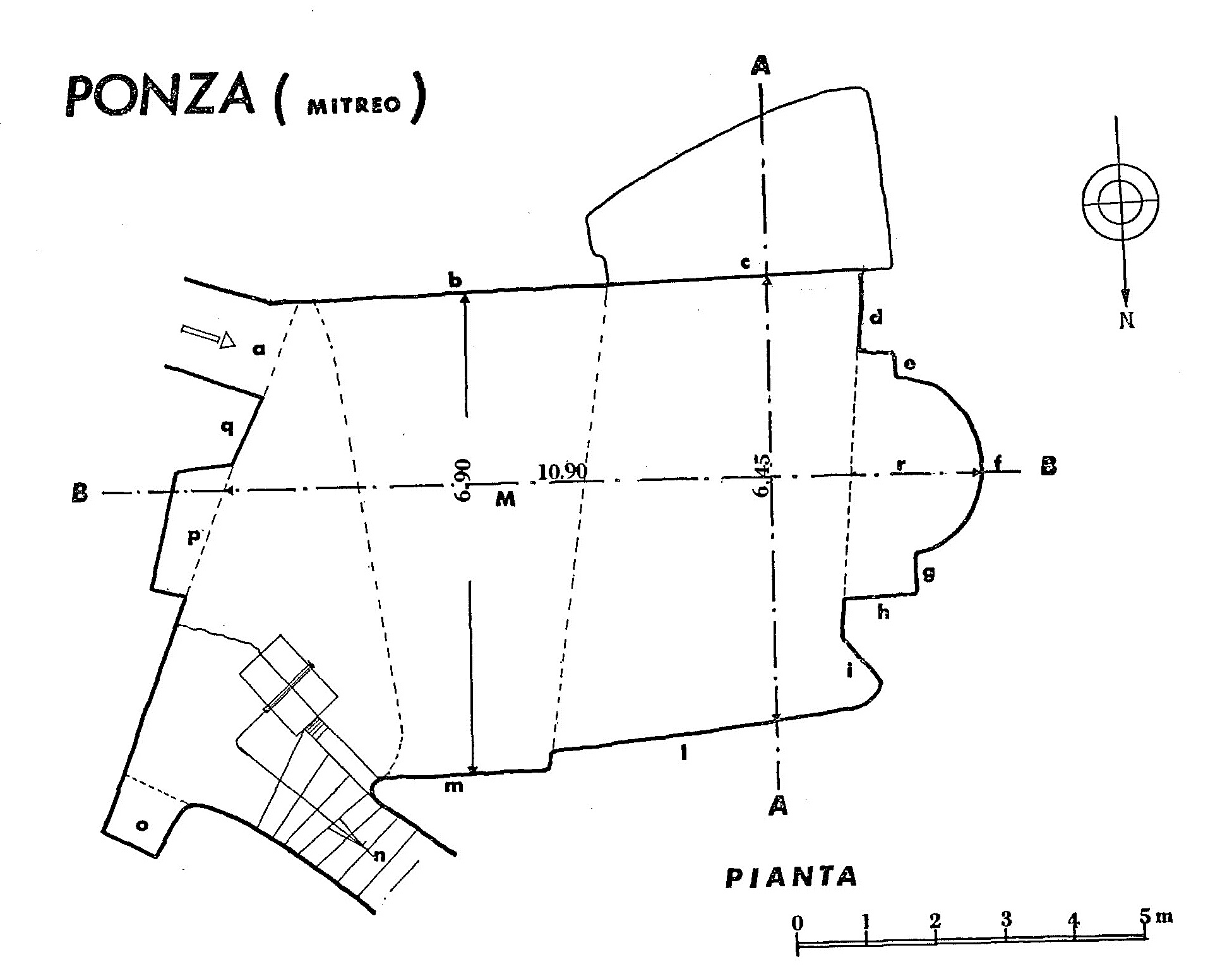
This Mithraic shrine on the island of Ponza is renowned for its exceptional stucco zodiac and astral symbolism linked to Roman Mithaism.

The remains of this Mithraeum were discovered in 1930 in the Cetatea district of Alba Iulia, ancient Apulum.
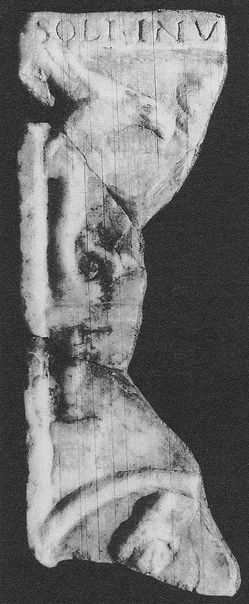
This marble fragment from Apulum preserves the head of Mithras beneath an arch together with a raven and the remains of Sol’s radiate crown.
'Hail to Kamerios the Pater' can be read on one of the walls of the mithraeum at Dura Europos.
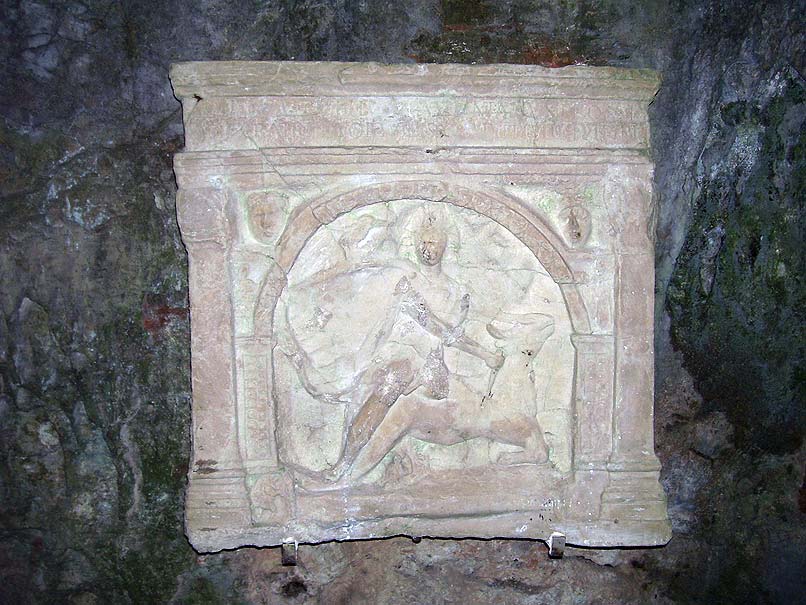
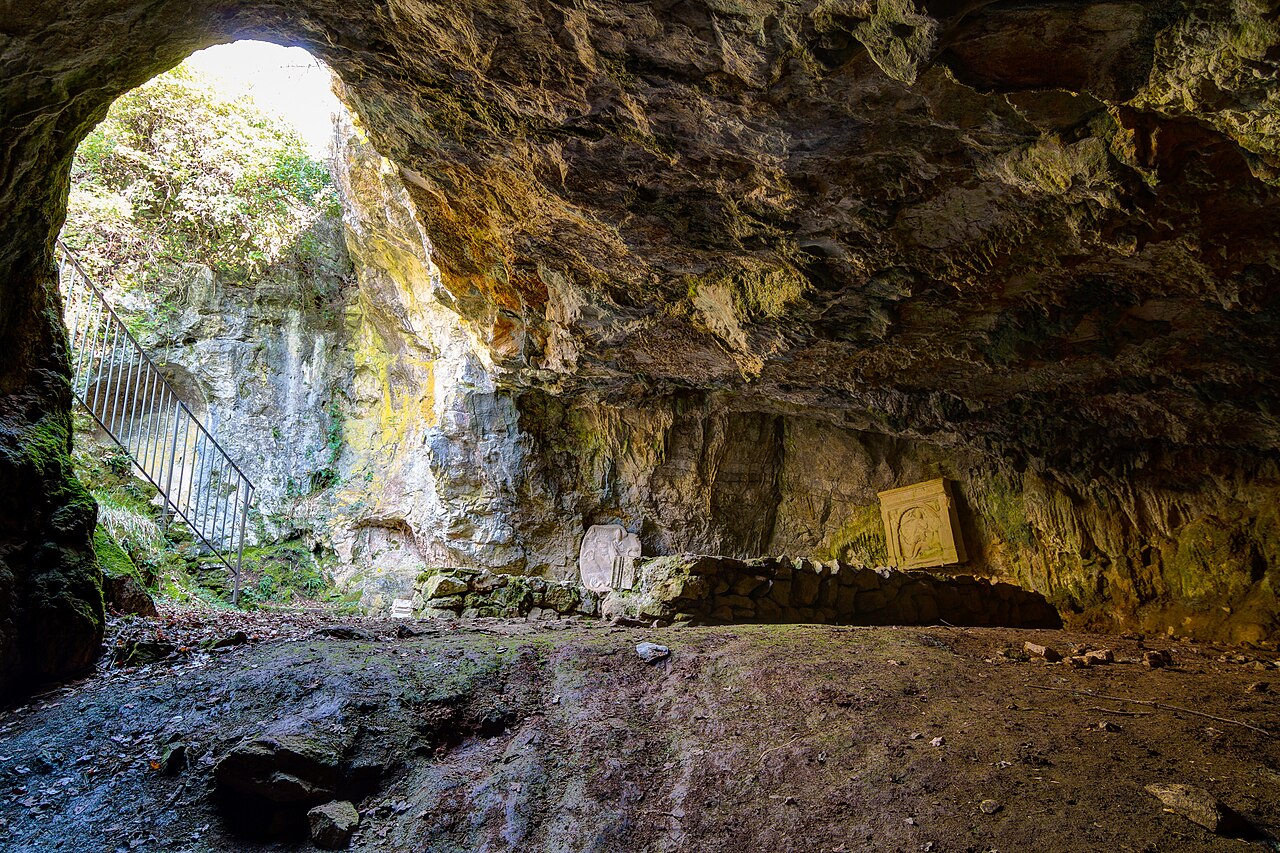
The site was destroyed in the 5th century but some elements, including the benches, can still been seen.
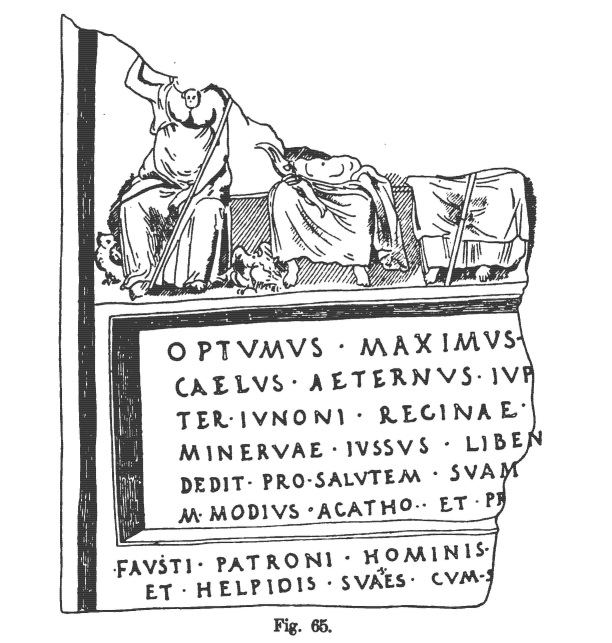
This marble relief bears an inscription by Marcus Modius Agatho, who dedicated several monuments to Mithras on the Caelian Hill in Rome.
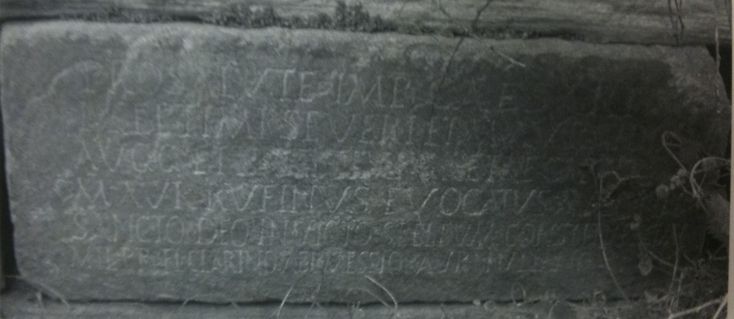
This inscription reveals the existence of a Mithraeum on the island of Andros, Greece, which has not yet been found.
