Your search Jabal al-Druze gave 2993 results.

This fragment of a sculpture depicting the birth of Mithras from a rock, intertwined with a chaotic mass of serpent coils, was discovered in Aquileia, Italy.

This relief of Mithras killing the bull includes various singular features specific to the Danubian area.

The remains of the Mithraeum of Aosta, also known as the Mitreo di Augusta Praetoria, were discovered in 1953 in insula 59, in a commercial district of the ancient city.
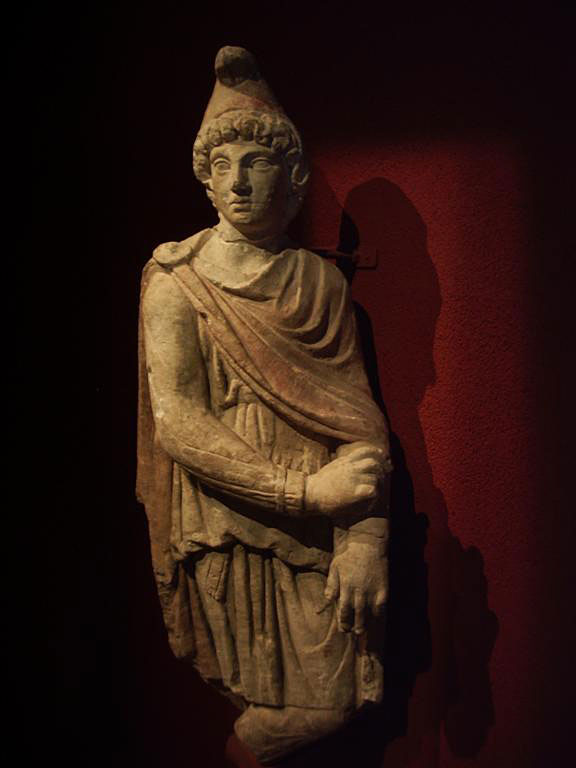
The Cautopates of Bordeaux stands as usual with his legs crossed and arms down.

The dedicator of this monument is also known for having made a tauroctonic relief in Nesce.
This marble slab, found in the Mithraeum of San Clemente, bears an inscription by a certain Aelius Sabinus for the health of the Emperor Antoninus Pius and his sons.
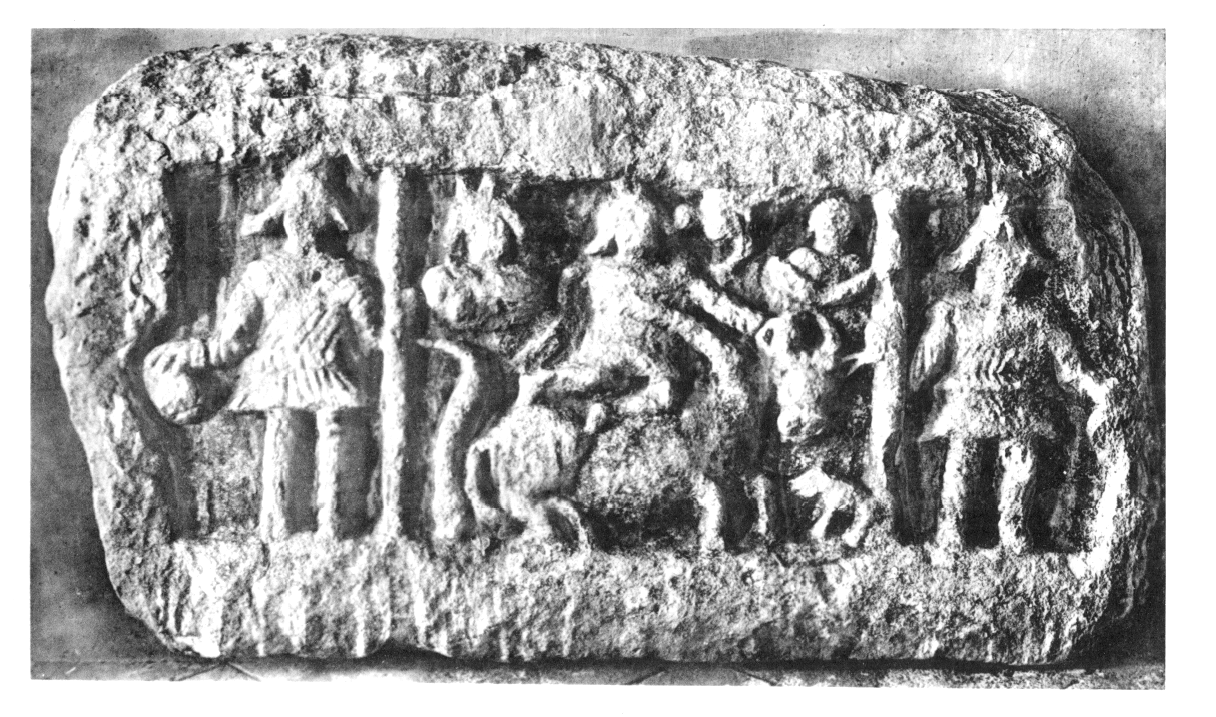
This relief of Mithras as bull slayer is surrounded by Cautes and Cautopates with their usual torch plus an oval object.
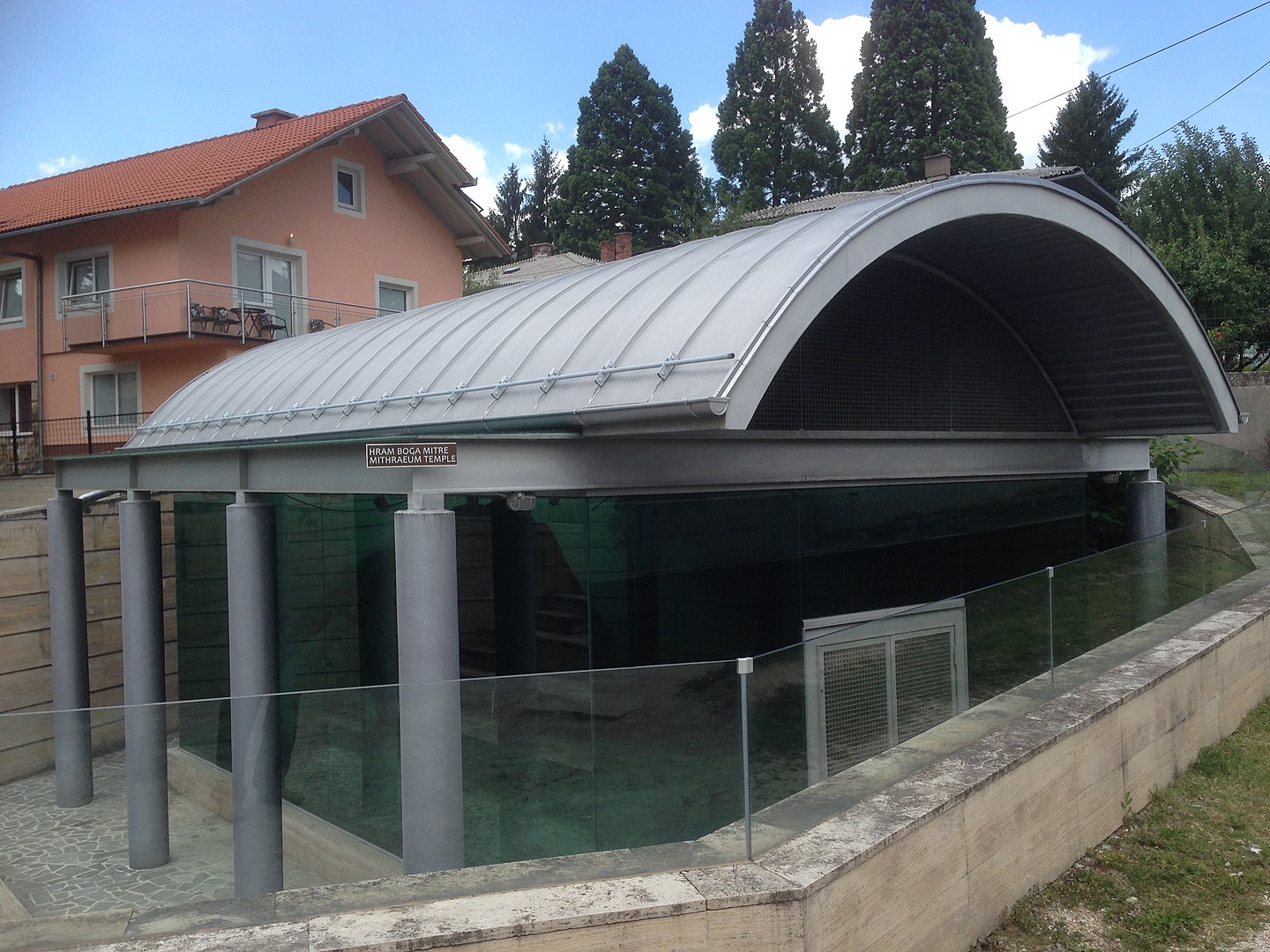
The remains of the Jajački Mithraeum were discovered accidentally during excavation for the construction of a private house in 1931.
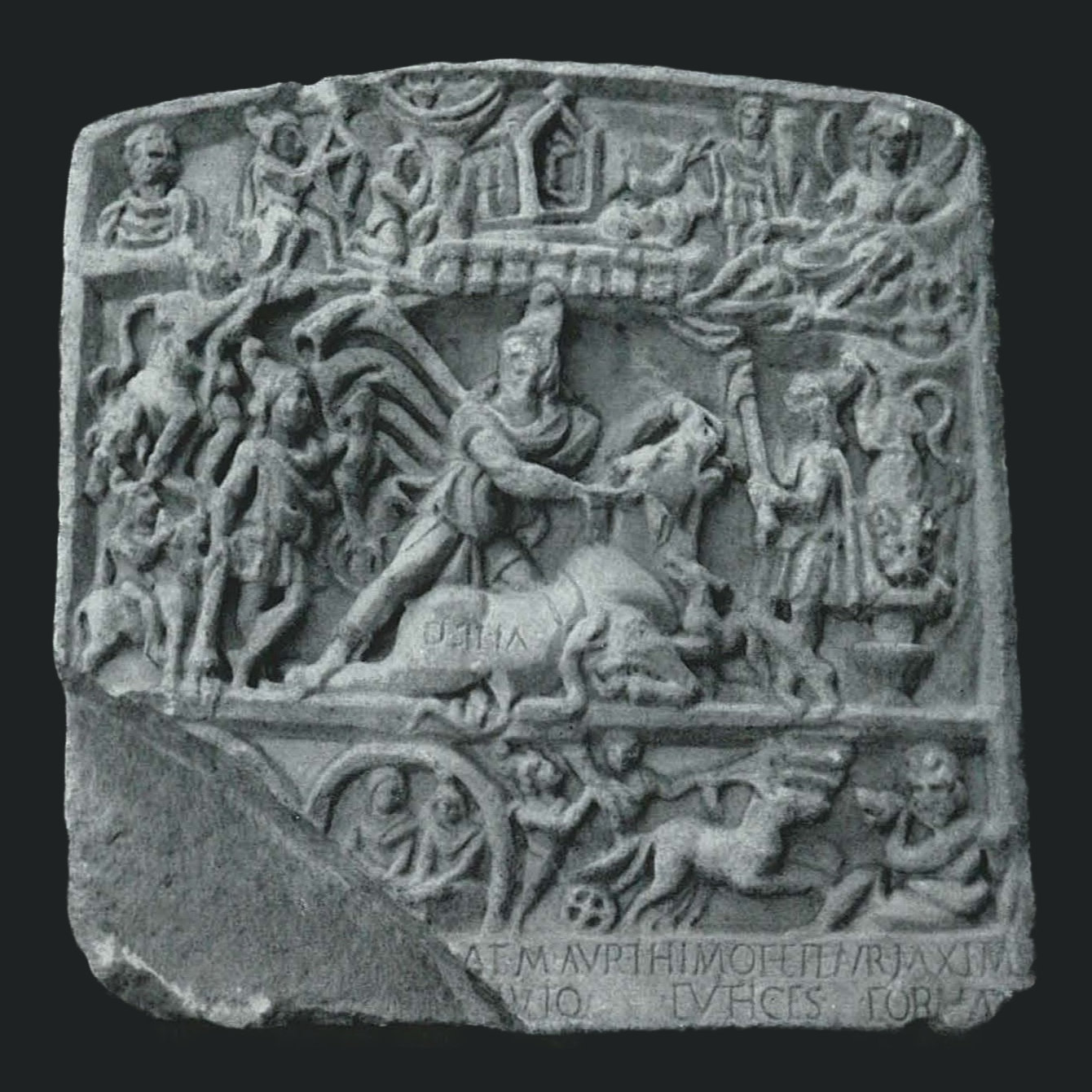
This marble relief of Mithras killing the bull was made by a freedman who dedicated it to his old masters.
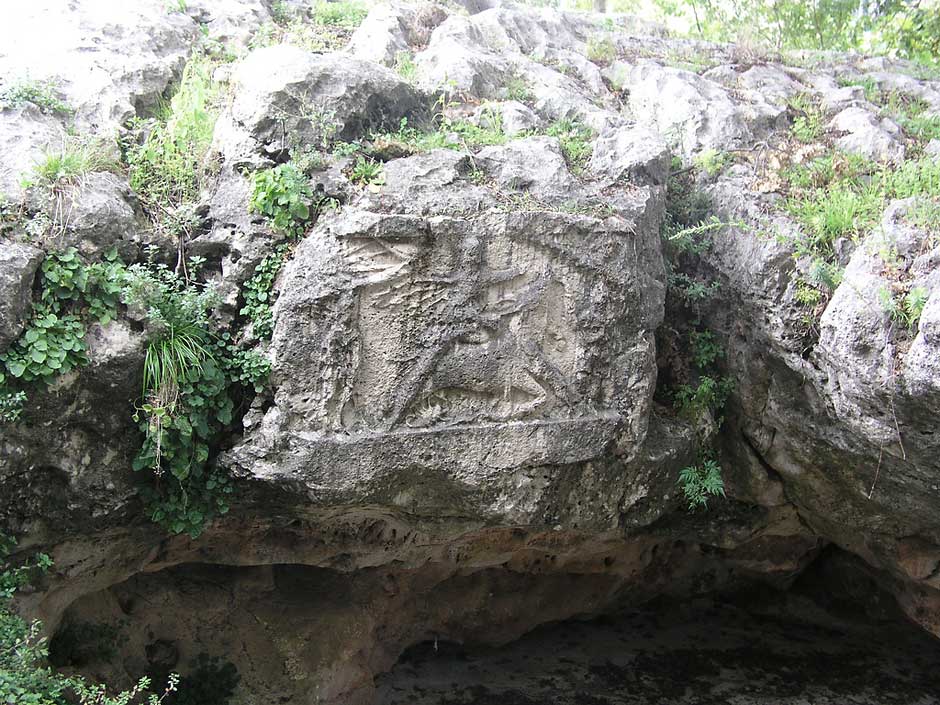
The Mithraeum of Mocici was situated in a grotto at one hour's walk fomr the ancient Epidaurum.
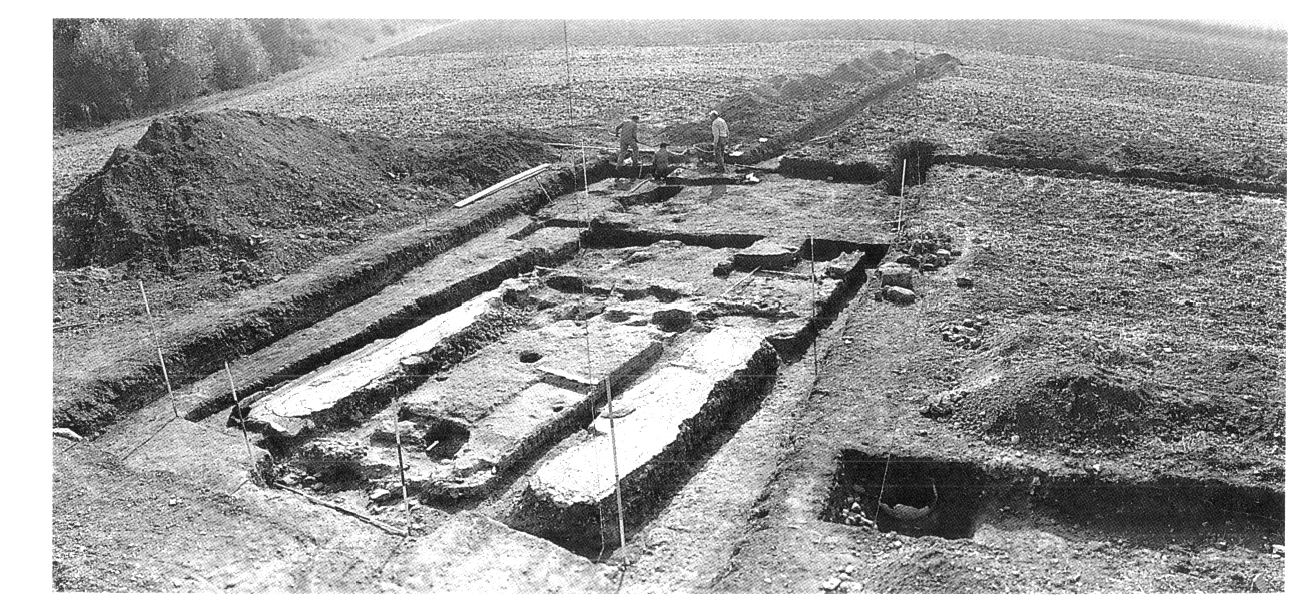
The Mithraeum of Biesheim-Kunheim is located near the ancient village of Altkirch, near the Rhin.
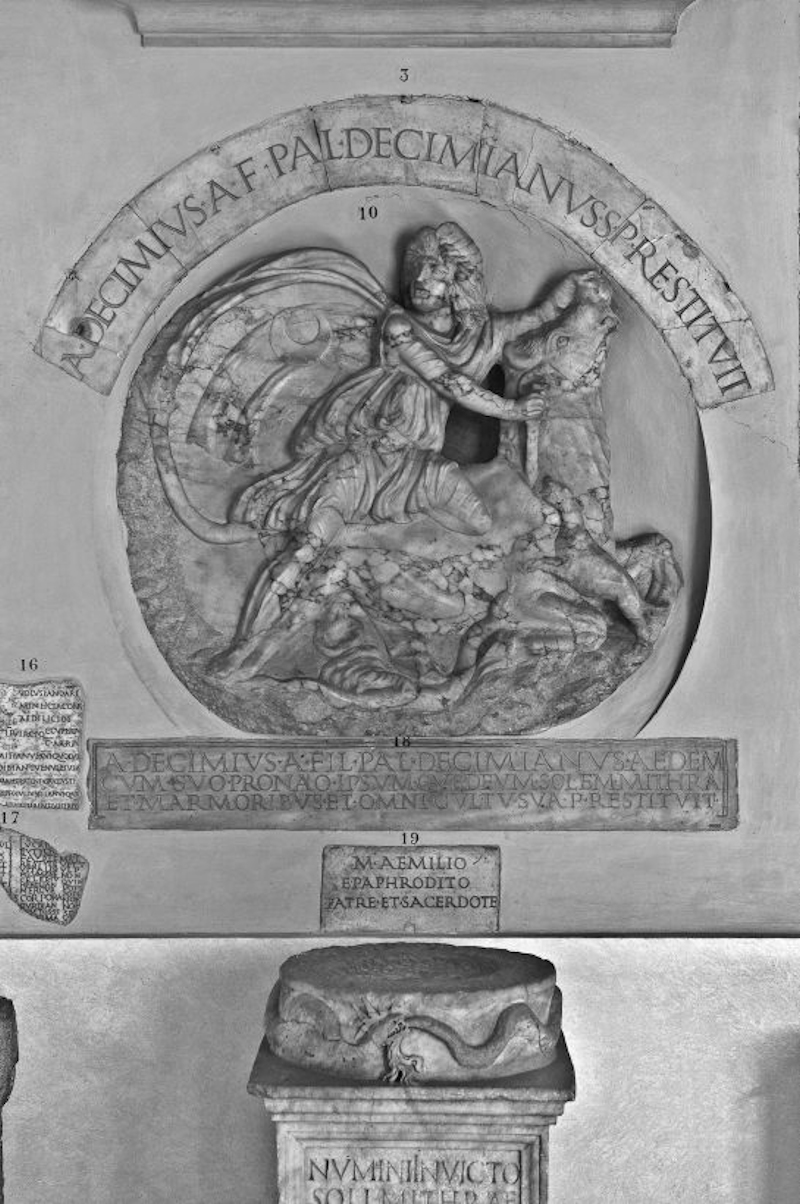
The relief of Mithras slaying the bull from the Mithraeum of the Seven Spheres was discovered in 1802 by Petirini by order of Pope Pius VII.
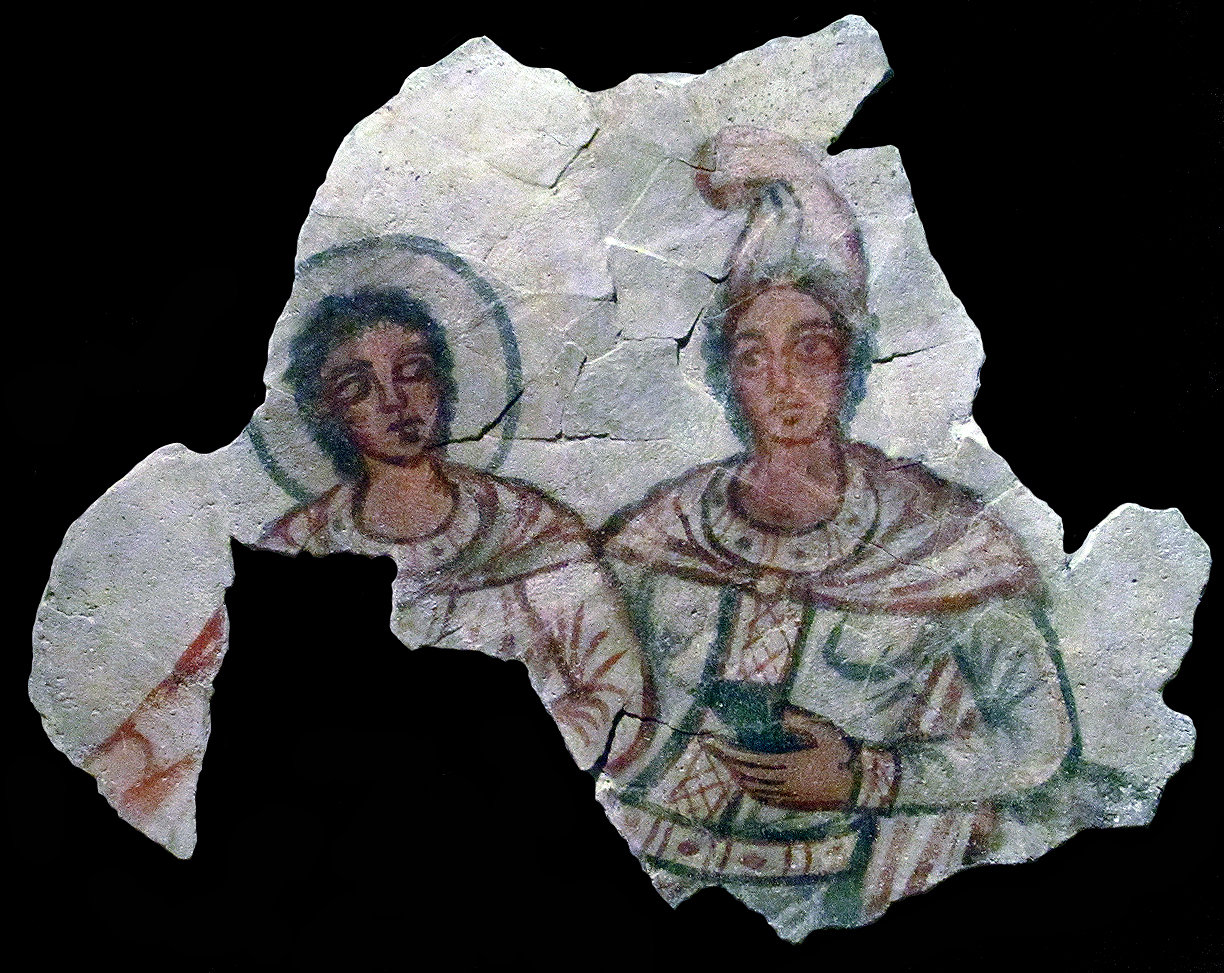
Sol watches Mithras as he gazes Mithras gazes up to heaven while sharing the sacred meal.
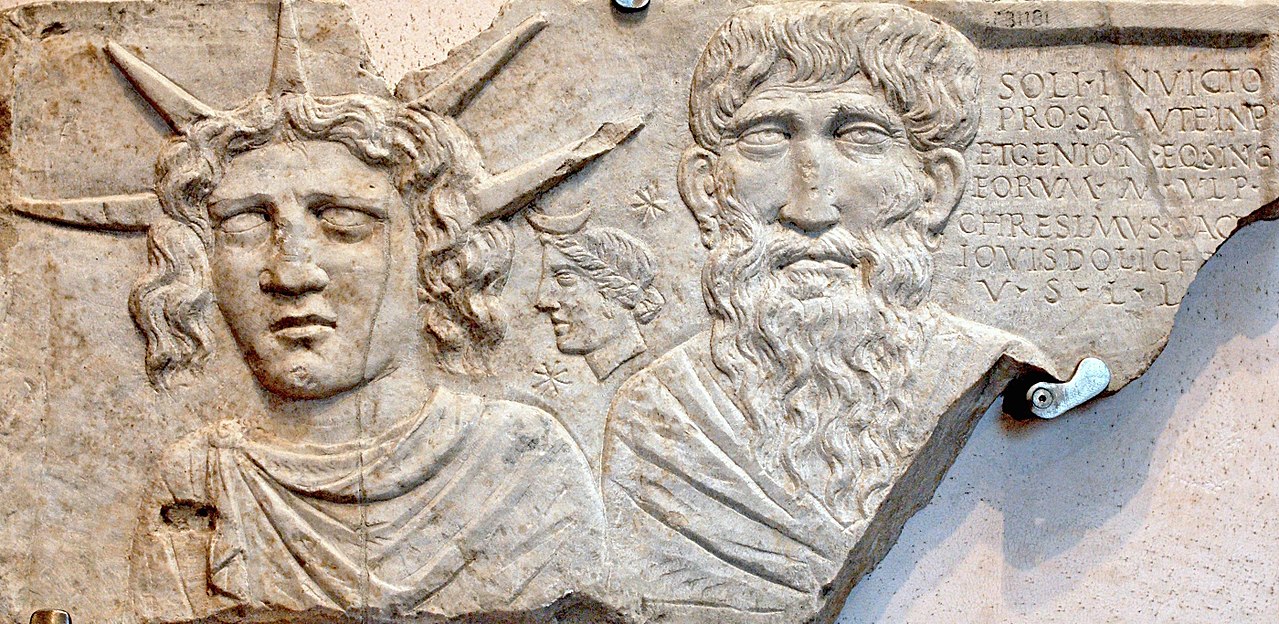
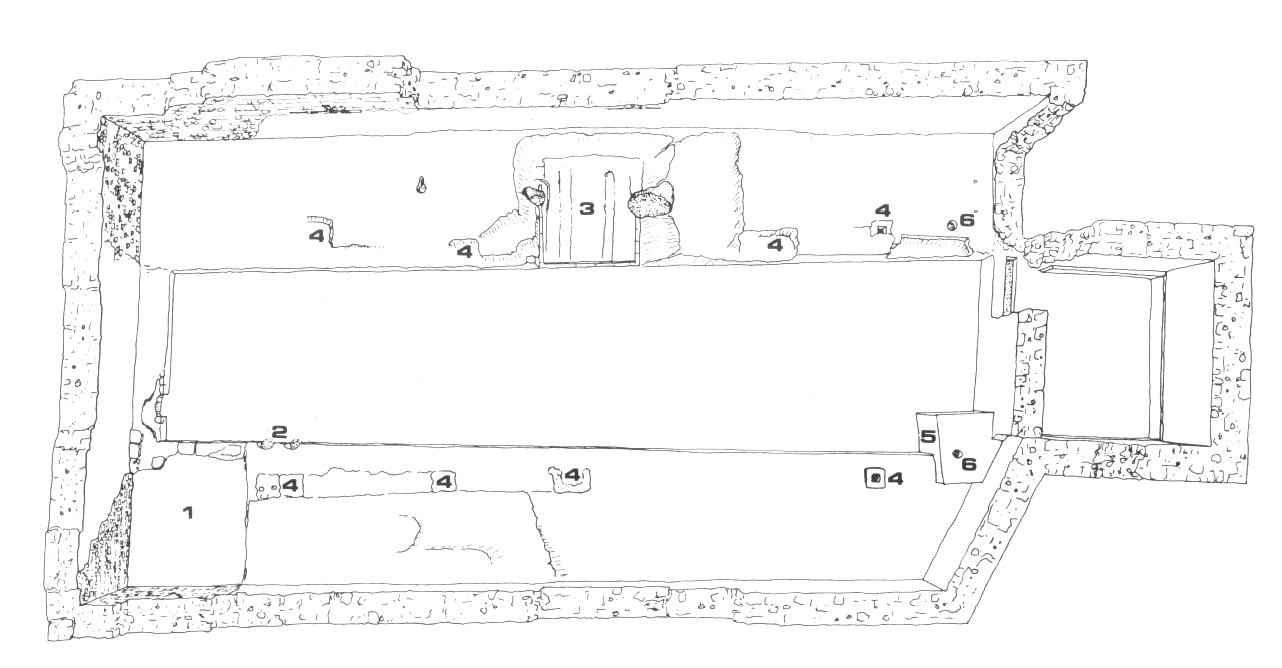
C’est en 1986, à l’occasion de la restructuration de l’ancien magasin Parunis, qu’une fouille de sauvetage archéologique fut réalisée cours Victor Hugo.
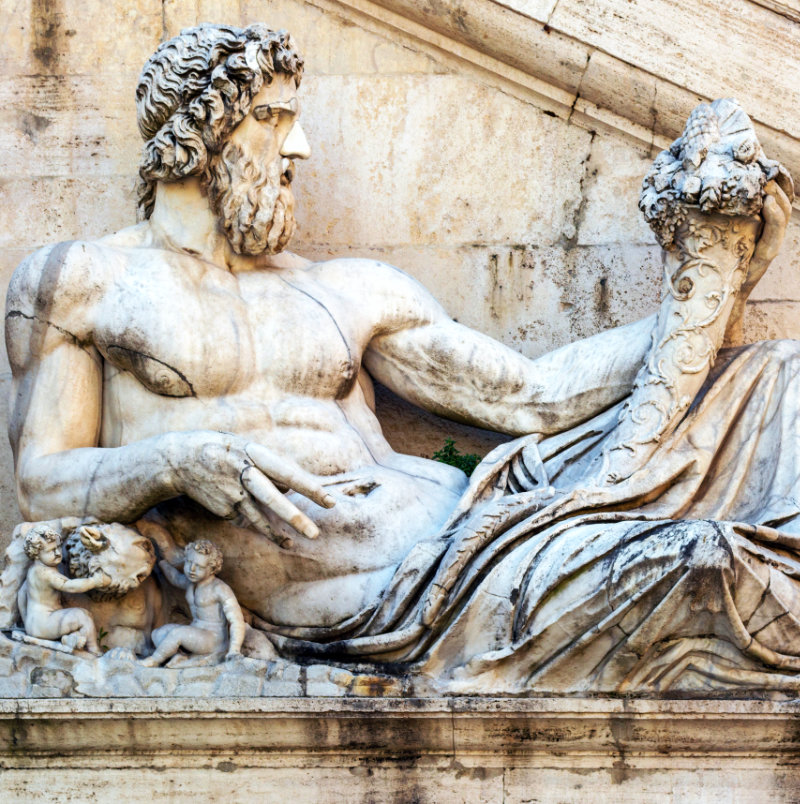
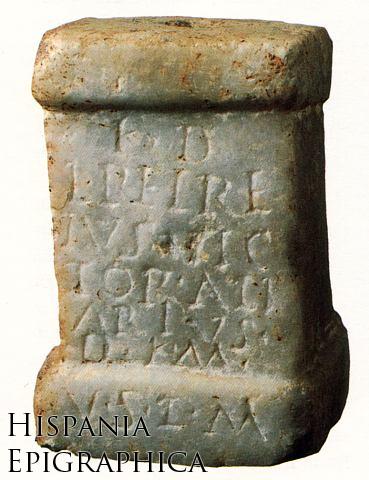
Small arula with mithraic inscription and dedication to Cautes from a garlic merchant.
This marble slab found near the Casa de Diana in Ostia bears two inscription with several names of brothers of a same community
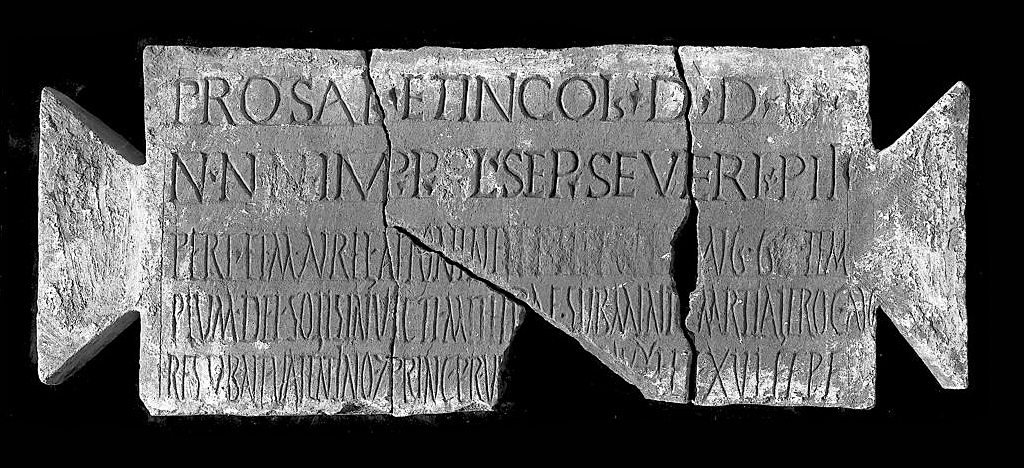
Antonius Valentinus, centurio, made this plaque for the salut des empereurs Septimus Severus and Marcus Aurelius.
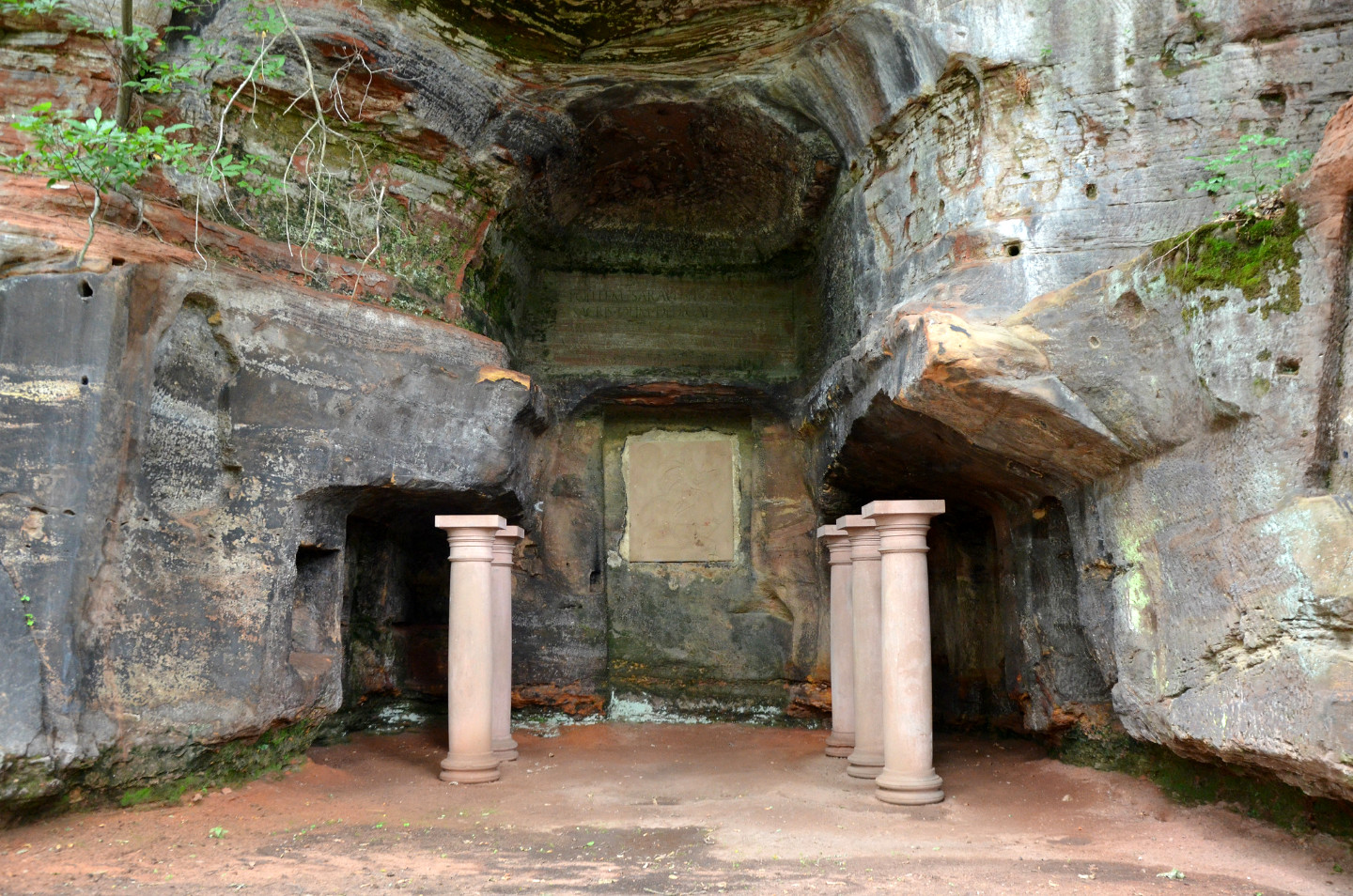
The Mithraeum in Halberg hill, near Saarbrücken, is one of the oldest historical places in the area.
