Your search Jean-Christian Tautil gave 159 results.
Francesco Massa examines how the concept of mysteria was transformed in the Roman Empire, as Christian authors from the mid-second century CE adopted the language of mysteries to articulate their own rituals and beliefs, reshaping understandings of both Christian and traditional cults…
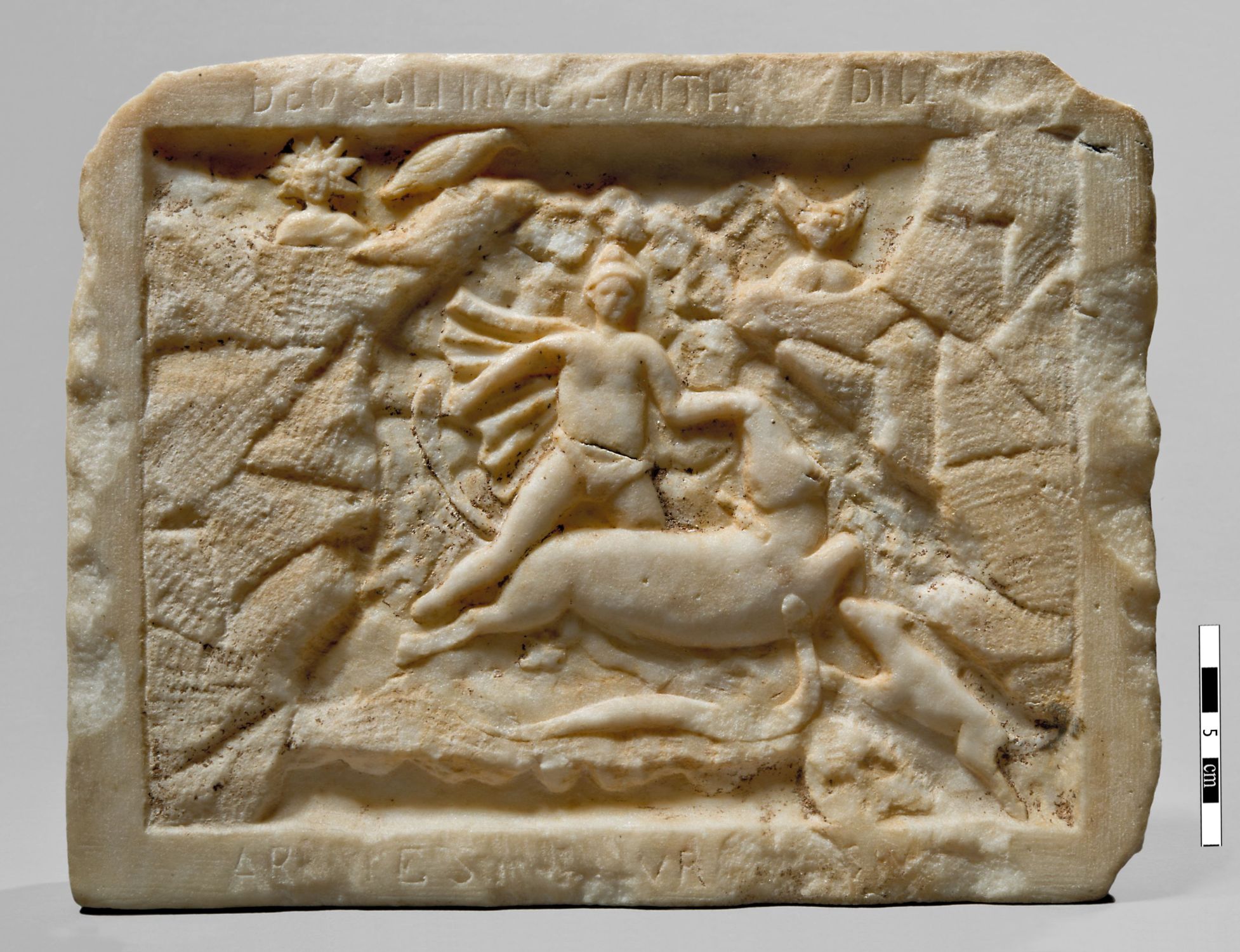
White marble relief depicting Mithras as bull-slayer in a grotto from the Froehner collection, now in the Cabinet des Médailles, Paris.
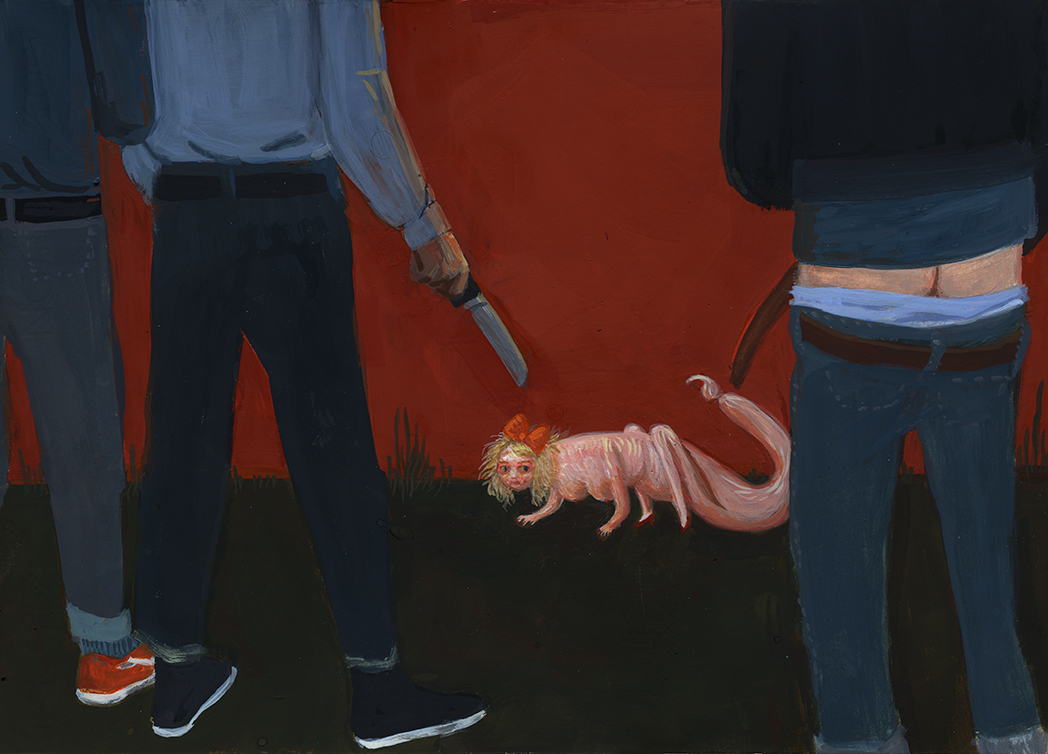
In Letter 107 to Laeta, Jerome combines a pastoral reflection on conversion with an account of the urban prefect Gracchus, who ordered the destruction of a Mithraic cave in Rome, listing the seven grades of initiation associated with the cult.

Emperor Julian may have been initiated into the cult of the god Mithras at the Mithraeum of Vienne, France, according to Turcan.
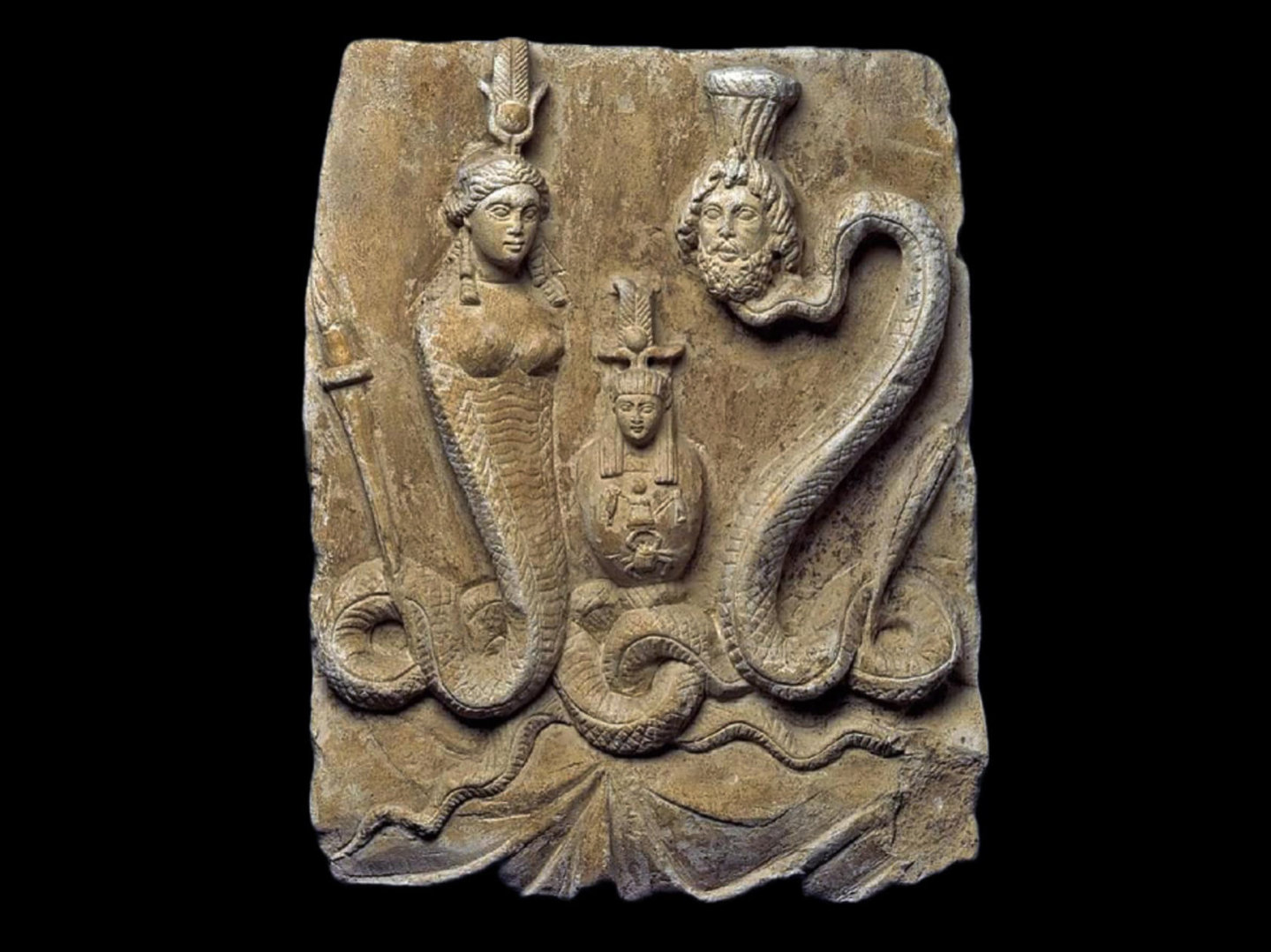
An anonymous late-antique Christian poem, traditionally attributed to Pseudo-Paulinus of Nola (Poema 32, vv. 109–111), that ridicules pagan cults and presents Mithras, Isis, and Serapis as gods of concealment, contradiction, and unstable forms rather than light…
This collective volume explores the ways ancient peoples interacted with divine powers through prayer, magic, and the interpretation of the stars. Drawing on evidence from Mesopotamia to Late Antiquity, it situates these practices within broader religious and cosmological systems…

A critical edition of the Mithras Liturgy (PGM IV.475–834), providing the Greek text, English translation, commentary, and an updated discussion of its interpretation since Albrecht Dieterich’s 1903 edition.
Fritz Saxl interprets Mithraism primarily through its images, proposing the cult as a visual cosmology structured around the descent, sacrifice and re-ascent of light, developed in close dialogue with Aby Warburg and Erwin Panofsky.

Collection of early passages on the cult of Mithras, curated and translated by A. S. Geden.

Kerivel explore voie mystique des Alévis que, selon lui, trouve son origine dans la très ancienne religiosité des peuples iraniens et sur les structures et les rituels du culte de Mithra.

Tercera entrega de la trilogía de Jaime Alvar dedicada al estudio de los cultos a dioses procedentes de Oriente en la Península Ibérica.

Mithras explores the history and practices of the ancient mystery religion Mithraism, looking at both literary and material evidence for the god Mithras and the reception and allure of his mysteries in the present.

The starting point of this study of the initiation into the cult of Mithras are the 462 sites where traces of the cult have been found to date. They form the framework of the study.

Dans un VIIIᵉ siècle uchronique où Mithra est devenu le dieu officiel de Rome, Rachel Tanner imagine un empire impitoyable, déchiré entre révoltes barbares, intrigues politiques et résistances occultes, porté par une fresque de fantasy historique d’une intensité rare…


