Your search Mühltal am Inn gave 1066 results.
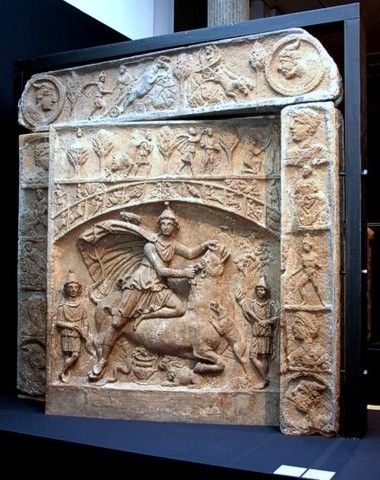
This relief is so well-known that it has been reproduced in nearly every handbook of archaeology and of history of religions.
Relief in red sandstone originally standing on a base in Mithraeum I at Heddernheim, ancient Nida, featuring the bull-slaying scene.

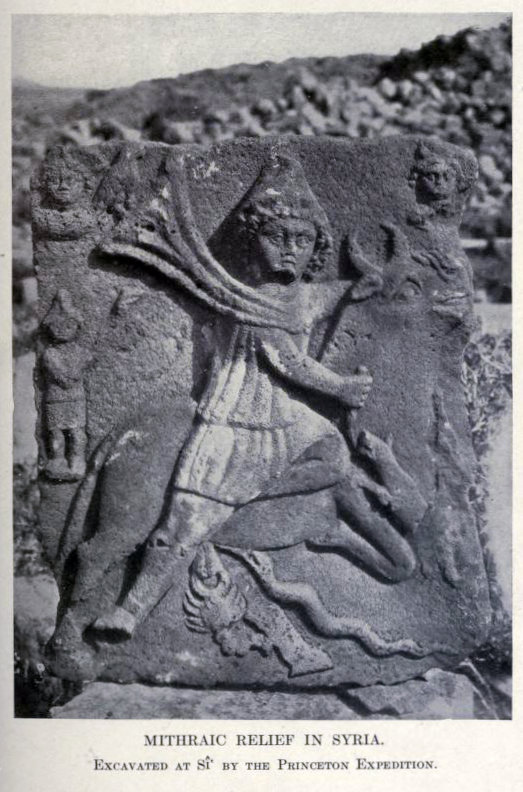
In the tauroctony of Jabal al-Druze in Syria, the snake appears to be licking the head of the bull's penis.
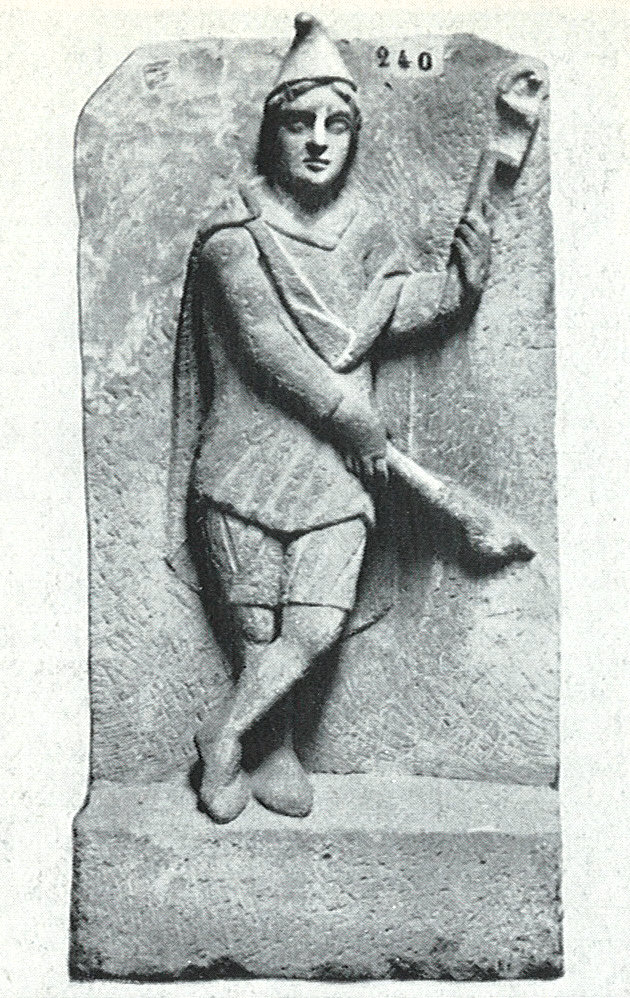
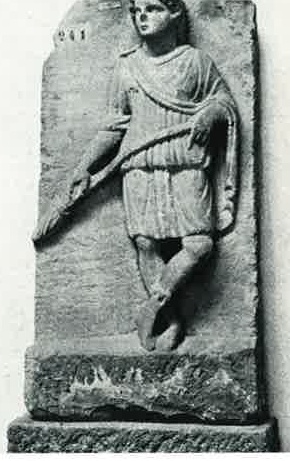
This Cautopates from Nida carries the usual downward torch in his right hand and a hooked stick in his left.

This second relief depicting a phallus from Tiddis, Algeria, has been positioned alongside its counterpart atop pillars that greet visitors to the Mithras shrine.
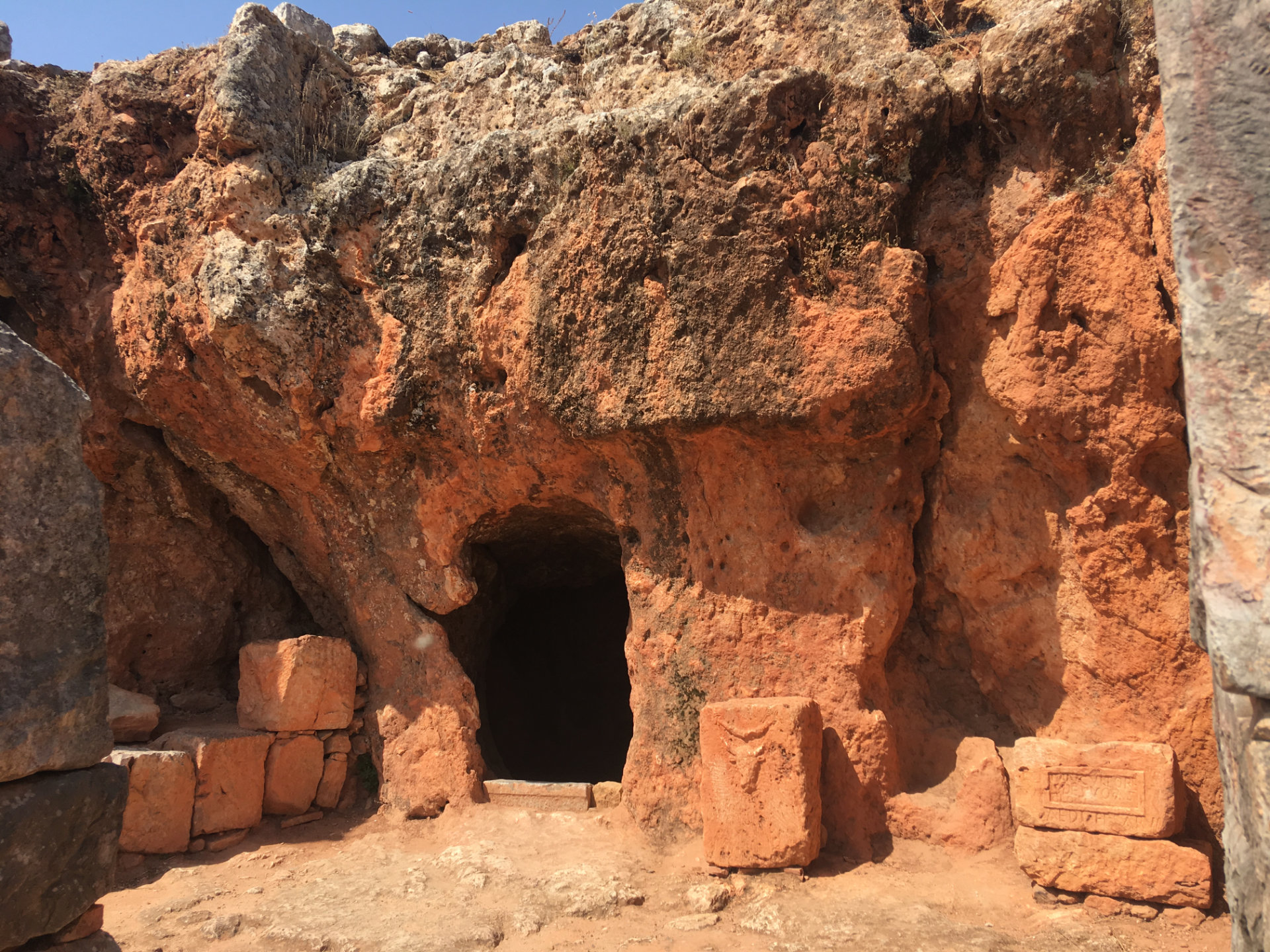
The Mithraeum was housed in a cave. The vault is almost dome-shaped and in front of the cave there is enough space for a possible adjacent temple.
The Mithraeum II in Stockstadt was in fact the first one known built in the vicus. It was destroyed by fire around 210.
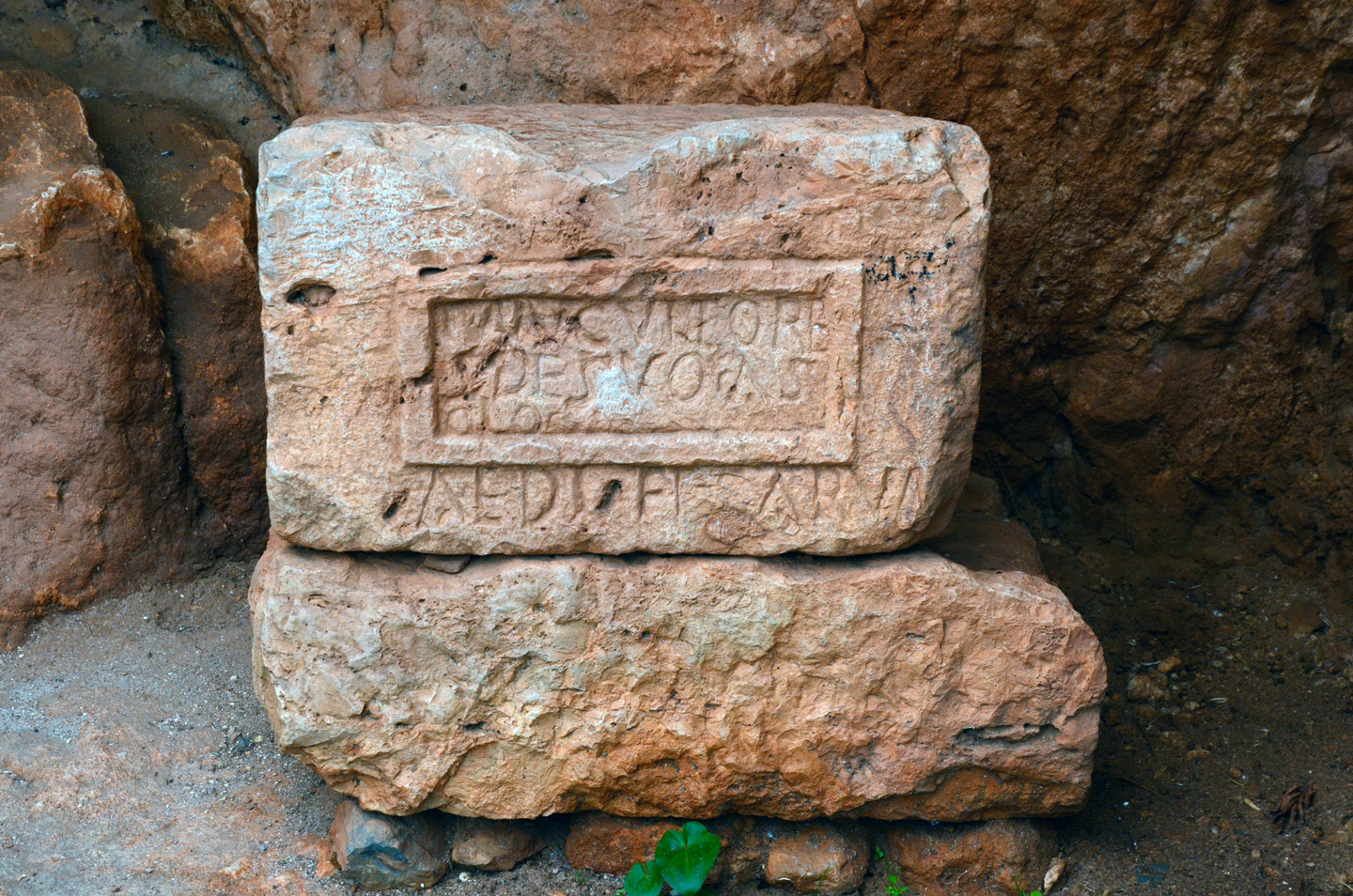
Inscription recording the dedication of a mithraeum at Tiddis by a group of cultores who built the sanctuary at their own expense.
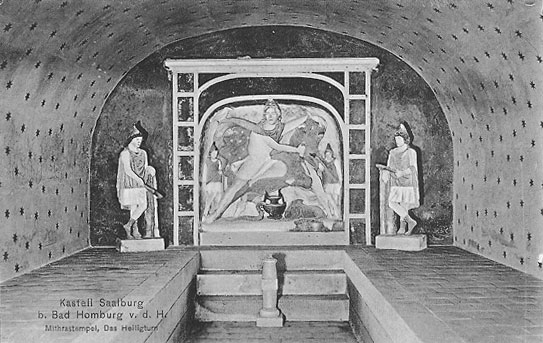
In the 1900s a model Mithraeum was built in Saalburg in the mistaken belief that there was an original temple of Mithras in an ancient Roman building.
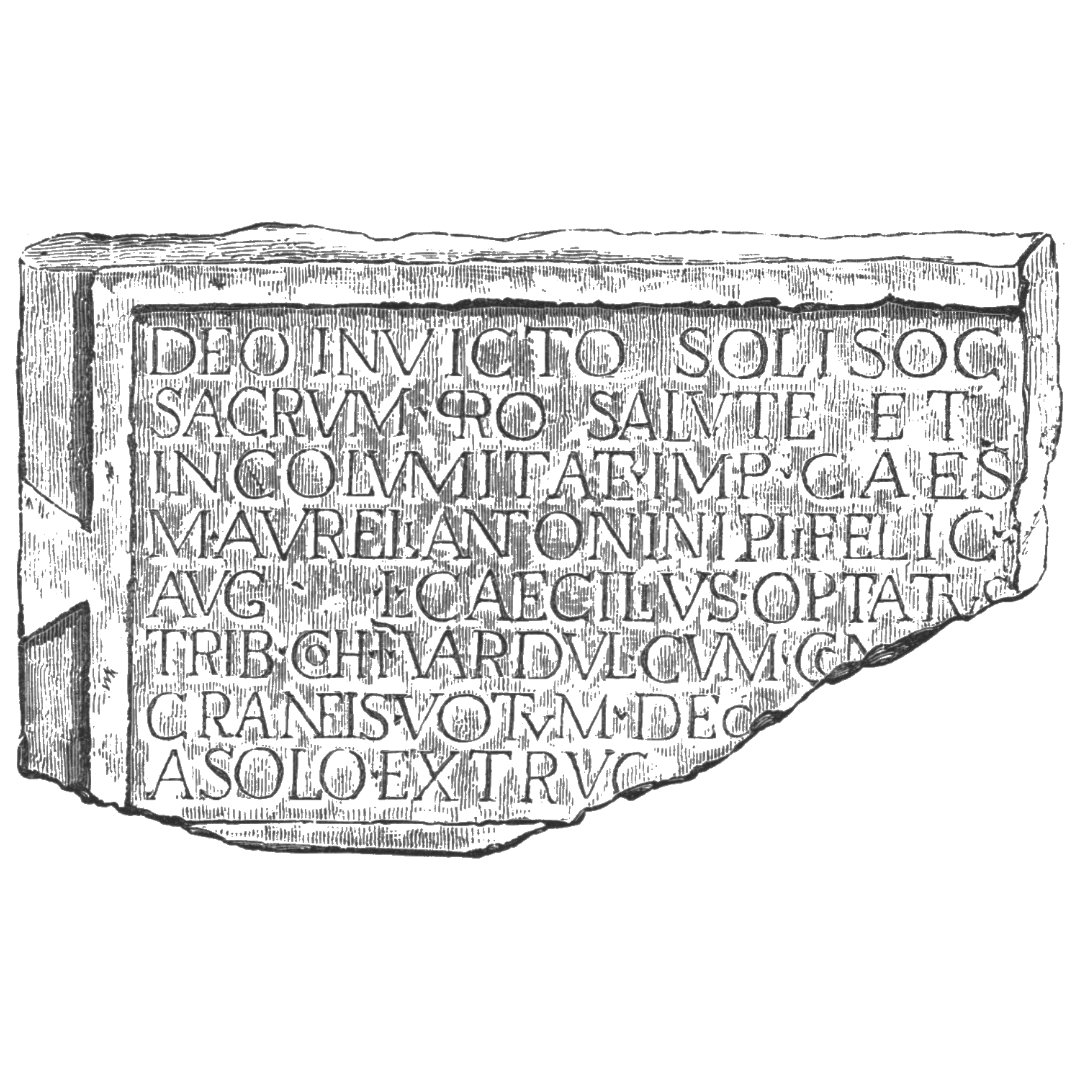
This inscription commemorates the building of a mithraeum in Bremenium with fellow worshippers of Mithras.

Second terracotta tablet found at Calvi depicting Mithras killing the bull, now at Berlin, Antiquarium.
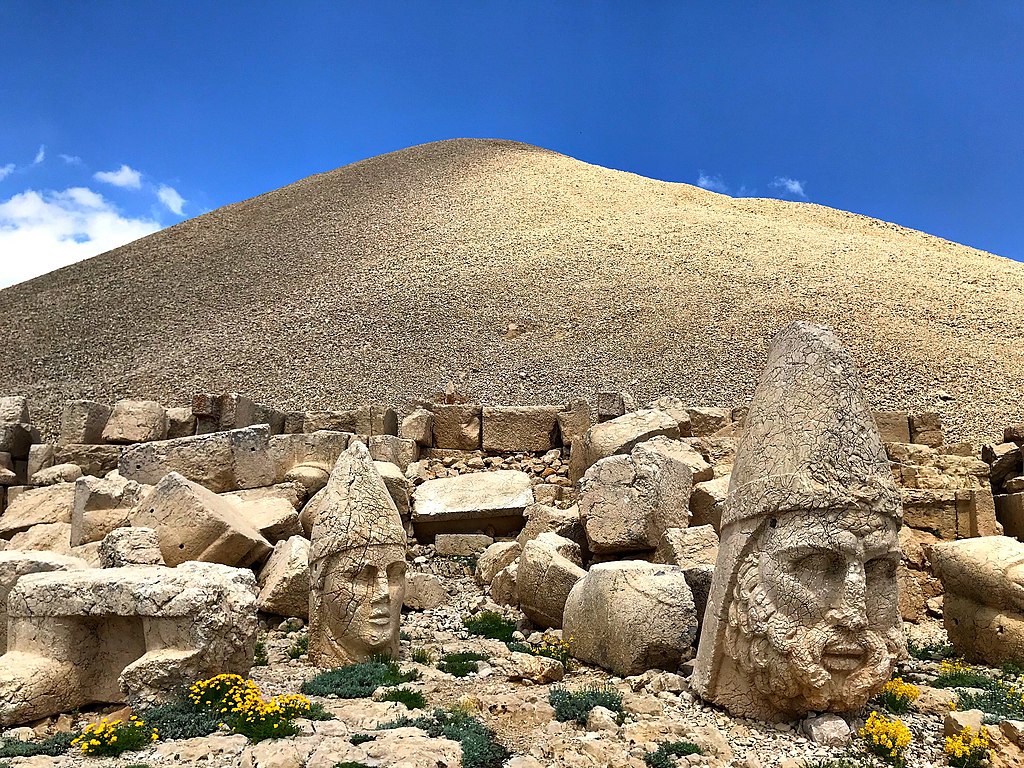
Mount Nemrut or Nemrud is one of the highest peaks in the eastern Taurus Mountains, southeastern Turkey. On its summit large statues stand around what is supposed to be a royal tomb from the 1st century BC.
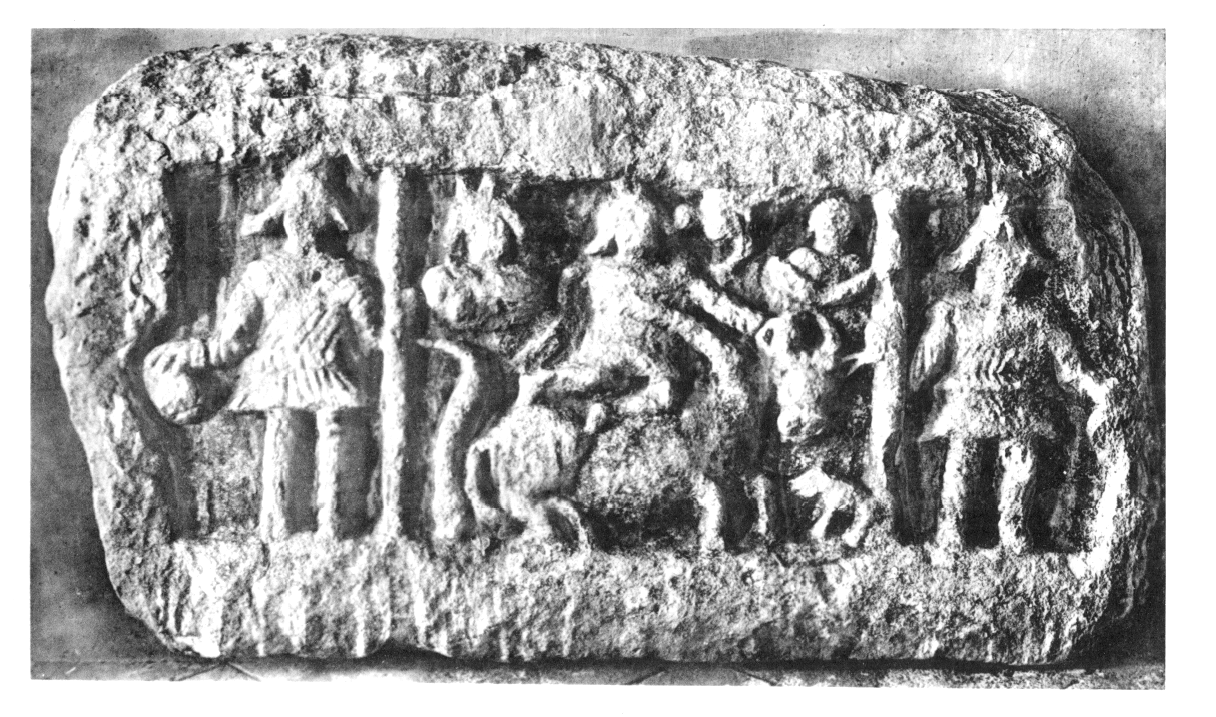
This relief of Mithras as bull slayer is surrounded by Cautes and Cautopates with their usual torch plus an oval object.
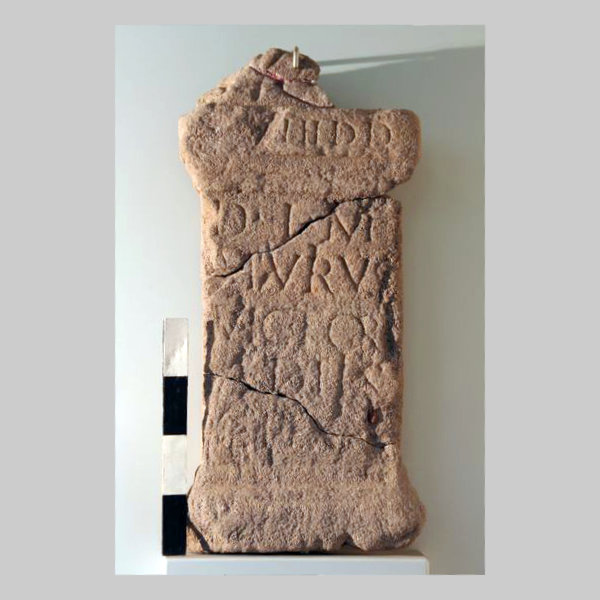
Marius Victor, according to the inscription on the monument, erected this monument to Mithras ’when Philip and Titianus were consuls’.
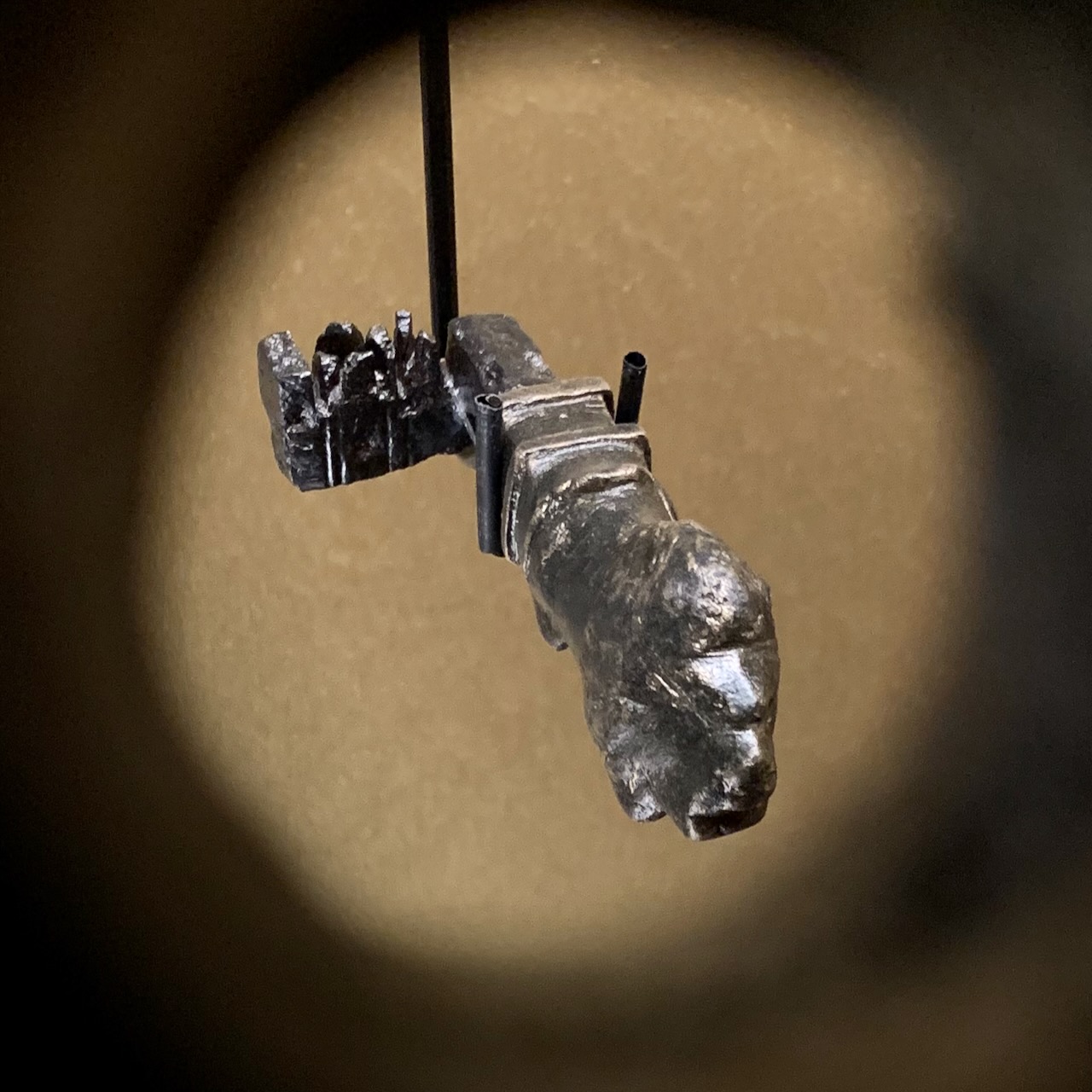
The key of Nida's Mithraeum III was decorated with a lion's head.
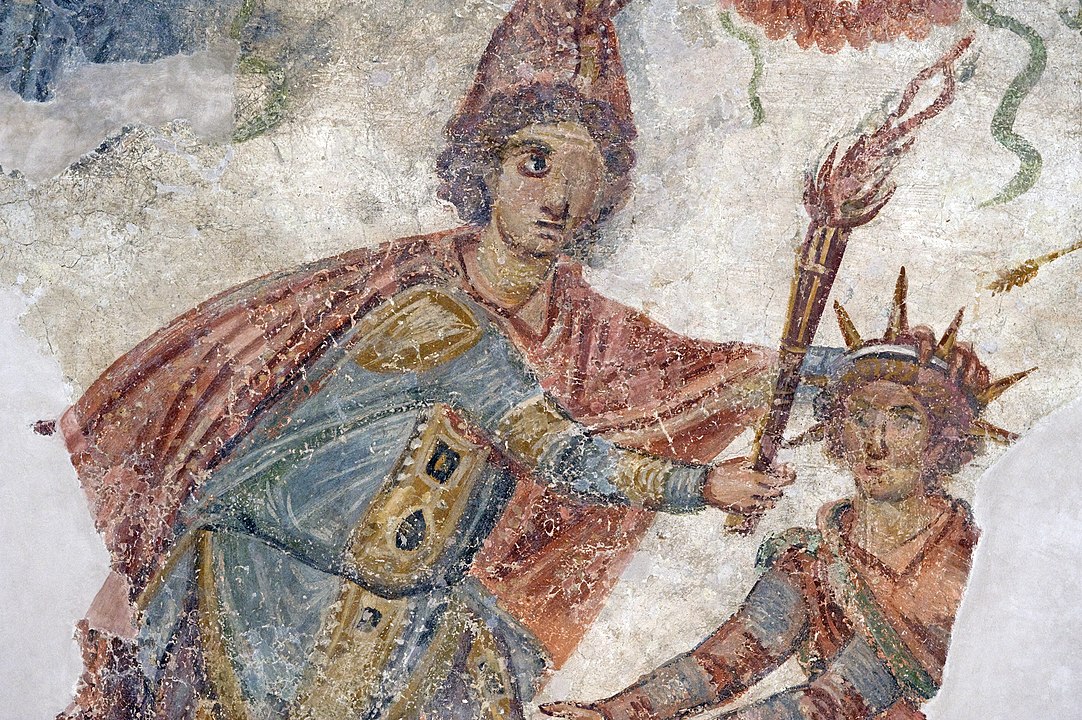
Fresco du Mithraeum de Hawarte, Syria, depicts Mithras' victory over the Sun.
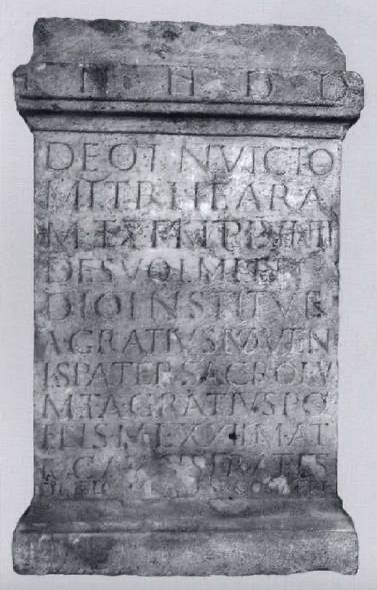
The monument was dedicated by two brothers, one of them being the Pater of his community.
A possible Mithraeum II was found in Bingen, but the few remains are not sufficient to prove it.

