Your search Mühltal am Inn gave 1063 results.

Small Mithraic sanctuary (8 × 8 m) excavated in 1950–52 on a slope west of Schloss Moosham, Noricum, on the left bank of the river Mur; the finds include a marble epistylium, a Mithras head, and fragmentary altars.
Life-sized sandstone head with long curly hair and Phrygian cap, found at the foot of the Hohenklingen near Stein am Rhein, Raetia; probably belonging to a statue of Cautes or Cautopates.
Sandstone altar found together with the Vocco altar at Rottenburg am Neckar, ancient Solicinium, bearing a fragmentary dedication and decorated with trees on its lateral faces.
Group of inscriptions from Umbria including one entry reassigned to Interamna Lirenas in Latium.
A brief inscription to Sol Invictus as companion of the emperor found among the ruins of ancient Interamna Lirinatis in the Umbrian territory of Terni.
Inscription dedicated to Sol Invictus at Lambaesis, of uncertain Mithraic attribution.
Inscription recording the construction of a templum Invicti from the ground by Aurelius Longinianus, centurion of the Third Augustan Legion, near the Roman camp at Lambaesis.
Dedication for the safety of the provincial governor erected by an actarius and notarius within the Mithraic sanctuary of Lambaesis.
Sculpted ram’s head discovered among the finds from the supposed Mithraic sanctuary.
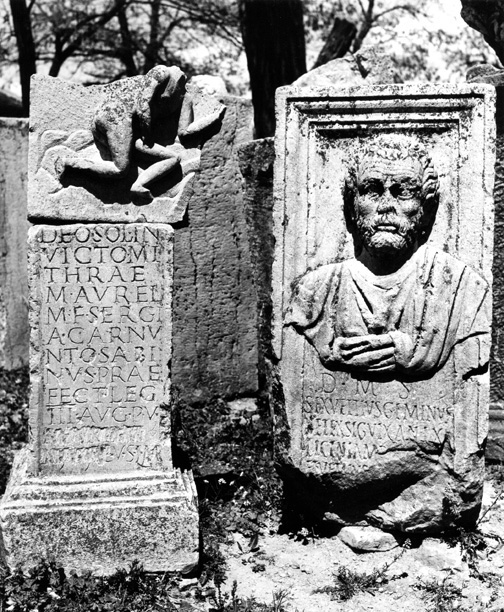
This altar to the god Sol invicto Mithra was erected by a legate during Maximin’s reign in Lambaesis, Numidia.
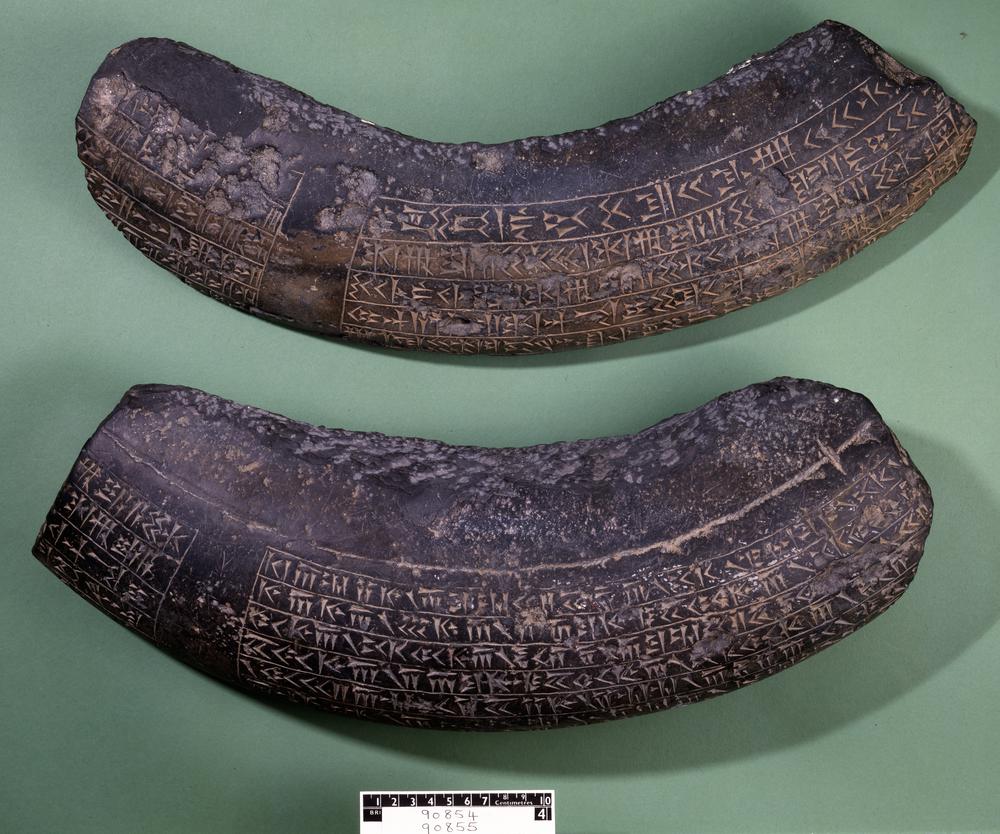
The base of the column bears an inscription that records the rebuilding of a palace at Ectabana ’by the favour of Ahuramaza, Anahita and Mithra’.

Lambaesis, Lambaisis or Lambaesa, is a Roman archaeological site in Algeria, 11 km southeast of Batna and 27 km west of Timgad, located next to the modern village of Tazoult.

Peter Mark Adams’ The Game of Saturn: Decoding the Sola-Busca Tarocchi is the first full length, scholarly study of the enigmatic Renaissance masterwork known as the Sola-Busca tarot.
Questions on the old and new testaments, 113.11. Ambrosiaster, 5th cent.
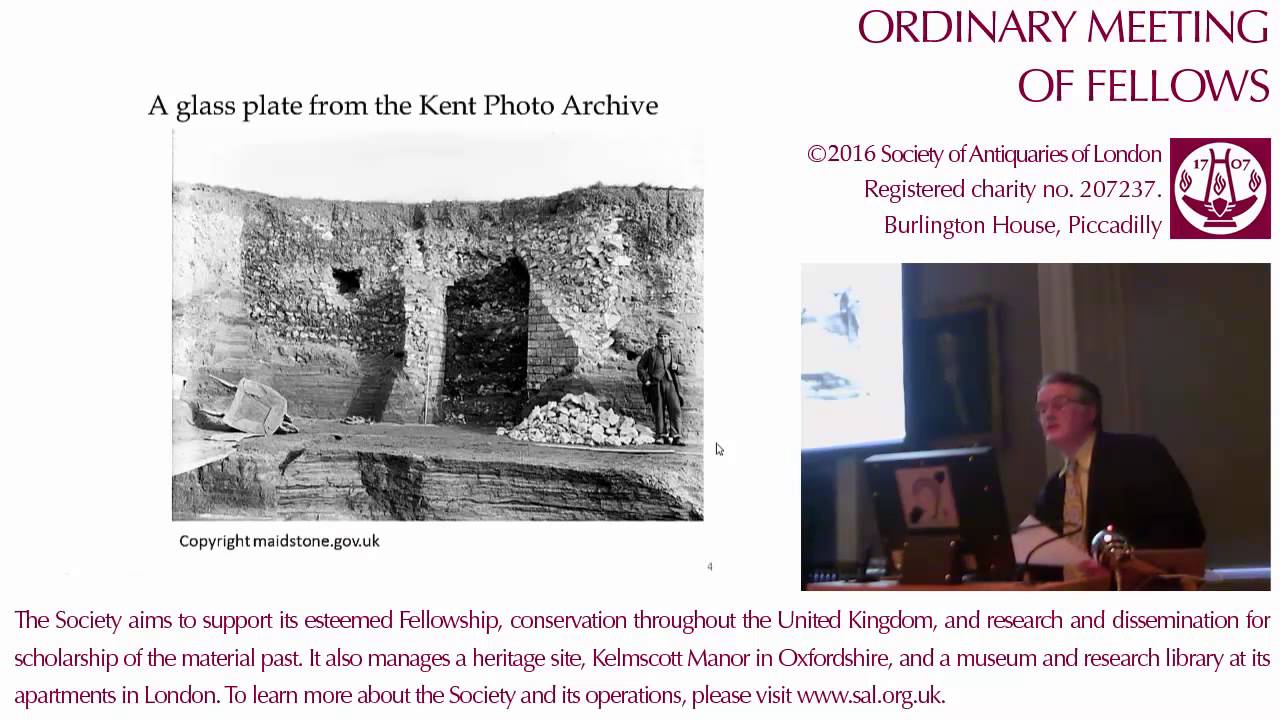
Presentation of the so-called Mithraeum of Burham by Mark Samuel at the Ordinary Meeting of Fellows of the Society of Antiquaries of London.


Professional author with a special interest in Greco-Roman ritual and sacred landscapes, art and philosophy.
Inscribed altar from Mithraeum II at Stockstadt dedicated to Deo invicto Mithrae by a dedicant whose name reads Matto
