Your search Mühltal am Inn gave 1066 results.
Francesco Massa examines how the concept of mysteria was transformed in the Roman Empire, as Christian authors from the mid-second century CE adopted the language of mysteries to articulate their own rituals and beliefs, reshaping understandings of both Christian and traditional cults…

Memoir by Félix Lajard analysing a Mithraic bas-relief discovered in Vienne in 1830. Based on direct examination of the fragments and their context, the study corrects an earlier misidentification and documents a rare lion-headed figure within a probable mithraeum…
Interprets Mithraism as an initiatory path of inner transformation, reading its myths and rites as symbolic maps of consciousness rather than as historical narratives, and includes an appendix with the Ritual of Mithra from the Great Magical Papyrus of Paris…
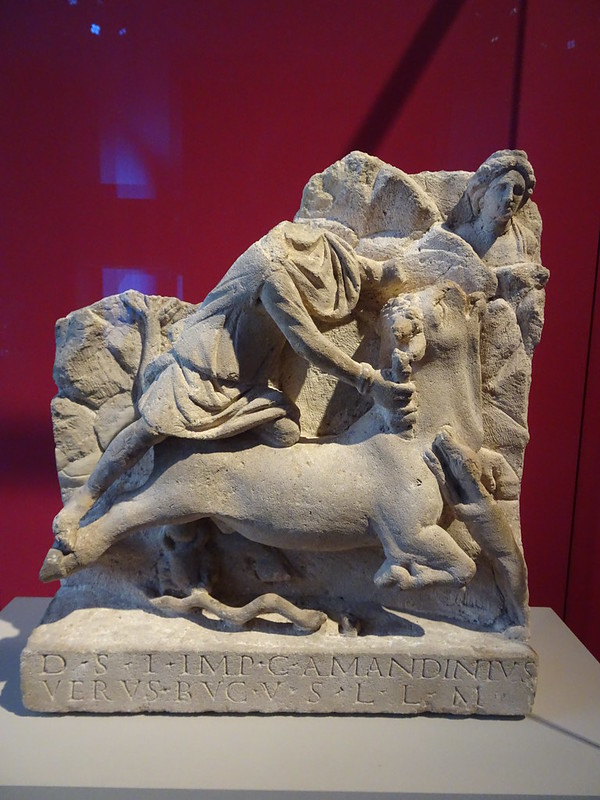
The sculpture of Mithras slaying the bull found in Dormagen is exposed at Bonn Landesmuseum.
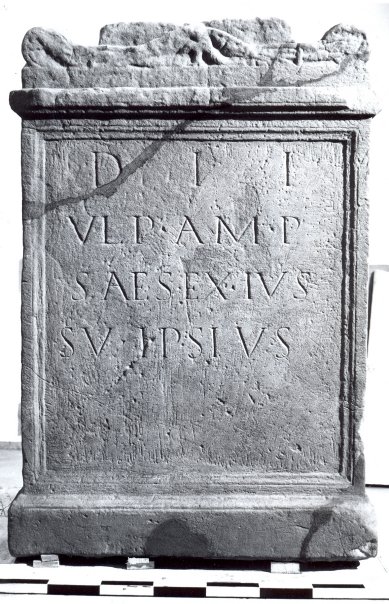
This altar found at ancient Burginatum is the northernmost in situ Mithraic find on the continent.
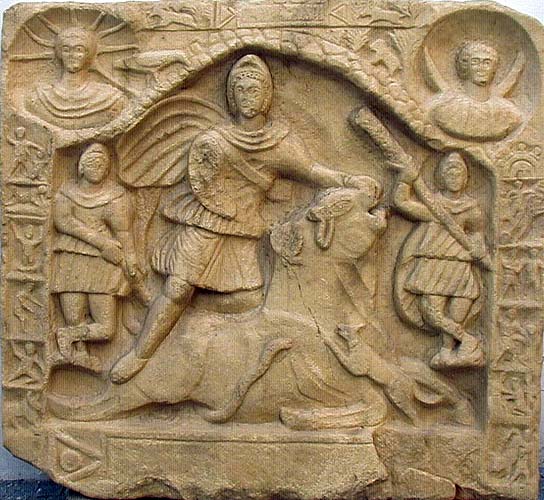
The relief of Mithras slaying the bull at Mauls in Gallia cisalpina is a paradigmatic example of the so-called Rhine-type Tauroctony.

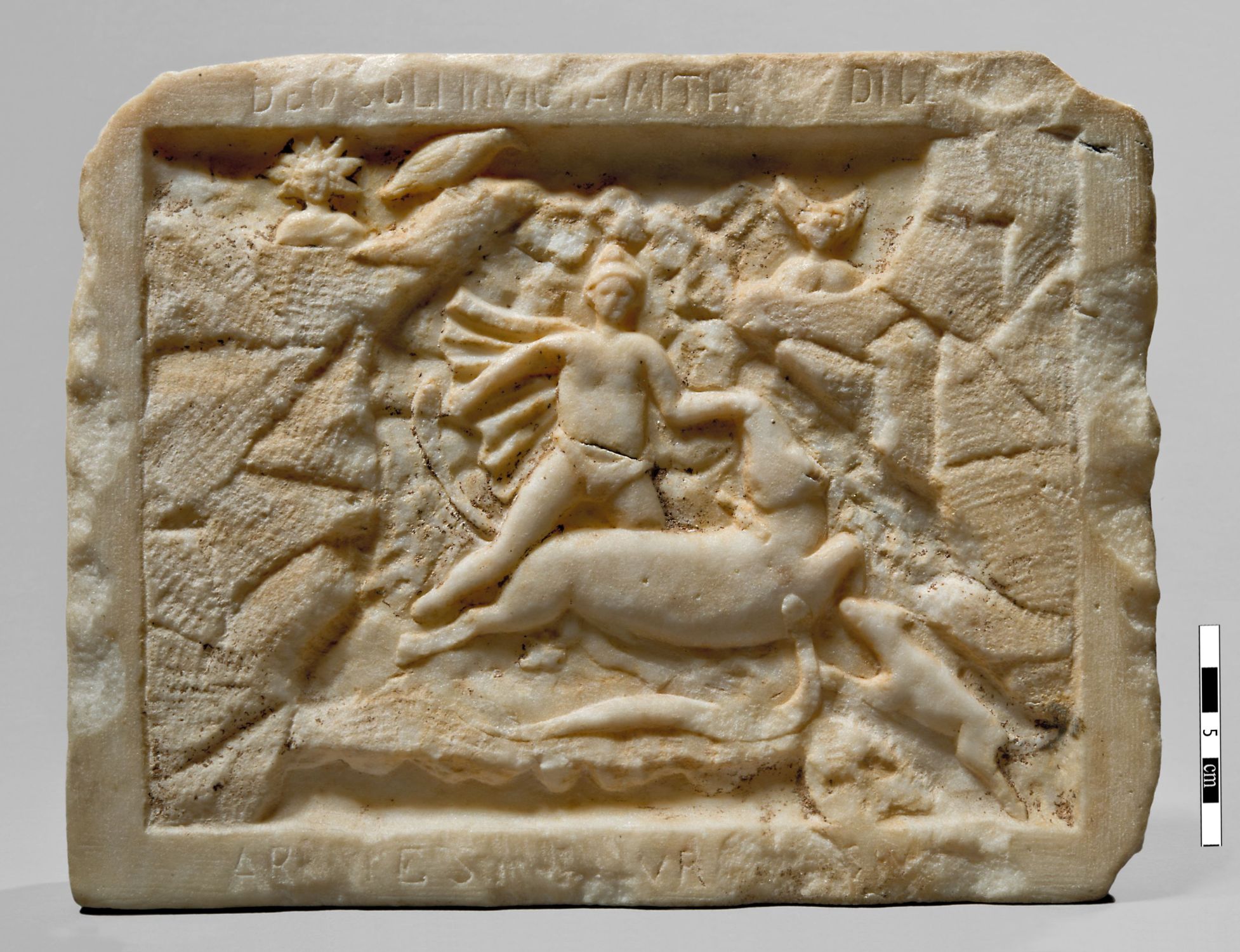
White marble relief depicting Mithras as bull-slayer in a grotto from the Froehner collection, now in the Cabinet des Médailles, Paris.
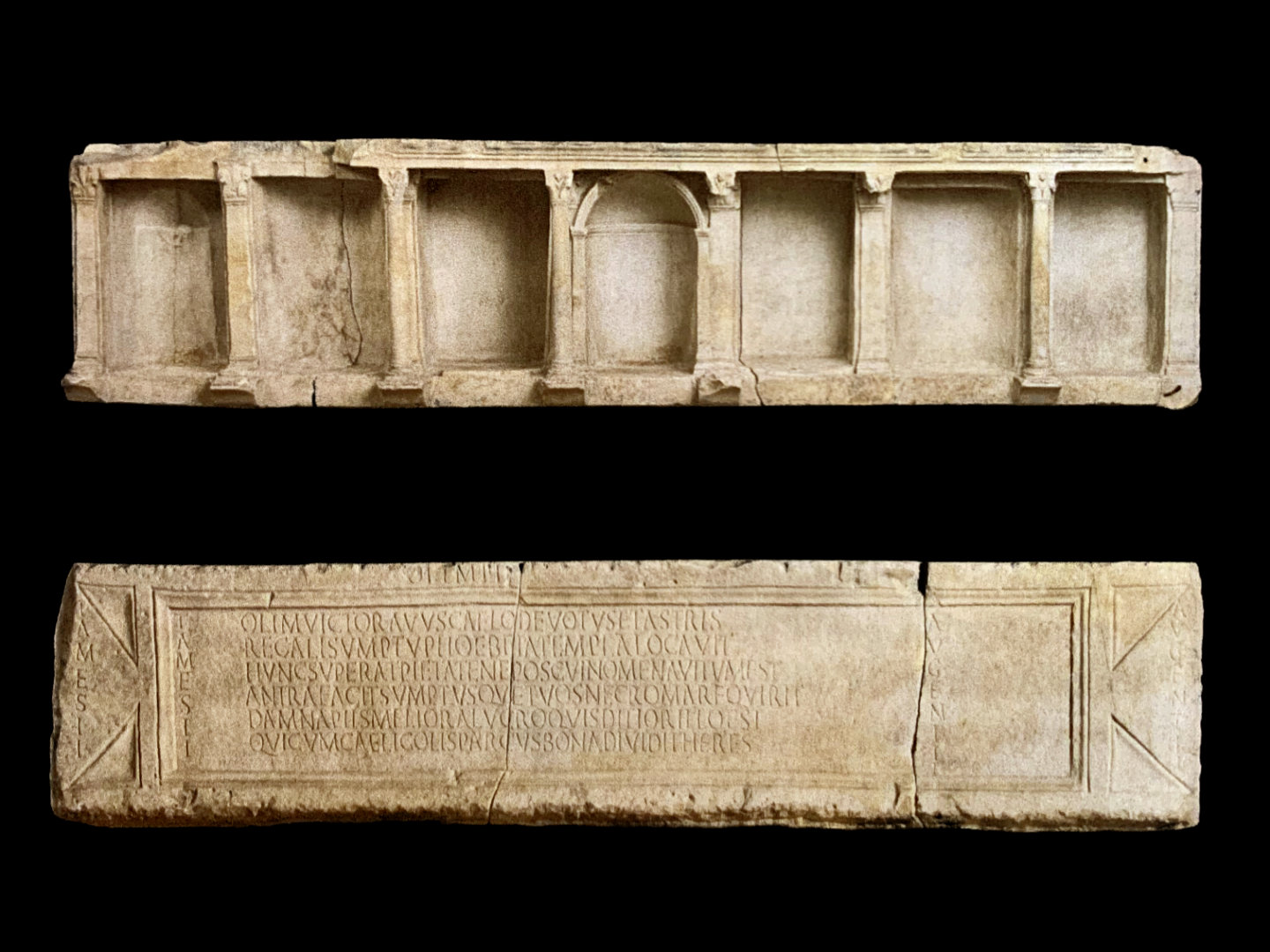
This monument is the only one still available from the disappeared Mithraeum in Piazza S. Silvestro in Capite.
In these passages from his hymns and satires, Julian articulates a solar theology in which Helios governs cosmic order and time. Within this framework, Mithras appears as a personal divine guide associated with the ascent of souls.
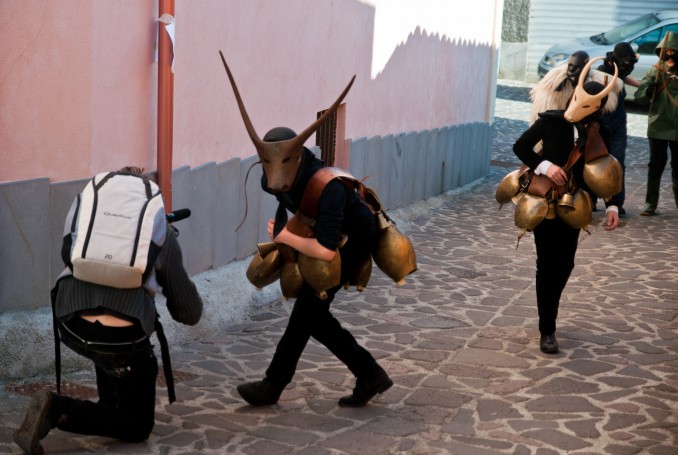
A series of polemical passages in which a leading fourth-century Christian theologian presents the cult of Mithras as a religion defined by cruelty, bodily suffering, and shameful initiation rites.

The article examines two recently discovered Mithraic representations of Cautes from Alba Iulia, focusing on a rare iconographic type showing the torchbearer with a bucranium.

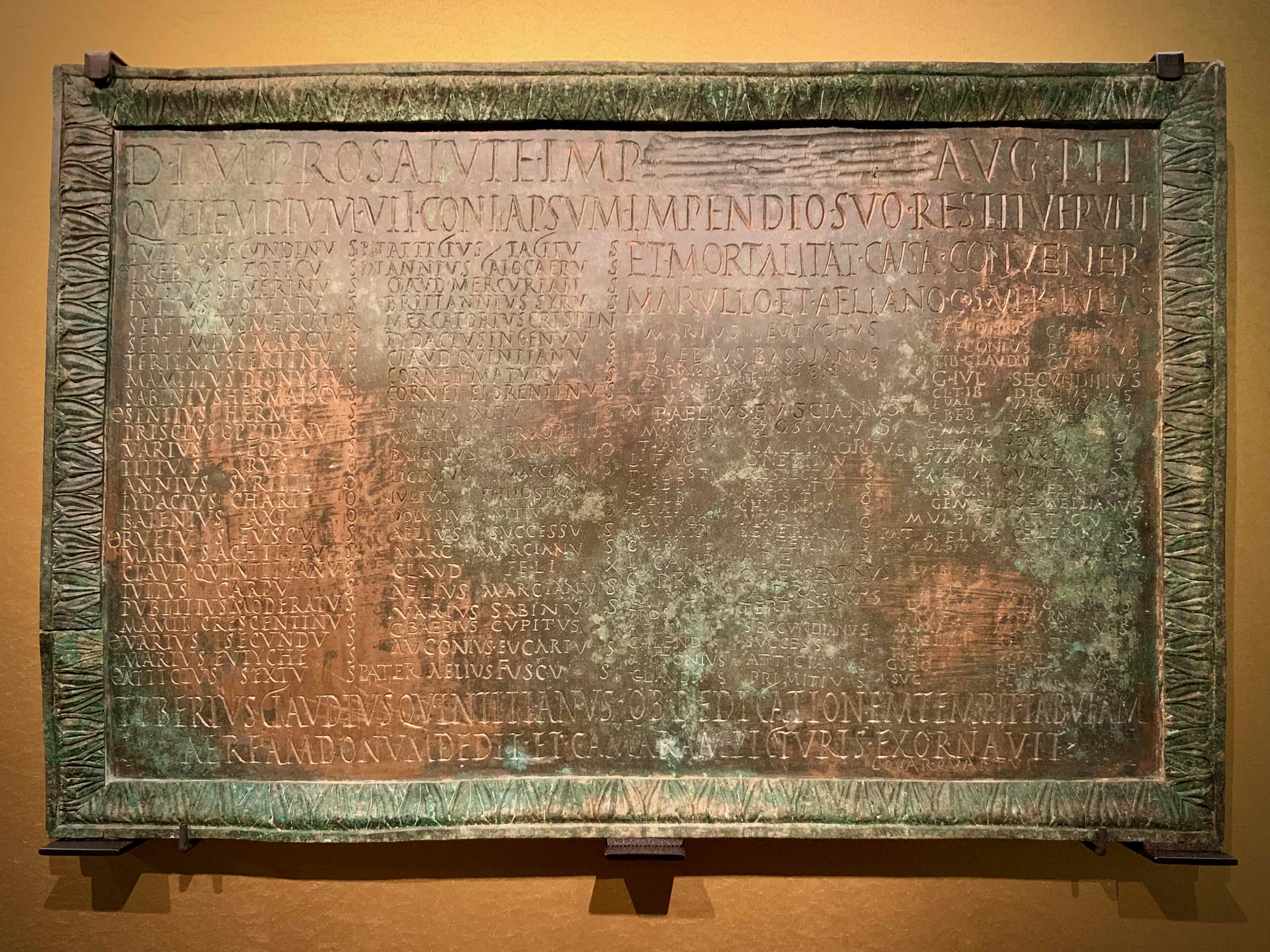
The bronze bears the dedication of a restoration of a Mithraeum carried out in 183.

Radcliffe G. Edmonds III analyses the absence of the moon in the Mithras Liturgy. He argues that this absence reflects a deliberate cosmological framework in which lunar powers linked to genesis are excluded from the ritual of ascent.
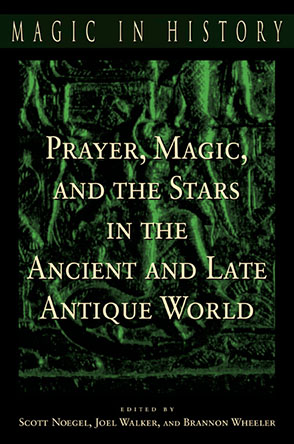
This collective volume explores the ways ancient peoples interacted with divine powers through prayer, magic, and the interpretation of the stars. Drawing on evidence from Mesopotamia to Late Antiquity, it situates these practices within broader religious and cosmological systems…

A erotic military fantasy set against the dramatic background of Rome’s conquest of the British Isles.
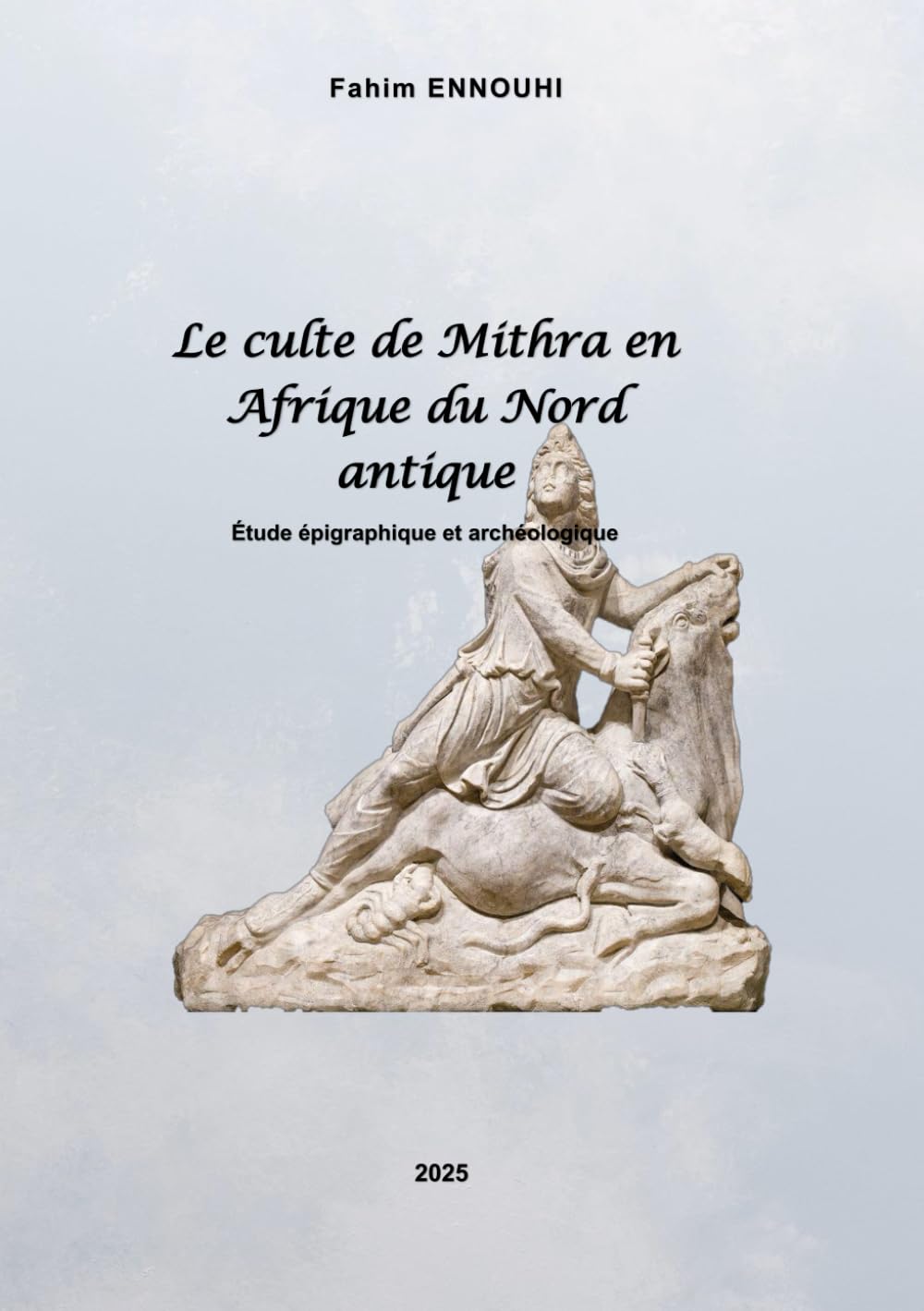
Cet ouvrage propose une étude d’ensemble du culte de Mithra en Afrique romaine. S’appuyant sur un rigoureux examen croisé des sources épigraphiques, archéologiques et littéraires, il restitue l’histoire et les spécificités de ce culte à mystères sur le sol africain…

Este es un libro que pretende esbozar un panorama general de los documentos mitraicos repartidos a lo largo del Imperio romano.
