Your search Martin Luther King gave 158 results.
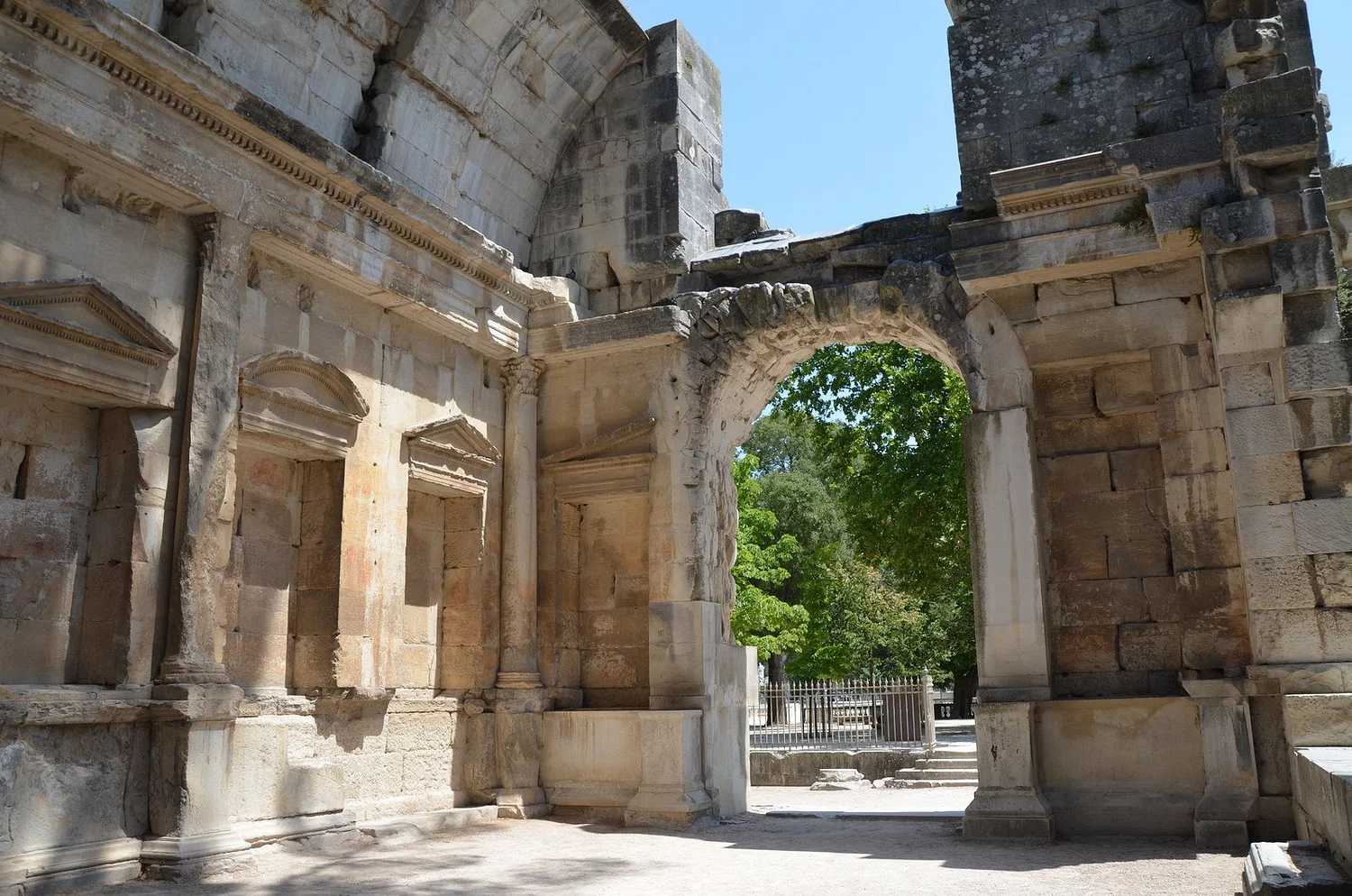
Roman Gallia preserves one of the largest and most geographically diverse corpora of Mithraic evidence in the western empire.
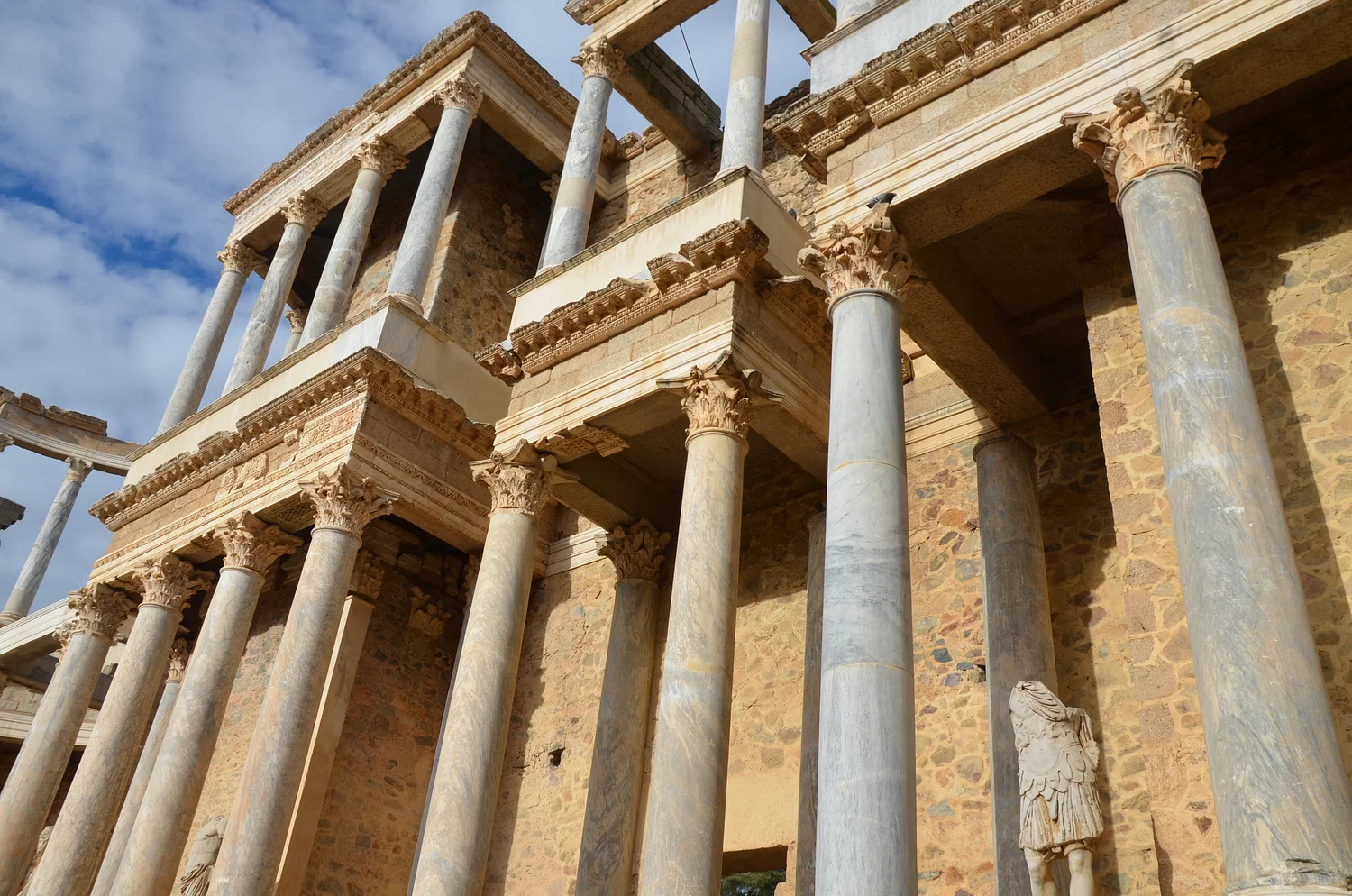
Roman Hispania preserves a relatively modest but strongly urban body of Mithraic evidence, centred above all on Mérida.
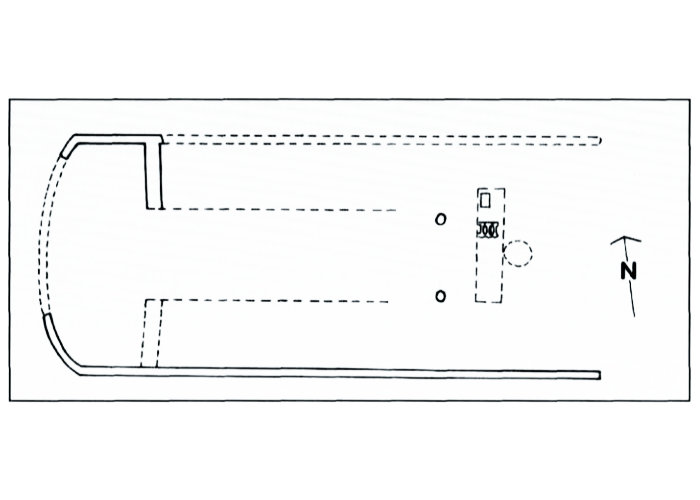
One of the largest known Mithraea in Pannonia, the sanctuary of Sárkeszi stood near the Roman road linking Herculia and Aquincum.

Volubilis is a partly-excavated Berber-Roman city in Morocco situated near the city of Meknes that may have been the capital of the Kingdom of Mauretania, at least from the time of King Juba II.
Geneva is the second-most populous city in Switzerland and the most populous city of Romandy, the French-speaking part of Switzerland.
Trabzon is a historic city on the Black Sea coast of northeastern Turkey, founded in 756 BC as Trapezous by Greek colonists from Miletus. It passed from Achaemenid control to the Kingdom of Pontus, then became part of the Roman and Byzantine empires.
Ostia may have been Rome's first colony. According to legend, Ancus Marcius, the fourth king of Rome, destroyed the area and founded the colony. An inscription seems to confirm the foundation of the ancient castrum of Ostia in the 7th century BC.
Hermopolis, the city of Hermes, was an important city located between Lower and Upper Egypt. A provincial capital since the Old Kingdom of Egypt, Hermopolis developed into a major city of Roman Egypt.
Commagene was an ancient Greco-Iranian kingdom ruled by a Hellenized branch of the Iranian Orontid dynasty that had ruled over Armenia.
Numidia occupied a frontier and military landscape where Mithraic cults circulated through urban settlements and imperial infrastructure.
Histria connected the northern Adriatic to the Balkan and Danubian worlds through maritime and regional communication networks.
Transpadana occupied the northern plains of Italy where major communication routes connected the peninsula to the Alpine and Danubian worlds.
Armenia occupied a frontier crossroads between the Roman world, Anatolia and the Iranian cultural sphere.
Etruria formed part of the cultural and religious heartland of central Italy closely connected to Rome and the Tyrrhenian world.
Mauretania Caesariensis connected western North Africa to Mediterranean trade routes and the provincial networks of the Roman empire.
Cilicia occupied a key position between Anatolia, Syria and the eastern Mediterranean maritime routes.
Cappadocia formed a major frontier and military region linking central Anatolia to the eastern limits of the Roman empire.
Galatia occupied the central Anatolian crossroads through which military movement and eastern provincial networks intersected.
Achaea preserves some of the earliest and most culturally complex evidence for Mithraic cults in the Greek-speaking eastern Mediterranean.
Macedonia formed a major crossroads between the Greek world, the Balkans and the communication routes of the eastern Roman empire.
