Your search Mit Rahina gave 2640 results.
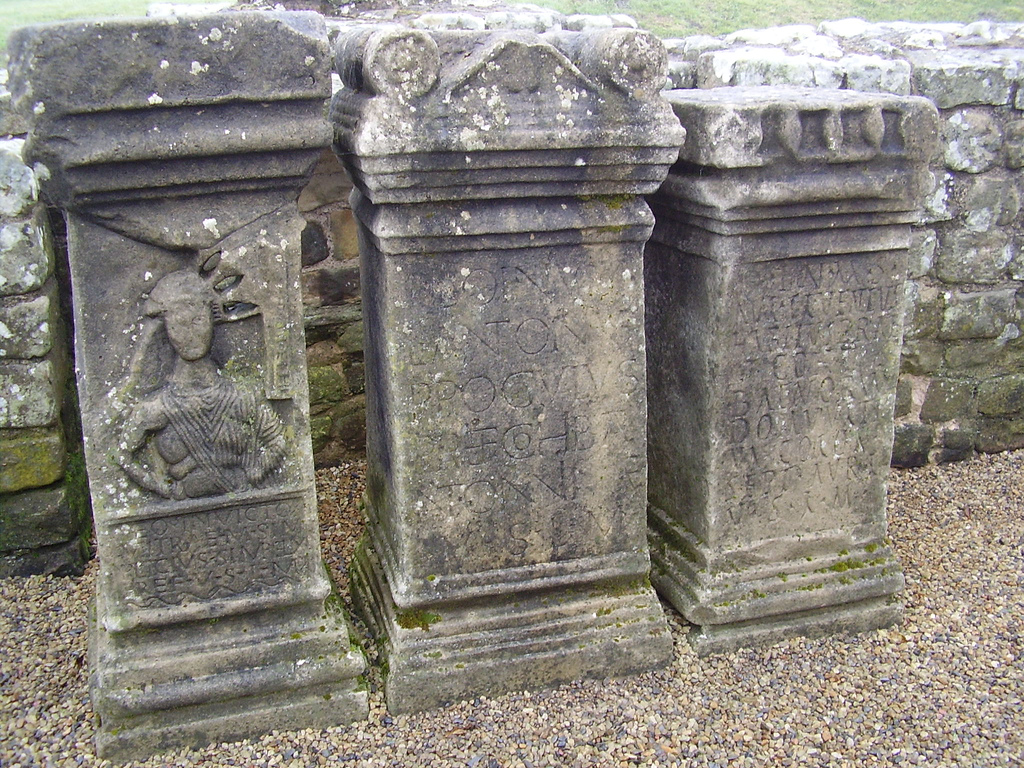
One of the altars from the Carrawburgh Mithraeum depicts the bust of Mithras or Sol.

A marble cippus from Rome bearing two inscriptions: the upper dedicated to Deus Sol Invictus Mithras and Cautopates, the lower by Flavius and companions.
Latin dedication to the invincible Mithras reportedly discovered north of ancient Colophon in Lydia.
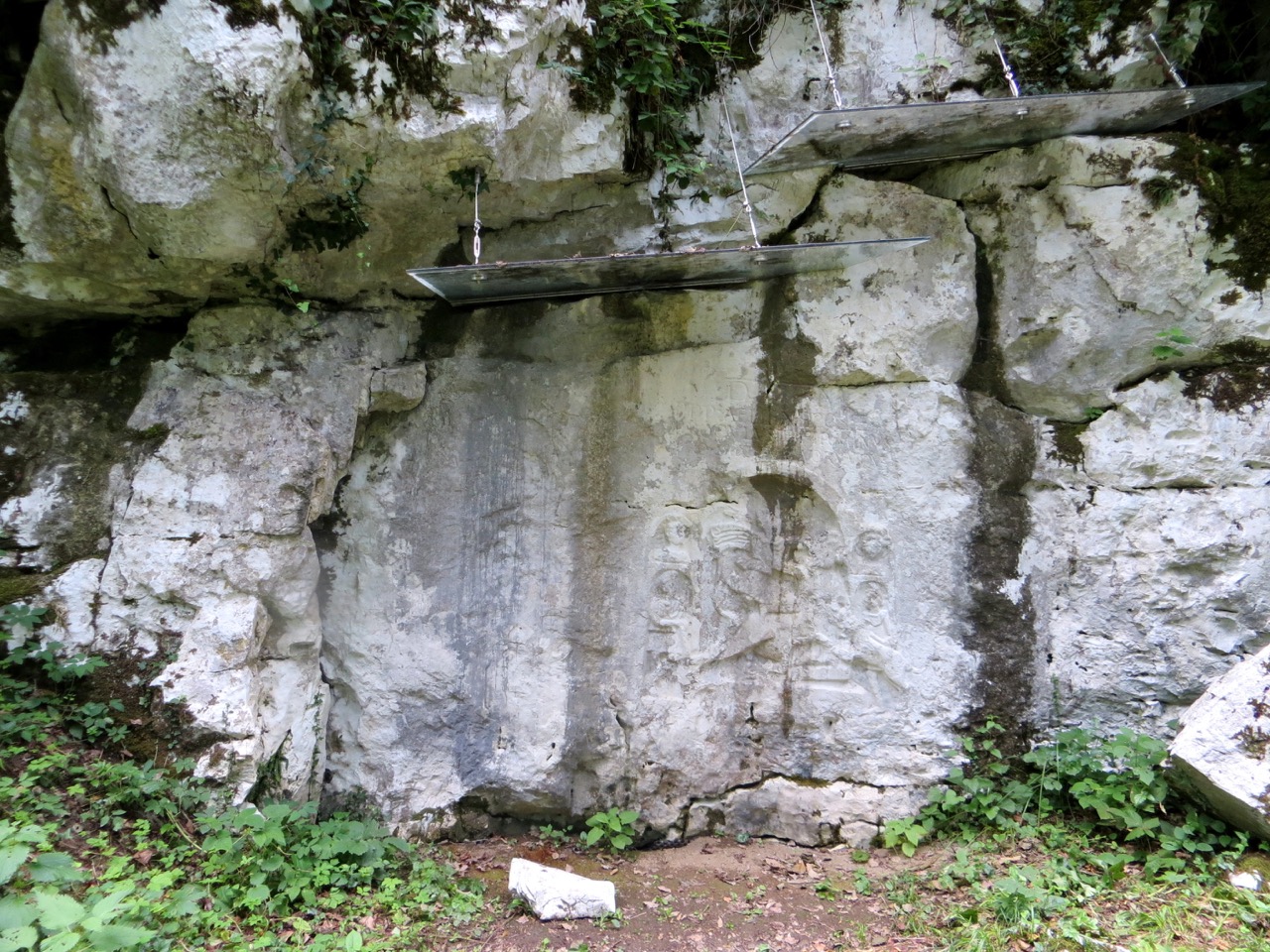
According to Hitzinger remnants of animal bones were found in front of the relief of the Mithraeum at Rozanec.
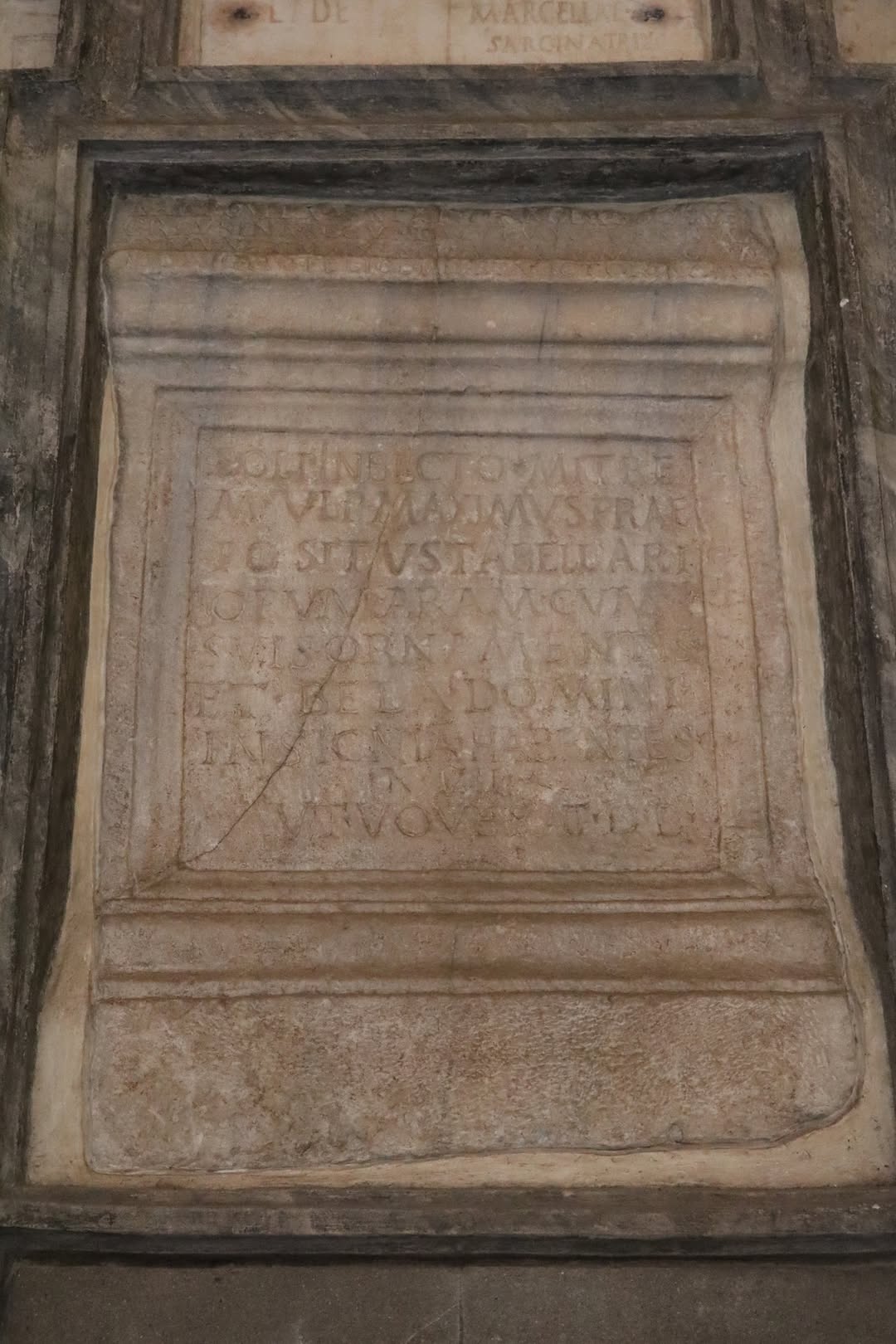
Marble altar dedicated to Sol Invictus Mithras, found in Rome (in aedibus Maffaeiorum), set up in 183 A.D. by M. Ulpius Maximus, praepositus tabellariorum, together with its ornaments and Mithraic insignia, in fulfilment of a vow.
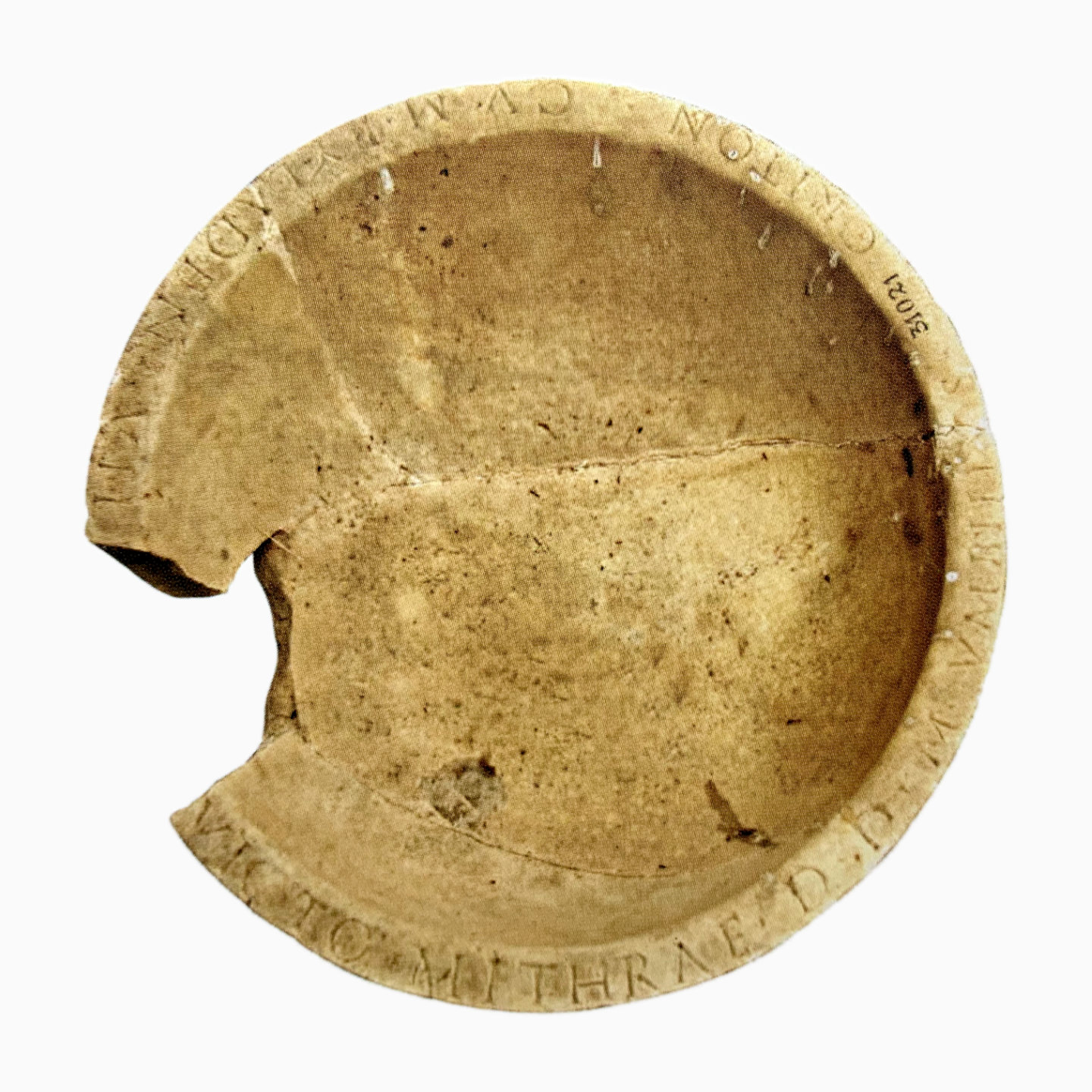
This marble basin found in the Mithraeum of the Footprint bears an inscription of a certain Umbilius Criton, associated with a monumental tauroctonic sculpture also found in Ostia.
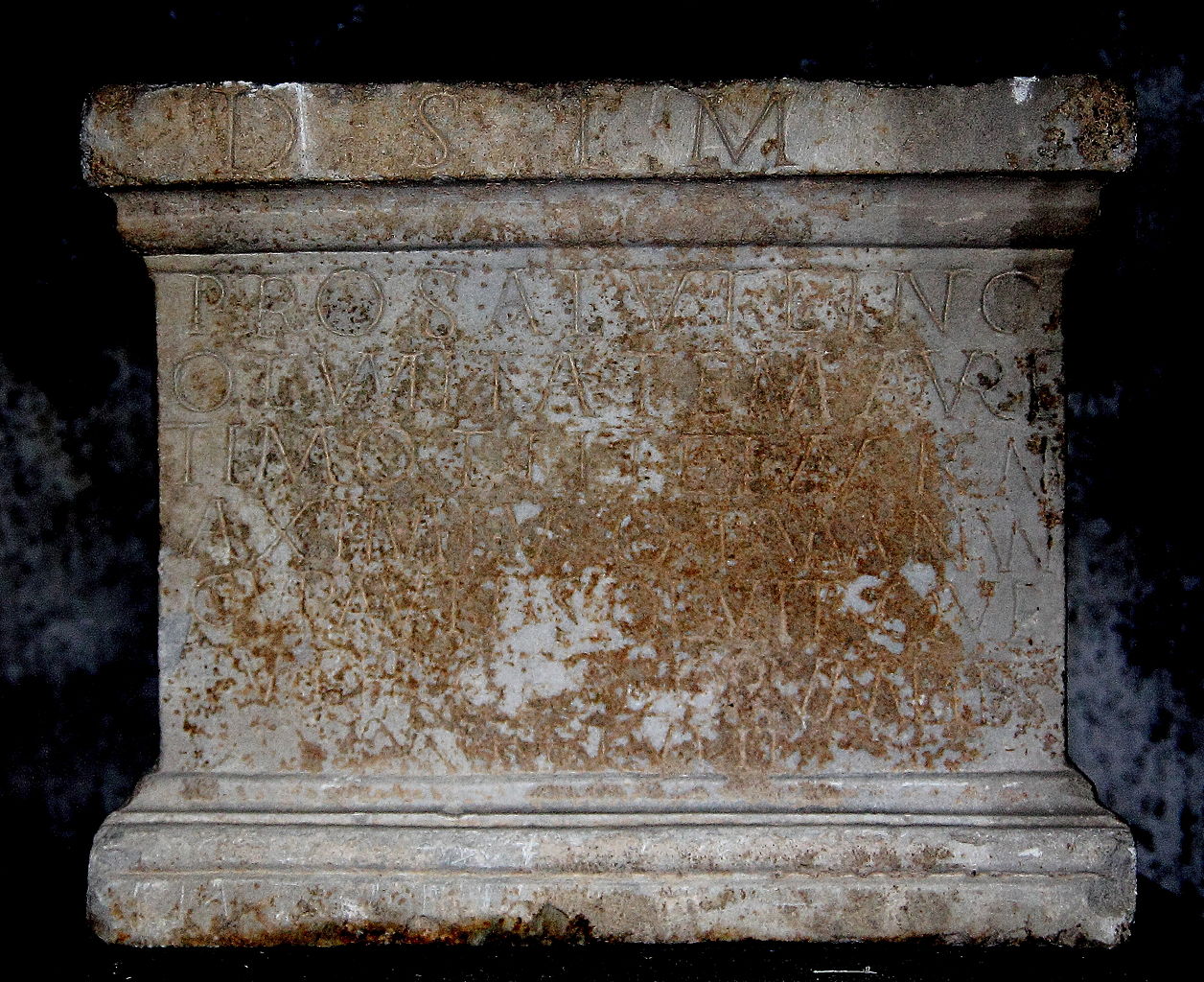
Mithraic stele, from Alba Iulia, Romania, with inscription.
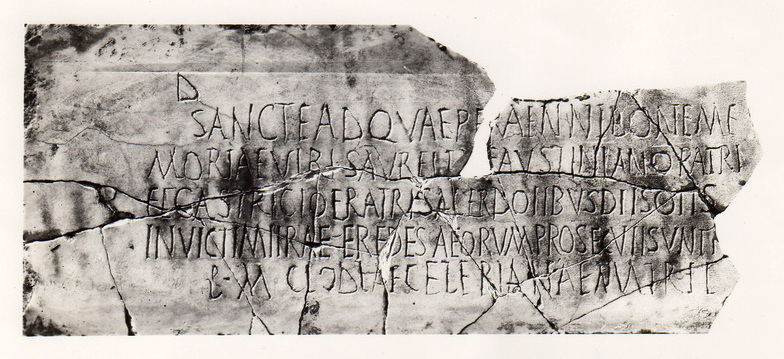
This inscription was commissioned by a family of priests of the invincible god Mithras.
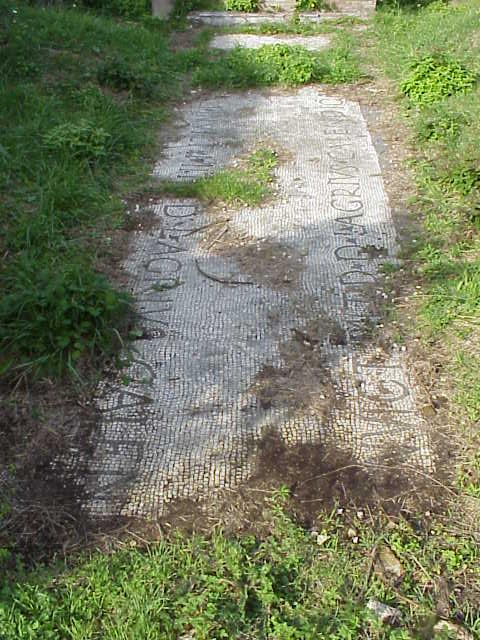
It bears an inscription repeated on each side of the podia.
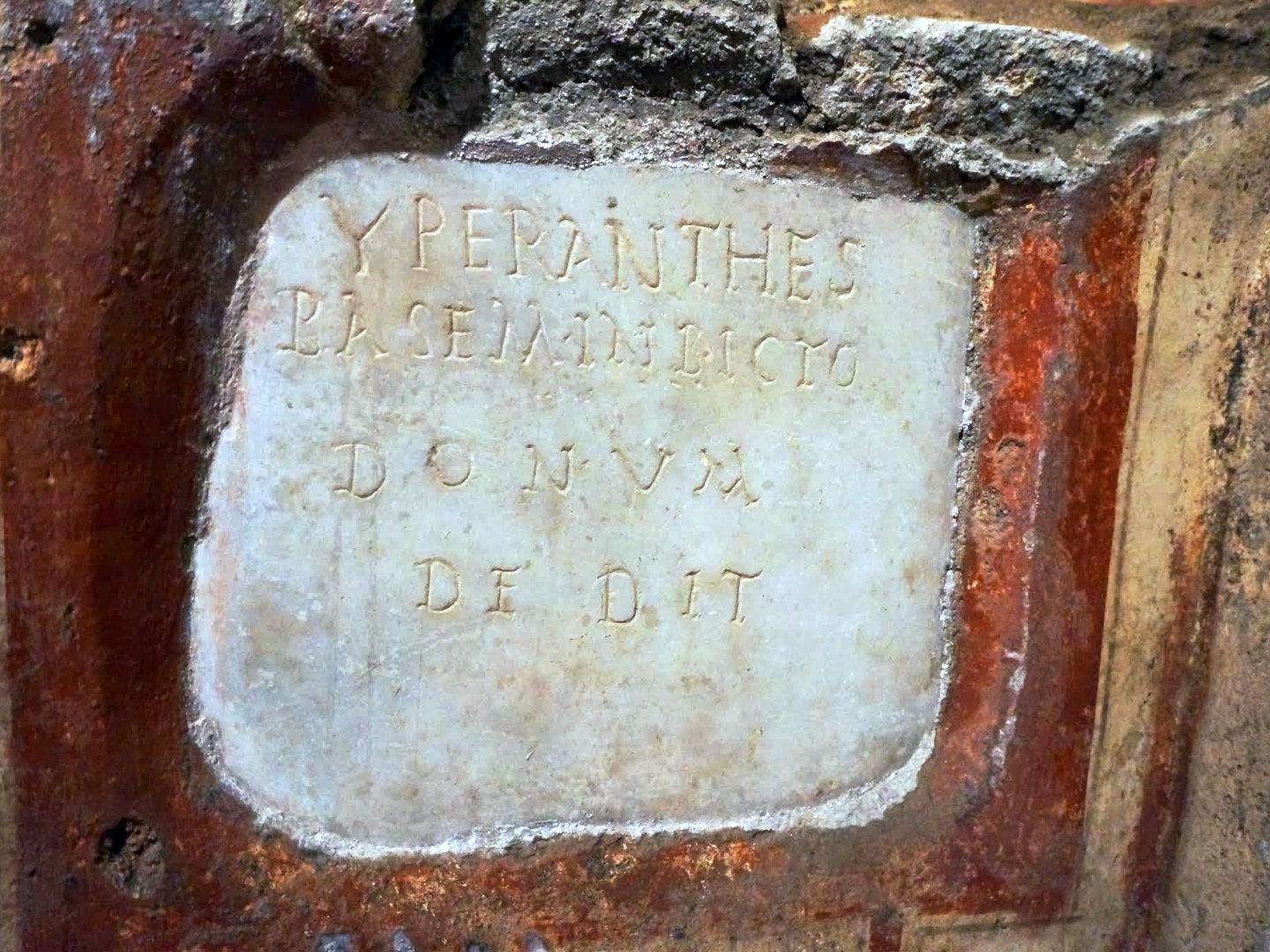
The inscription mentions the name of the donor, Yperanthes, of Persian origin.

Historian, Platonist, and practicing Mithraist writing on tradition, transcendence, and the soul’s ascent through history, myth, and metaphysics.
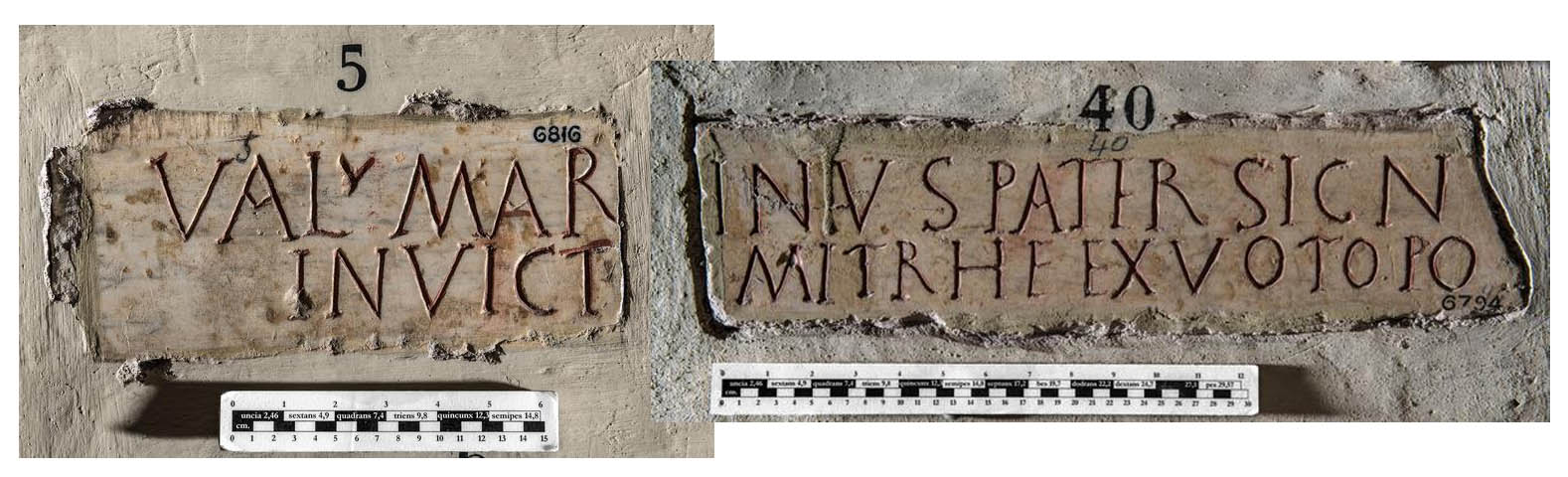
Marble inscription recording the dedication of a cult image to the unconquered Mithras by a certain pater Valerius Marinus from Rome.
Community dedicated to the study, disclosure and reenactment of the Mysteries of Mithras since 2004.

The name of this domus comes from the fact that some authors once associated one of its mosaics with the cult of Mithras, a connection that has since been dismissed.
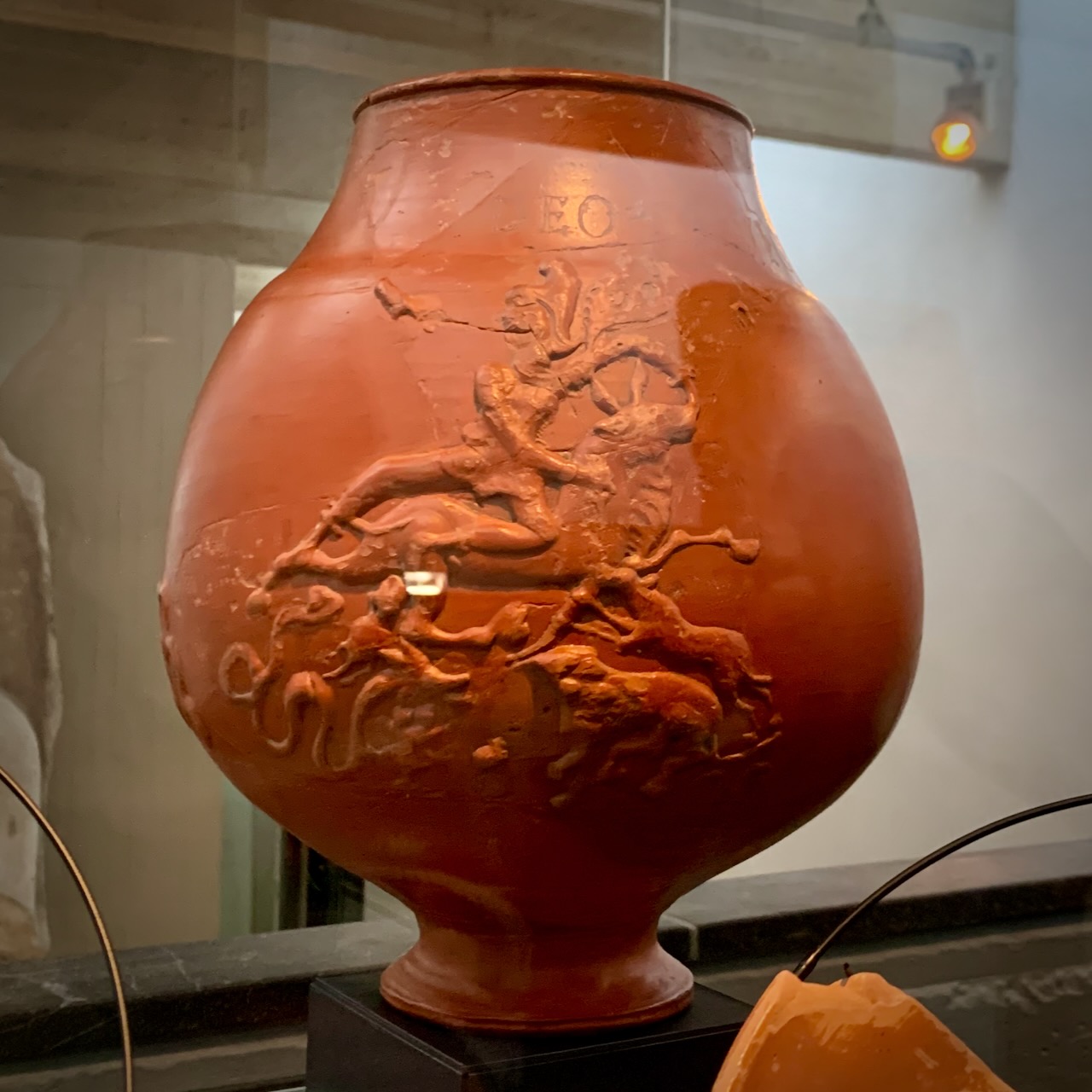
The Mühltal Mithraic crater was discovered among the artefacts of a mithraeum found in Pfaffenhoffen am Inn, Bavaria.

My name mithradat - One of Iran’s old nobles - architect - project manager - financial strategist
This cylindrical marble altar was dedicated by the same Pater Proficentius as the slab, both monuments found in the Mithraeum beneath the Basilica of San Lorenzo.
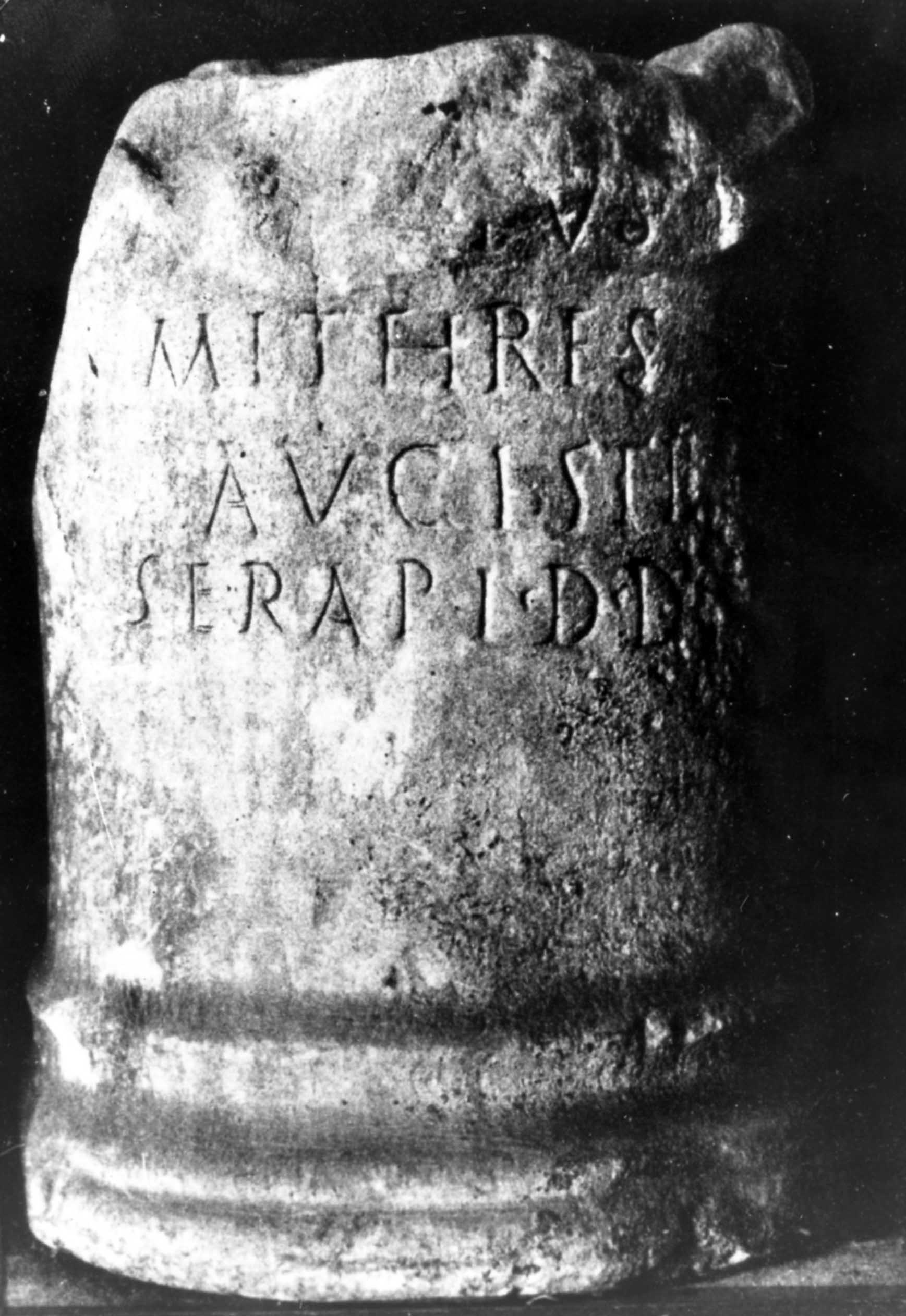
This monument, found in the Domus Flavia in Rome, bears an inscription by a certain Aurelius Mithres.
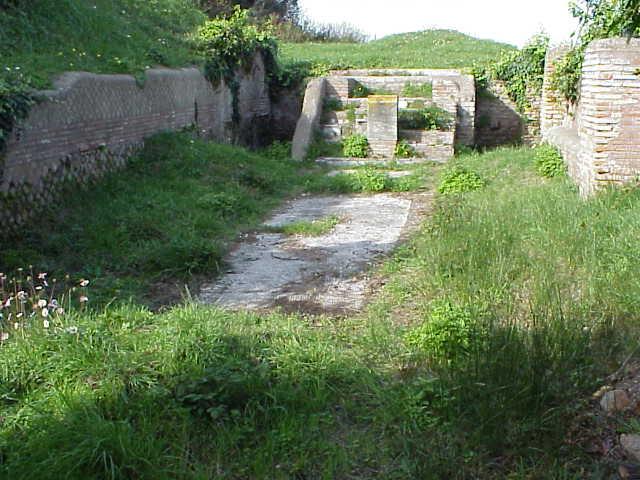
A mosaic of Silvanus, dated to the time of Commodus, was found in a niche in a nearby room of the Mithraeum in the Imperial Palace at Ostia.
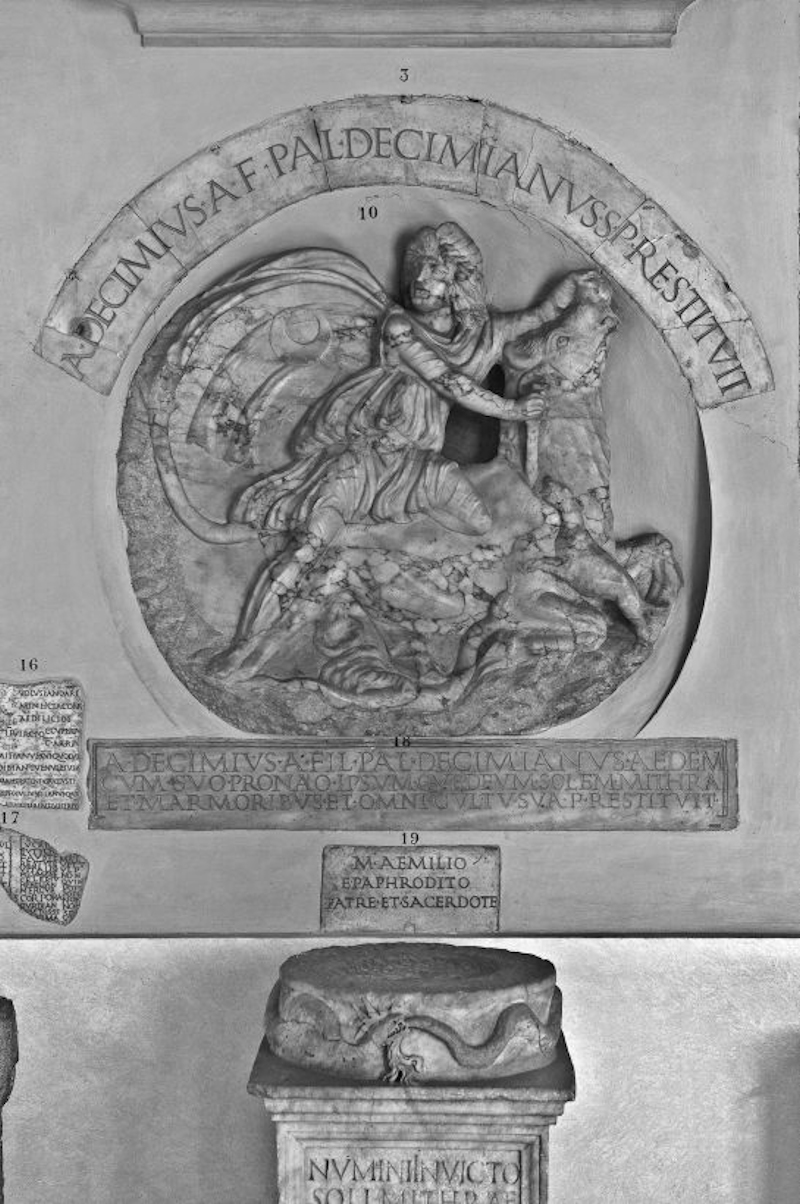
The relief of Mithras slaying the bull from the Mithraeum of the Seven Spheres was discovered in 1802 by Petirini by order of Pope Pius VII.
