Your search Monteu da Po gave 2105 results.

Exploring religion, rituals, archaeological insights, and historical impact of the Cult of Mithras in the Danubian provinces.
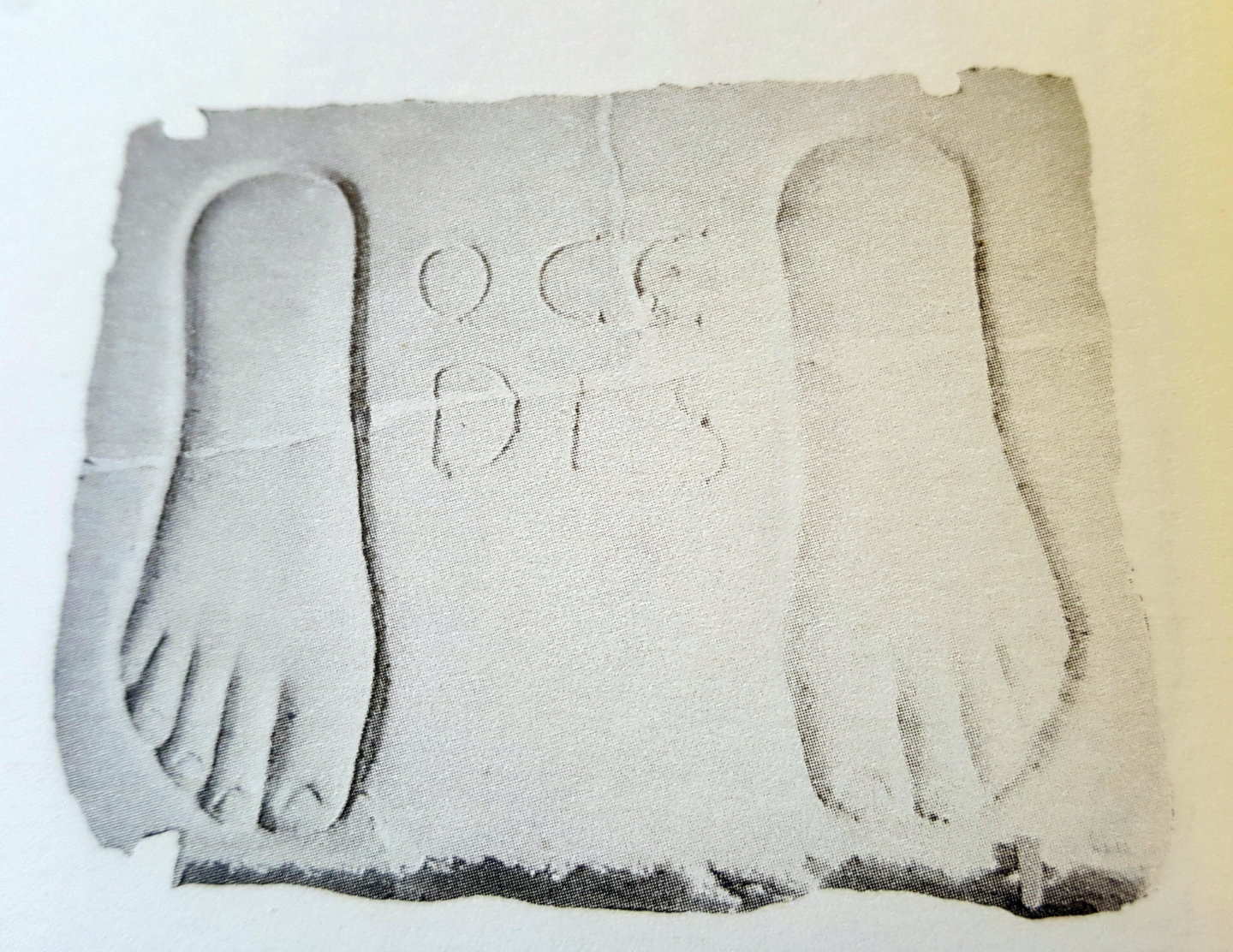
Recent interpretations link this marble inscription to the cult of the goddess Nemesis.
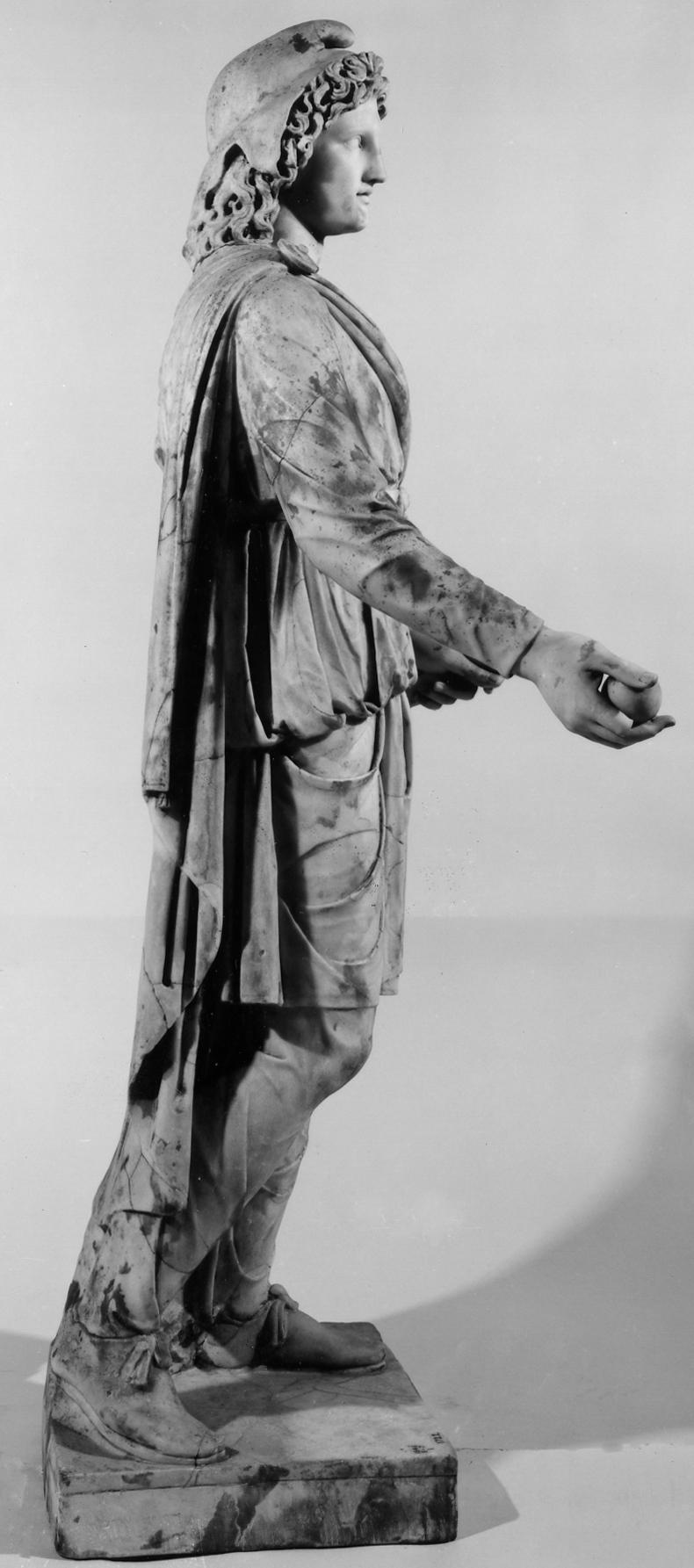
This is one of the two torchbearers, probably Cautes, transformed into Paris, now in the British Museum.

This lost monument bears an inscription to Cautes by a certain Tiberius Claudius Artemidorus.

Interpreting the Bas-relief of Mithras Tauroctonos from Osterburken in the Light of Porphyry’s Treatise, The Cave of the Nymphs.

The Mithraeum located in Piazza Dante in Rome was discovered in 1874 along with a series of monuments dedicated by a Pater named Primus.
Intervention de Nicolas Amoroso, commissaire de l’exposition Le Mystère Mithra.
Intervention de Lucinda Dirven, Universiteit van Amsterdam.
This altar, which has now disappeared, was dedicated by the slave Quintio for the health of a certain Coutius Lupus.
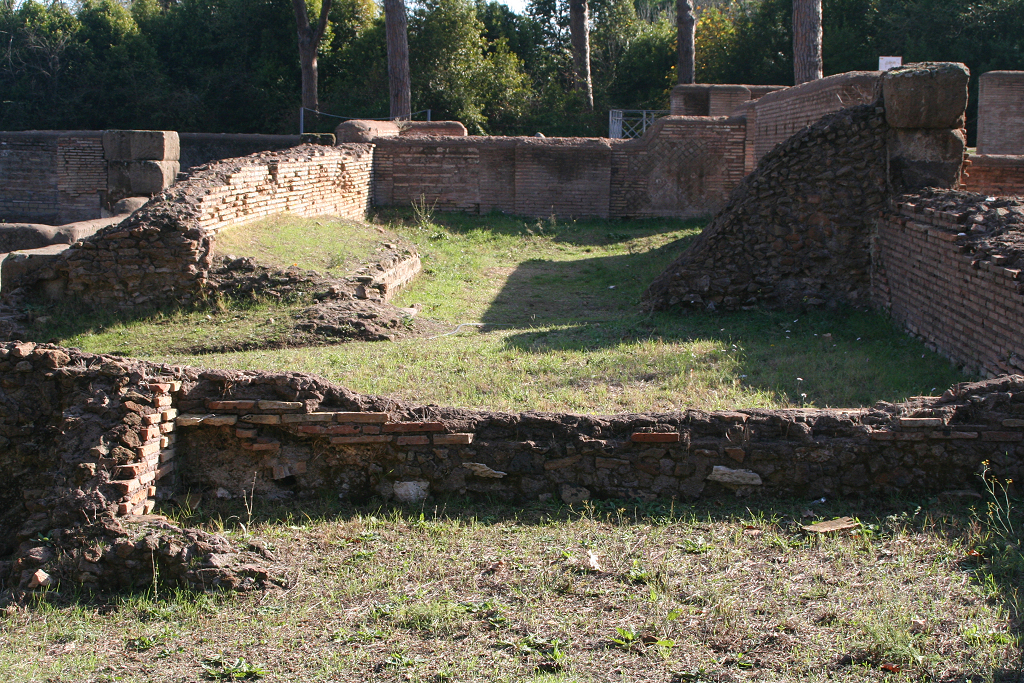
The Mithraeum near Porta Romana was connected to a Sacello, but the door was blocked.
Roger Beck revisits the zodiac circle of the Mithraeum on the island of Ponza, a composition unique within the Mithraic corpus. His reading places the monument in relation to cosmology, ritual space, and Mithraic doctrine.
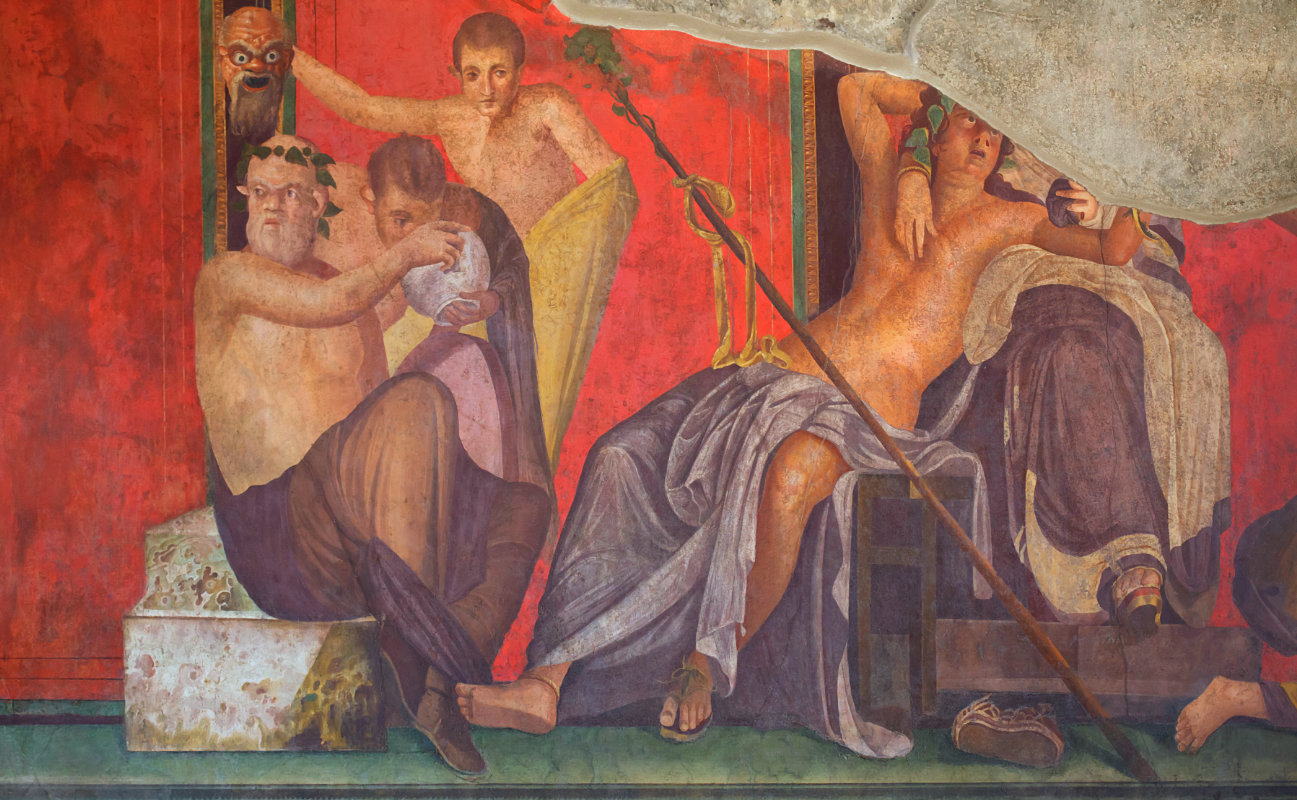
Peter Mark Adams: ‘The initiation was a frightening experience that caused some people to panic as a flood of otherworldly entities swept through the ritual space.’.
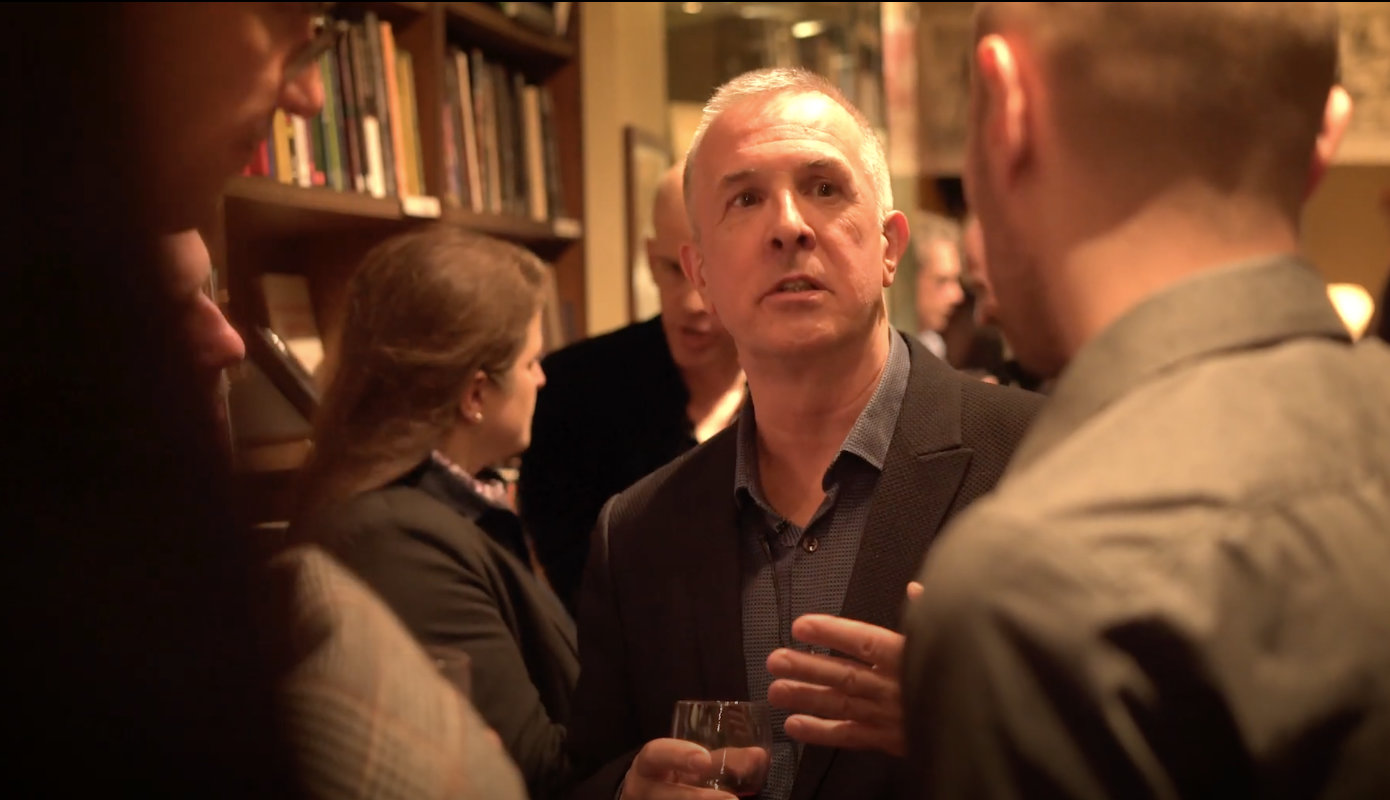
Presentation on the Dionysian-themed frescoes of the Villa of the Mysteries by Peter Mark Adams on the occasion of the presentation of his book.
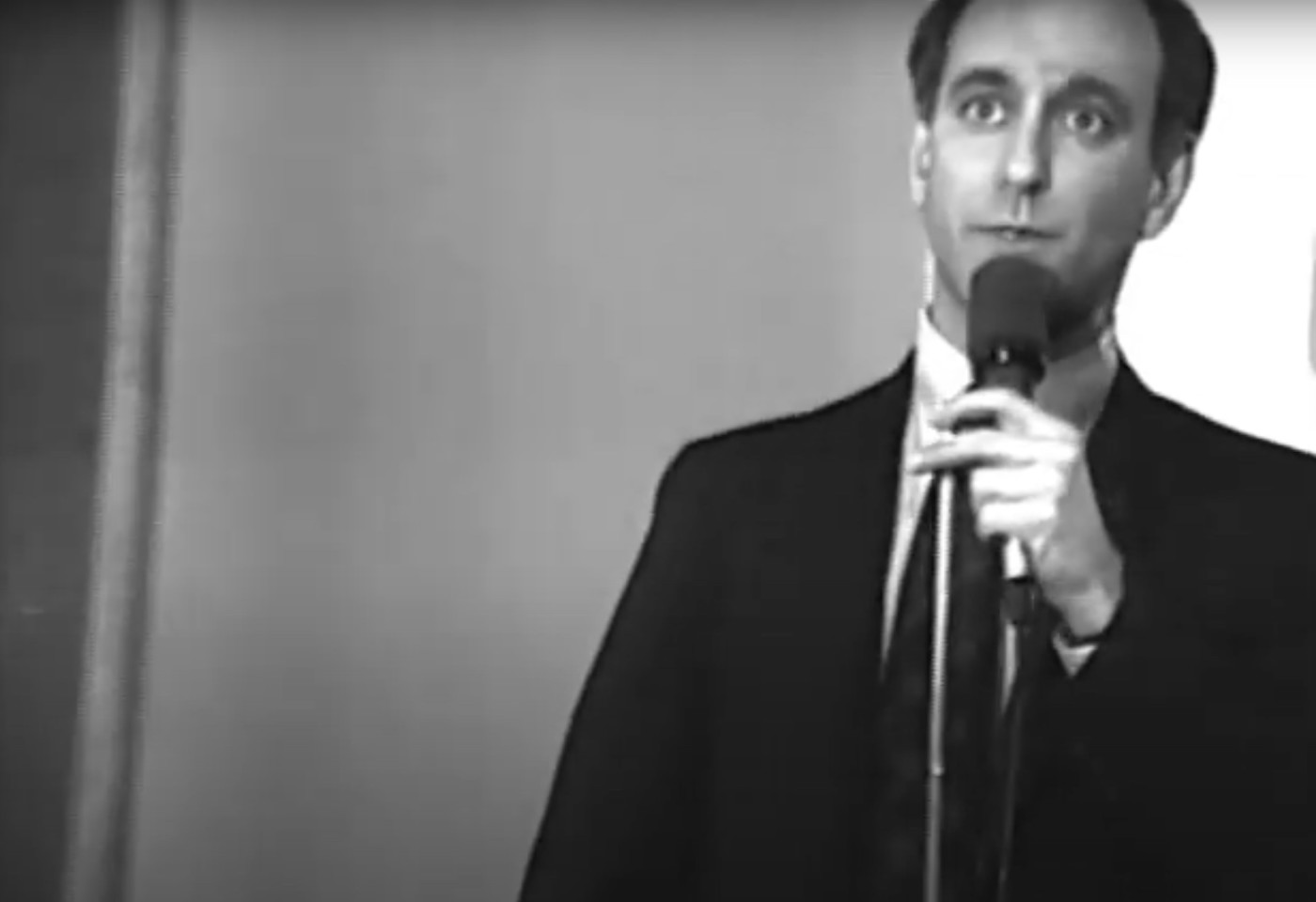
Public lecture by David Ulansey on Mithraism, based on his book The Origins of the Mithraic Mysteries: Cosmology and Salvation in the Ancient World.
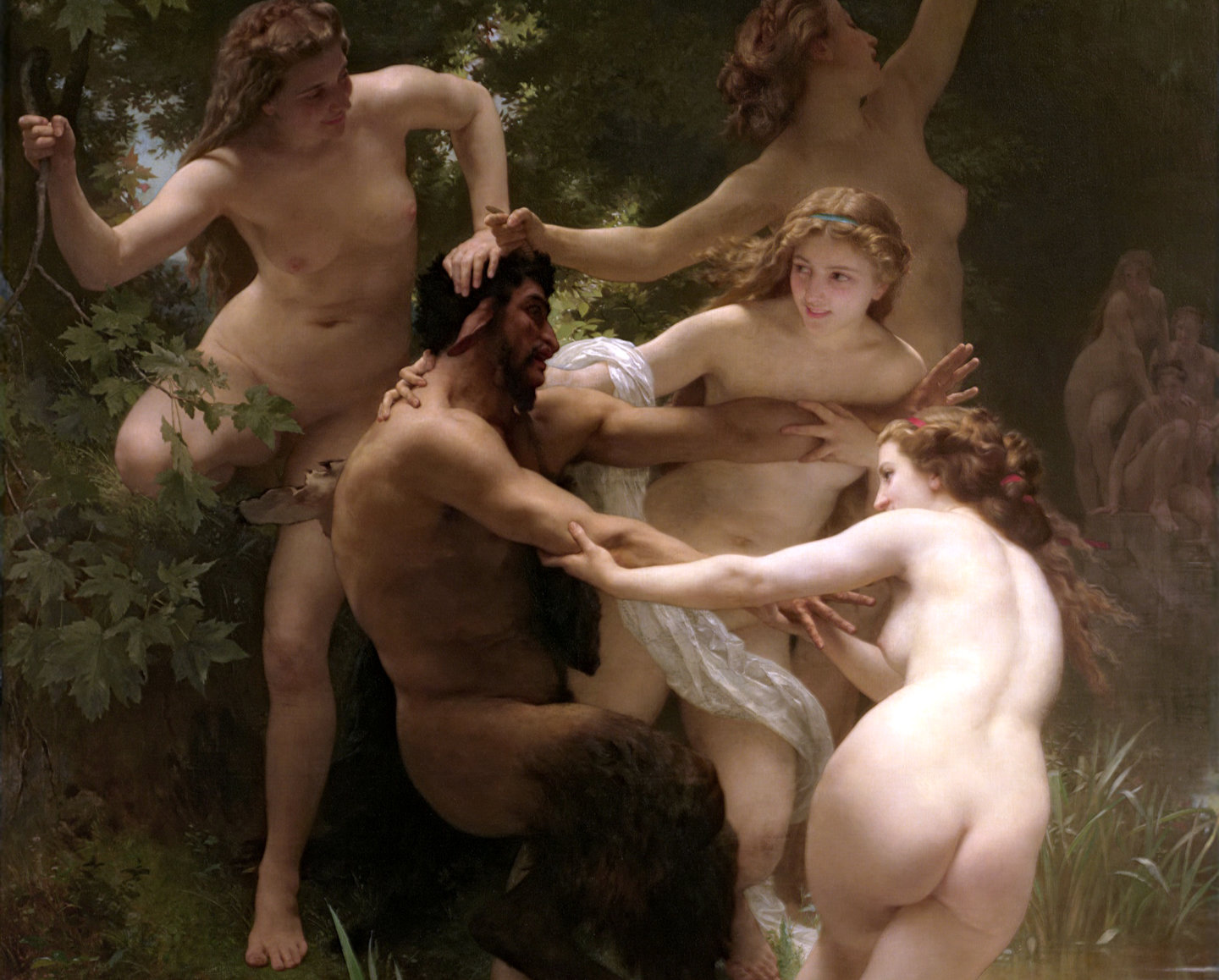
Between the 1st and 4th centuries, Mithraism developed throughout the Roman world. Much material exists, but textual evidence is scarce. The only ancient work that fills this gap is Porphyry’s intense and complex essay.
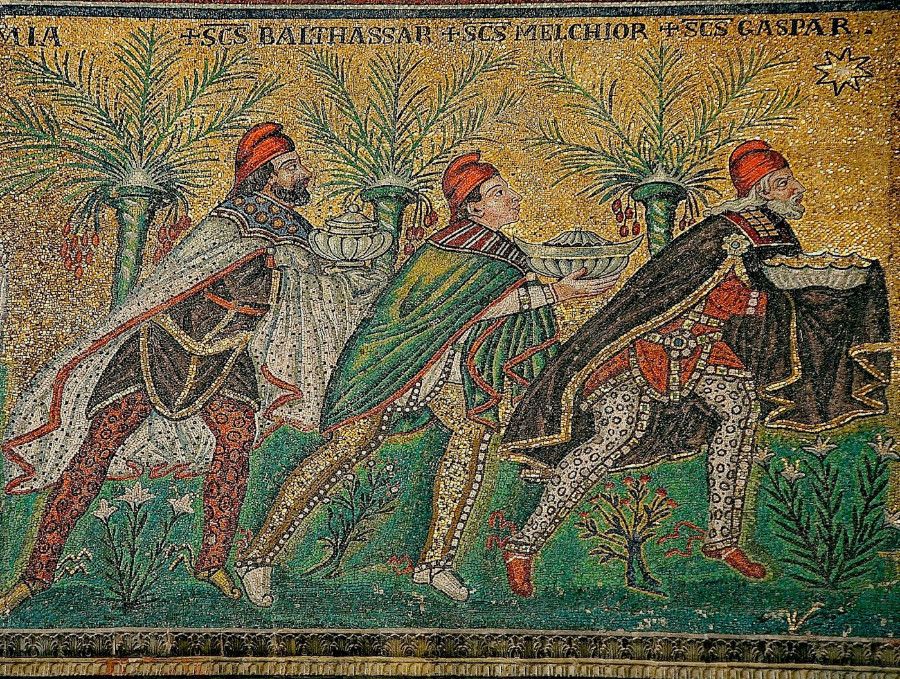
Despite the current political landscape of the US, we can look to antiquity to see that the red cap was actually once a symbol of citizenship and welcome to the foreigner.

Senator, imperial legate and commander from Poetovio, whose dedications to Mithras link the Danubian and African diffusion of the cult.
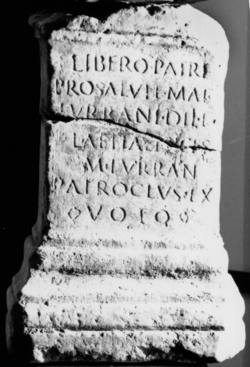
This altar was erected by Hermadio, who also signed other monuments in Dacia and even in Rome.
Altar from Vratnik near Senia, Dalmatia, dedicated to Soli invicto Mithrae by Faustus, slave of Tiberius Saturninus, for himself and his family.
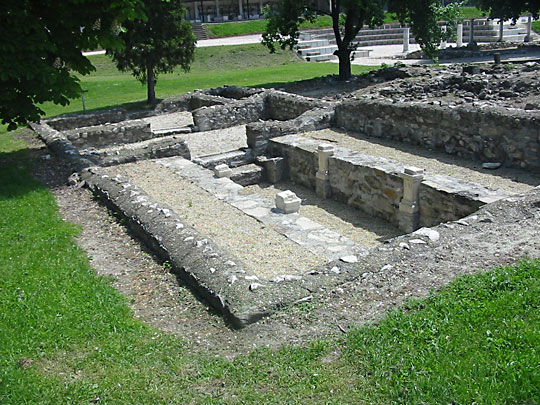
This temple of Mithras in Aquincum was located within the private house of the decurio Marcus Antonius Victorinus.
