Your search New York gave 286 results.

A concise guide for curatores on how to prepare, structure, and publish articles on The New Mithraeum.
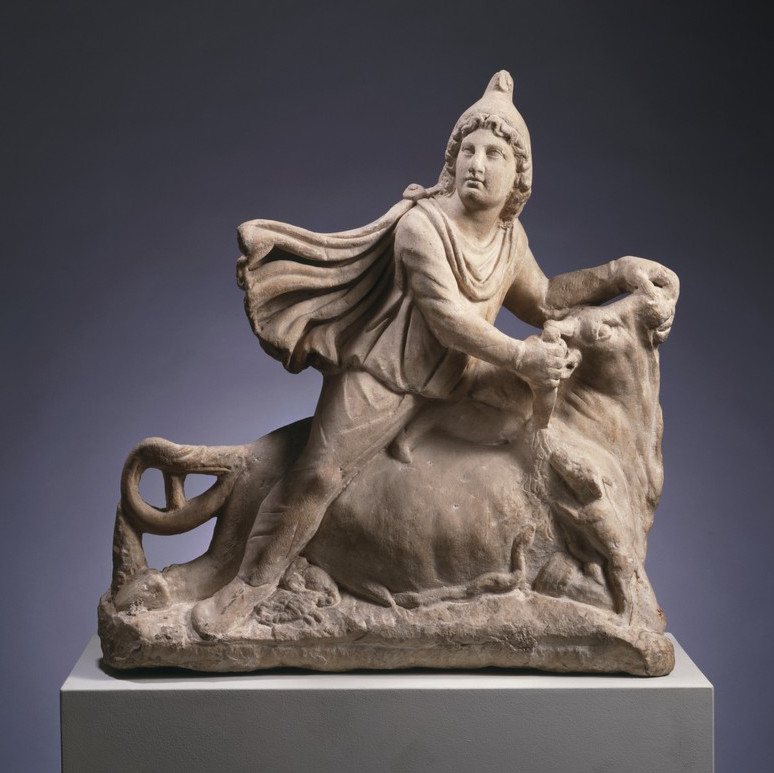
This sculpture of Mithras killing the bull may come from Rome, probably found in 1919.

Eburacum, modern York, served as one of the principal administrative and military centres of northern Britannia.
Community dedicated to the study, disclosure and reenactment of the Mysteries of Mithras since 2004.

Pons Aelius, or Newcastle Roman Fort, was an auxiliary castra and small Roman settlement on Hadrian's Wall in the Roman province of Britannia Inferior, situated on the north bank of the River Tyne close to the centre of present-day Newcastle upon Tyn
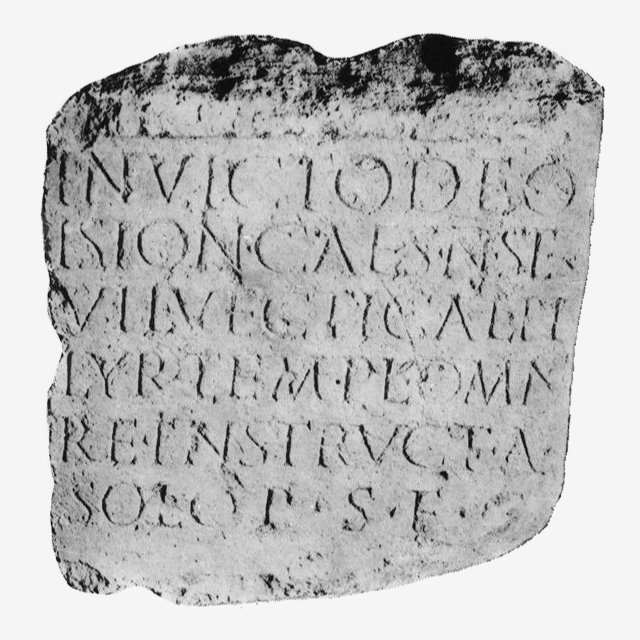
In this monument, the imperial slave Ision claims the completion of a new temple to Mithras in Moesia.
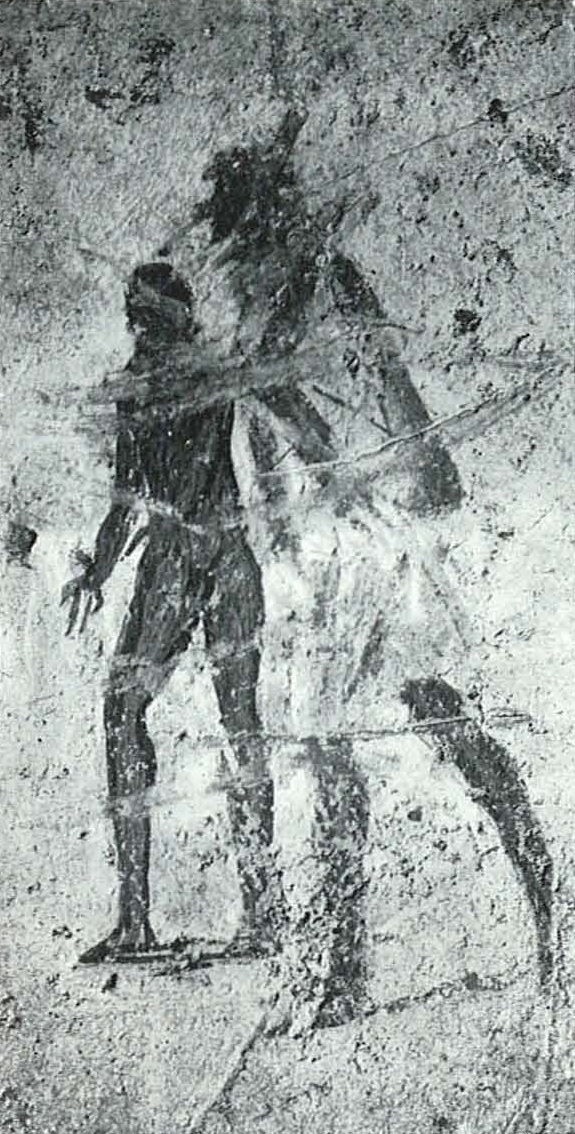
This is the first of several fresco scenes depicting the initiation of a new member in a mithraic community, in Capua Vetere.

Why did the Romans worship a Persian god? This book presents a new reading of the Mithraic iconography taking into account that the cult had a prophecy.

This catalogue proposes, thanks to the contributions of some 75 international experts, a new synthesis for a complex and fascinating cult that reflects the remarkable advances in our knowledge in recent decades.

In their groundbreaking new book, Mushrooms, Myths & Mithras, classics scholar Carl Ruck and friends reveal compelling evidence suggesting that psychedelic mushroom use was equally influential in early Europe, where it was central to initiation cerem
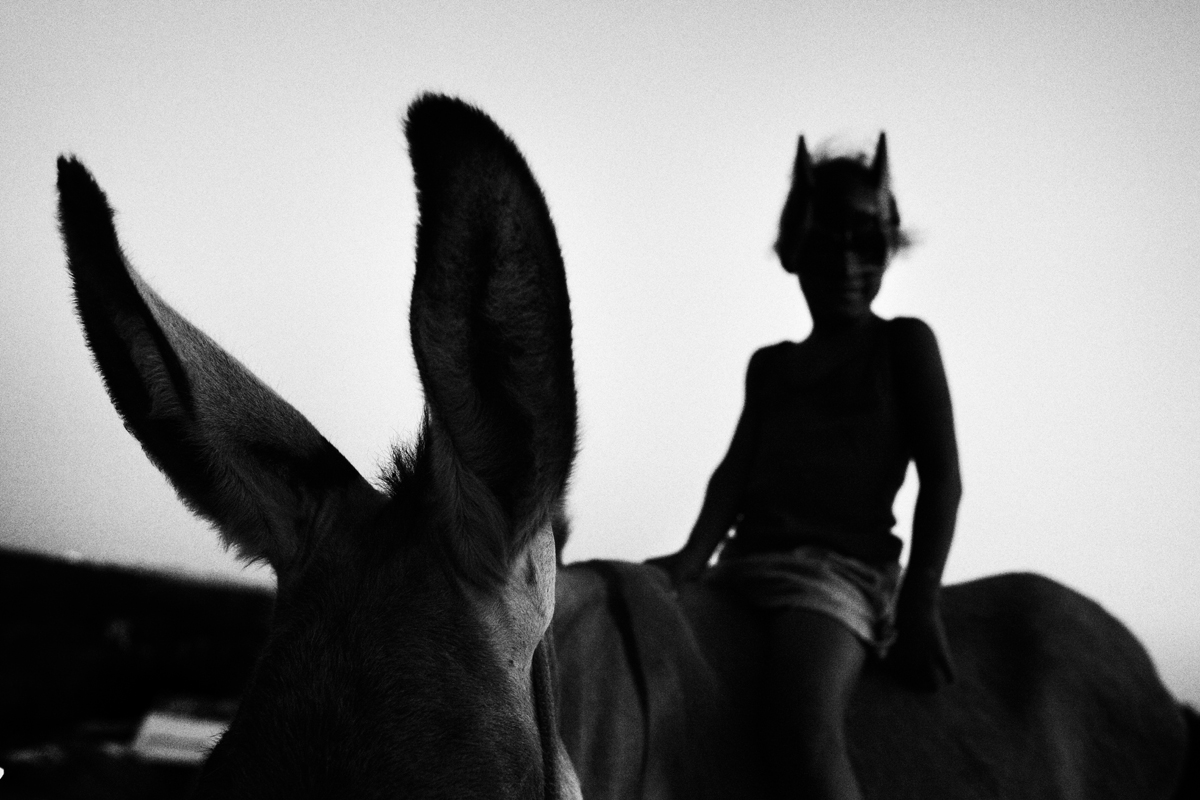
Mithras the Cattle-Rustler: The Persian Cult of Fire as Divided into Sexed Powers and the Hidden Cave Rites of the Magi.

Restoring the Mysteries: A Conversation with Peter Mark Adams on his new book ‘Ritual & Epiphany in the Mysteries of Mithras’.

"The remaining figure on this monument, Herakles, was previously misidentified as Apollo on this remarkable black basalt tablet from Samsat, known in Roman times as Samosata.
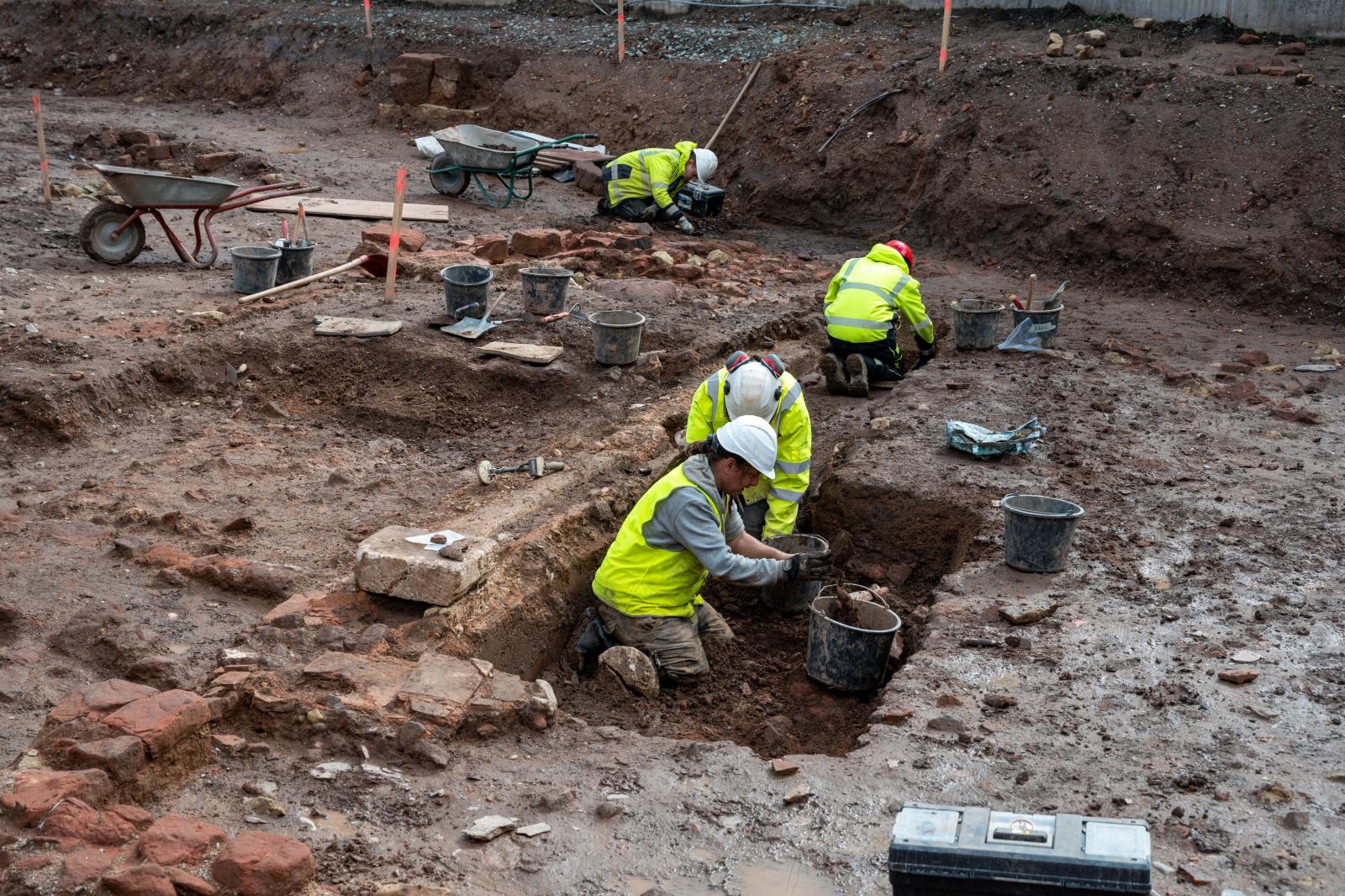
The Trier Mithräum was discovered during work on the city’s new fire station. The findings included a Cautes limestone relief.
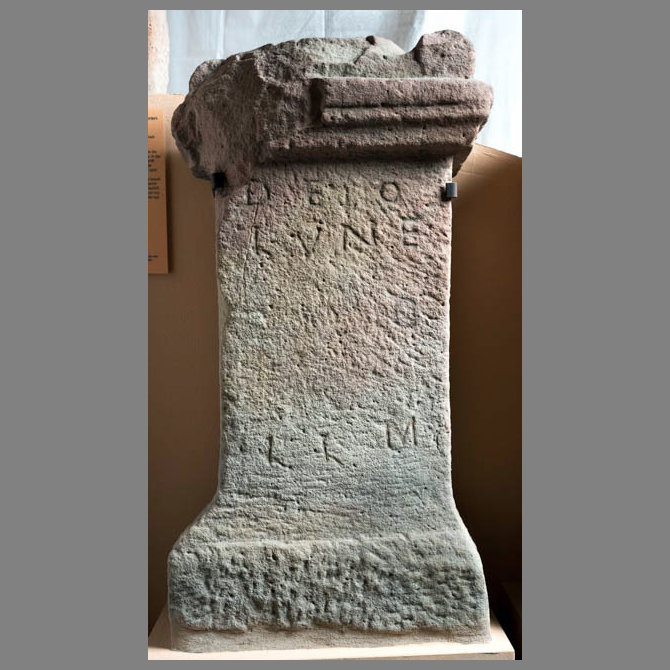
This sandstone altar was dedicated to Luna, who is mentioned as a male deity.
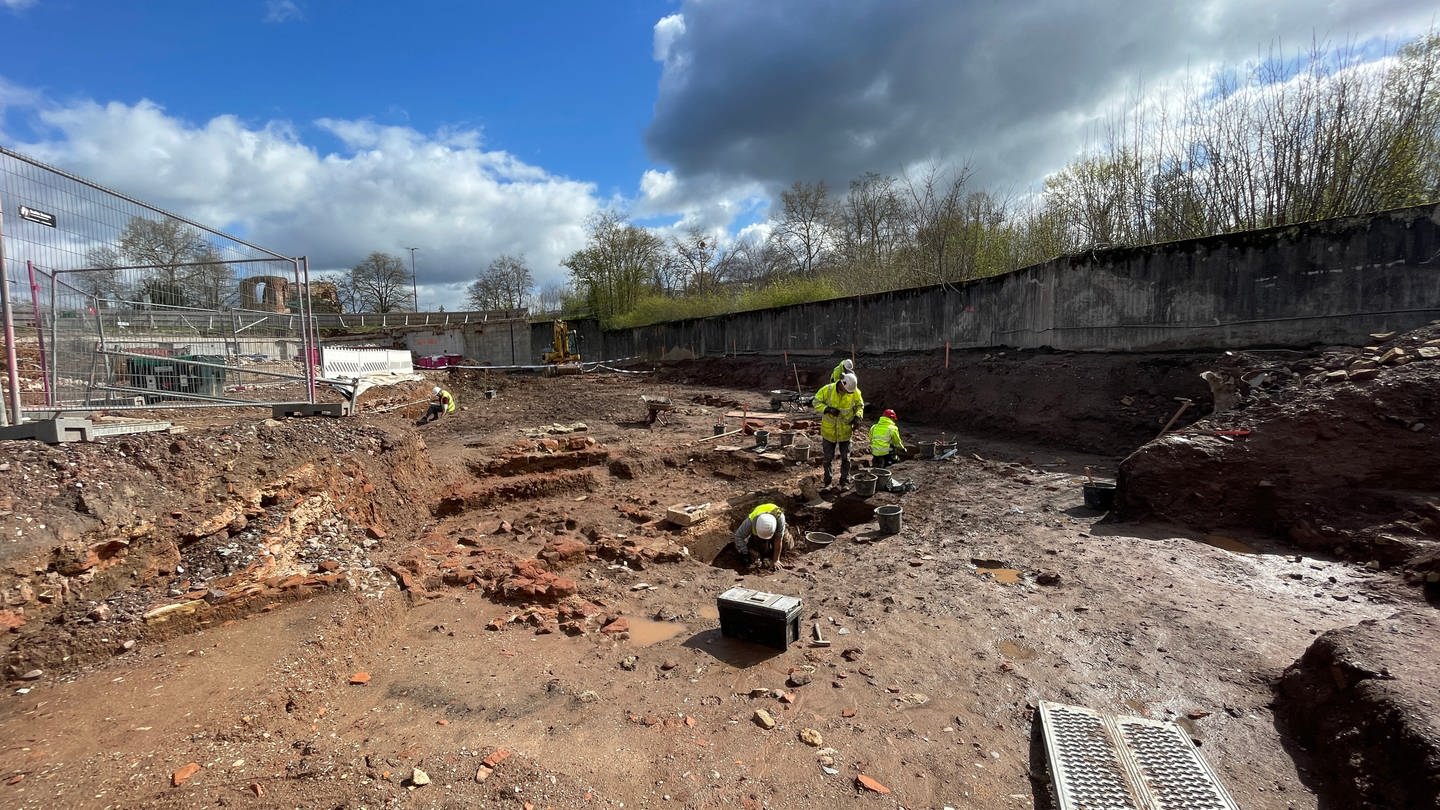
A place of worship for the Roman god of light Mithras was discovered during archaeological excavations in Trier. This includes a larger relief.


