Your search for Newcastle upon Tyne gave 14 results.

Pons Aelius, or Newcastle Roman Fort, was an auxiliary castra and small Roman settlement on Hadrian's Wall in the Roman province of Britannia Inferior, situated on the north bank of the River Tyne close to the centre of present-day Newcastle upon Tyn
.jpg)
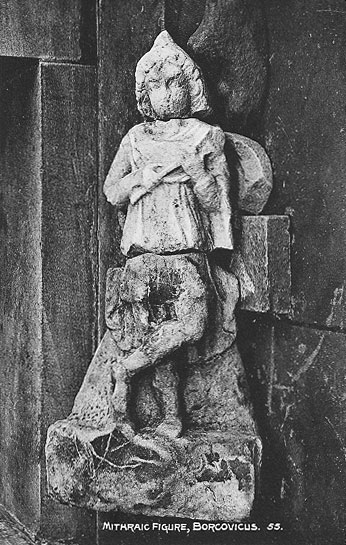
This limestone statue of Cautes is now exposed at Great North Museum of Newcastle.
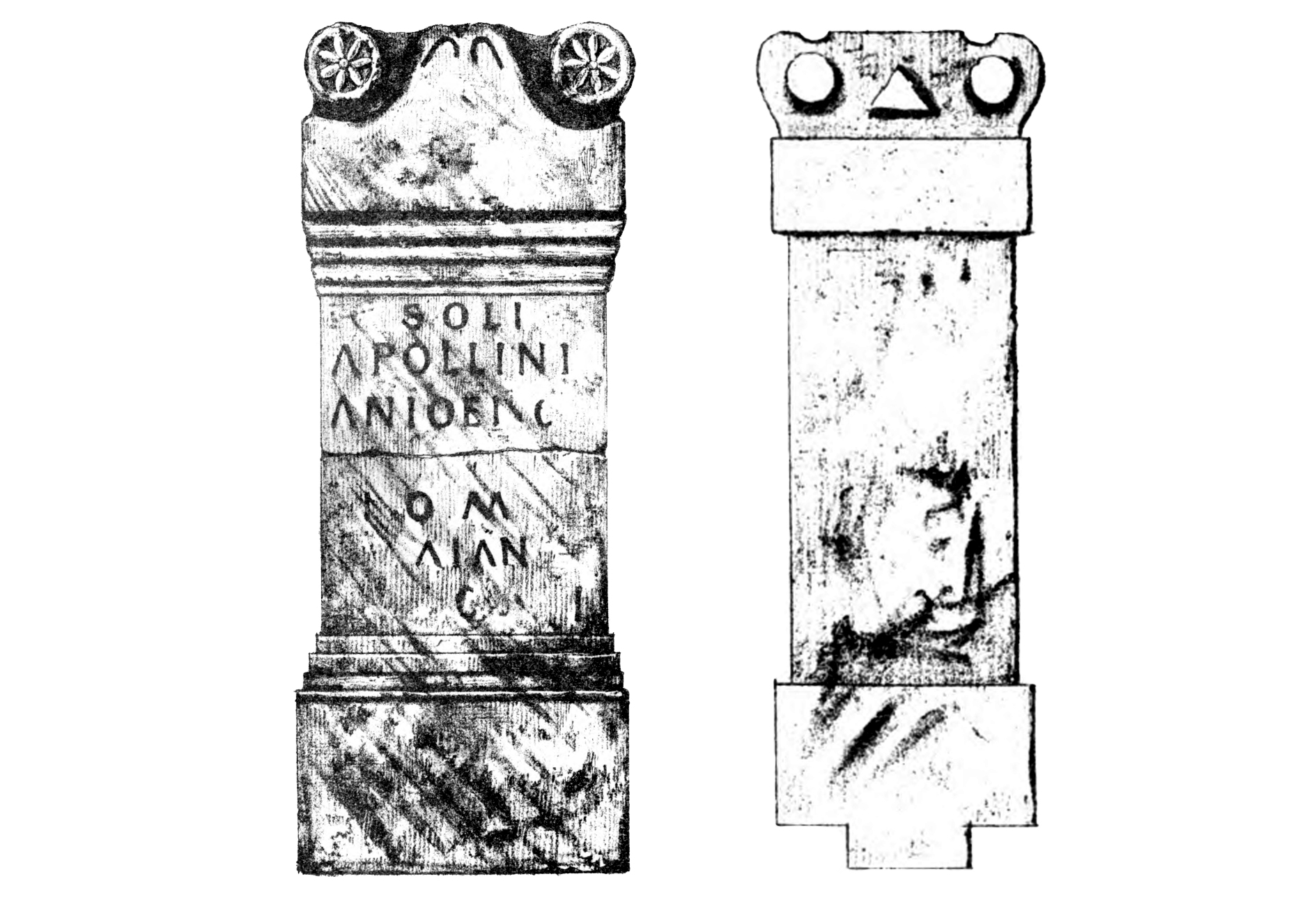
Fragmentary inscription from Vindobala preserving a rare dedication to “Sol Apollo Anicetus” within a Mithraic context on Hadrian’s Wall.
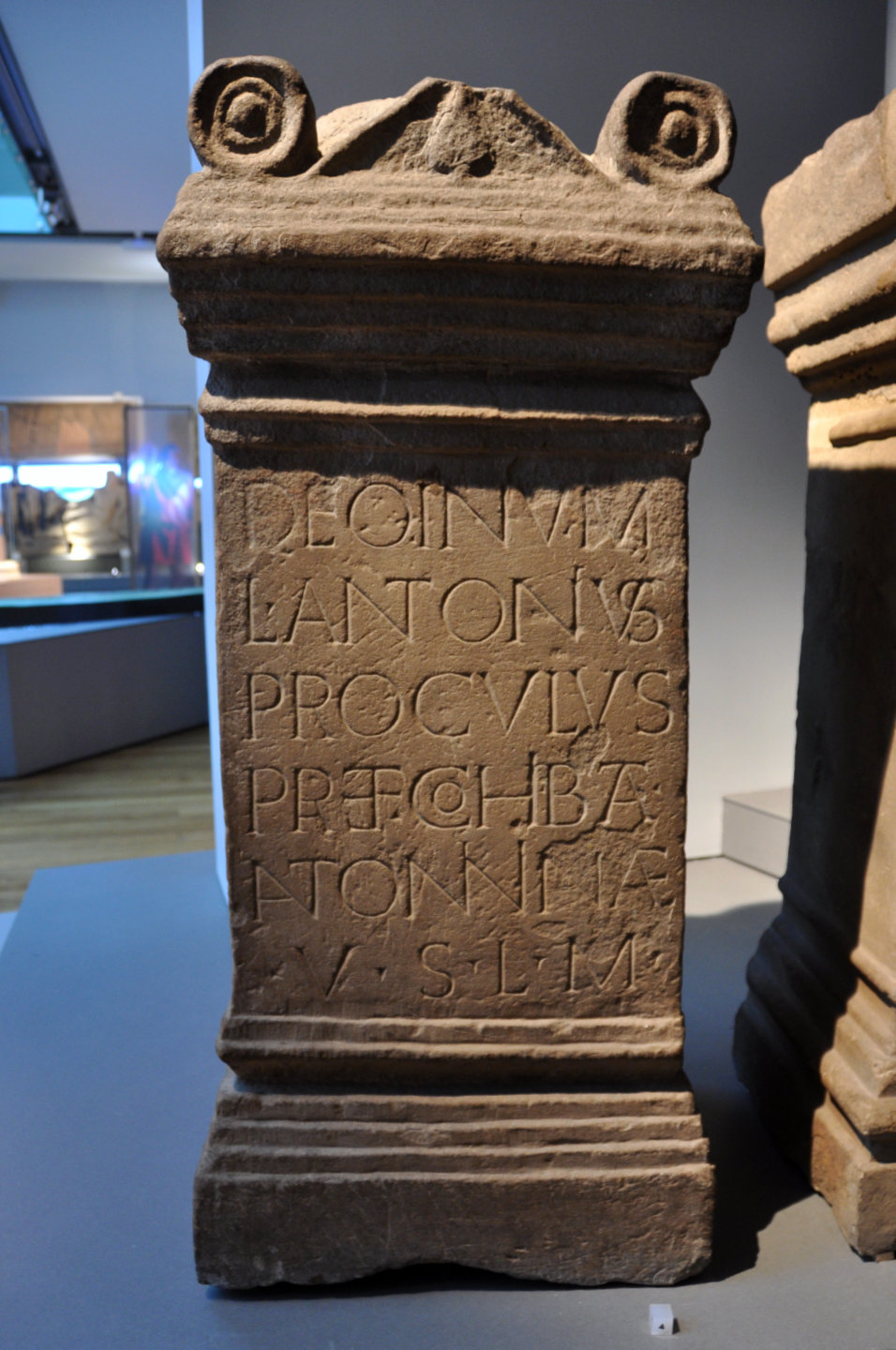
One of the three altars to Mithras found at the Mithraeum of Carrawburgh fort.
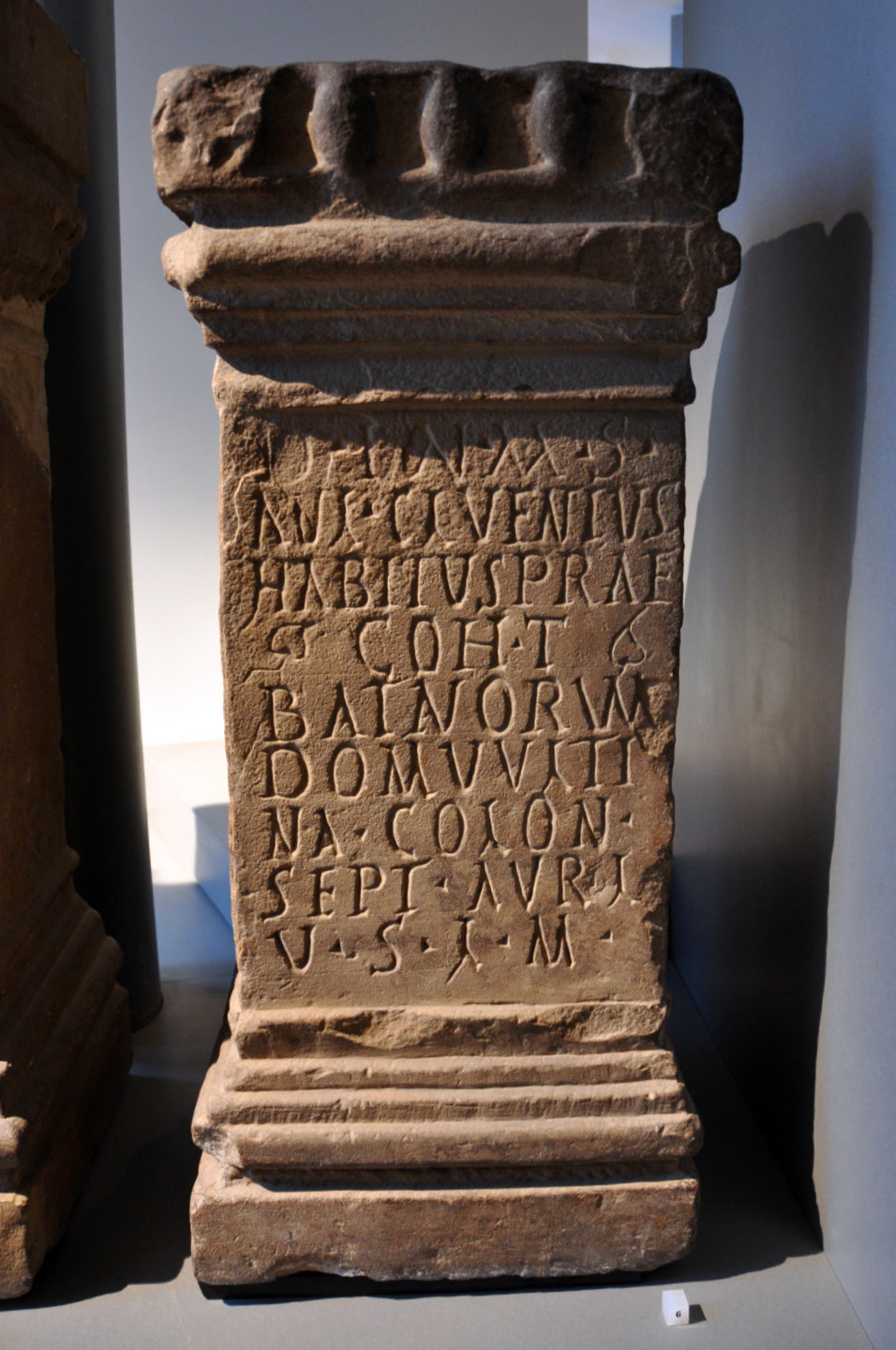
One of the three altars to Mithras found at the Mithraeum of Carrawburgh fort.
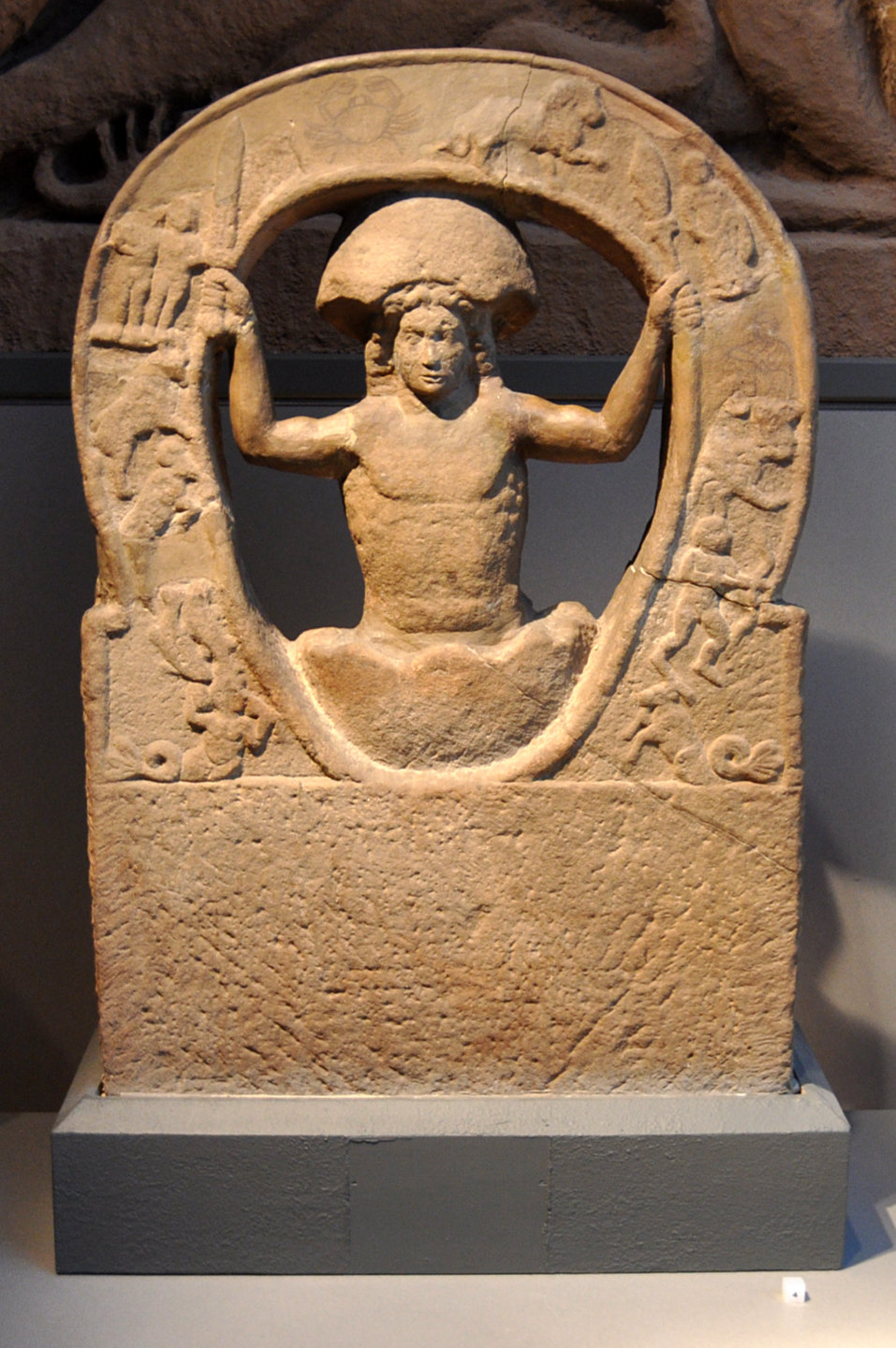
A naked Mithra emerges from the cosmic egg surrounded by the zodiac, as always carrying a torch and a dagger.
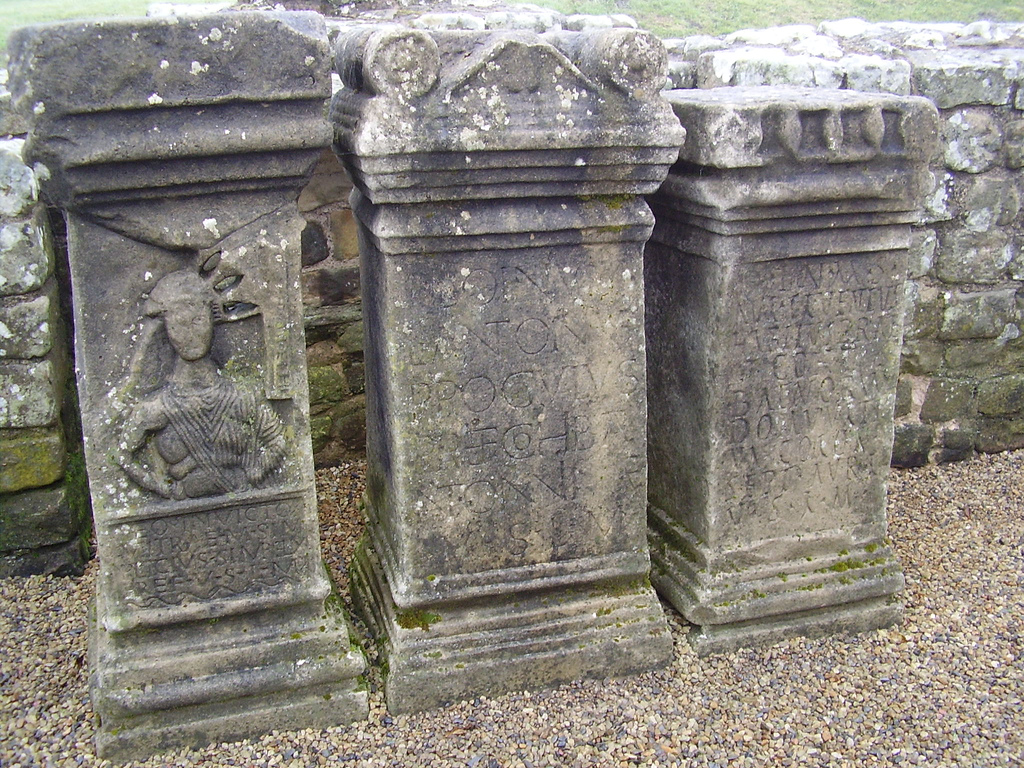
One of the altars from the Carrawburgh Mithraeum depicts the bust of Mithras or Sol.
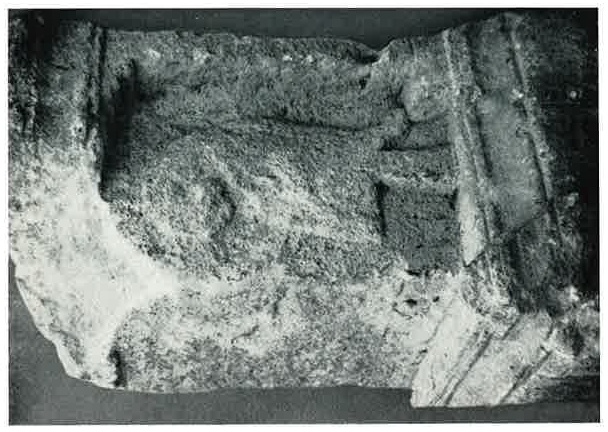
Sandstone altar from Mithraeum I at Carnuntum, Pannonia Superior, decorated on each lateral face with a Phrygian cap upon a dagger — a distinctive Mithraic iconographic pairing — and bearing an inscription on the front.
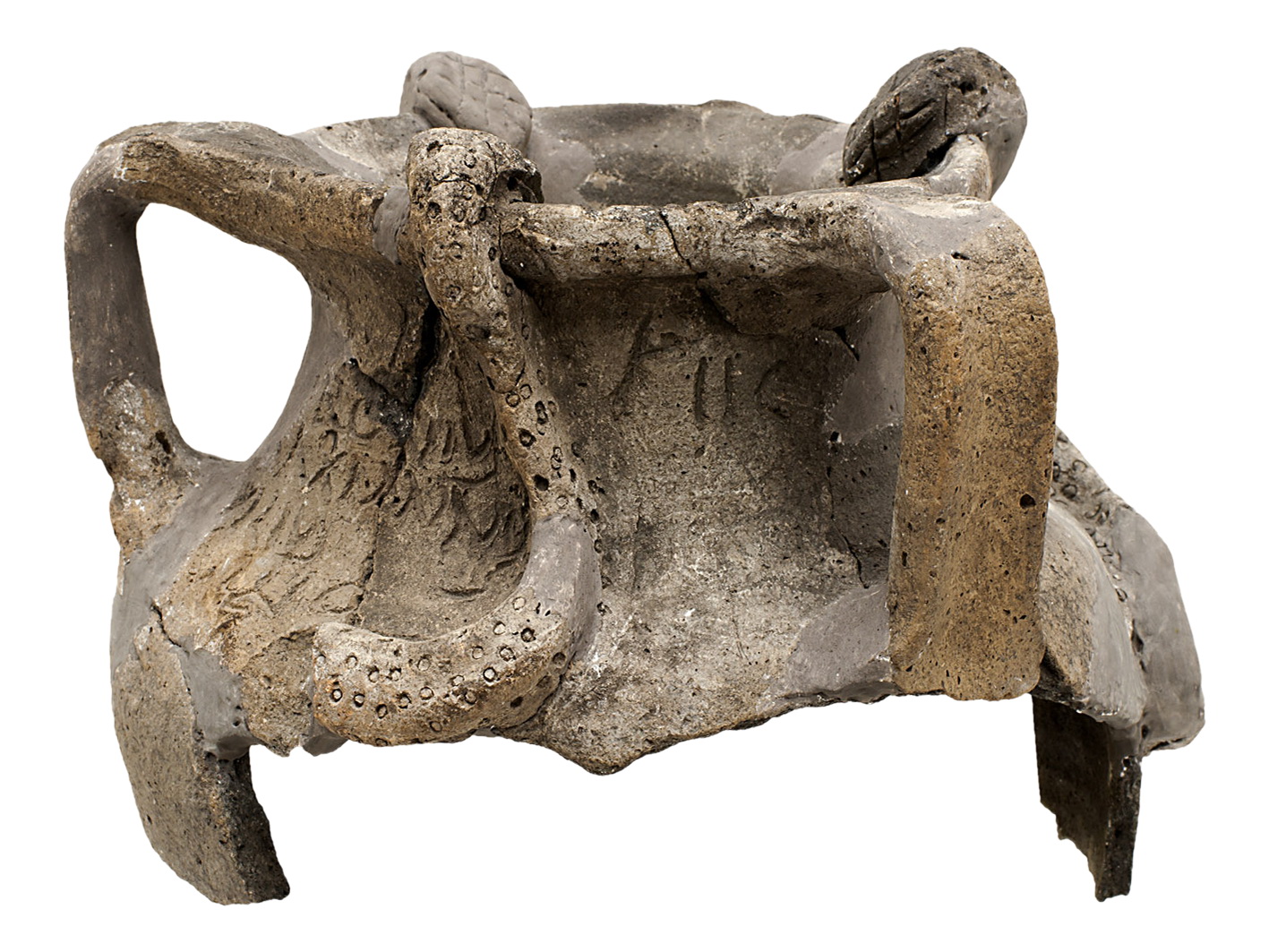
Upon first examination, archaeologists interpreted the inscription on the cult vessel from Gradishje as referencing Mithras, though it has since been re-evaluated.