Your search Podersdorf am See gave 2324 results.
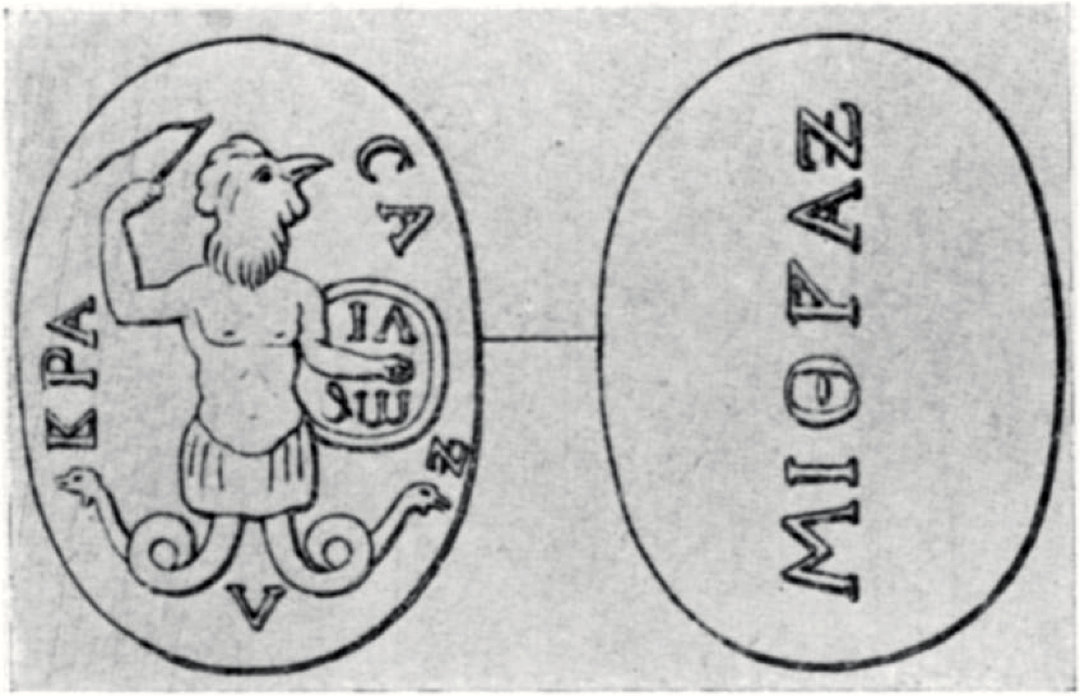
This syncretic amulet depicting Abraxas and the word MIΘPAZ was once displayed in the Cappello Museum of Venice.
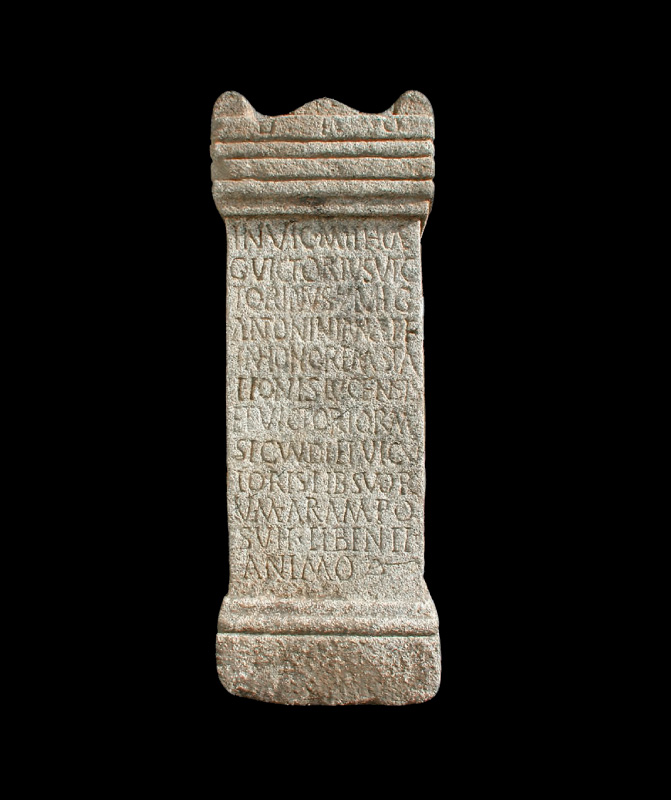
Victorius Victorious, centurion of the Legio VII, erected the altar in honour of the Lugo garrison and of the Victorius Secundus and Victor, his freedmen.

On the occasion of the discovery of a Mithraeum in Cabra, Spain, we talk to Jaime Alvar, a leading figure in the field of Mithraism. With him, we examine the testimonies known to date and the peculiarities of the cult of Mithras in Hispania.
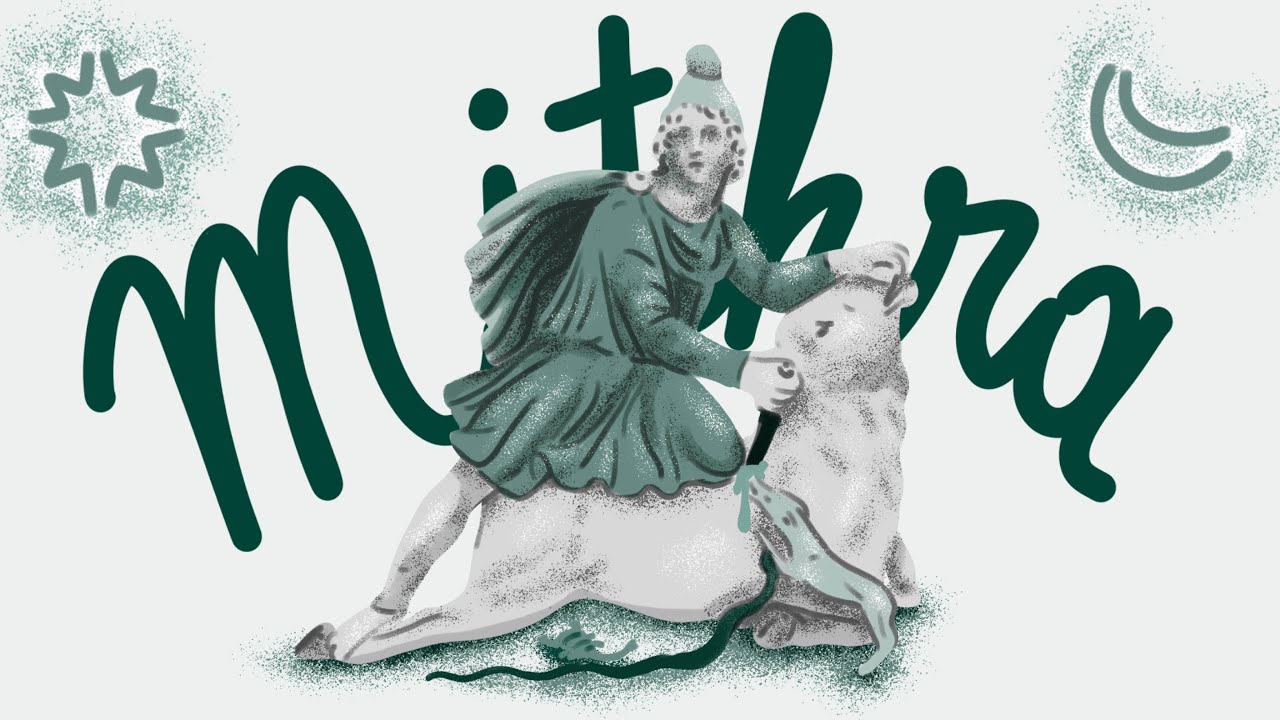
Le culte romain de Mithra. Entre réalités antiques et fantasmes contemporains ! Par Richard Veymiers, directeur du Domaine et Musée royal de Mariemont.
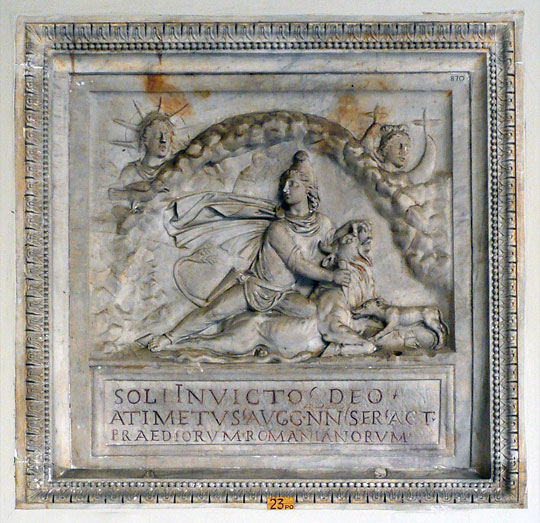
White marble relief depicting Mithras slaying the bull, dedicated by Atimetus.
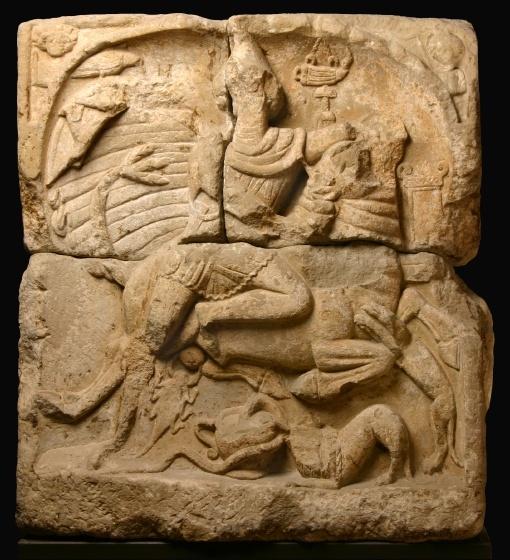
This relief of Mithras killing the bull, now on display in Stuttgart, includes a small altar with a sacrificial knife and an oil lamp.
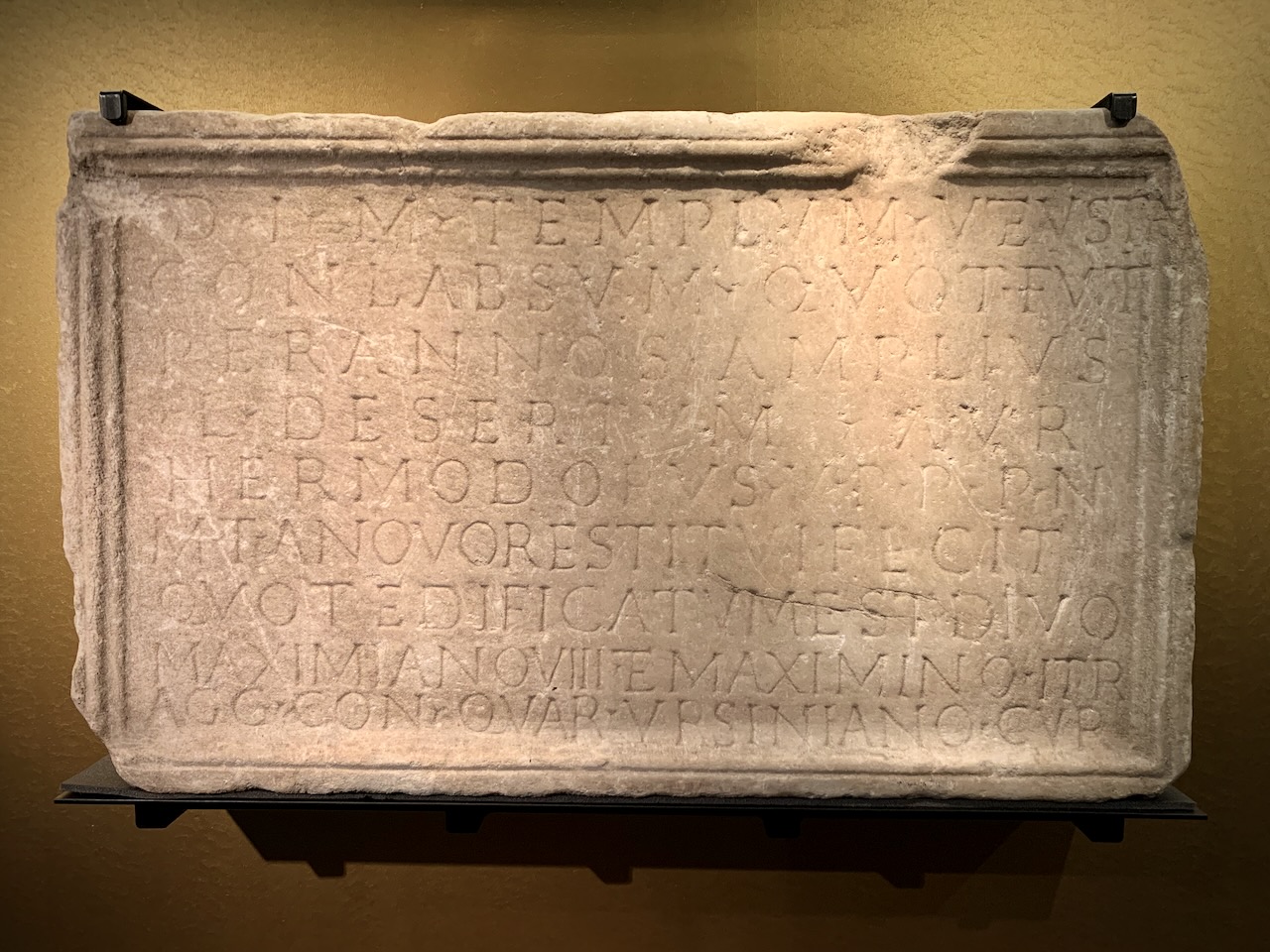
This marble gives some details of the reconstruction of the Virunum Mithraeum.
Intervention de Nicolas Amoroso, commissaire de l’exposition Le Mystère Mithra.

Mithra et ses actualités - Journée d'études (17 décembre 2021) au Musée royal de Mariemont.
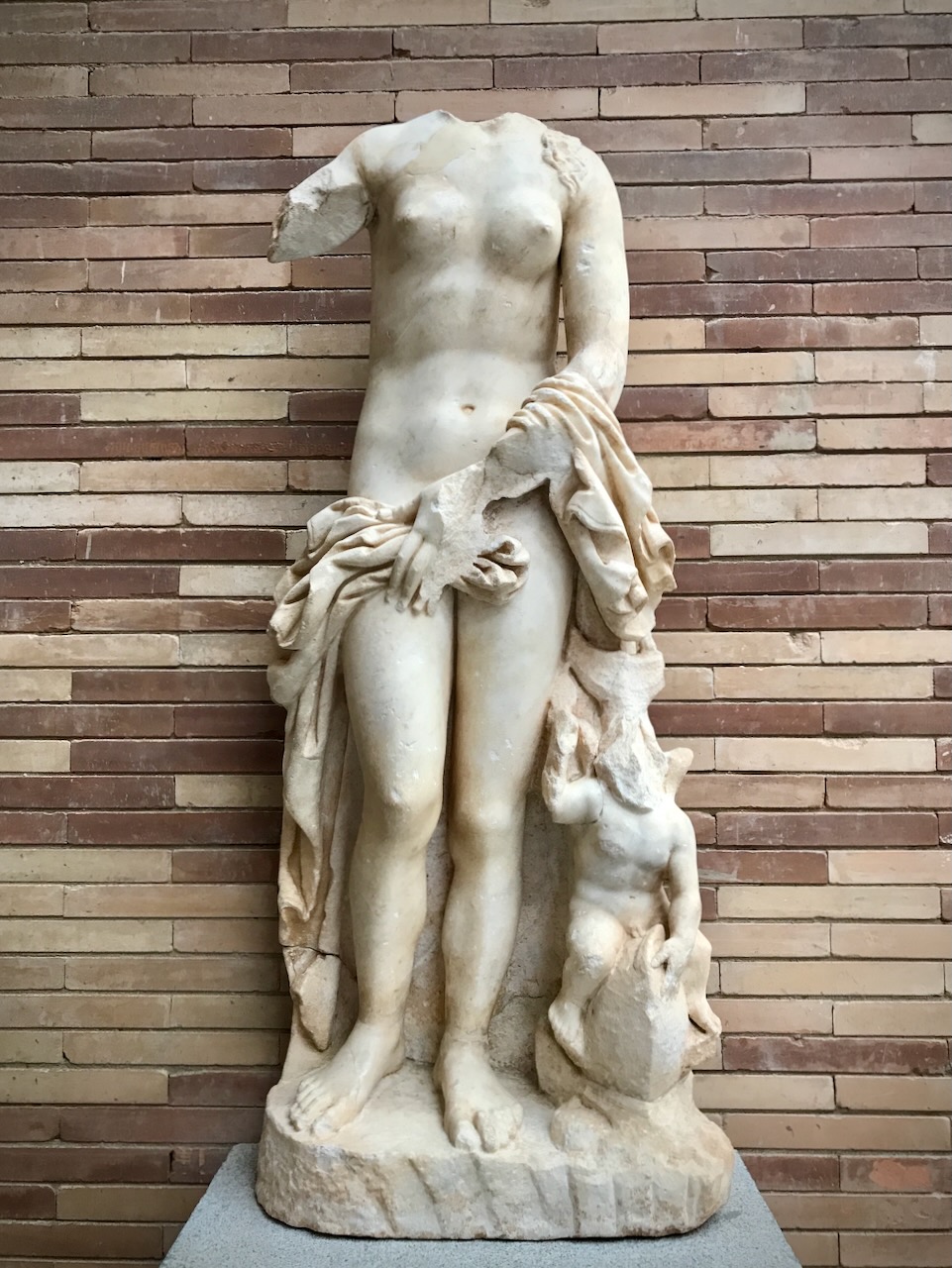
The Venus pudica of Merida stands next to the young Amor riding a dolplhin.
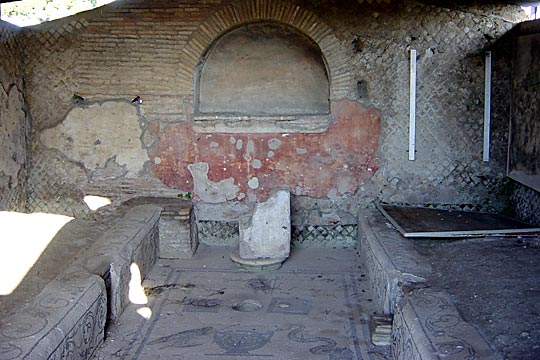
The name of the Mithraeum of the Seven Gates refers to the doors depicted in the mosaic that decorates the floor, symbolising the seven planets through which the souls of the initiates have to pass.
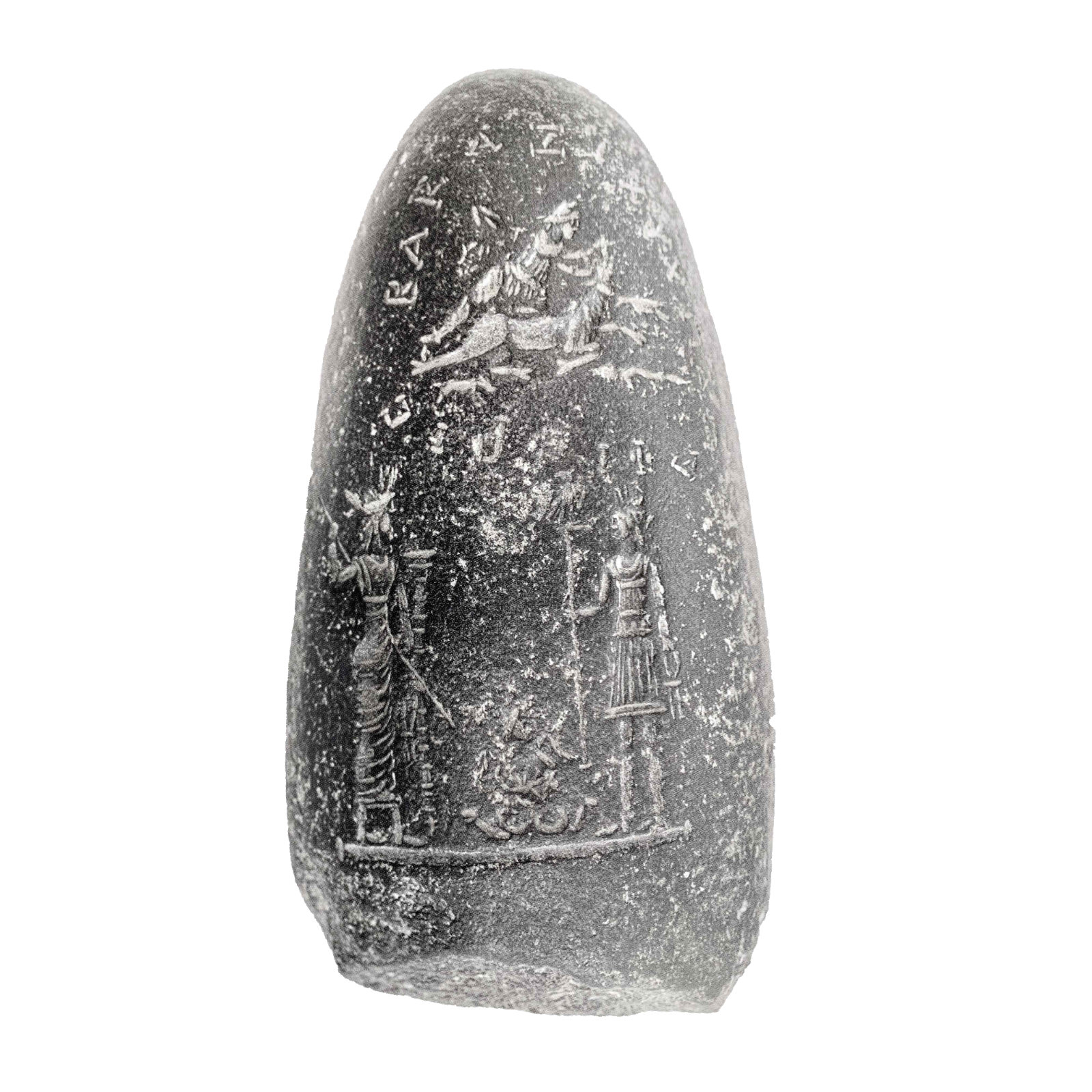
According to Christopher A. Faraone, the axe-head from Argos belong to a category of thunderstones reused as amulets.
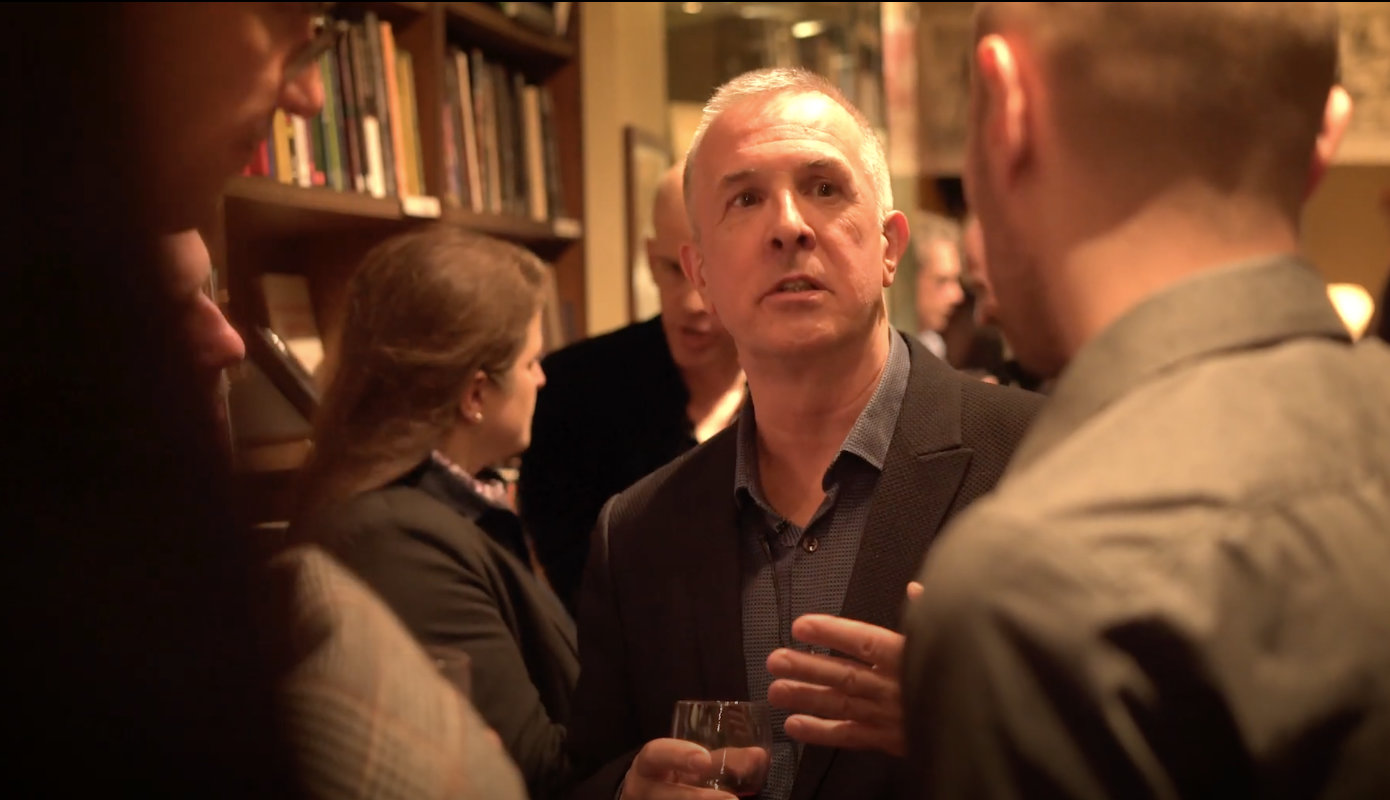
Peter Mark Adams: ‘The initiation was a frightening experience that caused some people to panic as a flood of otherworldly entities swept through the ritual space.’.
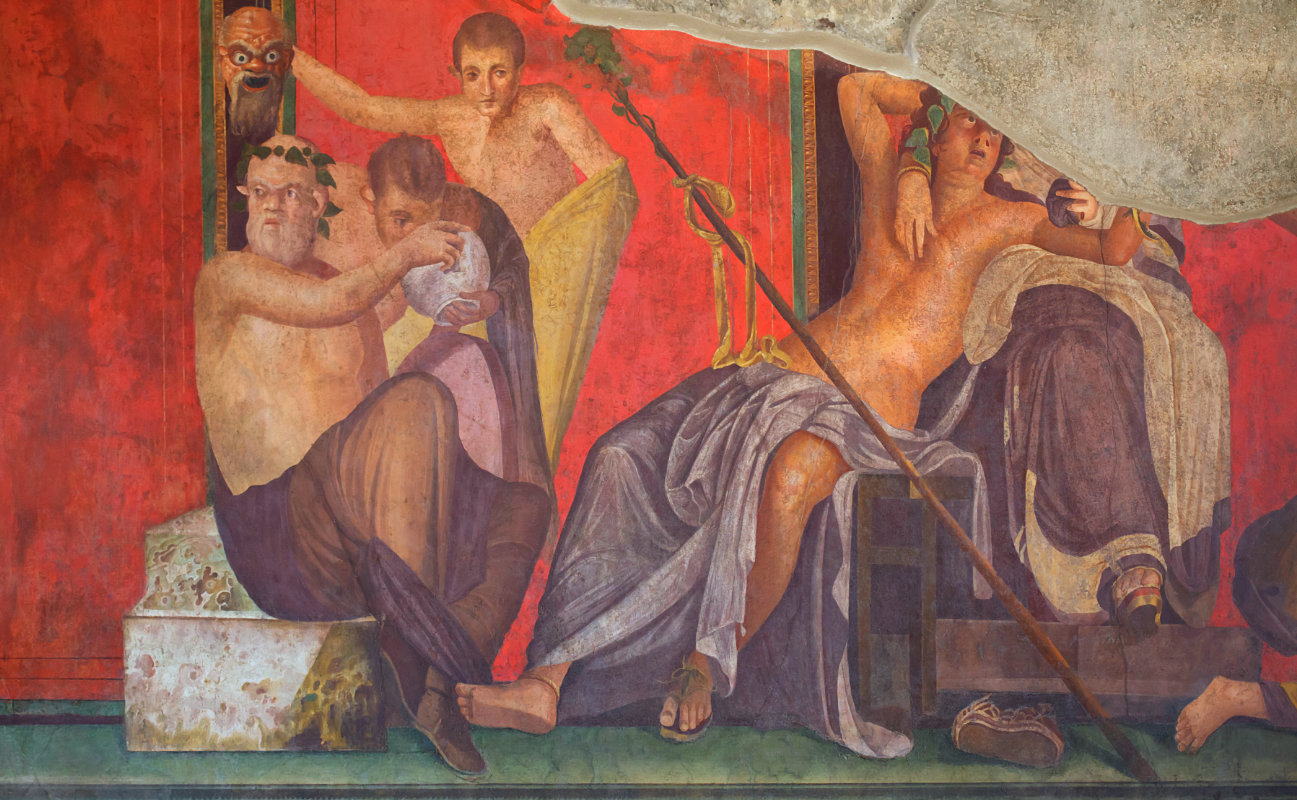
Presentation on the Dionysian-themed frescoes of the Villa of the Mysteries by Peter Mark Adams on the occasion of the presentation of his book.
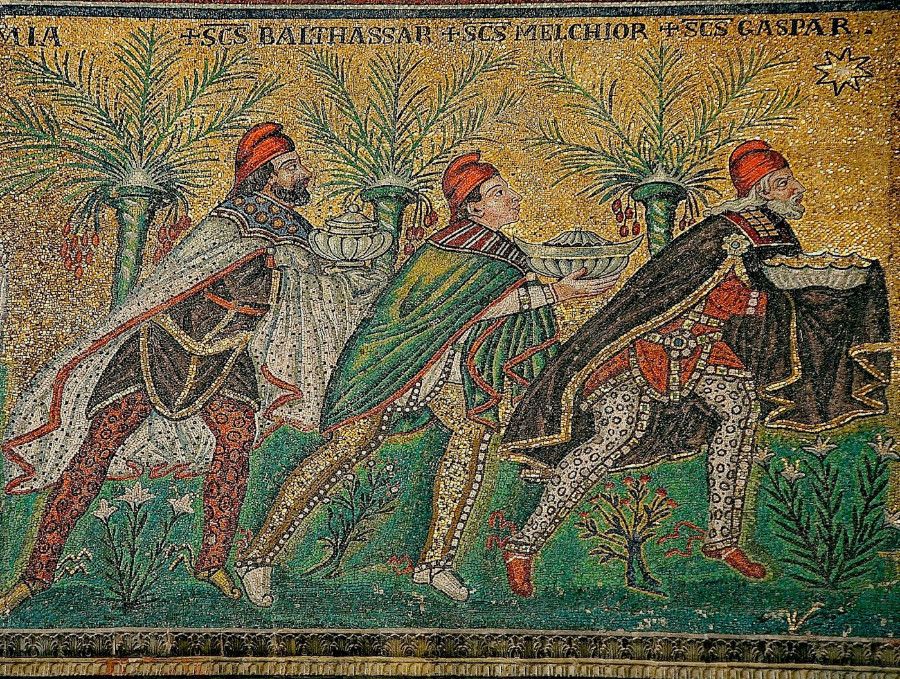
Despite the current political landscape of the US, we can look to antiquity to see that the red cap was actually once a symbol of citizenship and welcome to the foreigner.

Tropaeum Traiani became famous for the monumental complex commemorating Trajan’s victories in the lower Danube region.
Stein am Rhein occupied a strategic position near the western limits of the Danubian frontier system.
The Moosham area lies within the Alpine territory historically connected with Roman Noricum.
Bedaium occupied a position near the Chiemsee lake region within the northern Alpine frontier zone.
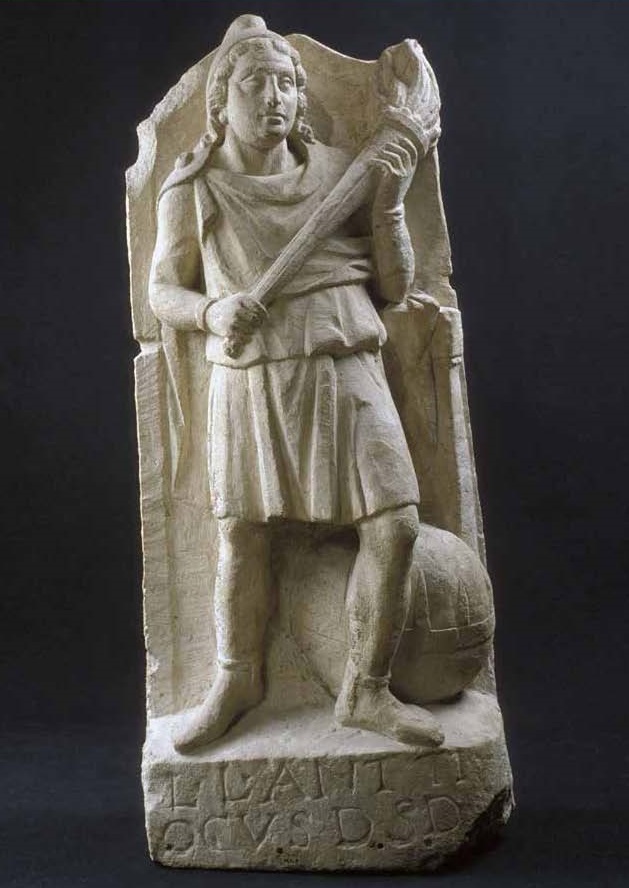
This monument representing Cautes with uncrossed legs was consecrated by a certain Anttiocus.
