Your search Podersdorf am See gave 2325 results.
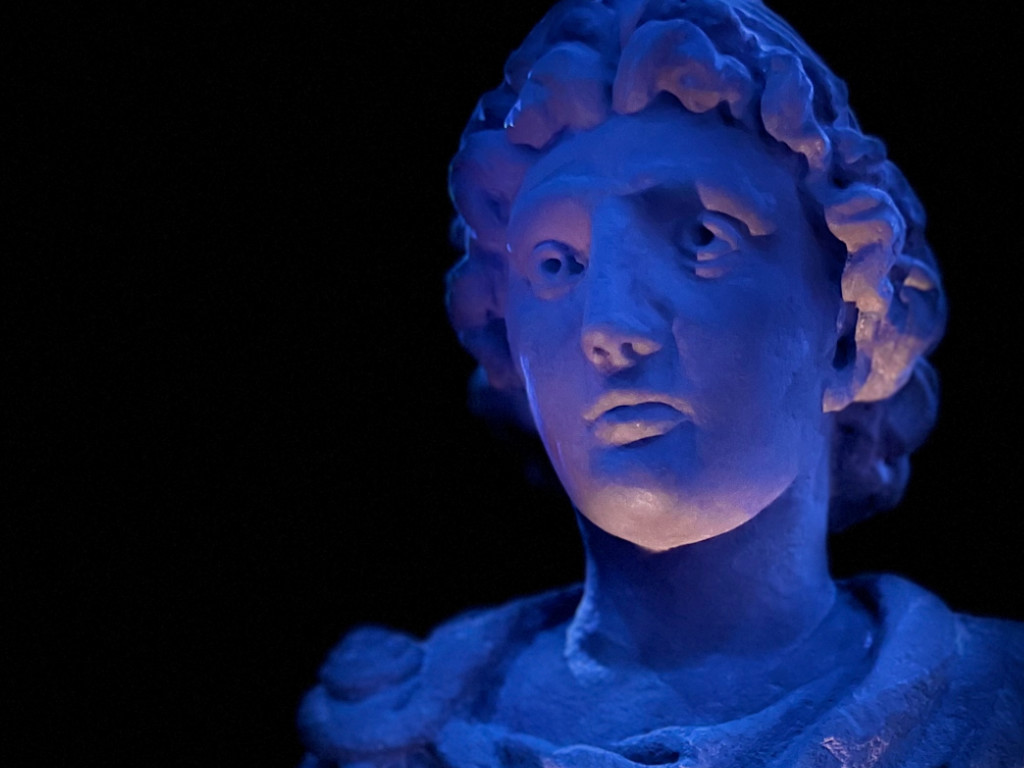
The exhibition The Mystery of Mithras opens at the Mariemont Museum in Belgium, home of Franz Cumont, the father of studies on the solar god.
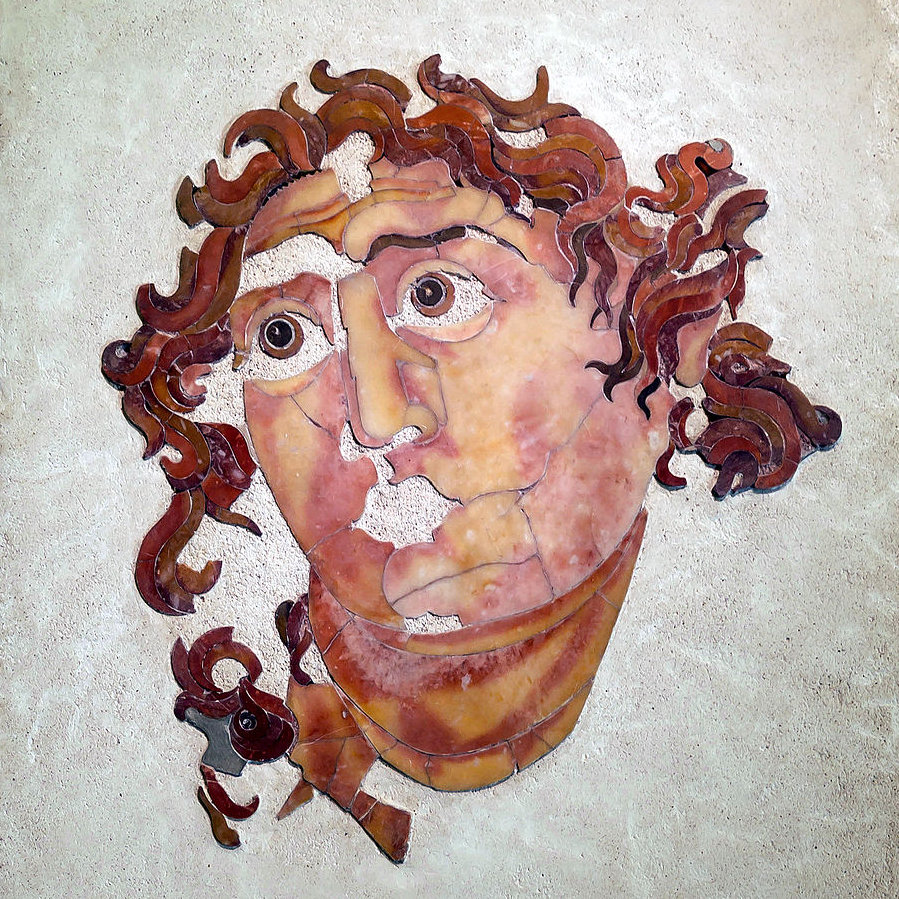
The intarsium of Sol found in the Mithraeum of Santa Prisca is composed of several varieties of marble.
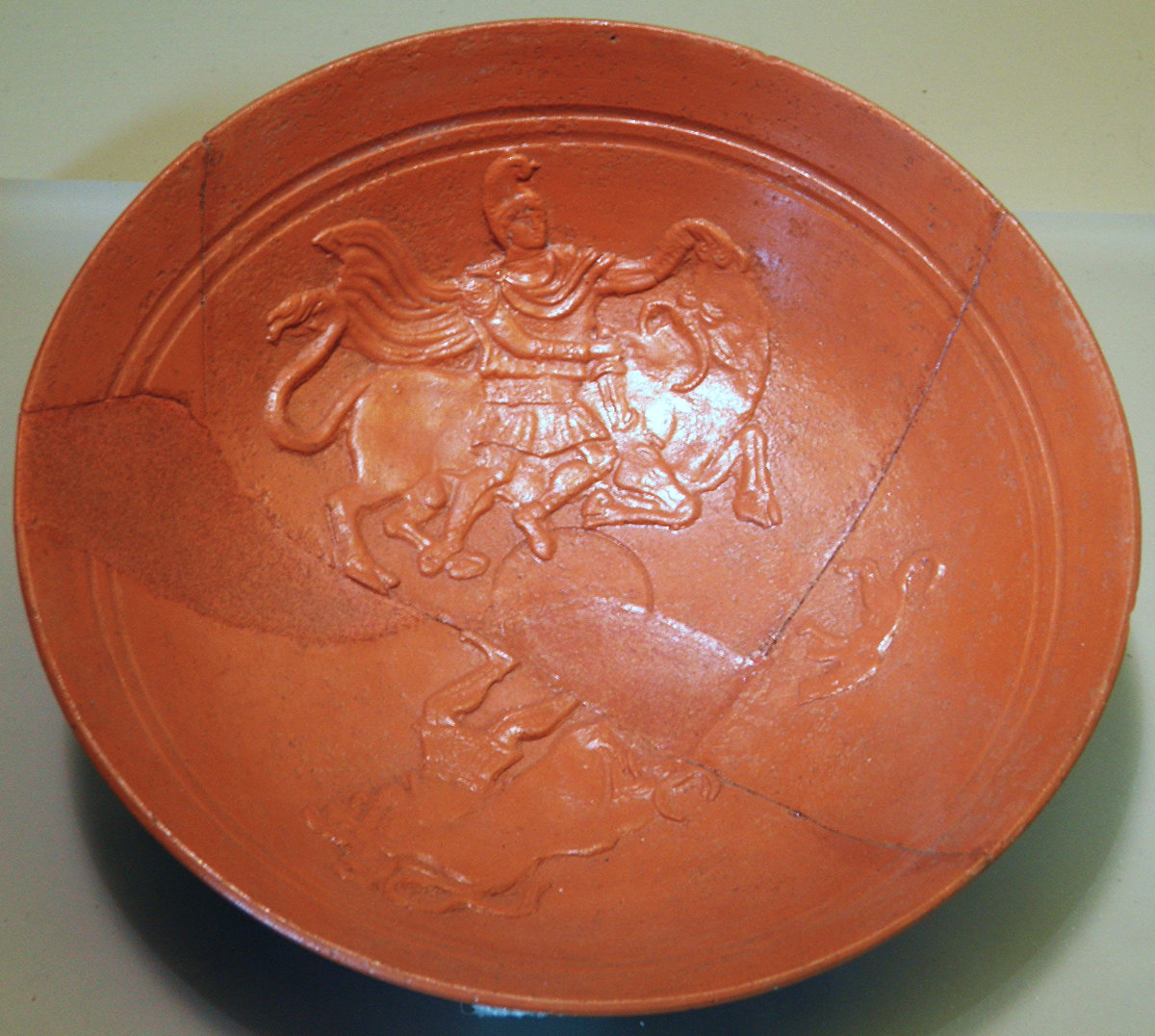
The red ceramic vessel from Lanuvium shows Mithra carrying the bull, followed by the dog, and the Tauroctony on the opposite side.
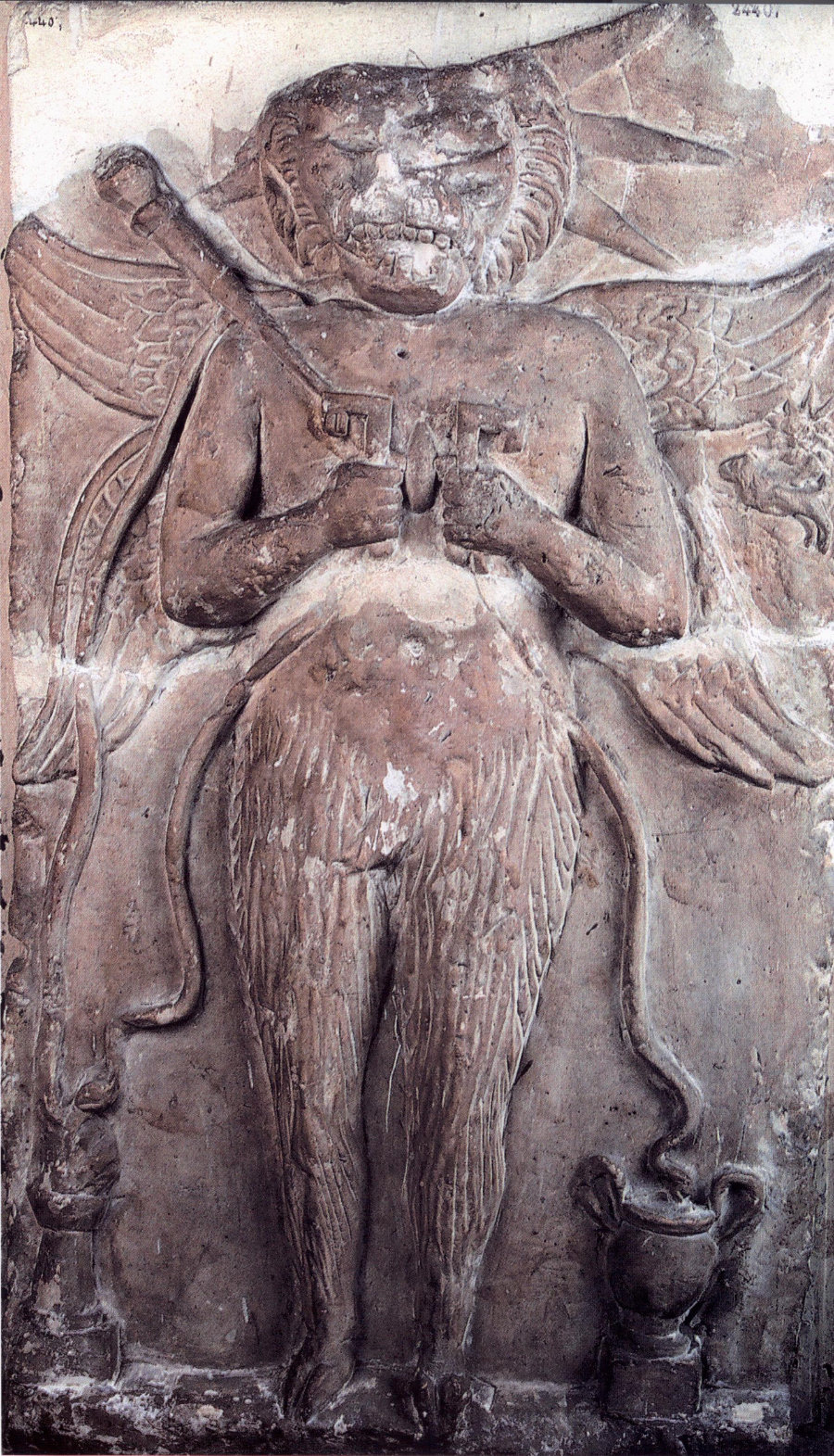
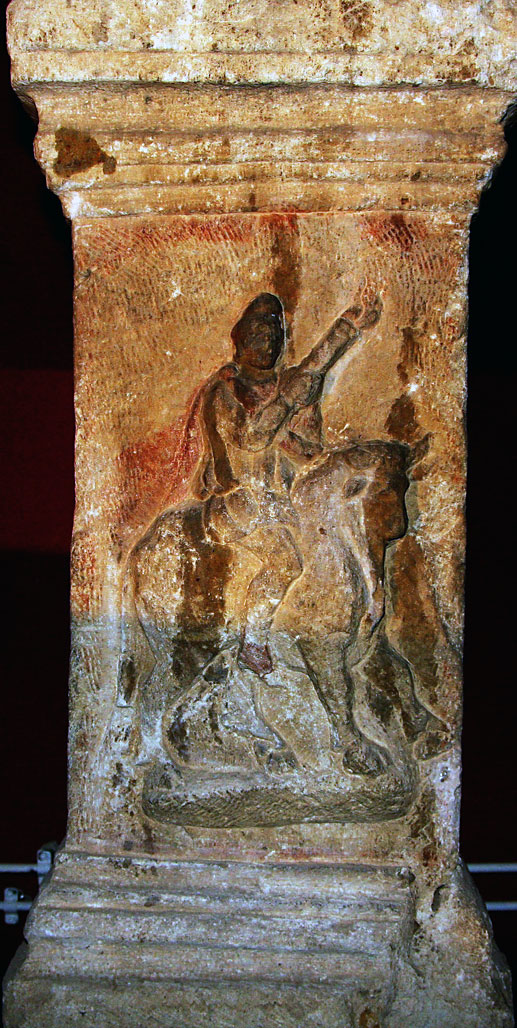
According to Pettazzoni Aion in general finds its iconographical origin in Egypt. Mithras must have been worshipped in Egypt in the third century B.C.
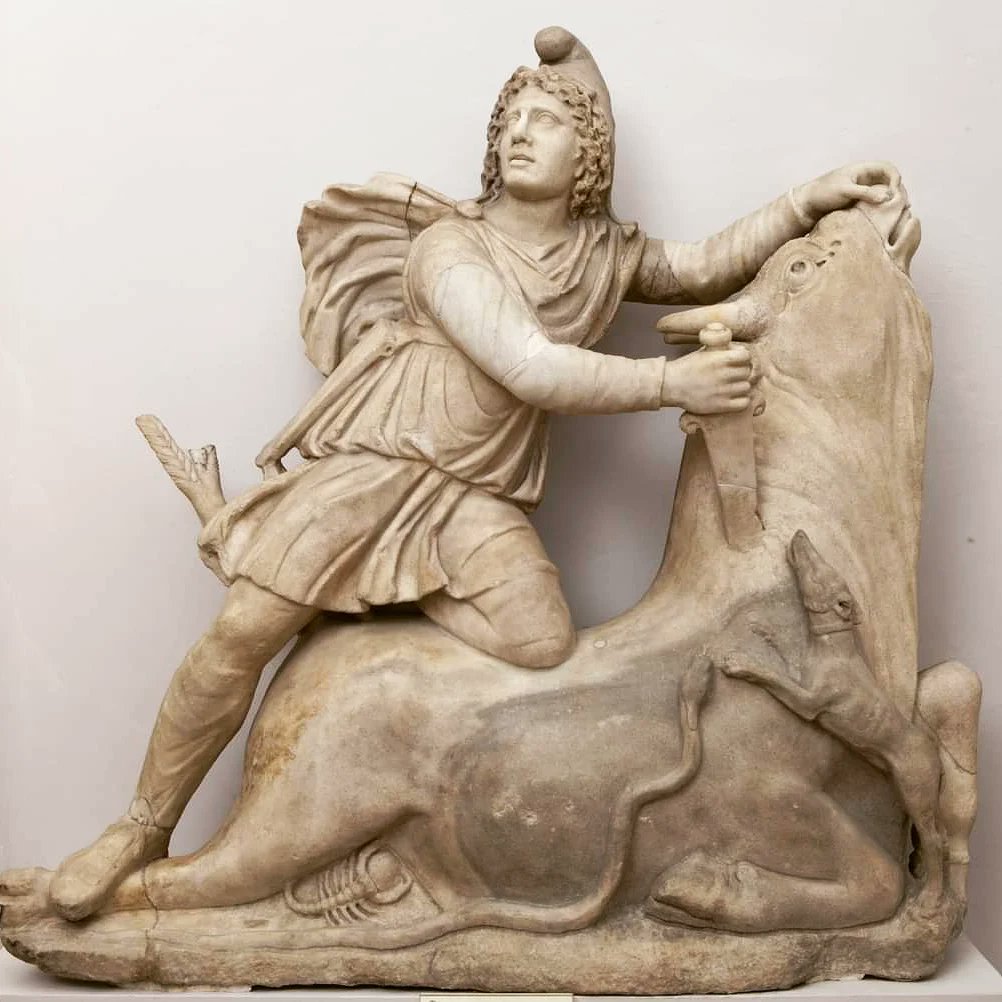
This sculpture of Mithras slaying the bull was bequeathed to the Republic of Venice in 1793 by Ambassador Girolamo Zulian.
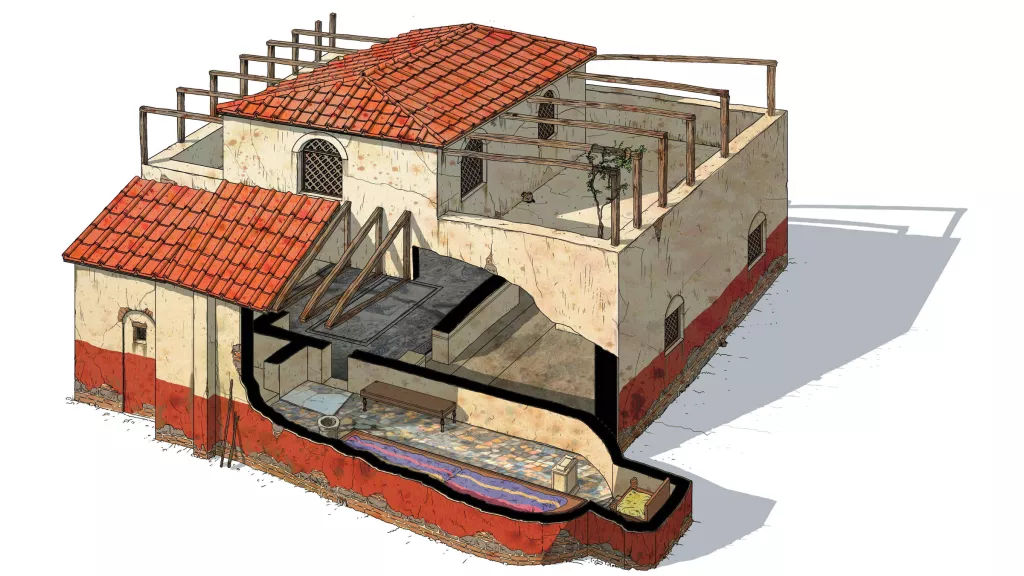
The Mitreo dei Marmi Colorati takes its name after the discovery of a black-and-white mosaic of Pan fighting with Eros.
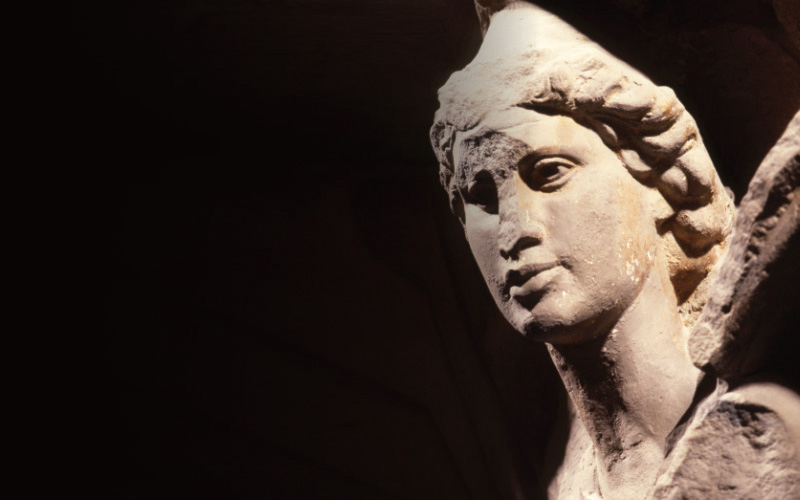
On the occasion of the exhibition, the Royal Museum of Mariemont invites five experts from Europe to emulate the research on the cult of Mithras.
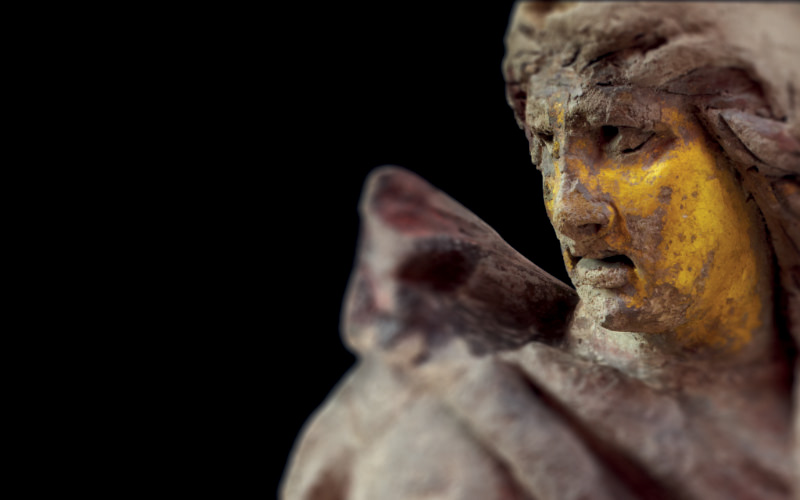
Three European museums celebrate Mithras with a continental exhibition featuring more than 200 works of art from Roman times to the present day.
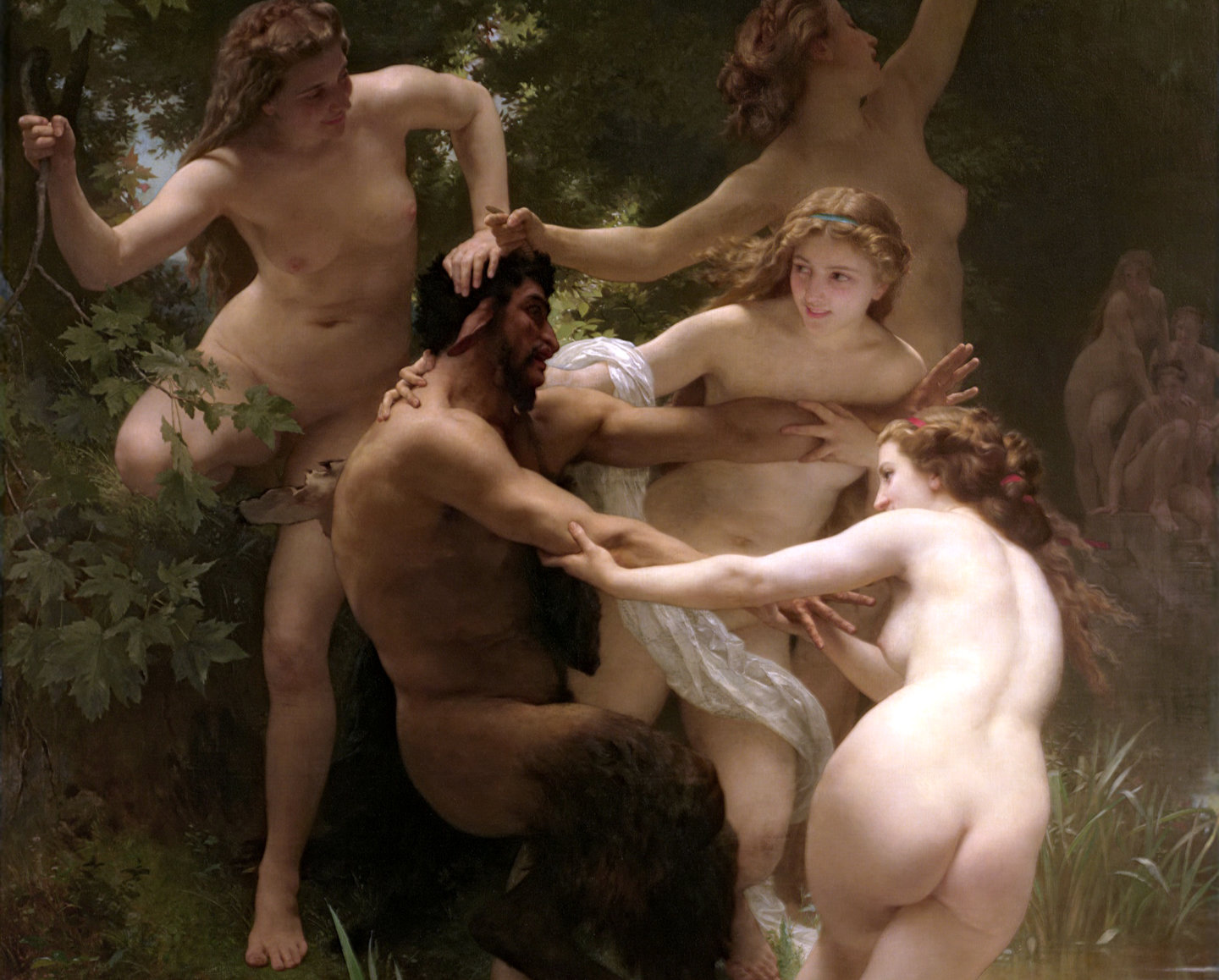
Between the 1st and 4th centuries, Mithraism developed throughout the Roman world. Much material exists, but textual evidence is scarce. The only ancient work that fills this gap is Porphyry’s intense and complex essay.
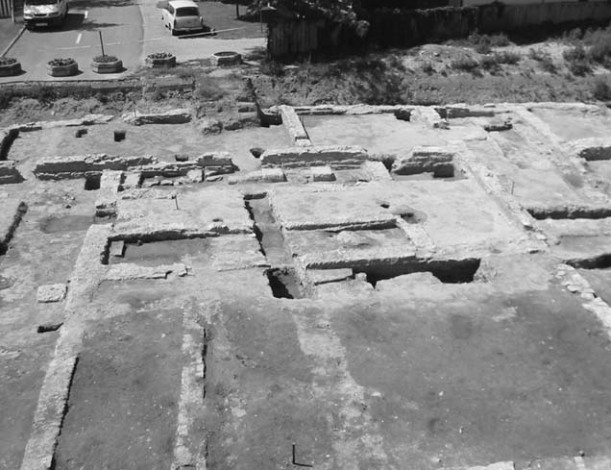
The Mithraeum has found in a Roman building at the end of Attila Road, in Hévíz, Egregy
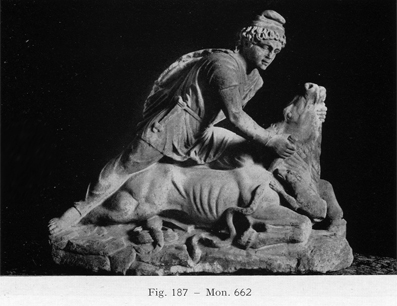
The marble Tauroctony of Asciano, Siena, was donated by Franz Cumont to the Academia Belgica, Rome.
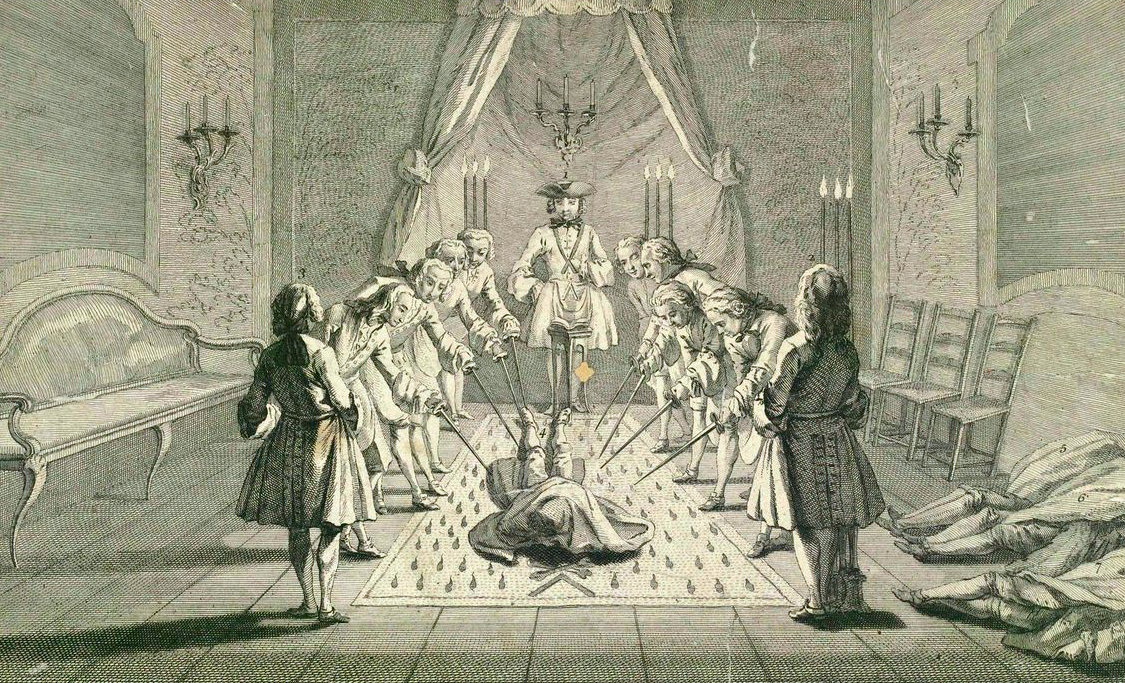
Twelve centuries separate the decline of Roman Mithraism from the dawn of Freemasonry. Twelve centuries during which the mysteries of Mithras have remained more secret than ever.
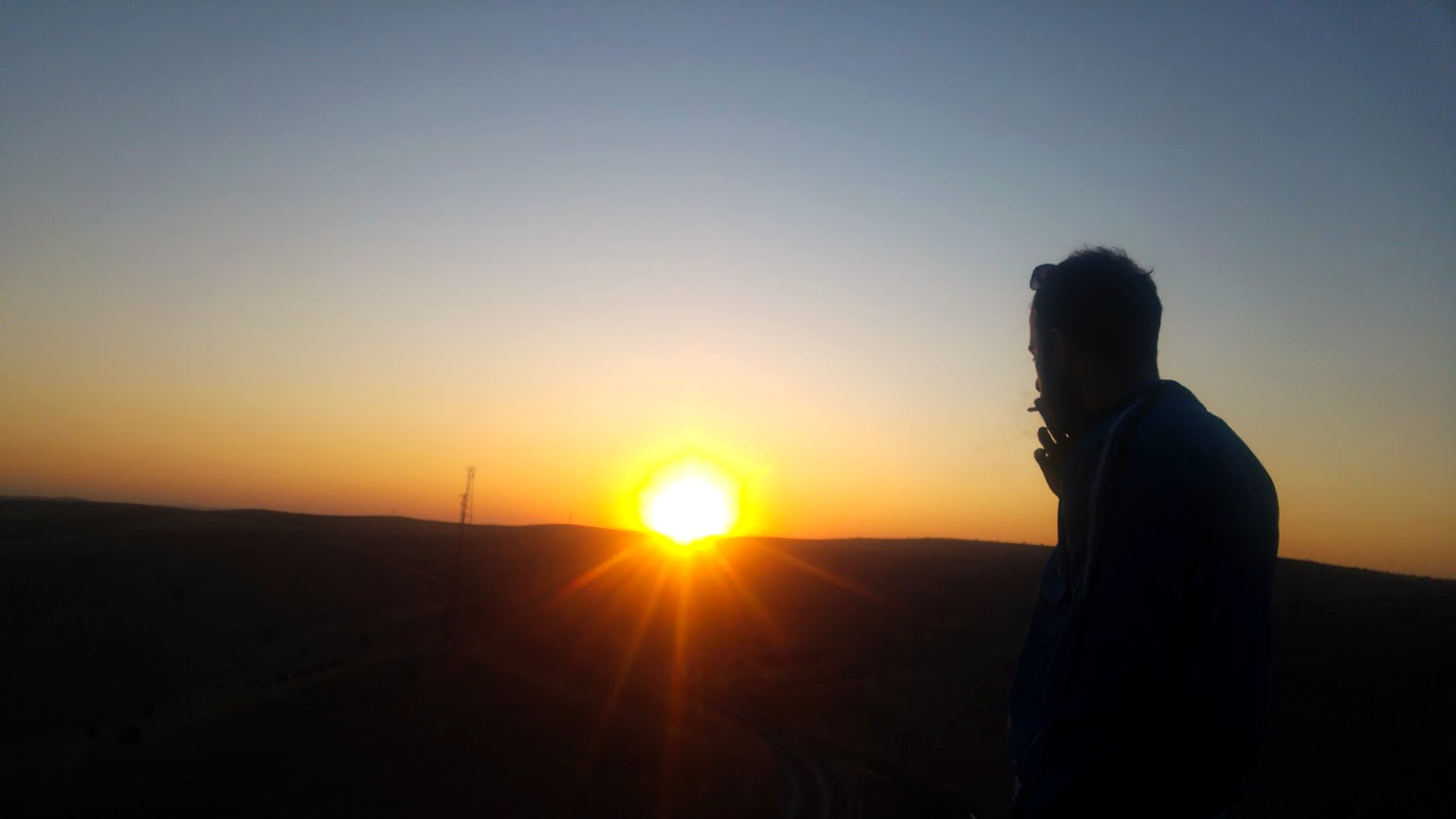
The Temple of Mithras, inside an ancient military settlement, is situated on the eastern border of the Roman Empire.
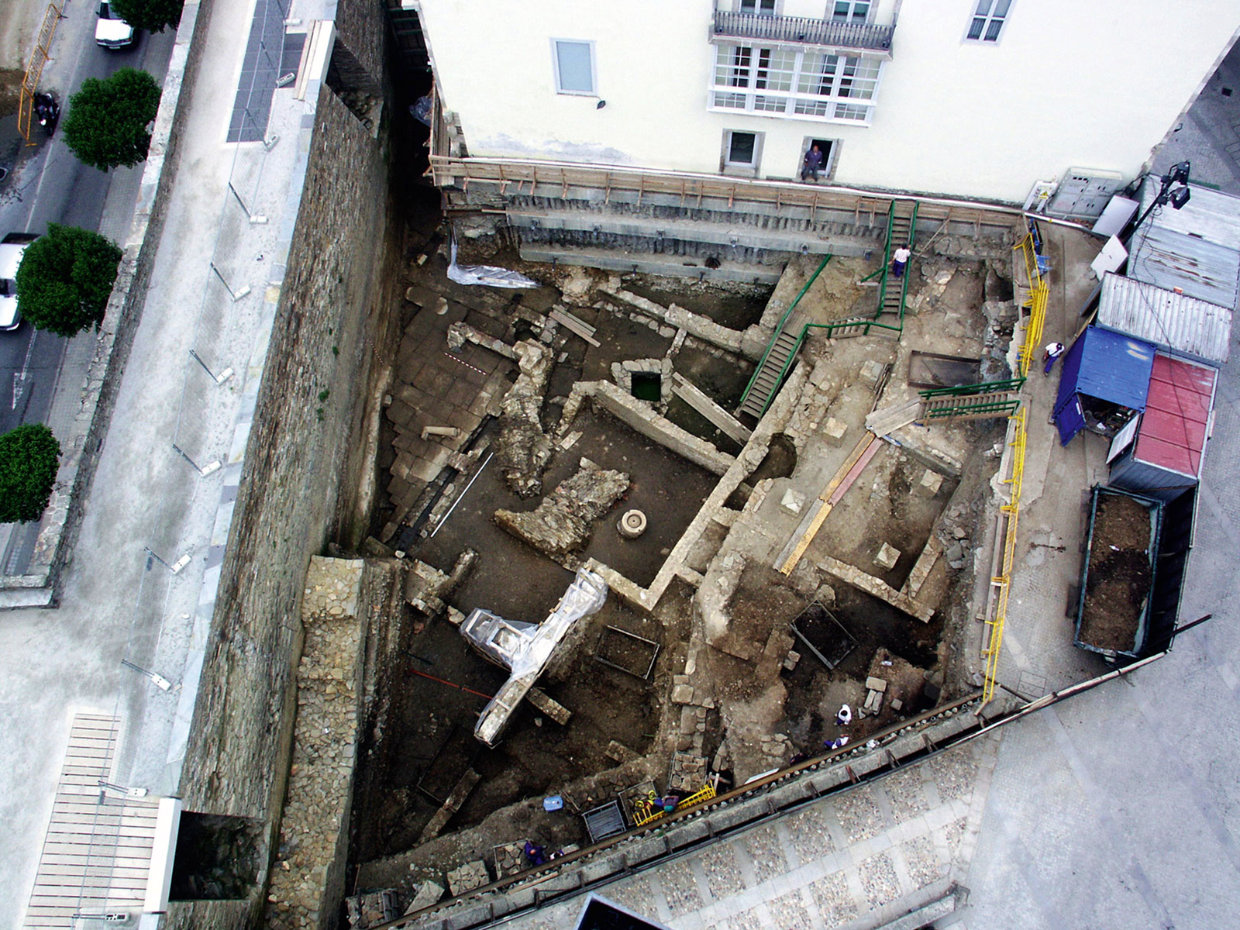
The museum that houses the temple of Mithras has become the most visited Roman space in the city since it opened.
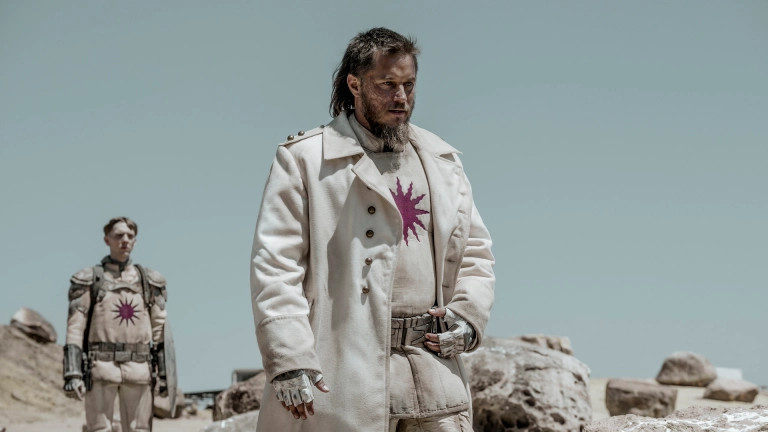
HBO Max's sci-fi series Raised By Wolves features a religious faction that references Sol and the Mithraic Mysteries. Here are the real-world Roman concepts the show borrowed from.
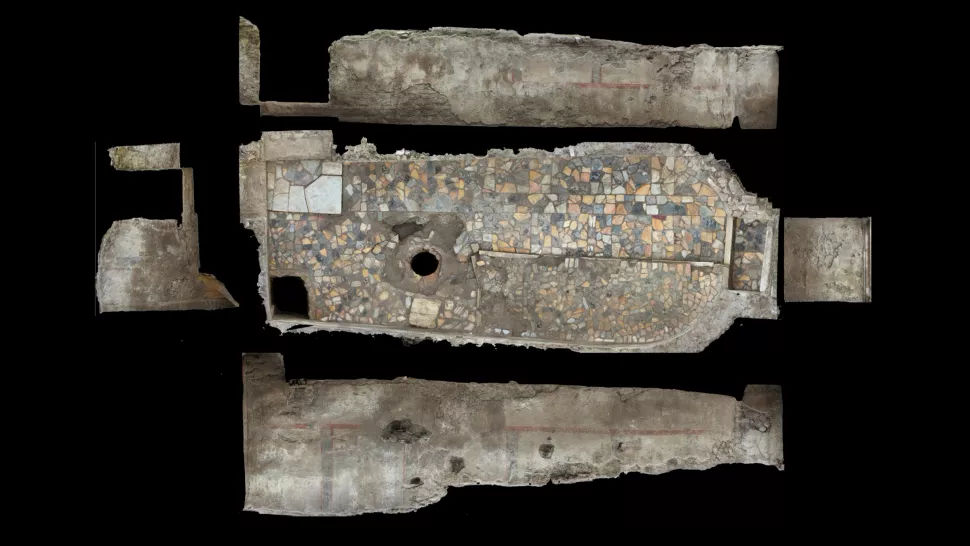
The ancient Roman worshippers were likely in altered states of consciousness.
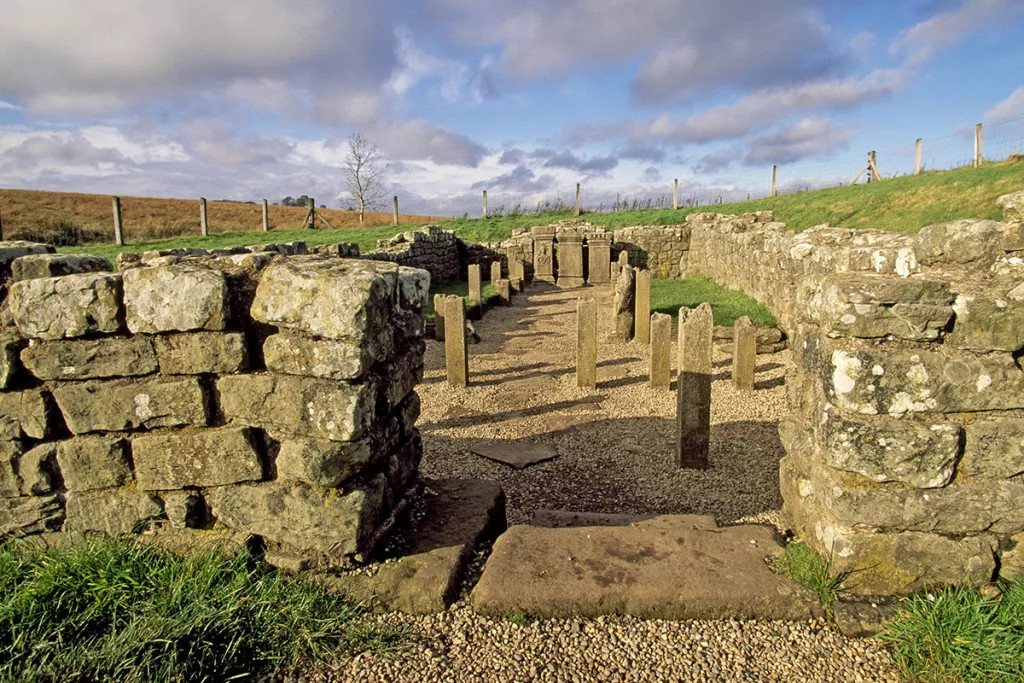
The temple of Mithras disclosed three main stages of development, the second exhibiting two reconstructions.
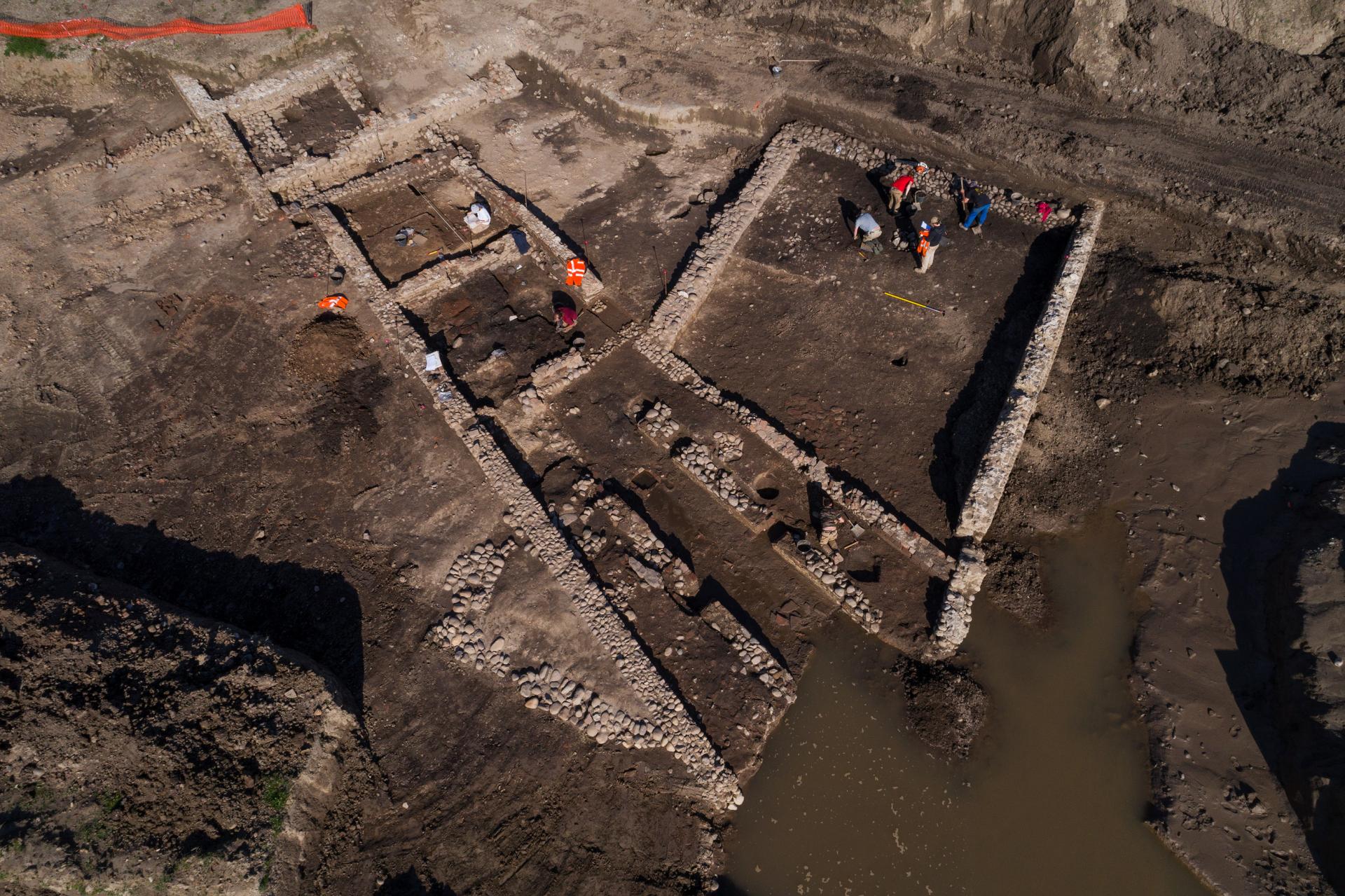
L’Inrap vient de mettre au jour un lieu de culte dédié au dieu Mithra sur le site de Mariana, à Lucciana, France.
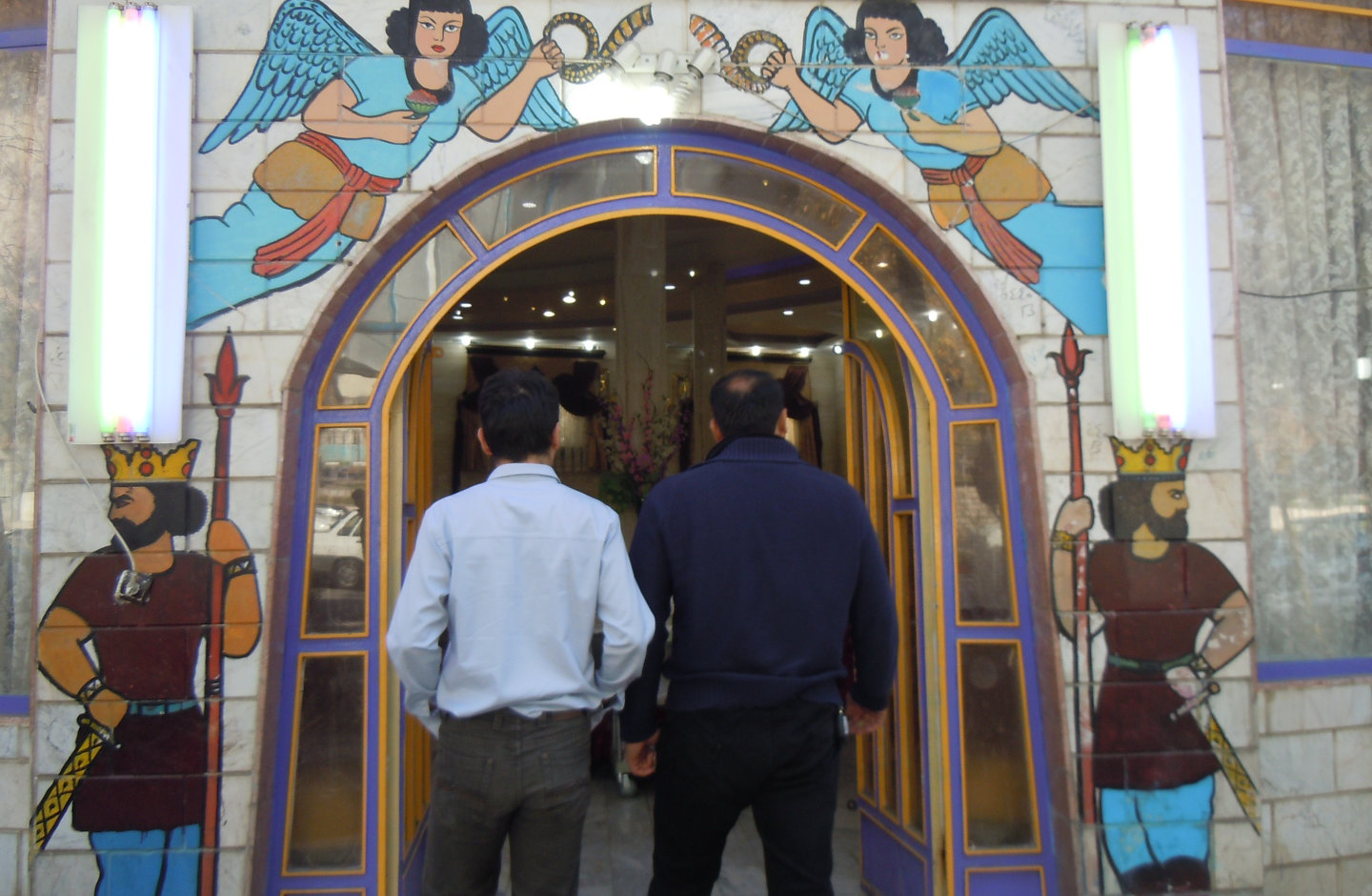
How a rock relief in western Iran, carved during the time of the Sasanian Persian Empire (AD 224-651), has been re-imagined over the centuries.
