Your search Podersdorf am See gave 2325 results.

Two sandstone altars with voluted tops from Mithraeum III at Heddernheim, ancient Nida, possibly used to support a partition bar across the cult niche
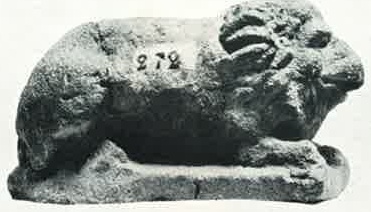
Red sandstone statue of a lying lion with a hollow channel running through its body, from Mithraeum II at Heddernheim, ancient Nida
Two stone relief heads of torchbearers in Phrygian caps, from Mithraeum II at Heddernheim, ancient Nida, with traces of Mithras's mantle
Large circular iron pan with handle from Mithraeum I at Heddernheim, ancient Nida, likely used in Mithraic ritual feasting
Tall sandstone column base from Mithraeum I at Heddernheim, ancient Nida, with an inscription set between two columns, possibly naming Mithras
Unusual hexagonal sandstone altar from Mithraeum I at Heddernheim, ancient Nida, with six decorated sides of cult significance
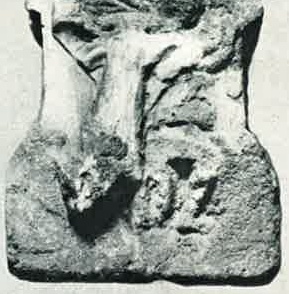
Small sandstone altar from Mithraeum I at Heddernheim, ancient Nida, bearing a snake and cult imagery consistent with Mithraic worship
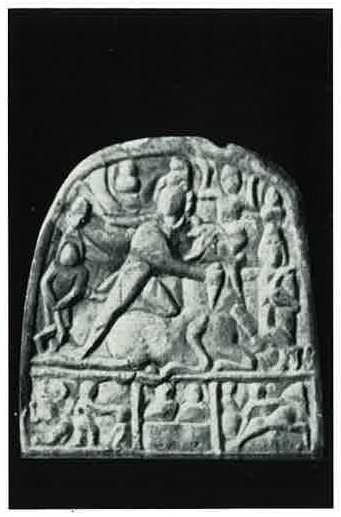
Small tauroctony relief in white marble, preserved in five fragments, from Mithraeum I at Heddernheim, ancient Nida
Fragmentary inscribed altar dedicated to Mercury from the Saalburg sanctuary area.
Cult statue base discovered with a hooked ritual sword in front of the sanctuary niche.
Elongated cult building near the Saalburg fort traditionally interpreted as a Mithraeum but later reconsidered as a possible funerary enclosure.
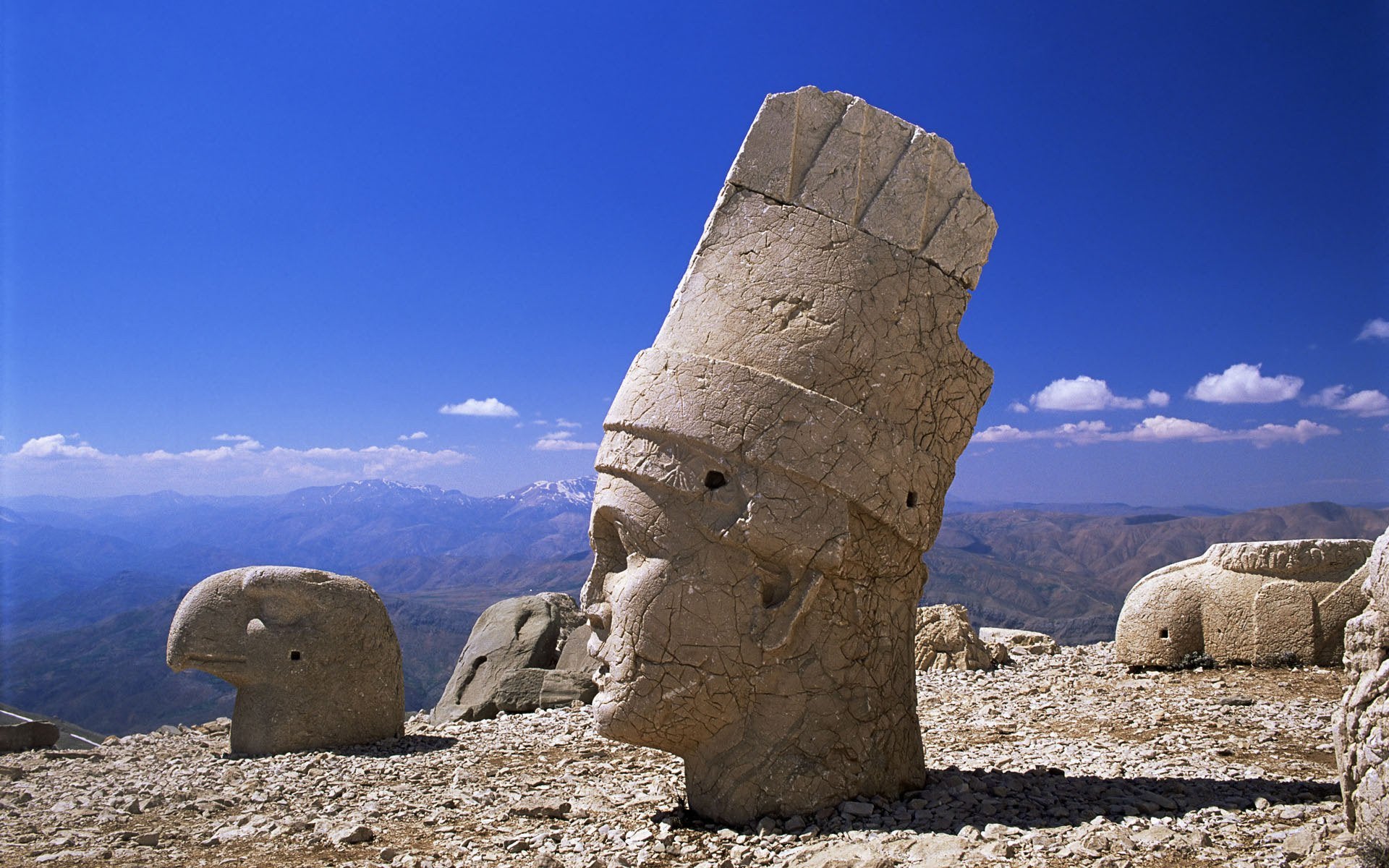
The colossal head has been identified as a solar god, Apollo-Mihr-Mithras-Helios-Hermes.
This lost Mithraic relief, formerly kept near the church of the Santissima Annunziata in Naples, was probably a large tauroctony associated with the area of Puteoli or Pausilypon.
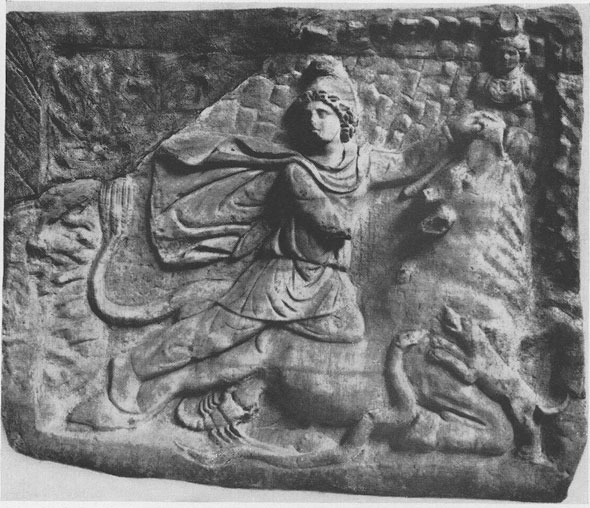
This marble tauroctony relief, probably originating from Naples, depicts Mithras slaying the bull within a cave-like setting, accompanied by the usual animals and celestial busts.
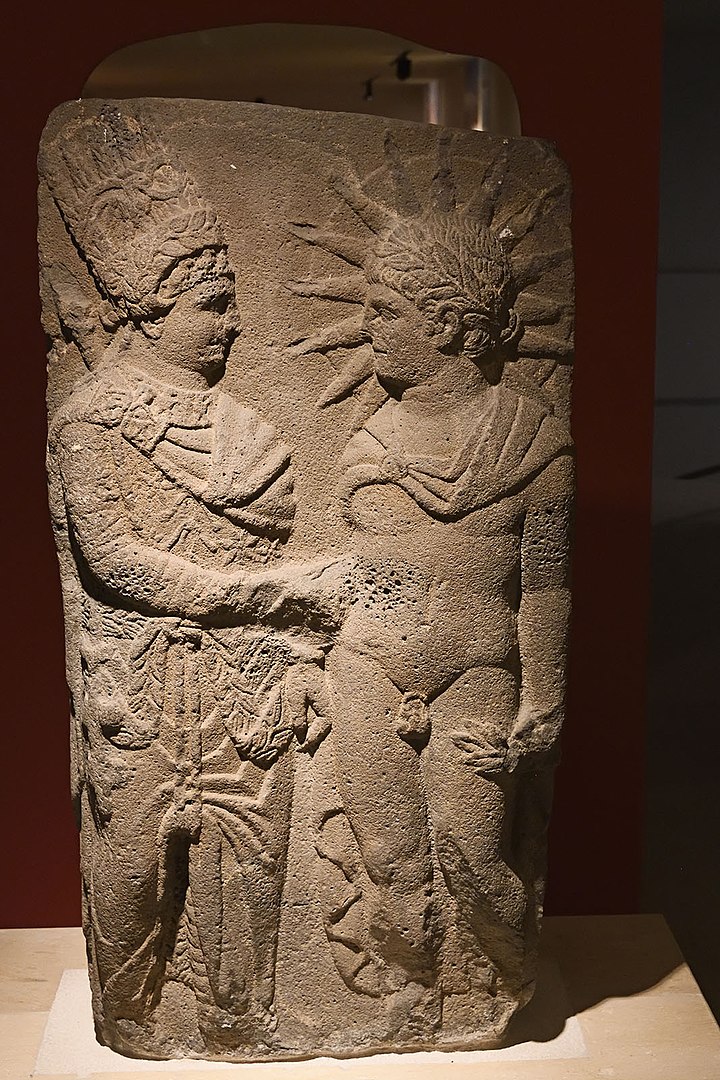
Stele representing Apollo-Mithras-Helios in a Hellenistic nude fashion, shaking hands with Antiochus I.
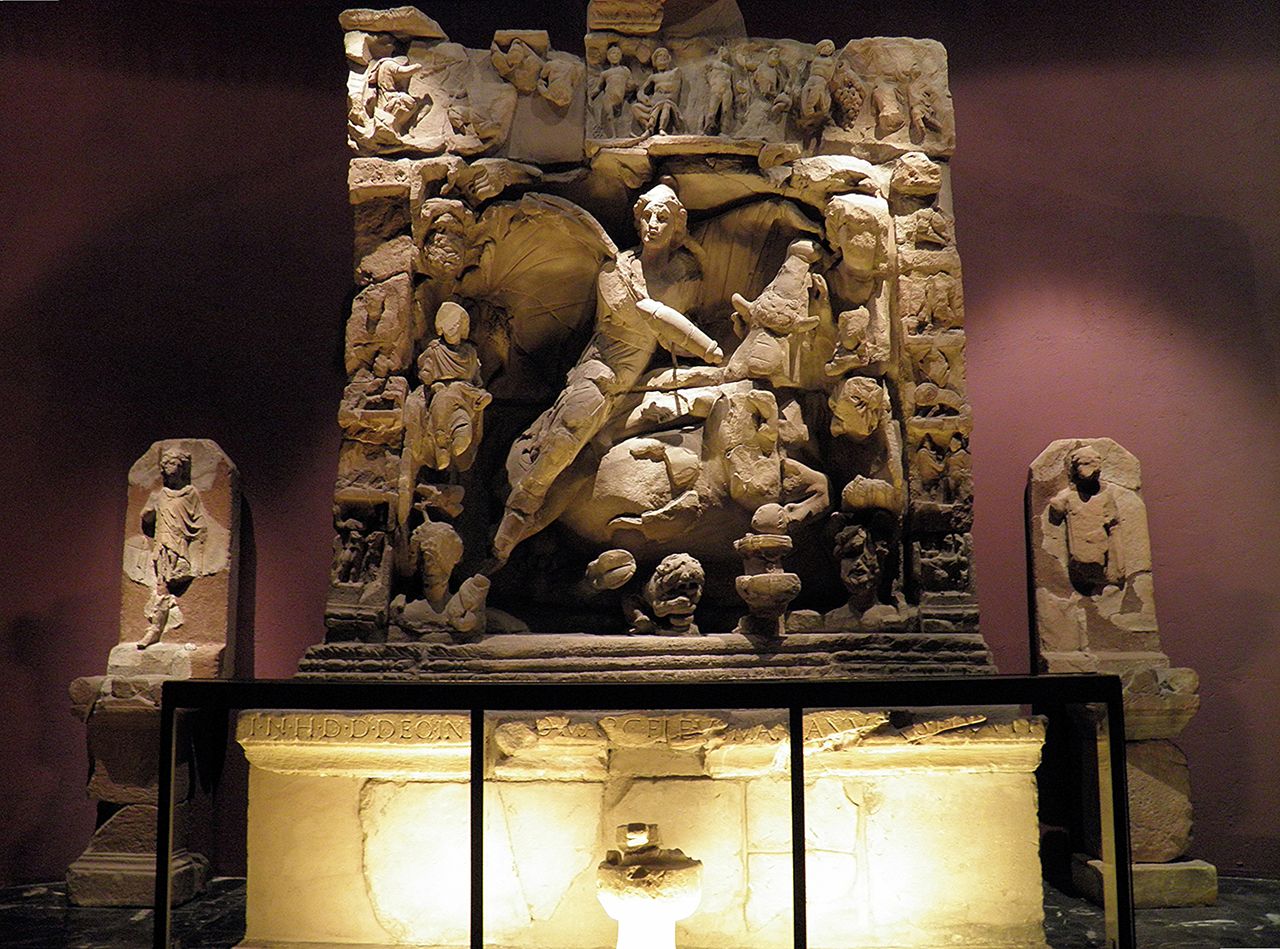
The base of these sandstone reliefs bears an inscription referring to a certain Marcellius Marianus.
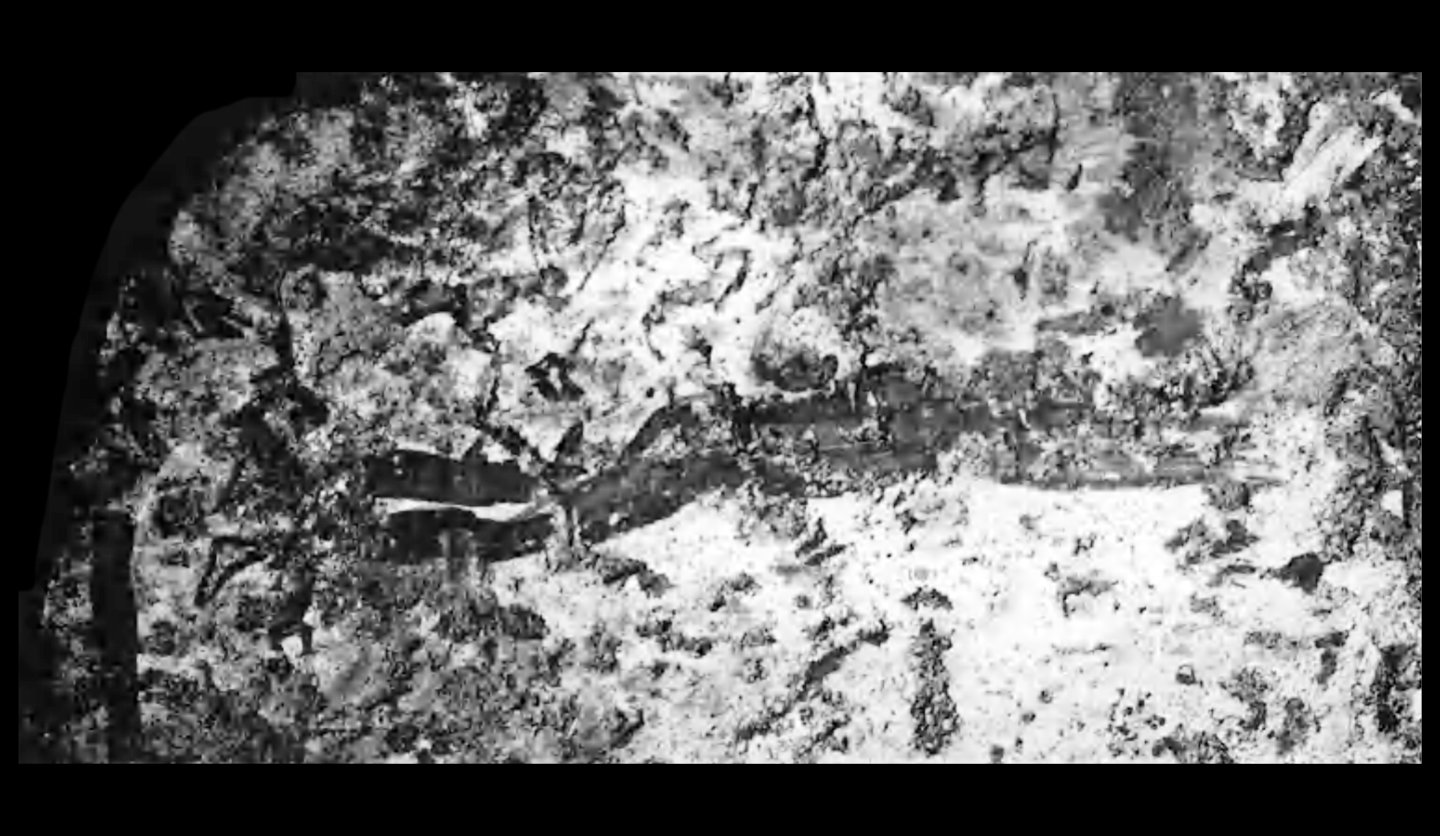
Representation of a person lying prostrate on the ground between two other walking figures on the Mitreo of Santa Capua Vetere.
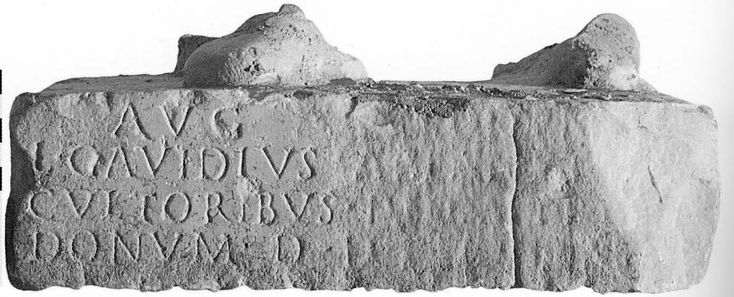
This inscription on white marble by Lucius Gavidius uses the term ther cultores to refer to his Mithraic community in Stabiae, Italy.
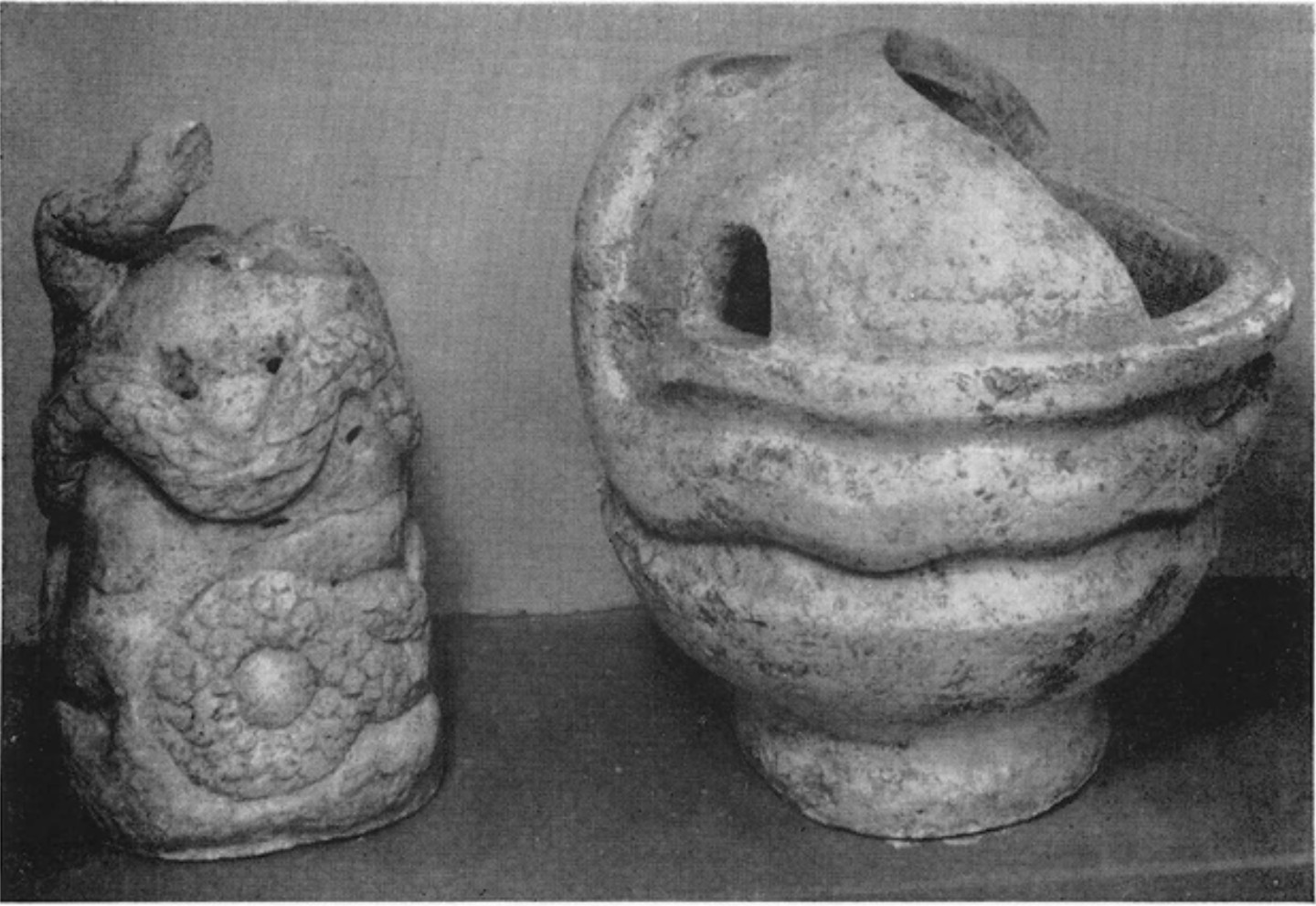
Both objects have a snake winding itself around them.
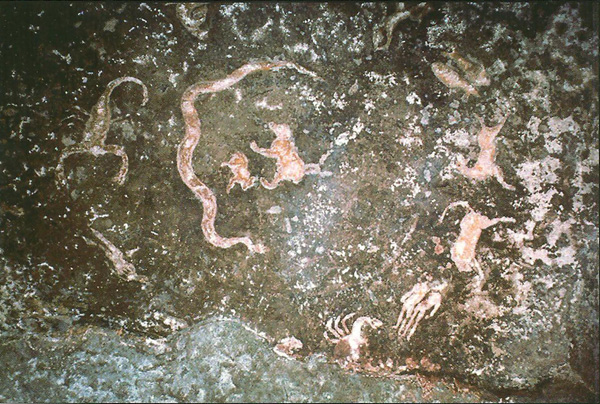
Solis invicti Mithrae studiosus astrologiae who was at the same time ’caelo devotus et astris’.
