Your search Podersdorf am See gave 2330 results.

Member of the Mithraic community of Les Bolards and dedicator of a statue of Cautes.

Along the upper Rhine frontier, Germania superior became one of the principal centres of Mithraic activity in northwestern Europe.

This small and highly questionable relief from southern France may depict a winged leontocephalic figure seated.
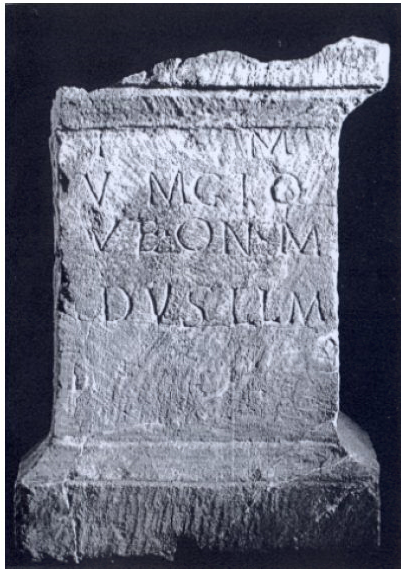
This fragmented monument bears an inscription of a certain veteran named Valerius Magio.

This relief of Mithras slaying the bull incorporates the scene of the god carrying the bull and its birth from a rock.
Along the lower sectors of the middle Danube, Pannonia inferior became a major centre of Mithraic activity in the frontier provinces.

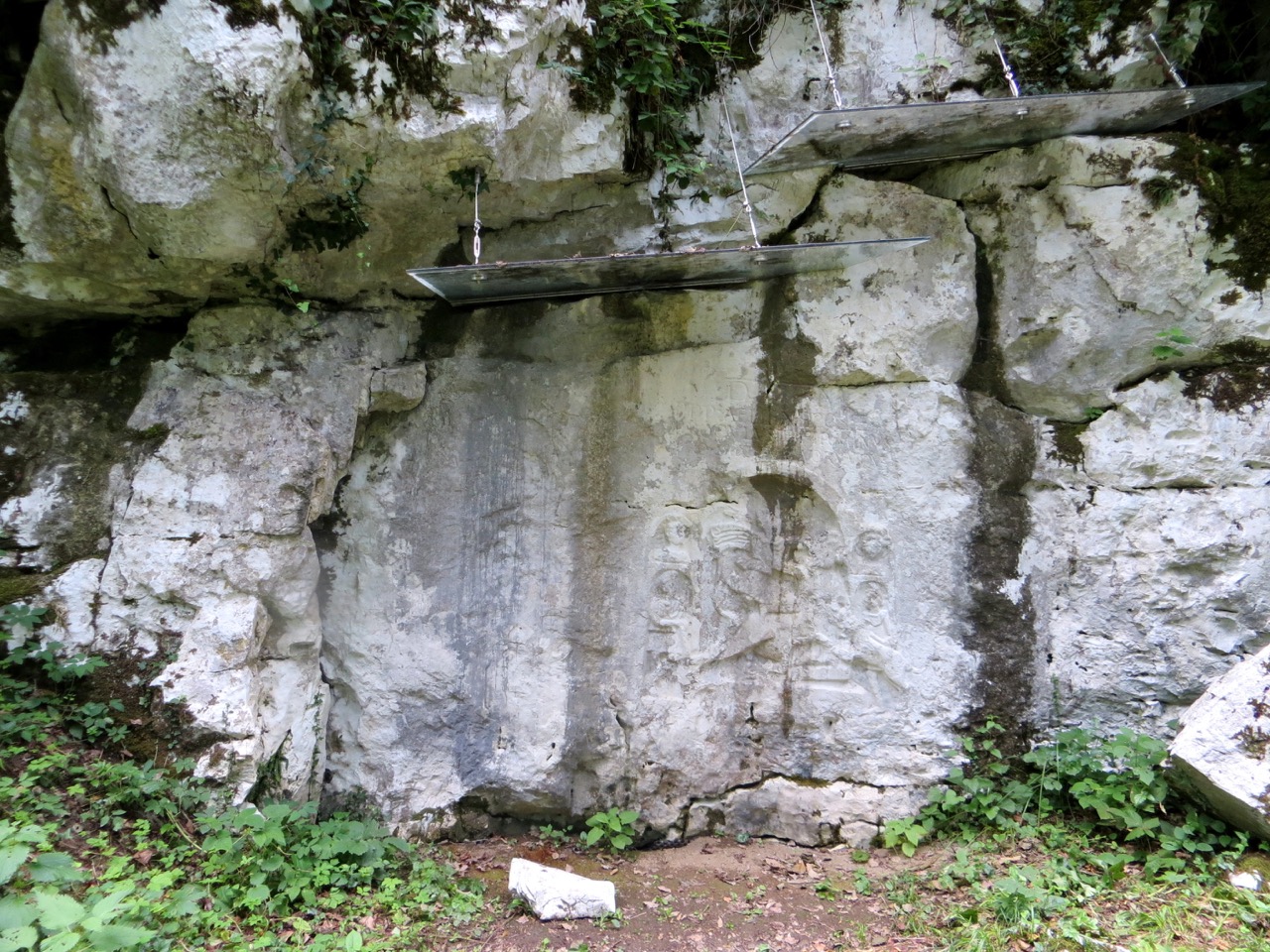
According to Hitzinger remnants of animal bones were found in front of the relief of the Mithraeum at Rozanec.
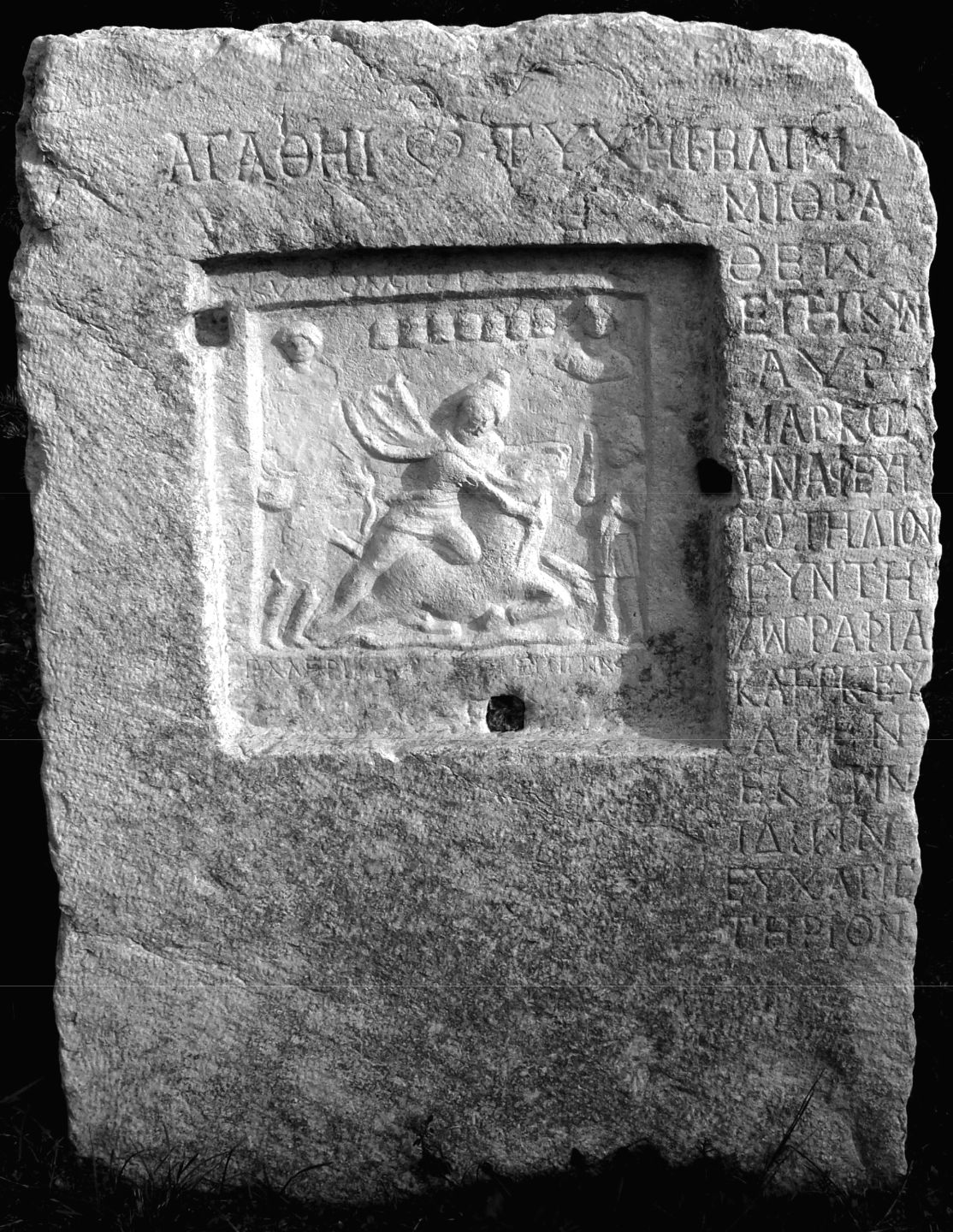
The Tauroctony of Nicopolis ad Istrum is unique as it is the only Mithraic stele befitting a Greek donor.
Cappadocia preserves evidence shaped by military movement, eastern frontier dynamics and Anatolian religious landscapes.
A probable Mithraic sanctuary at Poetovio, identified by Vermaseren as the so-called Mithraeum IV on the basis of four associated inscriptions.
This inscription probably belonged to the fourth mithraeum of Poetovio and records the restoration of a Mithraic temple by the dux Aurelius Iustinianus.


Supervisor of the imperial couriers who offered an elaborate votive altar and ritual insignia to Mithras in Rome under Commodus.

Late Roman senator, public augur and Mithraic pater active in the second half of the fourth century CE.
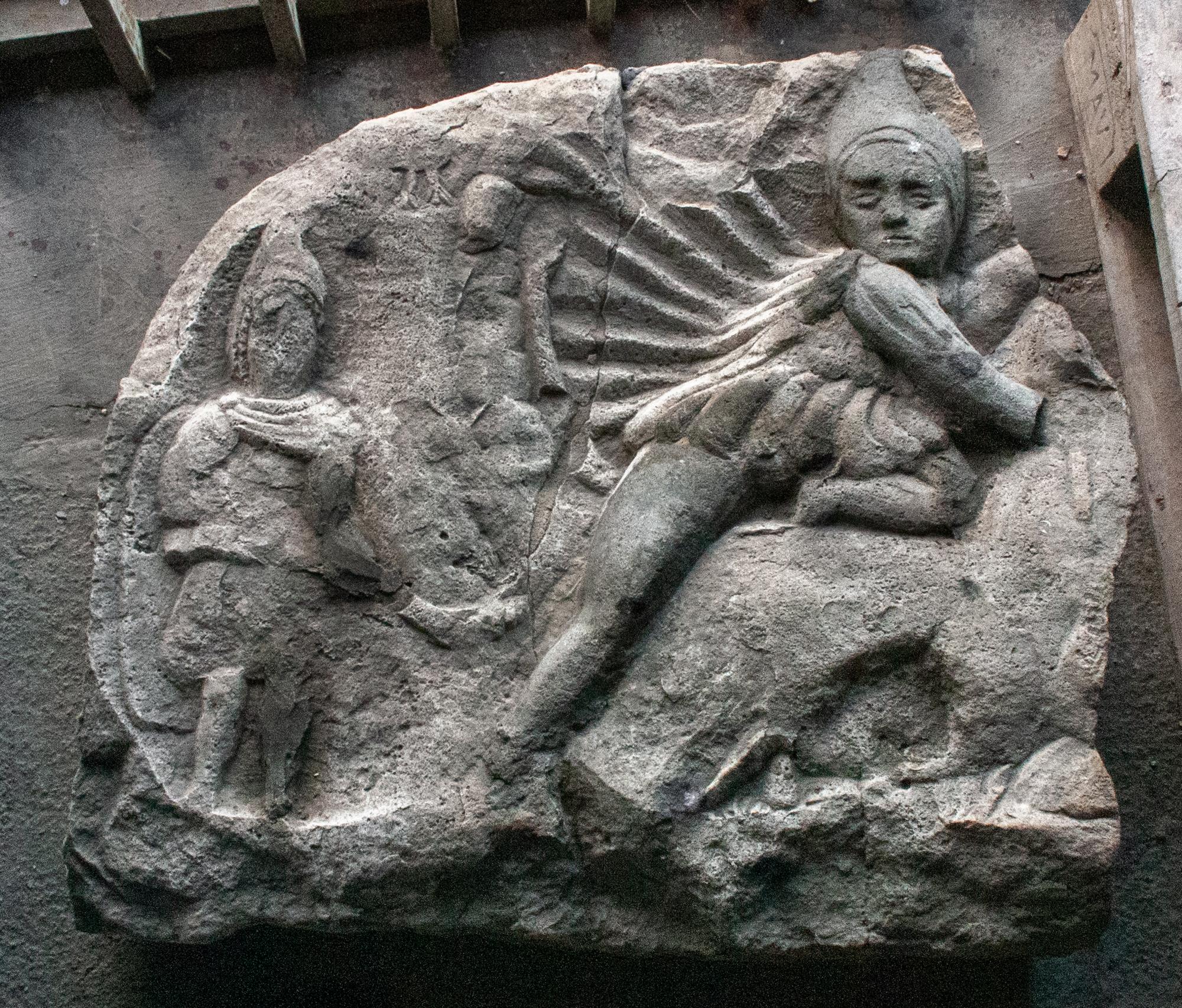
This limestone tauroctony from Aquincum preserves Mithras slaying the bull together with Cautopates, the serpent, the scorpion, and the legs of the raven.
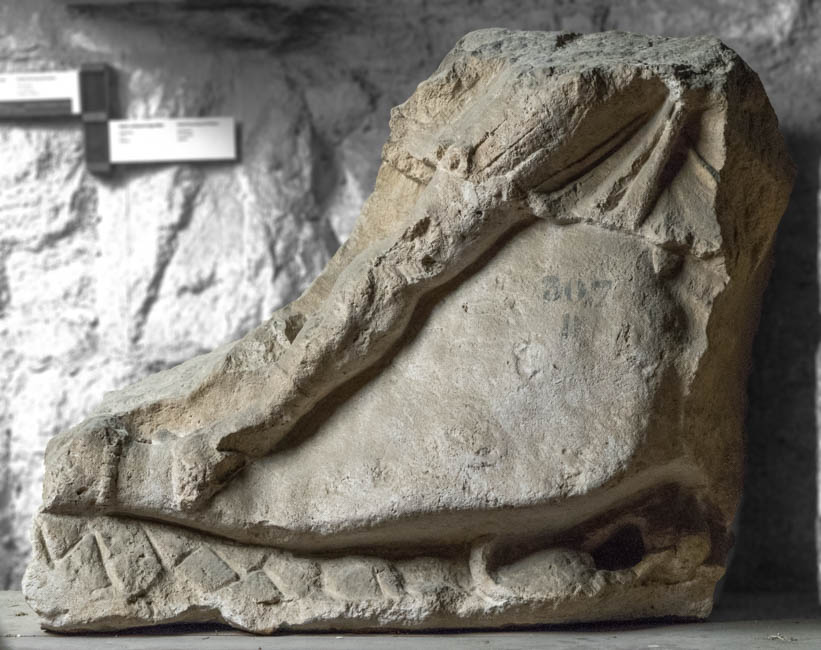
This large limestone fragment from Roman Salona preserves the hind part of the bull together with Mithras’ foot and traces of his red tunic.
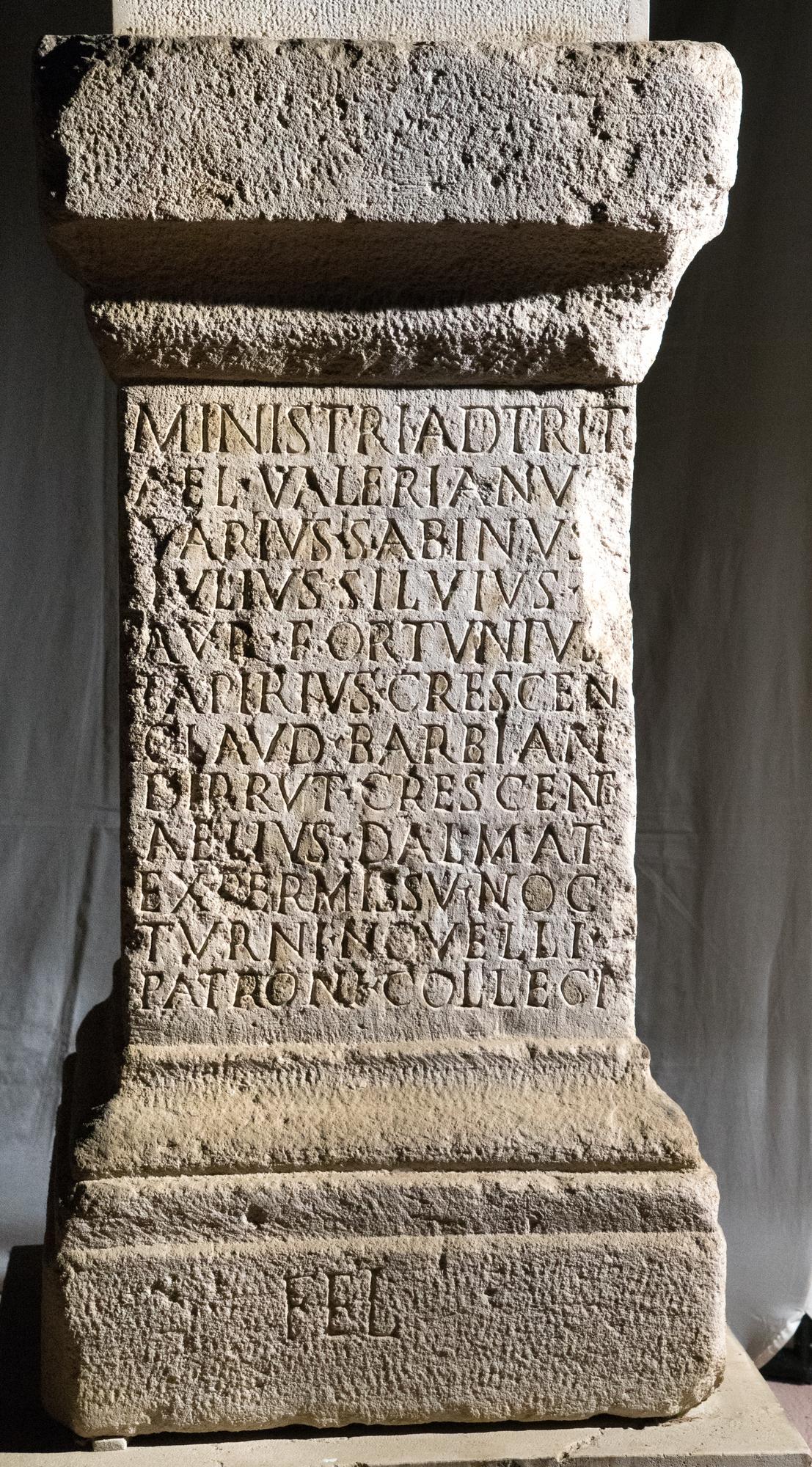
This inscribed limestone altar from Roman Salona preserves several lists of ministers associated with the Tritones collegium during the Tetrarchic period.
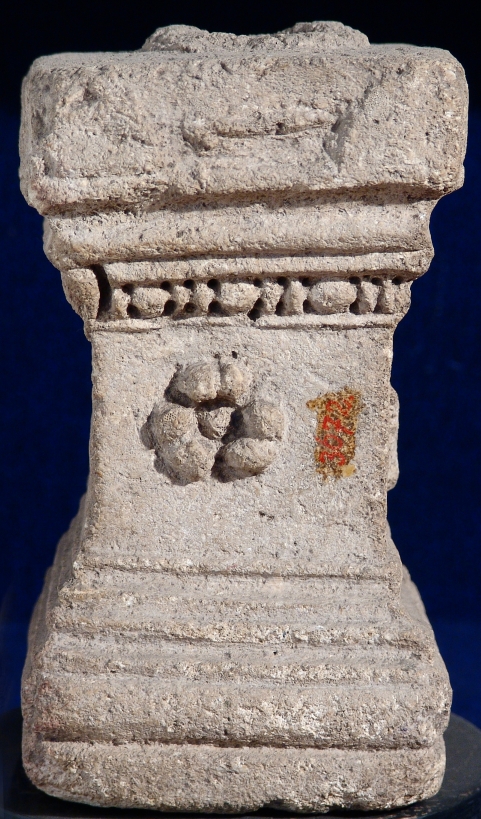
This limestone altar from Roman Dacia preserves a dedication to Mithras by a commander of the Ala II Pannoniorum.