Your search Rohr im Kremstal gave 1037 results.
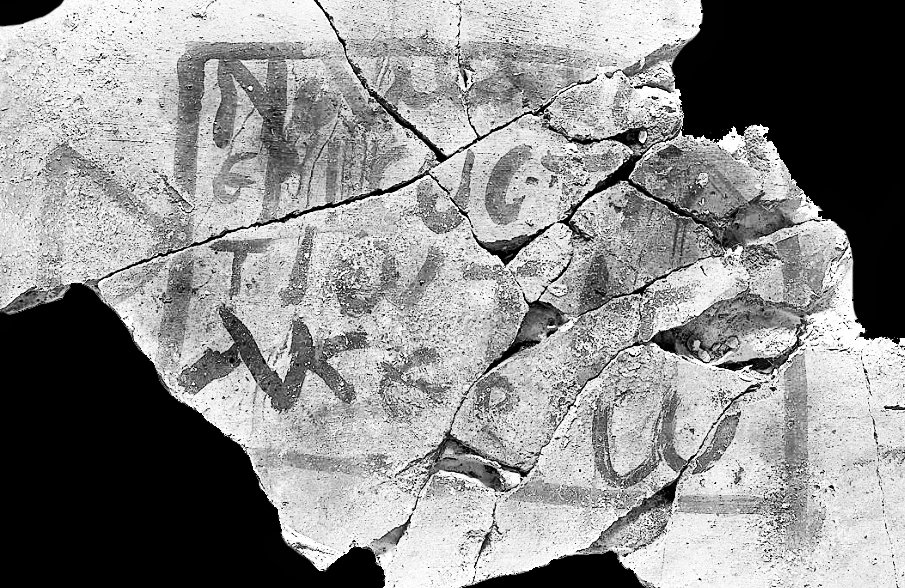
The text mentions a certain Kamerios, described as immaculate miles.

Two marble statues of Cautes and Cautopates discovered in the Mithraeum of Rusicade, accompanied by symbolic animals including a lion, scorpion, dolphin and bird.

This plaque, located on the western staircase of the Palace of Darius, mentions the god Mithra together with Ahura Mazda as protectors of King Artaxerxes III Ochus.
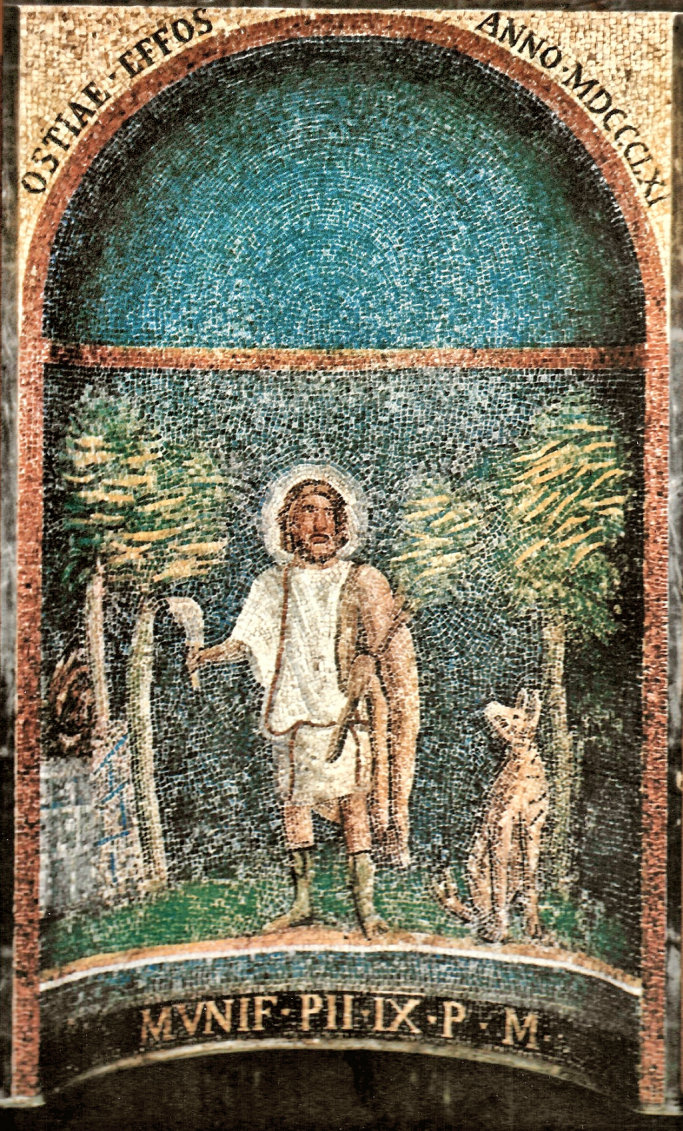
This unusual mosaic representation of the god Silvanus was found in the Mithreaum of the so-called Imperial Palace in Ostia.
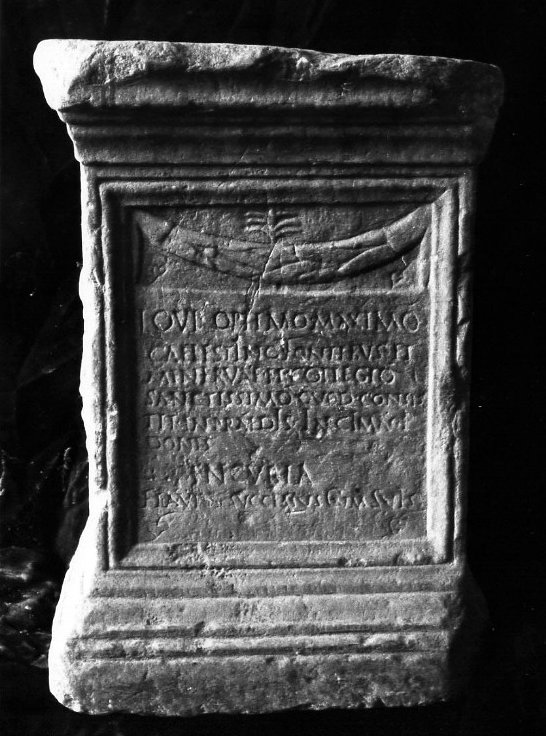
According to the inscription on it, this altar probably supported a statue of Jupiter.

This marble altar was found ’in the street called di Branco’, behind the palace of the Cardinal of Bologna, in Rome.

This altar, found in Tazoult تازولت, Algeria, was dedicated to the god Sol Mithras by a certain Florus.

This altar is dedicated to the god Sol Invictus Mithras by a certain Florus, a veteran of the Legio III Augusta.
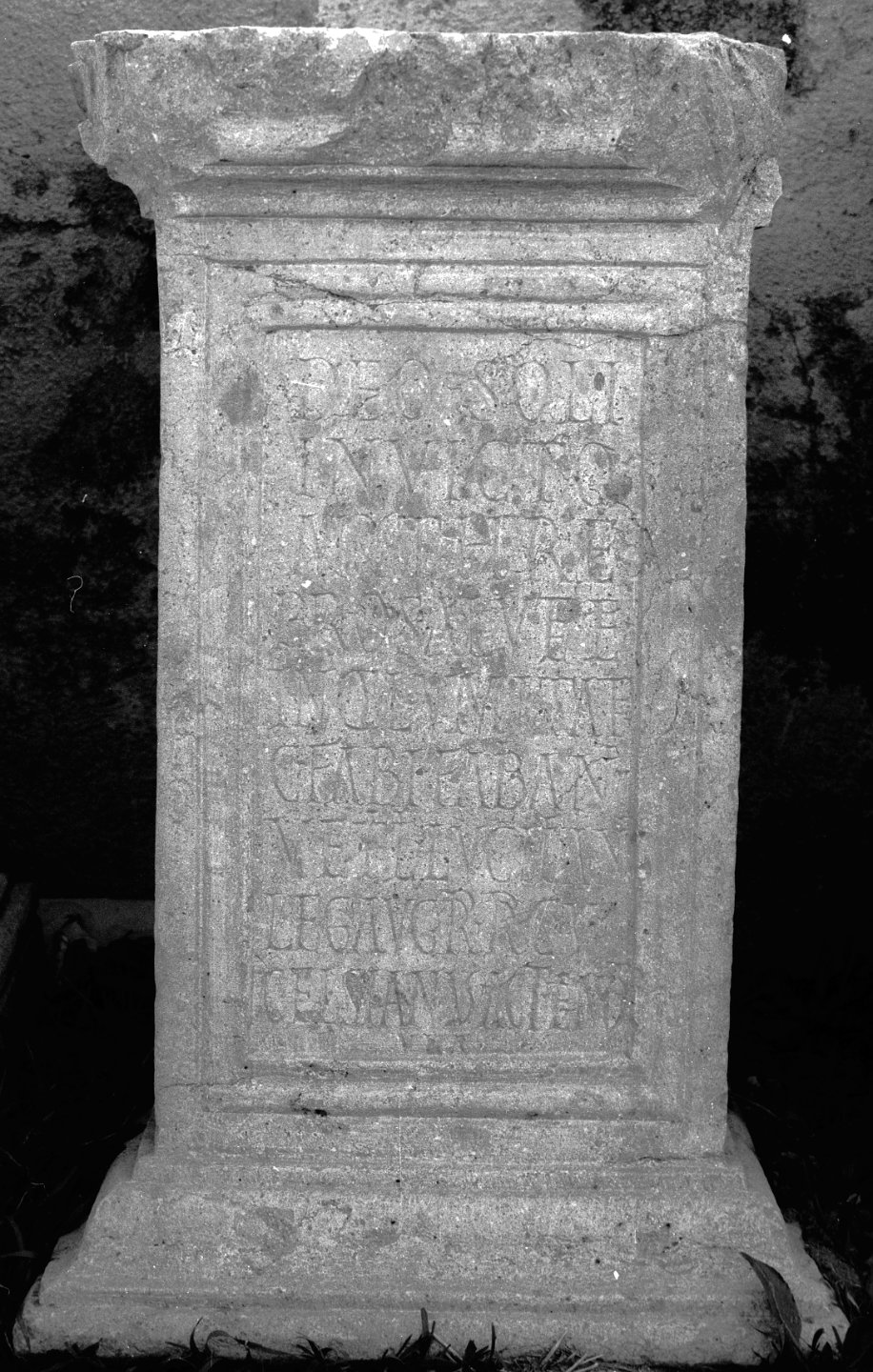
This altar found in Lambèse, now Tazoult, Algeria, bears the inscription of a certain Celsianus for the health of two men to the god Sol Unconquered Mithras.
Fragments of this limestone statue include the head and torso of Mercury, holding the caduceus in his left hand.

Beheaded Cautopates in limestone found on the podium of the Jajce Mithraeum, Bosnia and Herzegovina.
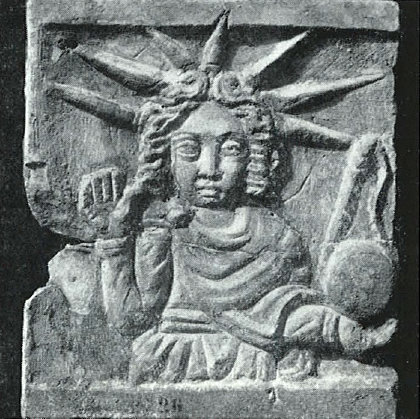
The relief of Sol was found during the construction of Piazza Dante in Rome in 1874.
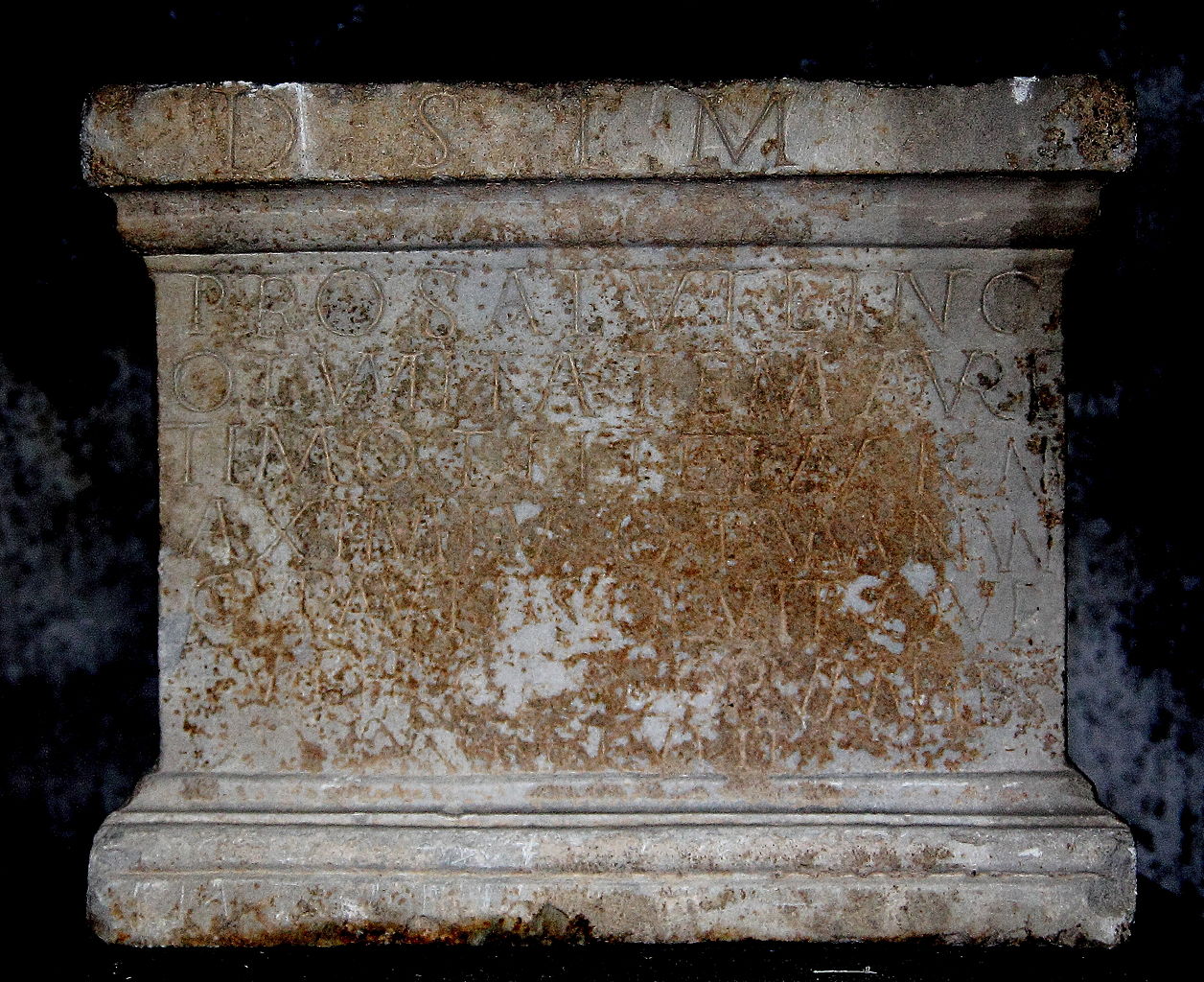
Mithraic stele, from Alba Iulia, Romania, with inscription.

White marble relief, found near Aix "a la Torse dans un enclos ayant appartenu à la famille de Colonia".
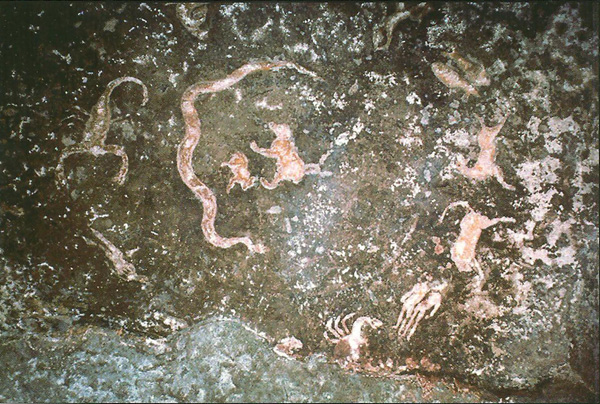
Solis invicti Mithrae studiosus astrologiae who was at the same time ’caelo devotus et astris’.
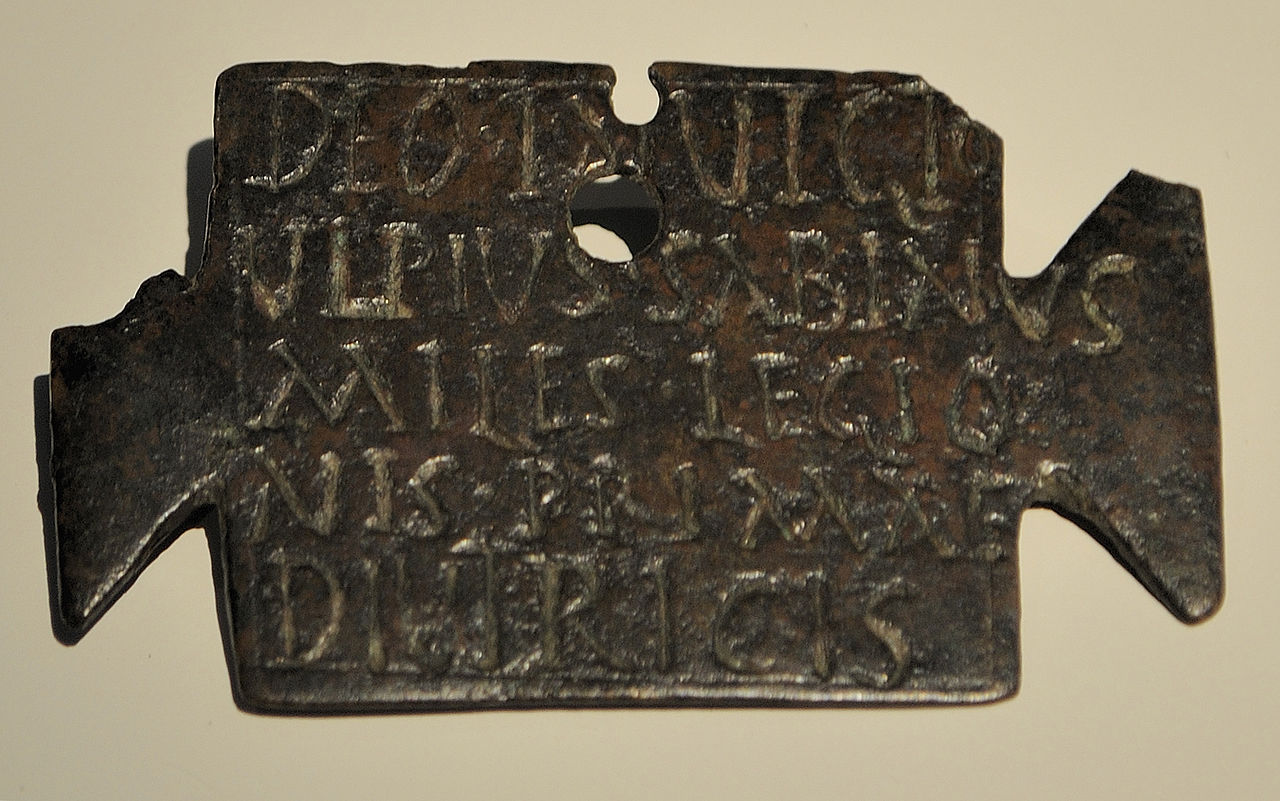
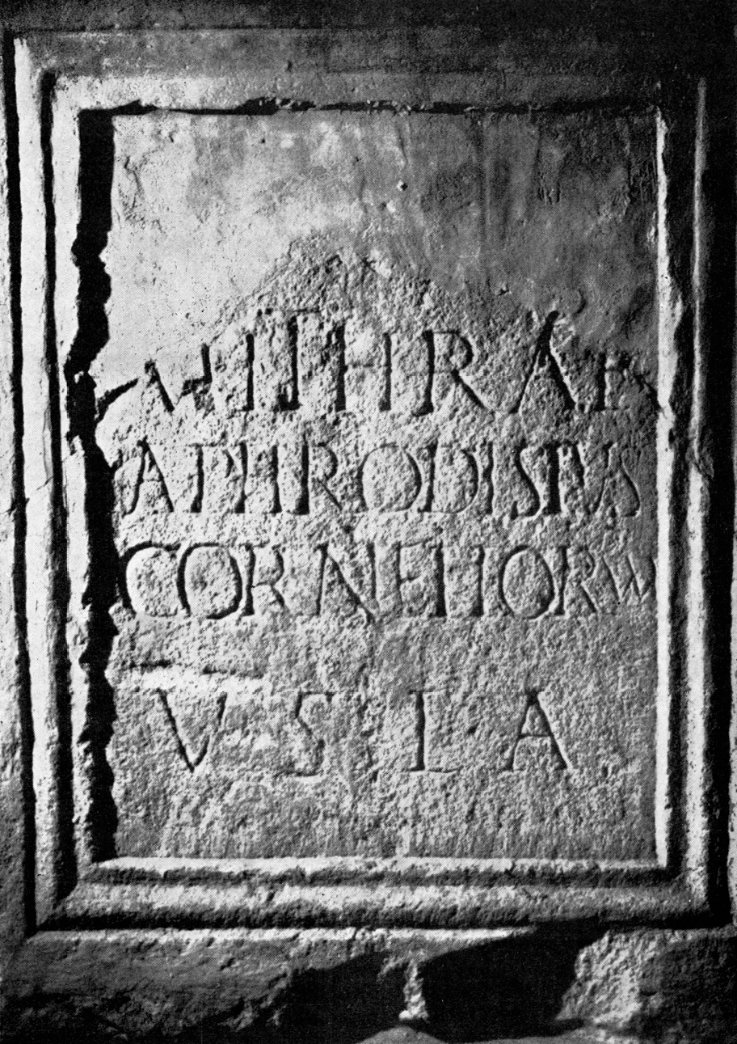
This inscription by a certain Aphrodisius was found under the old city hall of Algiers.

This altar for the completion of a temple to Sol Invictus by Flavius Lucilianus was found in Fossa, Italy.
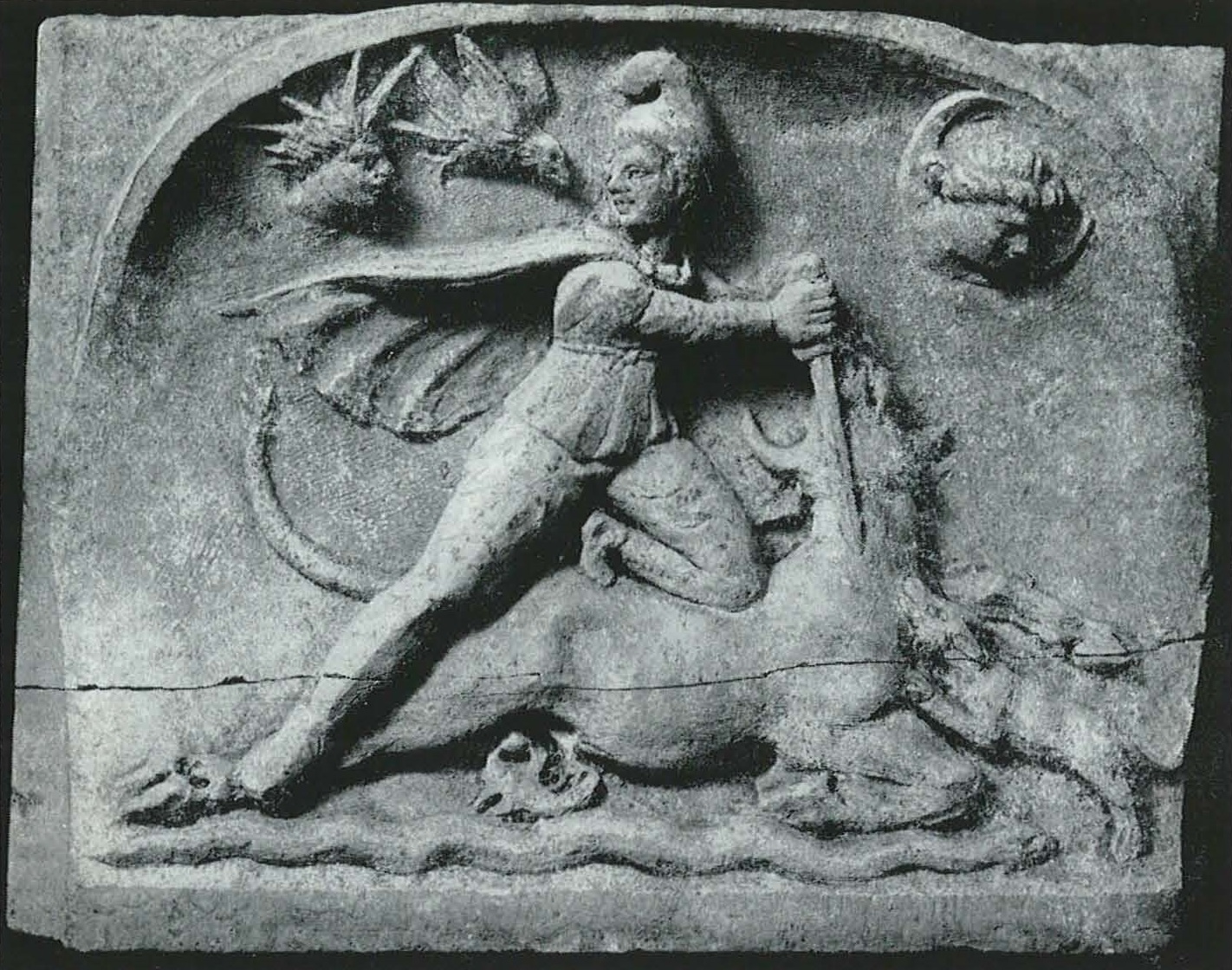
This simple relief of Mithras killing the bull without his companions Cautes and Cautopates was found in the so-called Mithraeum of the Esquilino, Rome.

This lamp, depicting a man slicing his victim into pieces with a sword, was believed to be associated with the Cult of Mithras.
