Your search Rohr im Kremstal gave 1037 results.
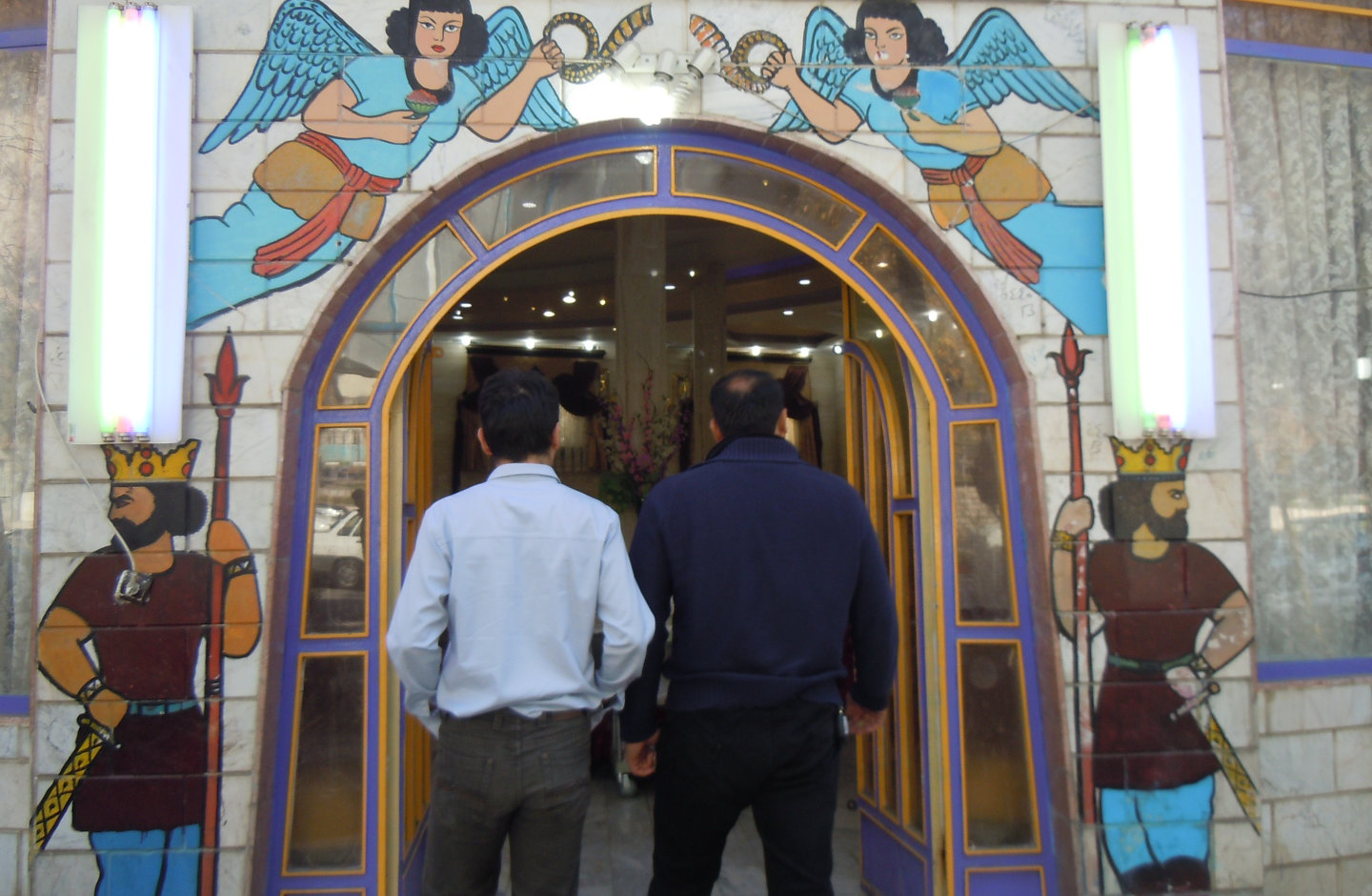
How a rock relief in western Iran, carved during the time of the Sasanian Persian Empire (AD 224-651), has been re-imagined over the centuries.
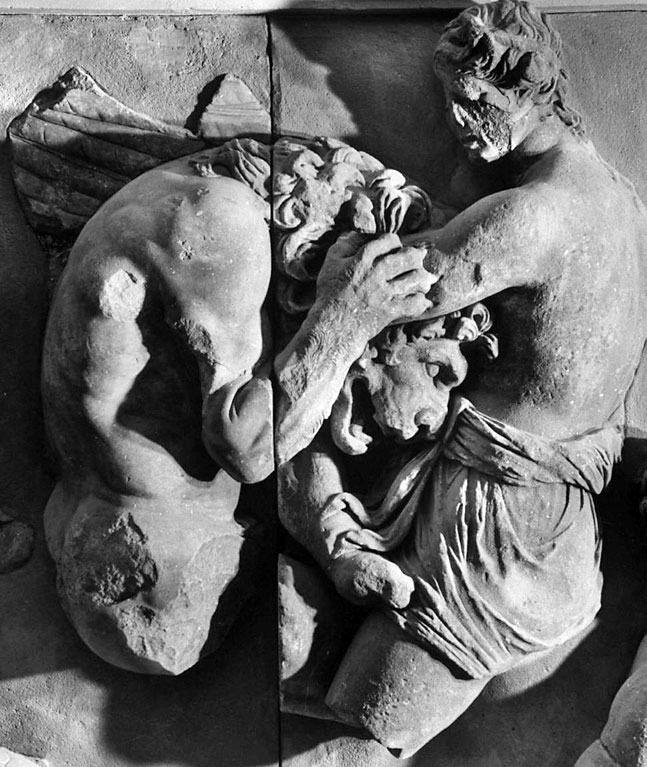
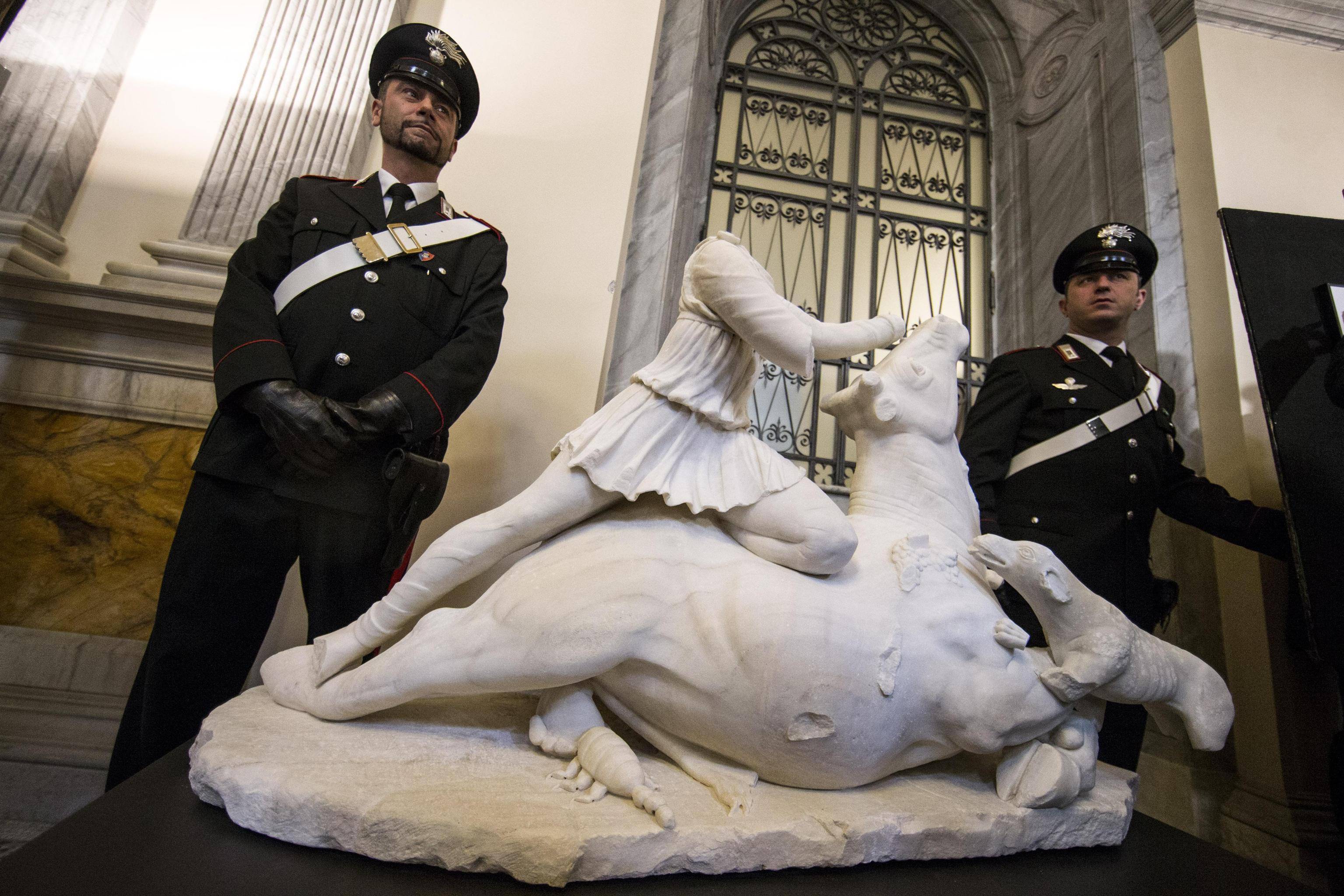
The Mithriac votive sculpture comes from a clandestine excavation in the Tarquinia area. The criminal chain is active in archaeological areas of Rome and southern Etruria.

Germania preserves some of the densest concentrations of Mithraic evidence in the Roman frontier provinces.
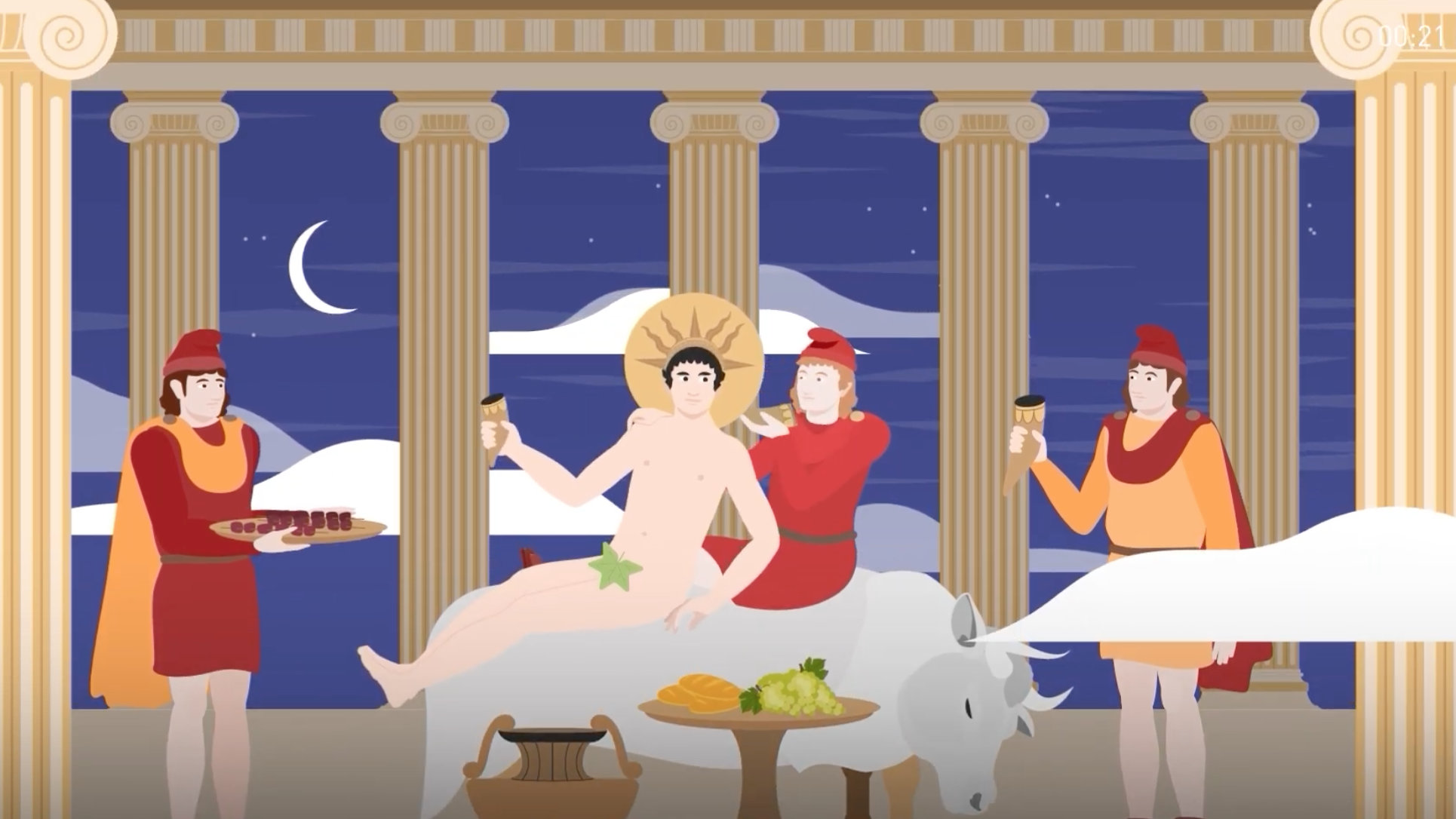
This short animation traces one of the interpretations of the Mithras legend based on archaeological research.

Archaeological evidence for military Mithraism in north-western Roman Hispania.
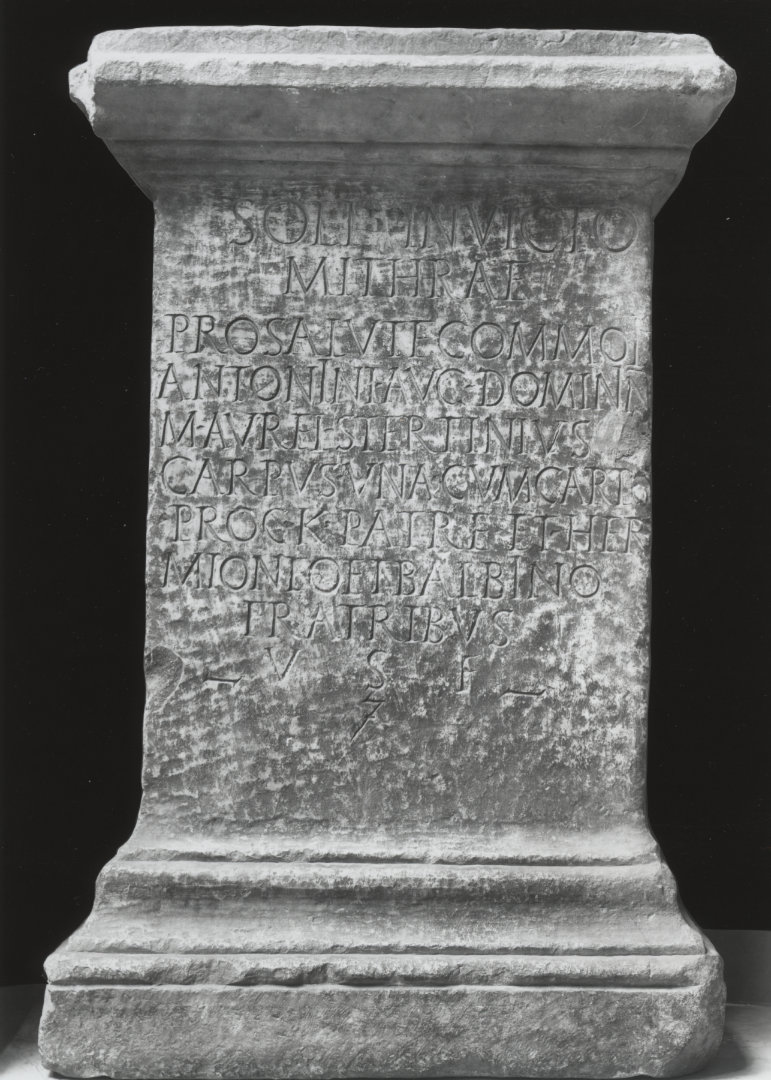
This altar bears an inscription to the health of the emperor Commodus by a certain Marcus Aurelius, his father and two other fellows.

Inscription from Ulmetum, Moesia Inferior, preserving only the opening of a dedication to Deo bono invicto.
Small altar found in 1843 at Sankt Johann in the Saan valley, Noricum, dedicated to Deo invicto Mithrae by Sextus Masclinus.
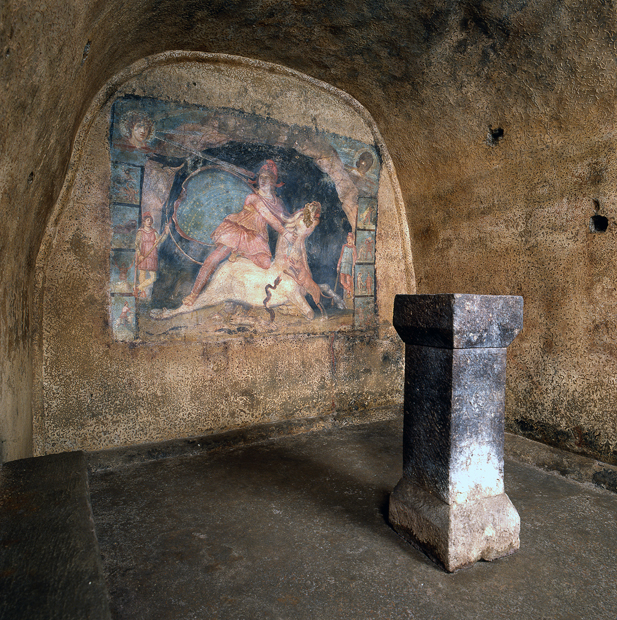
The Marino Mithraeum preserves one of the most elaborate painted cycles of Mithras’ myth, combining the tauroctony, planetary symbolism and scenes from the god’s sacred narrative.

Emperor Caracalla ordered one of Rome’s largest temples to the god Mithras to be built in the baths bearing his name.
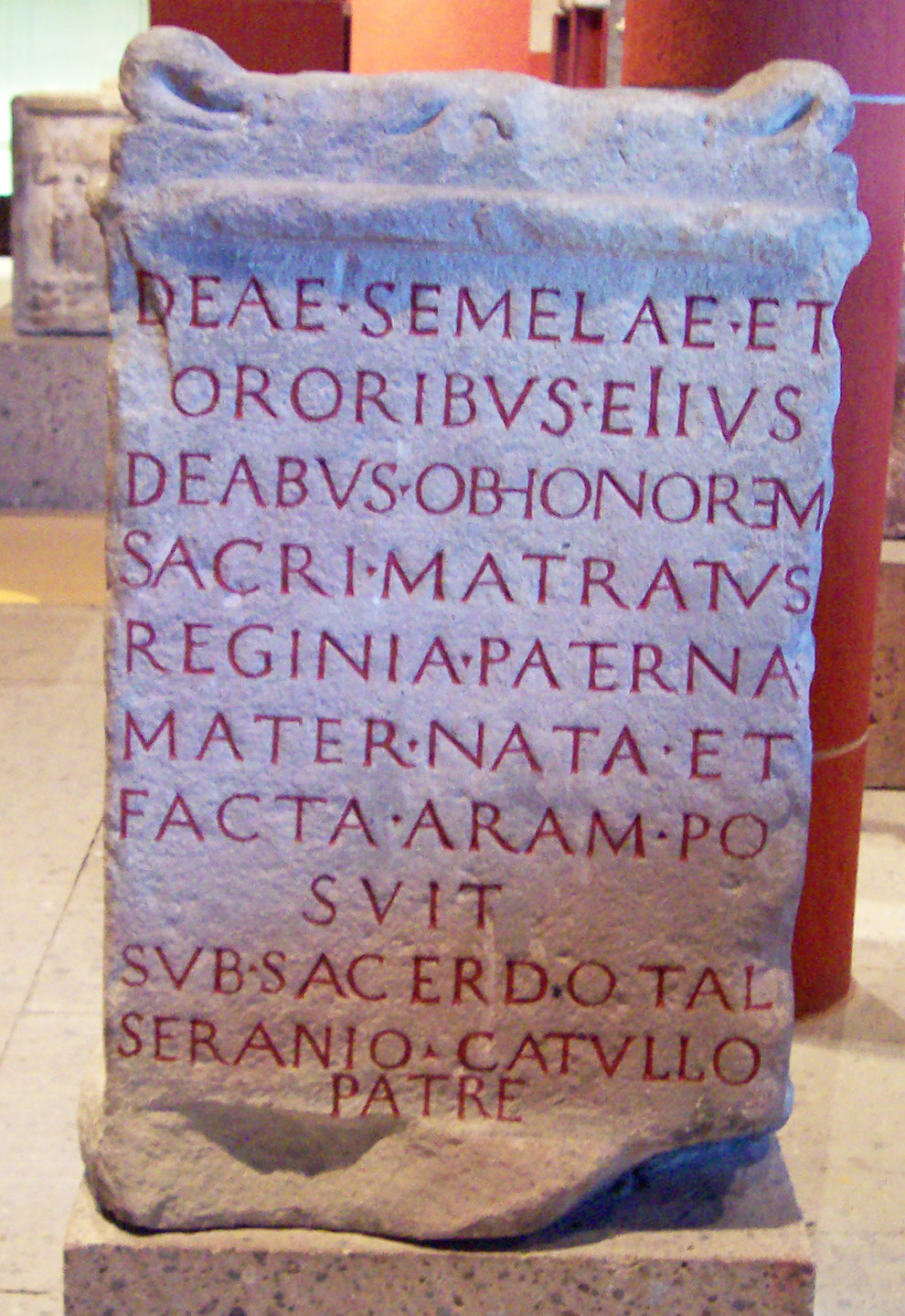
This sandstone altar found in Cologne bears an inscription to the goddess Semele and her sisters.
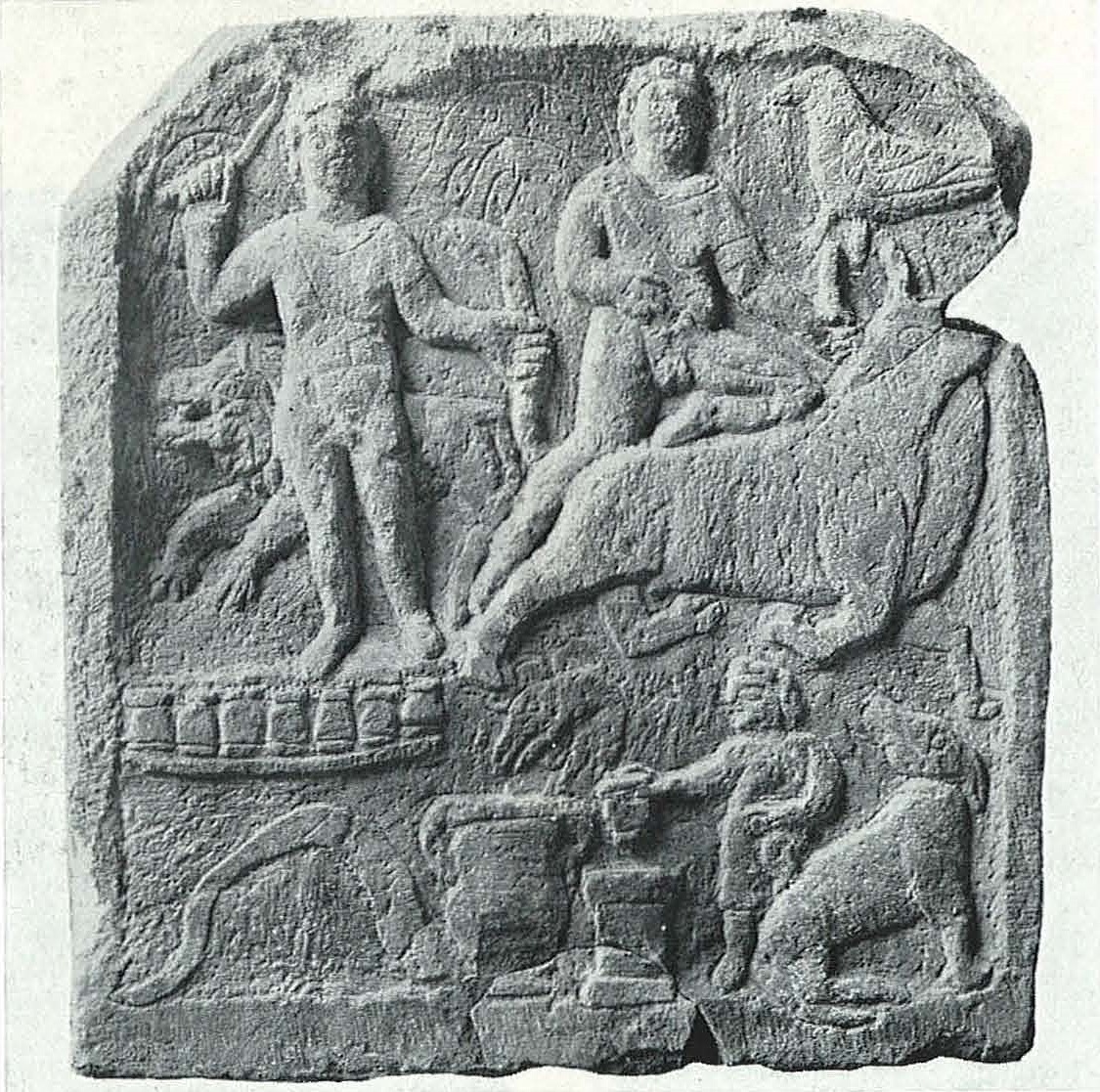
The Tauroctony from Landenburg, Germany, shows a naked Mithras only accompanied by his fellow Cautes.
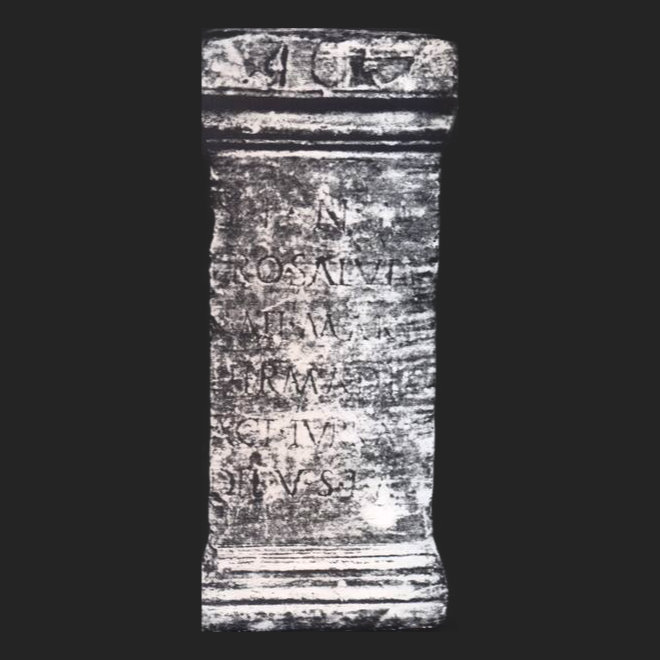
This altar was erected by Hermadio, who also signed other monuments in Dacia and even in Rome.
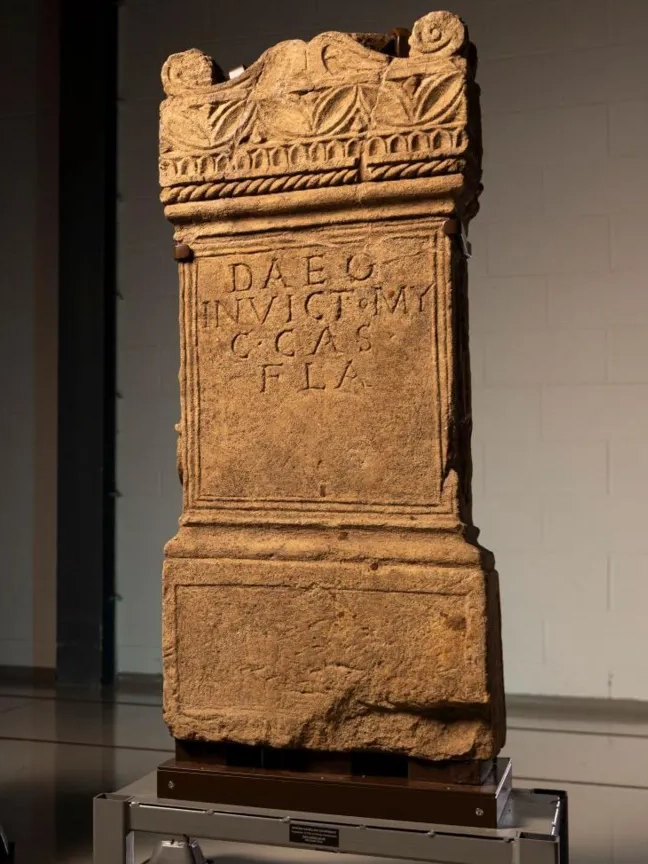
This second altar discovered to date near Inveresk includes several elements unusual in Mithraic worship.
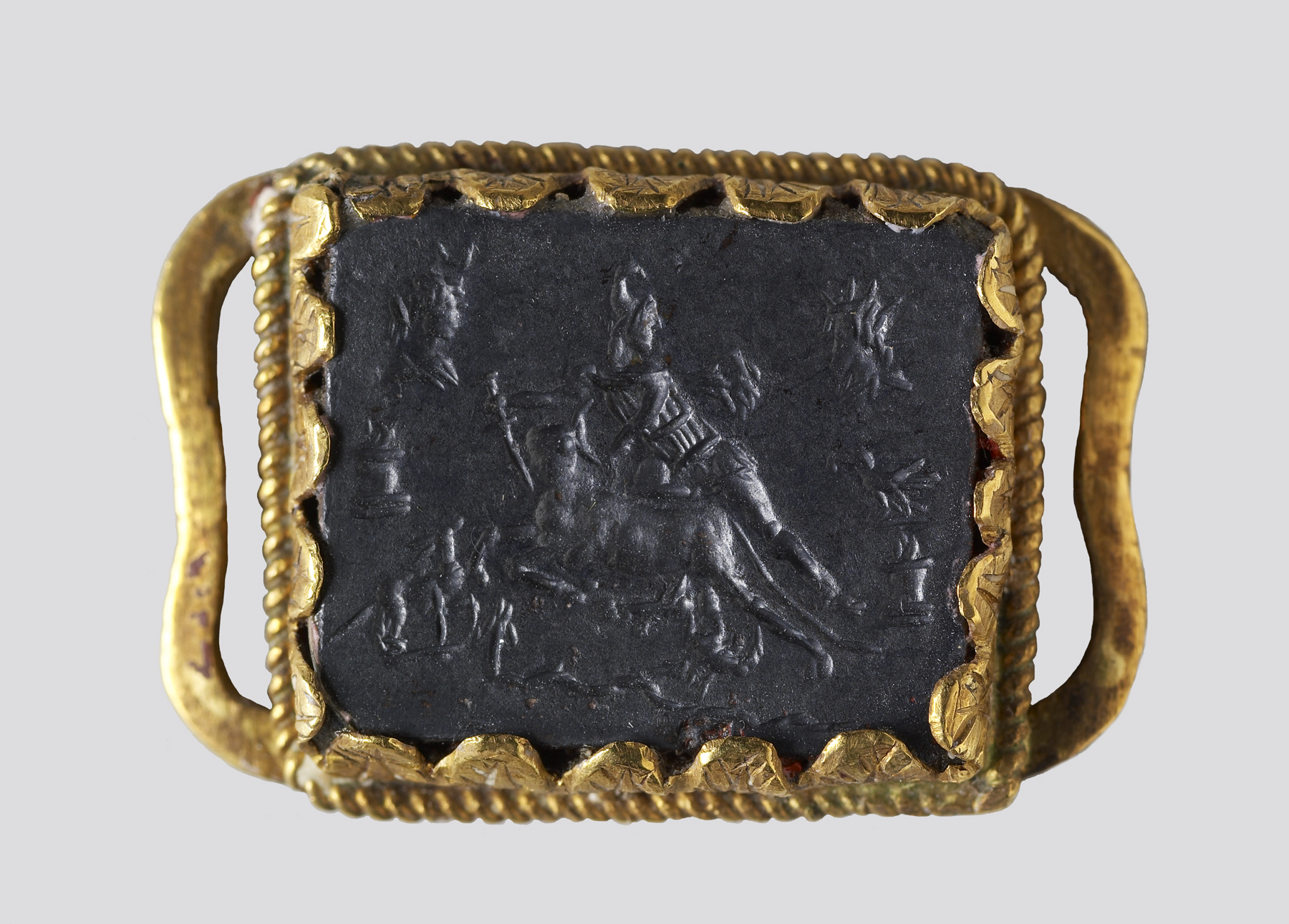
This unusual piece depicts Mithras slaying the bull on one side and the Gnostic god Abraxas on the other.
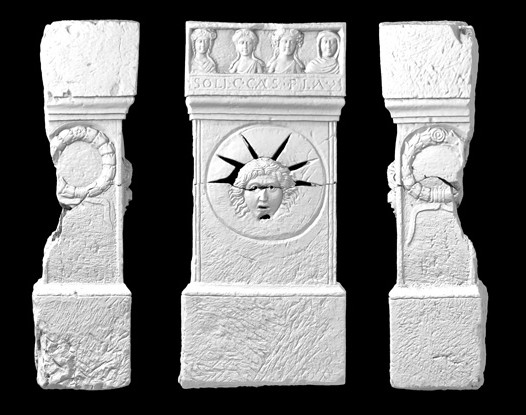
The altar of Sol from Inveresk, Scotland, was pierced, probably to illuminate part of the temple with a particular effect.
Two excerpts from the ’Life of Commodus’ in Lampridius’ Historia Augusta, dating from the 4th century CE.