Your search Roma gave 961 results.
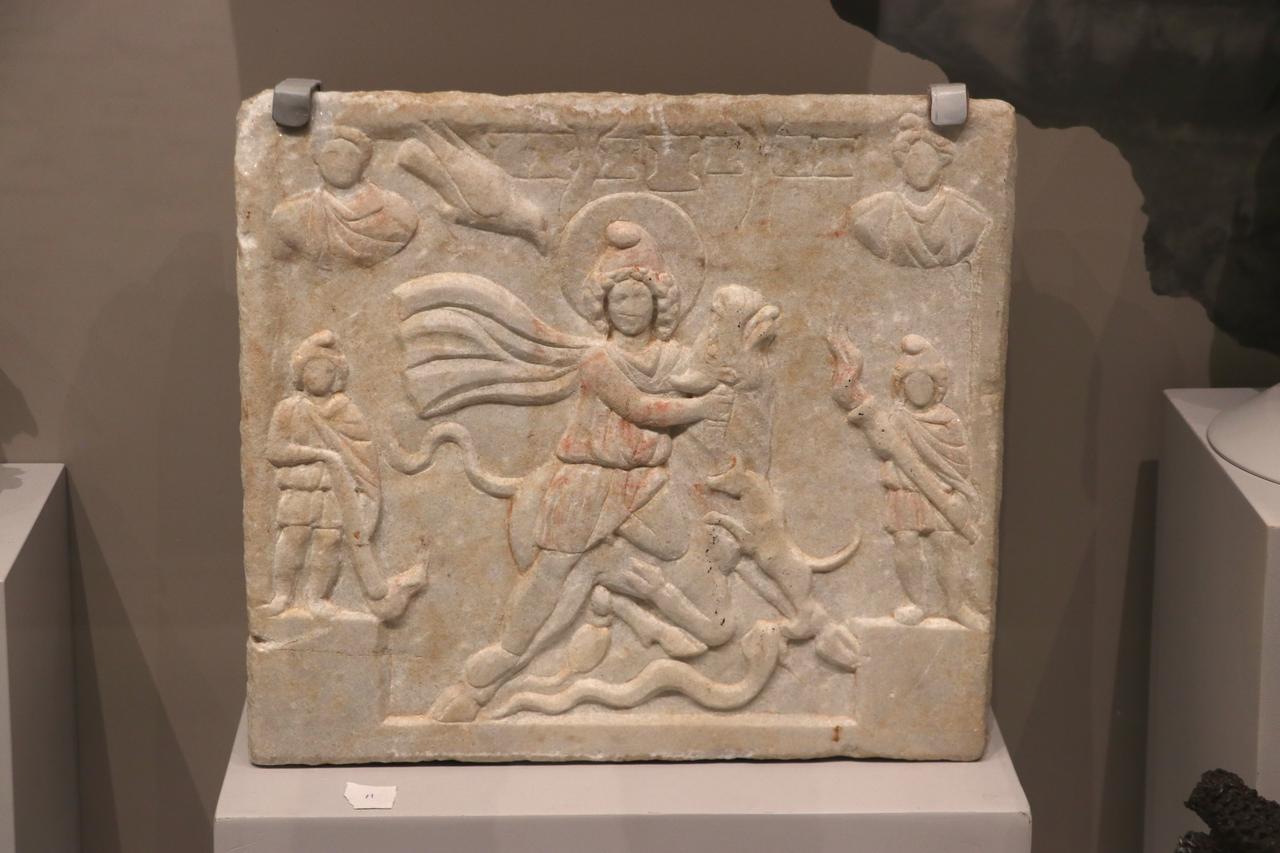
New evidence for the cult of Mithras and the religious practices of Legio IV Scythica at the Roman frontier city of Zeugma on the Euphrates.

A Romano-Germanic woman whose inscription became central to debates on female participation in the Mithraic cult.

gyptian scholar of Greek descent, philosopher, astrologer and trusted adviser to the emperor Tiberius, whose intellectual milieu has been associated with the emergence of the Roman Mysteries of Mithras.

Roman centurion who supervised the Severan reconstruction and expansion of the Mithraeum of Dura-Europos.

Owner of www.mithraeum.org and the Mithras and Mithraeum discussion lists on Groups.io. Co-founder of Nova Roma and the founder of Byzantium Novum.
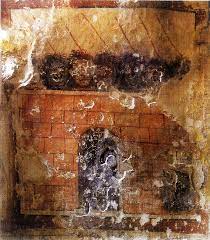
The City of Darkness unique fresco from the Mithraeum of Hawarte shows the tightest links between the western and eastern worship of Mithras in Roman Syria.
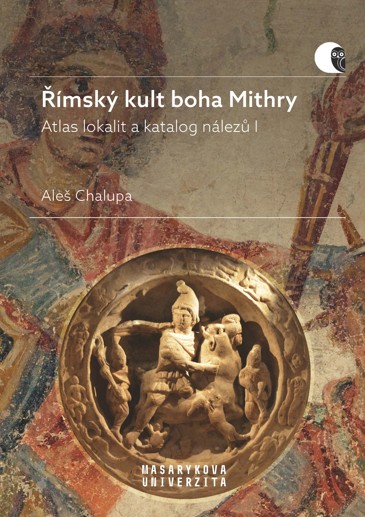
A comprehensive and critically updated catalogue of Mithraic sites, monuments and artefacts across the Roman world, incorporating both accepted and disputed evidence while reassessing decades of scholarship in light of recent research.

Garlic merchant and devotee of Cautes whose dedication at Can Modolell reflects the integration of Mithraic worship into the commercial life of Roman Tarraconensis.

A comprehensive reassessment of the introduction, development and early decline of Mithraism in Roman Hispania, combining socio-historical analysis with the most complete catalogue of Hispanic Mithraic evidence currently available.


Gaius Accius Hedychrus was one of the most prominent Mithraists known from Roman Hispania and a central figure in the Mithraic community of Emerita Augusta during the mid-second century CE.

Archaeological evidence for military Mithraism in north-western Roman Hispania.
Roman citizen of Ostia who re-consecrated an earlier marble statue to Sol Invictus Mithras during the second century CE.
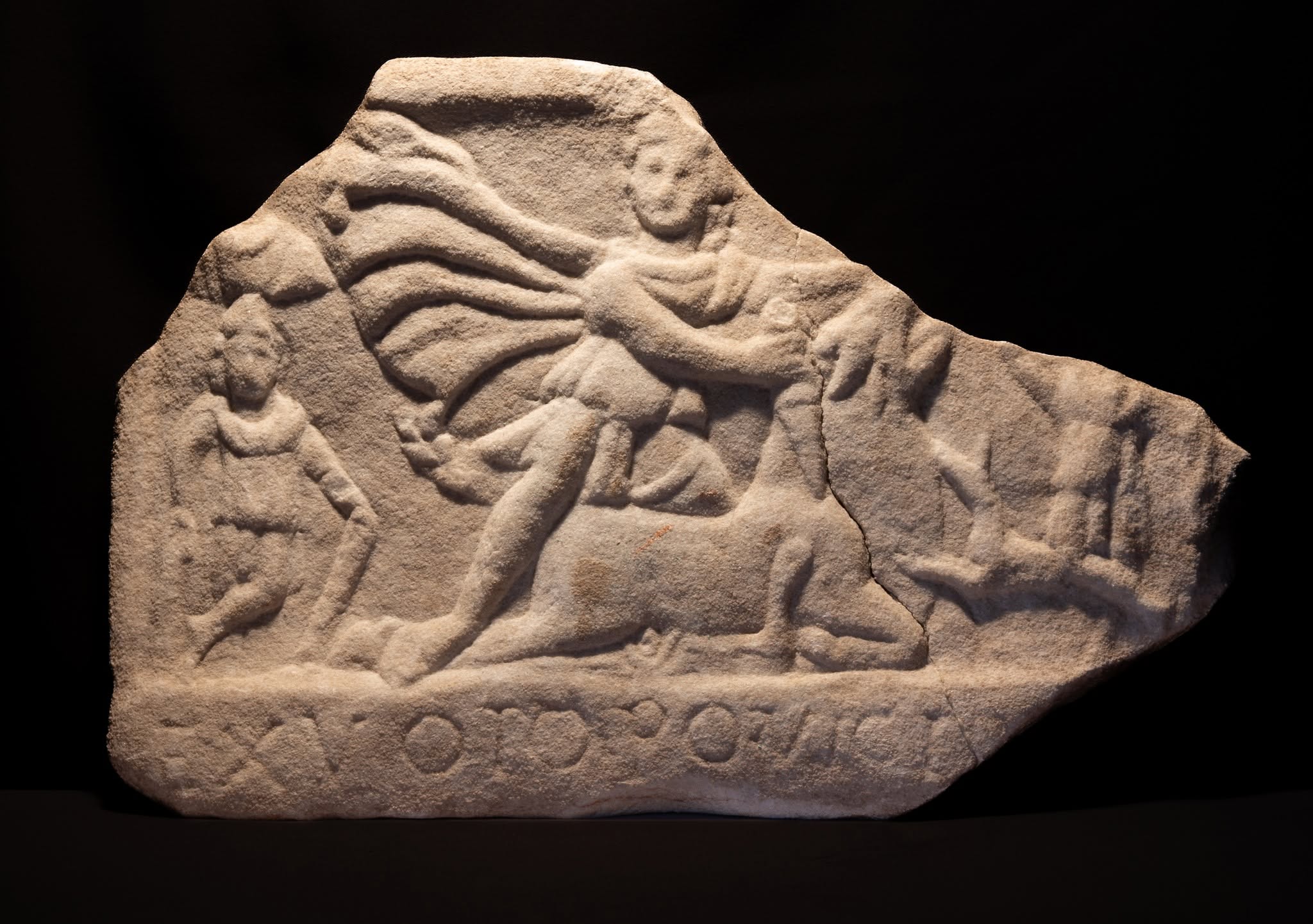
Marble tauroctony relief from Ozd (Magyarózd), attesting a rural Mithraic presence in the interior of Roman Dacia Superior.

Small settlement on the lower Vit River in northern Bulgaria, within the territory of Roman Moesia Inferior.
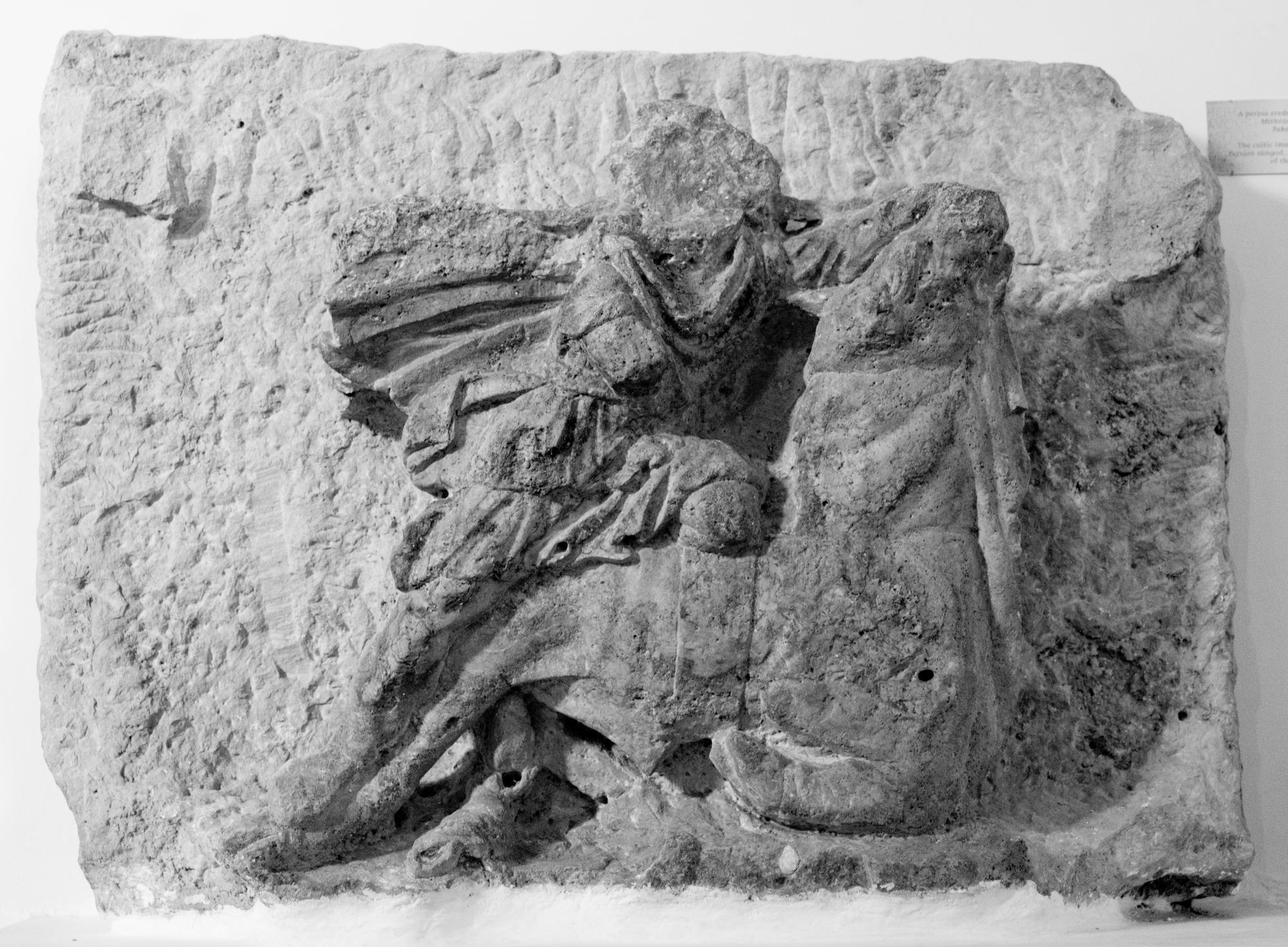
Relief showing Mithras slaying the bull, found at Paks in Roman Pannonia, modern-day Hungary.
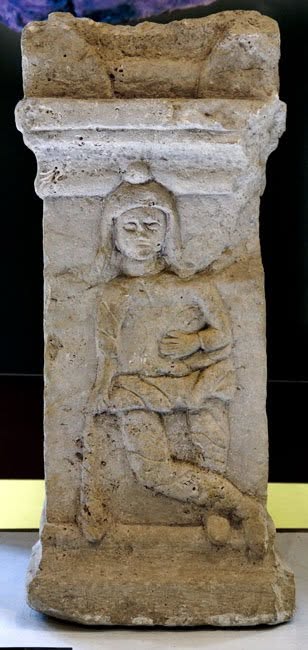
Votive altar depicting Cautopates from the Roman city of Durostorum, modern-day Silistra in Bulgaria.
Roman town founded on the site of the Celtiberian settlement of Arekorataz, beneath modern Muro de Ágreda in northern Hispania.

Magister of a Bracaran sodalicium associated with the cult of Mithras in Roman Lusitania.

Governor of Numidia and prolific dedicator of monuments to Sol Mithras, Sol Invictus and other deities in late Roman North Africa.
