Your search Roma gave 961 results.


Thracia reflects the circulation of Mithraic cults through the military, urban and maritime networks linking the Balkans, the Danube and the northern Aegean world.
Cilicia preserves Mithraic evidence linked to coastal mobility, eastern Mediterranean trade and Anatolian crossroads.
The Bosporan Kingdom preserves evidence from one of the northernmost horizons of Mithraic diffusion in the ancient world.
Persia occupies a central place in the intellectual and historical background of Mithraic studies.
Lycia and Pamphylia preserve Mithraic evidence linked to southern Anatolian maritime and urban networks.
Macedonia preserves Mithraic evidence shaped by major Balkan routes and long-standing urban traditions.
Moesia preserves a strongly militarised body of Mithraic evidence along the Danubian frontier of the empire.
Corsica and Sardinia preserve a small island corpus within the western Mediterranean diffusion of Mithraism.
Bithynia and Pontus preserve important evidence for the diffusion of Mithraic cults across the Black Sea and northwestern Anatolia.
Achaea preserves some of the earliest and most culturally complex evidence for Mithraic activity in the Greek-speaking eastern Mediterranean.


Late Roman dux associated with the restoration of the so-called Mithraeum IV of Poetovio.
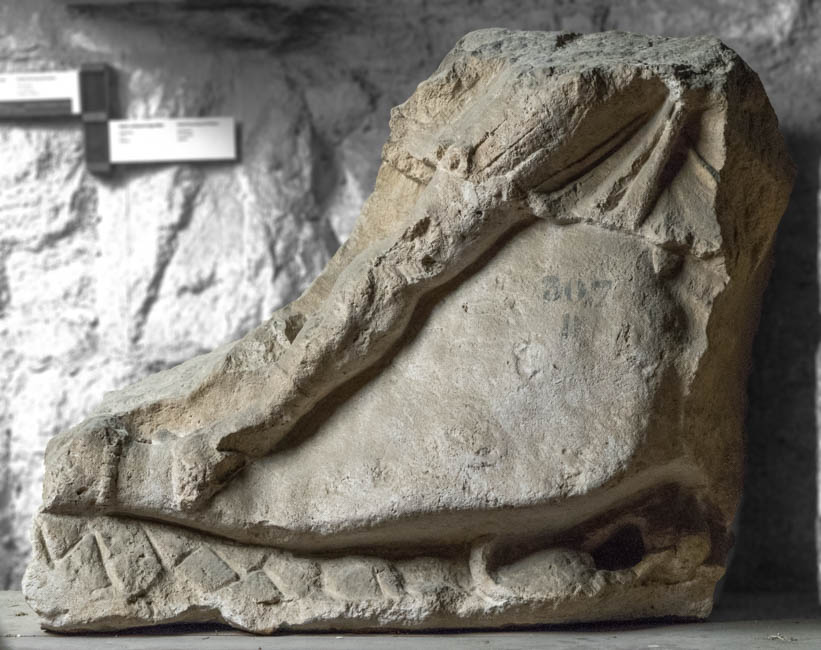
This large limestone fragment from Roman Salona preserves the hind part of the bull together with Mithras’ foot and traces of his red tunic.
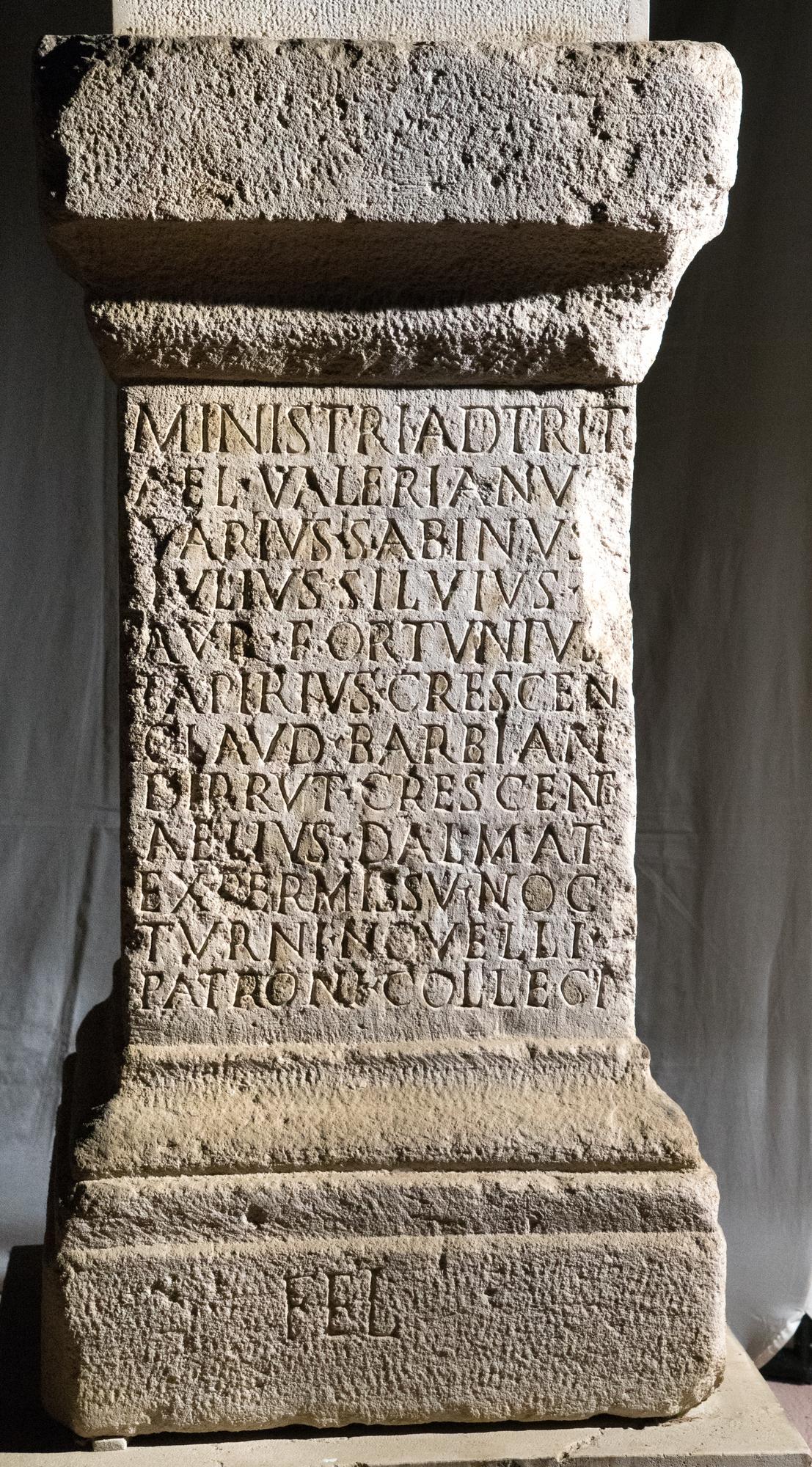
This inscribed limestone altar from Roman Salona preserves several lists of ministers associated with the Tritones collegium during the Tetrarchic period.
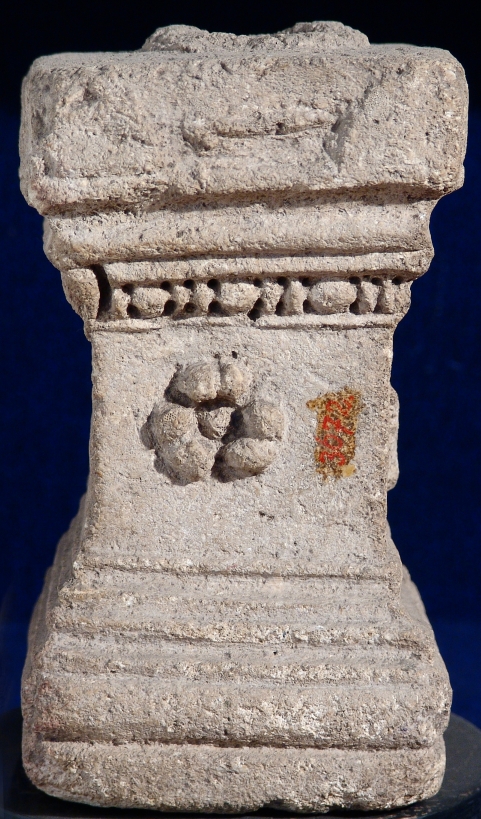
This limestone altar from Roman Dacia preserves a dedication to Mithras by a commander of the Ala II Pannoniorum.

This fragmentary tauroctony from Roman Gaul preserves a striking raven behind Mithras’ cloak and the bust of Sol in the upper corner.
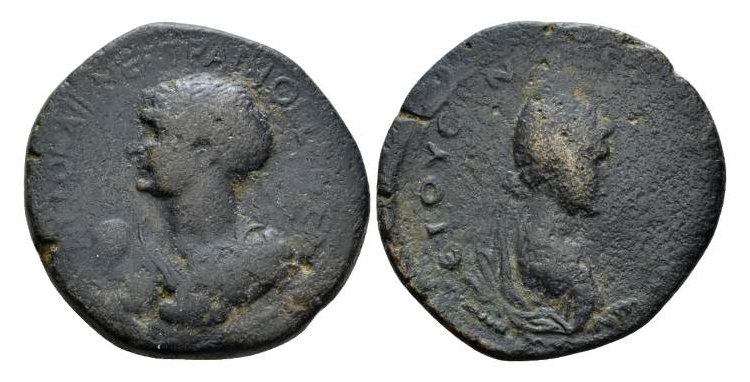
These bronze medallions associates the image of several Roman emperors with that of Mithras, usually as a rider, in the province Pontus.
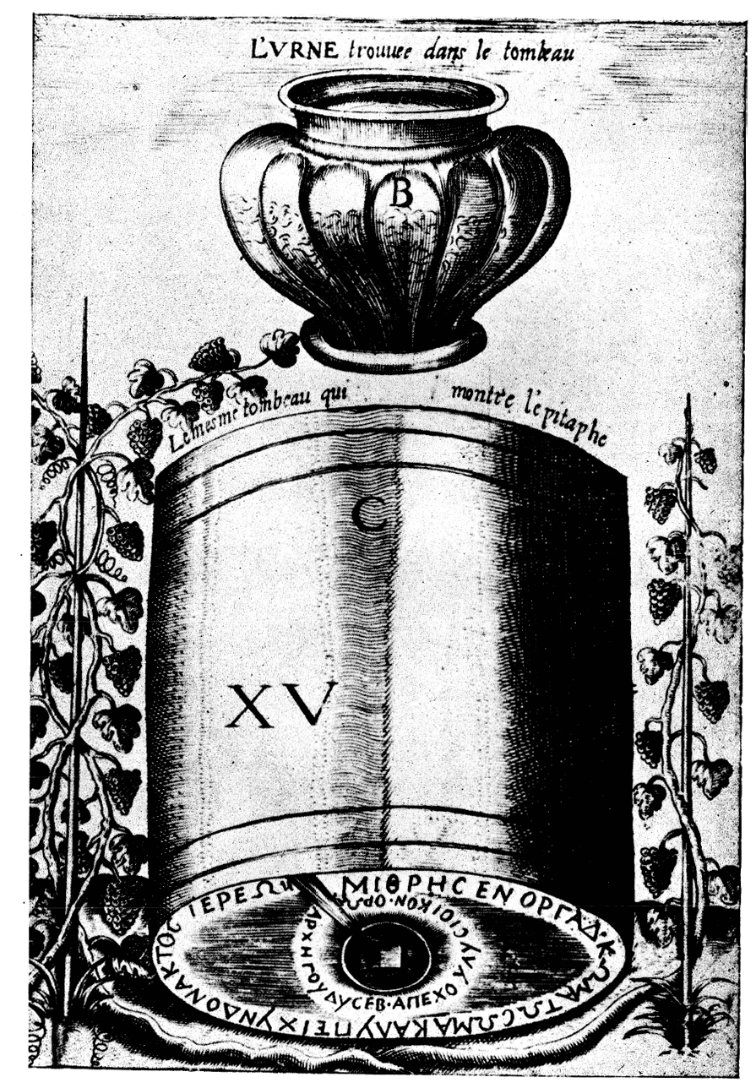
This funerary inscription, engraved on a stone urn discovered near Roman Dijon, mentions a certain Chyndonax, described as a priestly leader of Mithras.
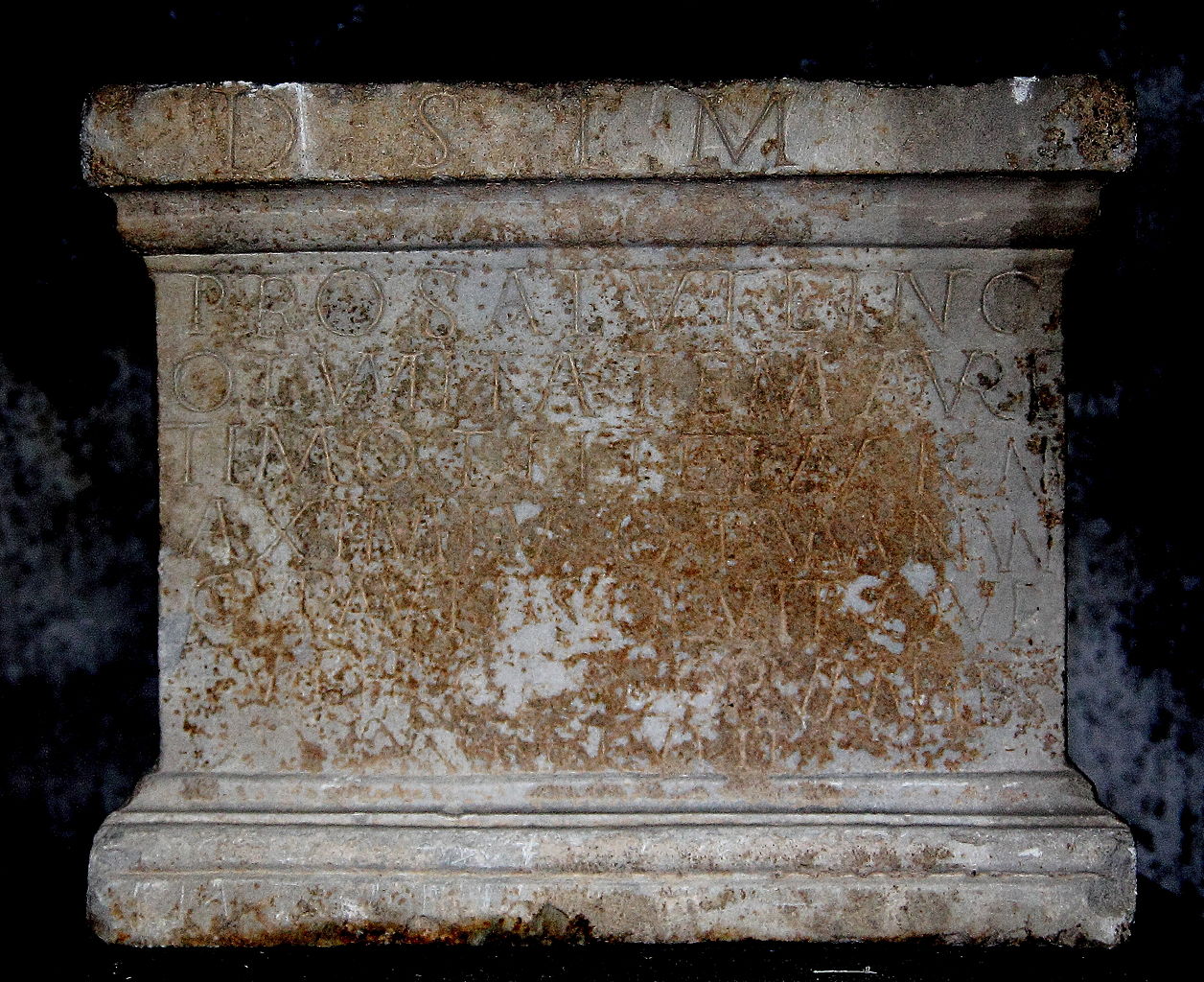
Mithraic stele, from Alba Iulia, Romania, with inscription.
