Your search Roman cemetery of St. Matthias gave 2751 results.

Patras is Greece's third-largest city and the regional capital and largest city of Western Greece, in the northern Peloponnese, 215 km west of Athens.
Uruk, the archeological site known today as Warka, was an ancient city in the Near-East or West-Asia, located east of the current bed of the Euphrates River, on an ancient, now-dried channel of the river in Muthanna Governorate, Iraq.
Ancient region of the Crimean Peninsula associated with the Greek colonies and Roman presence in Taurica.
Susa was an ancient city in the lower Zagros Mountains about 250 km east of the Tigris, between the Karkheh and Dez Rivers in Iran.

Greek ritual graffito scratched on wall plaster in the Mithraeum of Dura-Europos, mentioning the “fiery exhalation” and the “sacred nitre” of the Magi.
Fragmentary Greek graffito from Dura-Europos recording the prices of everyday goods such as wine, meat, wood and lamp wicks.
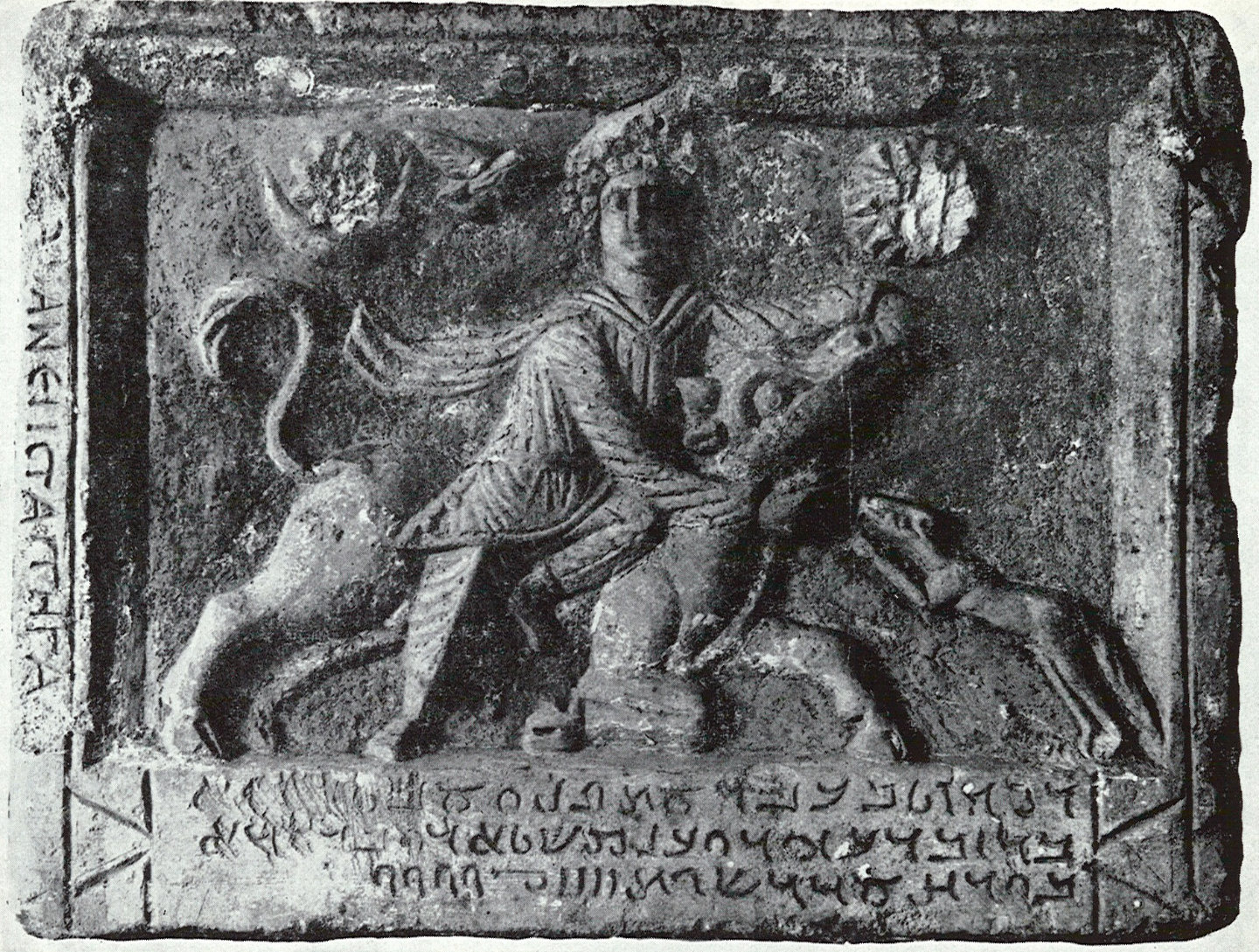
One of the reliefs of the Dura Europos tauroctonies includes several characters with their respective names.
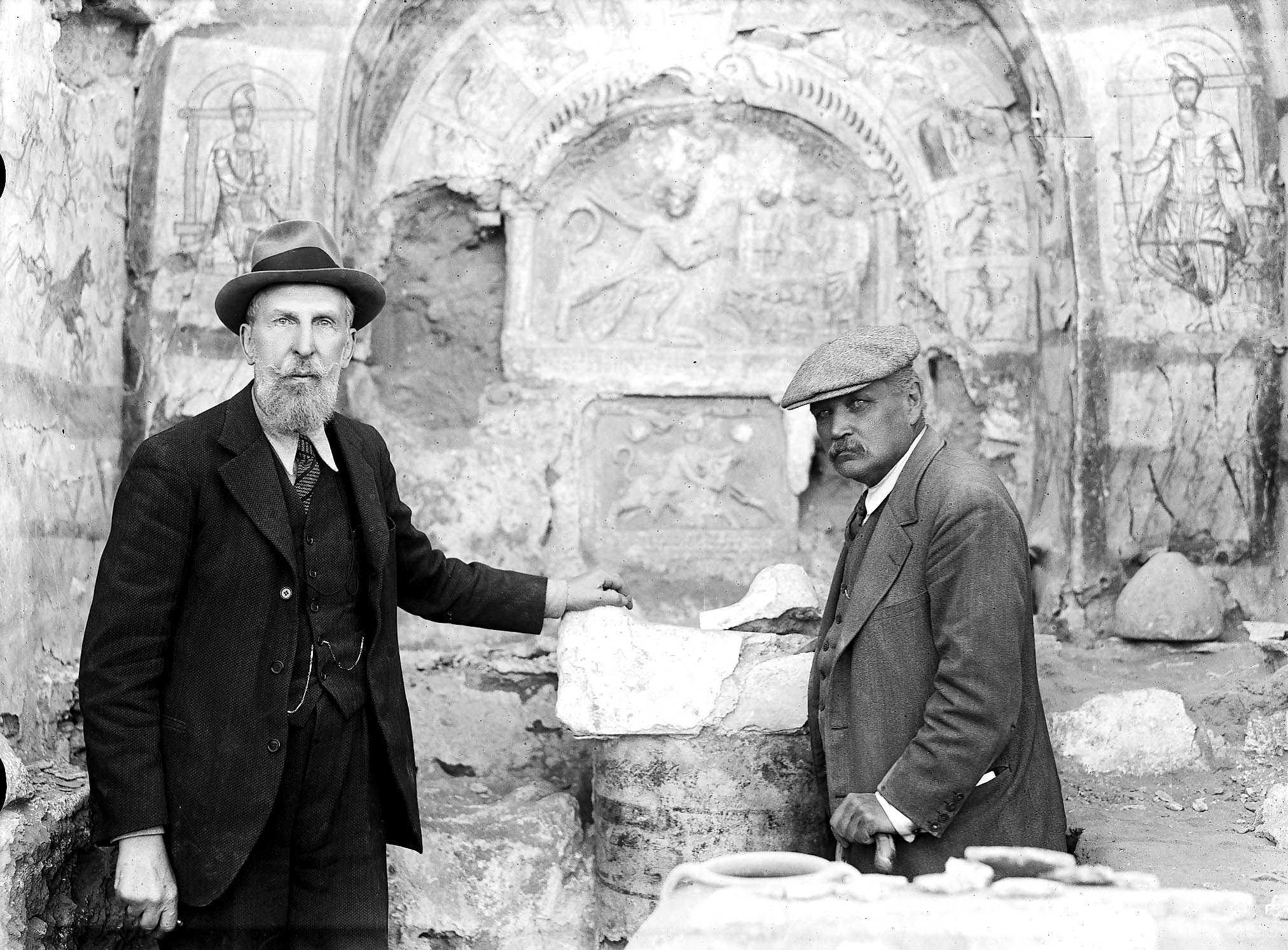
The most emblematic of the Syrian Mithraea was discovered in 1933 by a team led by the Russian historian Mikhaïl Rostovtzeff.

Administrator, probably a slave of Pater Alfius Severus, who dedicated the main altar of the Mitreo di Marino.
Marino is an Italian comune with 46,676 inhabitants located in the Metropolitan City of Rome Capital in Lazio.

In this relief of Mithras as bull slayer, recorded in 1562 in the collection of A. Magarozzi, Cautes and Cautopates have been replaced by trees still bearing the torches.
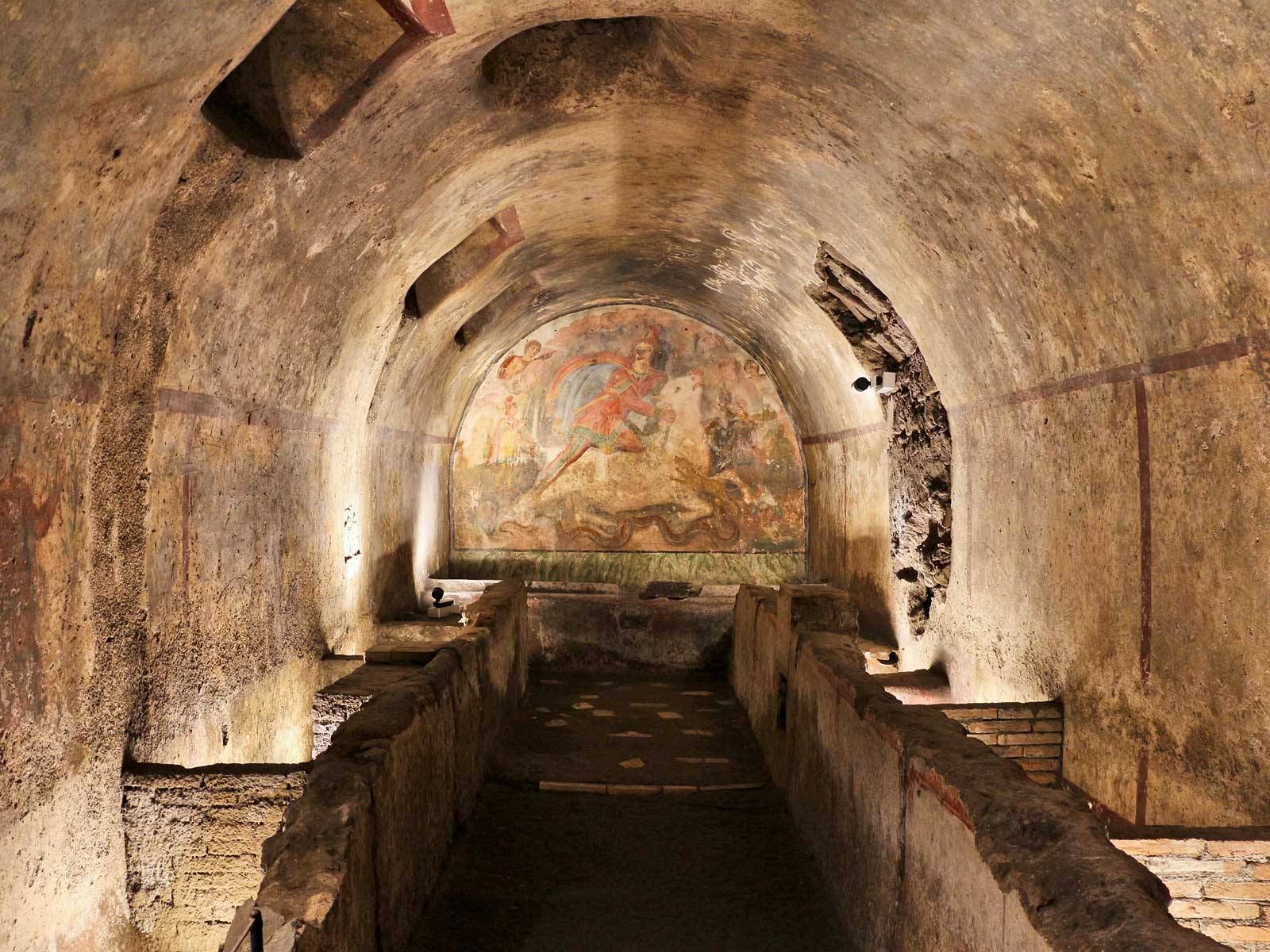
One of Roman Italy’s most important Mithraic sanctuaries, the Mithraeum at S. Maria Capua Vetere preserves a remarkable painted cycle of initiation scenes, offering rare visual evidence for the ritual life of Roman Mithaism.
The Pontiae islands, including modern Ponza, formed part of the Roman maritime landscape of Latium and preserve one of the most remarkable Mithraic sanctuaries of Roman Italy, renowned for its rare stucco zodiac and astral symbolism.
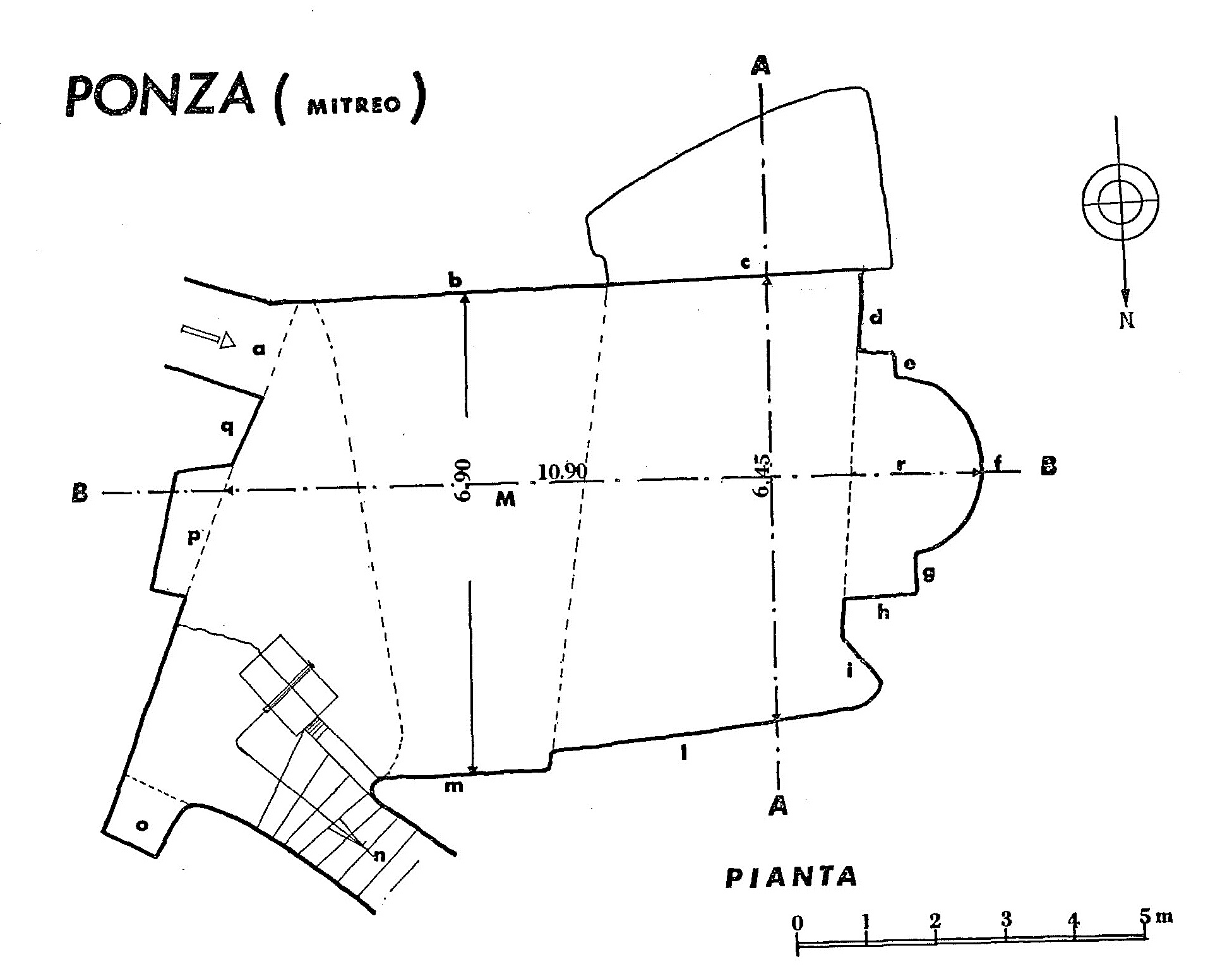
This Mithraic shrine on the island of Ponza is renowned for its exceptional stucco zodiac and astral symbolism linked to Roman Mithaism.
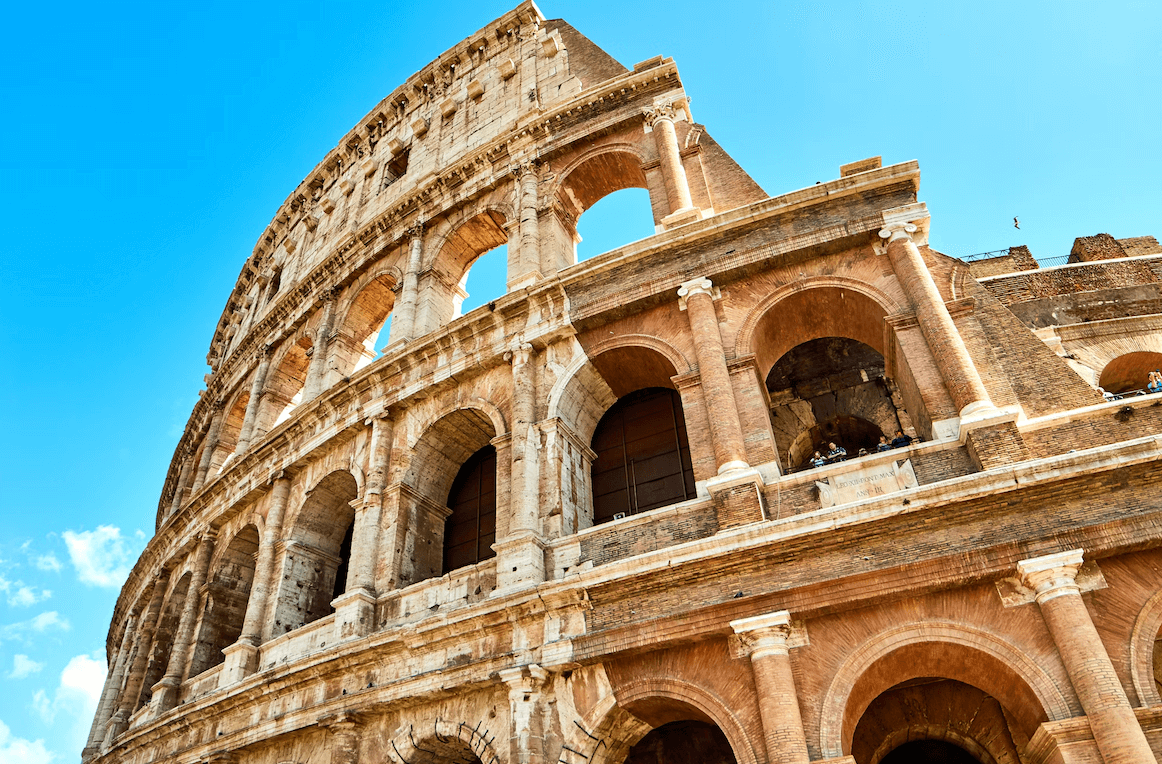
Roman Italia preserves a central and exceptionally influential corpus within the development of Mithraic cults.
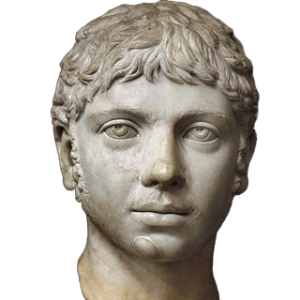
Roman emperor at the age of 14, from 218 to his death in 222, Elagabalus was a main priest of the sun god Elagabal in Emesa.

Emperor Caracalla ordered one of Rome’s largest temples to the god Mithras to be built in the baths bearing his name.
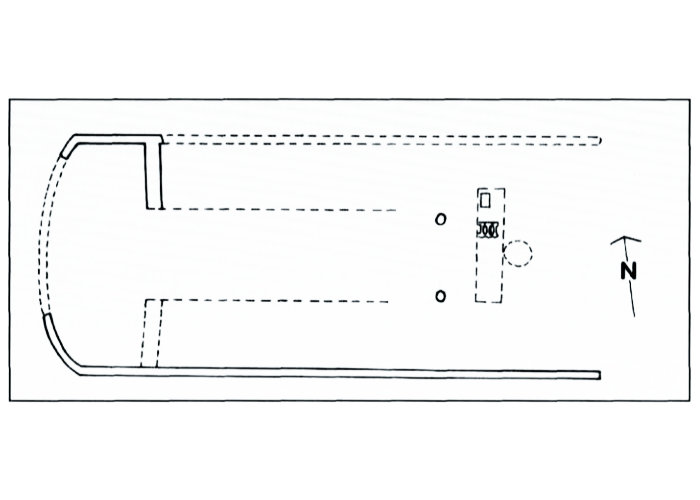
One of the largest known Mithraea in Pannonia, the sanctuary of Sárkeszi stood near the Roman road linking Herculia and Aquincum.
Alexandria was founded by Alexander the Great in April 331 BC as one of his many city foundations. After he captured the Egyptian Satrapy from the Persians, Alexander wanted to build a large Greek city on Egypt’s coast that would bear his name.
