Your search San Gemini gave 1021 results.

Sandstone relief depicting the god Aion, standing with wings, a staff and a key, accompanied by a lion and a serpent-entwined vessel.
Sandstone statue of Cautopates holding two downward-pointing torches, from the Ober-Florstadt Mithraeum.
Fragmentary sandstone relief from Rückingen showing a male figure walking right and holding a kantharos. Traces on the chest may indicate a torques or shoulder-cape.
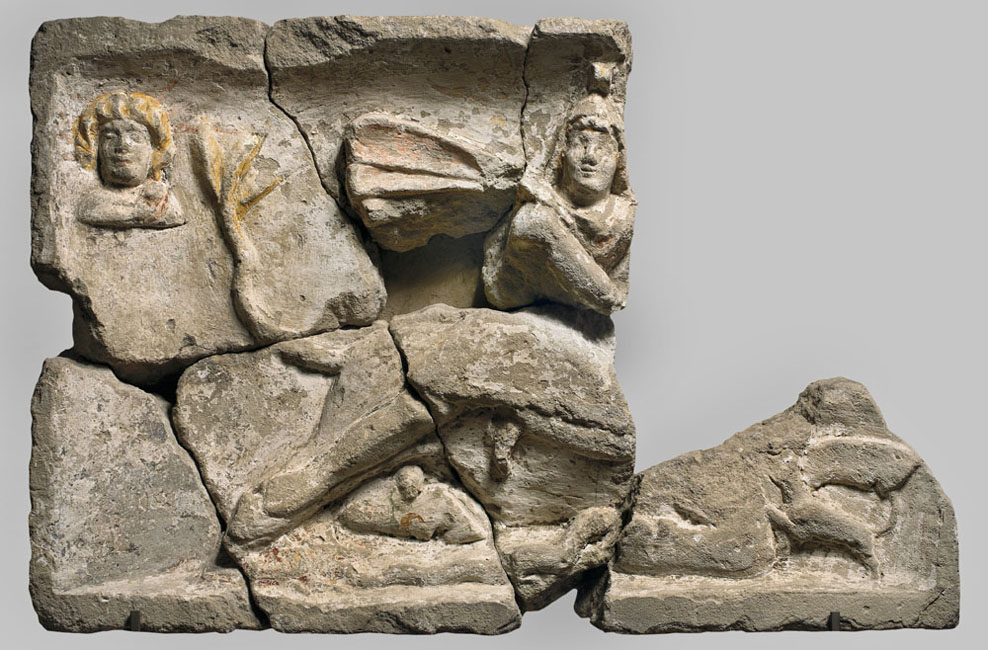
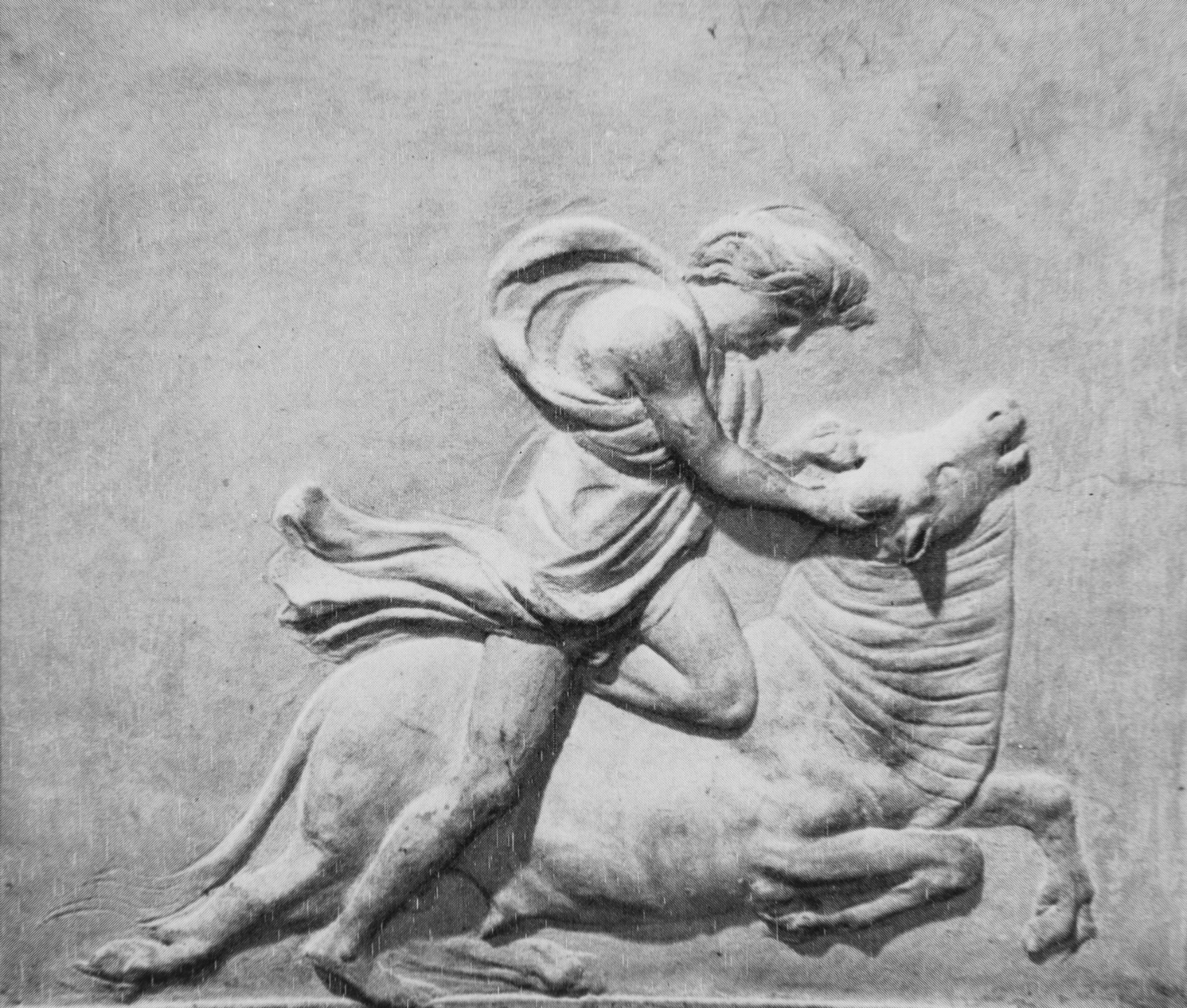
Sandstone relief of Mithras as bull-slayer, found at Petronell in 1932, with dog, serpent and scorpion, traces of polychromy preserved, now in the Museum Carnuntinum.
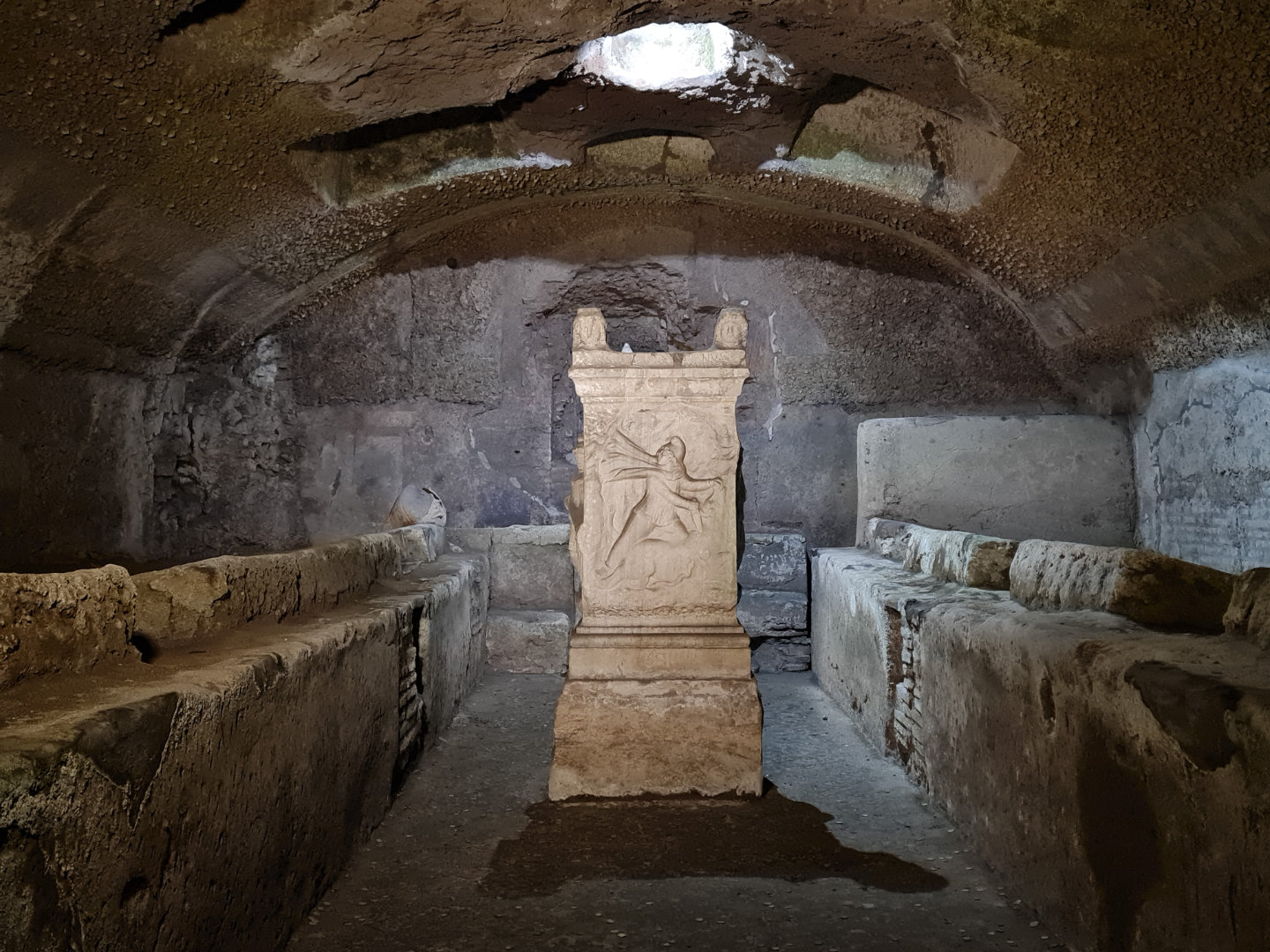
The Mithraeum under the Basilica of San Clemente made part of a notable Roman house.
This marble monument was dedicated in Rome by the slave Fructus and his son Myro.

For the launch of our YouTube channel, we chat with the author, poet, essayist and friend Peter Mark Adams about the Sola-Busca tarot, a Renaissance masterpiece, uncovering ties to the Mithras cult.
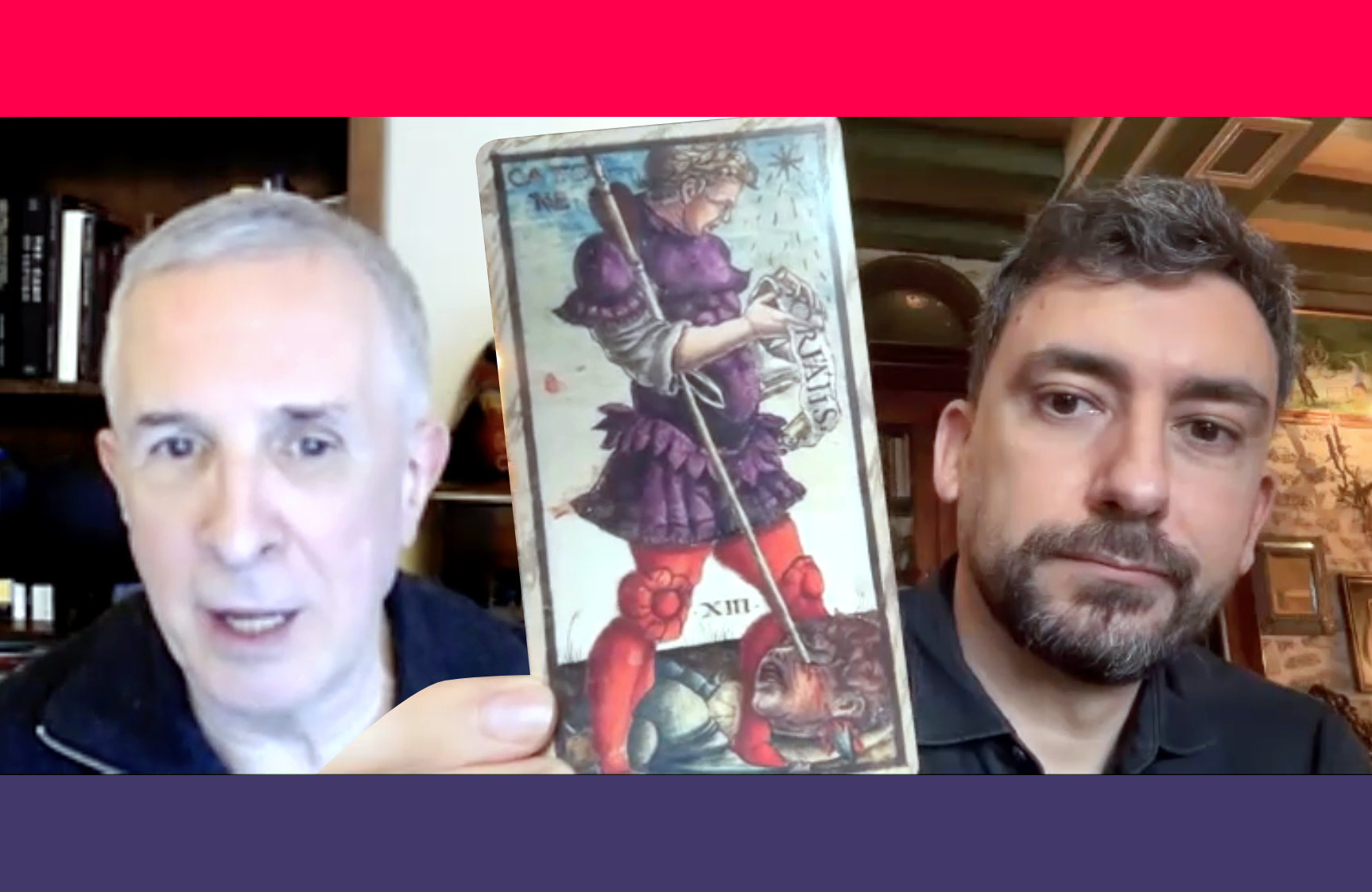
For the launch of our YouTube channel, we chat with the author, poet, essayist and friend Peter Mark Adams about the Sola-Busca Tarot, a Renaissance masterpiece, uncovering ties to the Mithras cult.
This marble bust of Sol, found in the Mitreo di San Clemente, had five holes in the head where rays had been fixed.
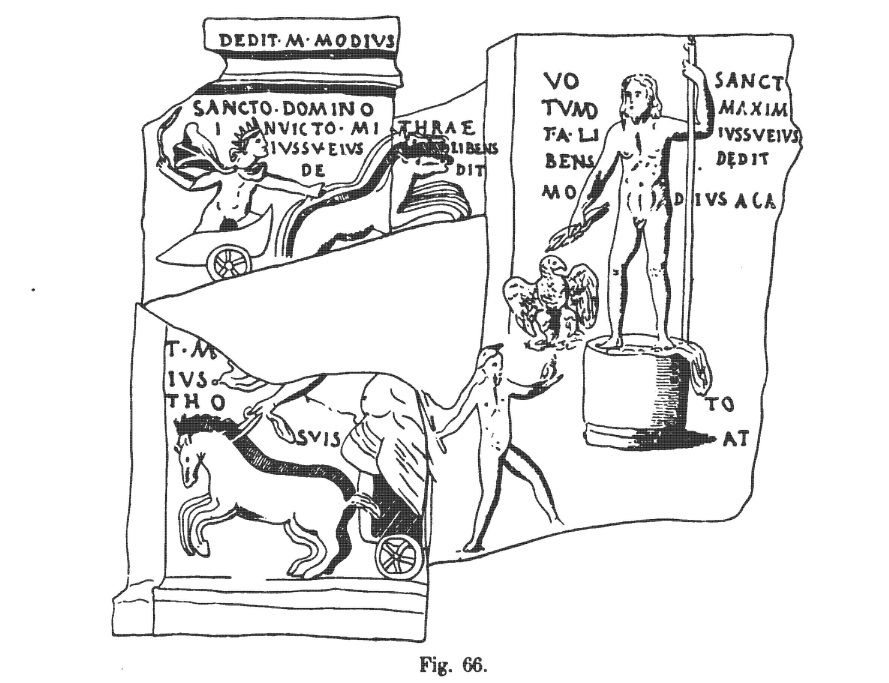
These three fragments of carved marble depict Jupiter, Sol, Luna and a naked man wearing a Phrygian cap, with inscriptions calling Mithras Sanctus Dominum.
The Digital Atlas of Roman Sanctuaries in the Danubian Provinces (DAS) is the first comprehensive and open access representation of sacralised spaces in the area.
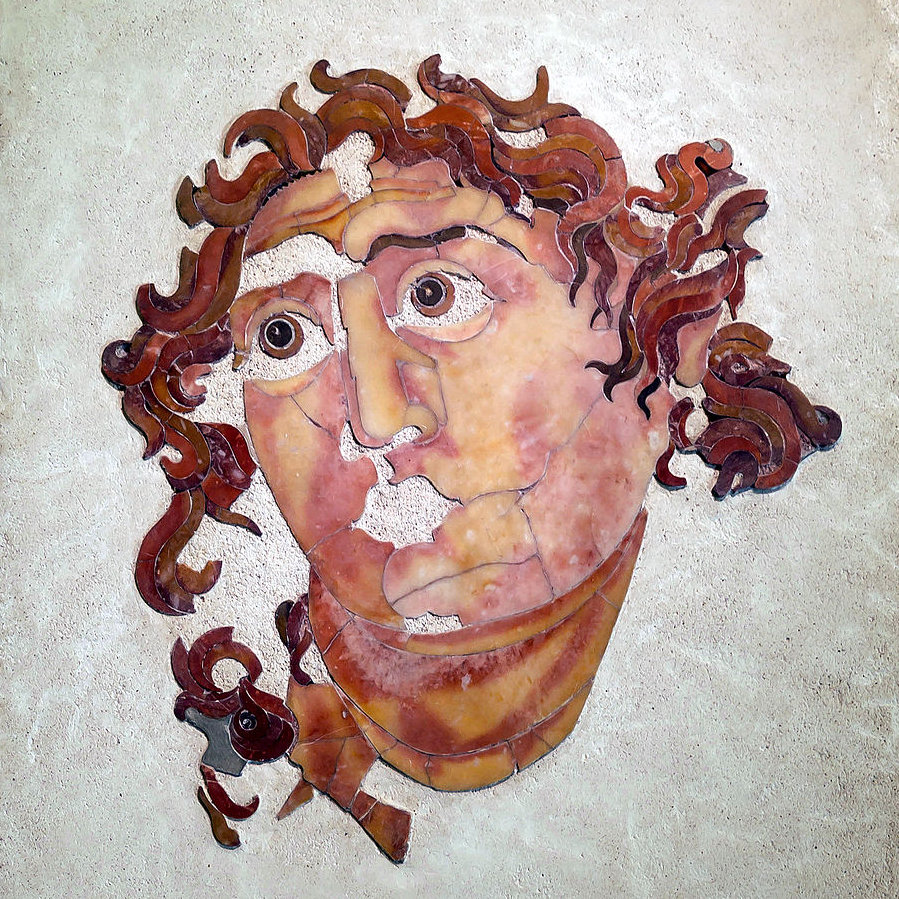
The intarsium of Sol found in the Mithraeum of Santa Prisca is composed of several varieties of marble.

The locality of San Juan is associated with archaeological discoveries from the Iberian provinces.
Sankt Urban lies within the southern Alpine zone connected with Roman Noricum.
Sankt Thomas belongs to the rural Alpine territory associated with Roman Noricum.
Sankt Johann occupied a position along the Alpine communications network of Noricum.
A funerary inscription from Besançon (ancient Vesontio) in Belgica, bearing the title mater sacrorum, but correctly excluded from the Mithraic corpus, as women were barred from Mithras sanctuaries.
Wall remnants found deep underground at San Zeno near Trento, possibly indicating a Mithraeum, discovered alongside Roman coins, lost bronze figures and a small gold disc decorated with an ear of corn or a sword.
