Your search San Giovanni al Timavo gave 3161 results.

Retired Health Service Accounts clerk. I have been interested in Roman history probably since I was 8, many years ago.
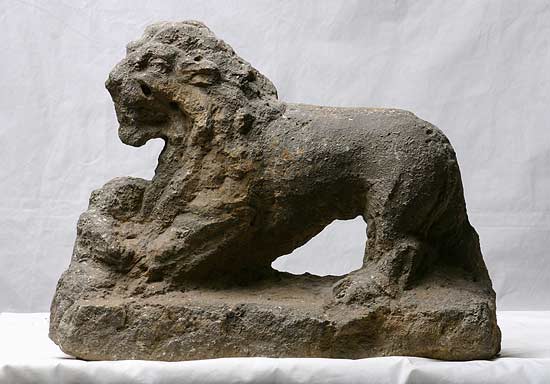
Marble statue from Intercisa representing a lion holding an indistinct animal beneath its forepaws. Found in a vineyard, the piece is now in the Hungarian National Museum.
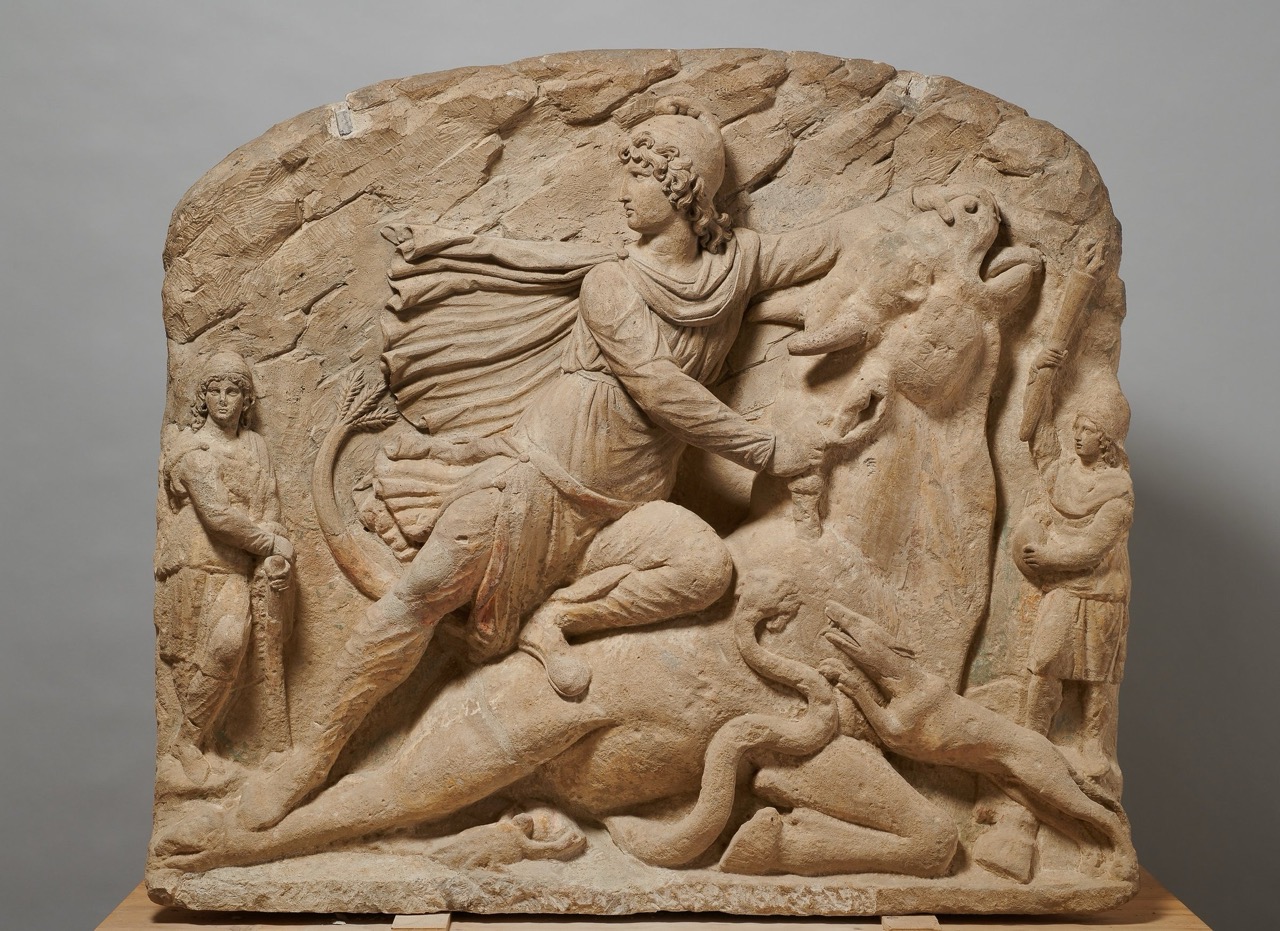
Limestone tauroctony relief from Carnuntum with traces of polychromy and a graffito on the bull’s neck. The inscribed base was carved separately.

Thinking of forming a weekly group for those in the Anglosphere(USA, Canada, UK, Australia and NZ) to have a webcam call, discuss all things related to Mithras and form friends sharing a niche interest:)


From the late first century CE, Mithras spread across the Roman Empire, leaving more than 130 sanctuaries and nearly 1,000 inscriptions. This volume offers a rigorous synthesis that renews our understanding of this enigmatic cult.
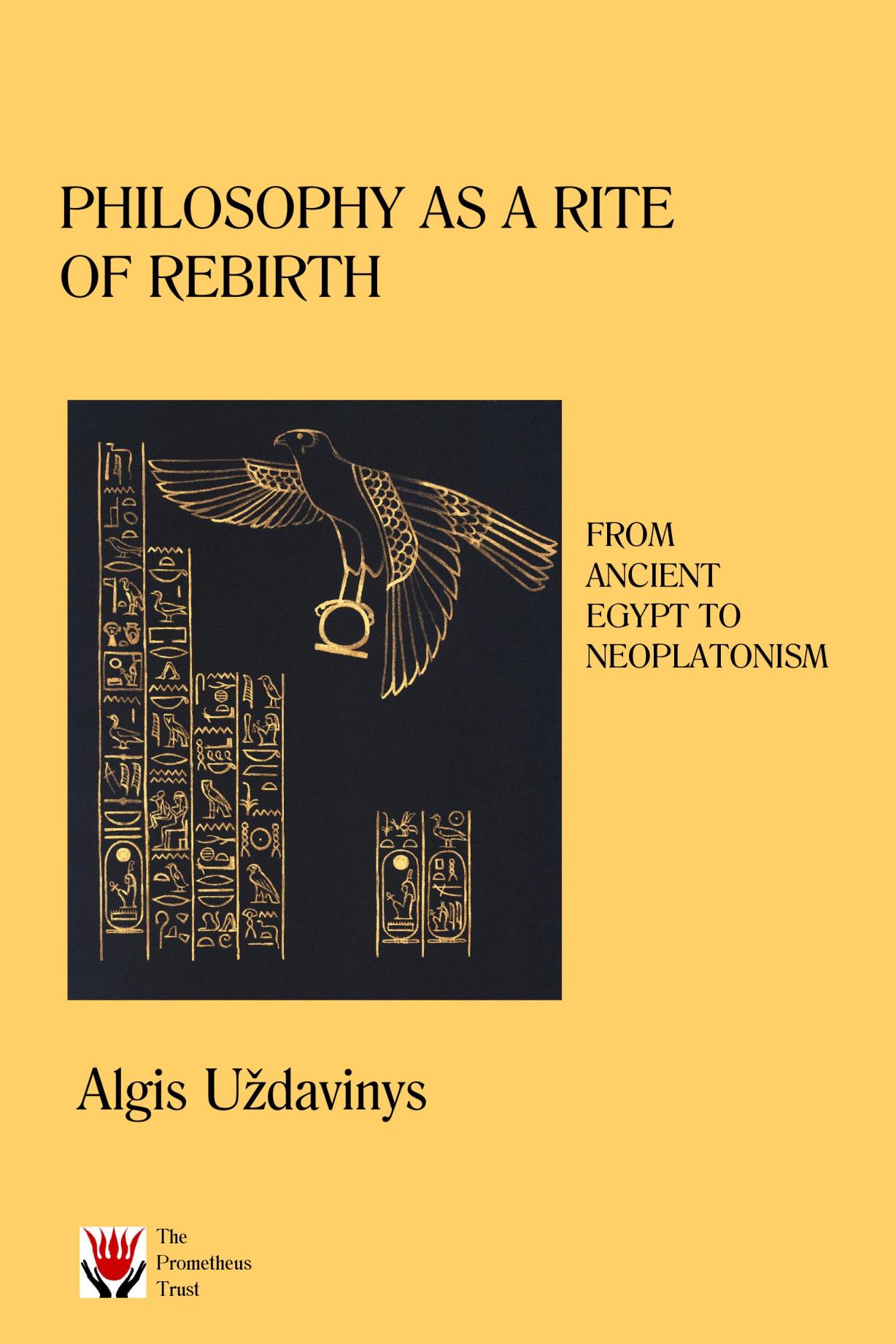
Algis Uždavinys presents philosophy as a sacred practice of inner rebirth, rooted in ancient Egyptian and traditional wisdom rather than a purely rational discipline.

A historical novel framed as the memoir of a Brittano-Roman soldier witnessing the end of Roman Britain. It explores identity, loyalty, and survival at the twilight of empire.
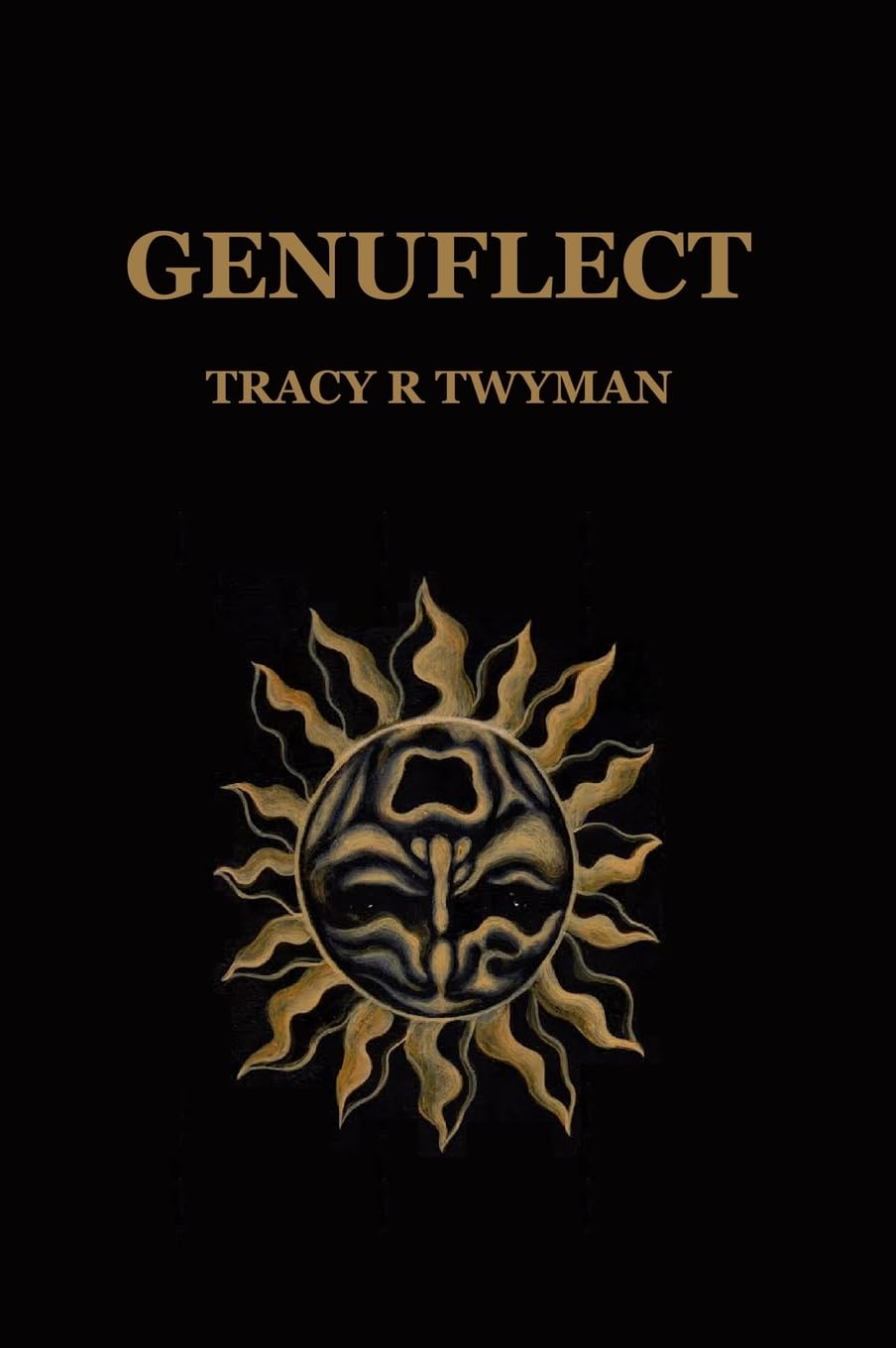
A dark occult novel intertwining Templar mythology, ritual magic, and modern conspiracy, with Mithraic and gnostic motifs woven into its esoteric narrative. It explores the persistence of hidden initiatory currents in the contemporary world.
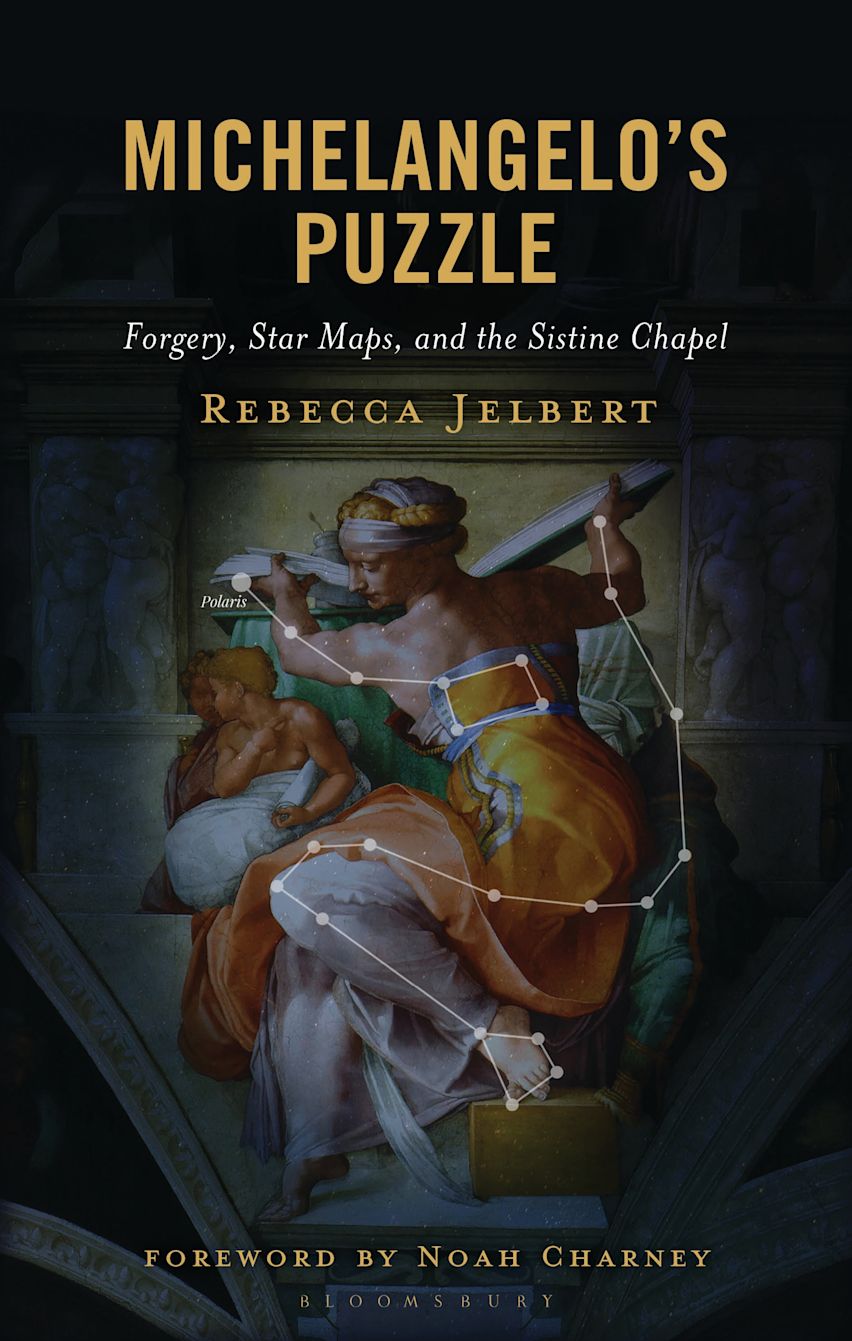
Rebecca Jelbert explores Michelangelo’s major works through the lens of hidden structures, symbolic systems, and esoteric traditions. It considers how themes associated with Mithras and other mystery cults may illuminate new interpretative possibilities within Renaissance art…

The Mithraeum of London, also known as the Walbrook Mithraeum, was contextualised and relocated to its original site in 2016.

Maarten Vermaseren, qui a publié un corpus des inscriptions et des monuments de la religion mithriaque et un certain nombre d'études savantes sur le même sujet est certainement l'un des meilleurs spécialistes de la question.
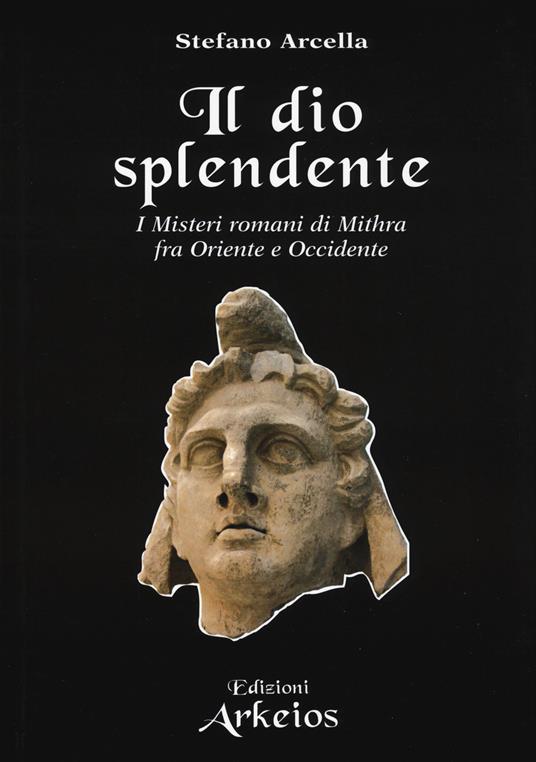
A study that re-examines Roman Mithraism through epigraphic evidence and comparative analysis, exploring its links with Orphism, Platonism, and Iranian traditions, and presenting the cult of Mithras as a solar path of individual spiritual awakening between East and West…
Francesco Massa examines how the concept of mysteria was transformed in the Roman Empire, as Christian authors from the mid-second century CE adopted the language of mysteries to articulate their own rituals and beliefs, reshaping understandings of both Christian and traditional cults…

Memoir by Félix Lajard analysing a Mithraic bas-relief discovered in Vienne in 1830. Based on direct examination of the fragments and their context, the study corrects an earlier misidentification and documents a rare lion-headed figure within a probable mithraeum…
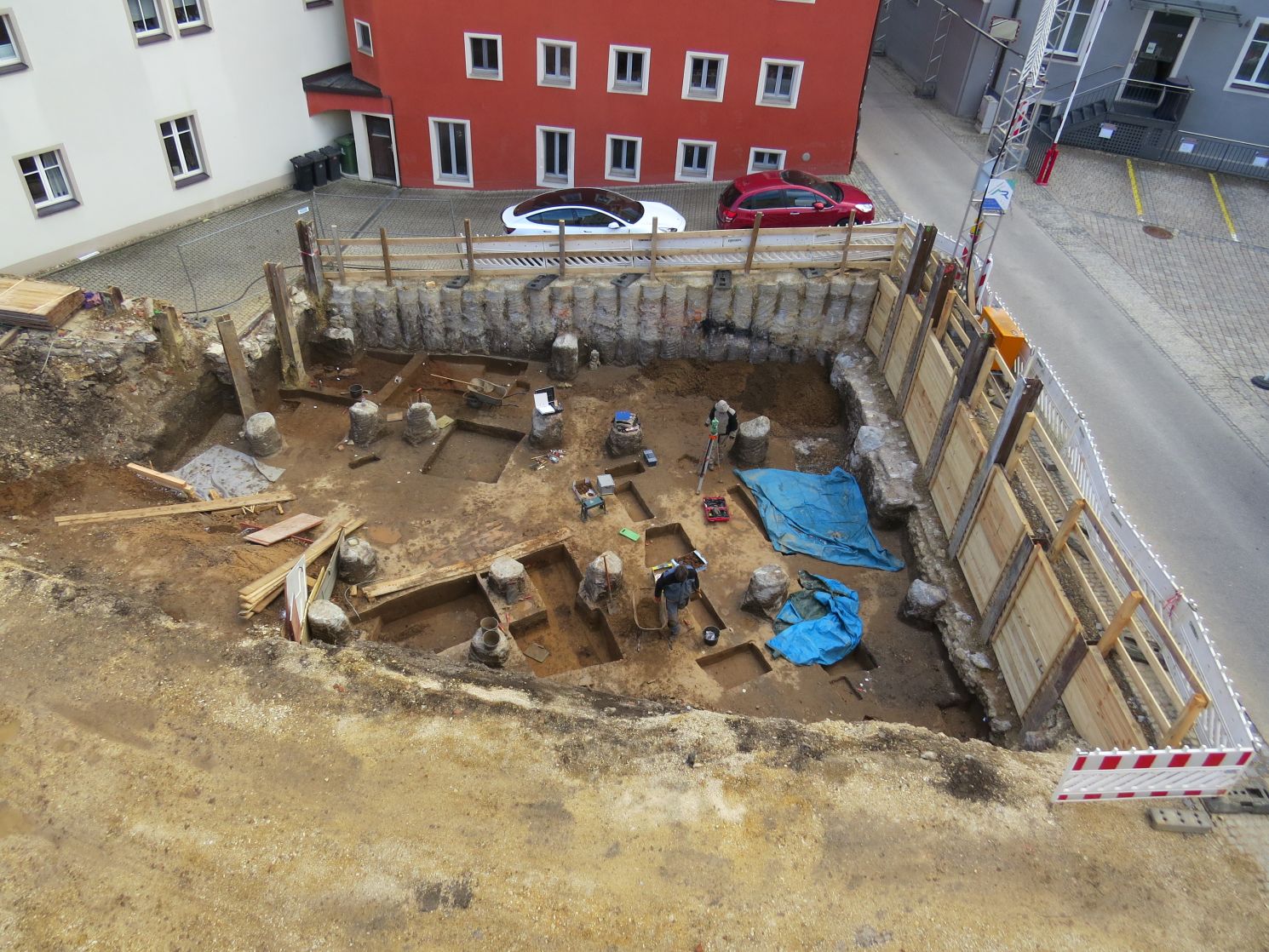
The Mithraeum of Regensburg represents the earliest of the nine Mithraic sanctuaries so far documented in Bavaria, Germany.
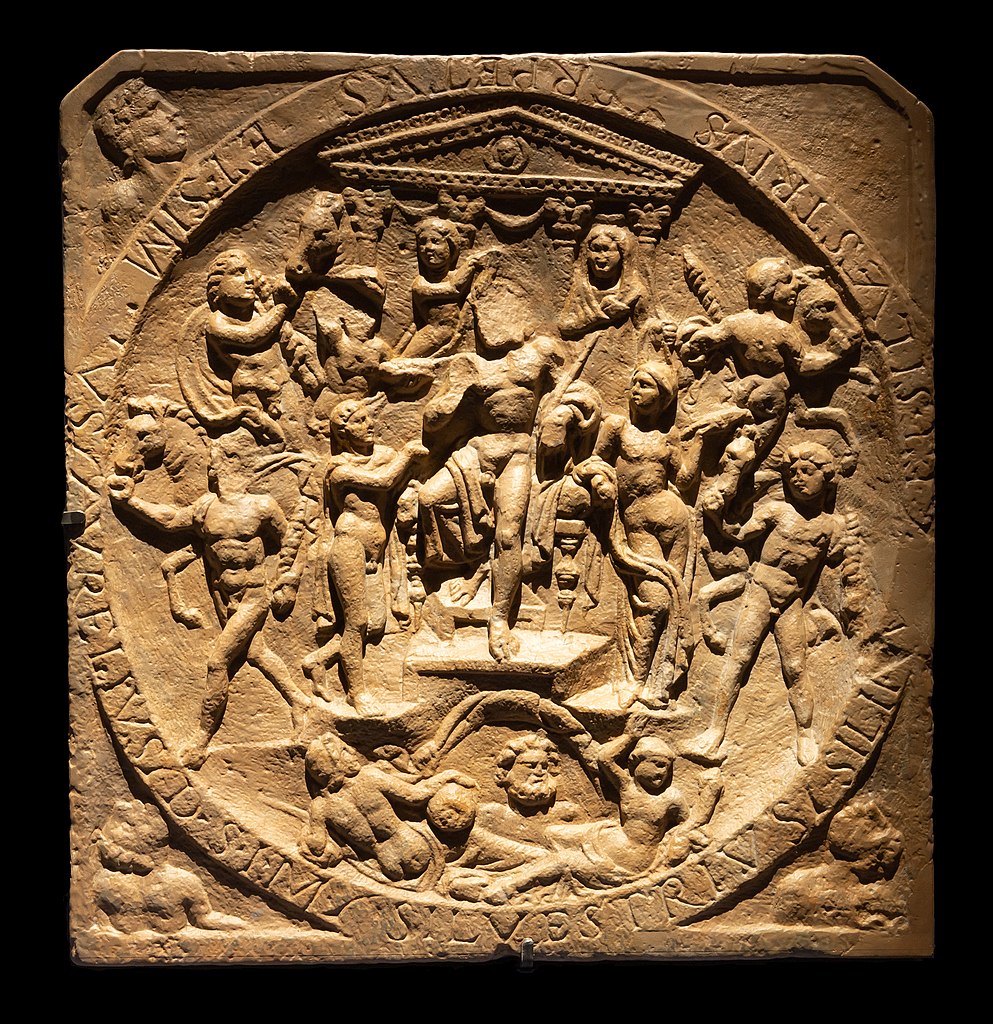
The relief of Dieburg shows Mithras riding a horse as main figure, surrounded by several scenes of the myth.
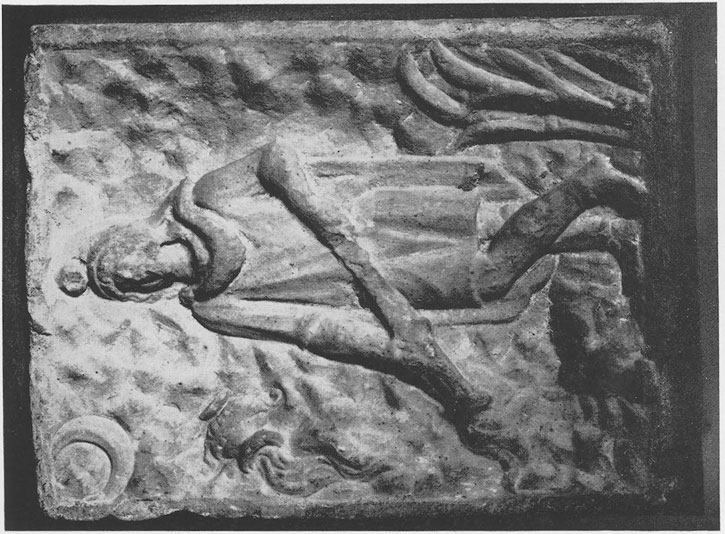
Limestone low-relief depicting Cautopates standing cross-legged in eastern dress, accompanied by a bull, flowing water from an overturned jar and a crescent from Bolognia.
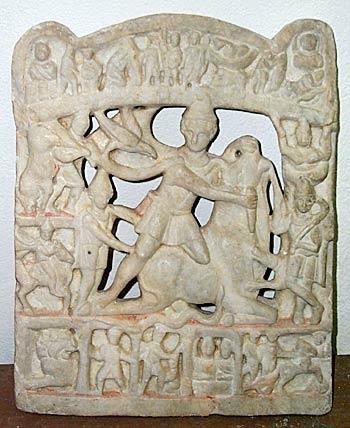
This Mithraic relief of the Danubian type was found in 1940 in the old town of Plovdiv.
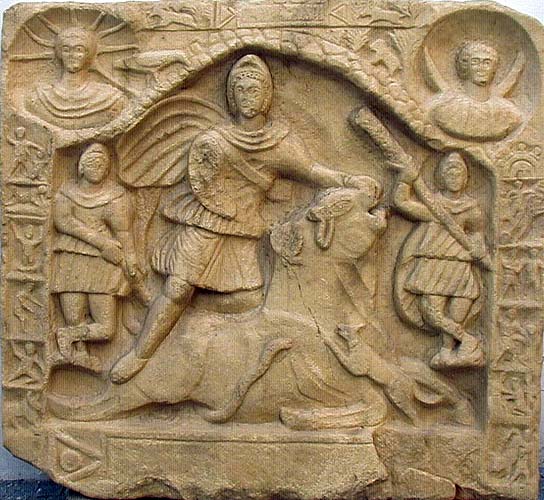
The relief of Mithras slaying the bull at Mauls in Gallia cisalpina is a paradigmatic example of the so-called Rhine-type Tauroctony.
