Your search San Giovanni al Timavo gave 3161 results.
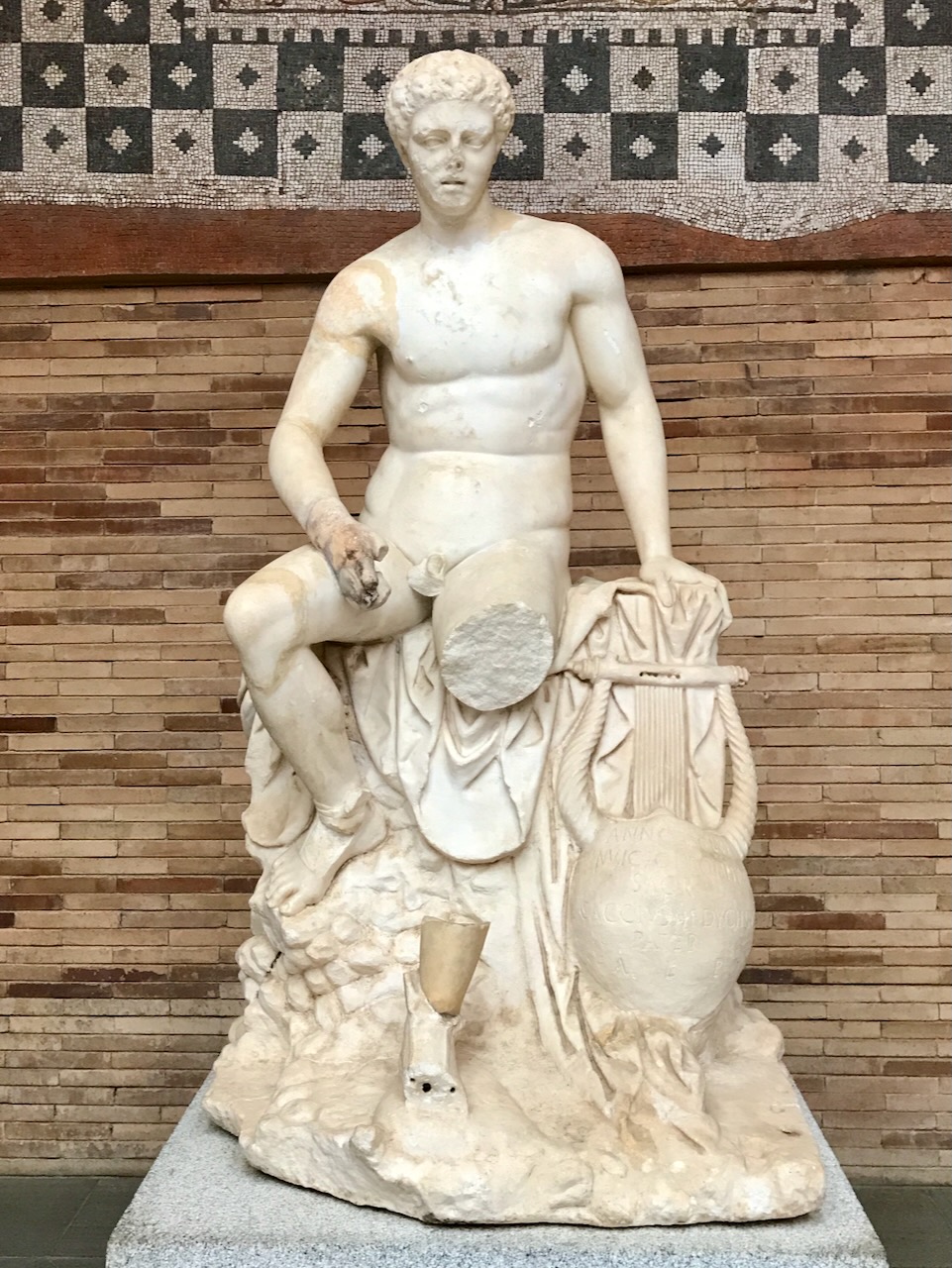
The statue of Mercury in Merida bears a dedication from the Roman Pater of a community in the city in 155.
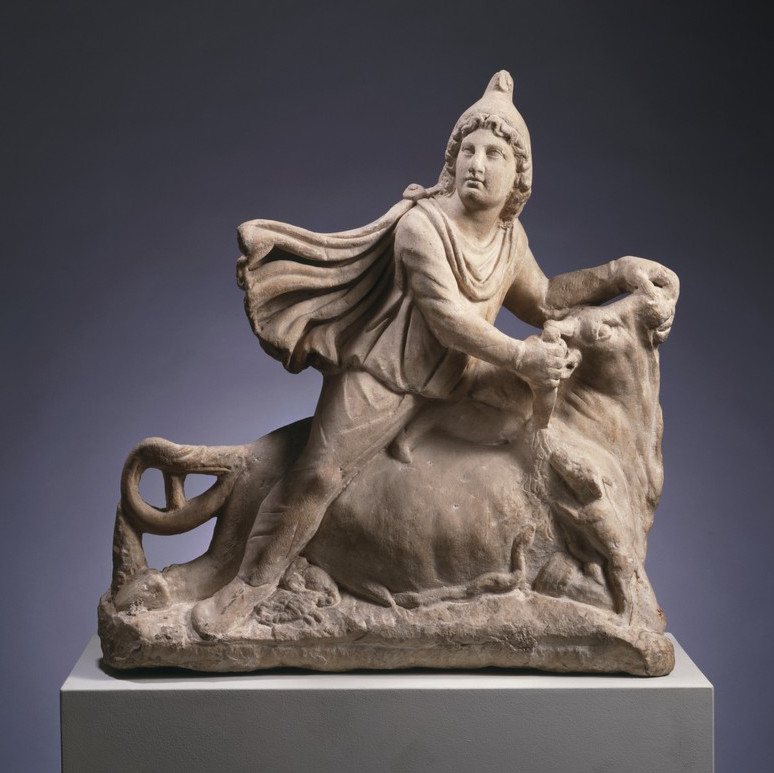
This sculpture of Mithras killing the bull may come from Rome, probably found in 1919.
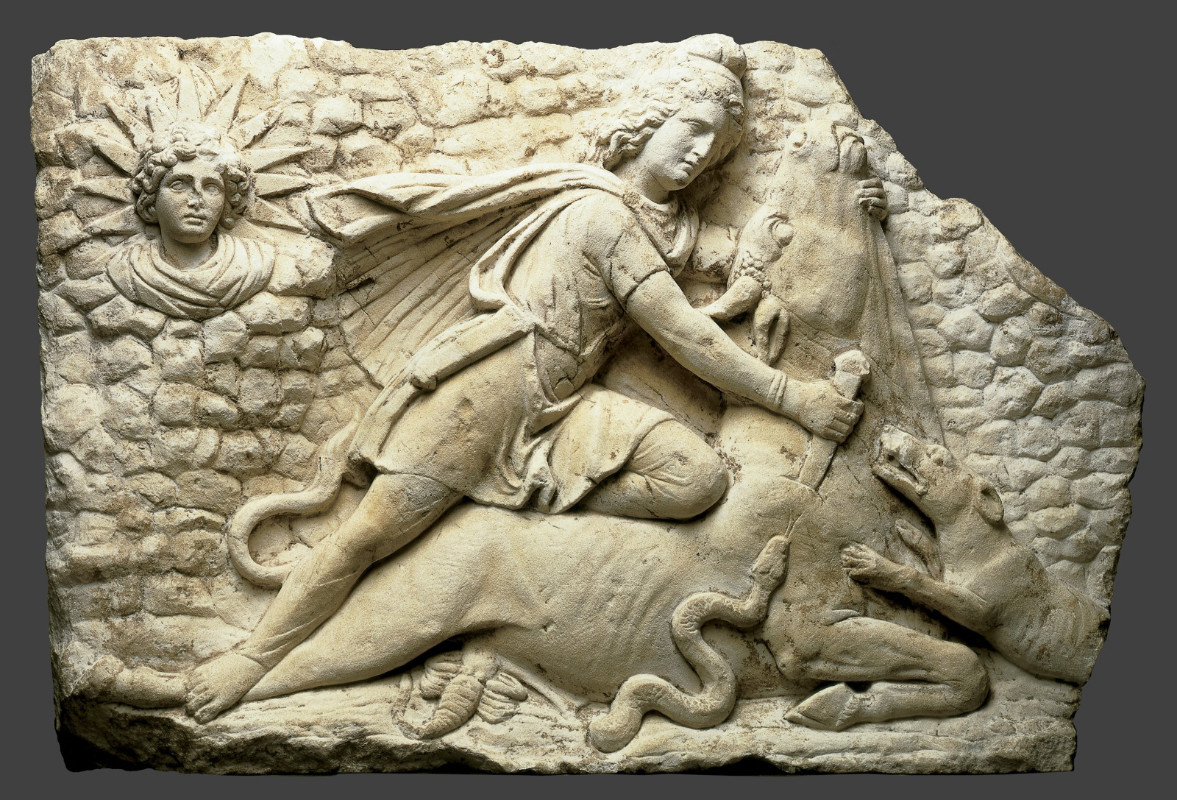
In the tauroctonic relief on display at the Cincinnati Art Museum, Mithras slaughters the bull over a rocky background.

Dutch historian, born in 1918 and deceased in 1985. He was a specialist in the history of religions, especially the Eastern cults in the Roman Empire. A prolific writer, best known for his Corpus inscriptionum et monumentorum religionis Mithriacae.

Curator of Greek and Roman Antiquities, Royal Museum of Mariemont (Belgium). Research fields: Archaeology of the Oriental cults in the Roman Empire.
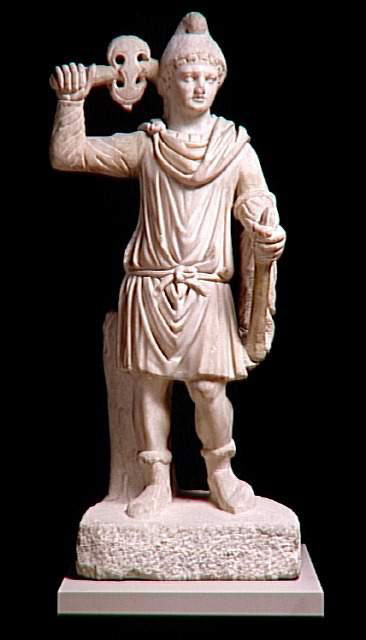
The Cautes of Sidon who wields an axe also wears a piece of cloth on his left arm.
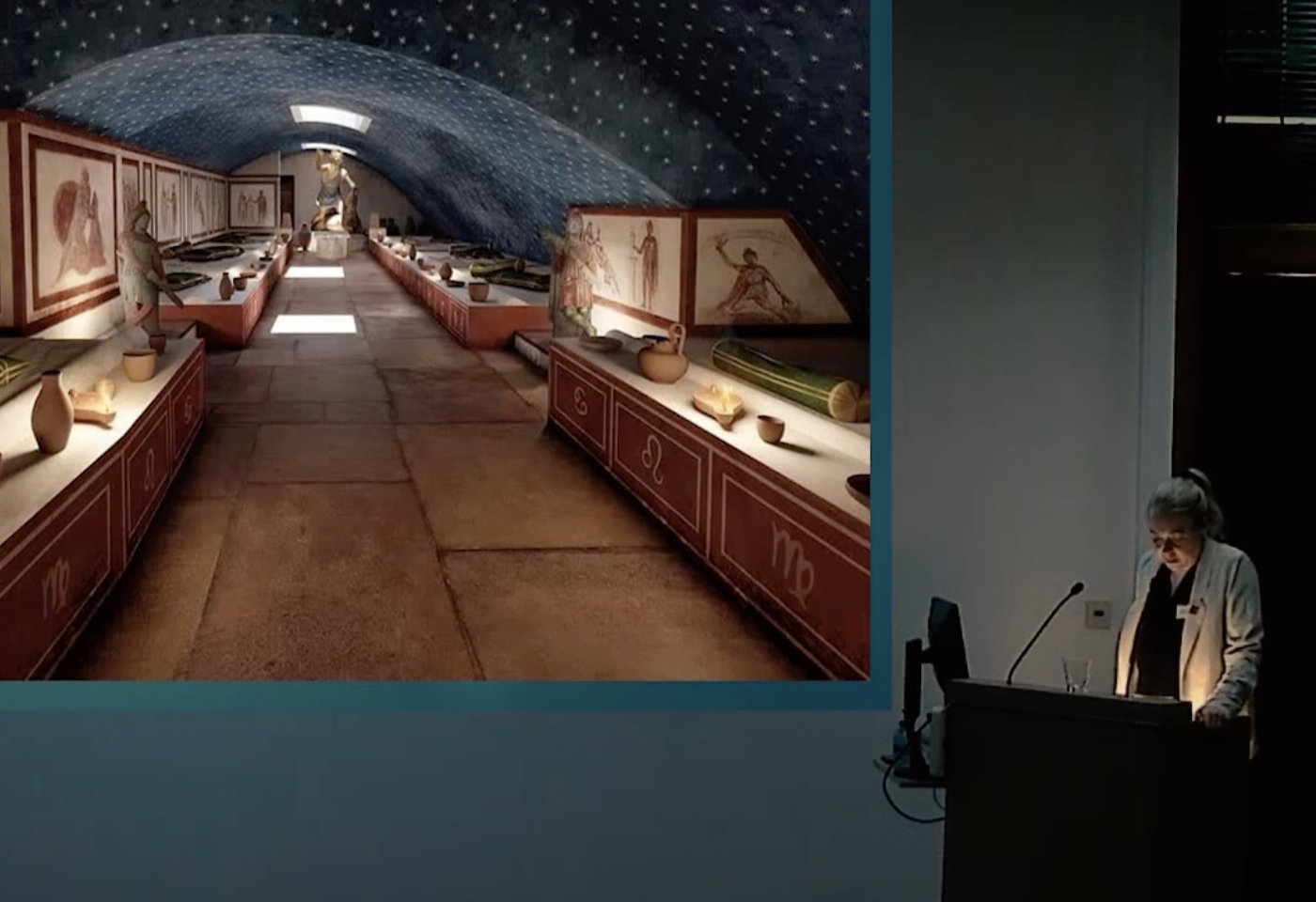
Intervention par Alexandra Dardenay, maître de conférences à l'Université de Toulouse/CNRS/IUF

Mithra et ses actualités - Journée d'études.
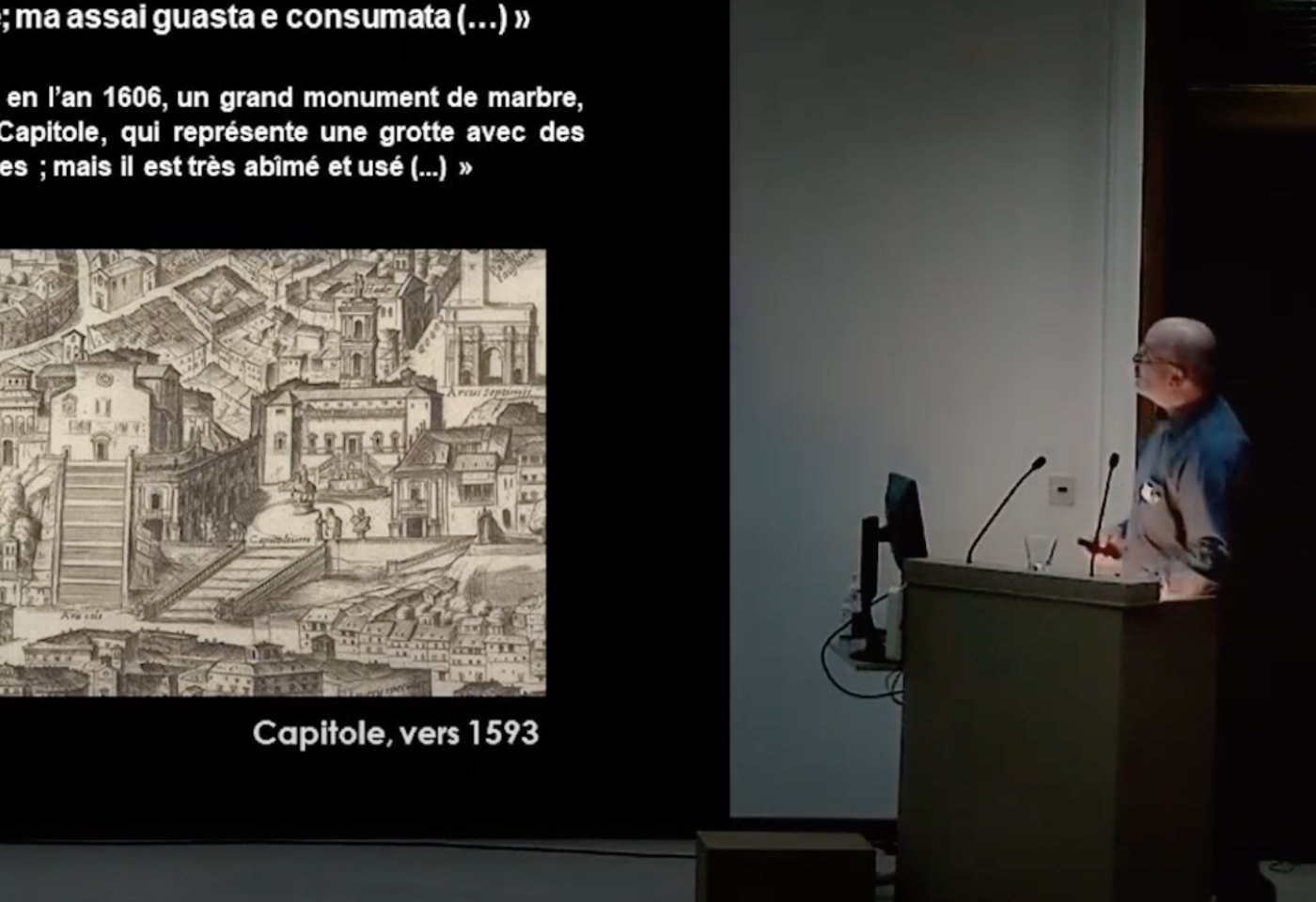
Intervention de Richard Veymiers, directeur du Musée royal de Mariemont et Laurent Bricault, de l'Université Toulouse Jean-Jaurès.
Mithra et ses actualités - Journée d'études (17 décembre 2021) au Musée royal de Mariemont.
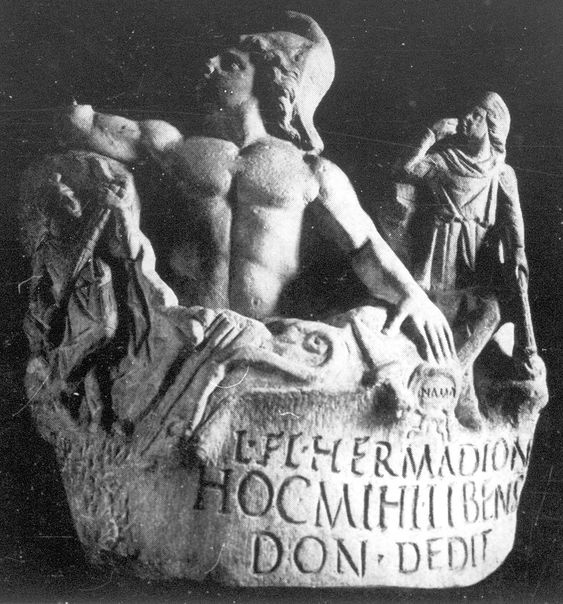
Mithras rock-born from Villa Giustiniani was holding a bunch of grapes in its raised right hand instead of a torch, probably due to a restoration.
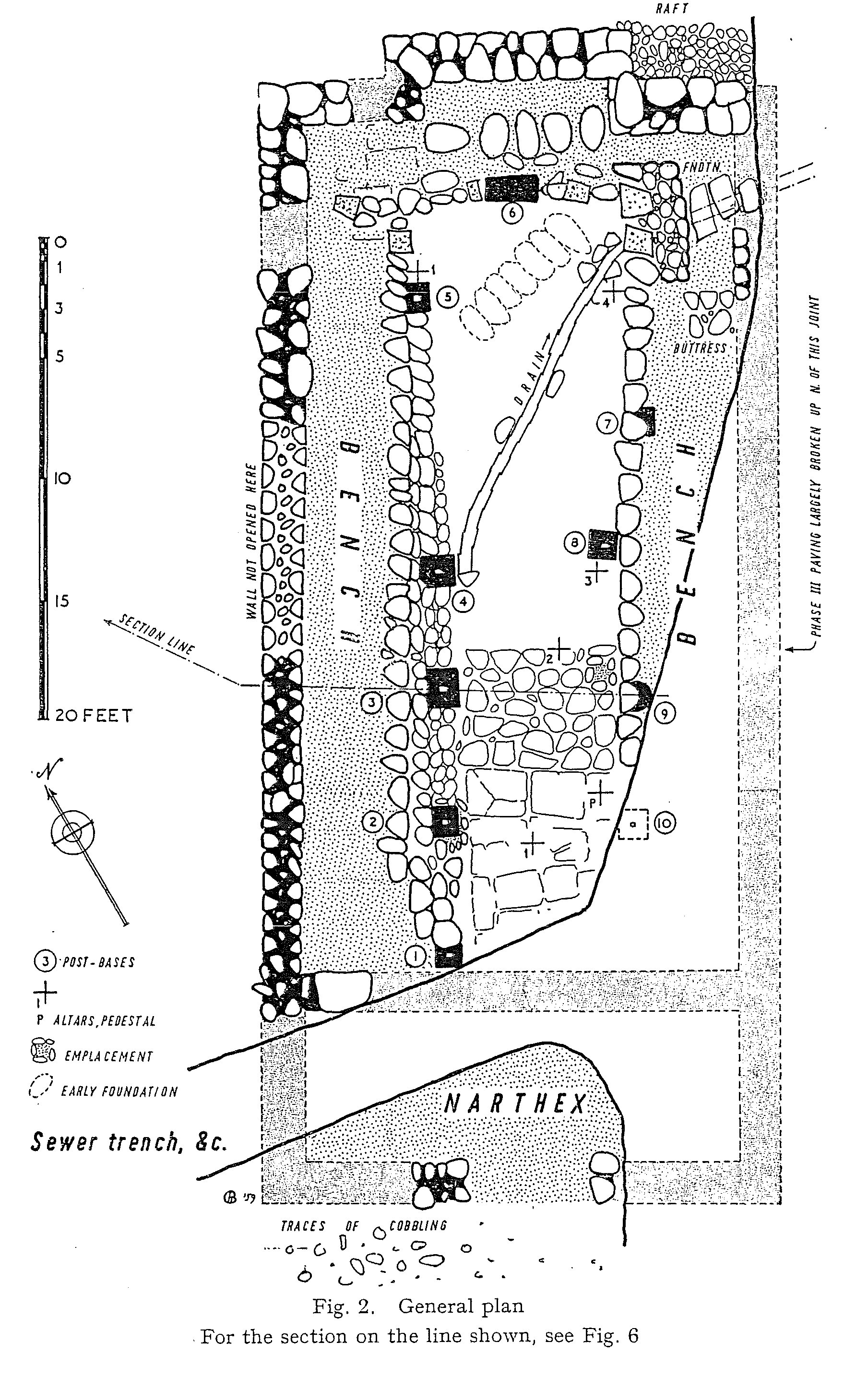
The Mithraeum of Caernarfon, in Walles, was built in three phases during the 3rd century, and destroyed at the end of the 4th.
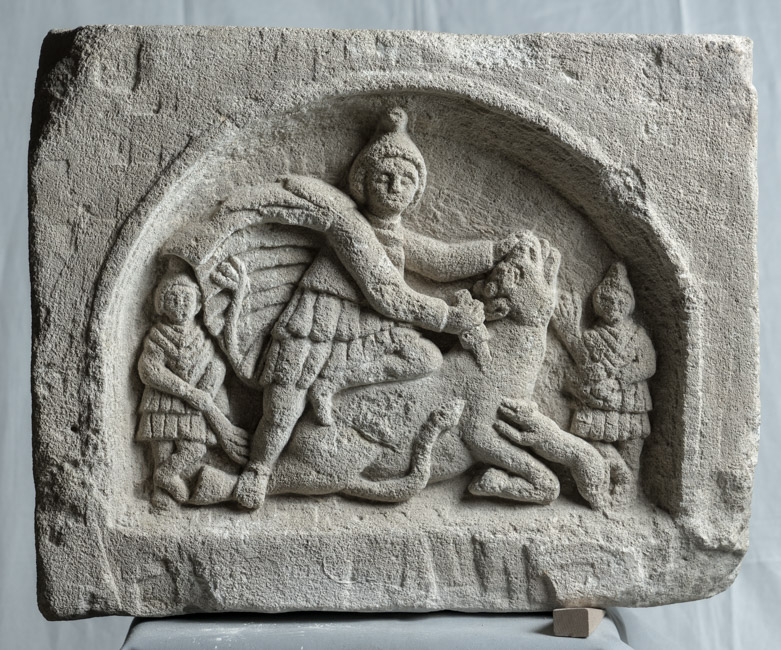
This relief found at Carnuntum represents Mithras slaughtering the bull, without the scorpion, in the sacred cave.
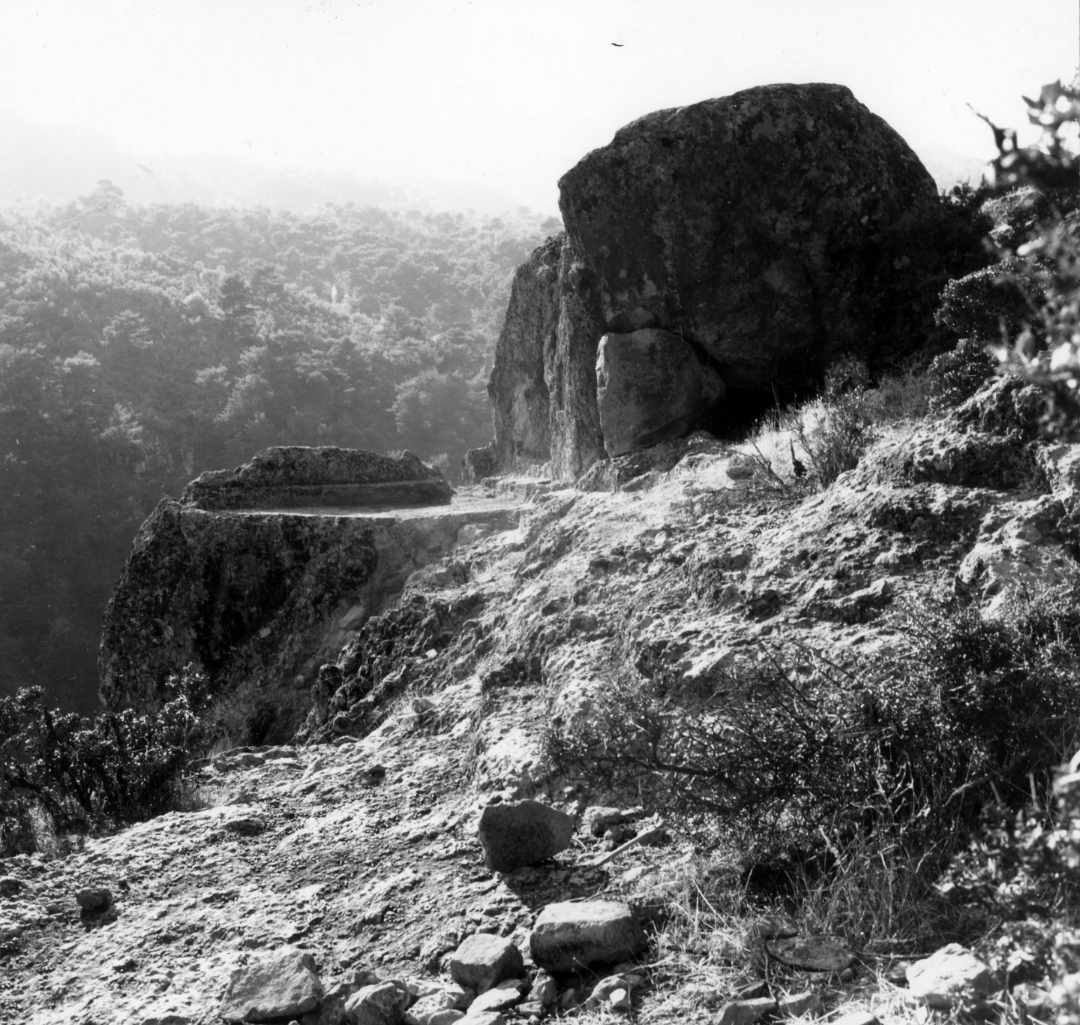
Mithras became the main deity worshipped in the sanctuary of Meter in Kapikaya, Turkey, in Roman times, at least until the fourth century.
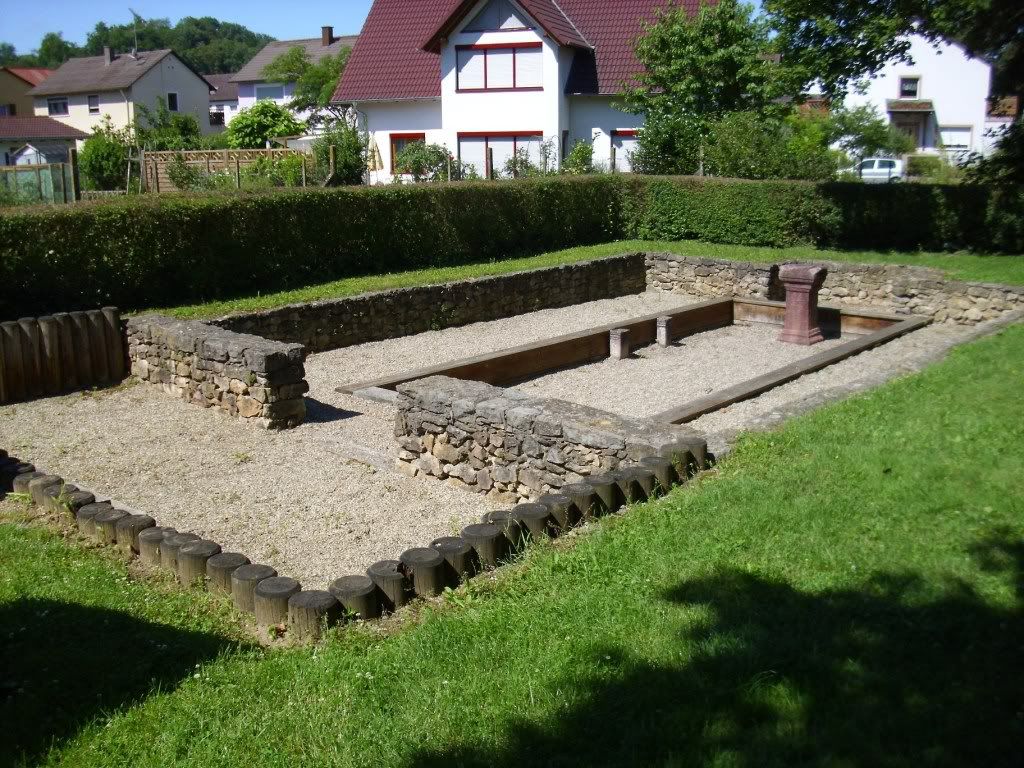
A votive altar referring to the cult of Mithras was found more than forty years before the site was excavated and the Mithraeum discovered.

The Mithraeum of Mainz, was discovered outside the Roman legionary fortress. Unfortunately the site was destroyed without being recorded.
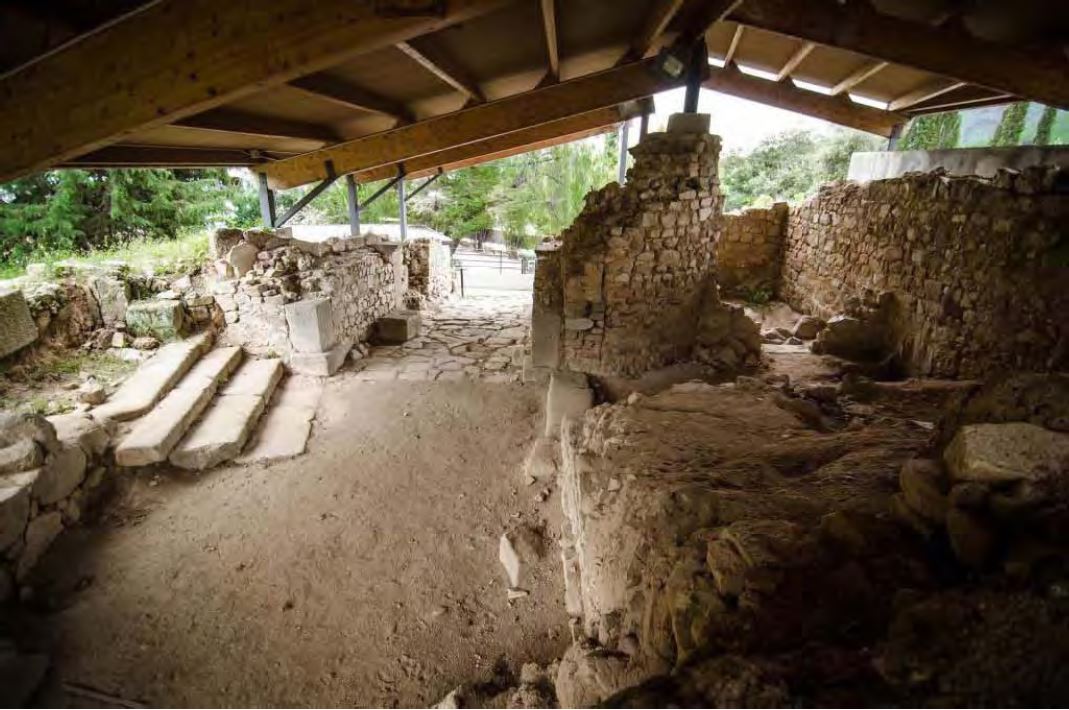
The Roman villa of Can Molodell had a sanctuary that has been related to the cult of Mithras.

This monument to the invincible god Mithras was inscribed on the façade of the church of Aiello deil Friuli, Aquileia.
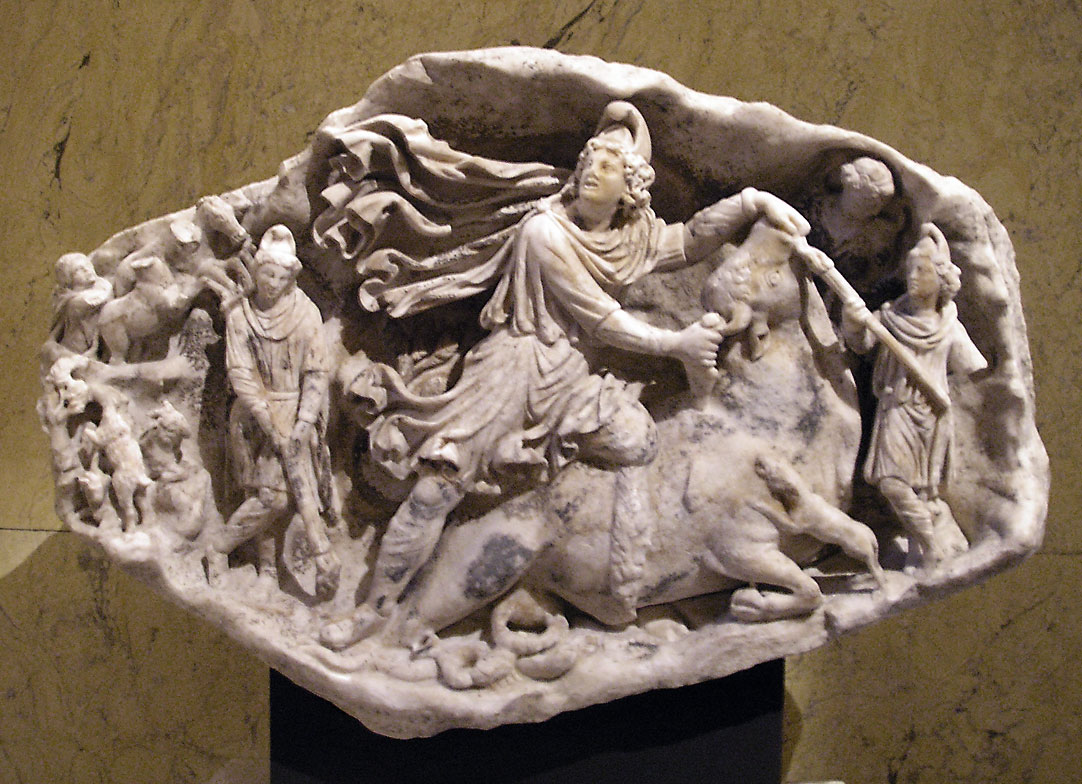
The relief of the Mithraic tauroctony of Aquiliea is currently on display in Vienna.
On this slab, Gaius Iulius Propinquos indicates that he made a wall of the Mithraeum at his own expense.
