Your search San Giovanni al Timavo gave 3161 results.

White marble relief, found near Aix "a la Torse dans un enclos ayant appartenu à la famille de Colonia".
Solis invicti Mithrae studiosus astrologiae who was at the same time ’caelo devotus et astris’.

Slab found at Tazoult-Lambèse dedicated to the Unconquered god Sol Mithras by the governor of Numidia Marcus Aurelius Decimus.
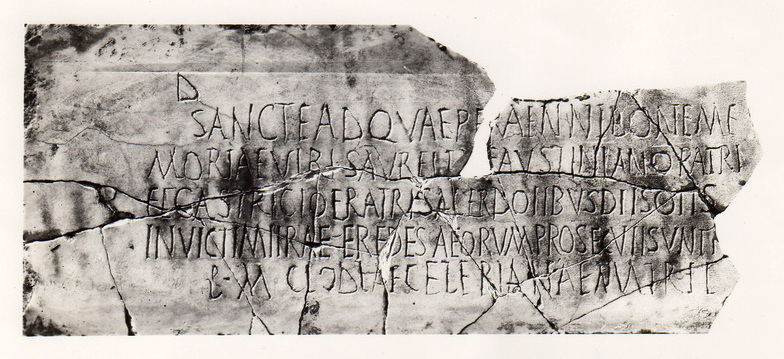
This inscription was commissioned by a family of priests of the invincible god Mithras.
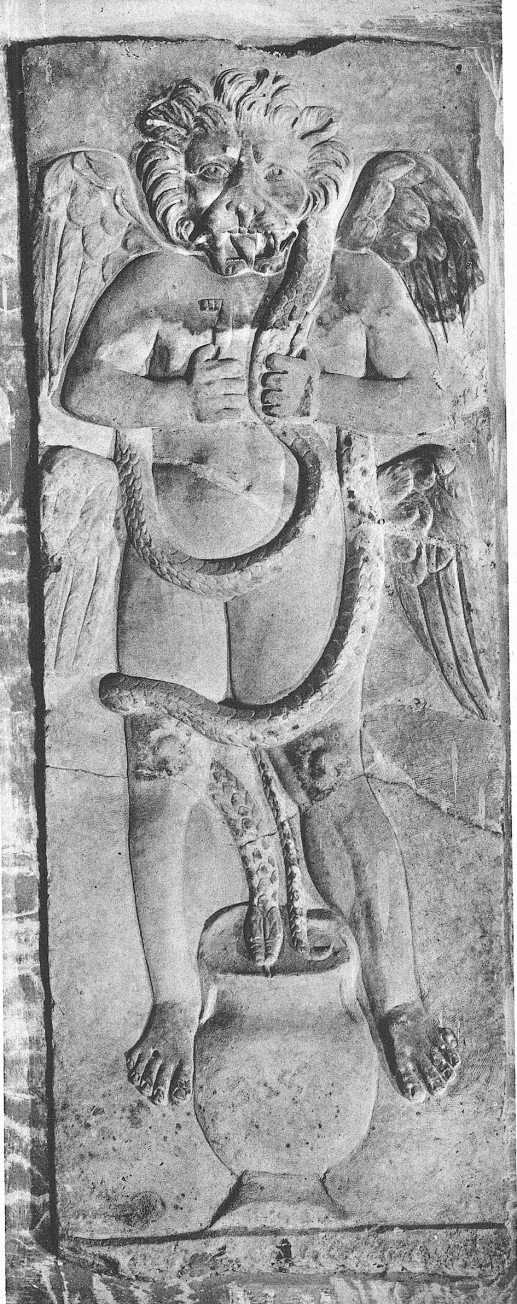
This white marble relief depicting a lion-headed figure from Ostia is now exposed at the Musei Vaticani.
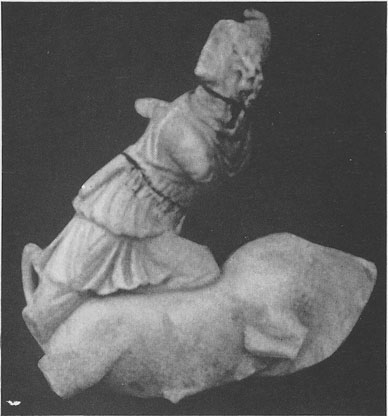
Fragment of a white marble statue of Mithras killing the bull from Rusicade, today Skikda, Algeria.
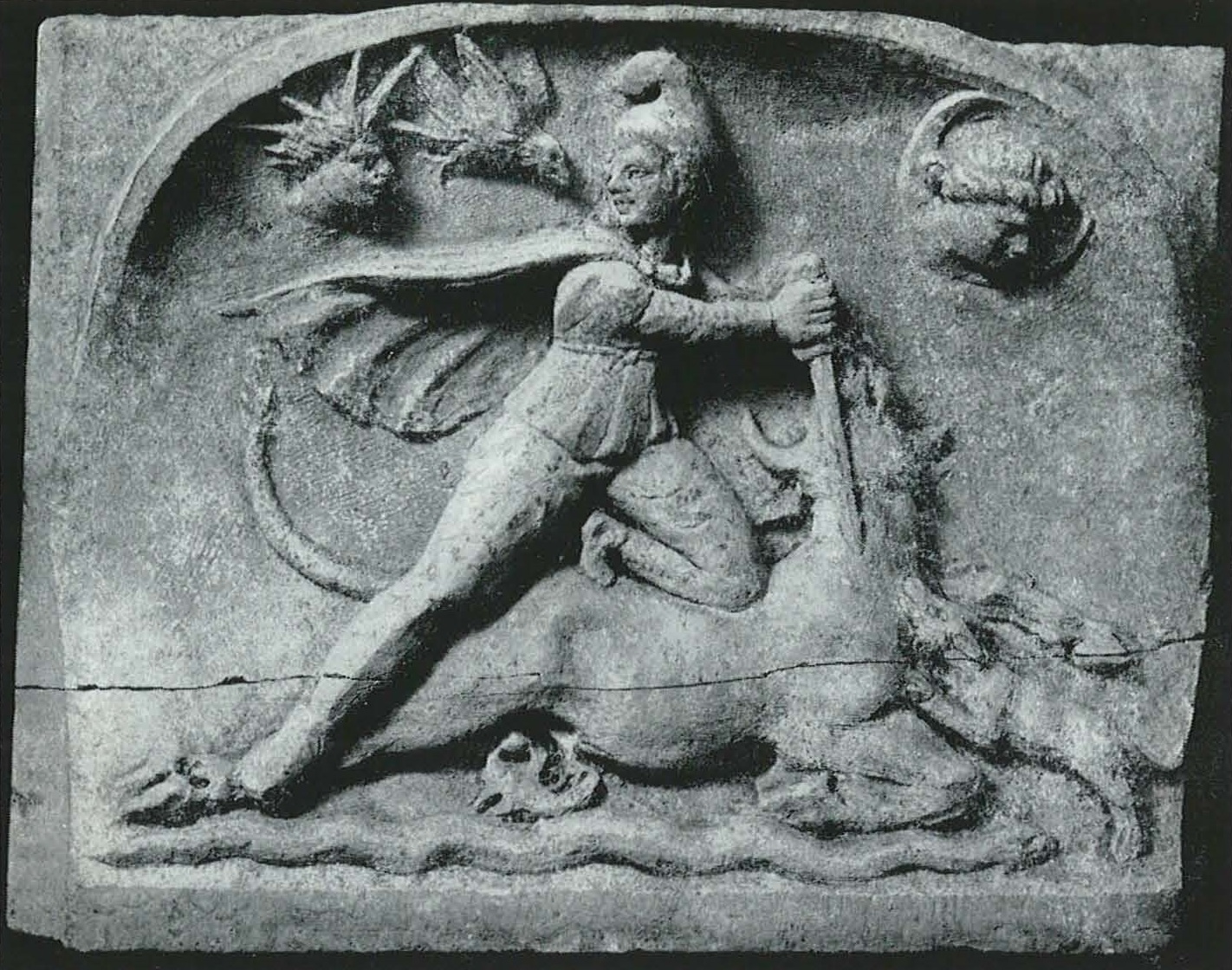
This simple relief of Mithras killing the bull without his companions Cautes and Cautopates was found in the so-called Mithraeum of the Esquilino, Rome.

White marble statue of Mithras killing the sacred bull preserved in the Museo Nacional Romano.
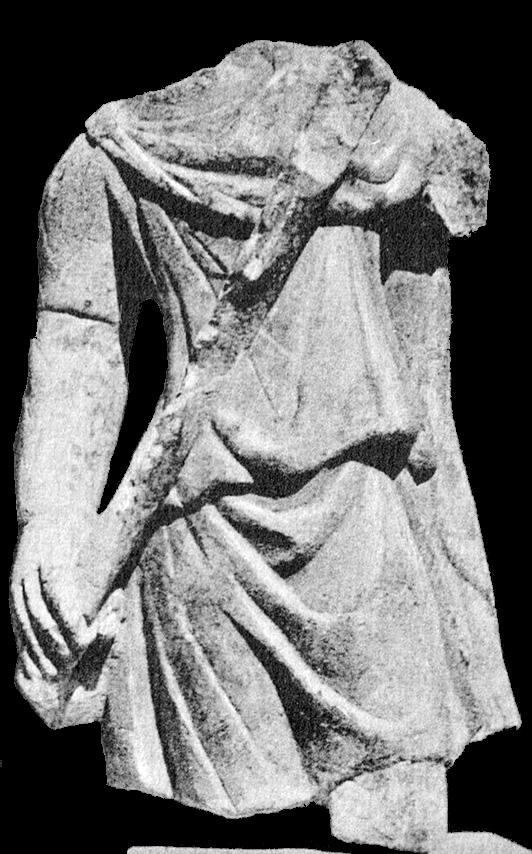
Marble statue of Cautes, found at Ostia. The head, one arm and the legs are missing. The figure wears a short tunic and raises the torch in the canonical upward gesture.
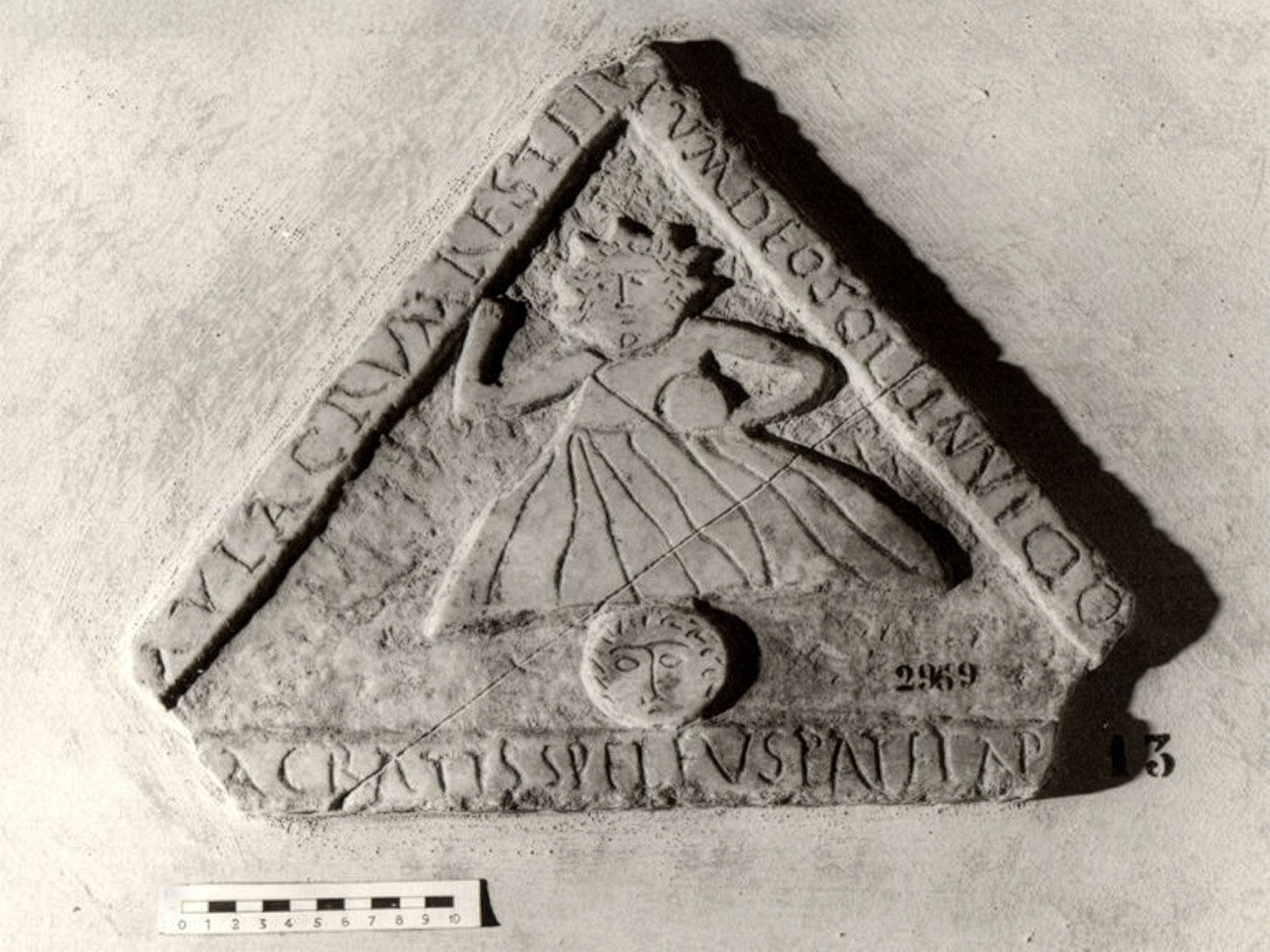
Small triangular slab bearing a Latin inscription referring to Sol Invictus and to a sacred cave, probably dating to the 4th century AD.

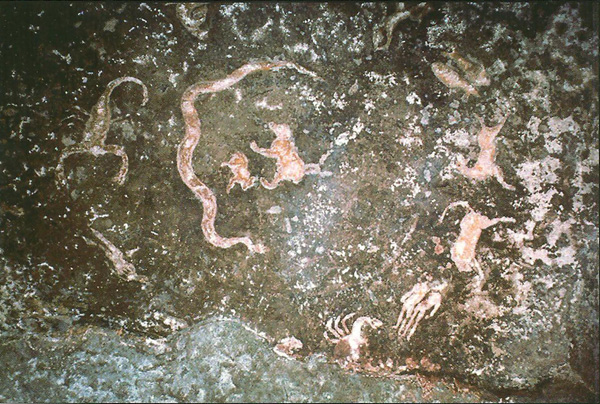
The importance of the Mithraeum of Marino lies in its frescoes, the most significant of which is that of Mithras slaying the bull, surrounded by mythological scenes.
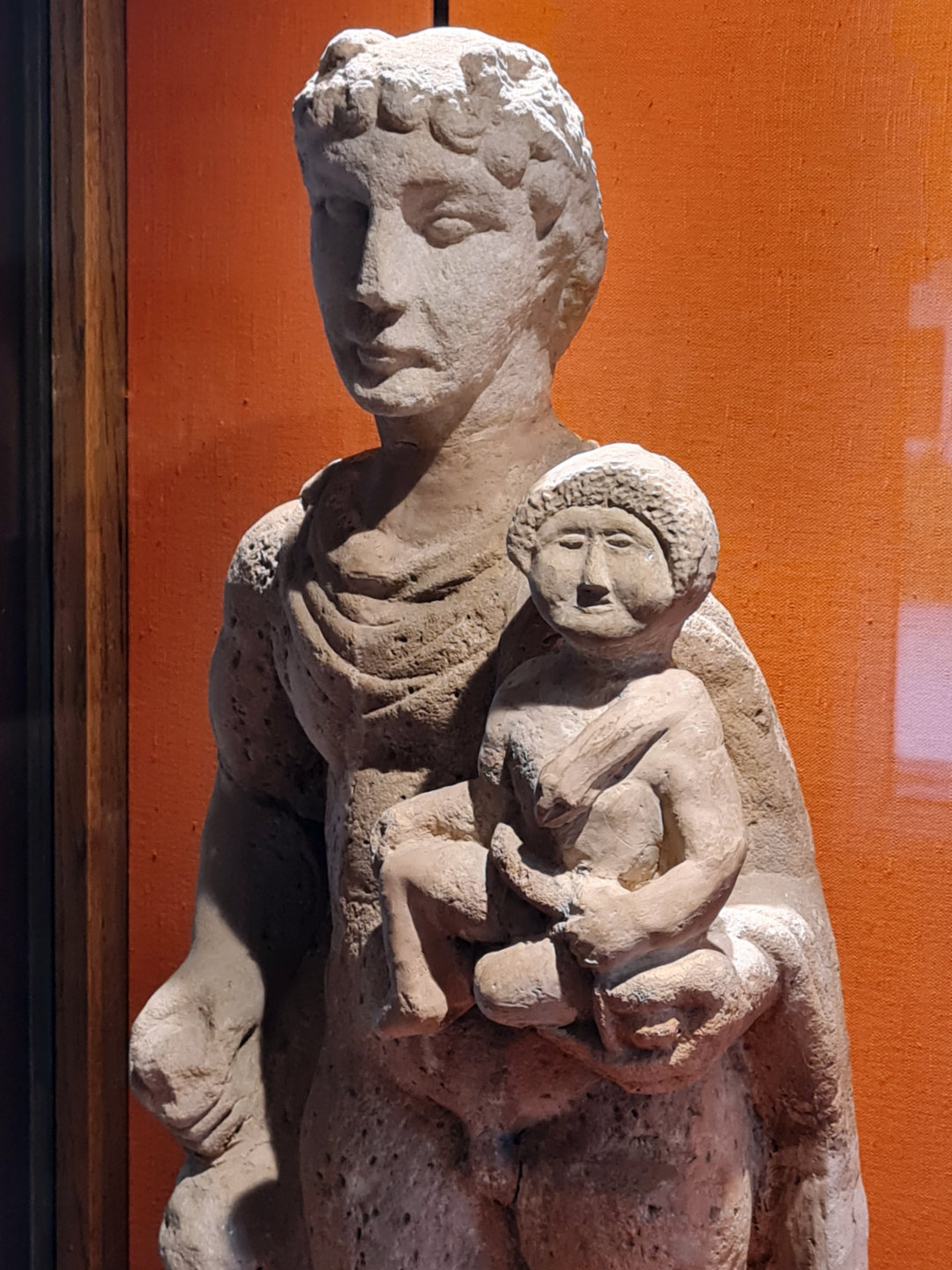
The Stockstadt Mercury carries a purse and a small child around which a snake is coiled.
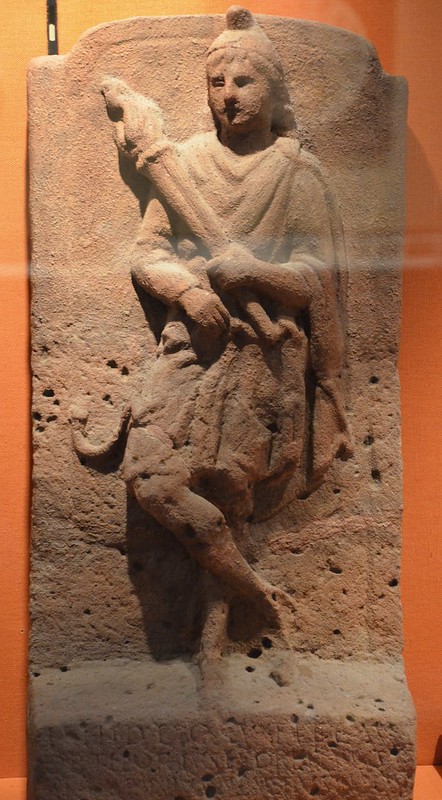
Reliefs of Cautes and Cautopates dedicated by Florius Florentius of Saalburg and Ancarinius Severus.
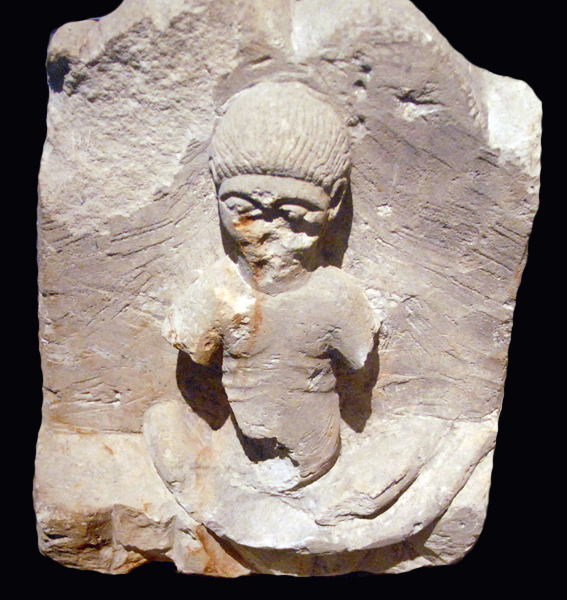
A serpent emerging from a umbilicus at the side of the stele coils over Mithras naked body.

This remarkable marble relief from the end of the 3rd century was discovered in the most remote room of the Mithraeum in the Circo Massimo.
.jpeg)
Except for the serpent, the sculpture of the taurcotony found on the Esquiline Hill lacks the usual animals that accompany Mithras in sacrifice.

Around the relief with Mithras as a bullkiller, a number of scenes from the Mithras Iegend have been painted in the Mithraeum of Dura Europos.
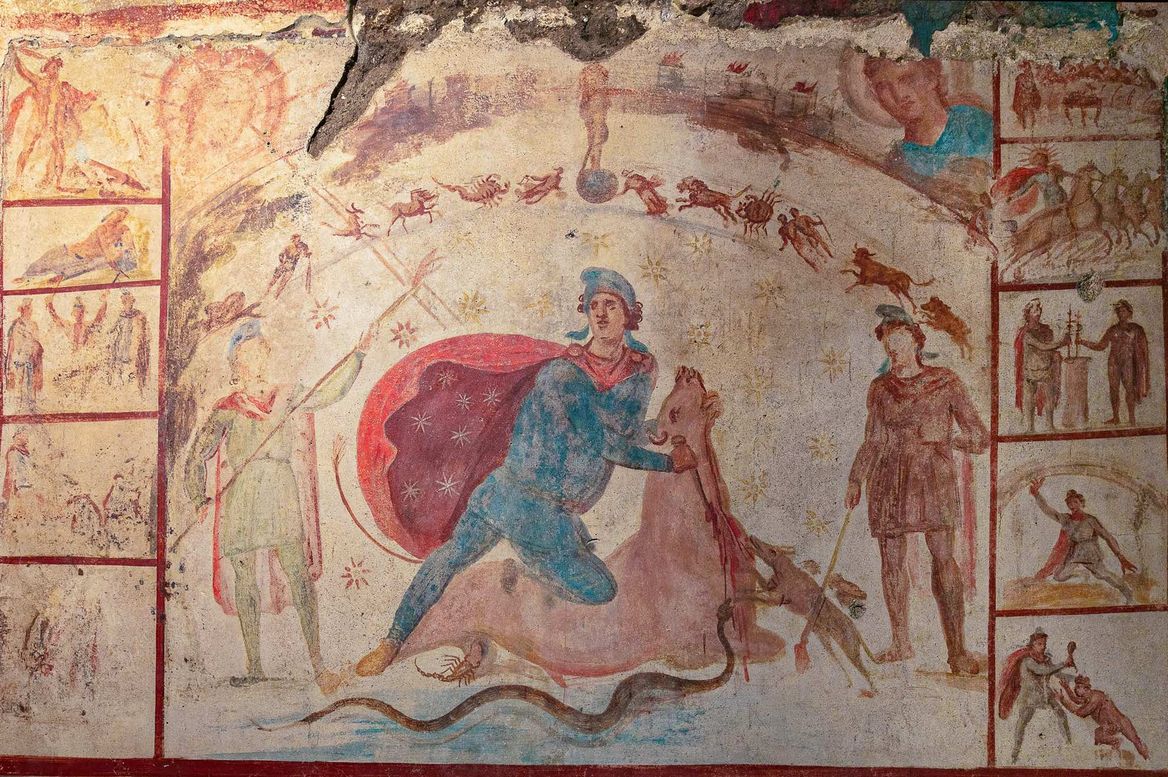
The votive fresco from the Mithraeum Barberini displays several scenes from Mithras’s myth.

Continuation of the frescoes depicting an initiation into the Mithras cult, where two attendants present a repast to Mithras and Sol.
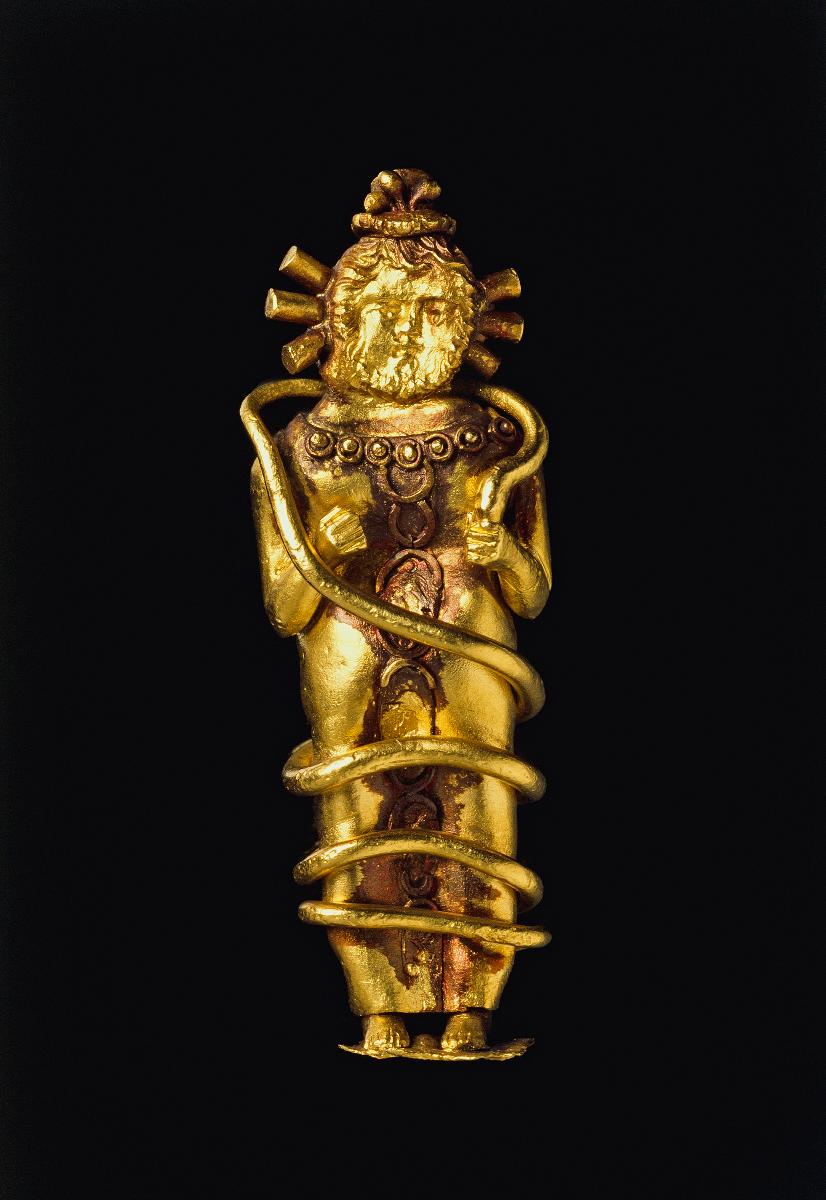
This small golden figurine seems to represent the Mithraic god Aion, as usual surrounded by a serpent.
