Your search San Giovanni al Timavo gave 3161 results.

Over the last century or so, a great deal has been said about the god Mithras and his mysteries, which became known to the European world mainly through his Roman cultus during the Imperial Period.

This is the first known inscription that includes Phanes alongside Mithras found in a Mithraic context.

One of the first comprehensive historical reassessments of Mithraism in Roman Hispania, combining a revised catalogue of the archaeological and epigraphic evidence with analysis of its chronology, geographical distribution, and social composition.
One of the three known inscriptions of Dioscorus, servant of Marci, found in Alba Iulia, Romania.
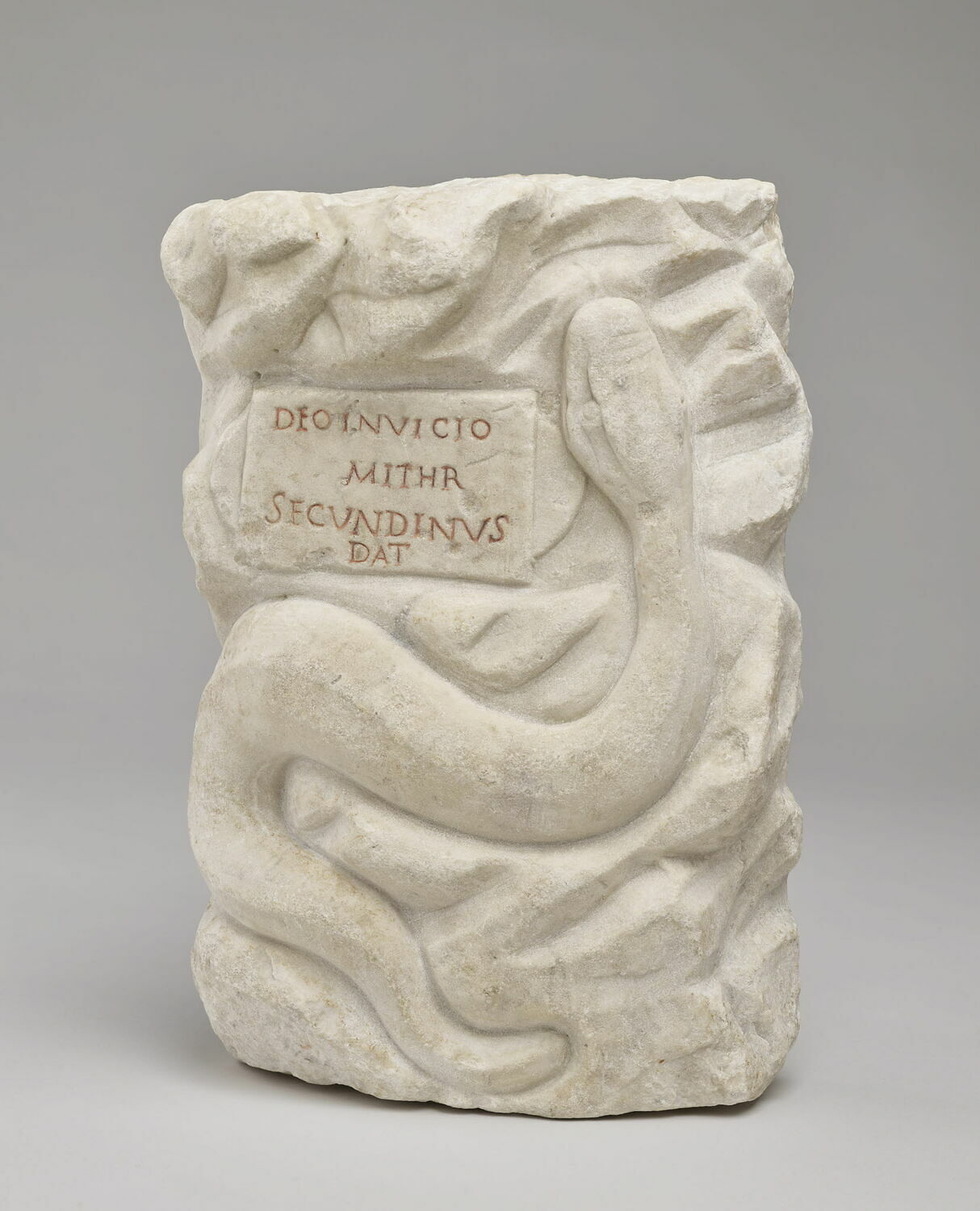
There is no consensus on the authenticity of this monument erected by a certain Secundinus in Lugdunum, Gallia.
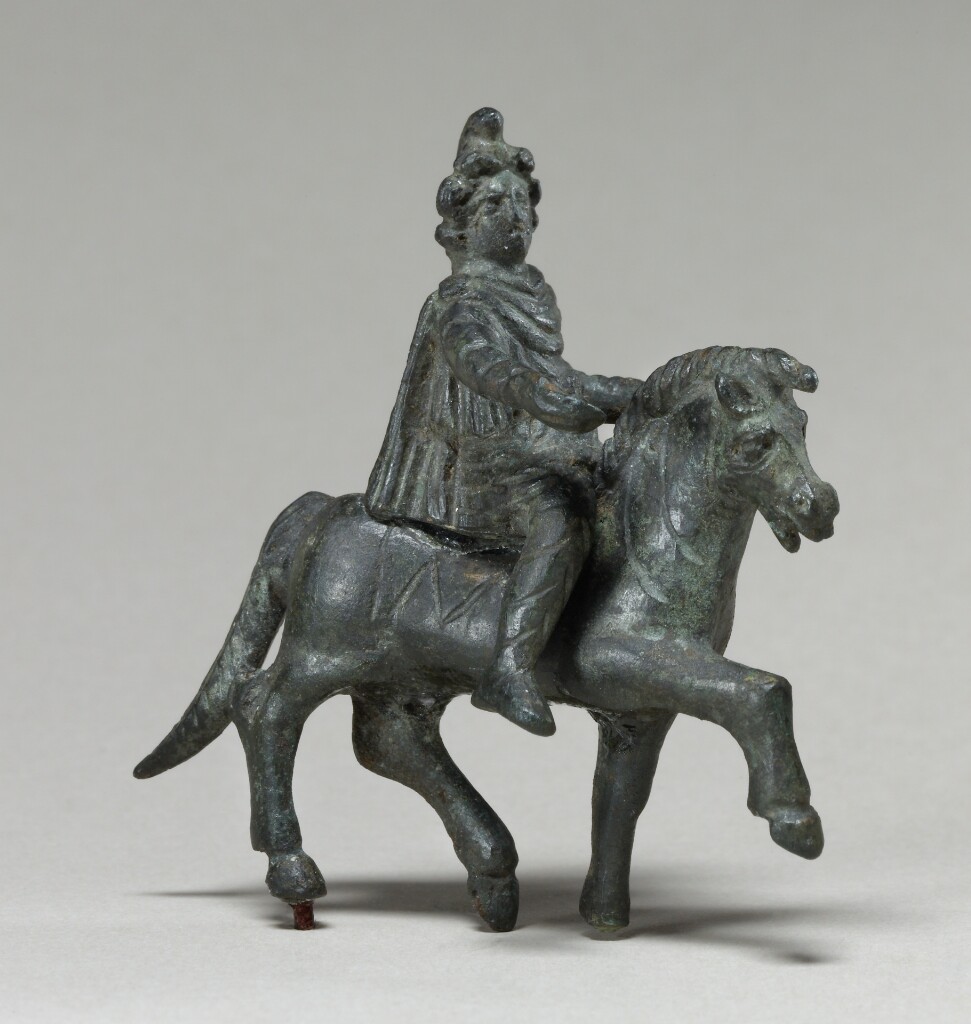
This small bronze statuette of Mithras riding a horse is composed of two pieces.

This marble sculpture from Sicily, known as the Randazzo Vecchio or Rannazzu Vecchiu, contains some essential elements of the Mithraic Aion, the lion-headed god.

In the picture I am sitting on the wall next to the one where the sculpture of Mithras was found in Cabra, Spain.

Excerpted from Mushroom, Myth and Mithras, this passage elaborates on the Mithraic ritual and the degree of Nymphus.
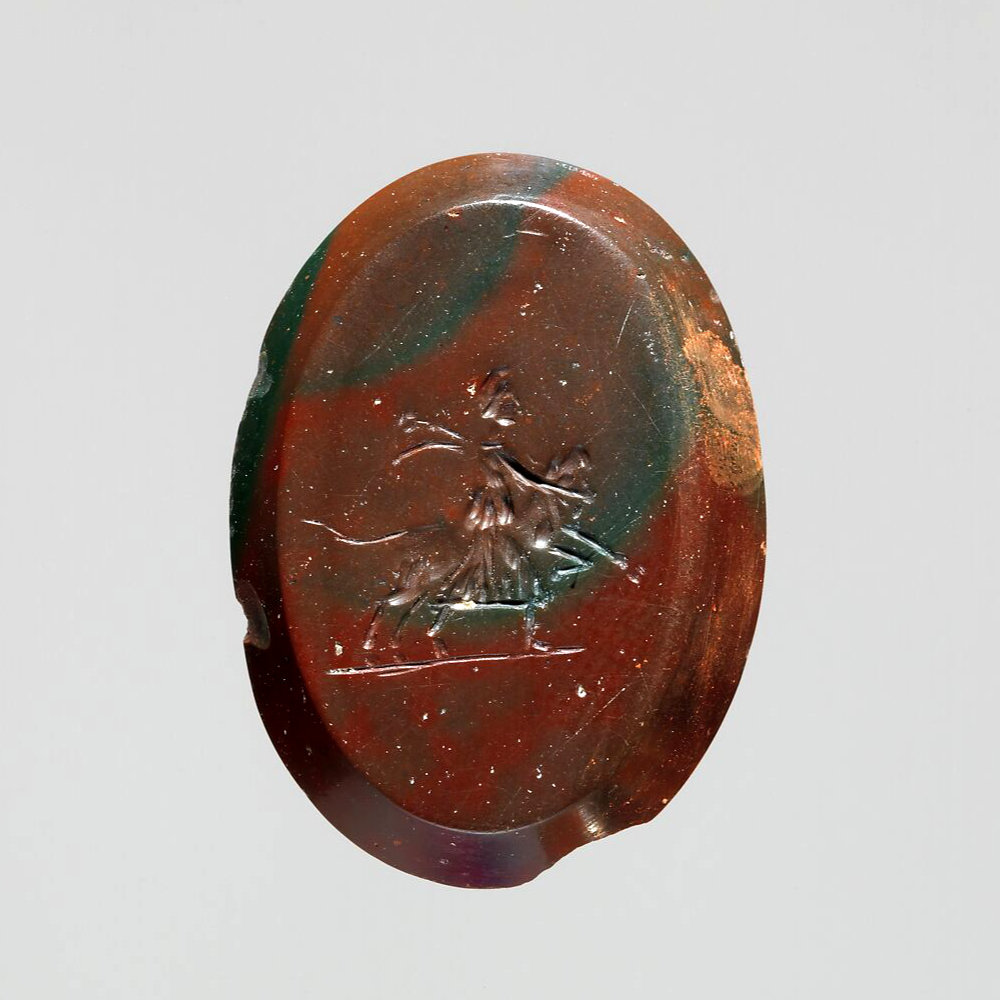
This small magical jasper gem shows Sol in a quadrigra on the recto and Mithras as a bull slayer on the verso.

The Mithraea in the territory of Arupium were first mentioned by Š. Ljubić in 1882.
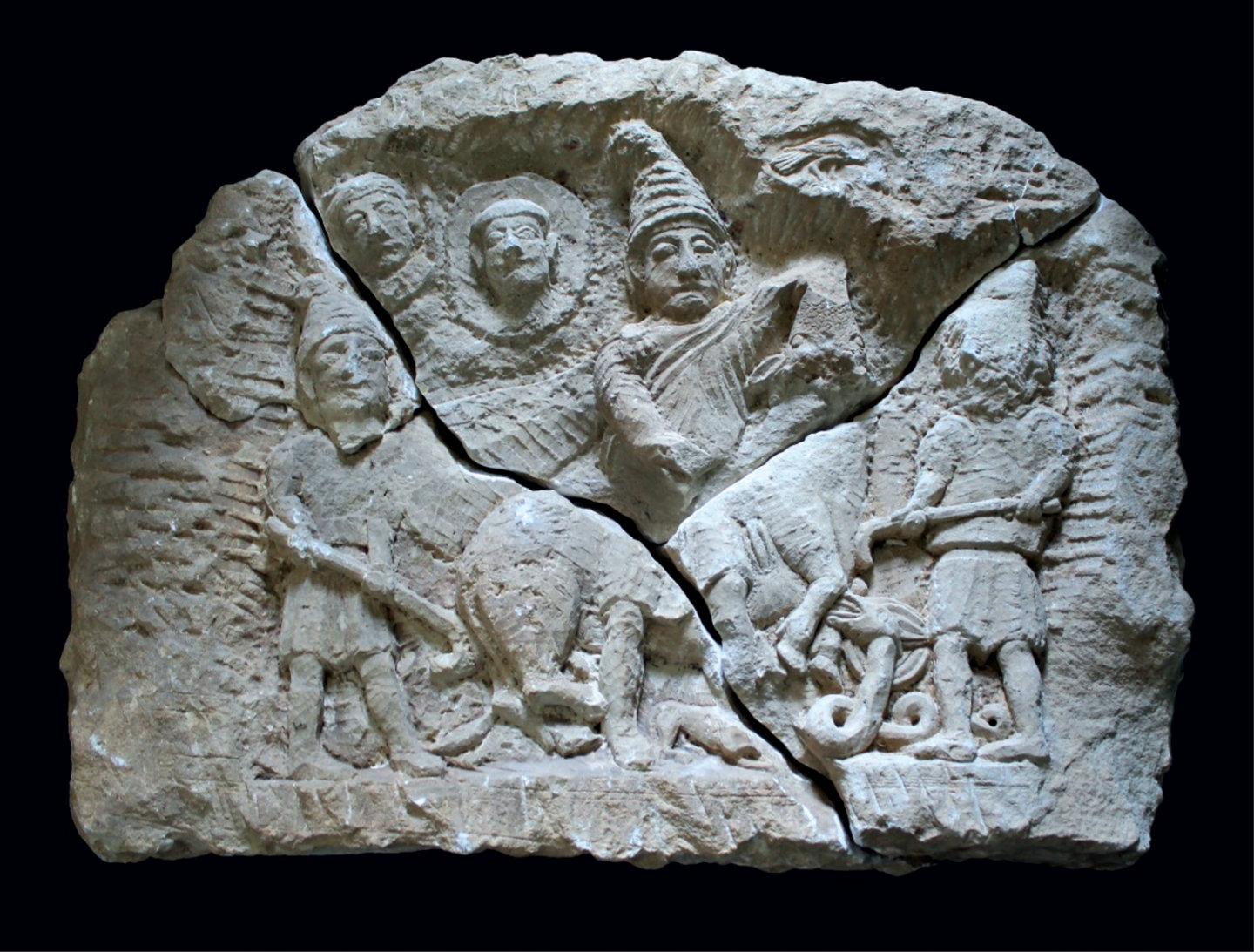
The relief of Mithras killing the bull, found near Zvornik in Bosnia and Herzegovina, features some variations on the usual scene.
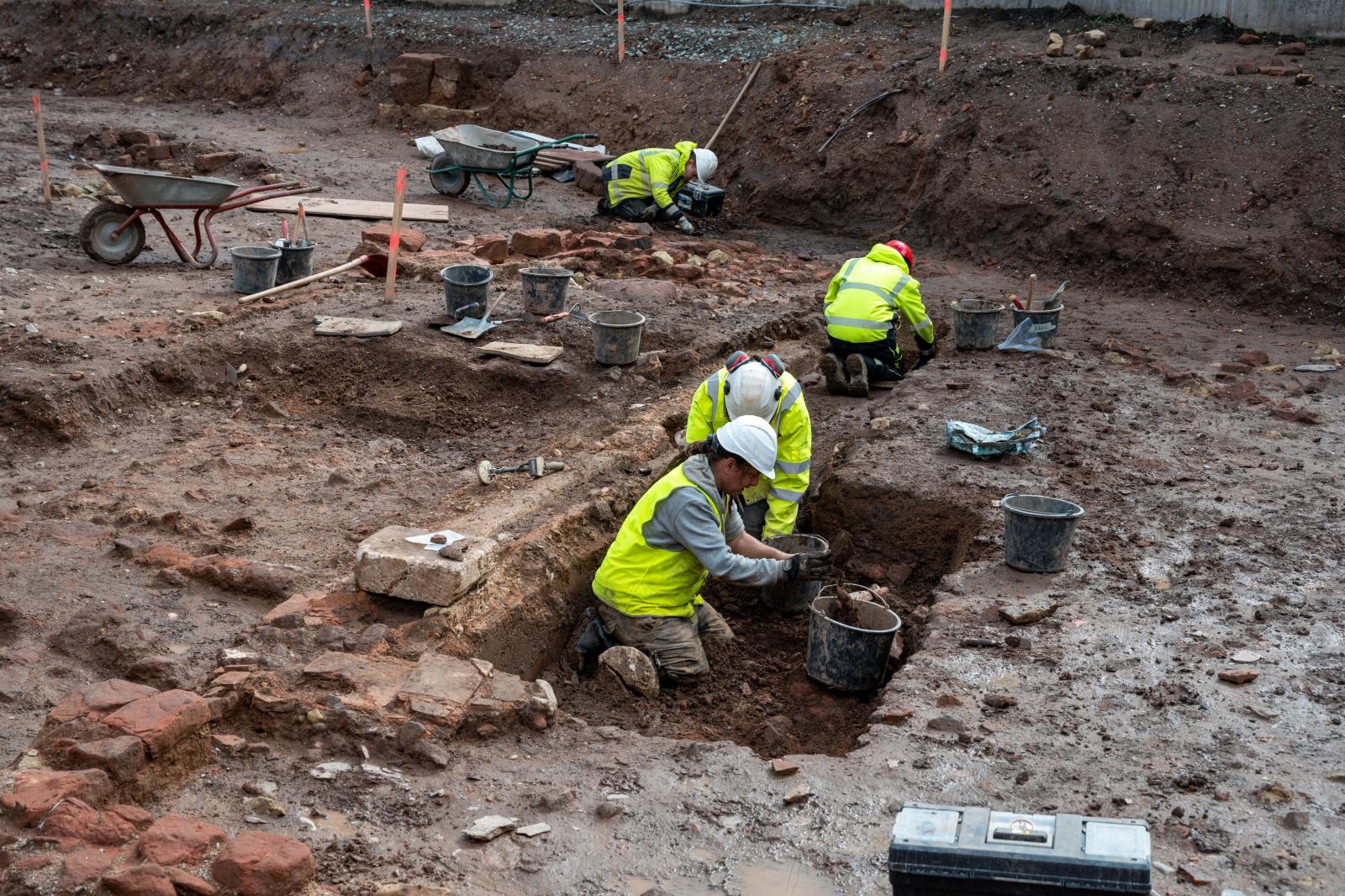
The Trier Mithräum was discovered during work on the city’s new fire station. The findings included a Cautes limestone relief.

This sandsotne head with a Phrygian, found in Fürth in 1730, probably belonged to a torach-bearer.
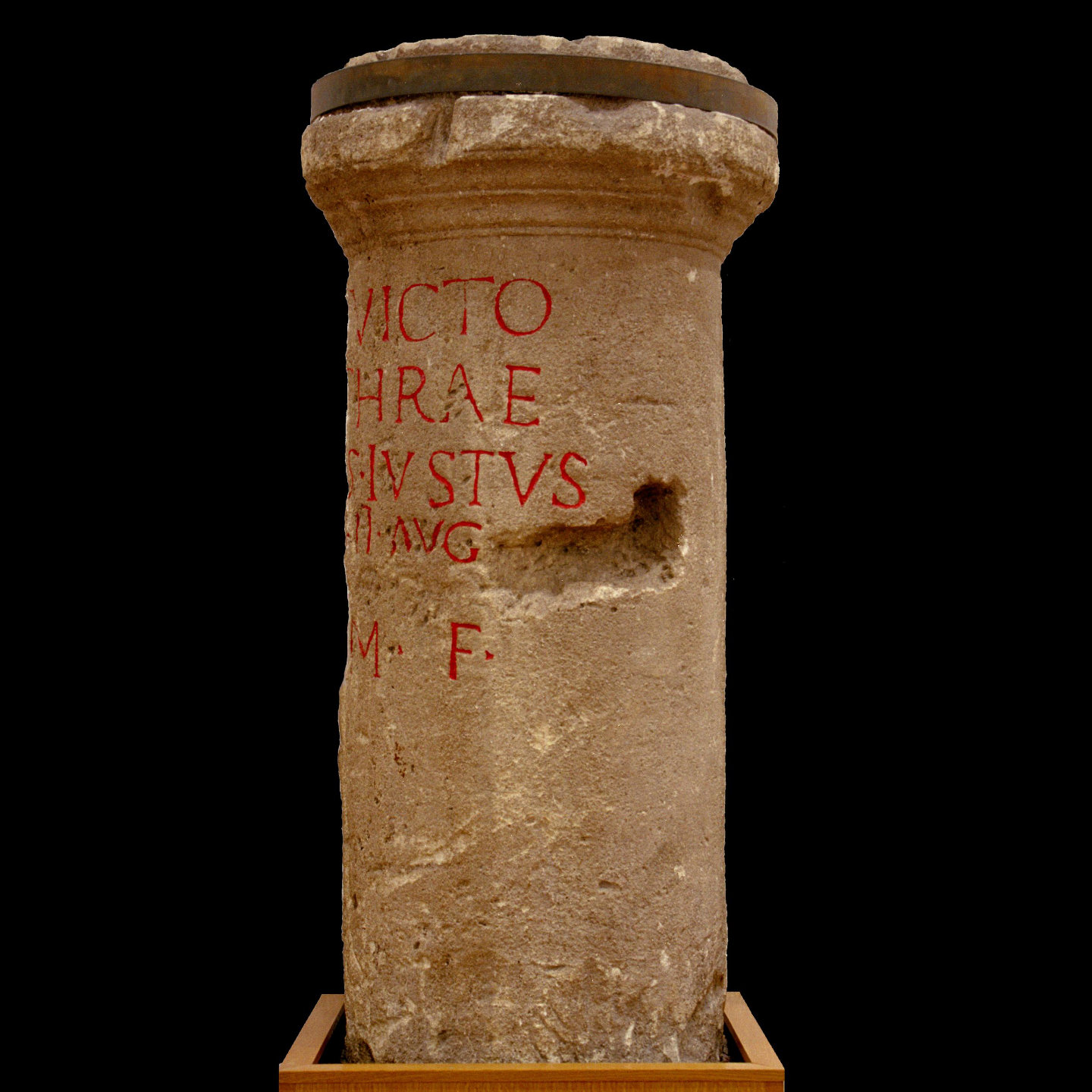
This oolite base, dedicated to the invincible Mithras, was found in the baths of the Villa de Caerleon, Walles.
This elliptical terracotta fragment from Ostia depicts Mithras as a bullkiller.
A statue and a relief of Cautes have been found in an ancient Gallo-Roman site in the commune of Dyo.
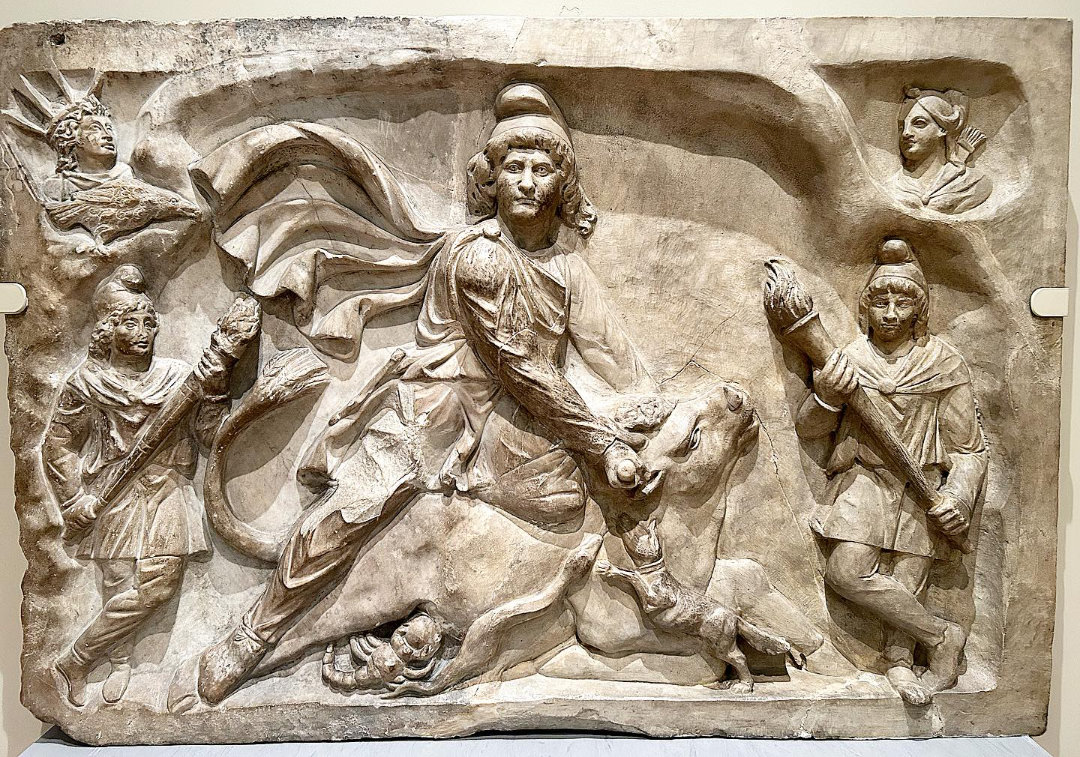
This relief of Mithras killing the bull is on display at the Royal Ontario Museum.
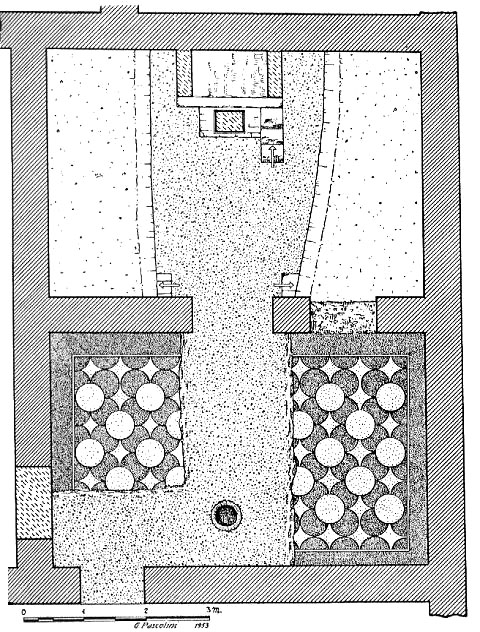
The Mithraeum of the House of Diana was installed in two Antonine halls, northeast corner of the House of Diana, in the late 2nd or early 3rd century.
