Your search Sankt Johann im Pongau gave 1046 results.
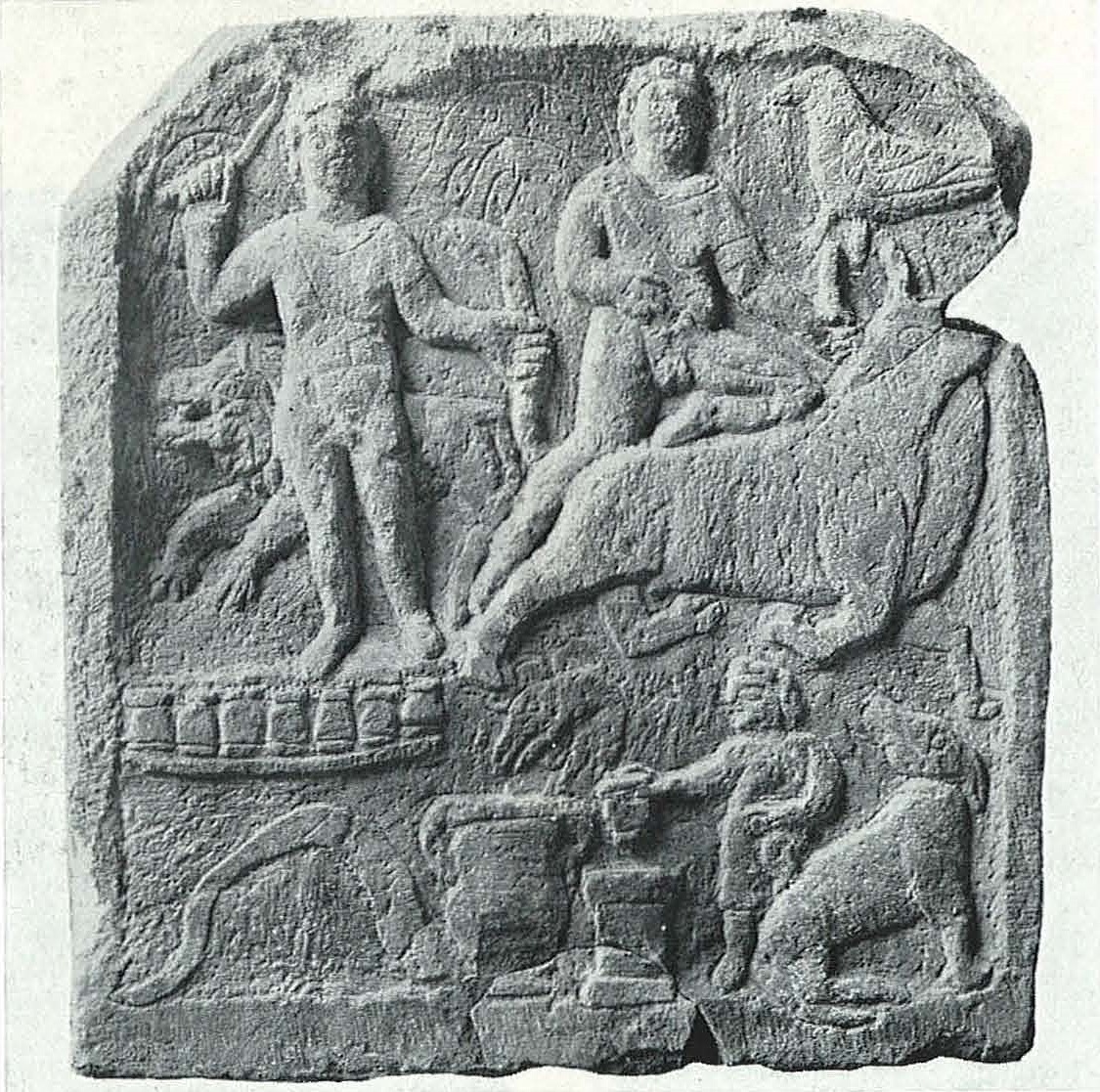
The Tauroctony from Landenburg, Germany, shows a naked Mithras only accompanied by his fellow Cautes.
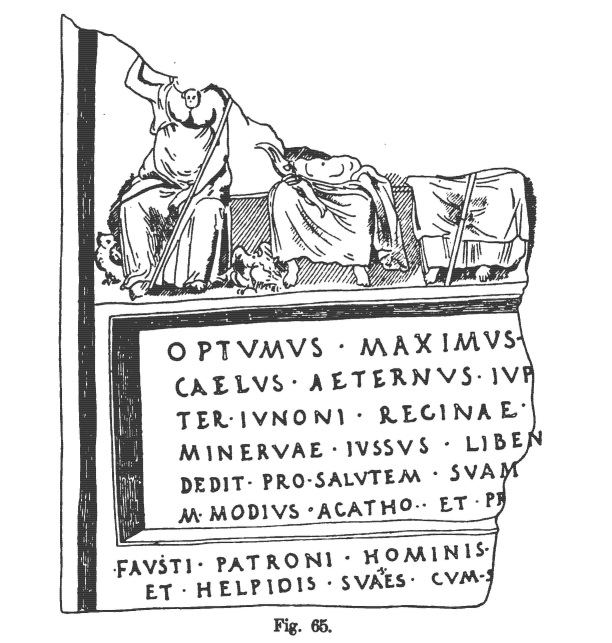
This marble relief bears an inscription by Marcus Modius Agatho, who dedicated several monuments to Mithras on the Caelian Hill in Rome.
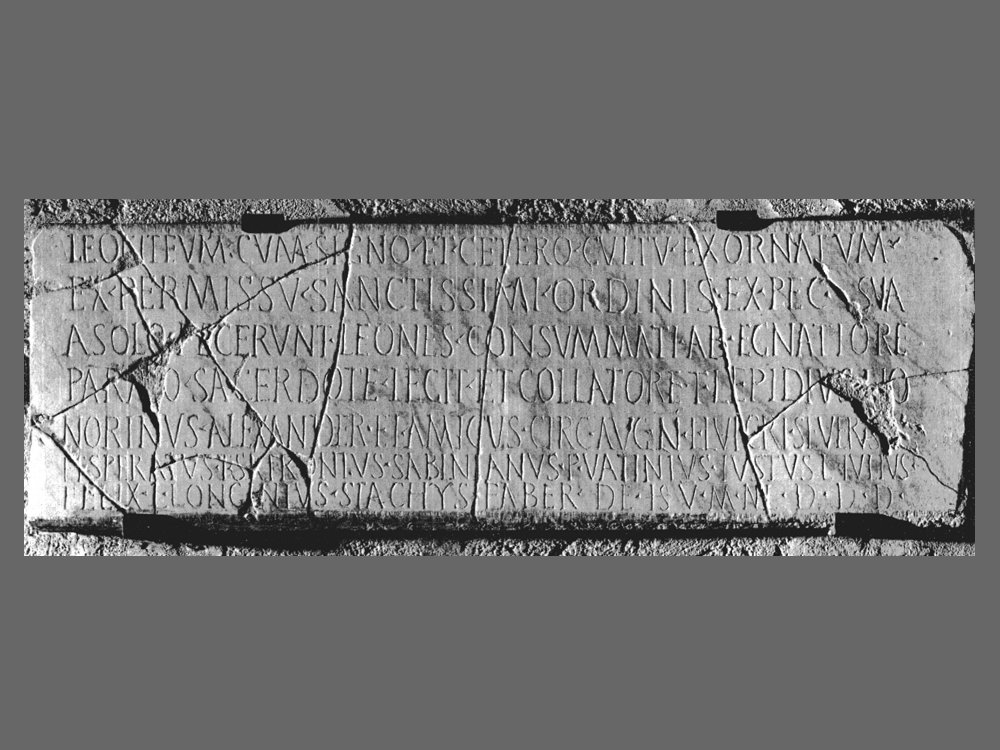
This plaque from Carsulae, in Umbria, refers to the creation of a leonteum erected by the lions at their own expense.
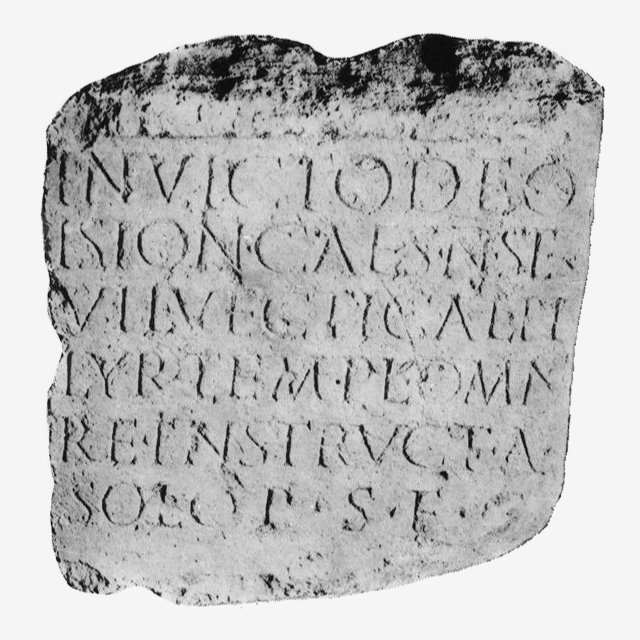
In this monument, the imperial slave Ision claims the completion of a new temple to Mithras in Moesia.
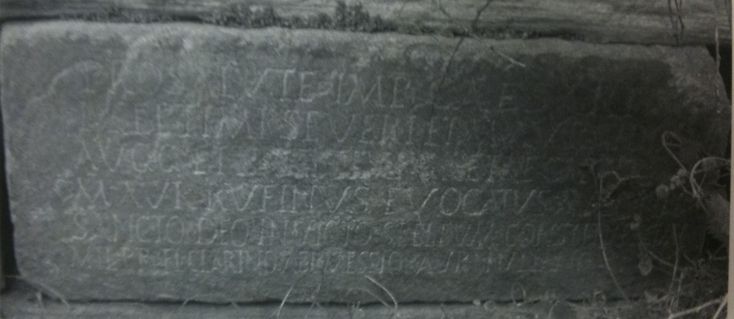
This inscription reveals the existence of a Mithraeum on the island of Andros, Greece, which has not yet been found.
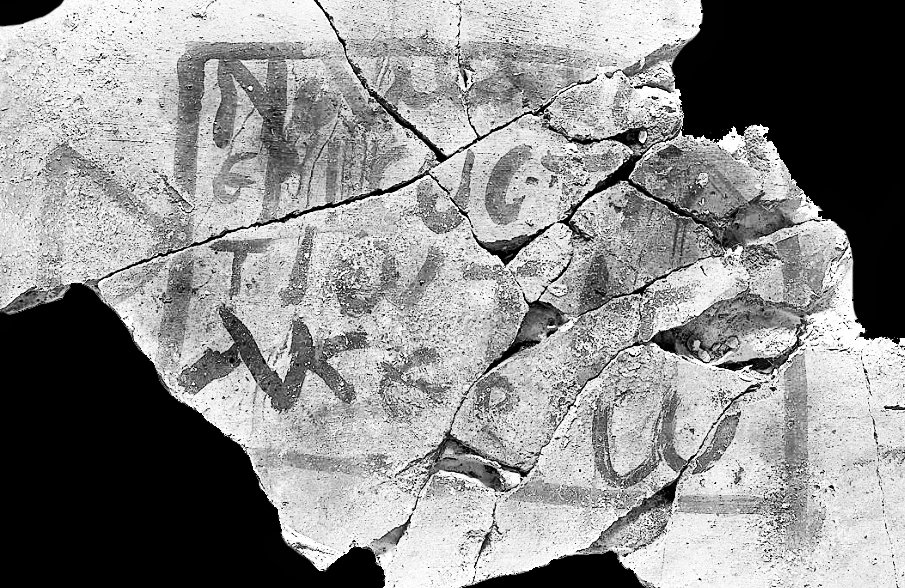
The text mentions a certain Kamerios, described as immaculate miles.

Two marble statues of Cautes and Cautopates discovered in the Mithraeum of Rusicade, accompanied by symbolic animals including a lion, scorpion, dolphin and bird.

This plaque, located on the western staircase of the Palace of Darius, mentions the god Mithra together with Ahura Mazda as protectors of King Artaxerxes III Ochus.
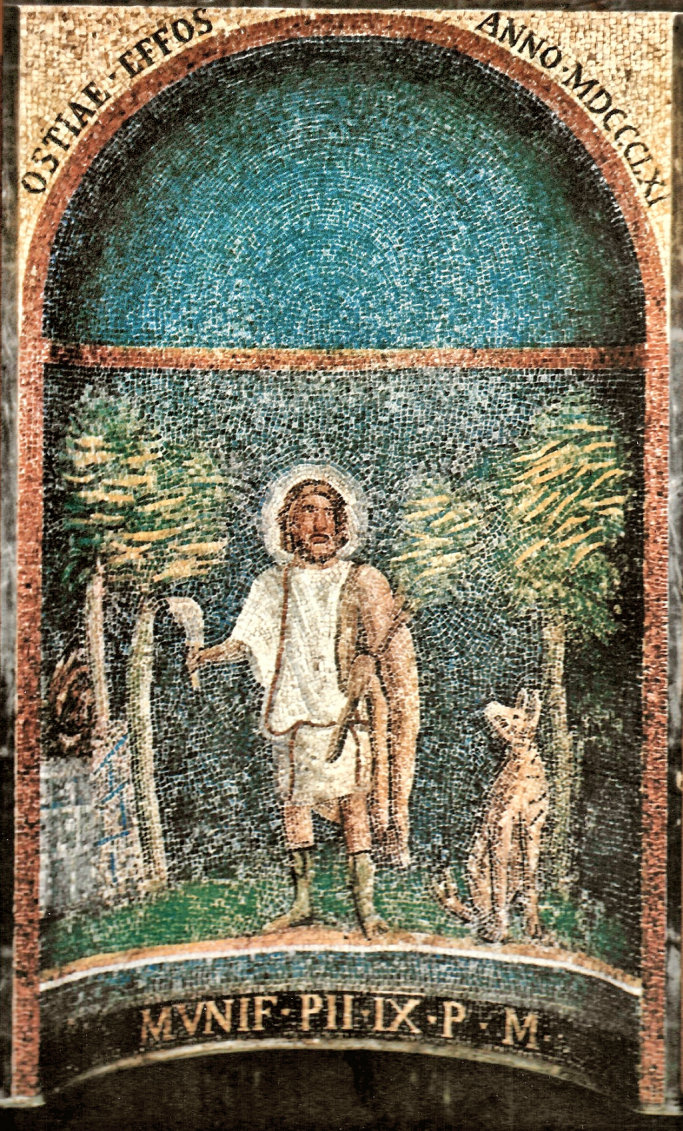
This unusual mosaic representation of the god Silvanus was found in the Mithreaum of the so-called Imperial Palace in Ostia.
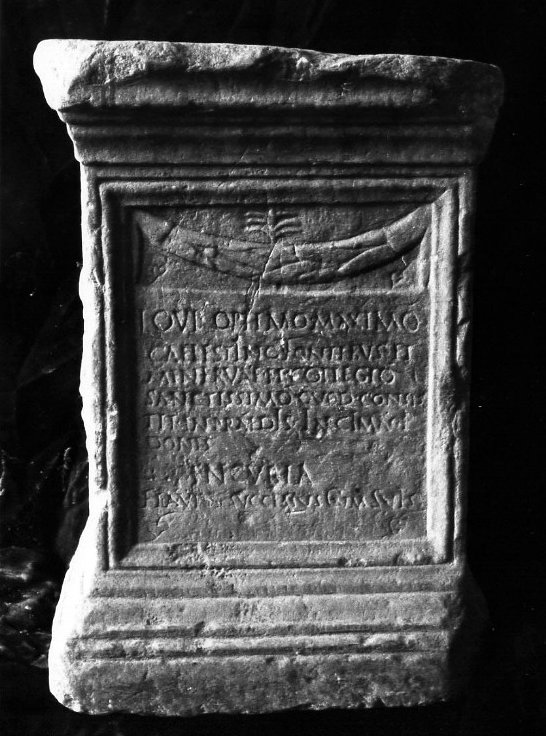
According to the inscription on it, this altar probably supported a statue of Jupiter.

This marble altar was found ’in the street called di Branco’, behind the palace of the Cardinal of Bologna, in Rome.

This altar, found in Tazoult تازولت, Algeria, was dedicated to the god Sol Mithras by a certain Florus.

This altar is dedicated to the god Sol Invictus Mithras by a certain Florus, a veteran of the Legio III Augusta.
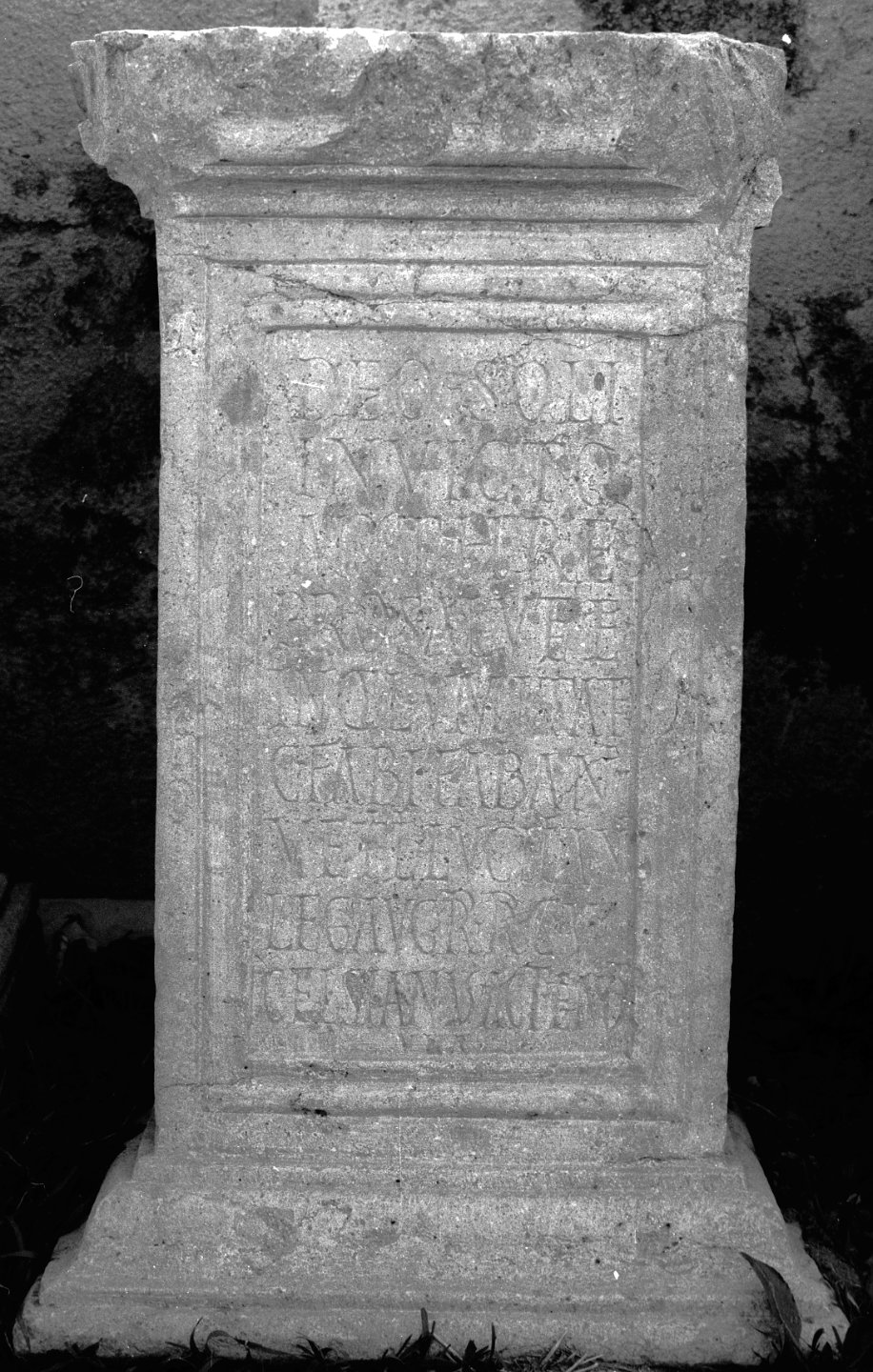
This altar found in Lambèse, now Tazoult, Algeria, bears the inscription of a certain Celsianus for the health of two men to the god Sol Unconquered Mithras.
Fragments of this limestone statue include the head and torso of Mercury, holding the caduceus in his left hand.

Beheaded Cautopates in limestone found on the podium of the Jajce Mithraeum, Bosnia and Herzegovina.
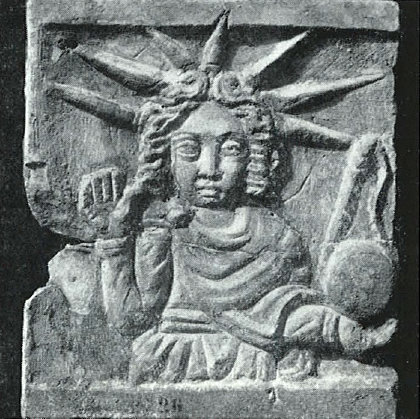
The relief of Sol was found during the construction of Piazza Dante in Rome in 1874.
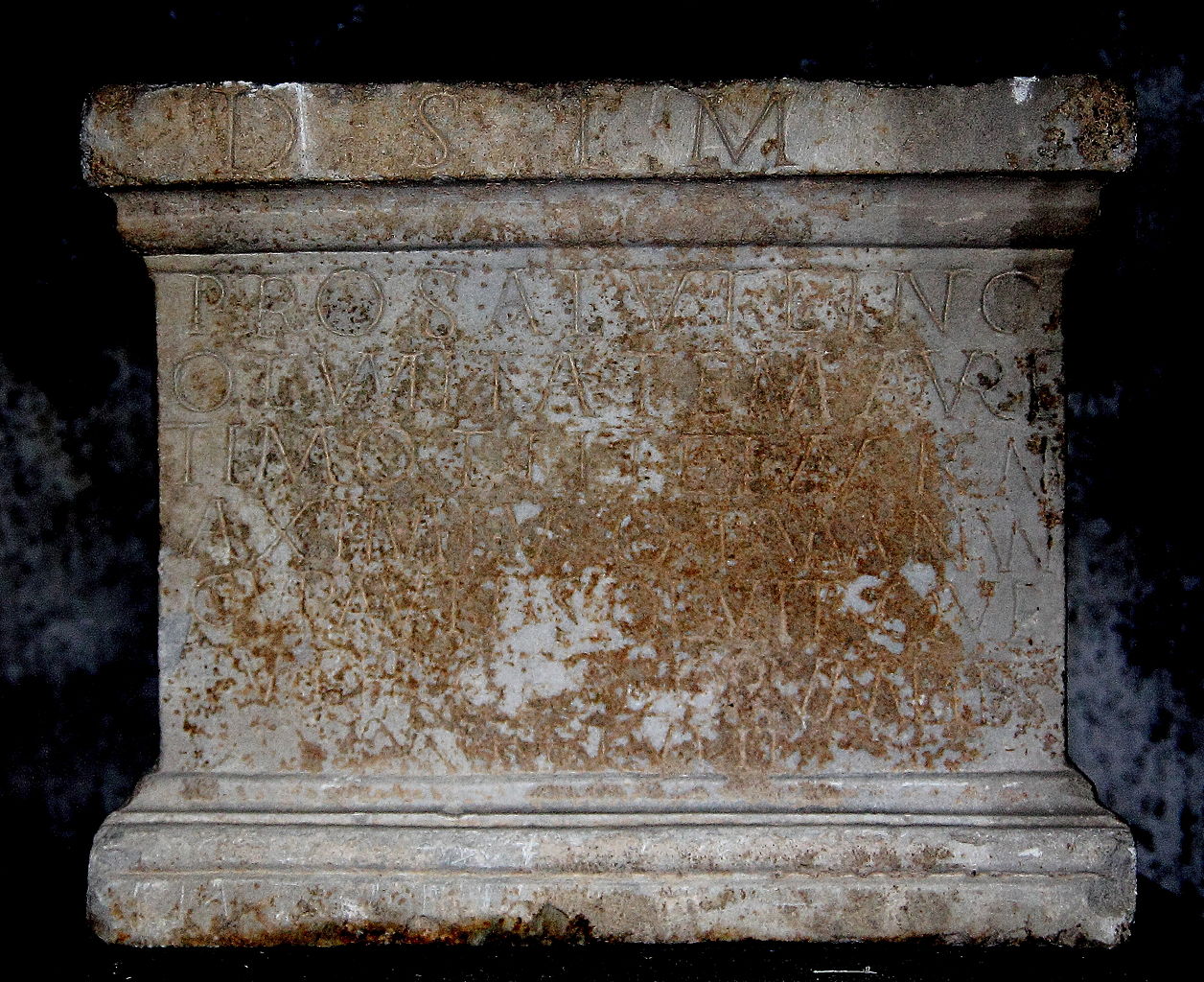
Mithraic stele, from Alba Iulia, Romania, with inscription.
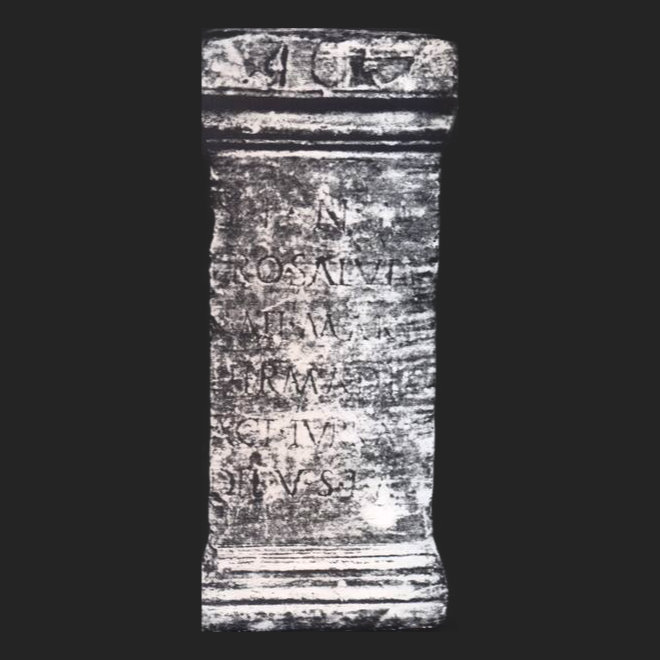
This altar was erected by Hermadio, who also signed other monuments in Dacia and even in Rome.

White marble relief, found near Aix "a la Torse dans un enclos ayant appartenu à la famille de Colonia".
