Your search Santa Barbara gave 78 results.

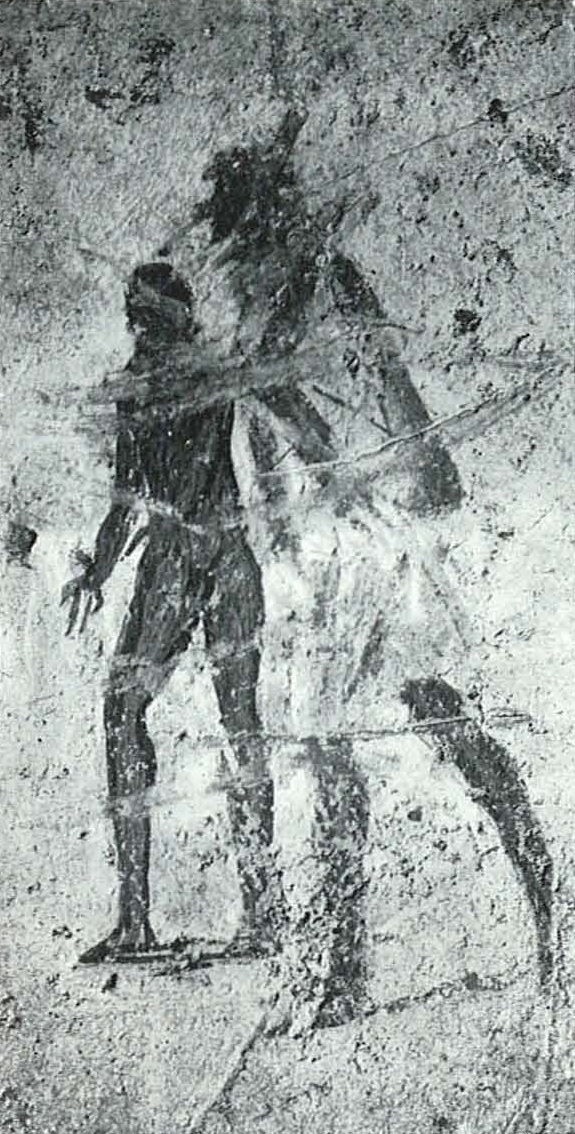
This is the first of several fresco scenes depicting the initiation of a new member in a mithraic community, in Capua Vetere.

Fresco depicting an initiation scene from the Mithraeum of Capua Vetere.

A tauroctony statue once in the Collection Santa Croce near the Piazza Giudea in Rome, showing Mithras as bullkiller with a broad belt around the bull's body, the arms of the god and the bull's horns broken off.
Marble relief with the dressed busts of Sol with five rays, a long-bearded man, and Luna with crescent, found in the camp of the equites singulares near the Scala Santa, now in the Museo Nazionale delle Terme.
Two painted decorative phases from the Santa Prisca Mithraeum whose figures became clearer after later conservation work.
Barbara-stone pedestal from Mithraeum III at Ptuj, ancient Poetovio, with a hollow and three attachment holes in the top indicating that a votive object was originally fixed to it.
A probable Mithraic sanctuary near Santa Maria in Domnica on the Caelian Hill, known from a group of dispersed reliefs formerly owned by Ottaviano Zeno.
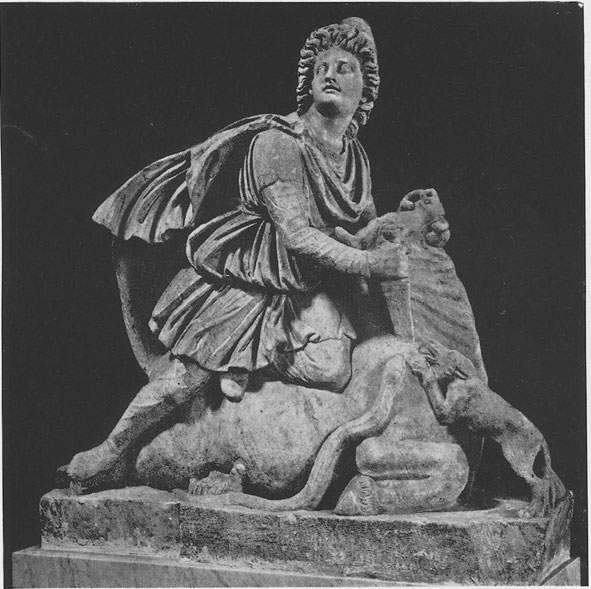
White marble statue found near the Scala Santa in Rome depicting Mithras as bull-slayer, accompanied by the dog, serpent and scorpion, with the bull’s tail ending in ears of grain.
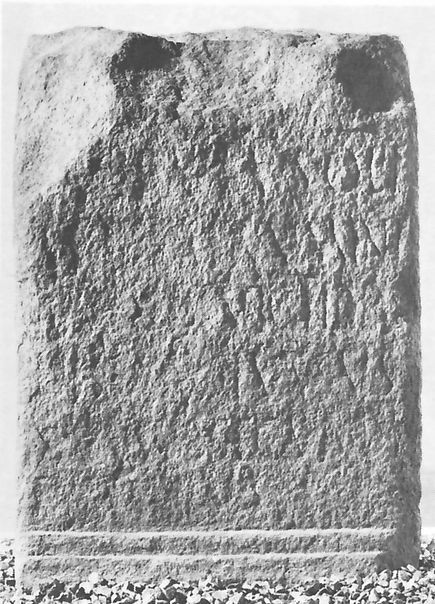
The v in this small altar found in Novaria has been interpreted by some commentators as qualifying Mithras as victorious.
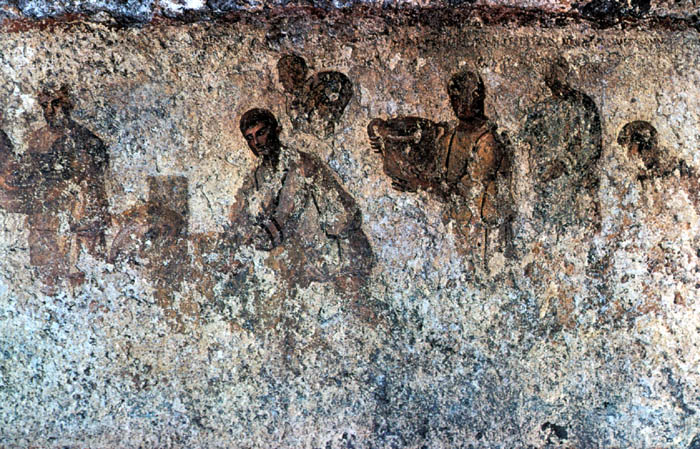
Procession of Leones carrying animals, bread, a krater, and other objects in preparation for a feast.

The Mithraeum under and behind S. Prisca on the Aventine is without doubt the most important sanctuary of the Persian god in Rome.
Minto has claimed that the time god Aion was painted on the corner of the north wall of the Mitreo de Santa Capua Vetere.
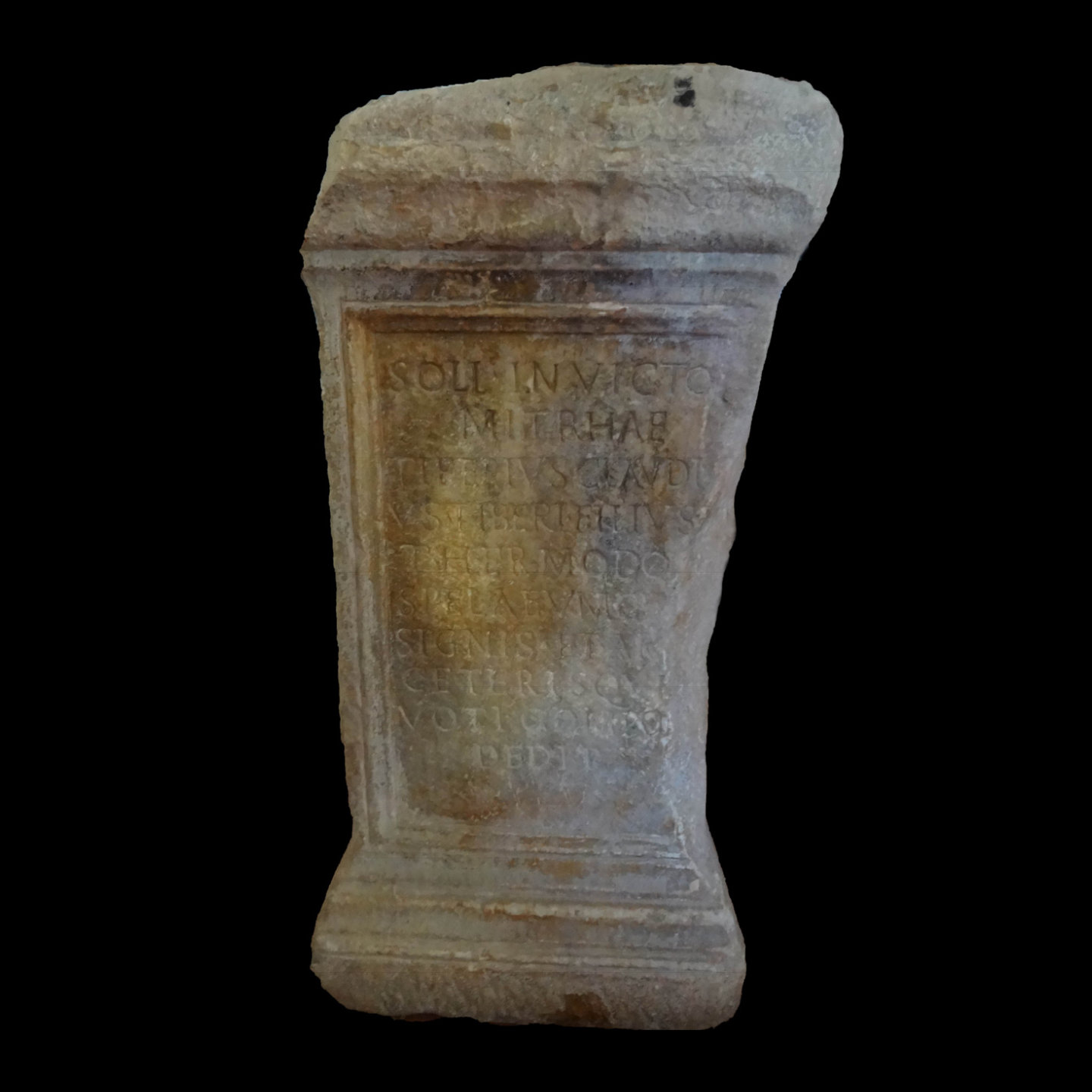
The donor of this Mithraic inscription from Bolsena, a certain Tiberius Claudius Thermoron, is known from two other monuments.
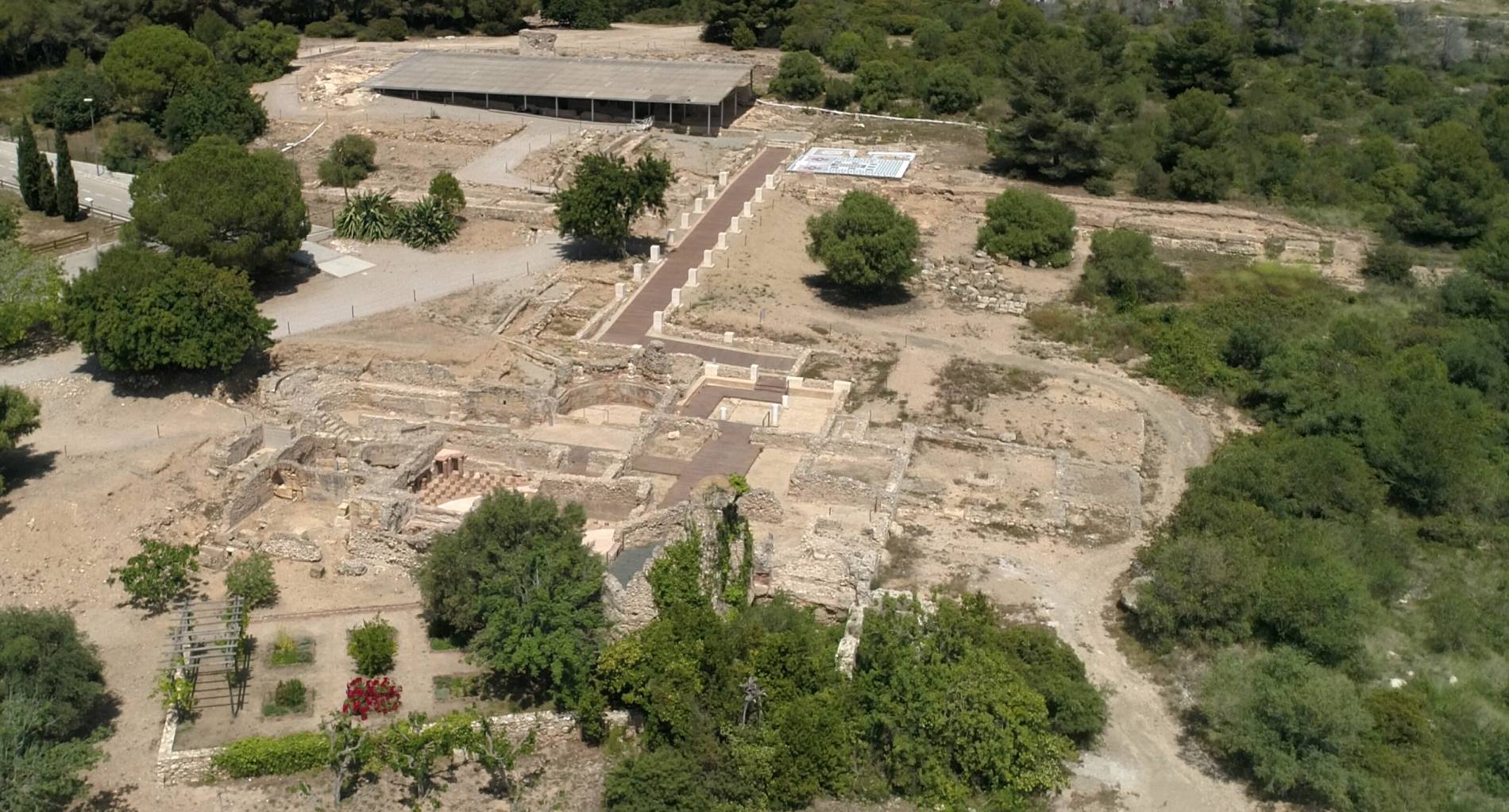
The Mithraeum of Els Munts, near Tarragona, is one of the largest known to date.
An inscription found in the old monastery of San Giulia in Brescia (ancient Brixia), in the arch supporting the crypt of Santa Maria in Solario, recording a dedication to Deus Sol by the res publica.

The last pagan emperor of Rome, closely associated with Mithras and Neoplatonic interpretations of the Sun God.
Preliminary readings of the painted Mithraic texts later revised after additional research and restoration.
Wall-painting of Mithras tauroktonos in fresco, discovered in 1886 in an underground room of the house of the Nummi Albani on the Quirinal (Via Firenze); the god wears a red cap and tunic, the torchbearers wear yellow or orange tunic and cap with green or brown anaxyrides…
