Your search Santa Maria Capua Vetere gave 76 results.


Two painted decorative phases from the Santa Prisca Mithraeum whose figures became clearer after later conservation work.

Mariana is a Roman site south of Biguglia, in the Haute-Corse département of the Corsica région of south-east France.
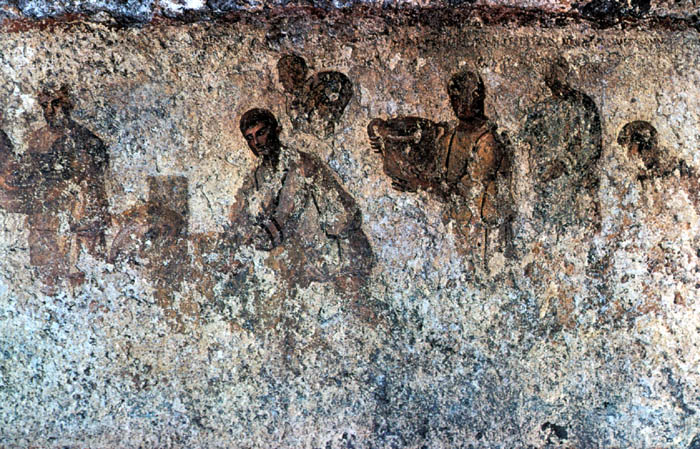
Procession of Leones carrying animals, bread, a krater, and other objects in preparation for a feast.
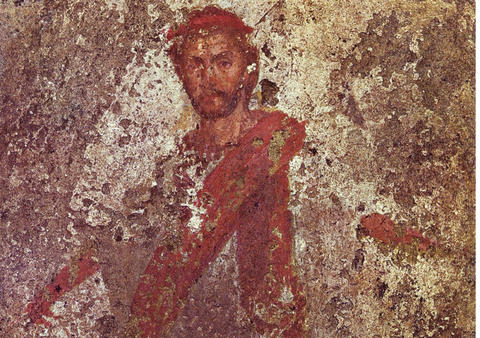
Figures in procession, each representing a different grade of Mithraic initiation, labeled with their respective titles.

The Mithraeum under and behind S. Prisca on the Aventine is without doubt the most important sanctuary of the Persian god in Rome.
The base of these sandstone reliefs bears an inscription referring to a certain Marcellius Marianus.
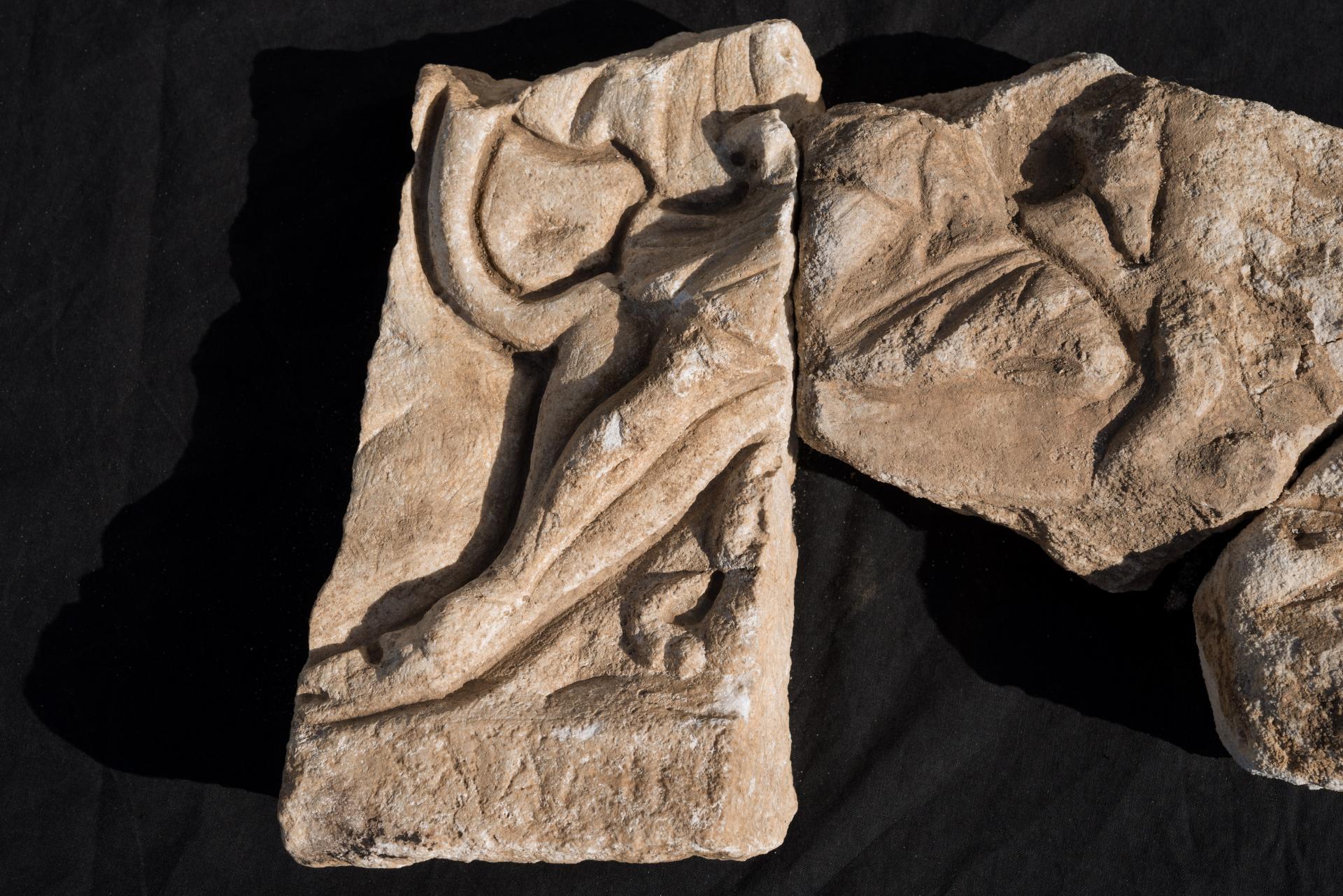
The archeologists have found three fragments of the Tauroctony of Lucciana, which includes Cautes and Cautopates.
Preliminary readings of the painted Mithraic texts later revised after additional research and restoration.

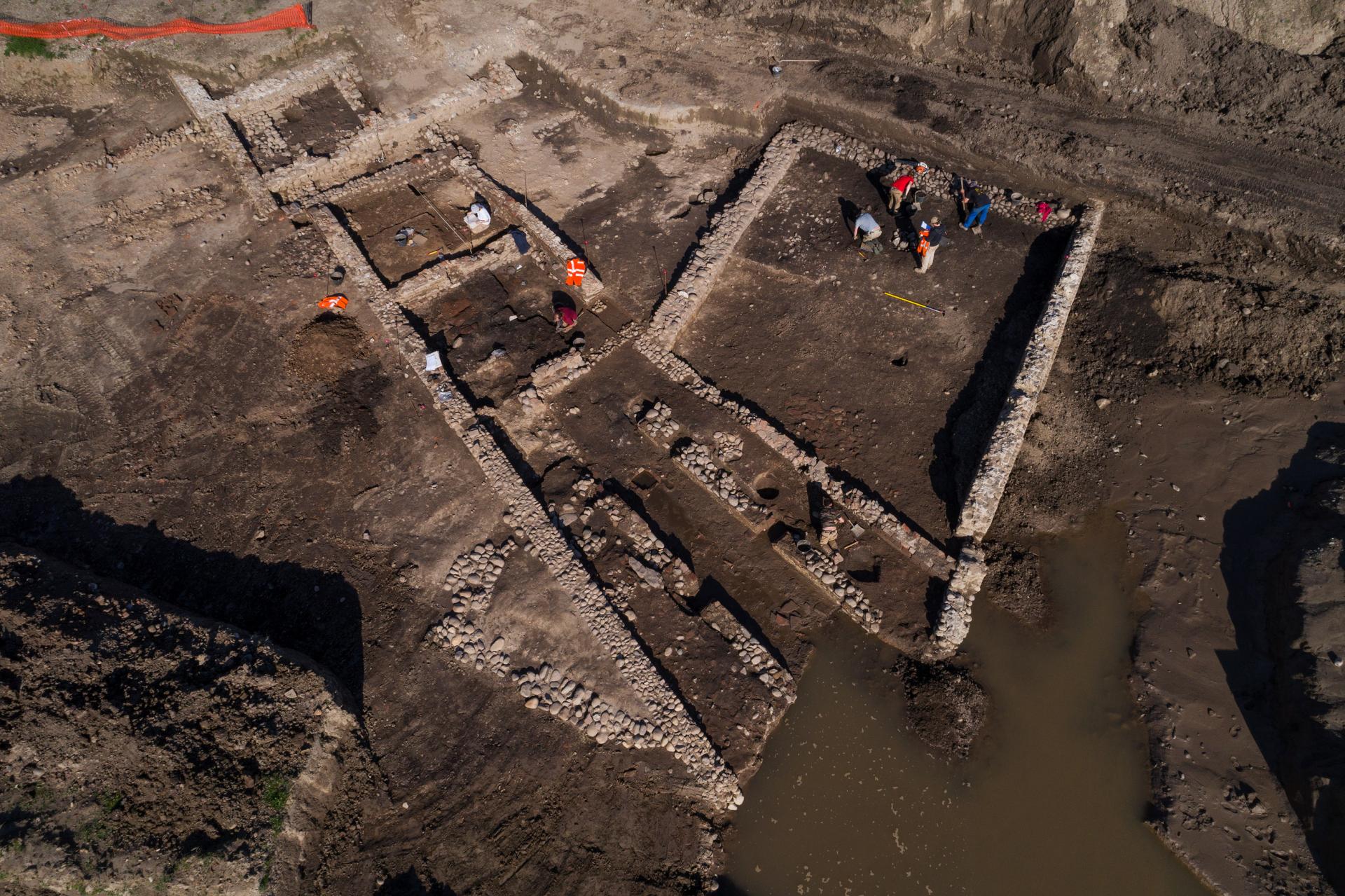
For the first time, a Mithraeum has been discovered in Corsica, at the site of Mariana, Lucciana (Haute-Corse).
An inscription found in the old monastery of San Giulia in Brescia (ancient Brixia), in the arch supporting the crypt of Santa Maria in Solario, recording a dedication to Deus Sol by the res publica.
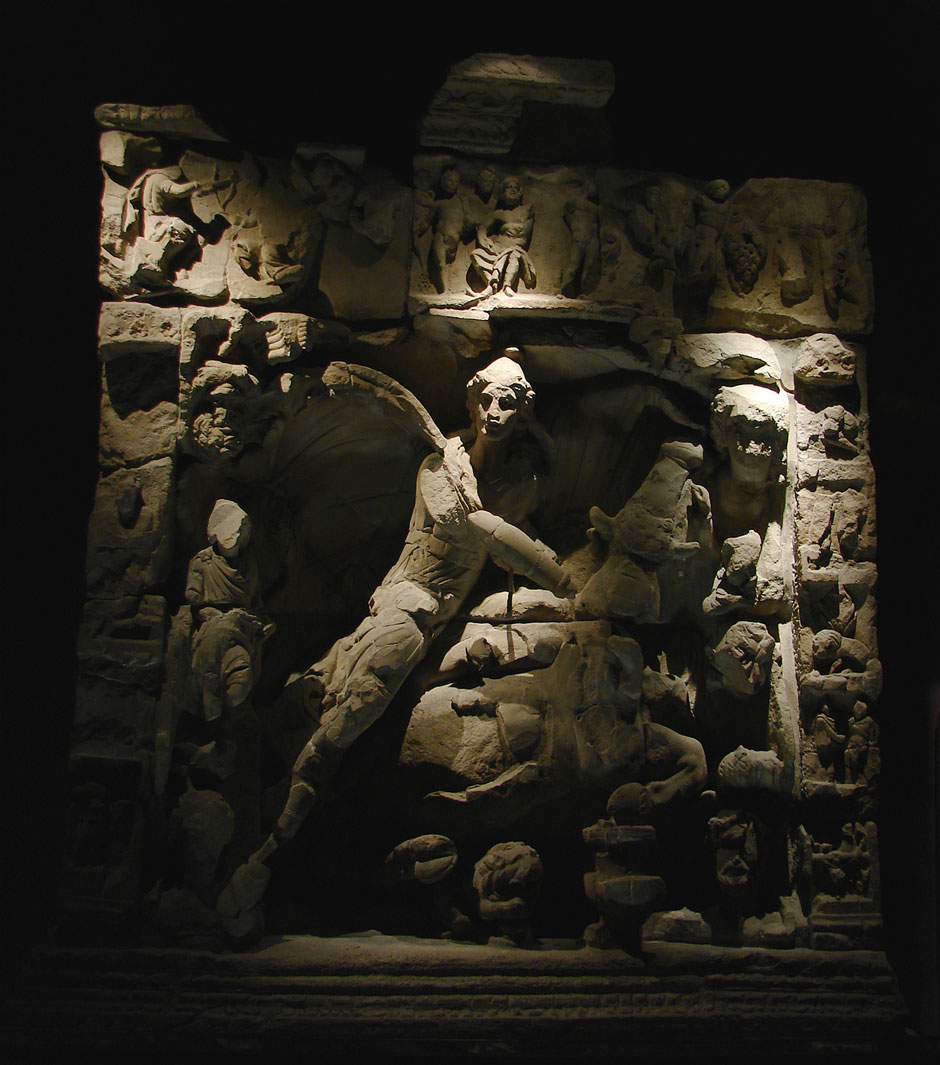
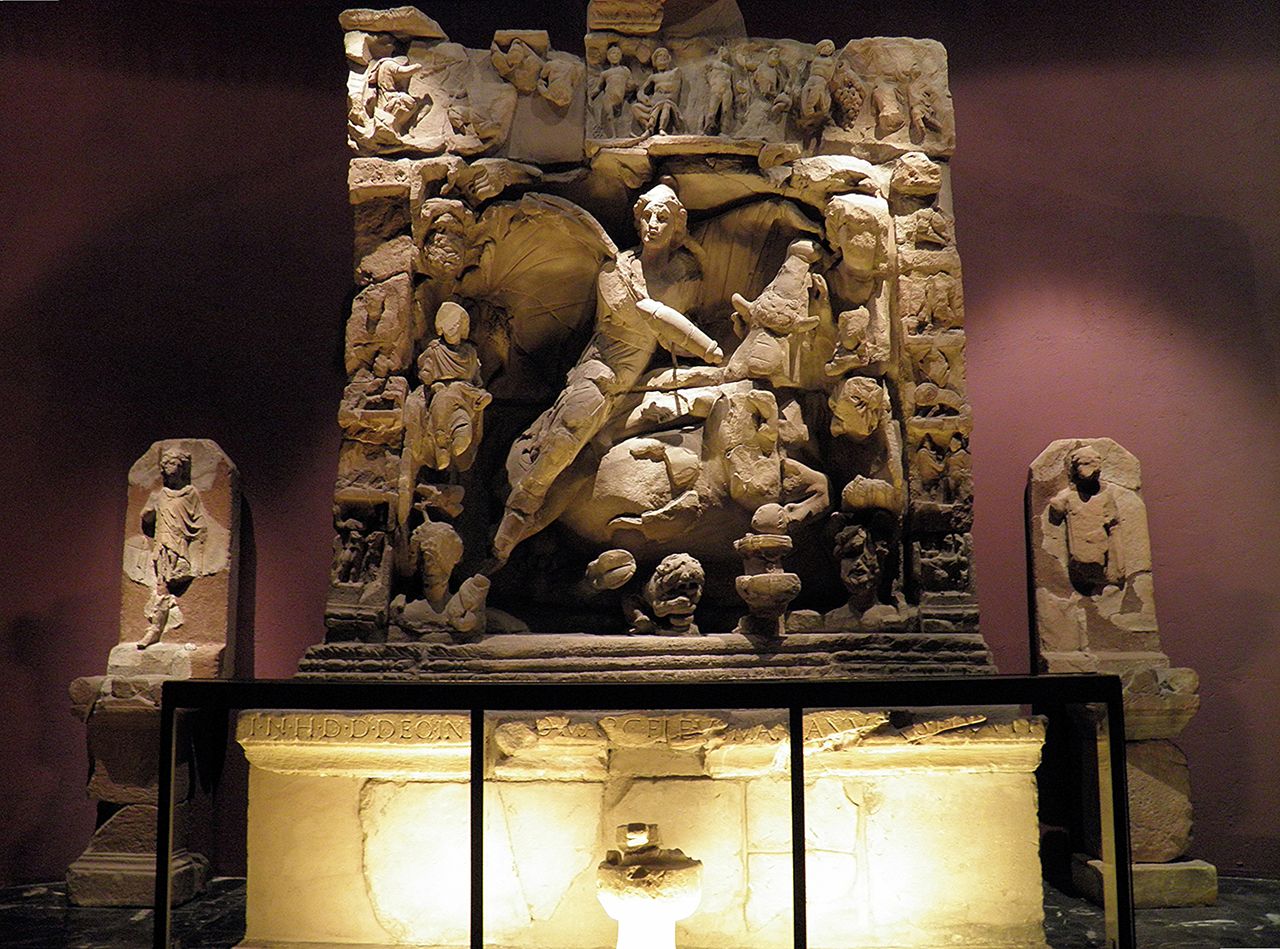
The Tauroctony of Saarbourg (Sarrebourg, ancient Pons Sarravi), France, contains most of Mithras deeds known in a single relief.
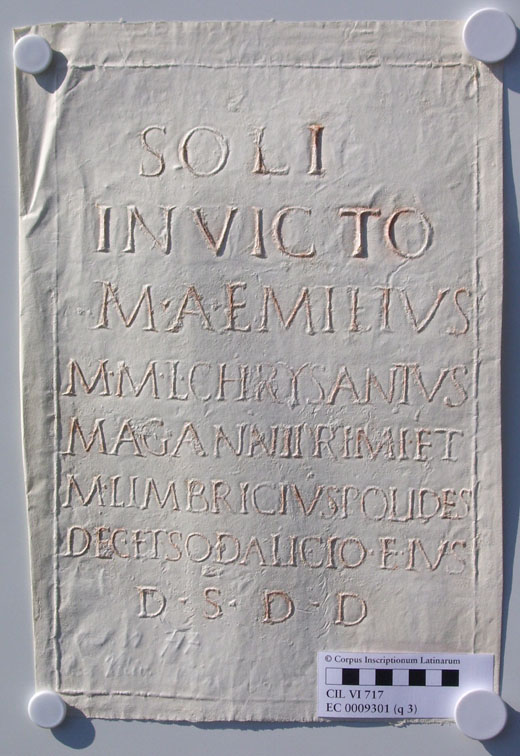
Aemilius Chrysanthus shares the expenses of this monument with a decurio named Limbricius Polides.
A probable Mithraic sanctuary near Santa Maria in Domnica on the Caelian Hill, known from a group of dispersed reliefs formerly owned by Ottaviano Zeno.
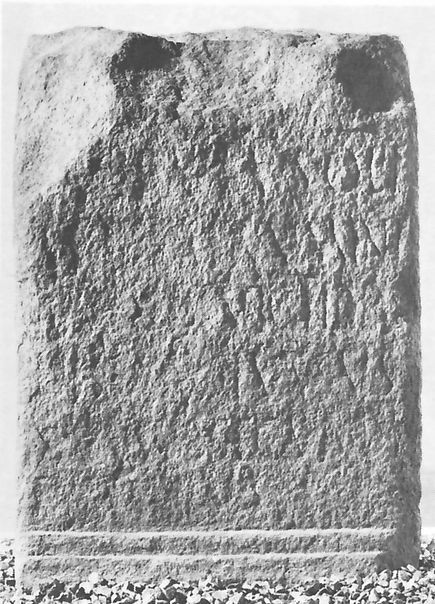
The v in this small altar found in Novaria has been interpreted by some commentators as qualifying Mithras as victorious.
This inscription, which doesn’t mention Mithras, was found near the church of Santa Balbina on the Aventine in Rome.
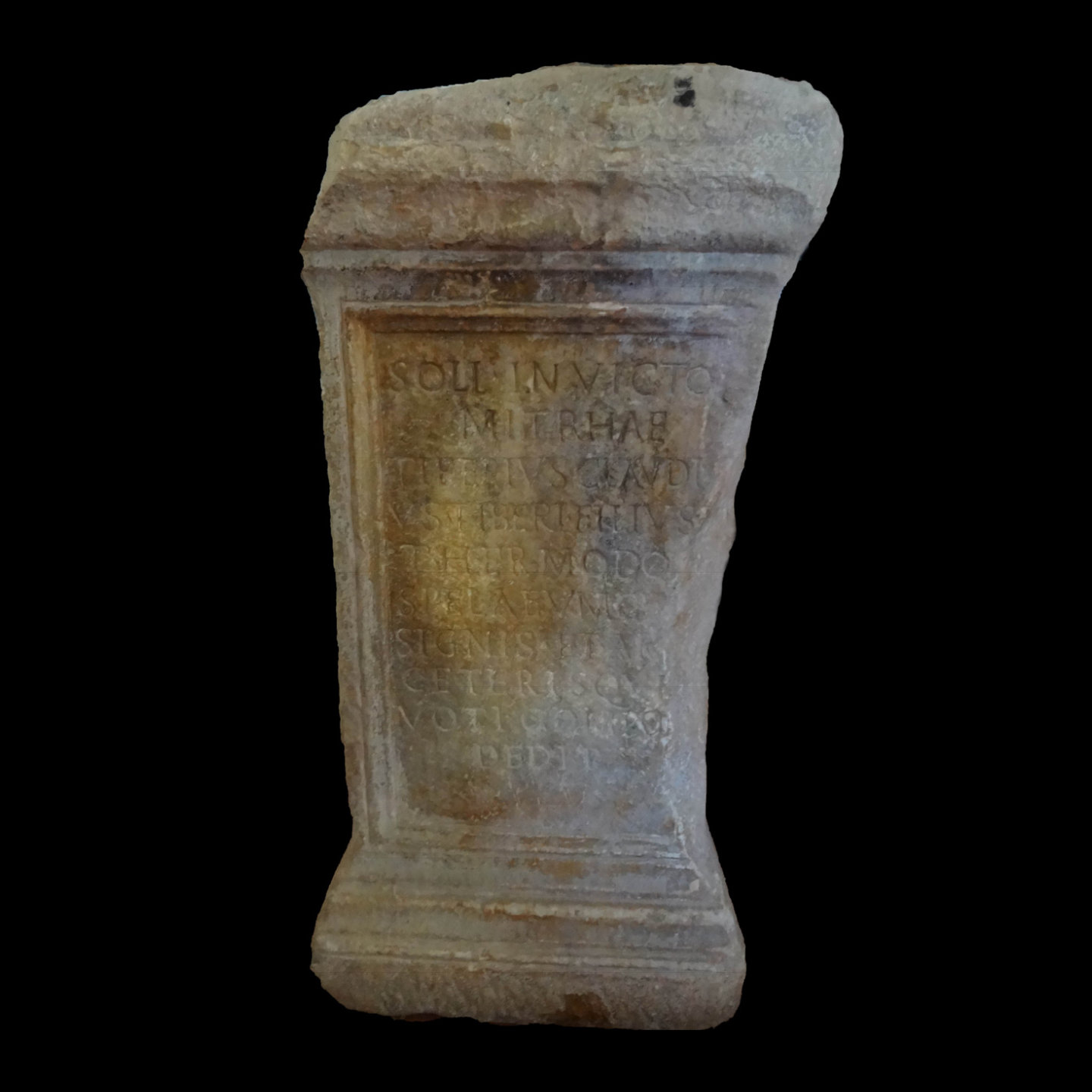
The donor of this Mithraic inscription from Bolsena, a certain Tiberius Claudius Thermoron, is known from two other monuments.
