Your search Sidi Ali Belkacem (سيدي علي بلقاسم) gave 1194 results.

Wasson has aroused considerable attention by advancing and documenting the thesis that Soma was a hallucinogenic mushroom – none other than the Amanita muscaria, the fly-agaric that until recent times was the center of shamanic rites among the Siberian and Uralic tribesmen…
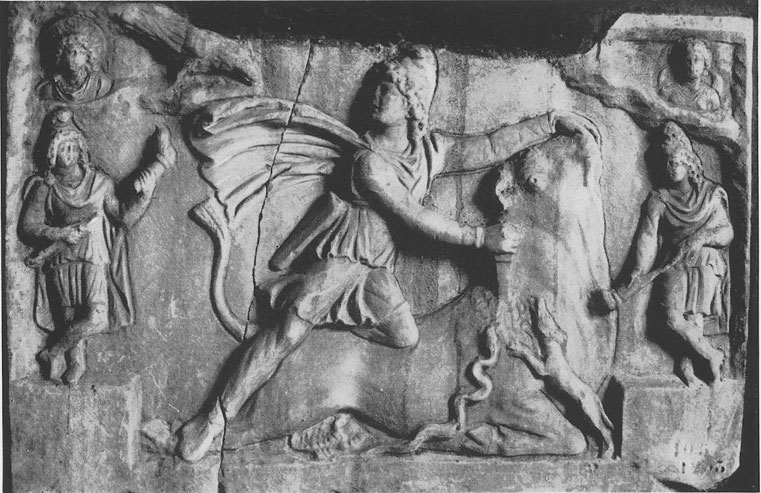
White marble relief depicting Mithras killing the bull, found broken in two parts in 1872 near Salita delle Tre Pile in Rome.

This marble base found in Angera in 1868 bears the inscription of two people who reached the degree of Leo.
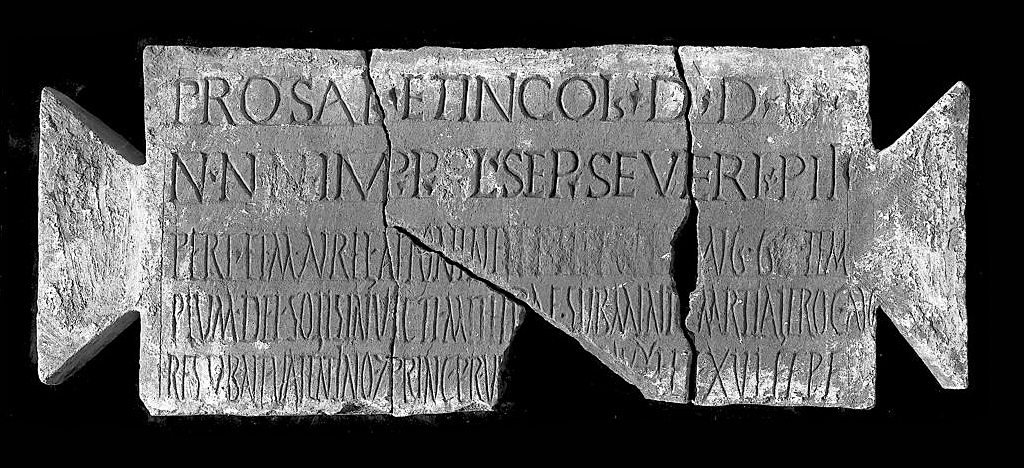
Antonius Valentinus, centurio, made this plaque for the salut des empereurs Septimus Severus and Marcus Aurelius.

Name: Dr. Hadi Valipour Date of Birth: August 26, 1983 Place of Birth: Iran Current Position: Assistant Professor of Eastern Religions, specializing in An

Mithraic priest and dedicator of the leontocephalic deity from the Fagan Mithraeum at Ostia.
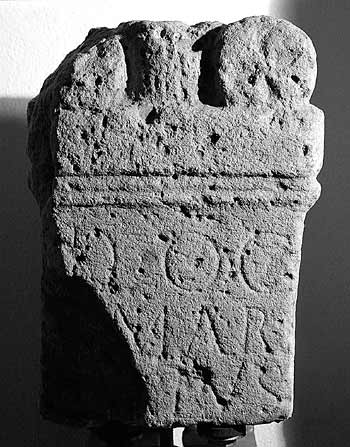
These two inscriptions by a certain Titus Martialius Candidus are dedicated to Cautes and Cautopates.
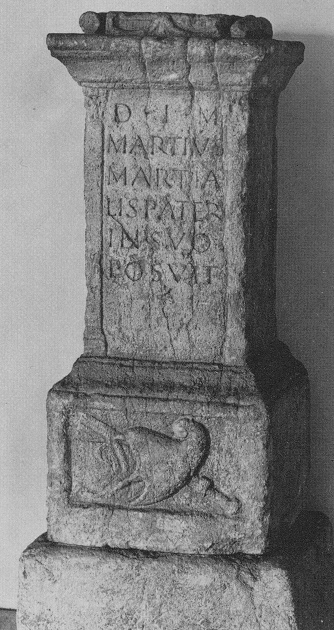
The altar with a Phrygian cap and a dagger from Trier was erected by a Pater called Martius Martialis.
Marble inscription fragment from the Mithraeum at Sopron, ancient Scarabantia, recording a dedication to Deo invicto Mithrae by an Augustalis.
Limestone altar from Mureș Port near Apulum, Dacia, dedicated to Invicto Mithrae; the dedicant is identified only as Augustalis (coloniae?).
Votive altar from Carnuntum, Pannonia Superior, dedicated to Deo invicto Mithrae sacrum by Ulpius Vitalis pancrestarius — a term denoting an athlete or performer, possibly in the context of Mithraic initiation rites.
Marble plate from Stix-Neusiedl, Pannonia Superior, dedicated to Deo invicto Mithrae by Vitalis and Silvanus; traces of red colour are preserved in the lettering.
Inscription from Mithraeum III at Ptuj, ancient Poetovio, recording that Sextus Vibius Hermes, Augustalis of the Colonia Ulpia Traiana Poetovionis, donated a silver signum with its base to Soli invicto Mithrae, with Lucius Vernasius Heraclida presiding as pater…
Altar from Mithraeum I at Ptuj, ancient Poetovio, dedicated to Deo invicto Mithrae by Optimus Vitalis, vicarius of Sabinus Veranus, vilicus of the publicum portorium.
Sandstone altar from Mithraeum I at Heddernheim, ancient Nida, dedicated to Invicto Mithrae by Iulius Iuvenalis ex voto
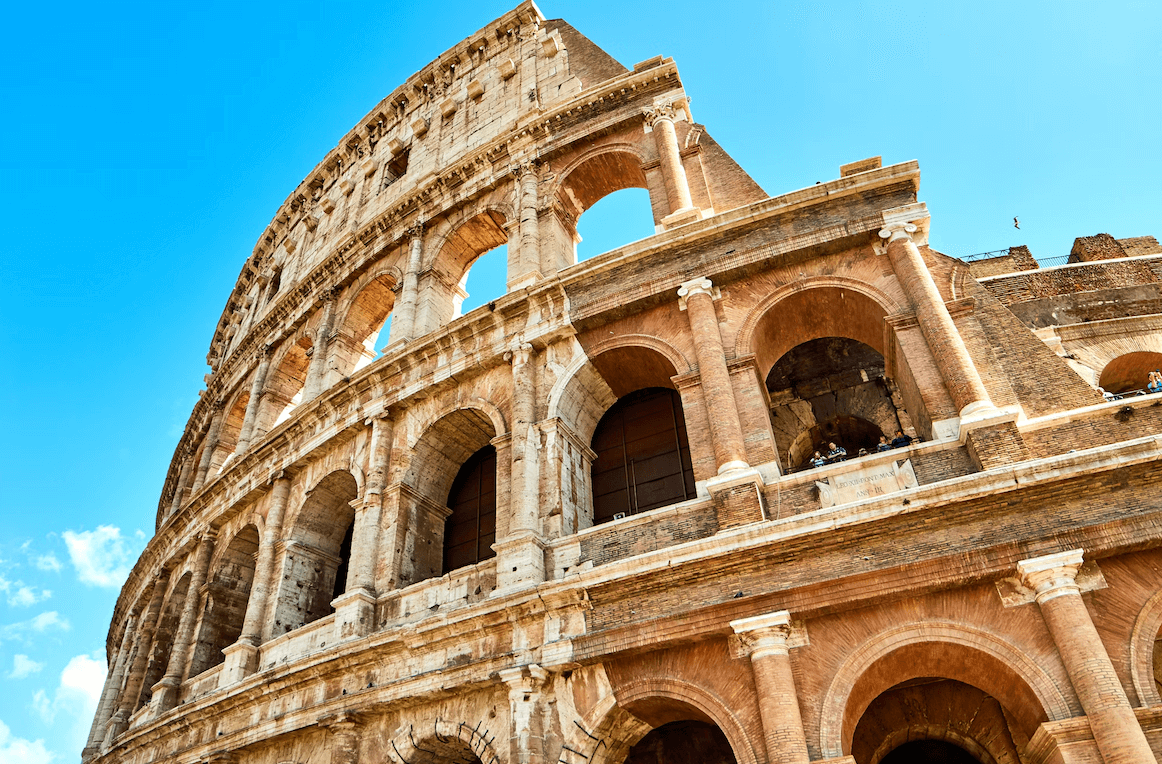
Roman Italia preserves a central and exceptionally influential corpus within the development of Mithraic cults.

Italica was an ancient Roman city in Hispania; its site is close to the town of Santiponce in the province of Seville, Spain.
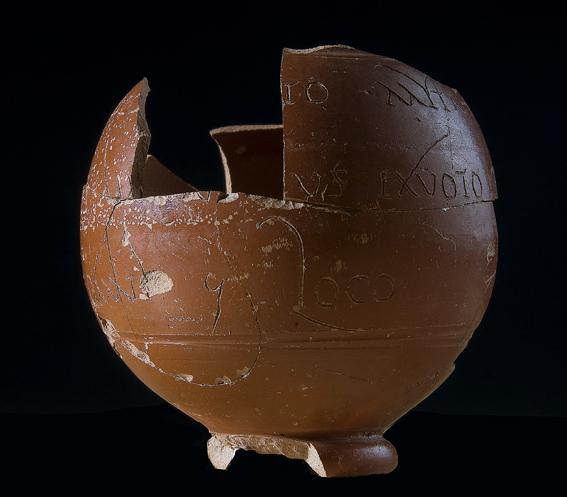
The spherical ceramic cup found at the Mithraeum in Angers bears an inscription to the unconquered god Mithras.
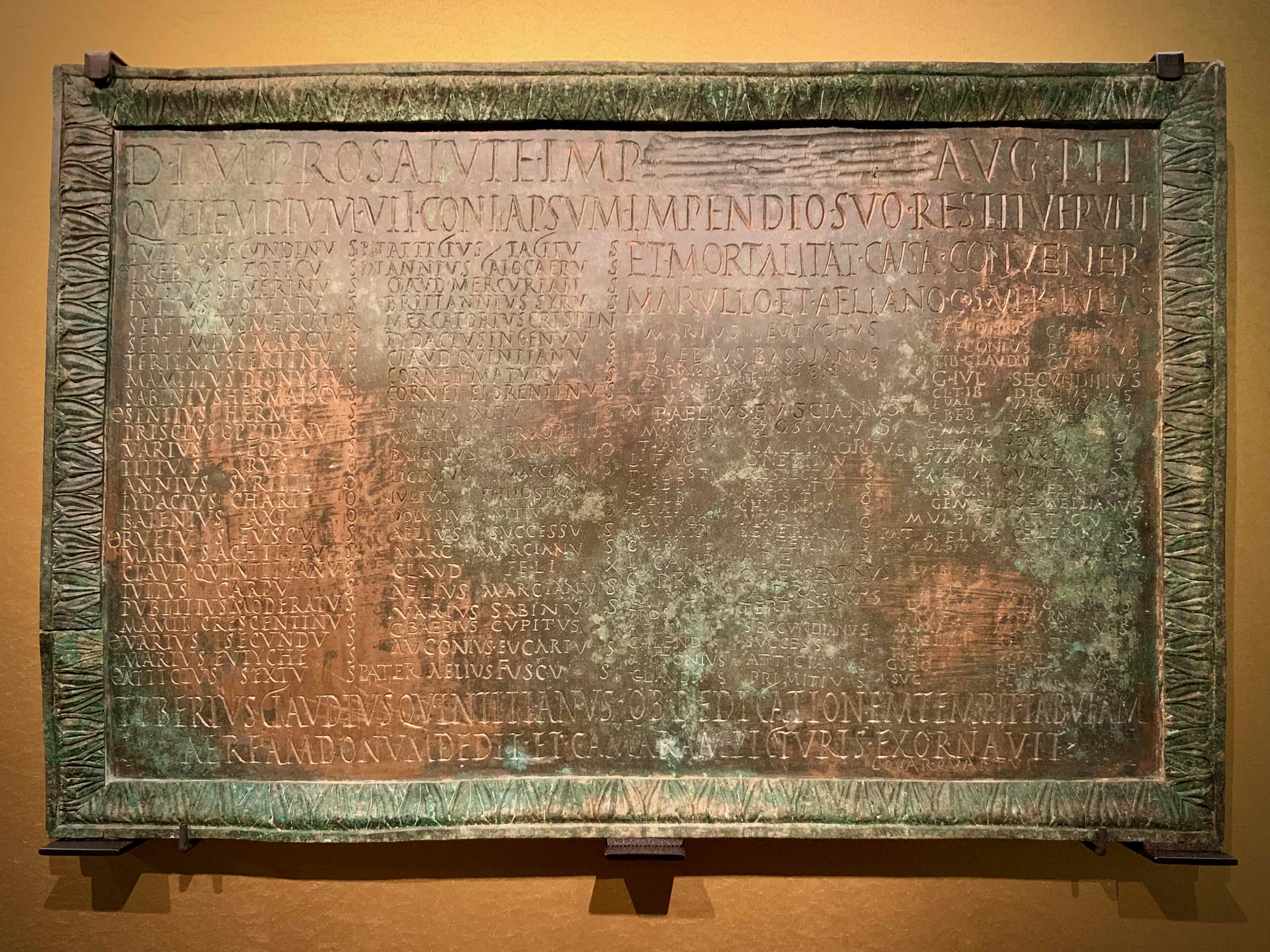
The bronze bears the dedication of a restoration of a Mithraeum carried out in 183.
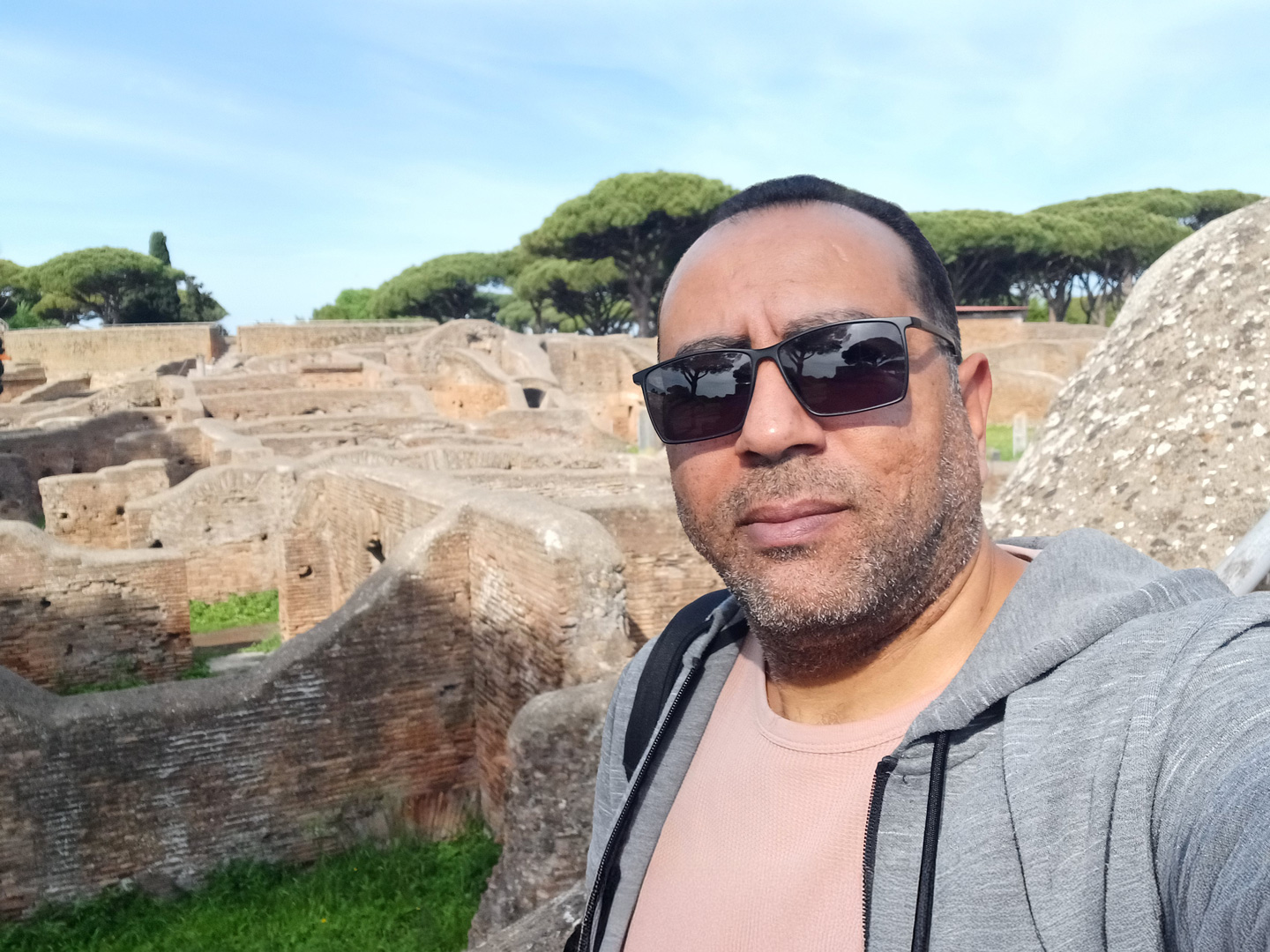
In his first book, Fahim Ennouhi sheds light on the cult of Mithras in Roman Africa. A marginal and elitist phenomenon, confined to restricted circles and largely absent from local religious dynamics, yet revealing.
