Your search Sidi Ali Belkacem (سيدي علي بلقاسم) gave 1194 results.

He was a soldier of the Cohors I Belgarum, probably of Dalmatian origin, who dedicated an altar to Mithras in Aufustianis.
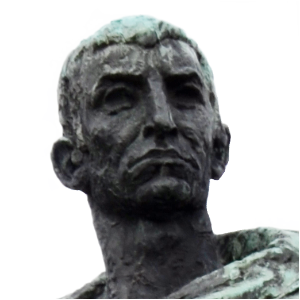
Danube region can be traced back to the legions that fought under his command in Armenia.


Textile merchant from Augusta Treverorum and Pater of his community, he left testimony of his cult to Mithras in the 3rd century.

Approved priest, Augustal serf at Casuentum et Carsulae, appointed quaestor of the Augustus treasury.


Pater Patrum of Ostia, he officiated at the Mitreo Aldobrandini where he is mentioned in a couple of inscriptions.

Marcus Statius Niger was a lion who erected an altar to Cautopates in Statio, the present-day Angera, with his brother Gaius.
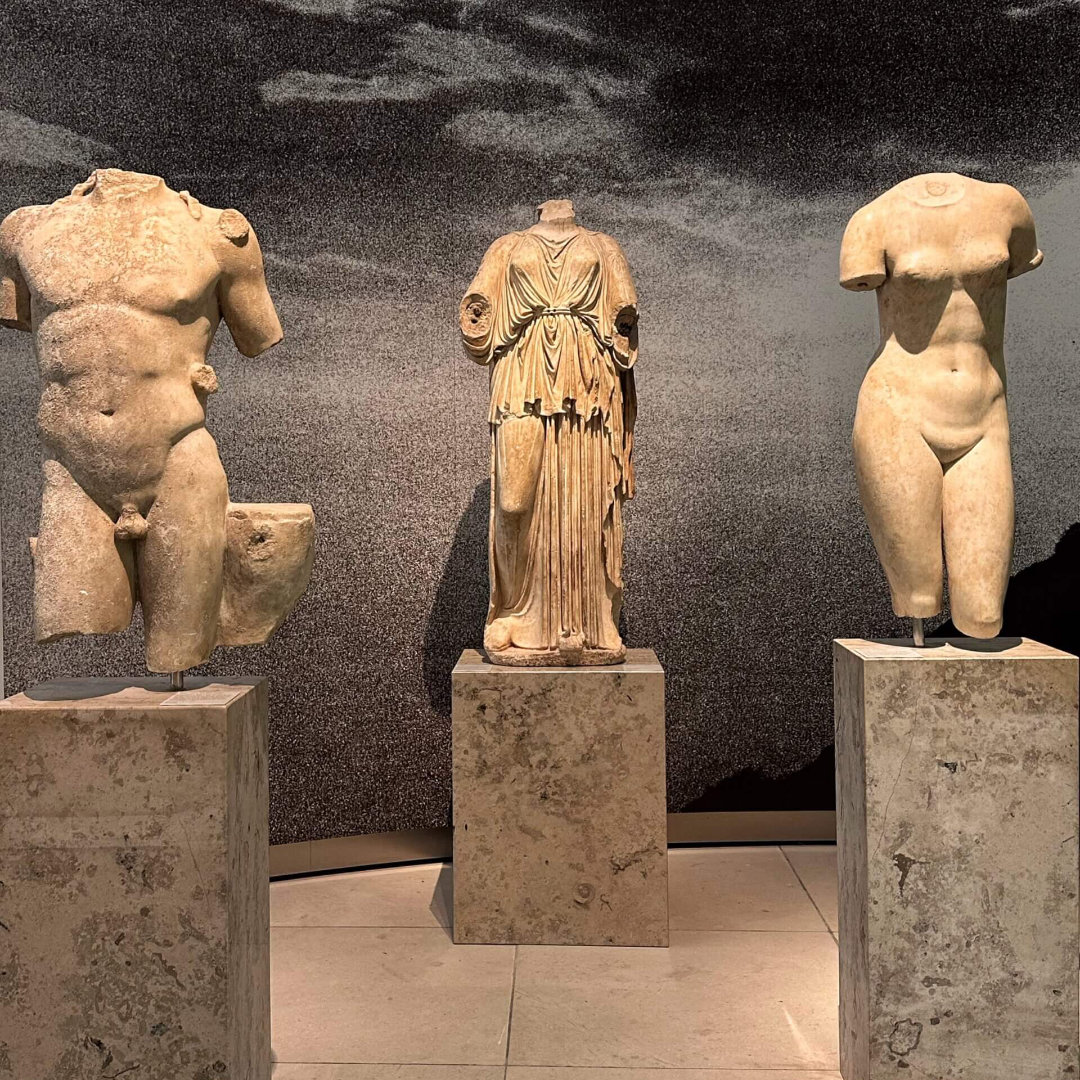
For our German-speaking friends, don’t miss Stefan Nährlich’s blog, [ref:67685d70a6b54]. It offers a plethora of intriguing articles on not only Mithras but the entire Empire. His posts feature excellent original photographs, perfect for both Romans and barbarians alike! Enjoy exploring…

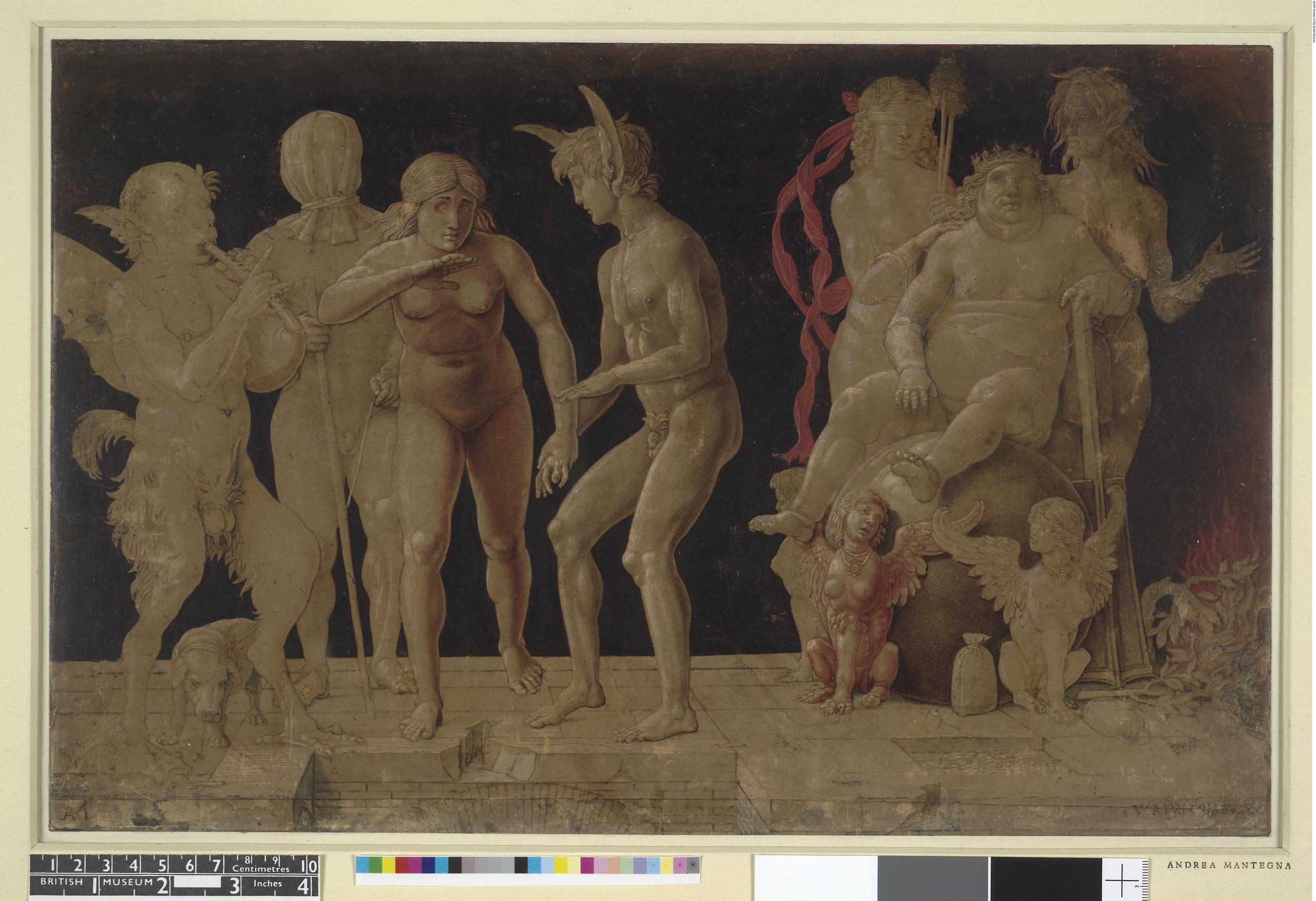
The Cilician pirates incorporated significant divine feminine elements, notably Anahita, into their Mithraic practices, profoundly influencing the initiation rites within the Roman Empire.

The name of this domus comes from the fact that some authors once associated one of its mosaics with the cult of Mithras, a connection that has since been dismissed.
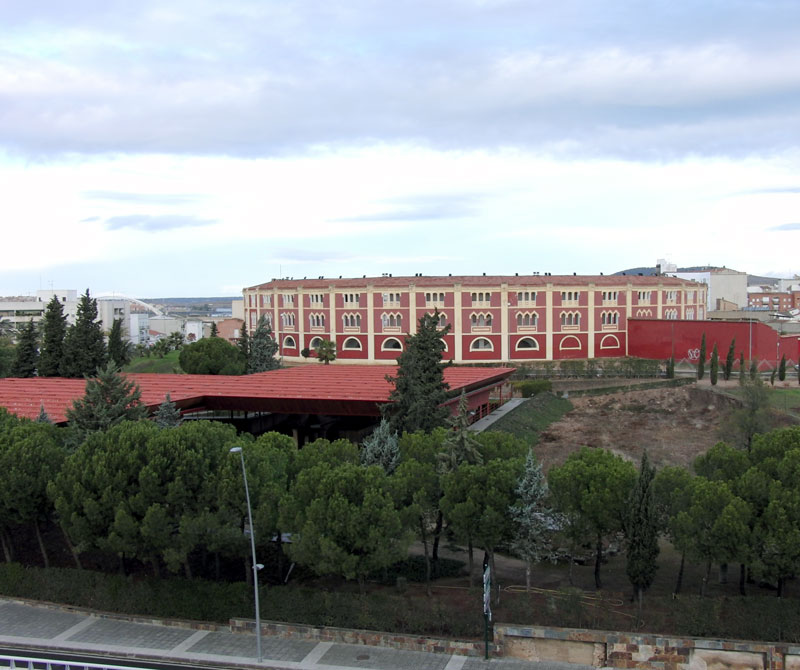
Although the site at Cerro de San Albín is not a Mithraeum, archaeologists have found several monuments related to the cult of Mithras.
Exploring religion, rituals, archaeological insights, and historical impact of the Cult of Mithras in the Danubian provinces.

Exploring religion, rituals, archaeological insights, and historical impact of the Cult of Mithras in the Danubian provinces.
The Mysteries of Mithras is an independent Initiatic Order which is inspired by and uses the allegory of the lost and ancient Mithraic Mysteries also known as Mithraism a previously influential Roman Cult of the same name.
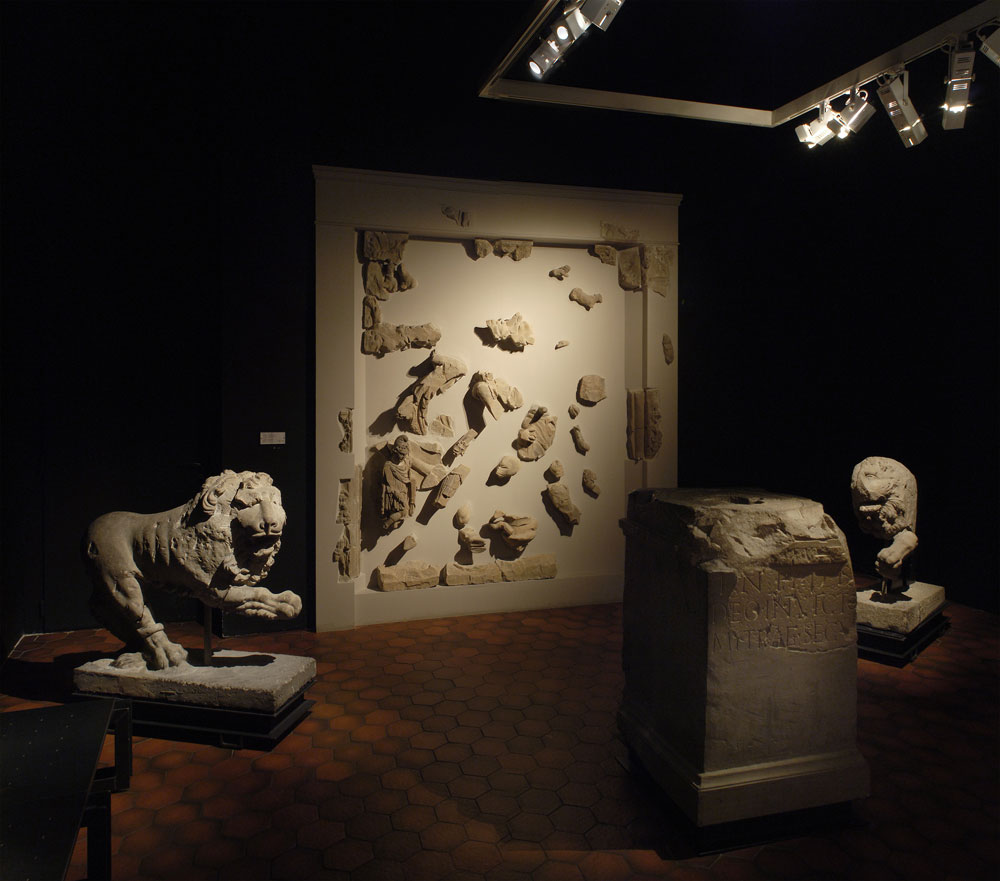
These fragments of a monumental relief of Mithras killing the bull from Koenigshoffen were reassembled and are now on display at the Musée Archéologique de Strasbourg.
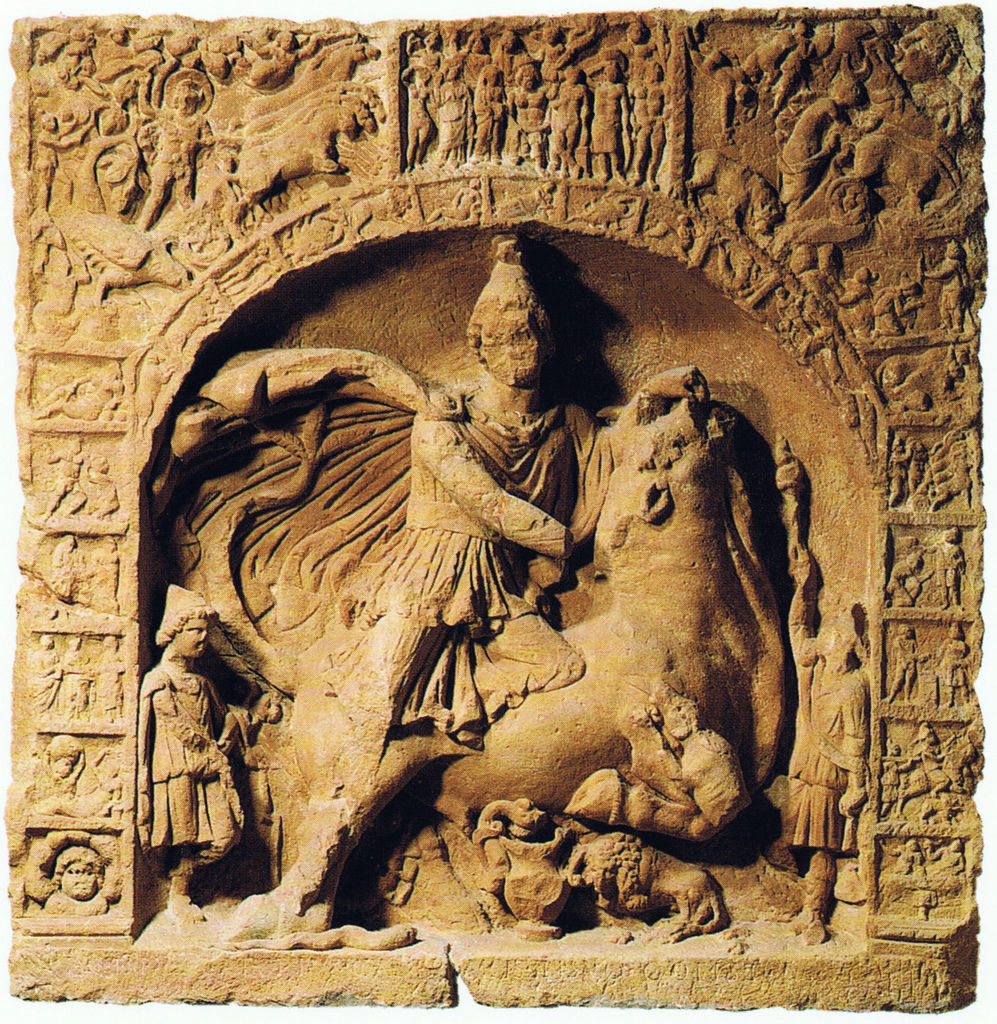
Franz Cumont considers the bas relief of Osterburken ’the most remarkable of all the monuments of the cult of Mithras found up to now’.

Tracing the links between the cult of Mithras and the Proud Boys’ quest for identity, power, and belonging. How ancient rituals and brotherhood ideals resurface in radical modern movements.
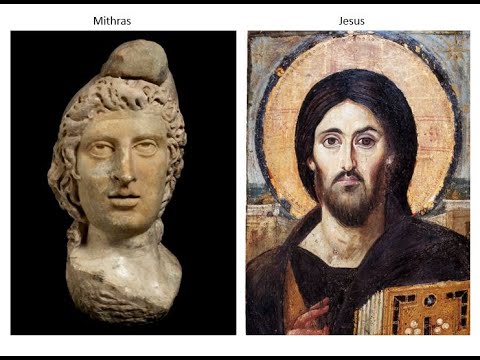
Mithraic Influence on Early Christian Symbolism and Church – Architecture
