Your search Site gallo-romain de Lauchau gave 364 results.

Under Roman rule from the 1st century CE, Histria was incorporated into the province of Moesia. The city is noted on the Tabula Peutingeriana, which places it 11 miles from Tomis and 9 miles from Ad Stoma.
The Roman settlement overlooked a passage between the Hodna and the Sahara via the Aïn Rich plain and the valley of the Oued Chaïr, between the Ouled-Naïl and Zab mountains.
Isca, variously specified as Isca Augusta or Isca Silurum, was the site of a Roman legionary fortress and settlement or vicus, the remains of which lie beneath parts of the present-day suburban town of Caerleon, Walles.
Italica was an ancient Roman city in Hispania; its site is close to the town of Santiponce in the province of Seville, Spain.
Neuenheim lies in an area occupied since at least the Iron Age, with a Celtic hilltop refuge and cult site on the nearby Heiligenberg from the 5th century BC. From around 40 - 45 CE, the site developed into a Roman vicus associated with a castellum.
Venetonimagus, now Vieu, part of the town of Valromey, would have been called Venetonimagus or Venetonimago in Gallo-Roman times.
Nicopolis ad Istrum or Nicopolis ad Iatrum was a Roman and Early Byzantine town. Its ruins are located at the village of Nikyup, 20 km north of Veliko Tarnovo in northern Bulgaria. The site was placed on the Tentative List for consideration as a Wo
Mariana is a Roman site south of Biguglia, in the Haute-Corse département of the Corsica région of south-east France.
Lambaesis, Lambaisis or Lambaesa, is a Roman archaeological site in Algeria, 11 km southeast of Batna and 27 km west of Timgad, located next to the modern village of Tazoult.
Cabra is a municipality in Córdoba province, Andalusia, Spain and the site of former bishopric Egabro.
Carsulae was a Roman municipium in the region of Umbria, now preserved as an archaeological site, about 4 km north of the small town of San Gemini. Its foundation dates back to 220 BC with the construction of the Via Flaminia.
Brocolitia, also called Procolita or Brocolita, was an auxiliary settlement on Hadrian's Wall. This site is now known as Carrawburgh.

Clarissimus knight and legate born in Poetovio that helped to disseminate the cult of Mithras in the African provinces.
Member of the Mithraic community of Les Bolards and dedicator of a statue of Cautes.

Tribune of the First Cohort of Vardulli, he erected a mithraeum at Bremenium together with his consacranei.
Britannia superior preserves a substantial body of Mithraic evidence associated with military sites and urban centres of Roman Britain.

One of the most eminent representatives of late antique pagan religiosity, combining high civic authority with deep initiation into multiple mystery traditions, including the cult of Mithras.
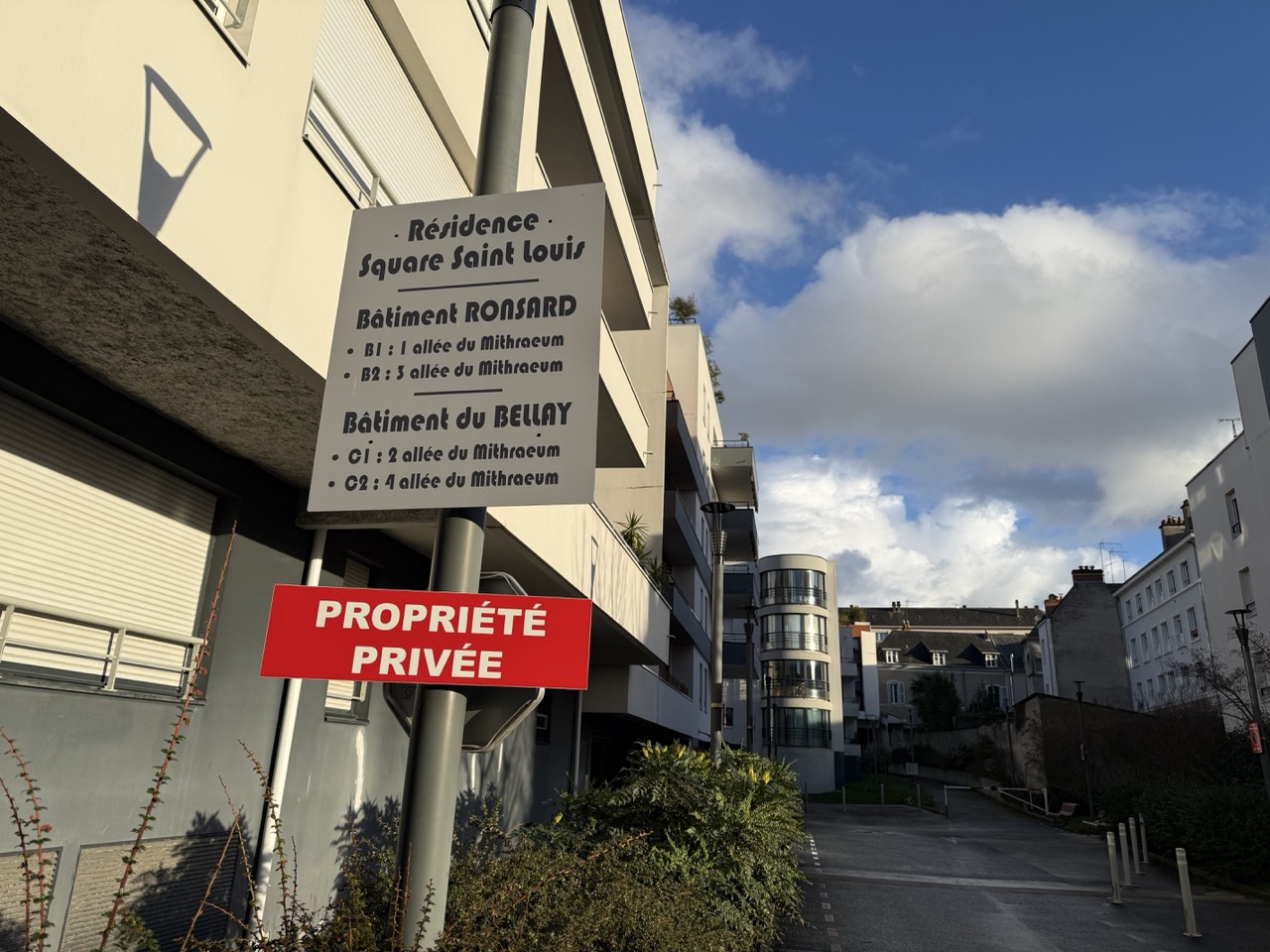
The Mithraeum of Angers, excavated during a preventive operation and subsequently dismantled in 2010, yielded numerous objects, including coins, oil lamps, and a ceramic vessel bearing a votive inscription to the invincible god Mithras.
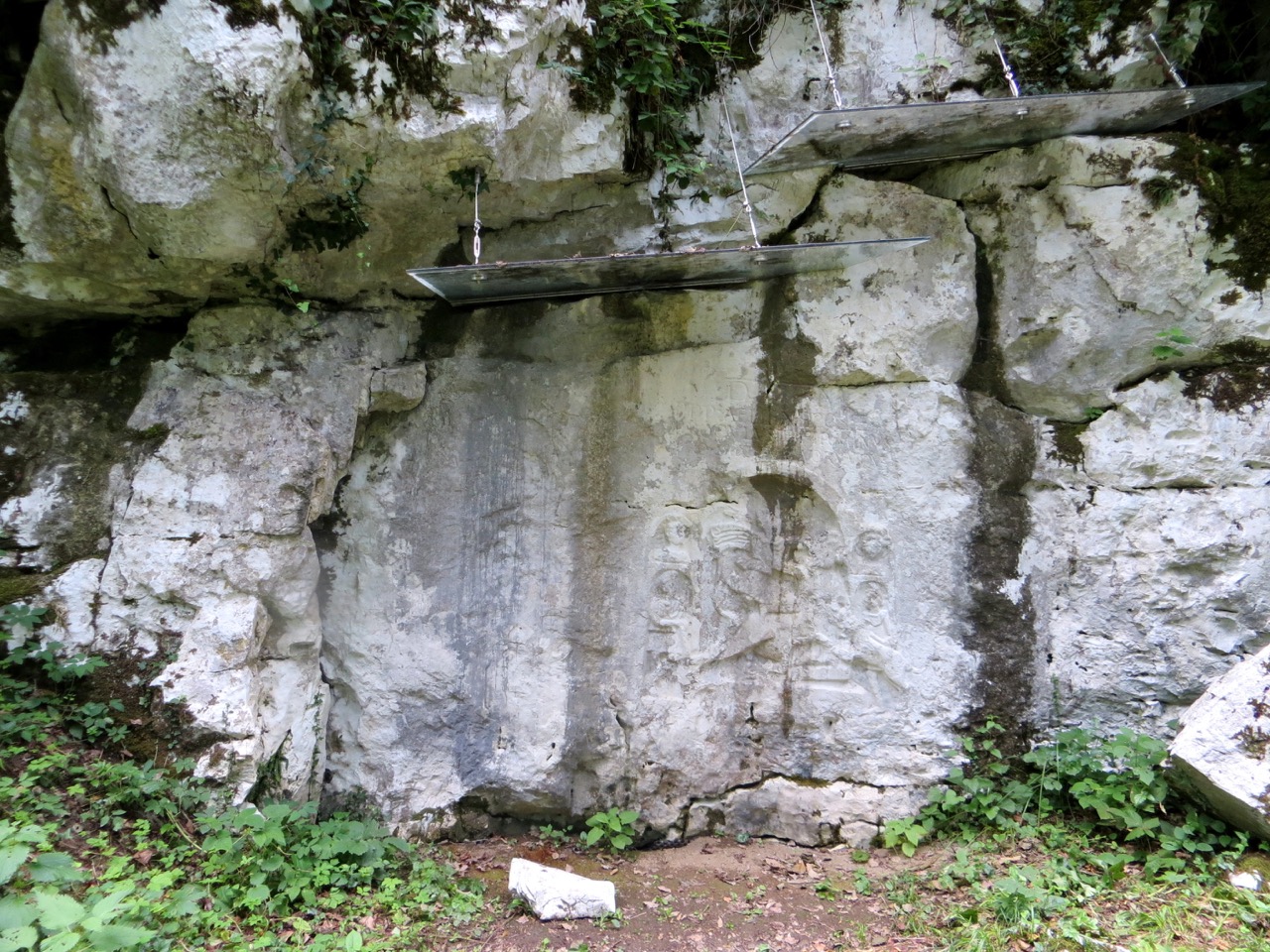
According to Hitzinger remnants of animal bones were found in front of the relief of the Mithraeum at Rozanec.

A probable Mithraic sanctuary at Poetovio, identified by Vermaseren as the so-called Mithraeum IV on the basis of four associated inscriptions.
