Your search St Albans gave 2762 results.
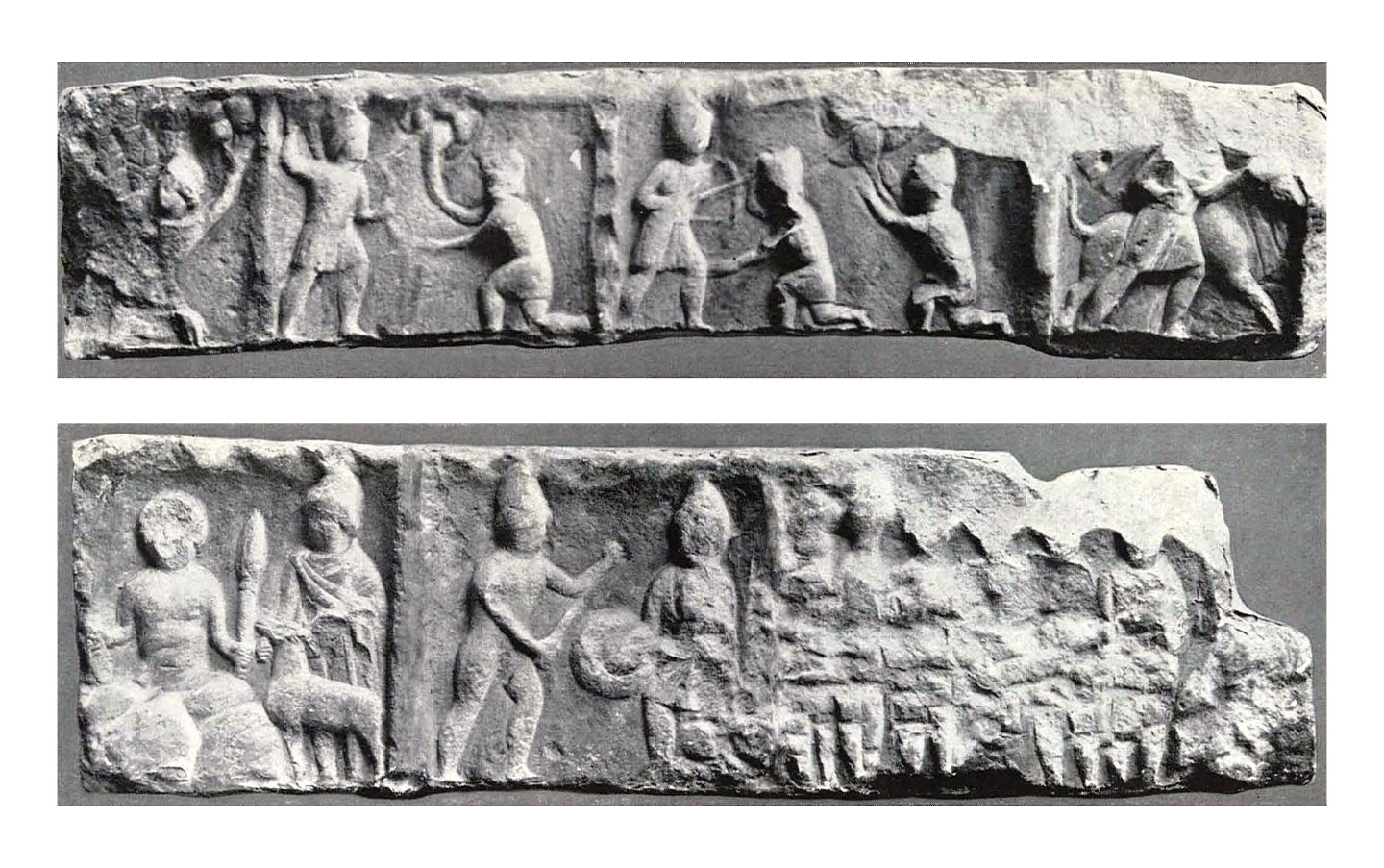
These two fragments of a sandstone relief were walled into a house on the market square in Besigheim.

This graffito seems to be an account of offerings made by Mithras worshippers in the Cassegiato di Diana.

An inscription mentioning a speleum decorated by Publilius Ceionius suggests the location of a mithraeum in Cirta, the capital of Numidia.
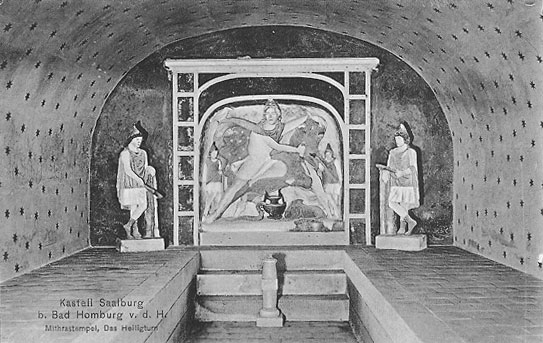
In the 1900s a model Mithraeum was built in Saalburg in the mistaken belief that there was an original temple of Mithras in an ancient Roman building.

He was a soldier of the Cohors I Belgarum, probably of Dalmatian origin, who dedicated an altar to Mithras in Aufustianis.

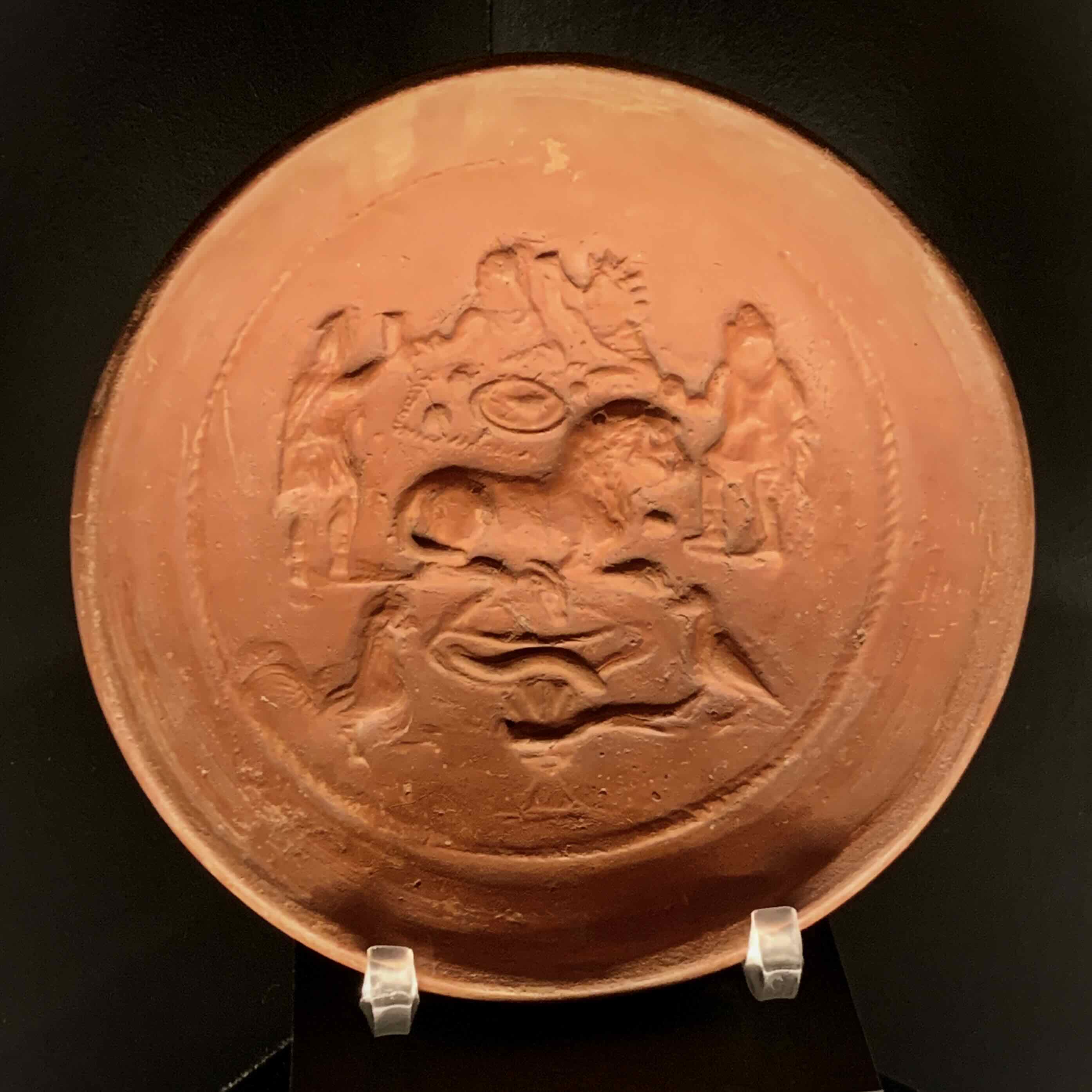
This terra sigillata was found in 1926 in a grave on the Roman cemetery of St. Matthias, Trier. An eyelet indicates that it could have been hung on a wall.

Coin of Istrus, Moesia Inferior, showing Caracalla on one side and a god on horseback (Mithras ?) on the other.
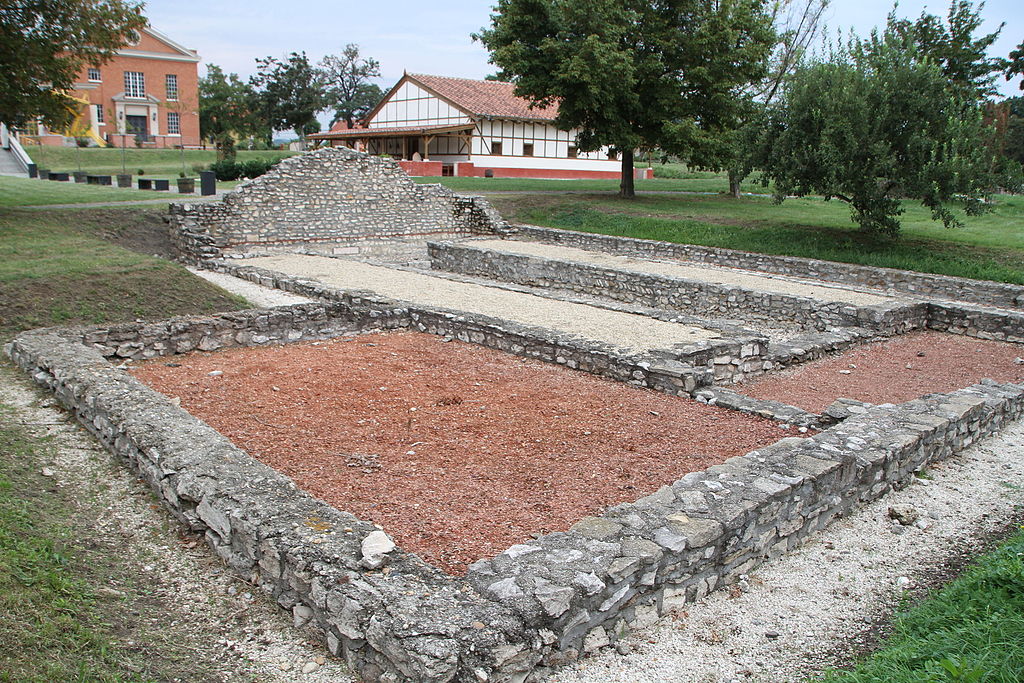
The Mithraeum of Symphorus and Marcus, in Óbuda, Budapest, has been restored to public view in 2004 and, while well presented, it has been heavily restored.
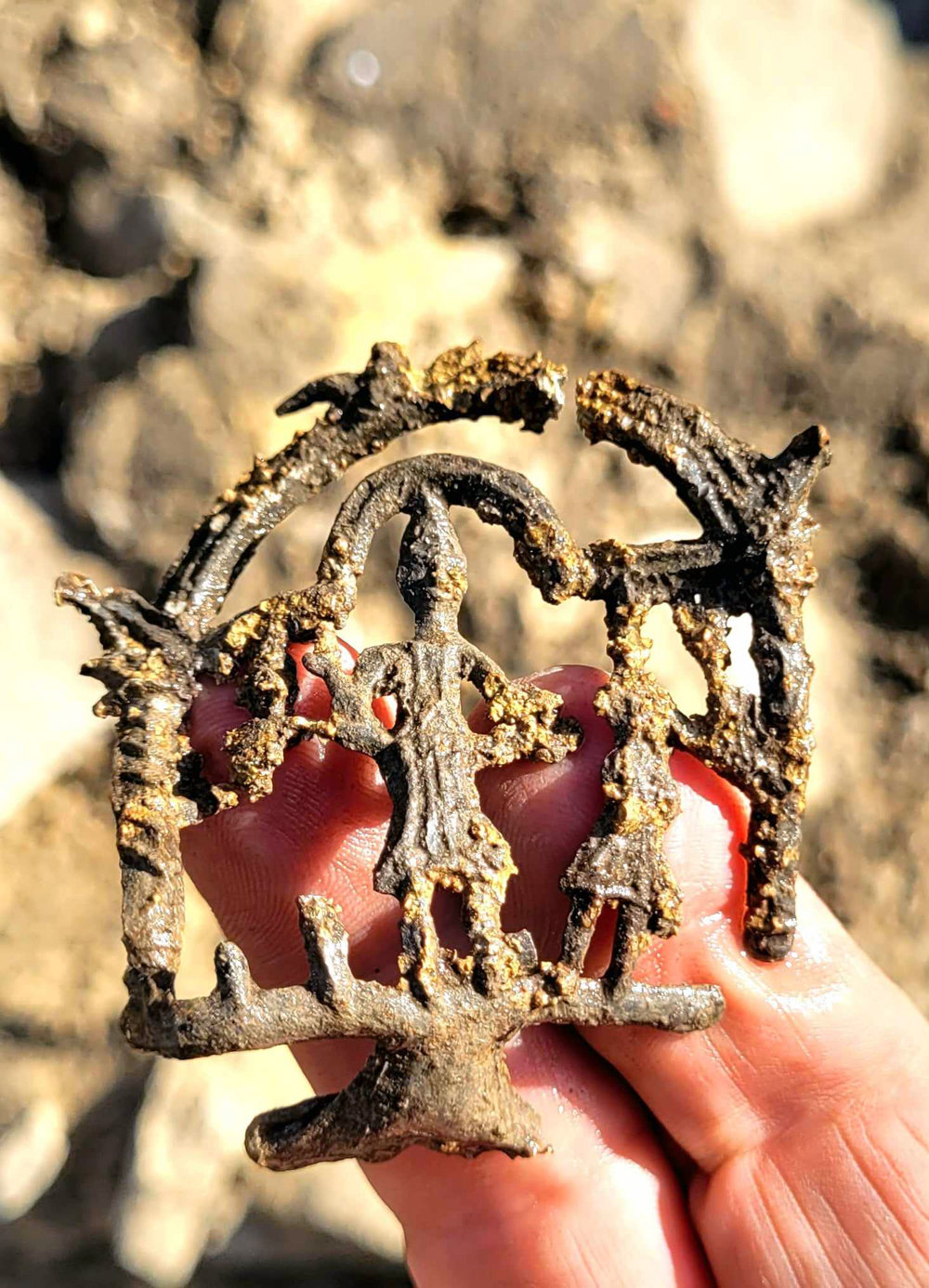
A sixth temple dedicated to Mithras has been identified for the first time in the military sector of the ancient Roman city of Aquincum.
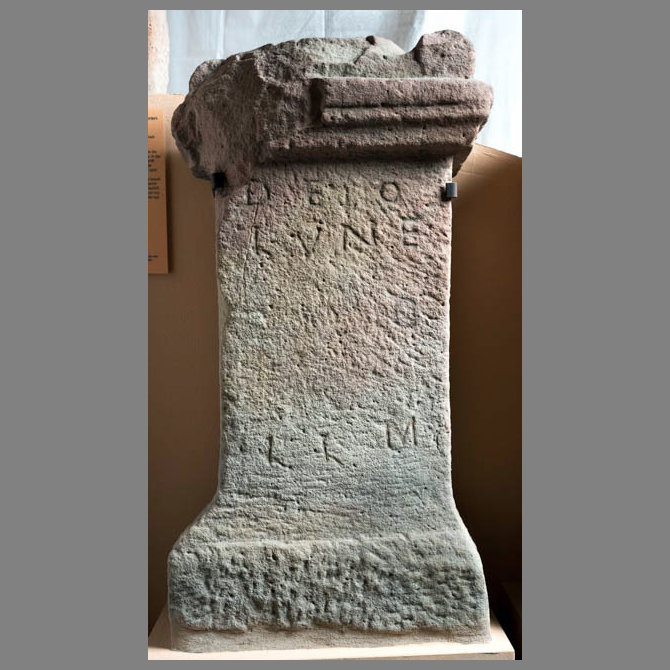
This sandstone altar was dedicated to Luna, who is mentioned as a male deity.
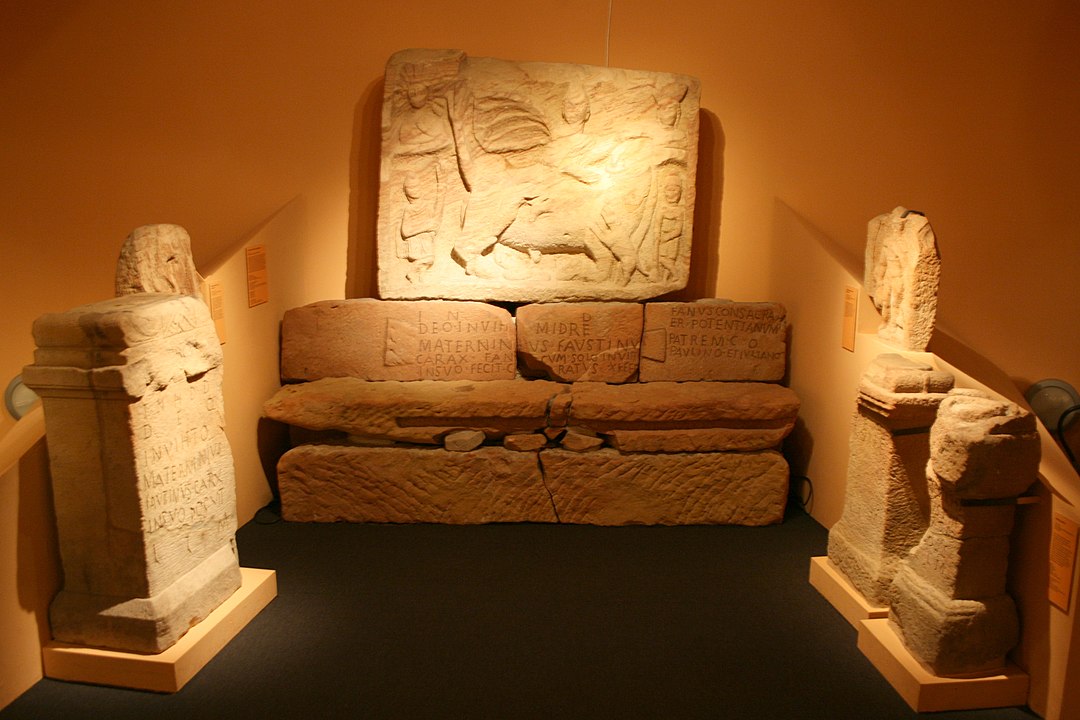
The few remains of the Mithraeum of Gimmeldingen are preserved at the Historical Museum of the Palatinate, in Speyer, Germany.
In the cult niche of the Mitreo del Caseggiato di Diana there is a list of words that could indicate names and measurements.
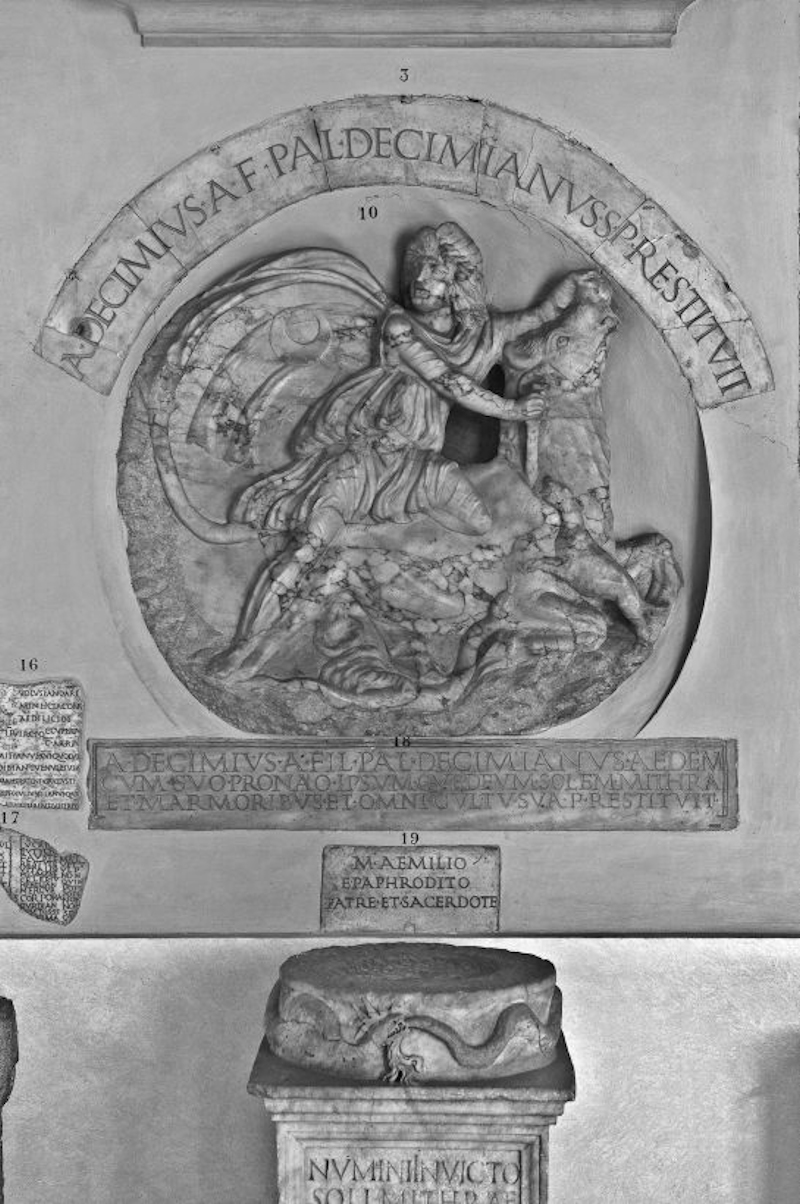
The relief of Mithras slaying the bull from the Mithraeum of the Seven Spheres was discovered in 1802 by Petirini by order of Pope Pius VII.
This inscription found in the Mithraeum of the Seven Spheres mentions the Pater Marco Aemiliio Epaphrodito known from other monuments in Ostia.
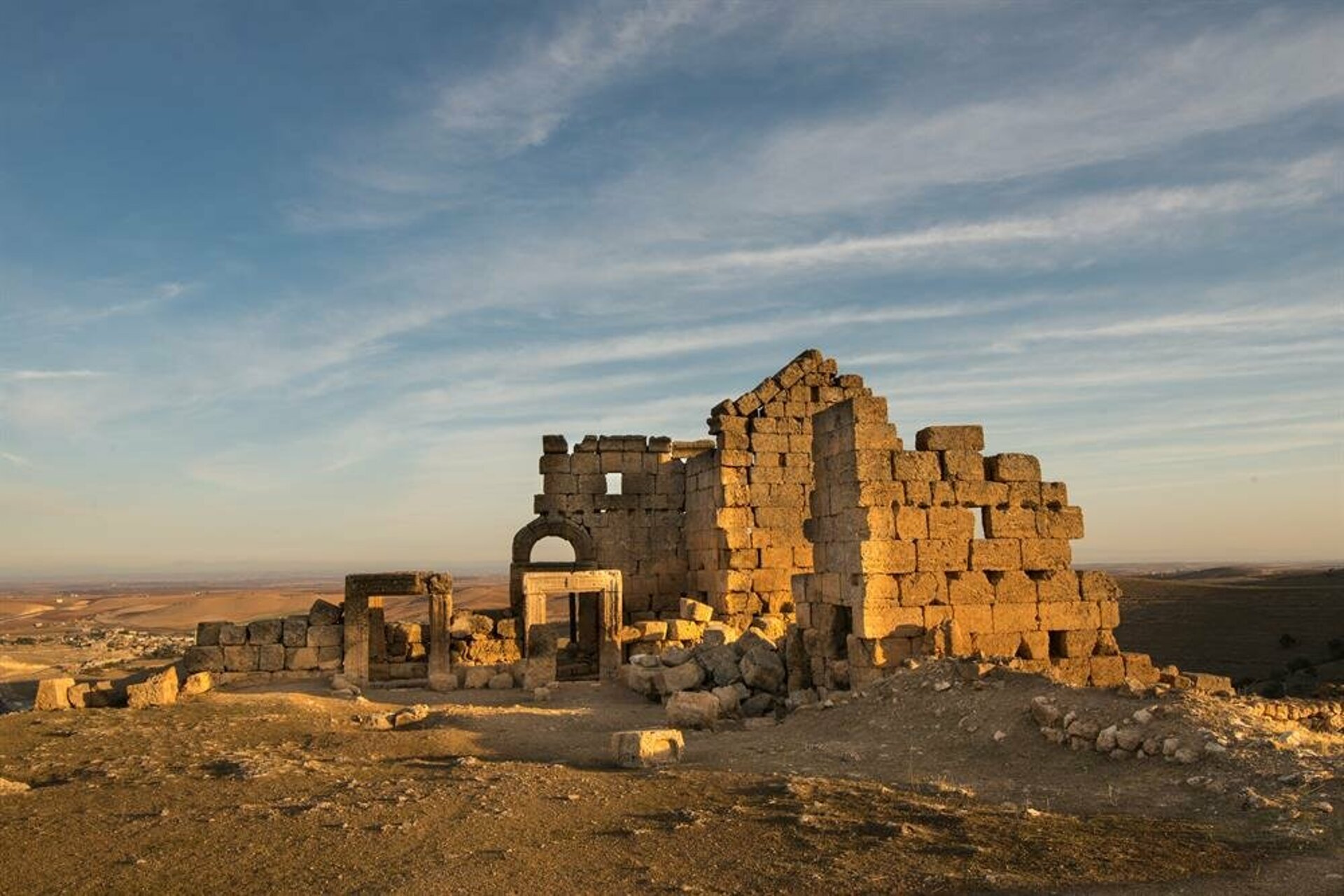
A Mithraeum was discovered in 2007, during the excavations at the Zerzevan Castle.
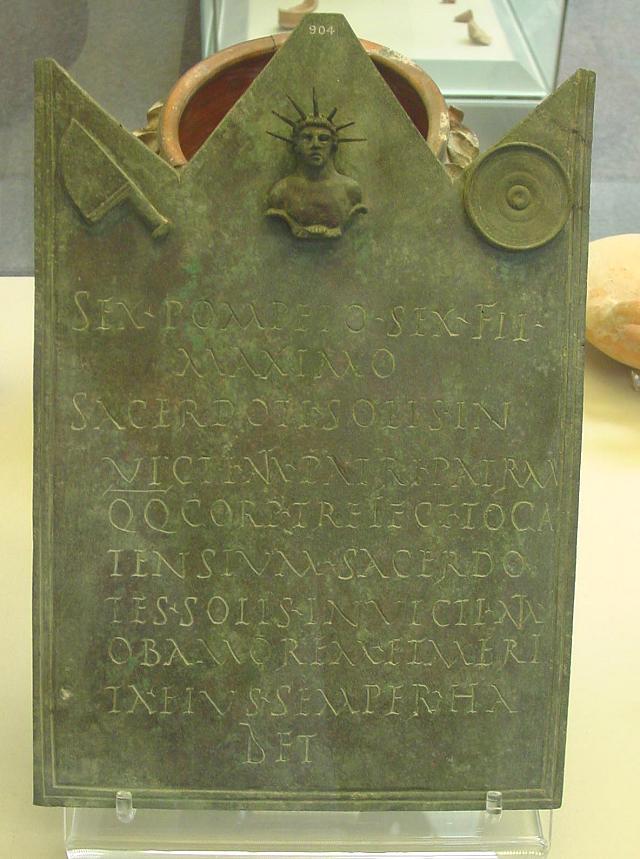
This plaque, now on display in the British Museum, may have come from the Aldobrandini Mithraeum in Ostia.
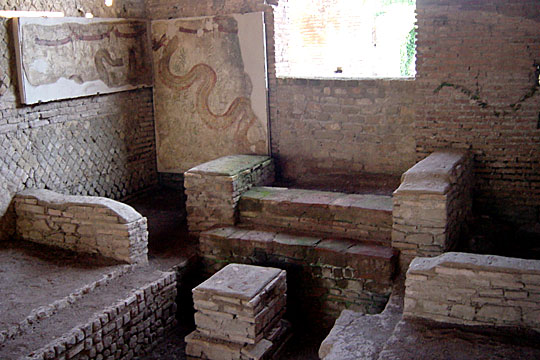
The Mithraeum of the Snakes preserves paintings of serpents, representing Genius Loci, part of an older private sanctuary, which were respected in the temple of Mithras.
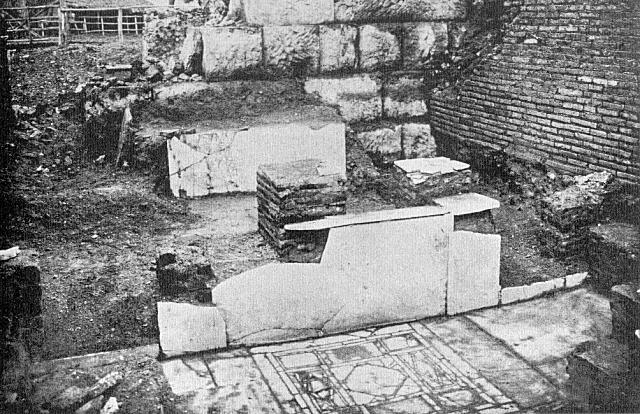
The Mithraeum of Aldobrandini was excavated in 1924 by G. Calza on the premises belonging to the Aldobrandini family.
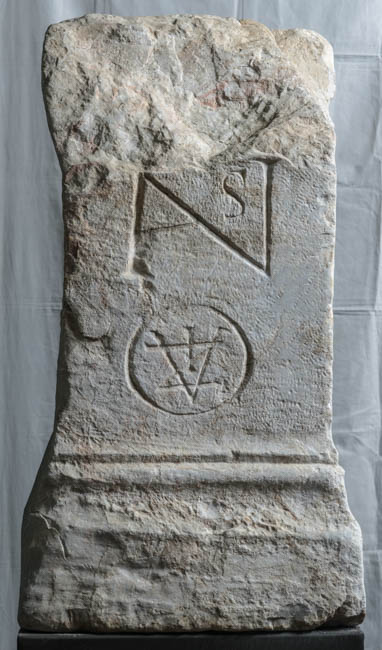
The limestone altar at Klechovtse in North Macedonia bears an inscription to the invincible Mithras.
