Your search St Albans gave 2762 results.
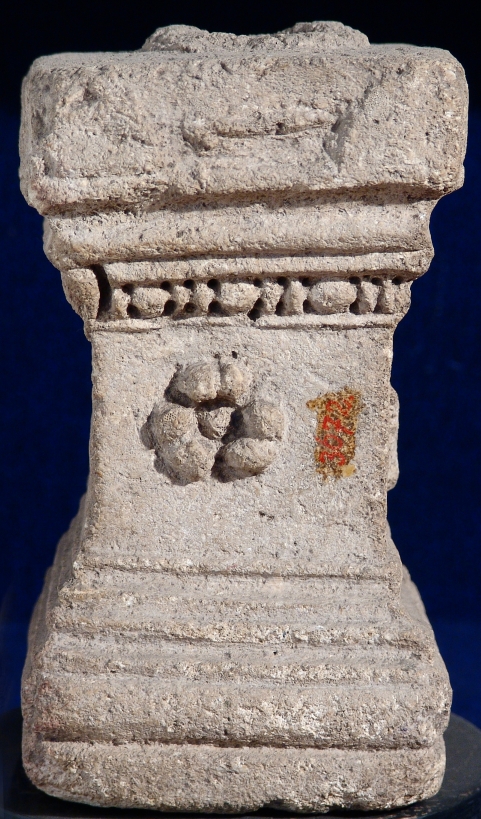
This limestone altar from Roman Dacia preserves a dedication to Mithras by a commander of the Ala II Pannoniorum.

This inscription shows that Publilius Ceionius, most distinguished man, dedicated a temple to Mithras at Mila, in the modern Constantina, Algeria.
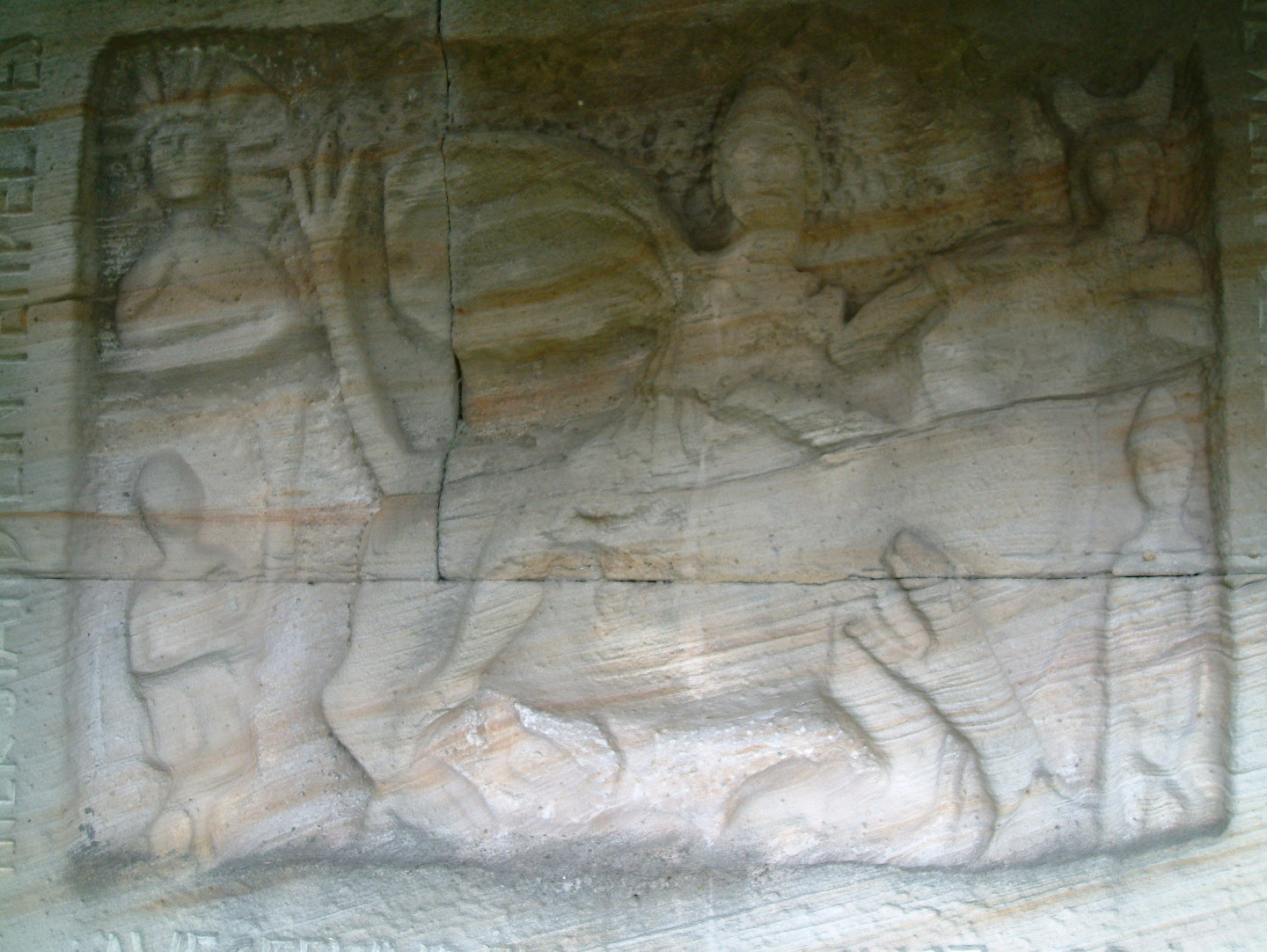
This relief of Mithras killing the bull found in Gimmeldingen, Germany, lacks the usual raven.
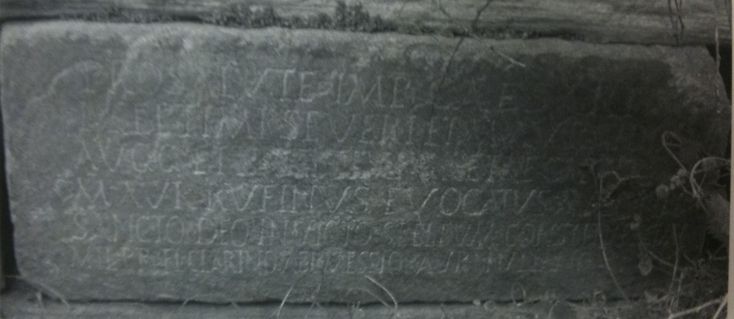
This inscription reveals the existence of a Mithraeum on the island of Andros, Greece, which has not yet been found.
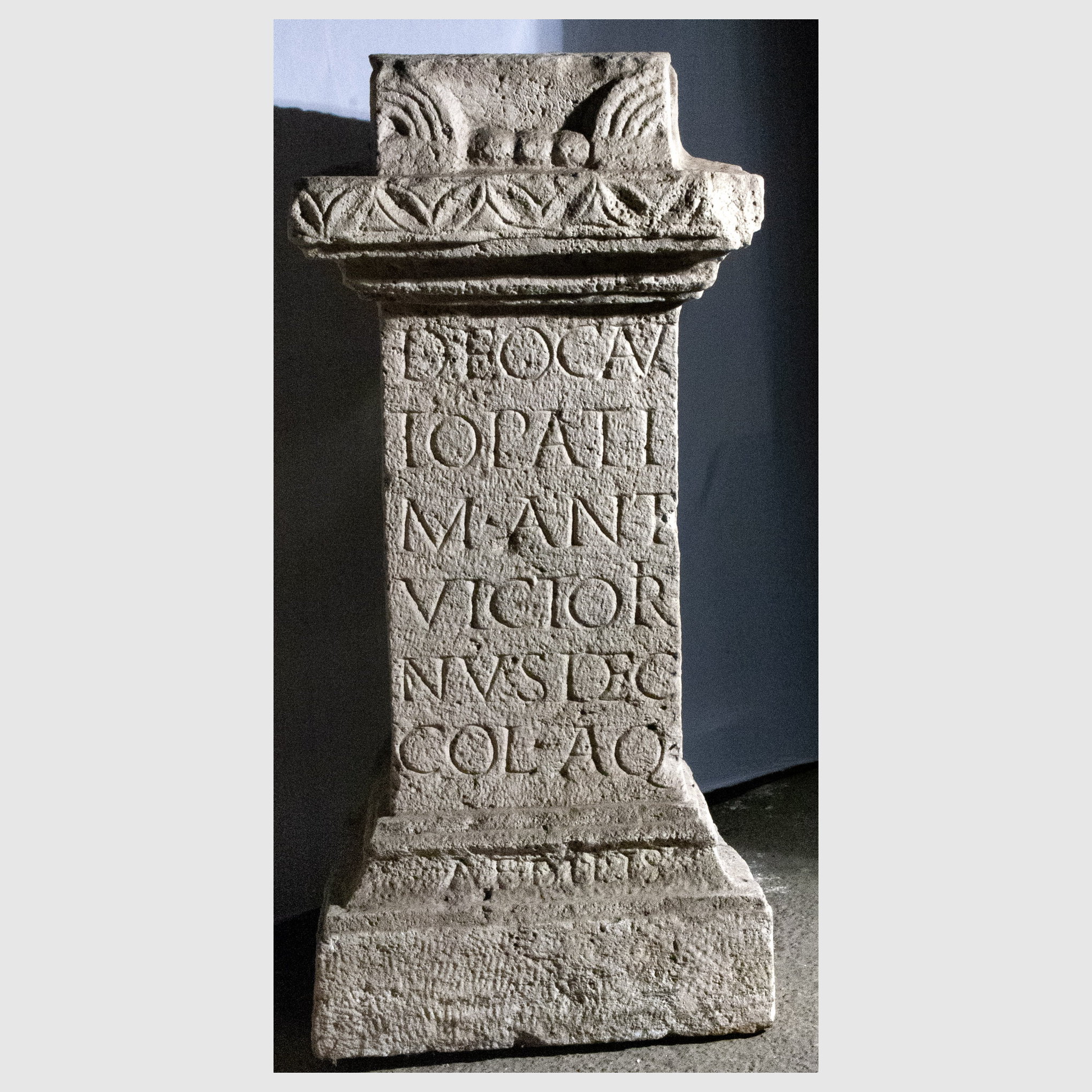
These two altars, erected by a certain Victorinus in the mithraeum he built in his house, bear inscriptions to Cautes and Cautopates.

This plaque, located on the western staircase of the Palace of Darius, mentions the god Mithra together with Ahura Mazda as protectors of King Artaxerxes III Ochus.

These fragments of a monumental tauroctony found in the Cerro de San Albín must have decorated the Gran Mitreo de Mérida, which has not yet been found.
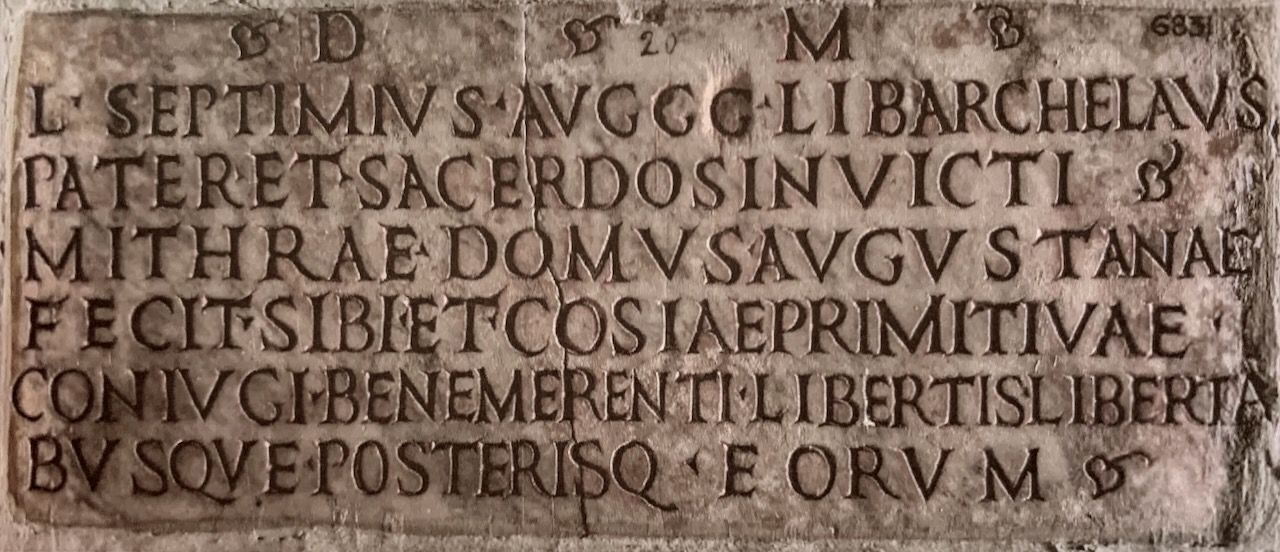
Marble funerary plaque erected by Lucius Septimius Archelaus, a Pater and priest of Mithras, for himself, his wife, and their freedmen and descendants.
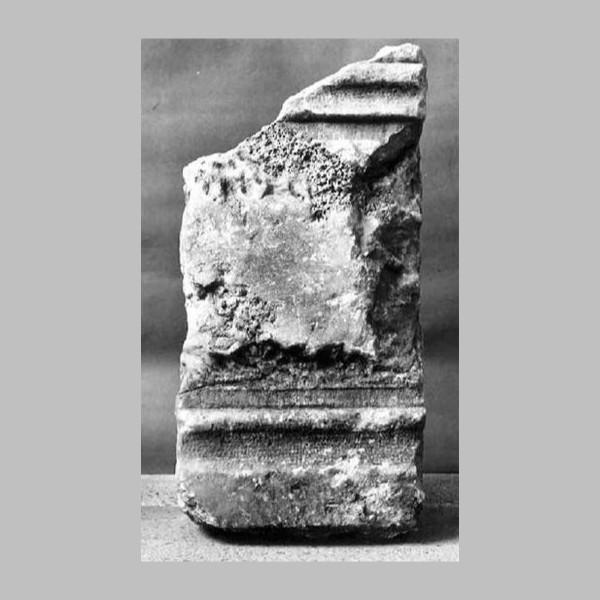
A certain Blastia or Blastianus made a dedication to Mithras and Silvanus on an altar in Emona, Italy.
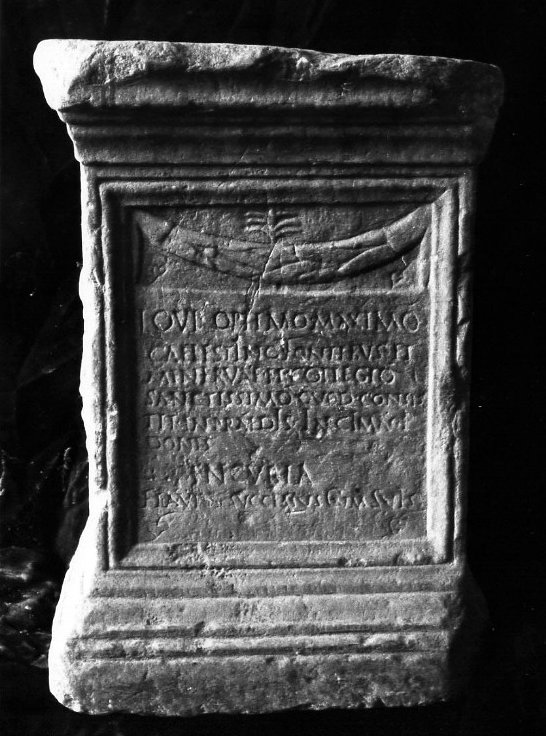
According to the inscription on it, this altar probably supported a statue of Jupiter.
This altar is dedicated to the god Sol Invictus Mithras by a certain Florus, a veteran of the Legio III Augusta.
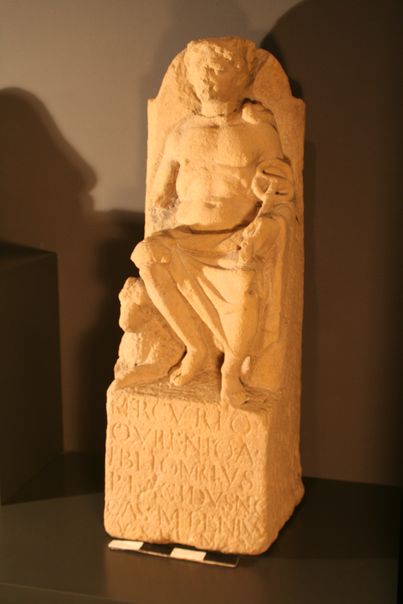
The statue was dedicated to Mercury Quillenius, an epithet used to refer to a Celtic god or the Greek Kulúvios.
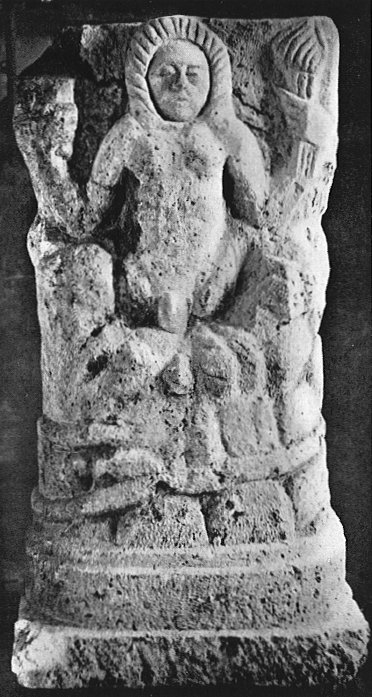
Another sculpture of Mithras rock-birth from the Mithraeum of Victorinus, in Aquincum.
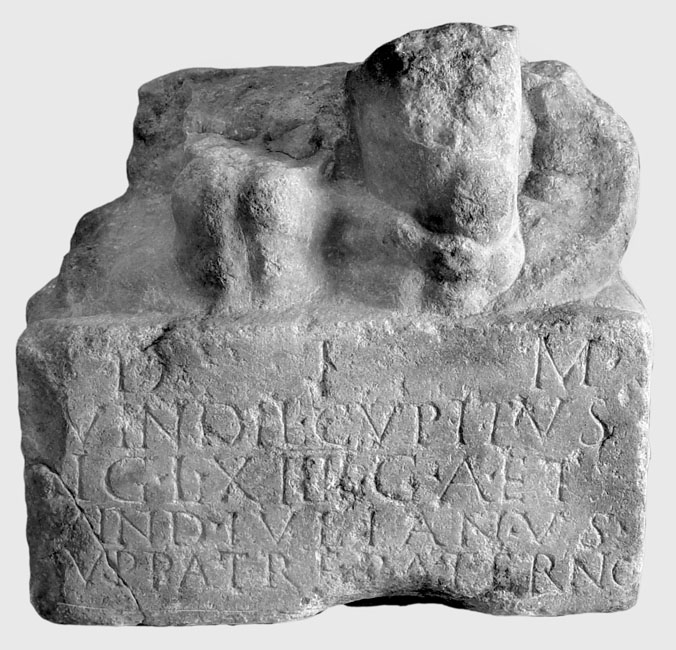
Only parts of the knees of Mithras, emerging from the rock, have been preserved from this monument of Petronell-Carnuntum, Austria.
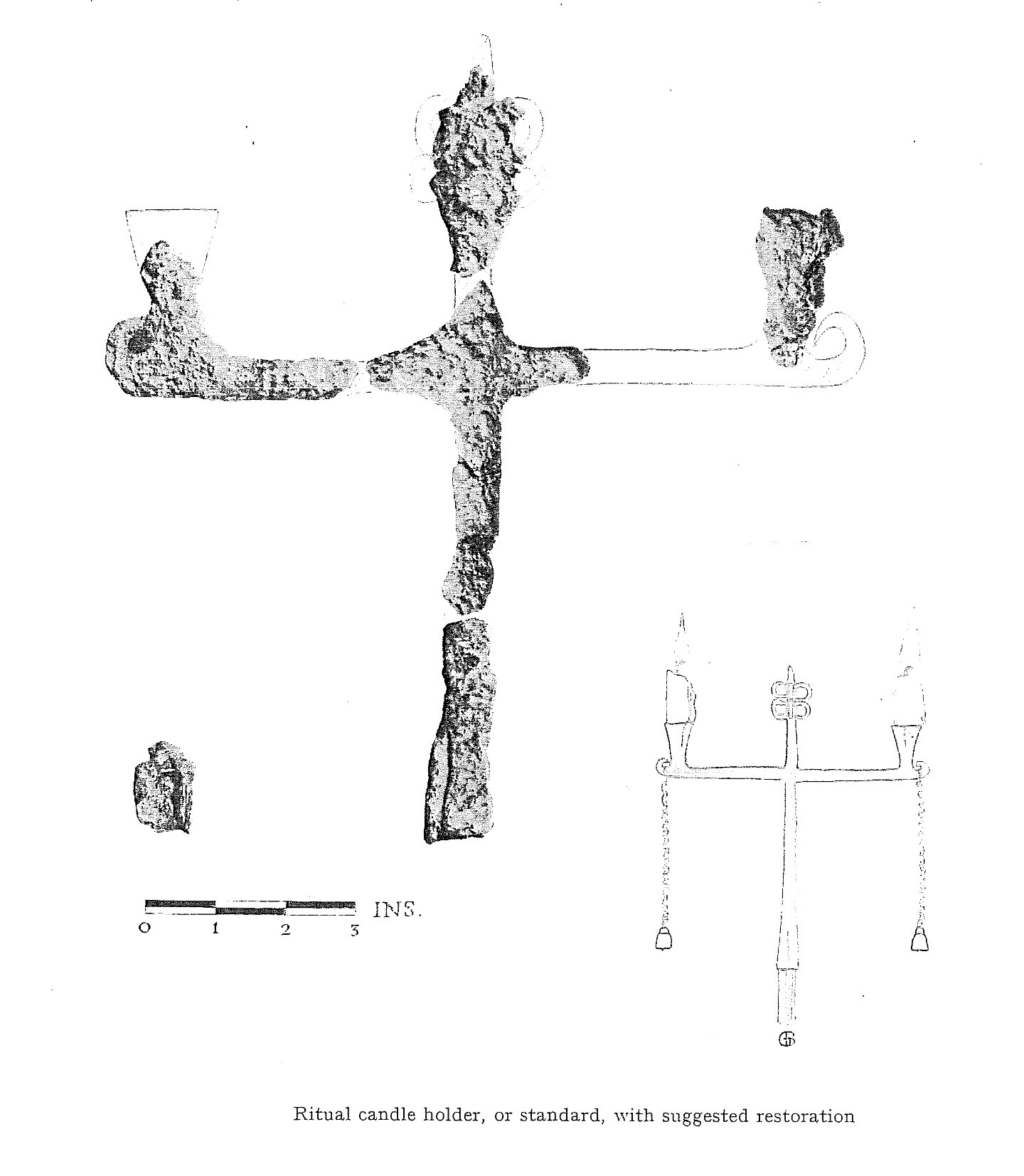
The Caernarfon candelabrum is a reconstruction of several iron pieces found in the Mithraeum of Caernarfon.

This altar for the completion of a temple to Sol Invictus by Flavius Lucilianus was found in Fossa, Italy.
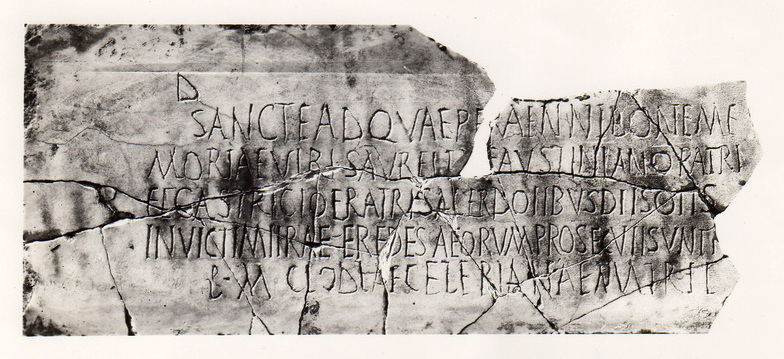
This inscription was commissioned by a family of priests of the invincible god Mithras.
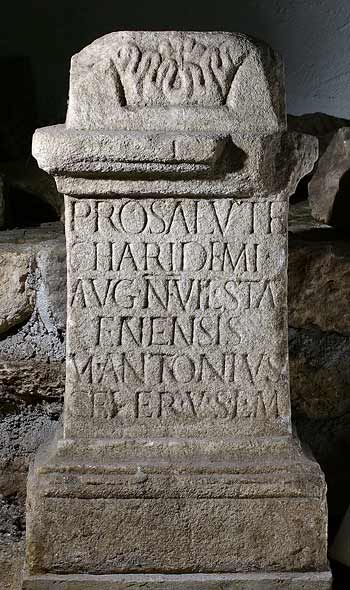
Marble votive altar with inscription to Mithras, featuring coiled, fan-like motifs above the text and associated with the statio Enensis.
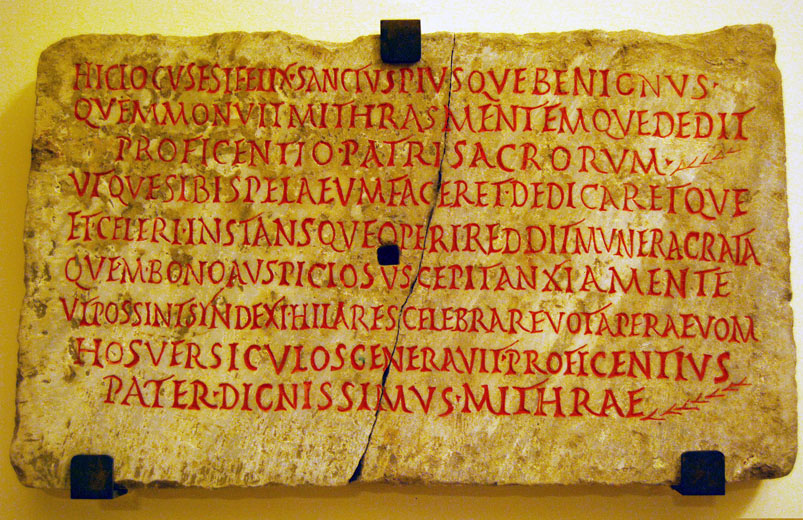
This marble slab bears an inception be the Pater Proficentius to whom Mithras has suggested to build and devote a temple.

An Algerian chemistry student interested in roman culture I hope to be able to explore Mithras culture in my country because of the vast and important rule of this religion in my city tiddis
