Your search Sulz am Neckar gave 1045 results.
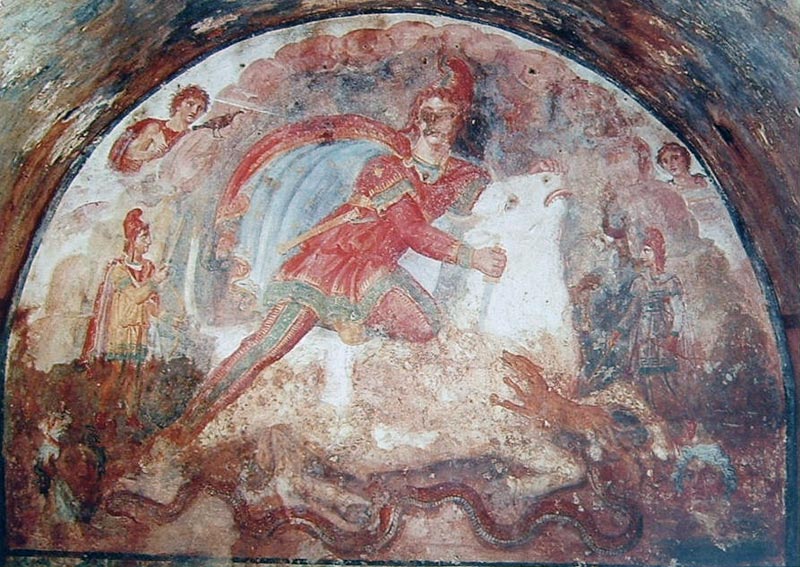
The main fresco of the Mithraeum of Santa Maria Capua Vetere portrays Mithras slaughtering a white bull.
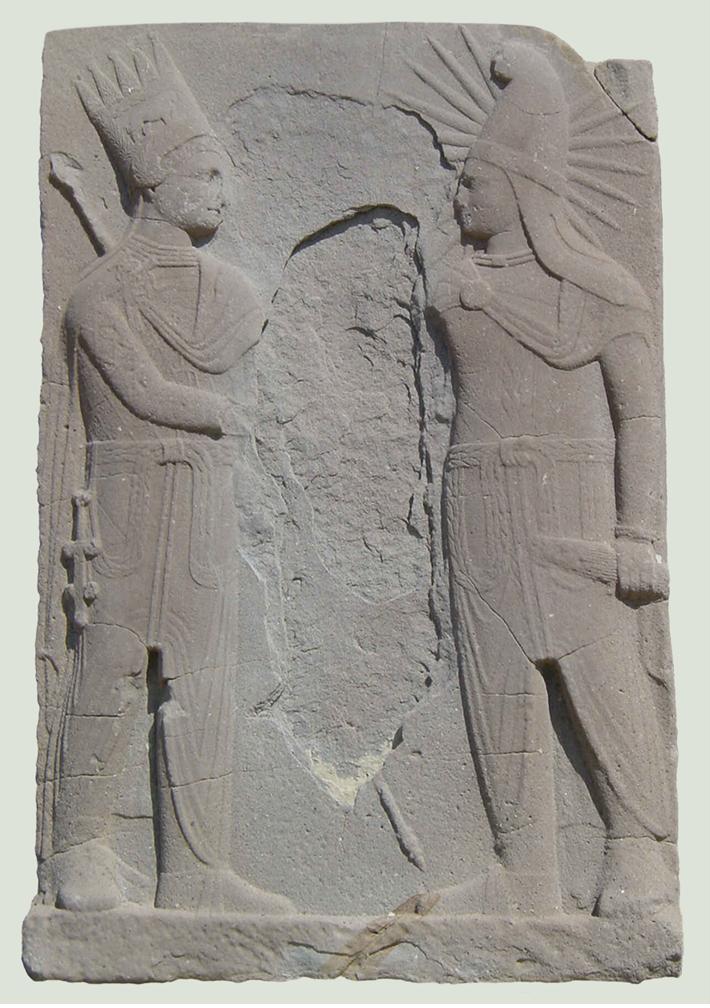
Antiochus I of Commagene shakes Mithras hands in this relief from the Nemrut Dagi temple.
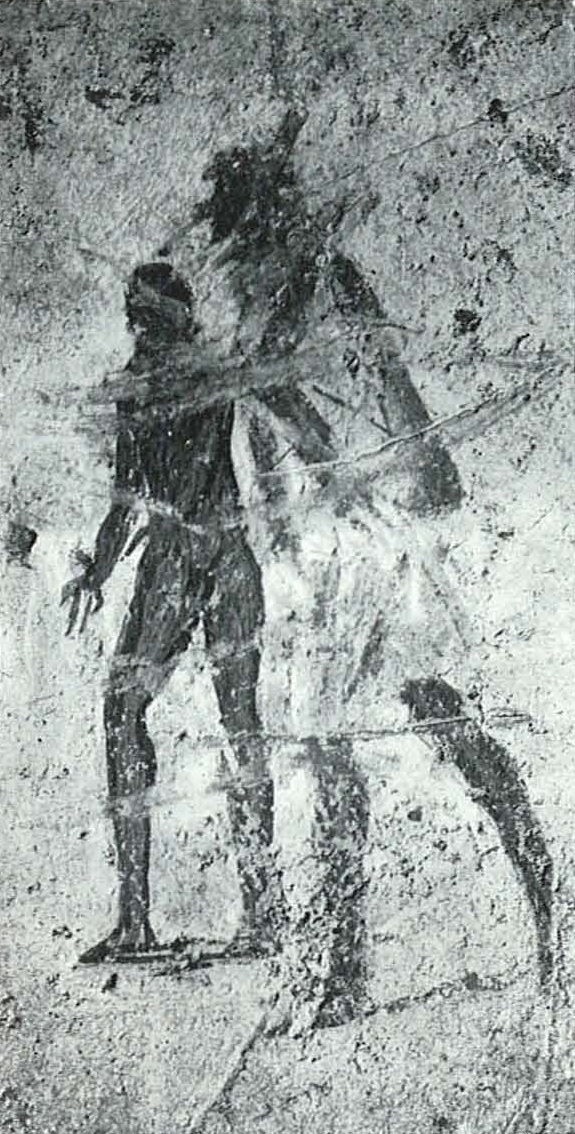
This is the first of several fresco scenes depicting the initiation of a new member in a mithraic community, in Capua Vetere.
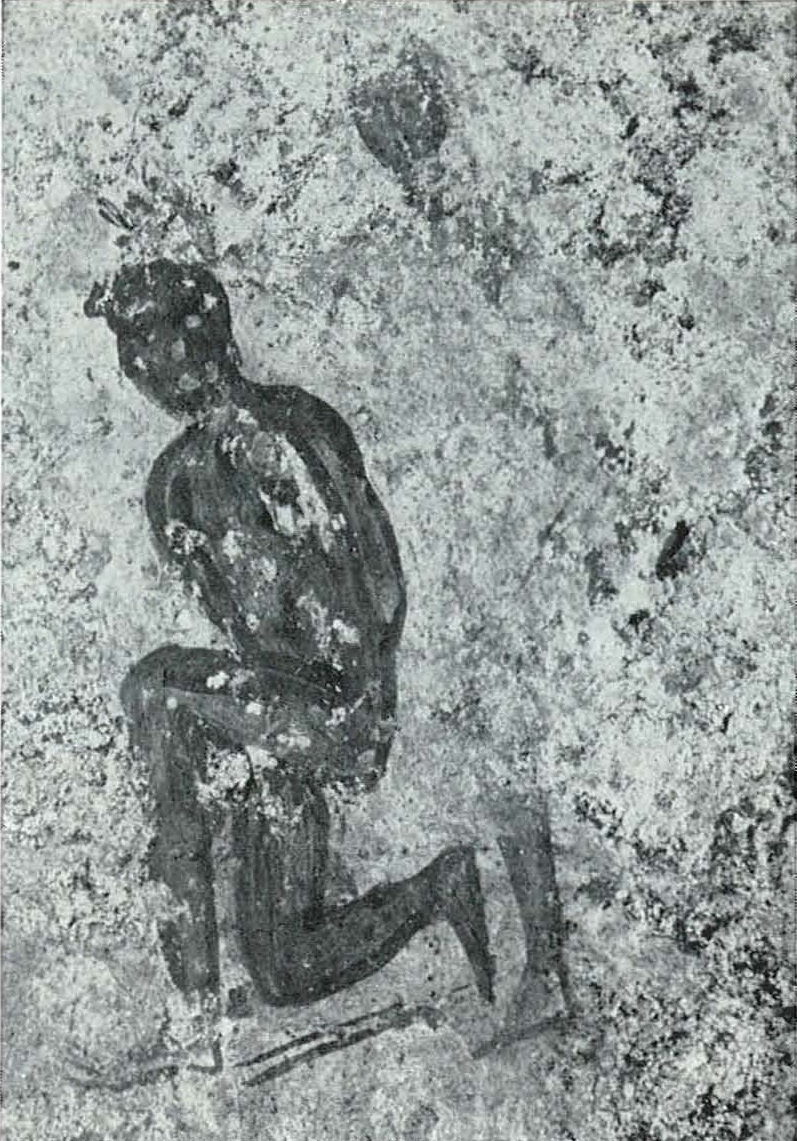
This scene from the frescoes of the Mitreo di Santa Maria Capua Vetere shows a kneeling, naked man surrounded by two other figures.
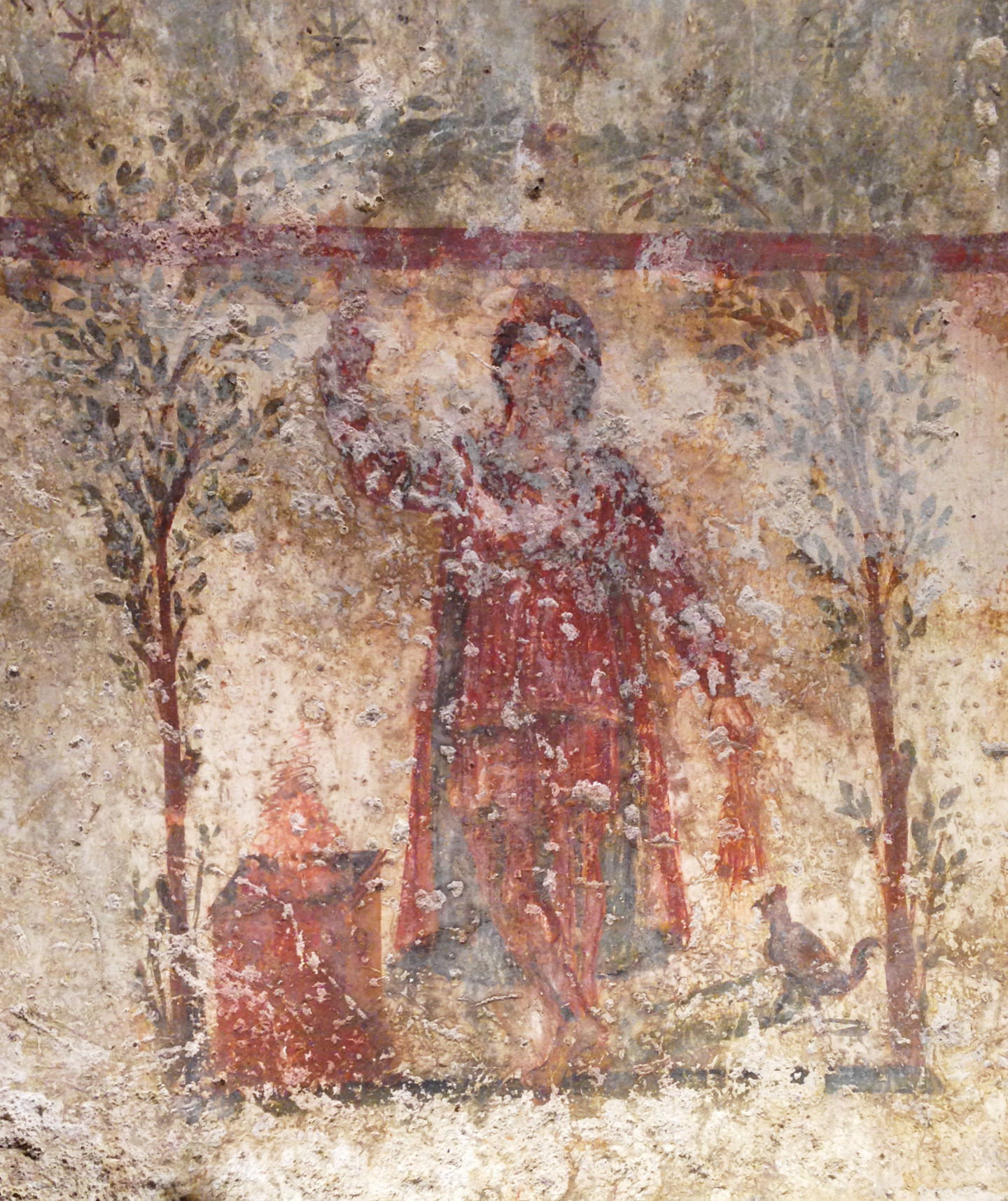
In the Mithraeum of S. Capua Veteres, Cautes stands between two laurel trees.
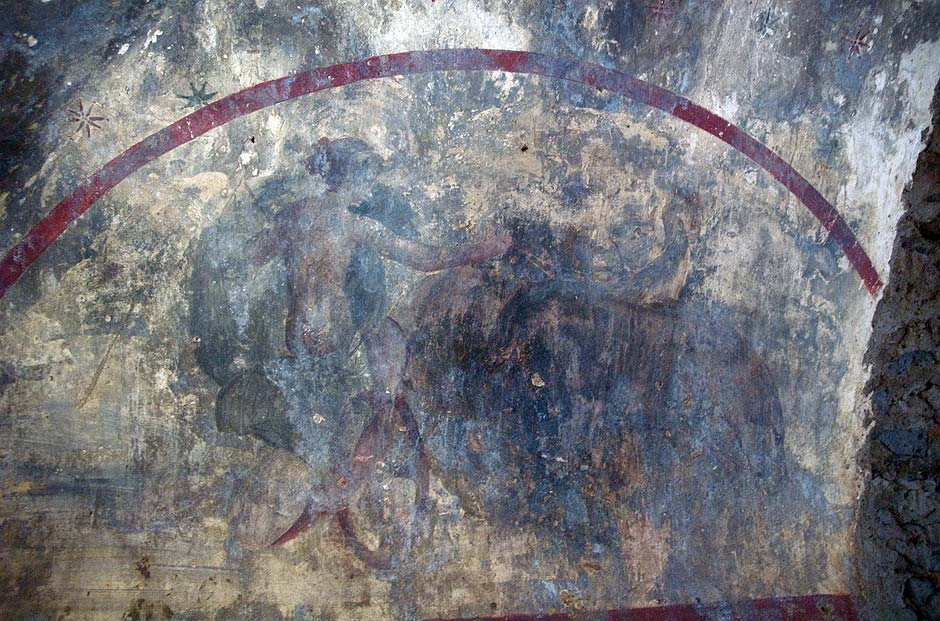
Luna riding a biga in the Mithraeum of Santa Capua Vetere.

Fresco depicting an initiation scene from the Mithraeum of Capua Vetere.
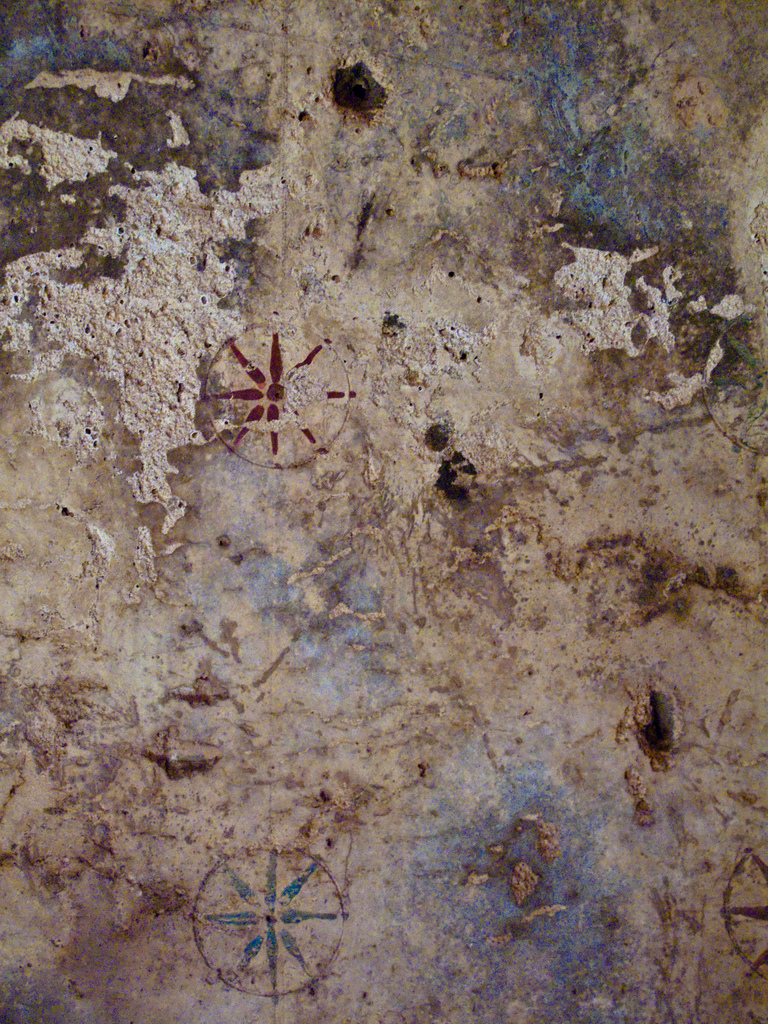
The vault of the Mithraeum in S. Capua Vetere is decorated with stars that have holes in their centers, which once held colorful glass decorations.
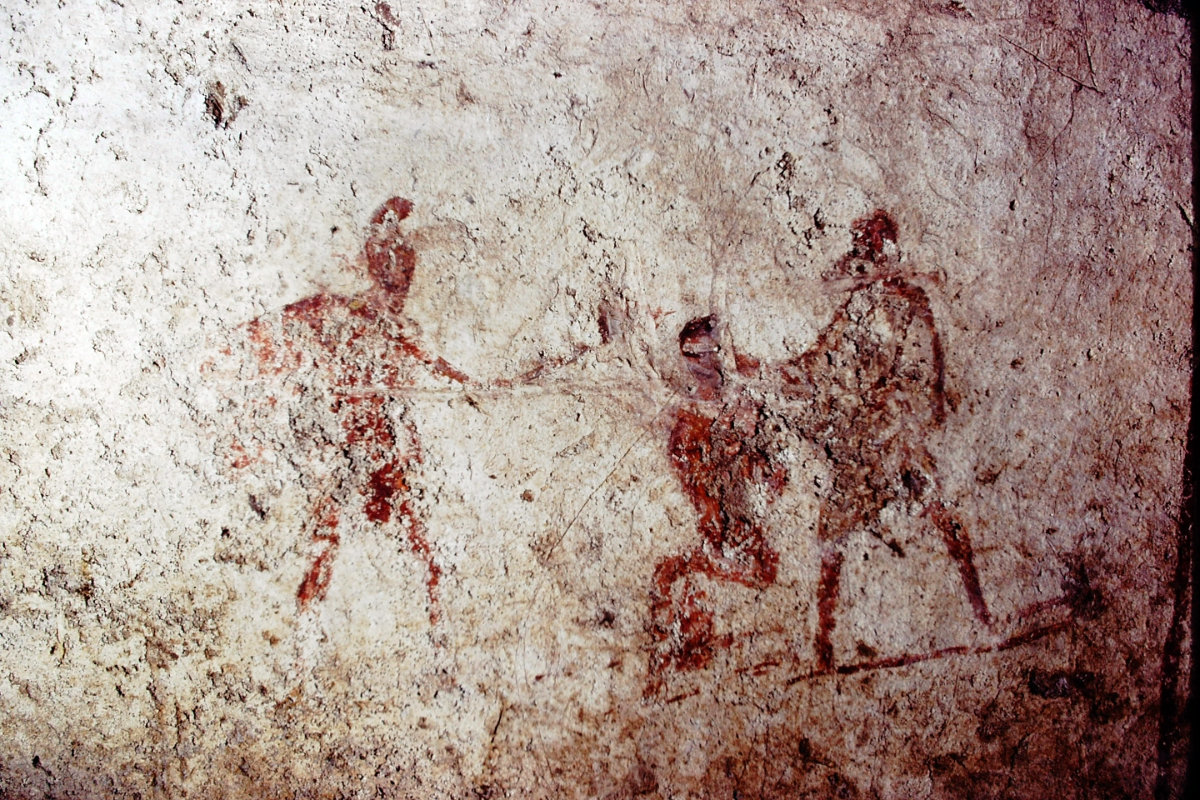
Fresco showing a scene of initiation into the mysteries of Mithras in the Mithraeum of Santa Maria Capua Vetere.
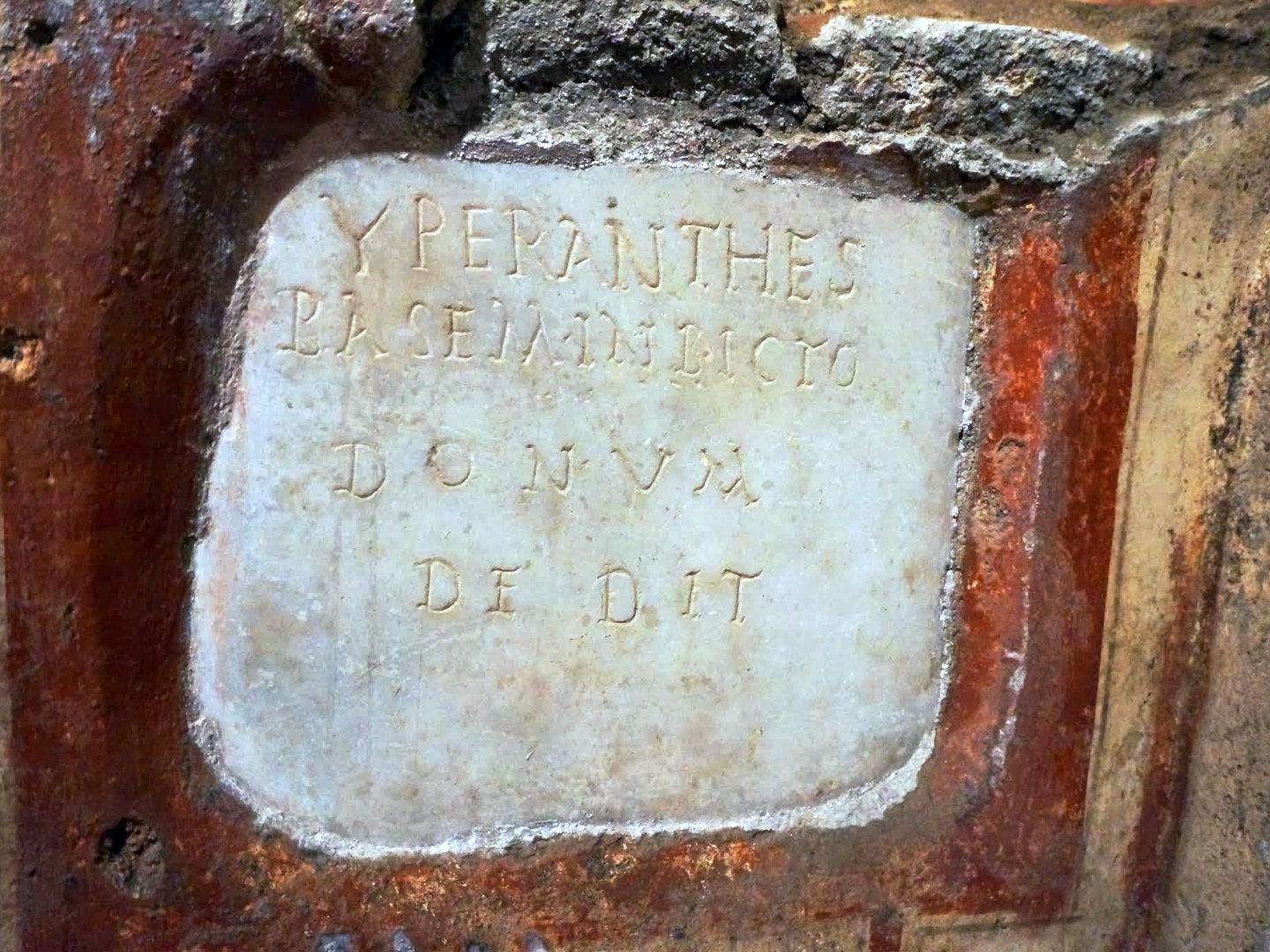
The inscription mentions the name of the donor, Yperanthes, of Persian origin.
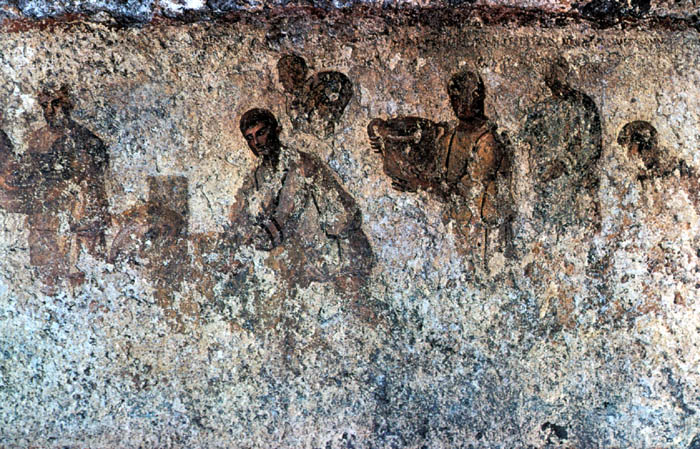
Procession of Leones carrying animals, bread, a krater, and other objects in preparation for a feast.
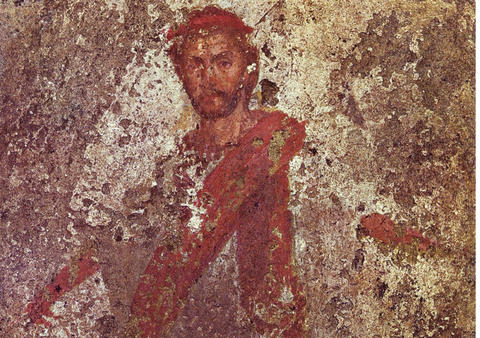
Figures in procession, each representing a different grade of Mithraic initiation, labeled with their respective titles.
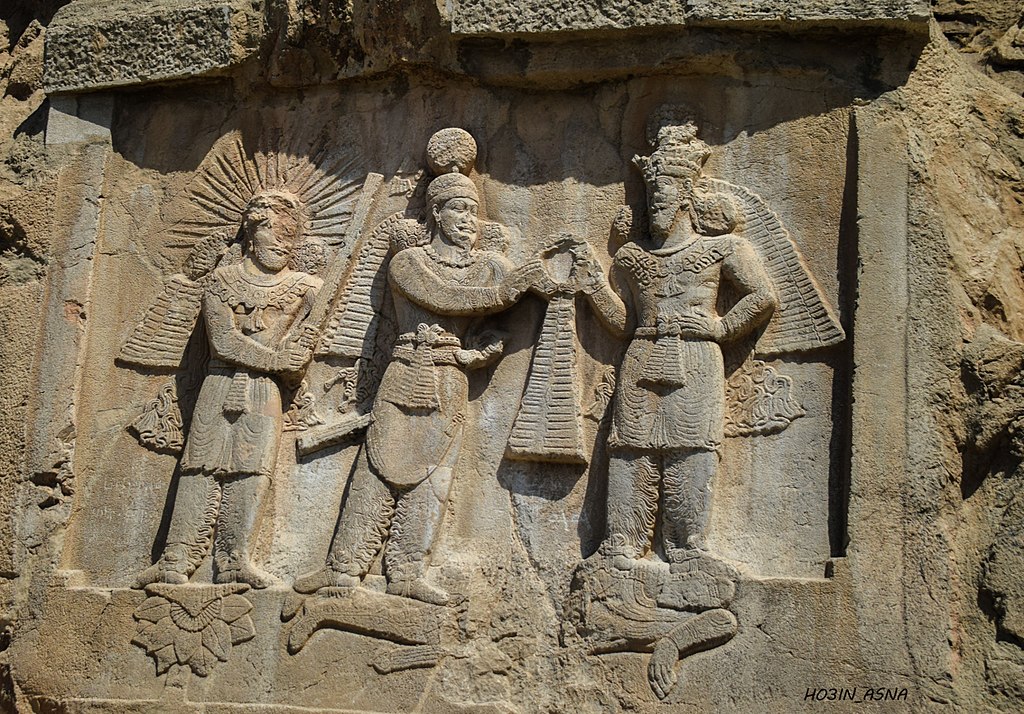
This monument depicts Mihr/Mithras watching over the transition of power from Shapur II to Ardashir II, which took place in 379.
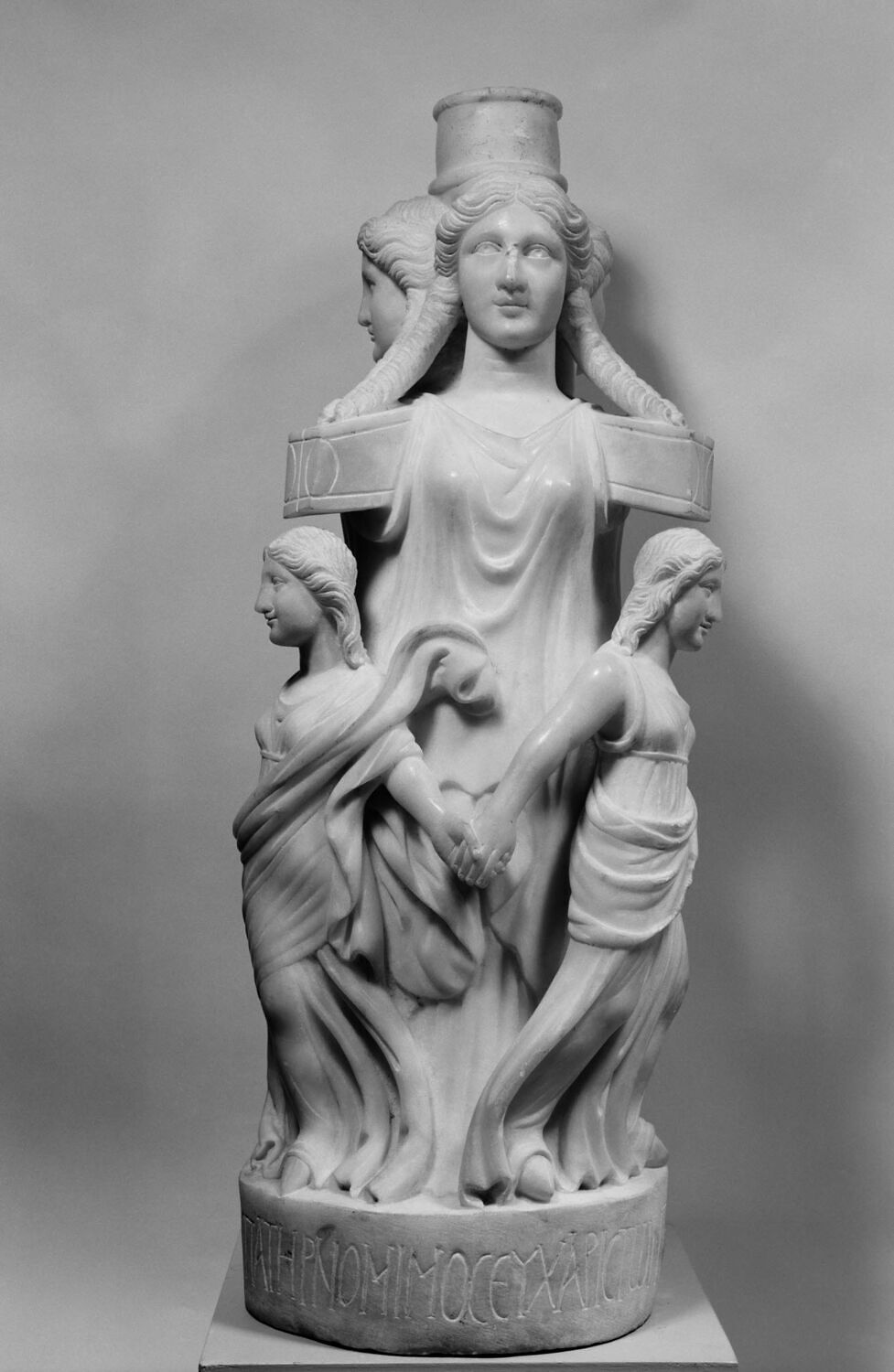
The Hekataion of Sidon, which depicts Hekate in her trimorphic form surrounded by three dancing girls, is the only example found to date in connection with the Mithraic cult.
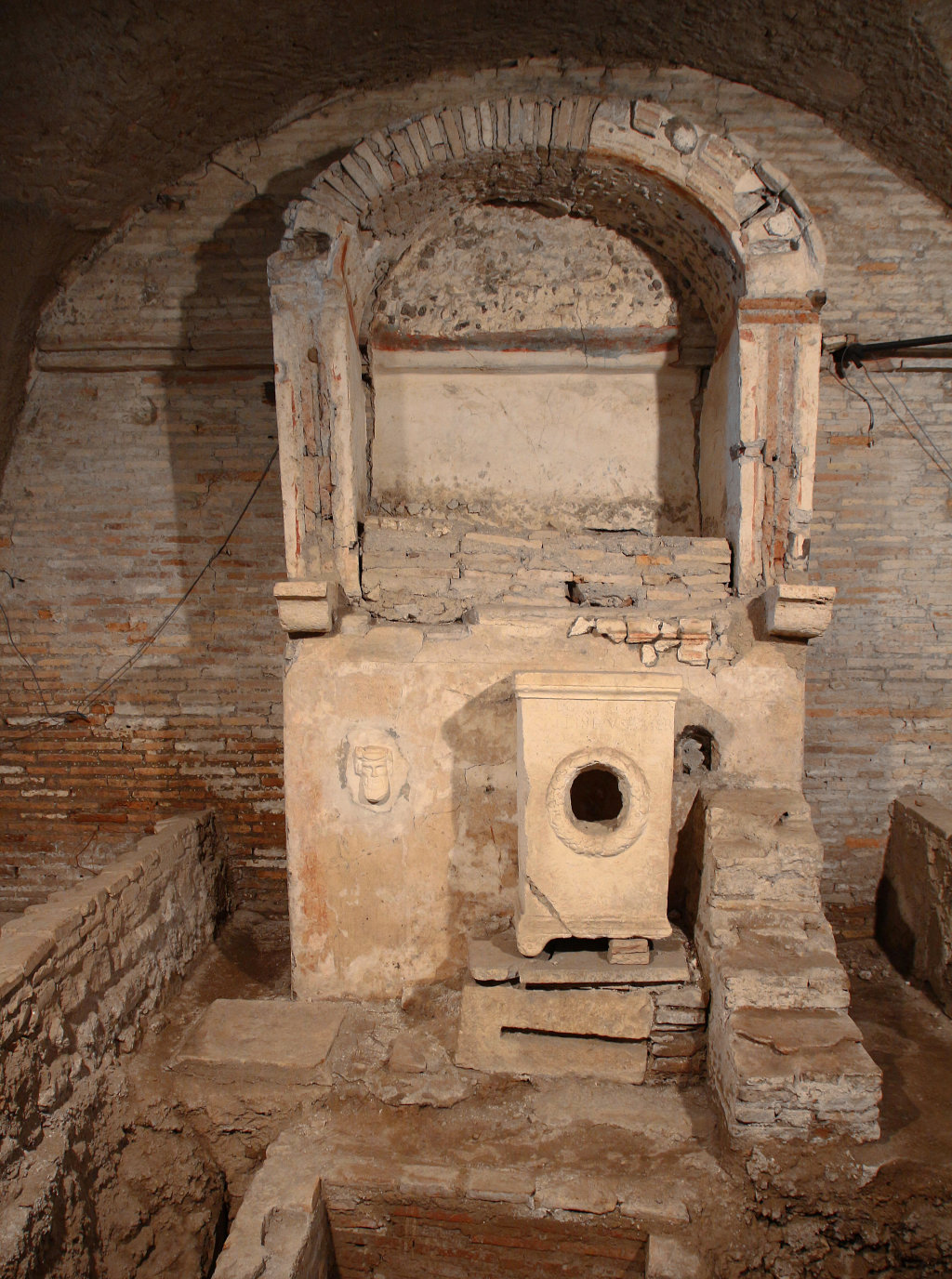
This altar was originally consecrated to Hercules and was rededicated to Mithras by Callinicus in the Mithraeum of the House of Diana.
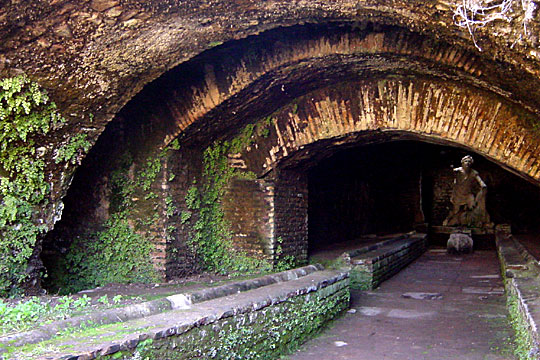
The Mithraeum of the terms of Mithras takes its name from being installed in the service area of the Baths of Mithras.

A fragmentary red sandstone relief preserves the upper part of three-headed Hekate holding a long object in her left hand.
The Rites of Hekate is a personal yet deeply rooted academic account of the current understanding of this ambivalent goddess, presented as an arcane and liminal archetype.

I am a graduate trying to complete a MA in archaeology. My Master`s Dissertation is about Mistery Cults in the Roman Empire
