Your search Tal hal Hariri / Es-Sâlihiyeh / As Salhiyah gave 3730 results.

A fragmentary inscription from Aquileia, probably dedicated to Cautopates, recording a soldier named Marcianus, optio of the Second Adiutrix Legion, who fulfilled his vow for the welfare of himself and his family.
An inscription from the vicus Vicciomitum in Milan (ancient Mediolanum), recording a votive dedication to the Invincible Mithras by L. Atilius Pupinius on a site granted by decree of the town council.

First Roman emperor of African origin and founder of the Severan dynasty, which ruled the empire for over four decades.

I am an historian of religions. I currently studies so called "Oriental cults of the Roman Enmpire

Alfius Severus was a prominent figure associated with the Mithraeum of Marino, probably acting as pater of a small Mithraic community connected with the nearby peperino stone quarries.
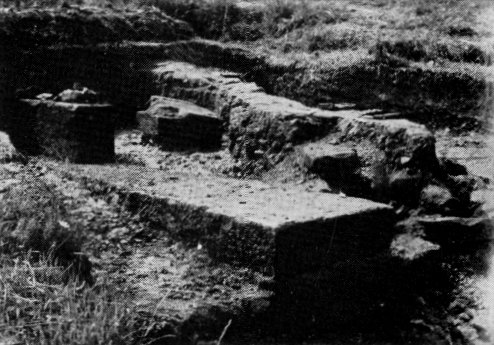
The Mackwiller Mithraeum was built in the middle of the 2nd century, during the reign of Antoninus the Pious, on the site of a spring already worshipped by the natives.

Roman settlement of Dacia superior located in the area of present-day Sibiu in Romania. The site became an important urban and military centre, later developed into the medieval city known as Hermannstadt in German and Nagyszeben in Hungarian.
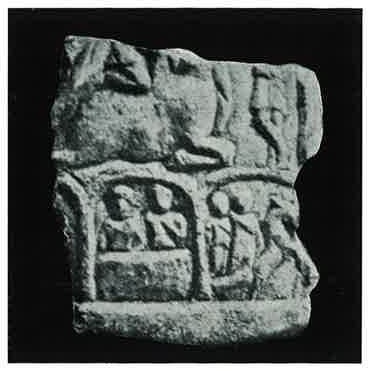
Right lower corner of a marble tauroctony relief from Oltenia, Dacia, preserving the lower portion of Mithras killing the bull.
A decorated inscription with egg-and-dart moulding found in the castle of La Fratta near Montefalco in Umbria, bearing a brief dedication to Sol Invictus.
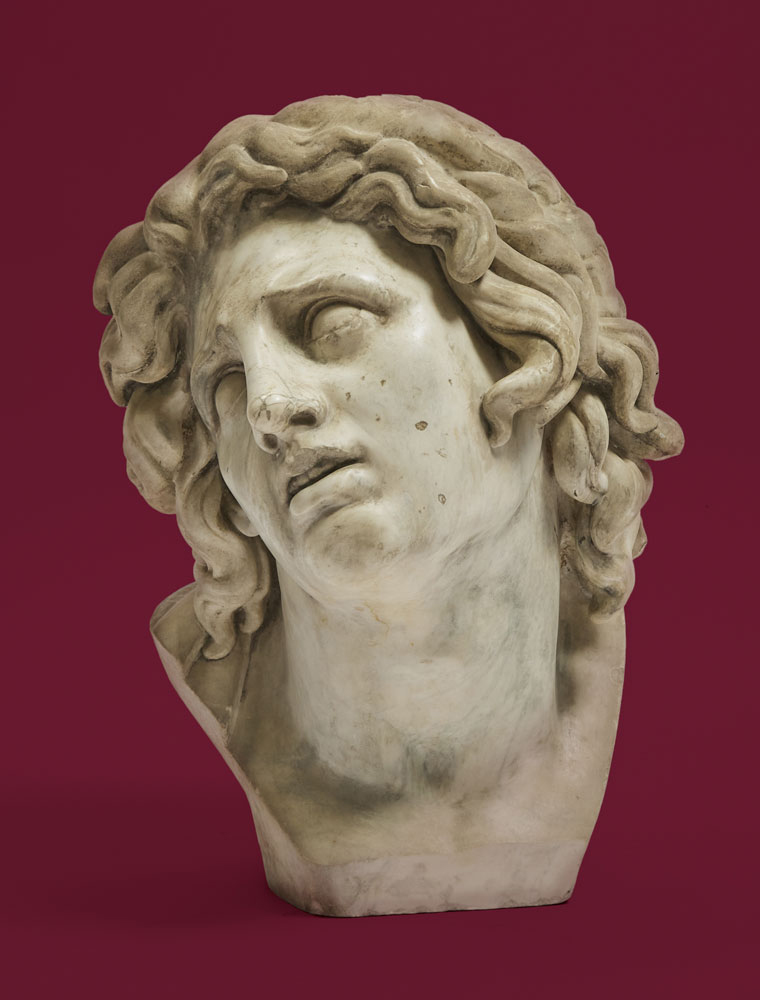
Head formerly associated with Mithraic material but interpreted by Margarete Bieber as a dying Giant.
A subterranean room with a stucco depiction of Mithras slaying the bull, probably from the fourth century, discovered at Agurzano near Ponte Mammolo on the Via Tiburtina outside Rome.
A marble inscription fragment found in the cemetery at the Duos Lauros along the Via Labicana outside Rome, commemorating a sacerdos of Sol Invictus Mithras who lived forty years.
A marble slab reused as a tombstone in Comodilla's catacombs near the Via Ostiense in Rome, originally inscribed by Titus Flavius Eutychus as a gift to the Invincible and Holy god.
A tauroctony statue once in the Collection Santa Croce near the Piazza Giudea in Rome, showing Mithras as bullkiller with a broad belt around the bull's body, the arms of the god and the bull's horns broken off.
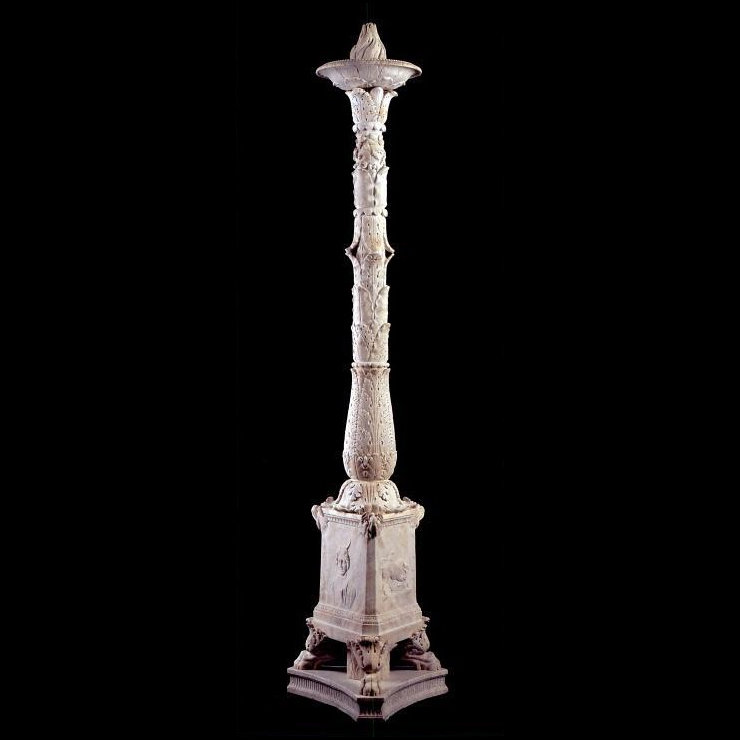
This magnificent candelabrum was found in Rome in 1803, in the Syrian Temple of Janicule.
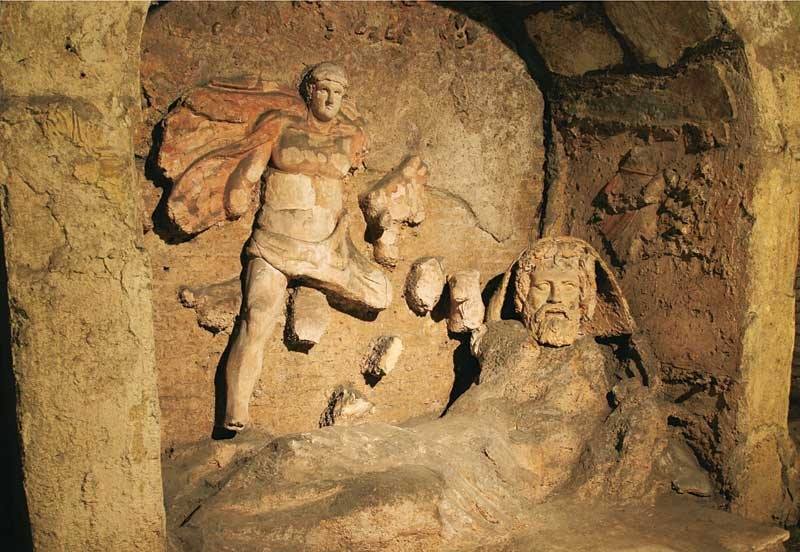
The fragmented tauroctony of the Mitreo di Santa Prisca rests on the naked figure of a bearded man, probably Ocean or Saturn.
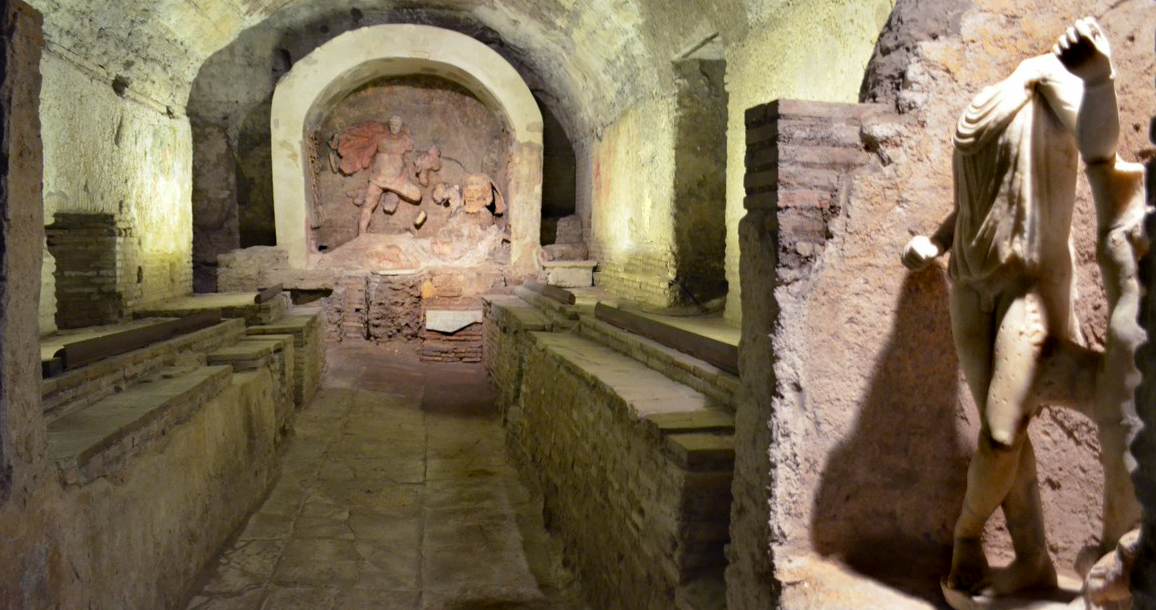
The Mithraeum of Santa Prisca houses remarkable frescoes showing the initiates in procession.
Marble inscription found near the Church of S. Susanna on the Quirinal, with a dedication to Sol Invictus as a votive offering by Cornelius Maximus, centurion of the tenth praetorian cohort.
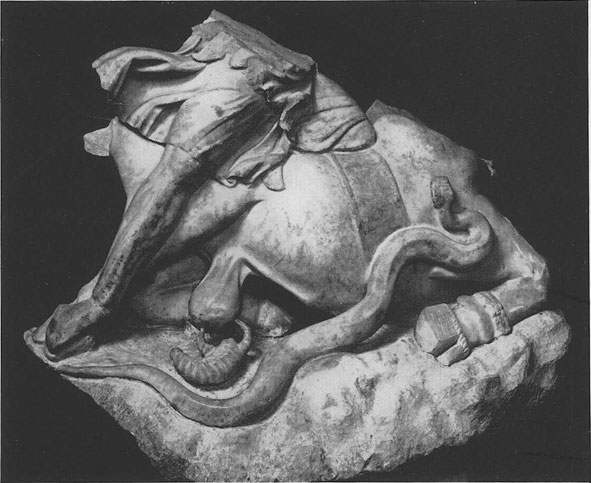
Partial marble statue of Mithras as a bullkiller found near Viale Latino, about 200 meters from Porta San Giovanni.

This unusual mural depicting Mithras killing the bull was found near the Colosseum in 1668.
