Your search Tal hal Hariri / Es-Sâlihiyeh / As Salhiyah gave 3730 results.

Mithraic dedicant associated with the rock-cut sanctuary of Rožanec in Pannonia Superior.
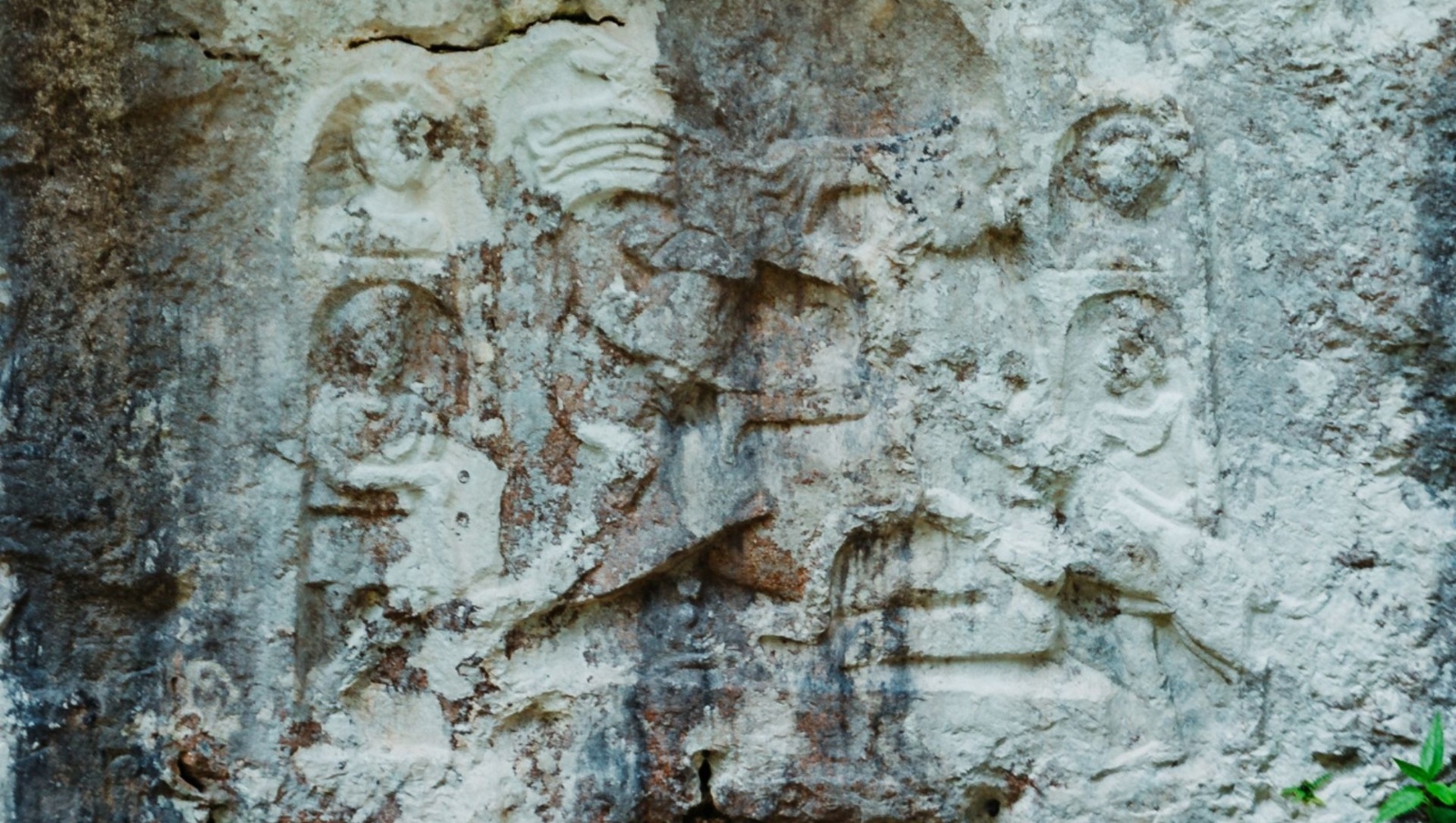
Carved directly into the rock of the Rožanec sanctuary, this tauroctony relief preserves an unusually complete composition.

A powerful and wealthy man, founder of a mithraeum in the city of Aquincum of which he was the mayor.

Member of a Mithraic community at Stockstadt who dedicated altars to Cautes and Cautopates.
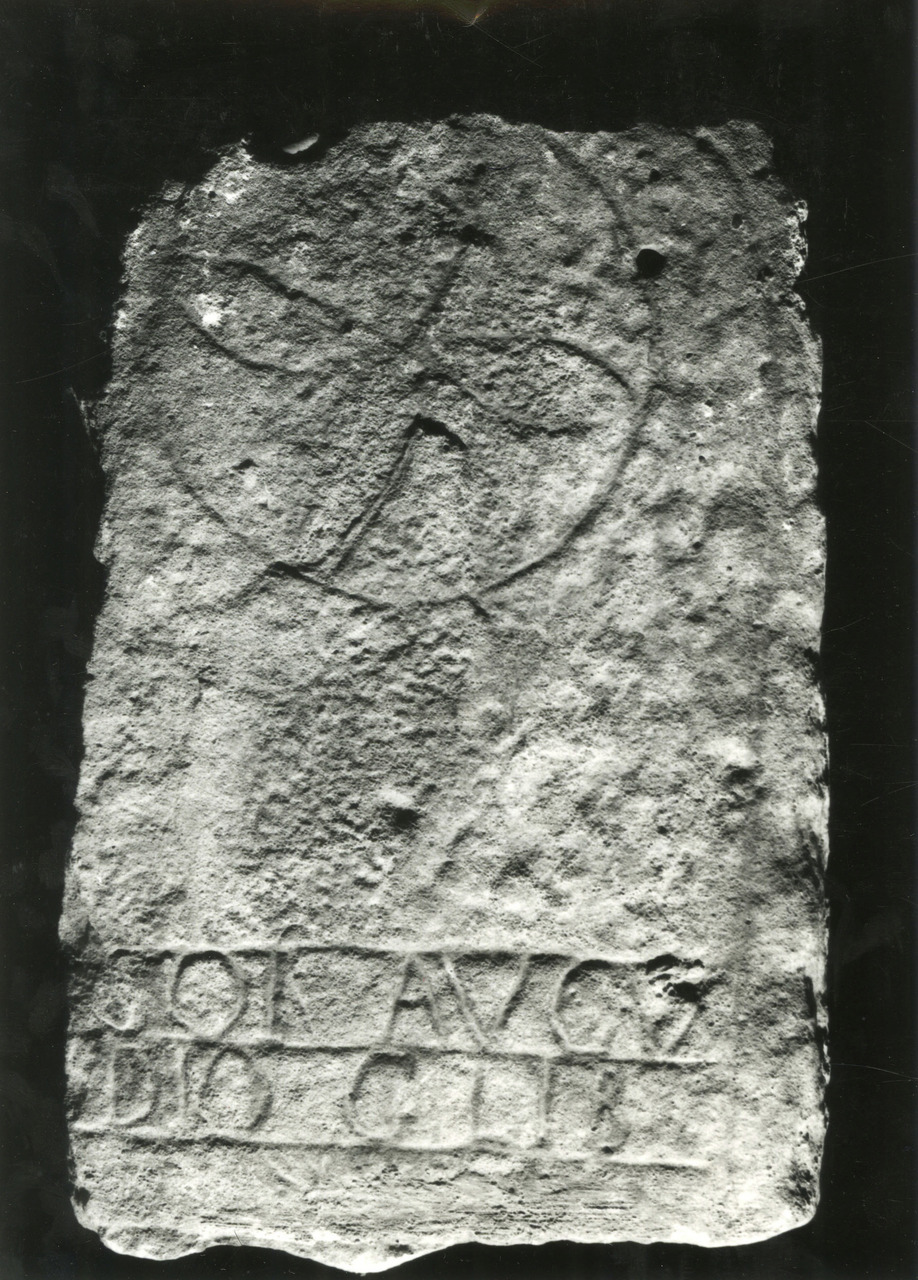
A sandstone slab found along the border of the Tagus river near Thirmarum (modern Trillo, near Cifuentes in Guadalajara), recording an inscriptoiin by a certain Cornelius, freedman of Gaius.

Thirmarum is recorded as a findspot for Mithraic material in Tarraconensis.
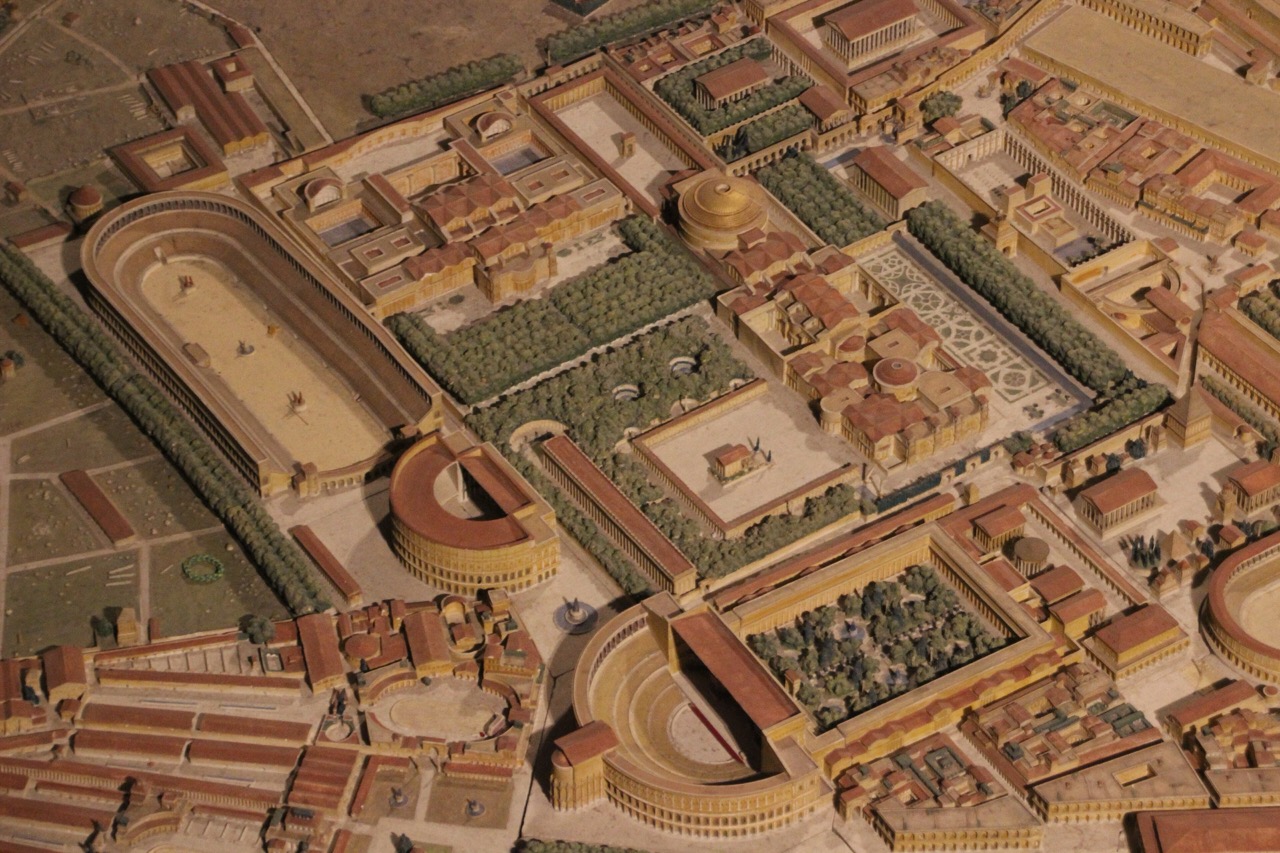
Archaeological evidence shows that the area around Rome has been inhabited since around 14,000 years ago. Excavations support the theory that Rome grew from pastoral settlements on the Palatine Hill, which was built over the area of the Roman Forum.
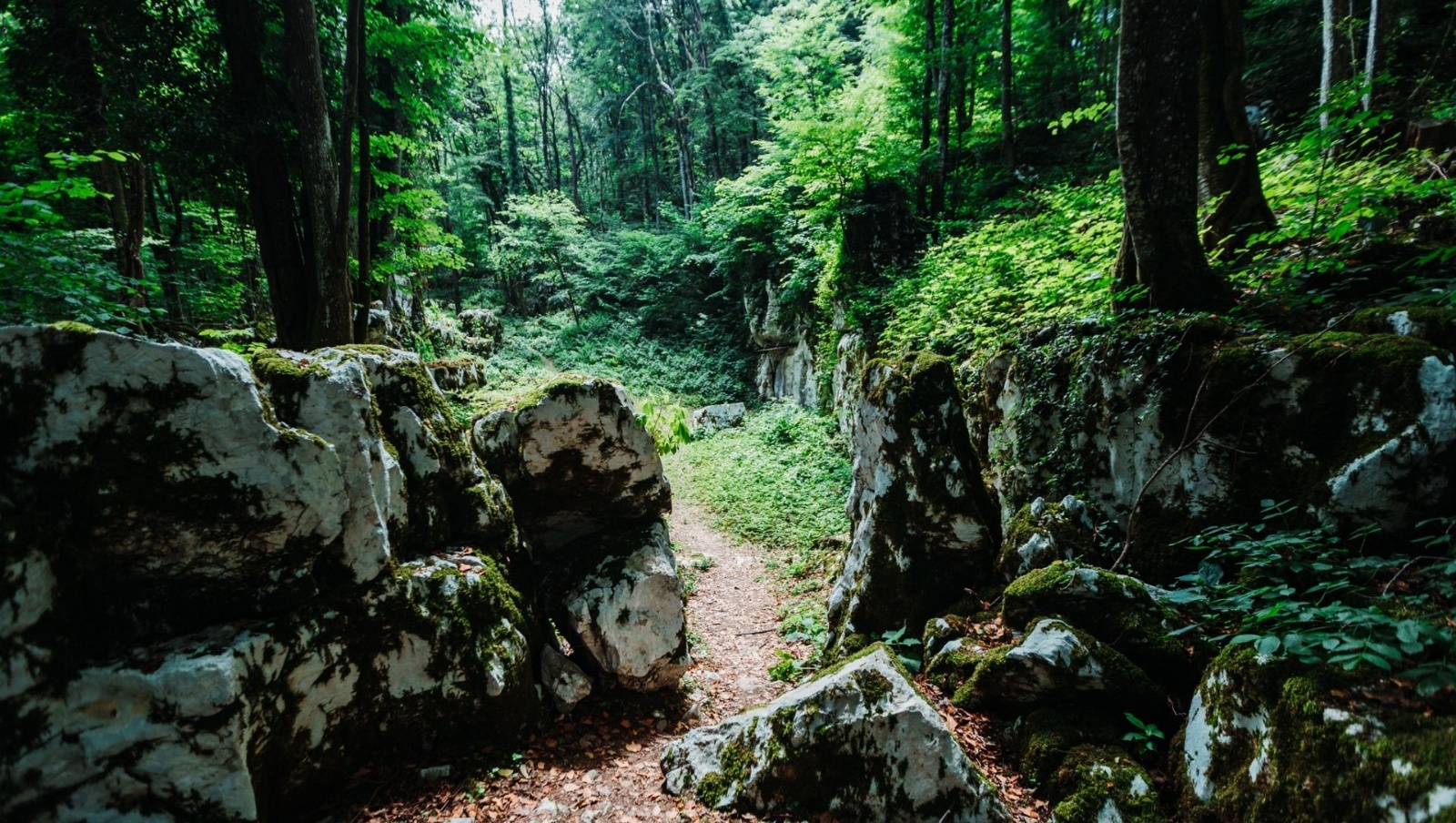
Rožanec is a settlement north of the town of Črnomelj in the White Carniola area of southeastern Slovenia.
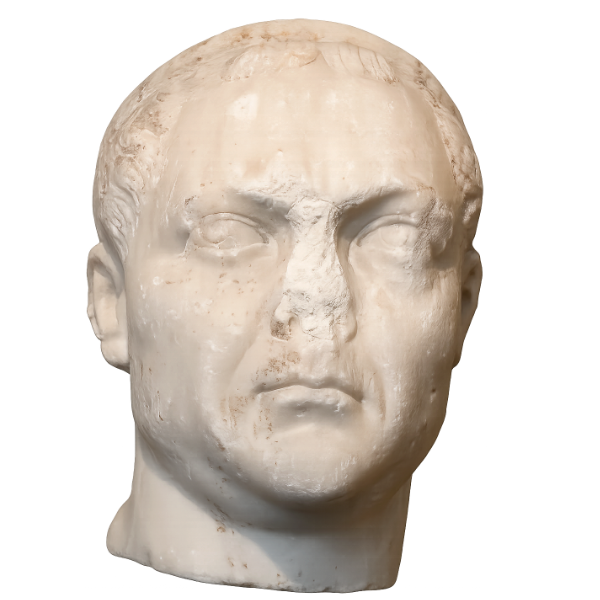
Roman emperor from 253 to 260, he was taken captive by Shapur I of Persia. He was thus the first emperor to be captured as a prisoner of war.

Early Mithraic Leo from Novae whose name has been associated with the honey symbolism of the leonine grade.

Pater sacrorum attested in a funerary inscription from Murviel-lès-Montpellier, probably connected with the Mithraic community of Nemausus.

A white marble tauroctony relief of unknown provenance, now preserved in the Lapidary Museum of Verona, depicting the standard Mithraic bull-slaying scene.

A marble fragment with an inscription in a tabula ansata from the Mithraeum at Walbrook in London, reading [Au]gggg(ustis) invicto..., a dedication to the Invincible probably addressing multiple emperors.
A small marble fragment from Augusta Emerita (modern Mérida) bearing the fragmentary inscription (S)arapi(s), attesting to the veneration of Sarapis in proximity to the Mithraic sanctuary.
Fragmentary inscription of unknown provenance, preserving only a pro salute formula and the name Attius Valerianus.
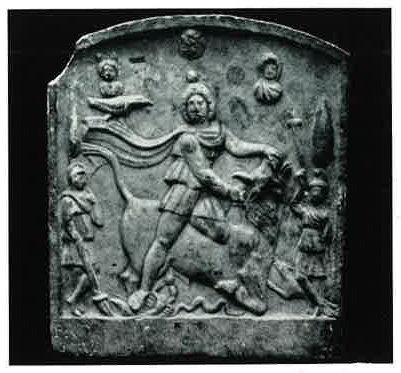
Marble tauroctony relief of uncertain but probably Apulum/Dacian provenance, depicting Mithras tauroktonos with raven, serpent, scorpion, and dog.
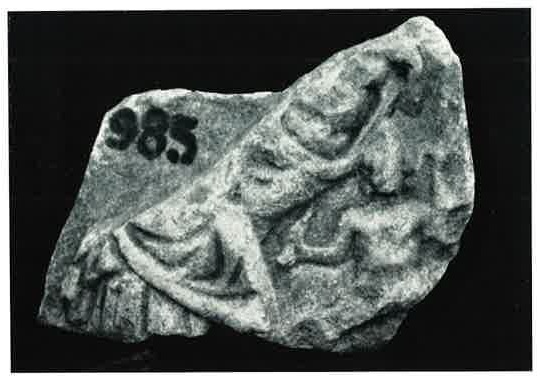
Limestone tauroctony relief fragment of unknown provenance, preserving the upper part of the right torchbearer of a bull-slaying scene.
The Roman remains of Benifaió, or Benifayó in Spanish, are located on the outskirts of the city. Of particular interest is a rustic villa inhabited between the 1st and 4th centuries according to the numismatic and ceramic remains found.
Villa Vicentina is associated with archaeological material from the Roman territory of Venetia.
Torcello is associated with the lagoon landscape of Venetia and later settlement activity.
