Your search Tal hal Hariri / Es-Sâlihiyeh / As Salhiyah gave 3725 results.

Liguria linked northern Italy to southern Gaul and the western Mediterranean through coastal and Alpine communication routes.
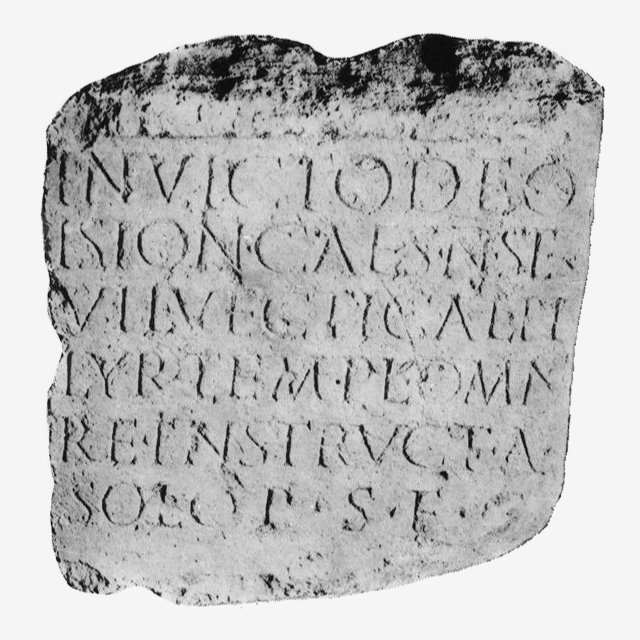
In this monument, the imperial slave Ision claims the completion of a new temple to Mithras in Moesia.

This altar is dedicated to the god Sol Invictus Mithras by a certain Florus, a veteran of the Legio III Augusta.

This altar for the completion of a temple to Sol Invictus by Flavius Lucilianus was found in Fossa, Italy.
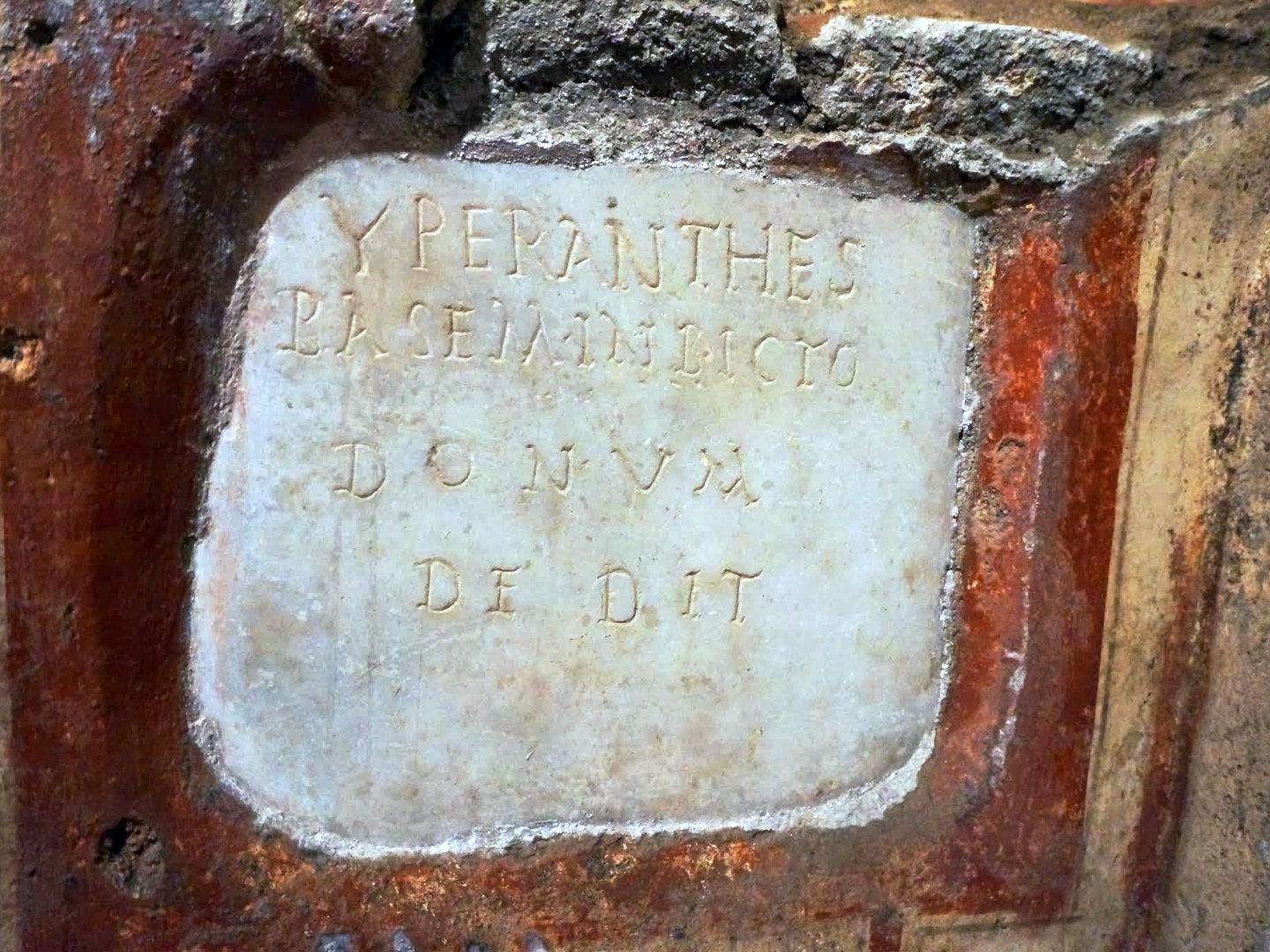
The inscription mentions the name of the donor, Yperanthes, of Persian origin.
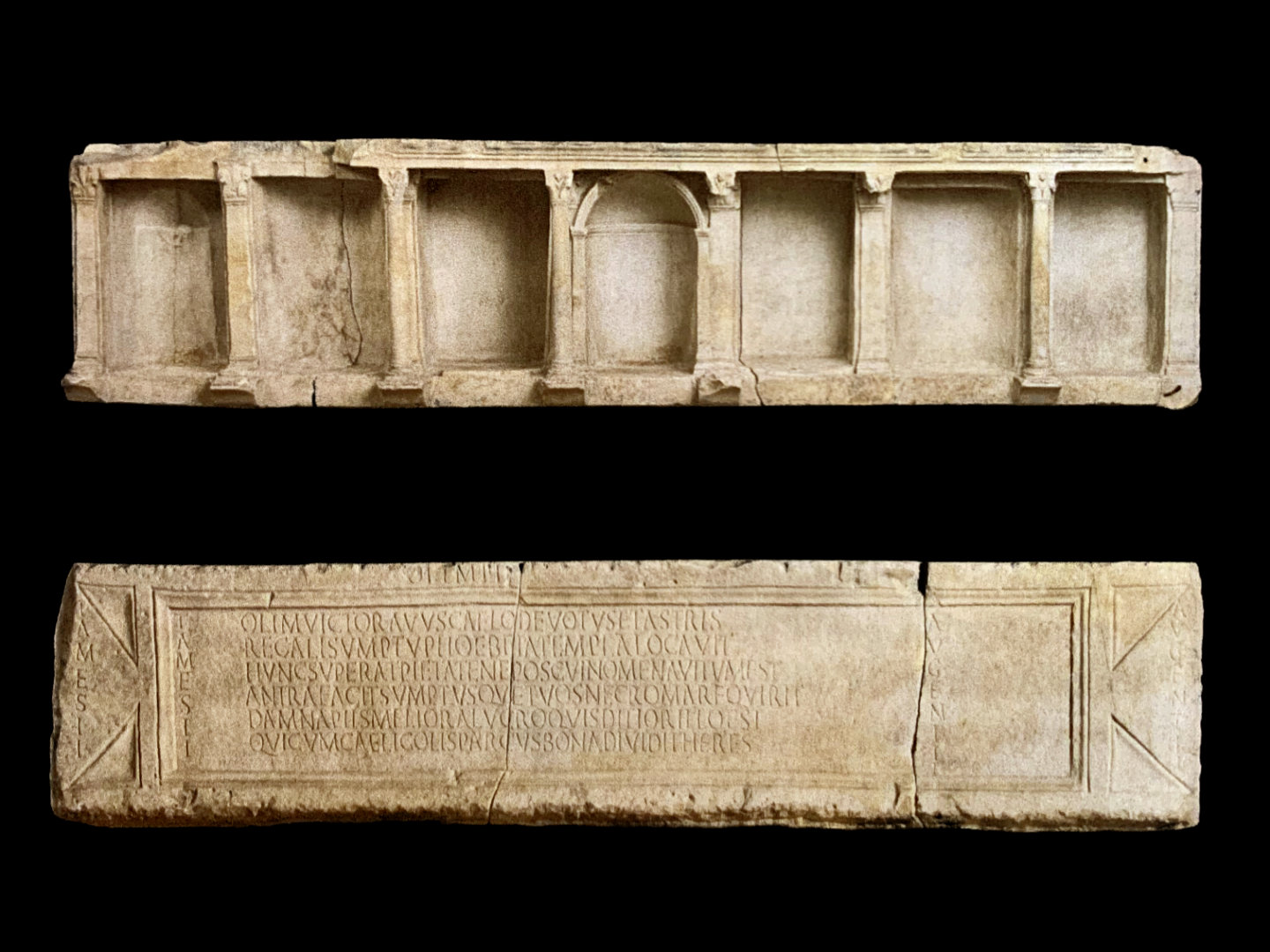
This monument is the only one still available from the disappeared Mithraeum in Piazza S. Silvestro in Capite.
This collective volume explores the ways ancient peoples interacted with divine powers through prayer, magic, and the interpretation of the stars. Drawing on evidence from Mesopotamia to Late Antiquity, it situates these practices within broader religious and cosmological systems…

Often neglected or considered too transgressive, the Priapeia, with its blend of Roman and Hellenistic influences, offers a complex view of ancient customs, especially homosexuality, combining literary tradition with sociological insight.

The links between Egypt and Greece are strong and far-reaching, and although the zoomorphic gods frightened Herodotus, the fact remains that the two cultures continued to influence each other.

Proceedings of the International Seminar on the 'Religio-Historical Character of Roman Mithraism, with Particular Reference to Roman and Ostian Sources'. Rome and Ostia 28-31 March 1978

The Mithraeum at Capua is in many respects one of the most important sanctuaries of the Iranian god who in the first centuries of our era conquered the Roman world.

Les monuments mithriaques sont rares en Syrie. Les sculptures de Sidon, datées de 188, constituent l’essentiel de la documentation malgré des incertitudes sur leur origine exacte.

Antaios, numéro dédié au culte de Mithra avec des articles, entrevues, poèmes et d'autres textes.

Corpus Inscriptionum et Monumentorum Religionis Mithriacae (or CIMRM) is a two volume collection of inscriptions and monuments relating primarily to the Mithraic Mysteries.
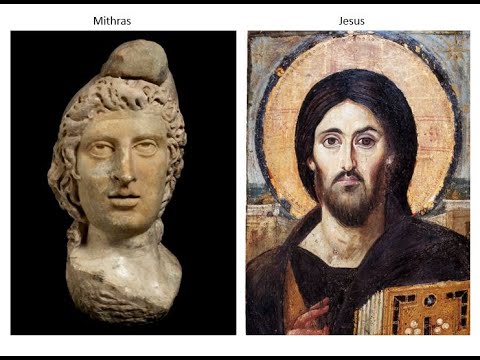
Mithraic Influence on Early Christian Symbolism and Church – Architecture
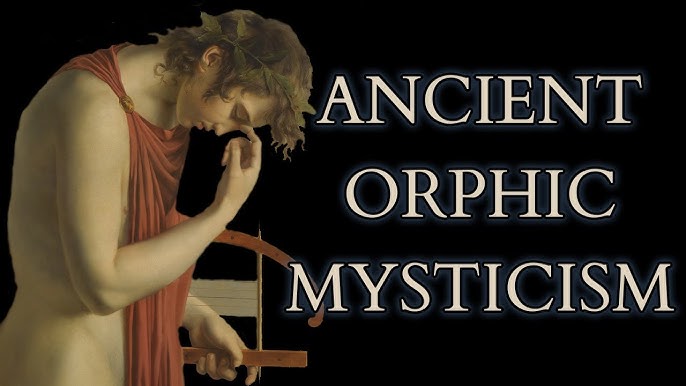
The Dream of Scipio, the Orphic Gold Plates, and the Mithra Liturgy are compared revealing a common cosmovision predicated on the microcosm.
Porphyry states that the Mithraists “perfect their initiate by inducting him into a mystery of the descent of souls and their exit back out again, calling the place a ‘cave’.”.
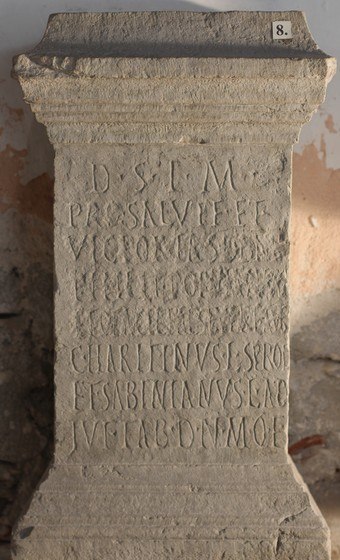
This stone altar found in Poreč was dedicated by two freedmen to the numen and majesty of the emperors Philip the Arab and Otacilia Severa.
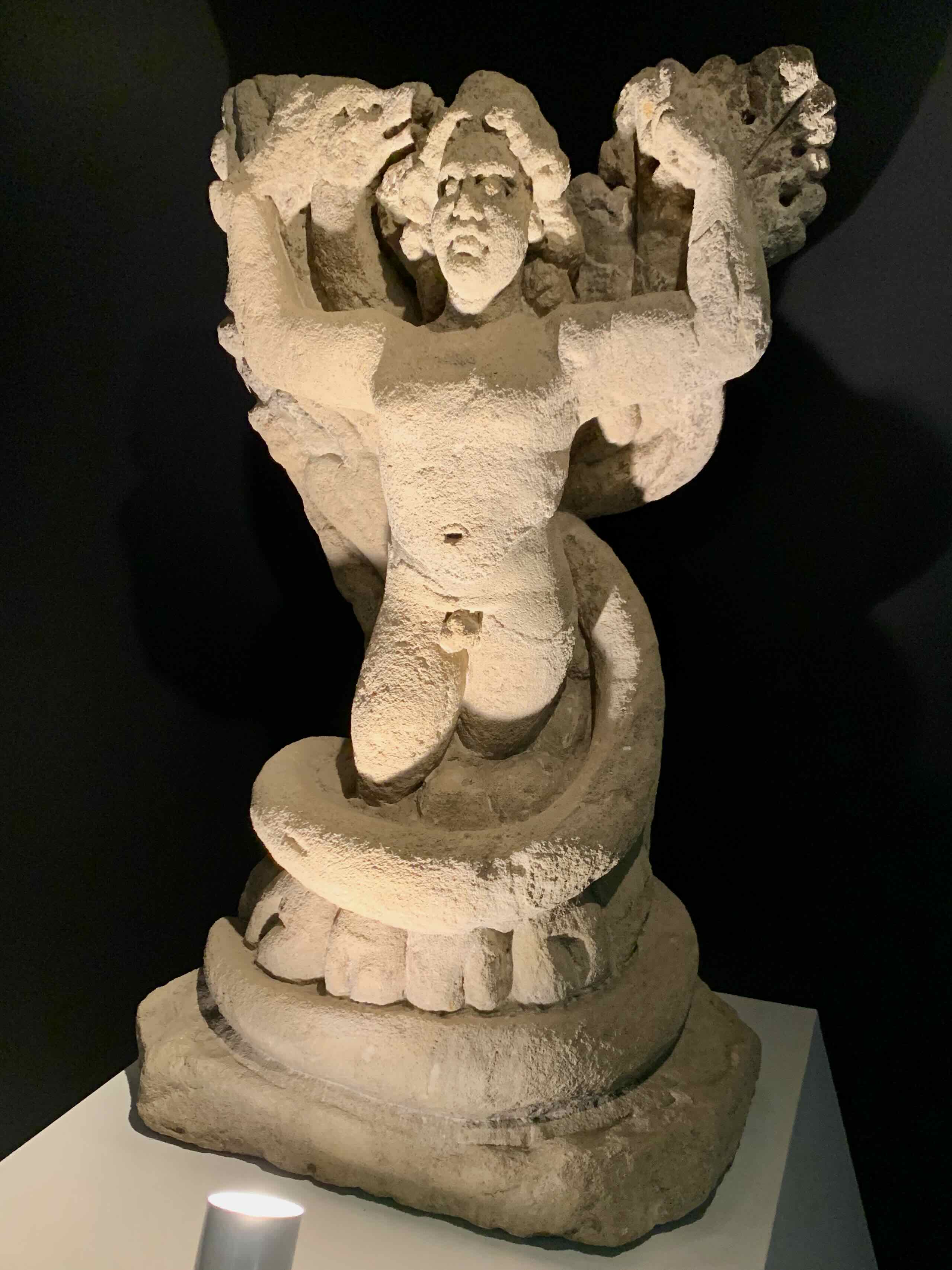
Mithras Petrogenitus, born from the rock, from the Mithraeum of Carnuntum III.
