Your search Tal hal Hariri / Es-Sâlihiyeh / As Salhiyah gave 3730 results.

In their groundbreaking new book, Mushrooms, Myths & Mithras, classics scholar Carl Ruck and friends reveal compelling evidence suggesting that psychedelic mushroom use was equally influential in early Europe, where it was central to initiation cerem

The author of this ingenious memoir believes that the Greek myth of Orion is the very basis of Roman Mithriacism. His starting point is an astronomical interpretation of tauroctony.

Guides, maps and additional information on the Basilica, the Mithraeum and the archaeological area of San Clemente.

Le groupe caractéristique « lion, serpent, cratère » marque le rapport avec le culte mithriaque, car comme nous croyons l’avoir montré, ce groupe ne symbolise pas la lutte des éléments, terre, eau et feu, mais la participation des animaux-attributs au sacrifice, par Mithra…

David Ulansey argues that Mithraic iconography was actually an astronomical code, and that the cult began as a religious response to a startling scientific discovery.
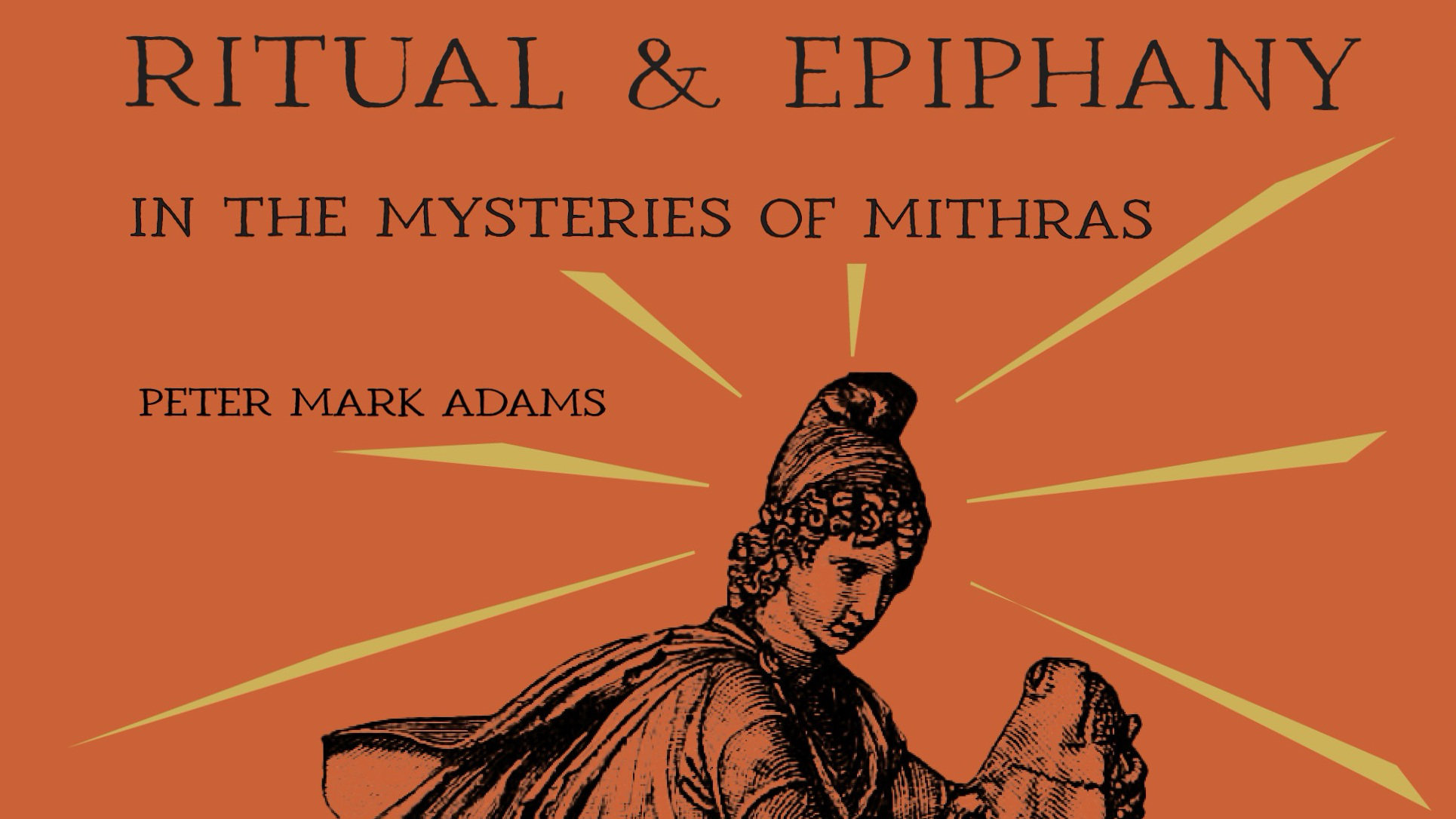
Acclaimed esoteric scholar @peter.mark.adams talks about his latest book, ‘Ritual and Epiphany in the Mysteries of Mithras’, interviewed by professor, writer and host of The New Mithraeum podcast @andreu.abuin.

I was born in 1975 in Gaziantep. I graduated from the Department of Public Administration in 2005. In 2009, I started working at the Municipality of Şehitkamil

This inscription, which doesn’t mention Mithras, was found near the church of Santa Balbina on the Aventine in Rome.

Commentaries by Pseudo-Nonnus, also known as Nonnus the Abbot, on Gregory Nazianzen’s In Julianum Imperatorem Invectivae Duae and In Sancta Lumina.
Questions on the old and new testaments, 113.11. Ambrosiaster, 5th cent.
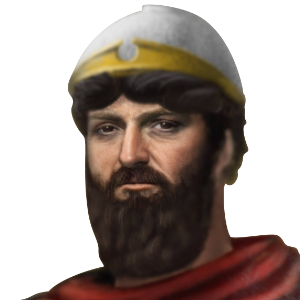
Founder of the Arasacid dynasty, Tiridates I was crowned king of Armenia by Nero in 66.

Together with his father, Kastos dedicated several monuments in Rome to the glory of Zeus Helios Mithras.
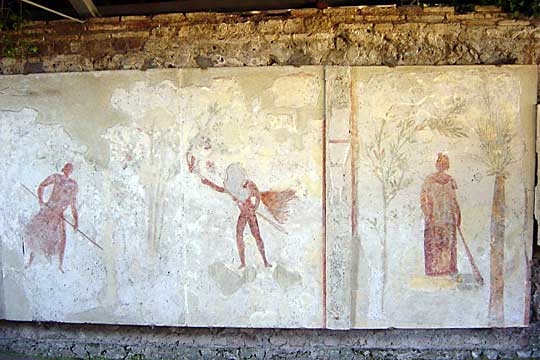
The frescoes depict several figures dressed in different garments associated with the Mithraic degrees.
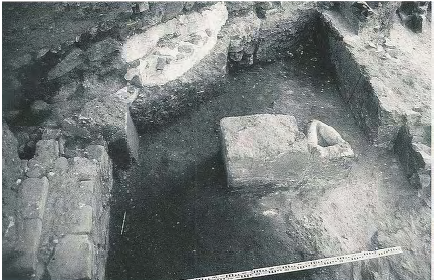
The Mithraeum at Espronceda Street, in Merida, was discovered in 2000. It is a semi-subterranean temple.

Relief possibly depicting Mithras-Men holding a torch and a a bust of Luna on a crescent.

This unusual bronze bust of Sabazios features multiple symbolic elements, with Mithras depicted in his characteristic pose of slaying the bull, positioned just below Sabazios’ chest.
