Your search Tal hal Hariri / Es-Sâlihiyeh / As Salhiyah gave 3730 results.
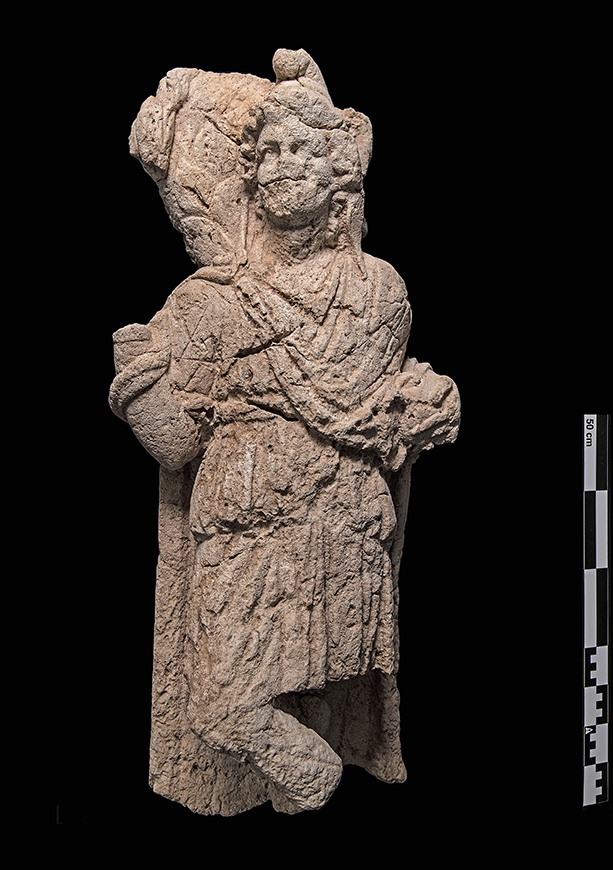
This remarkable relief by Cautes was found in what appears to be a mithraeum in Trier.
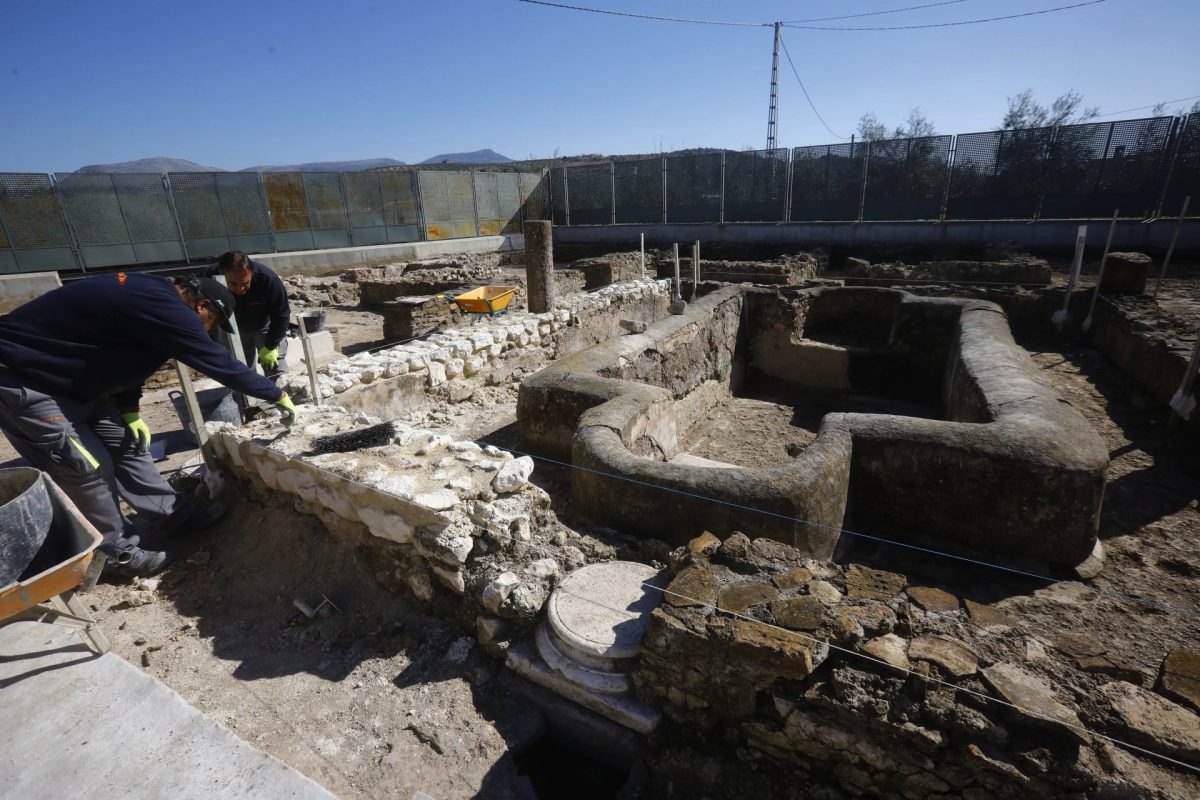
Las excavaciones llevadas a cabo en el yacimiento arqueológico romano de la villa de Mithra, en Cabra (Córdoba), han deparado el excepcional hallazgo de un mitreo, o zona destinada al culto al dios Mithra, cuya estatua fue descubierta hace unos 70 años…
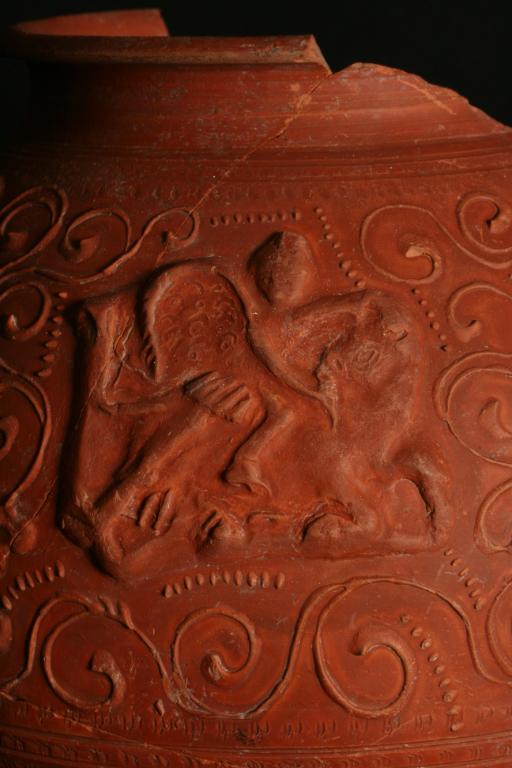
Musée Saint-Raymond, musée d'Archéologie de Toulouse, associate curator of the exhibition Le mystère Mithra, plongée au cœur d'un culte romain.
The Digital Atlas of Roman Sanctuaries in the Danubian Provinces (DAS) is the first comprehensive and open access representation of sacralised spaces in the area.
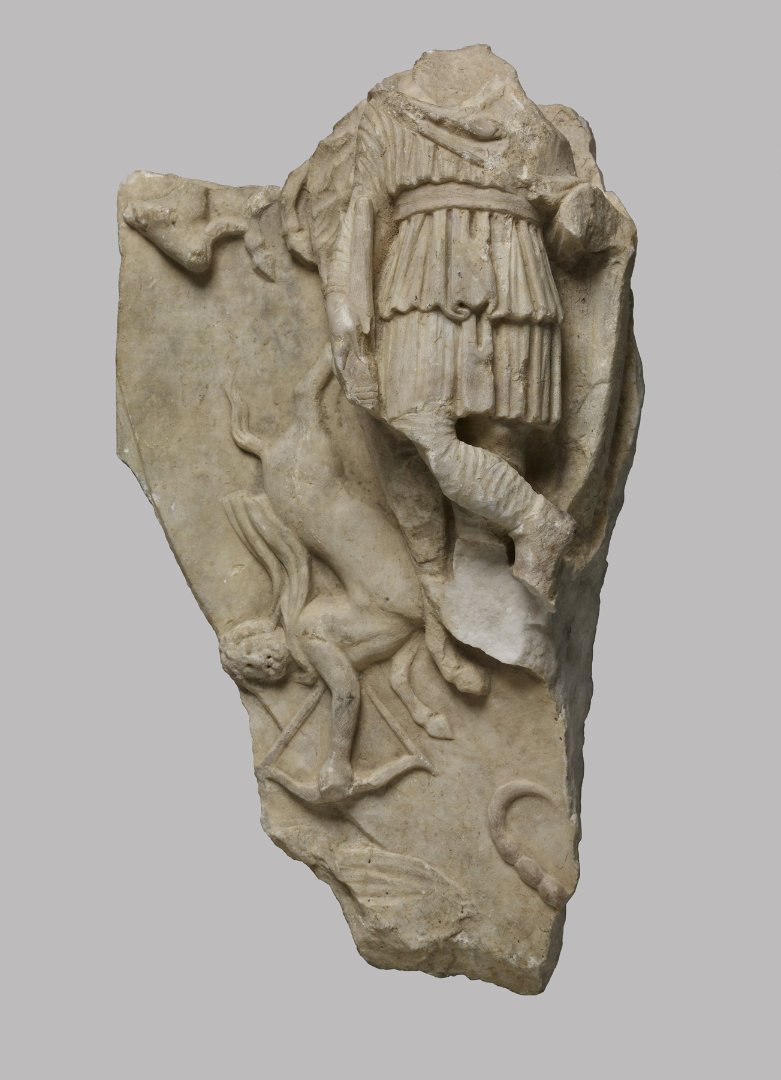
This fragmentary relief shows Cautopates bordered by three of the six zodiacal signs with which He is associated: Capricorn, Sagittarius and Scorpio.
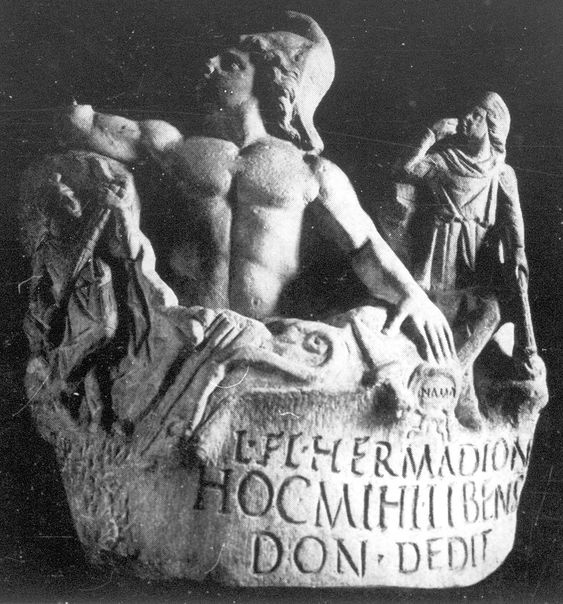
Mithras rock-born from Villa Giustiniani was holding a bunch of grapes in its raised right hand instead of a torch, probably due to a restoration.
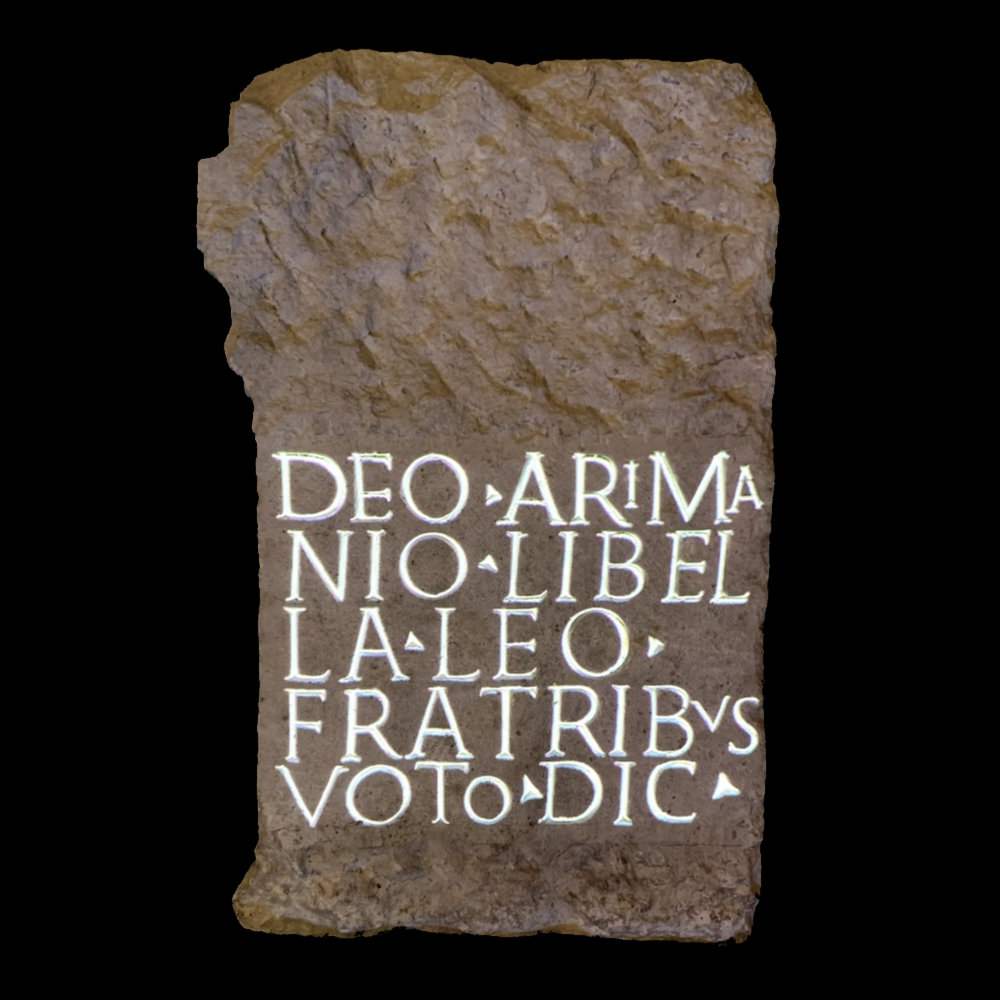
The dedicant of this altar to the god Arimanius was probably a slave who held the grade of Leo.
The Mithraic stele from Nida depicts the Mithras Petrogenesis and the gods Cautes, Cautopates, Heaven and Ocean.

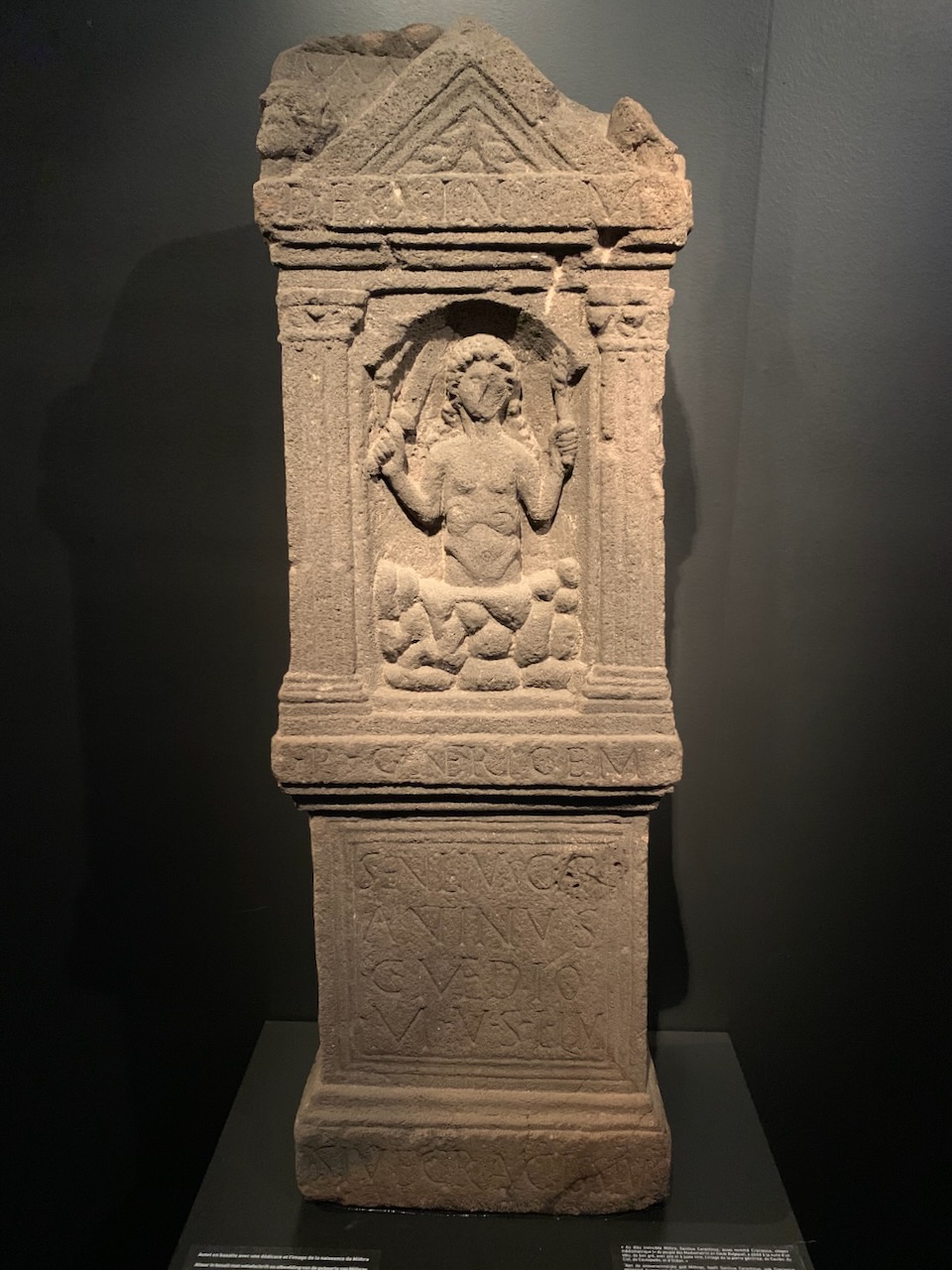
The dedicator of this altar was a slave in the service of a high official, the prefect Gaius Antonius Rufus, known from other inscriptions.
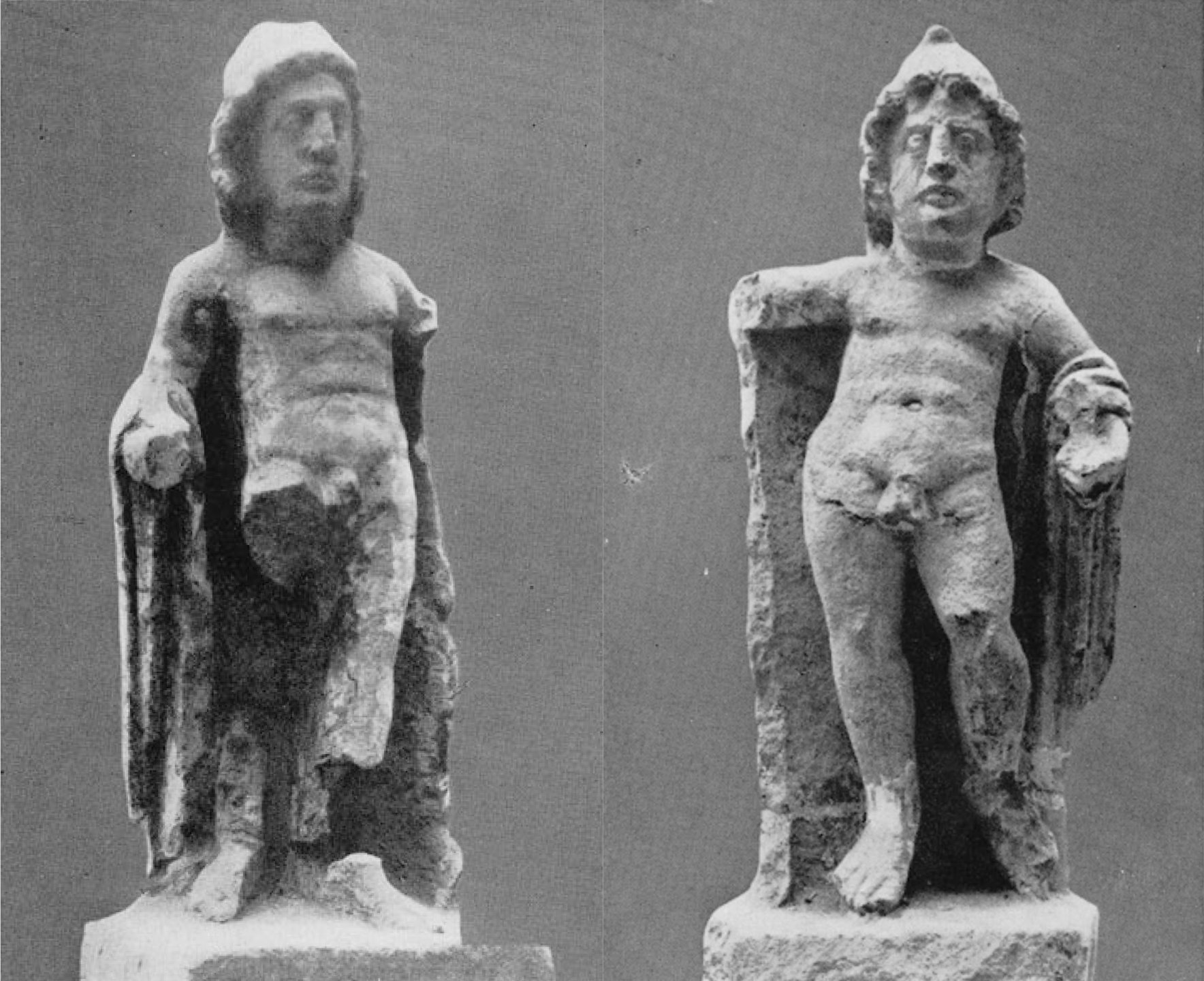
The two fellows of Mithras from Marquise, Boulogne-sur-Mer, are fully naked but for the cloak and the Phrygian cap.
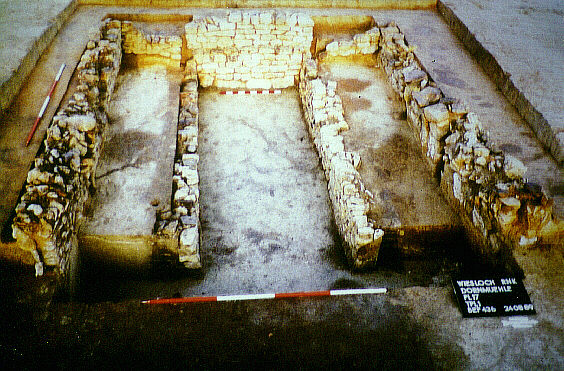
The first members of the Wiesloch Mithraeum may have been veterans from Ladenburg and Heidelberg.
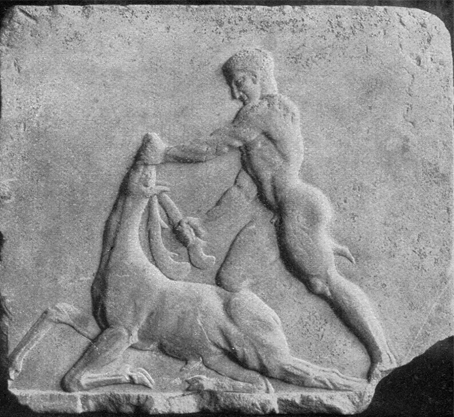
Relief of Heracles/Hercules capturing the Golden Hind of Artemis.
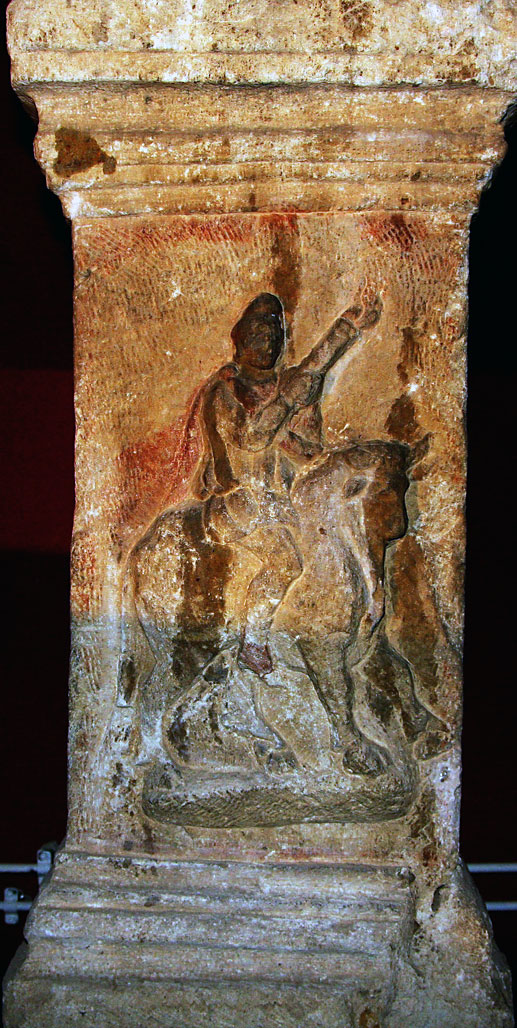
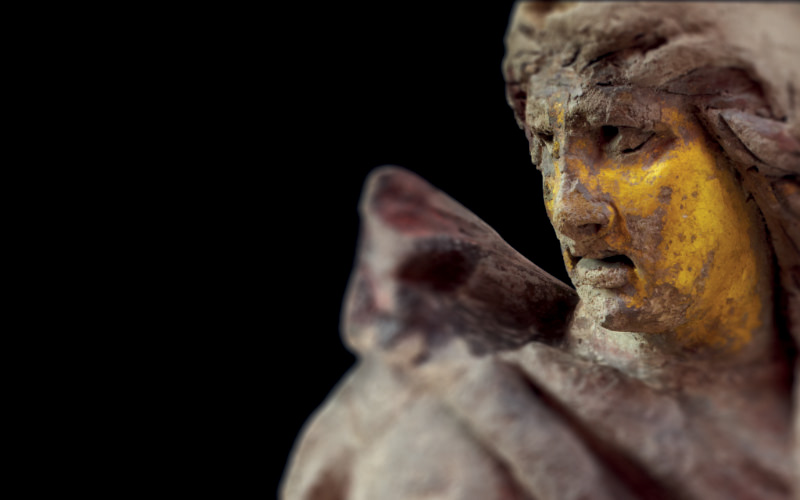
Three European museums celebrate Mithras with a continental exhibition featuring more than 200 works of art from Roman times to the present day.

The article reveals the context in which the first public appearance of Mitra happened to answer two questions: who were the first people to give prominence to this deity, and for what purpose they did so.
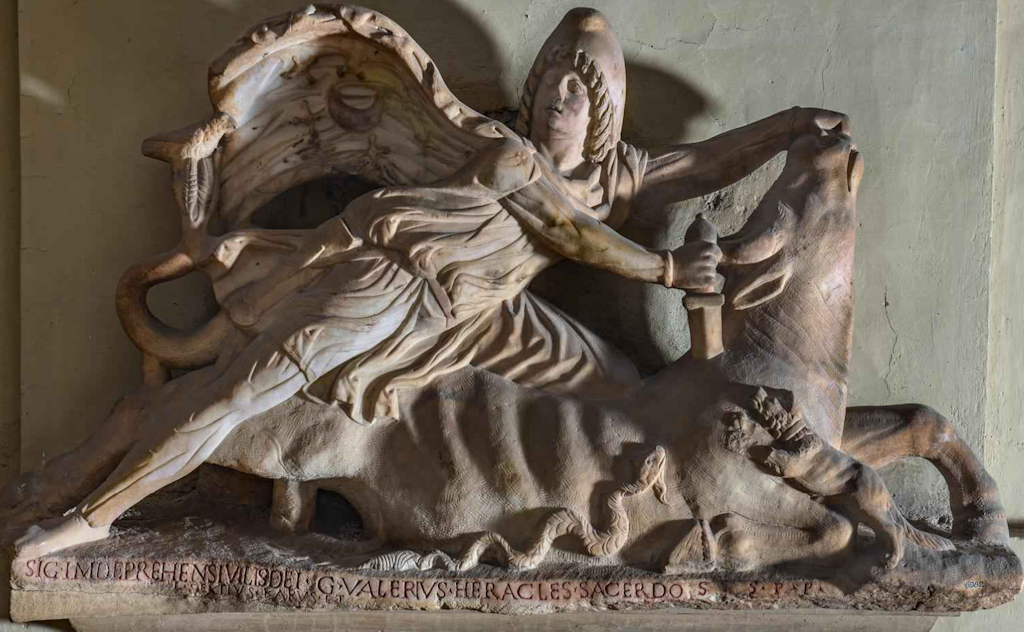
This sculpture of Mithras killing the bull was dedicated to the “incomprehensible god” by a certain priest called Gaius Valerius Heracles.

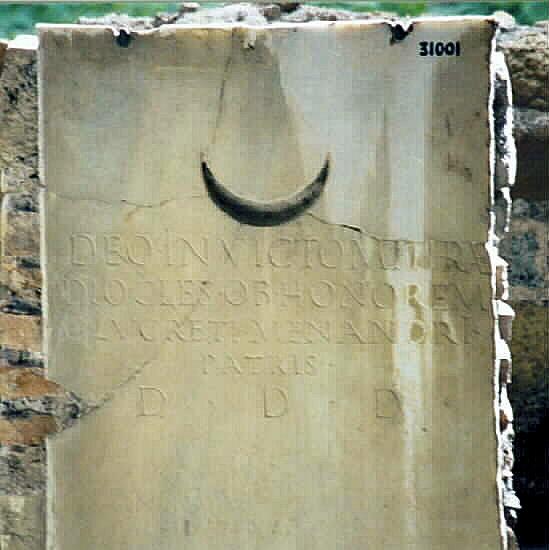
The brick altar of the Mithraeum Menander was covered with marble slabs bearing a crescent and an inscription.

Late Roman funerary inscription from Antium commemorating the senator, governor of Numidia and Mithraic pater Alfenius Ceionius Iulianus Kamenius.
Lower part of a sandstone altar from Svichtov, probably transported from Novae in Moesia Inferior, dedicated to Invicto by Caius Iulius Maximus, praefectus castrorum of Legio I Italica.
