Your search Tal hal Hariri / Es-Sâlihiyeh / As Salhiyah gave 3731 results.

Sandstone altar with patera from the rock sanctuary at Kreta, Moesia Inferior, bearing a Greek inscription dedicating an altar to Helios Mithras by Marcus Sikis Dossis.

Mithraic sanctuary excavated in a quarry at Kreta near Nikopol, Moesia Inferior, carved into the rock and including a small niche with a sandstone tauroctony relief, a base, and several altars.
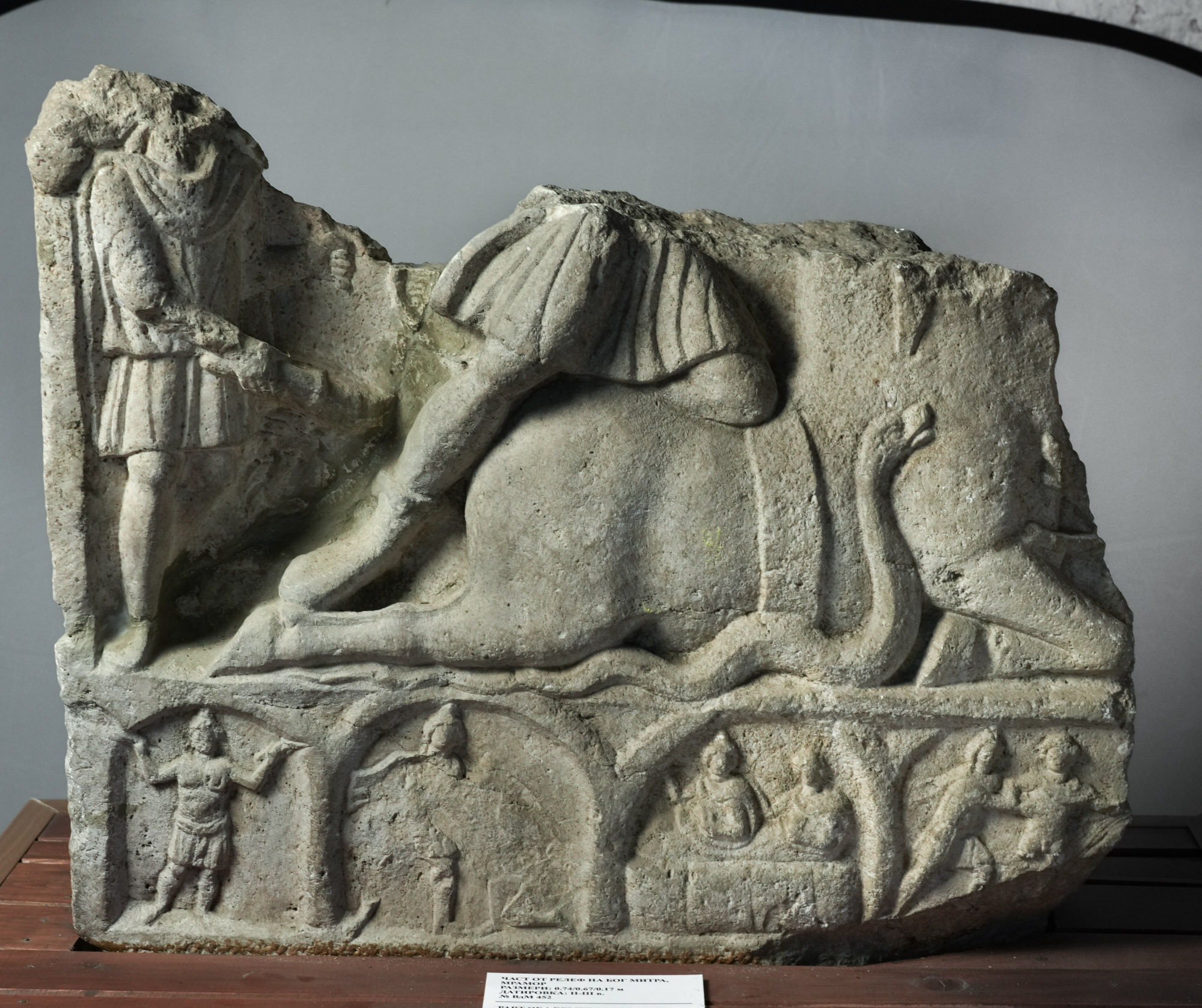
Fragmentary Mithraic relief from Ratiaria depicting the tauroctony above a series of narrative scenes from the myth of Mithras and Sol.
An inscription recording the completion and dedication of the Temple of Sol at Como by T. Flavius Postumius Titianus, corrector of Italy, by order of the emperors Diocletian and Maximian, with Axilius the Younger as curator of the city of the Comenses.
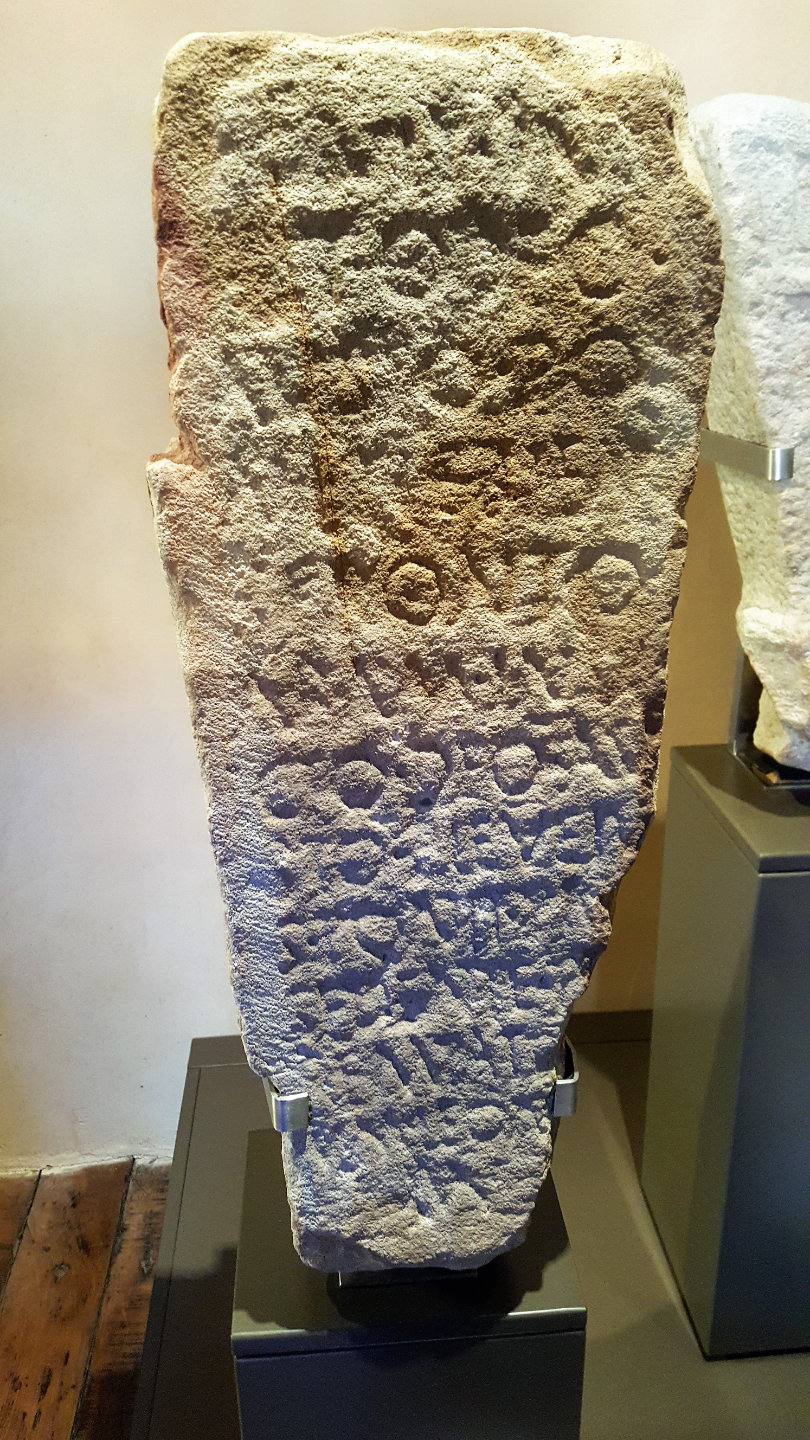
The monument of San Juan de la Isla (Asturias) devoted to Mithras was preserved in the portico of the main church until 1843.
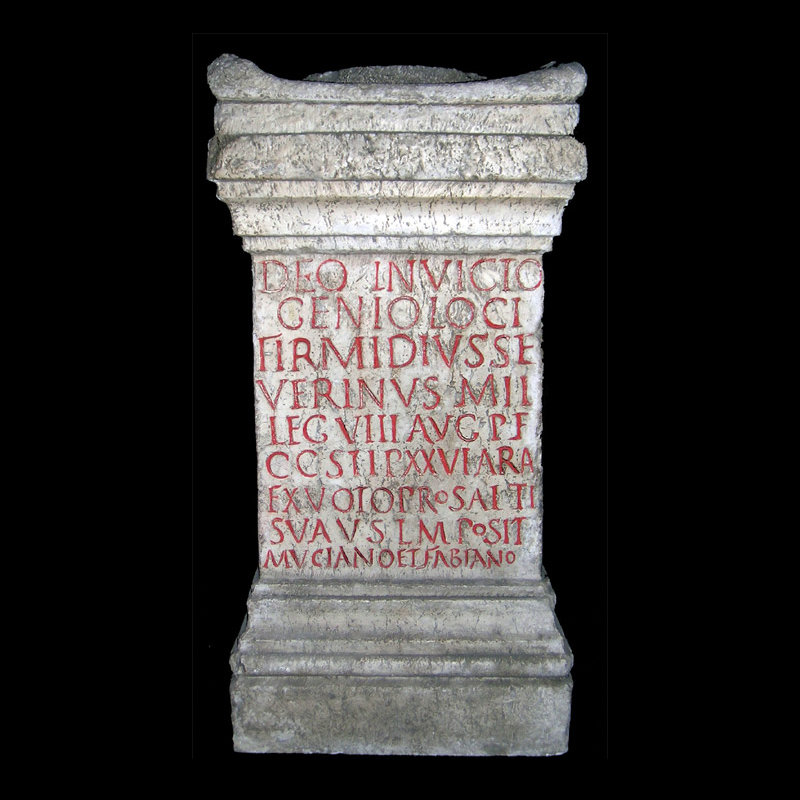
This limestone altar bears an inscription from its donor, Firmidius Severinus, in honour of Mithras after 26 years of service in the Legio VIII Augusta.
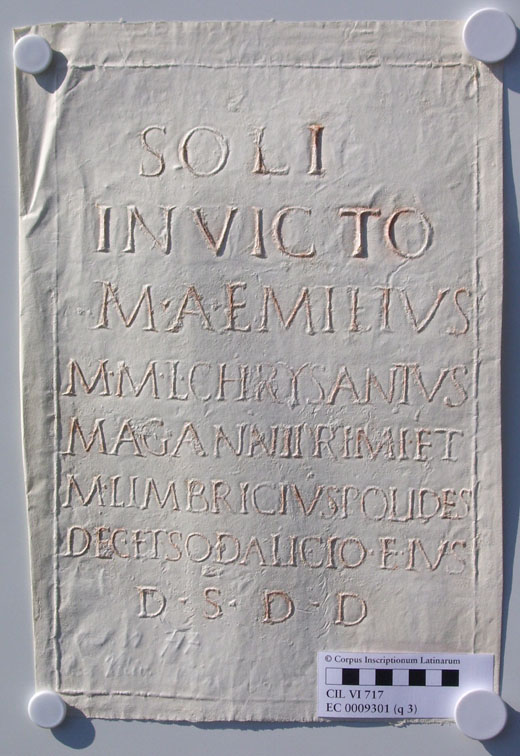
Aemilius Chrysanthus shares the expenses of this monument with a decurio named Limbricius Polides.
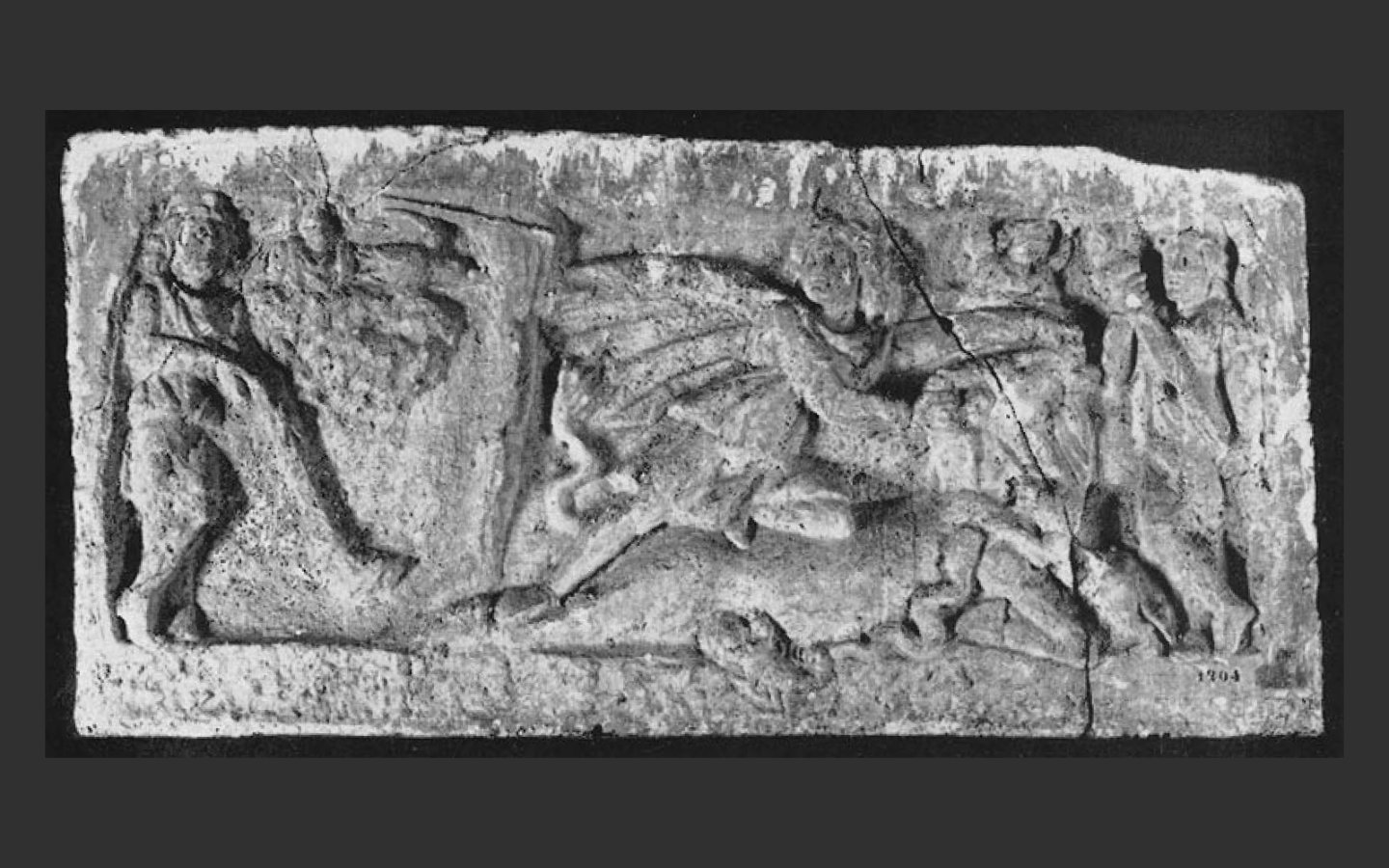
This relief of Mithras Tauroctonos from Rome bears the inscription of three brothers, two of them lions.
Limestone altar from Tropaeum Traiani, Moesia Inferior, dedicated in honour of the Domus Divina to Soli invicto sacrum by Quintus Lucilius Piscinus, centurion of Legio I Italica.
Small sandstone altar with red-painted lettering from the Mithraeum at Tirgușor, Moesia Inferior, dedicated by Horimos to the god Caute; the last letters of the inscription are uncertain.
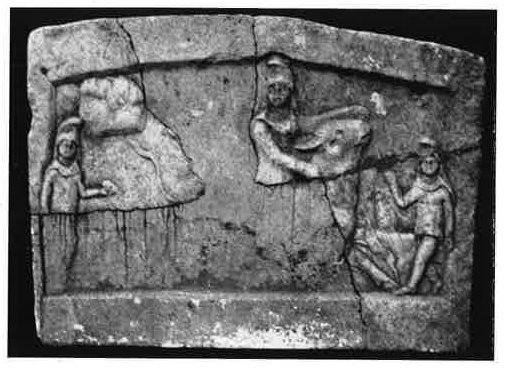
Three white marble tauroctony fragments from Constanța, ancient Tomis in Moesia Inferior, preserving the upper part of Mithras as bull-slayer with flanking divine busts.
White marble trapezium-shaped tauroctony relief probably from Constanța, ancient Tomis in Moesia Inferior, divided into three horizontal registers with the central tauroctony and subsidiary scenes.
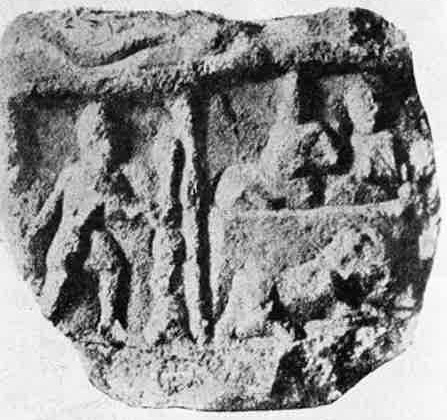
Marble tauroctony relief fragment from Kirk-Bunar near the monastery of St. Petka, Moesia Inferior, preserving part of the creeping serpent as proof of a bull-slaying composition.
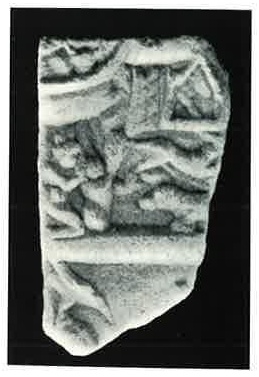
Two fragments of a yellowish marble tauroctony from Acbunar, Moesia Inferior, divided into three registers by two horizontal rims; the upper registers carry subsidiary Mithraic scenes.
Yellowish marble tauroctony relief from Acbunar, Moesia Inferior, depicting Mithras killing a bull described as unusually buffalo-like; the god looks back at the raven on the grotto's border.
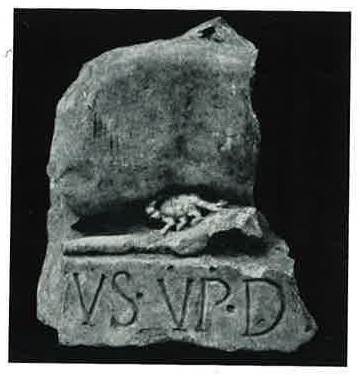
Marble tauroctony fragment from Axiopolis, Moesia Inferior, preserving only a small part of Mithras's knee, the hind part of the bull, and the scorpion.
Marble tauroctony relief fragment from the Byzantine camp at Pontelimonul de sus, ancient Ulmetum in Moesia Inferior, found reused in the masonry; the subject is partly identifiable.
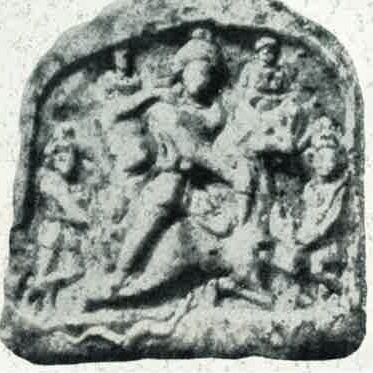
Small marble tauroctony relief from the Roman castellum near Soukhin-Dol, Moesia Inferior, in an arched circular composition depicting the standard bull-slaying scene.
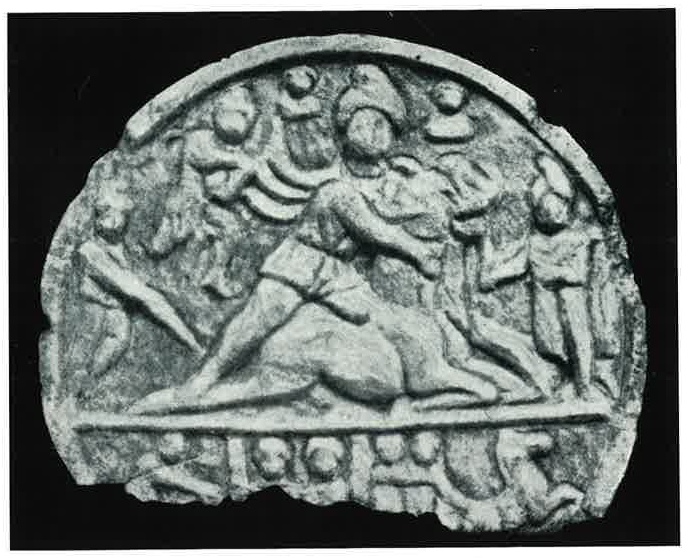
Small circular marble tauroctony relief from Kadine-Most in the Küstendil district, Moesia Superior, divided into two parts by a horizontal rim, with the bull-slaying in the upper and a figure or inscription in the lower.
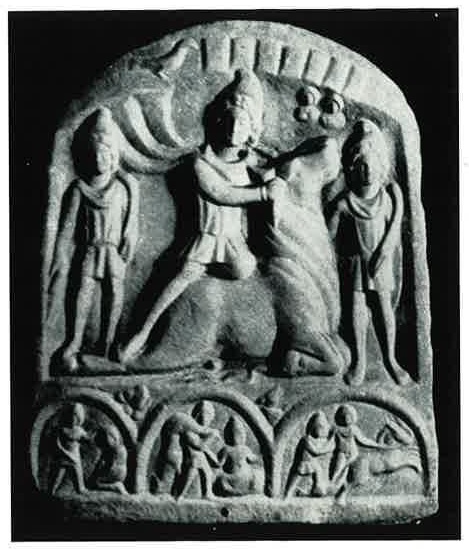
White marble tauroctony relief from the ruins of the Roman castle near Koniovo, Moesia Superior, depicting the standard bull-slaying scene.
