Your search Tal hal Hariri / Es-Sâlihiyeh / As Salhiyah gave 3731 results.

Coin of Istrus, Moesia Inferior, showing Caracalla on one side and a god on horseback (Mithras ?) on the other.
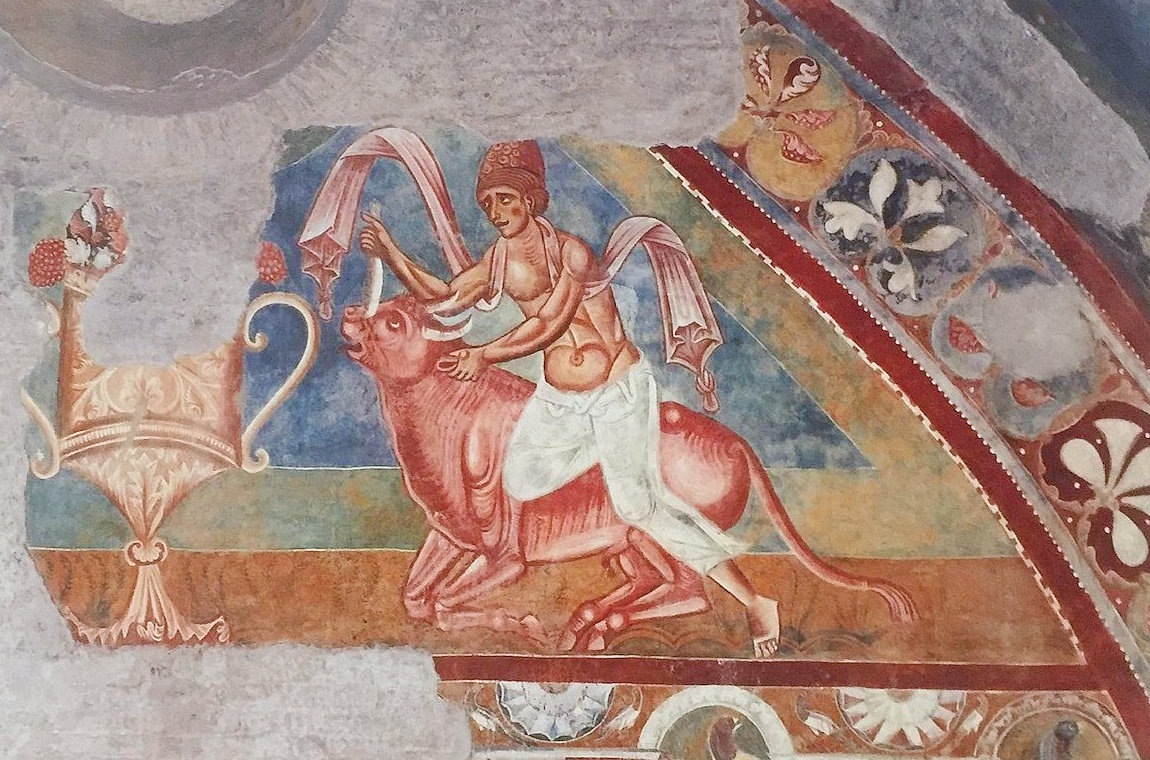
What appears to be a representation of Mithras killing the bull appears in the 12th century frescoes of the Basilica dei Santi Quattro Coronati in Rome.
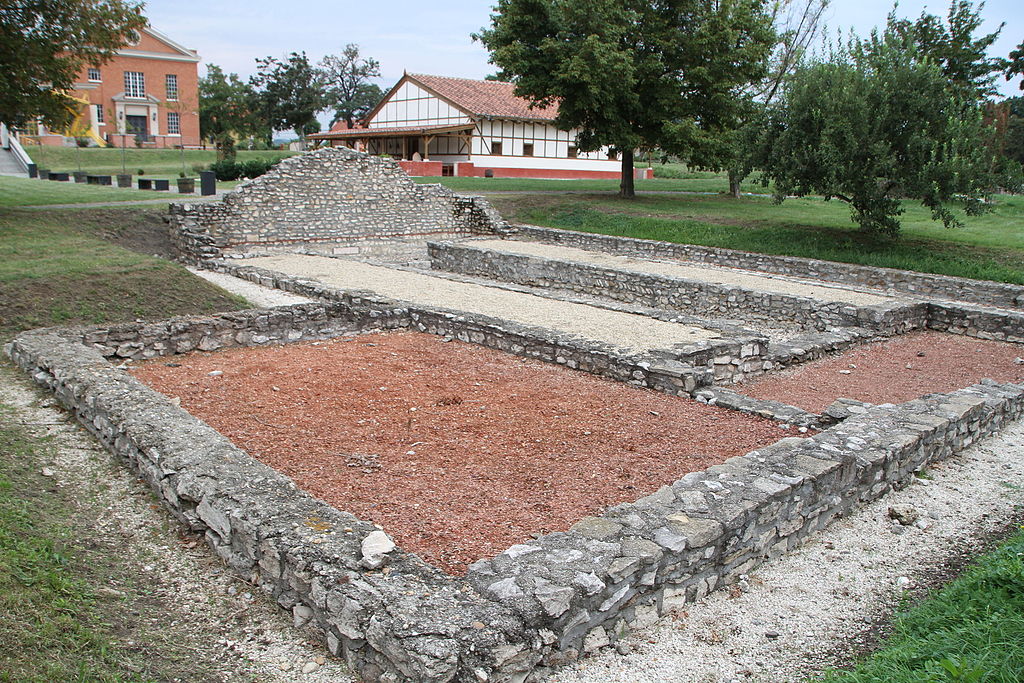
The Mithraeum of Symphorus and Marcus, in Óbuda, Budapest, has been restored to public view in 2004 and, while well presented, it has been heavily restored.
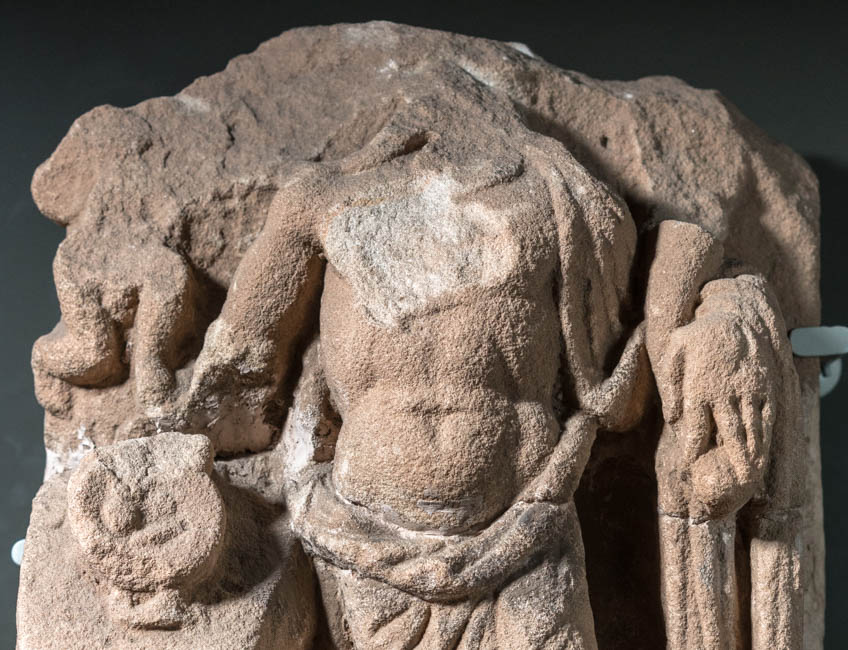
A standing half naked man makes offerings to an altar while holding a cornucopia in his other hand.

A certain Secundinus, steward of the emperor, dedicated this altar to Mithras in Noricum, today Austria.
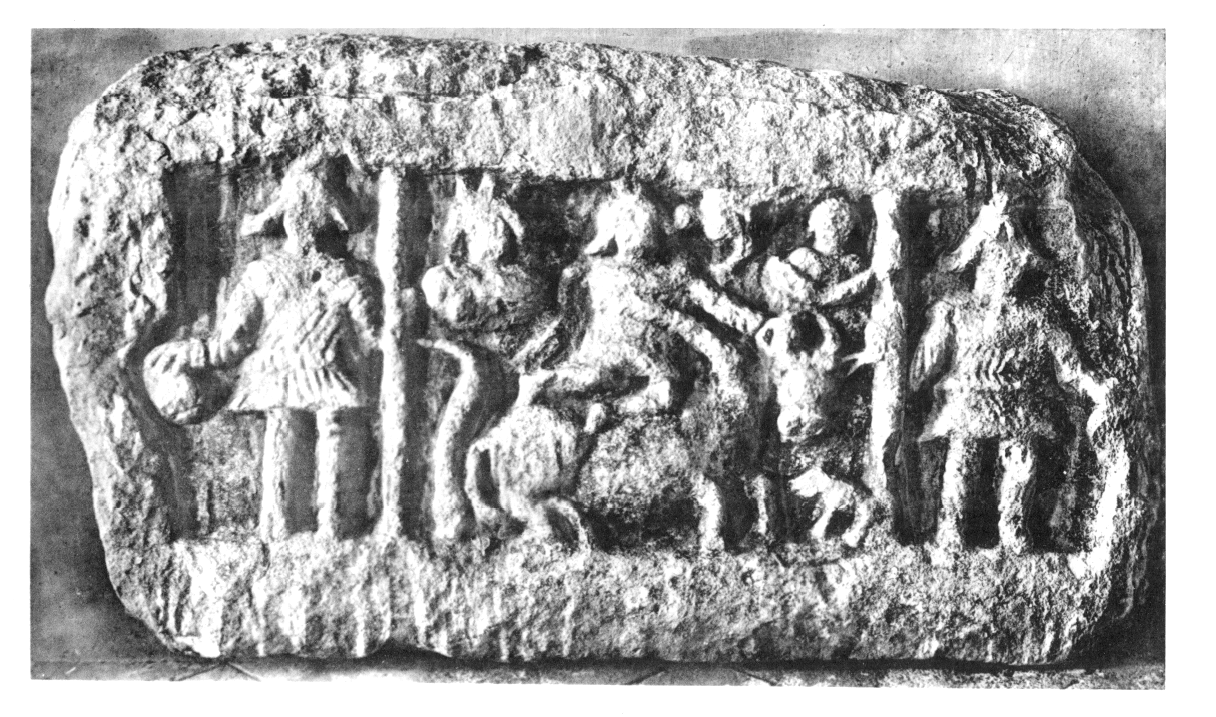
This relief of Mithras as bull slayer is surrounded by Cautes and Cautopates with their usual torch plus an oval object.
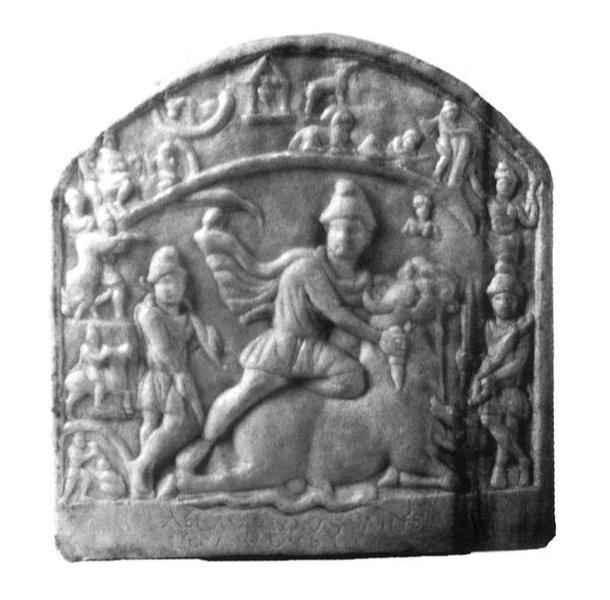
This small relief of Mithras killing the bull was found in 1859 in Turda, in the Cluj region of Romania.
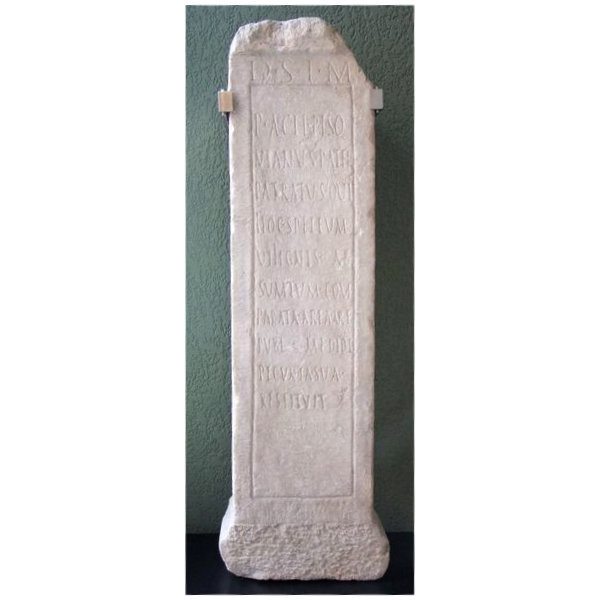
This high stele by a certain Acilius Pisonianus bears an inscription commemorating the restoration of a Mithraeum in Mediolanum, today's Milan.
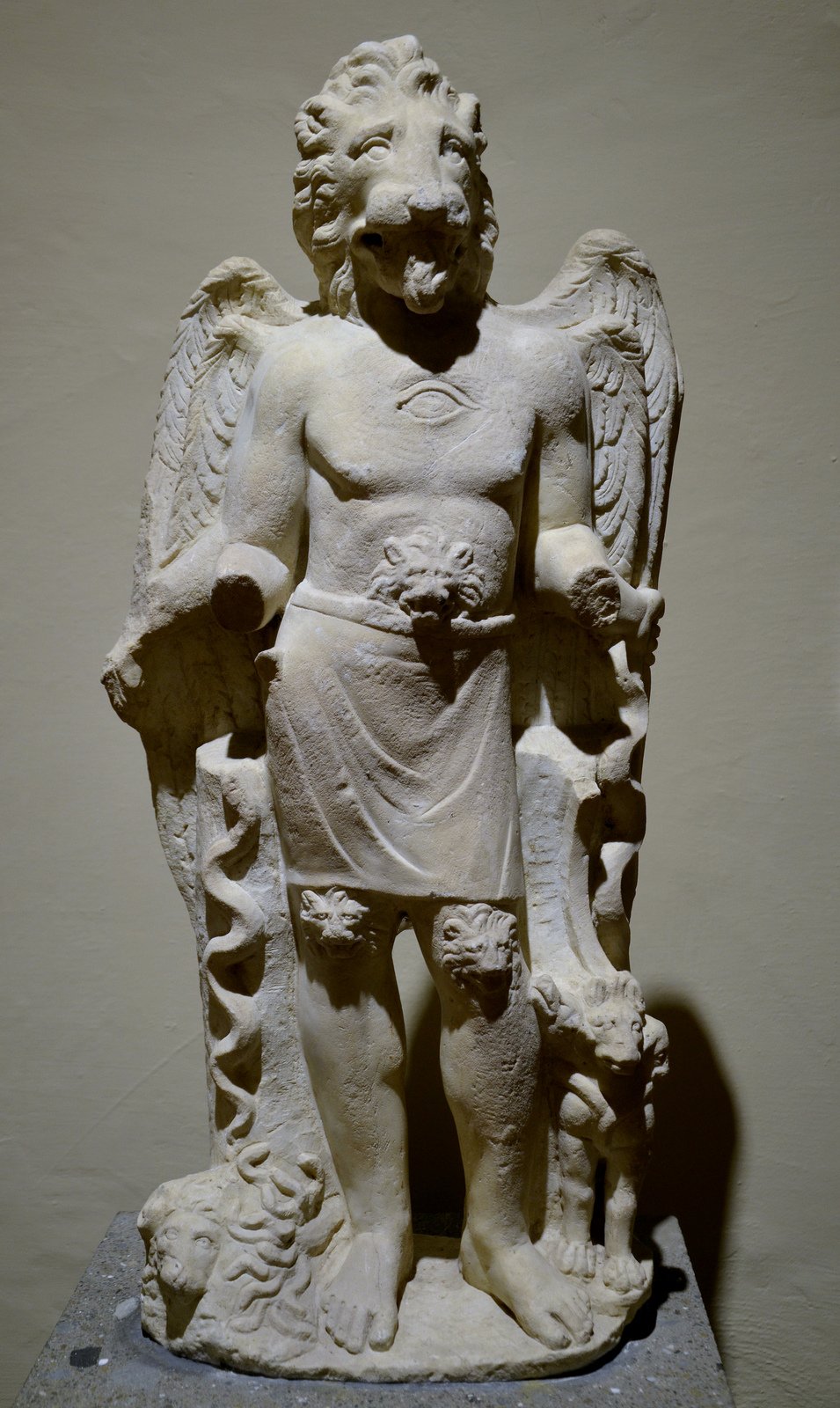
This lion-headed marble was found on the ruins of the Alban Villa of Domitianus.
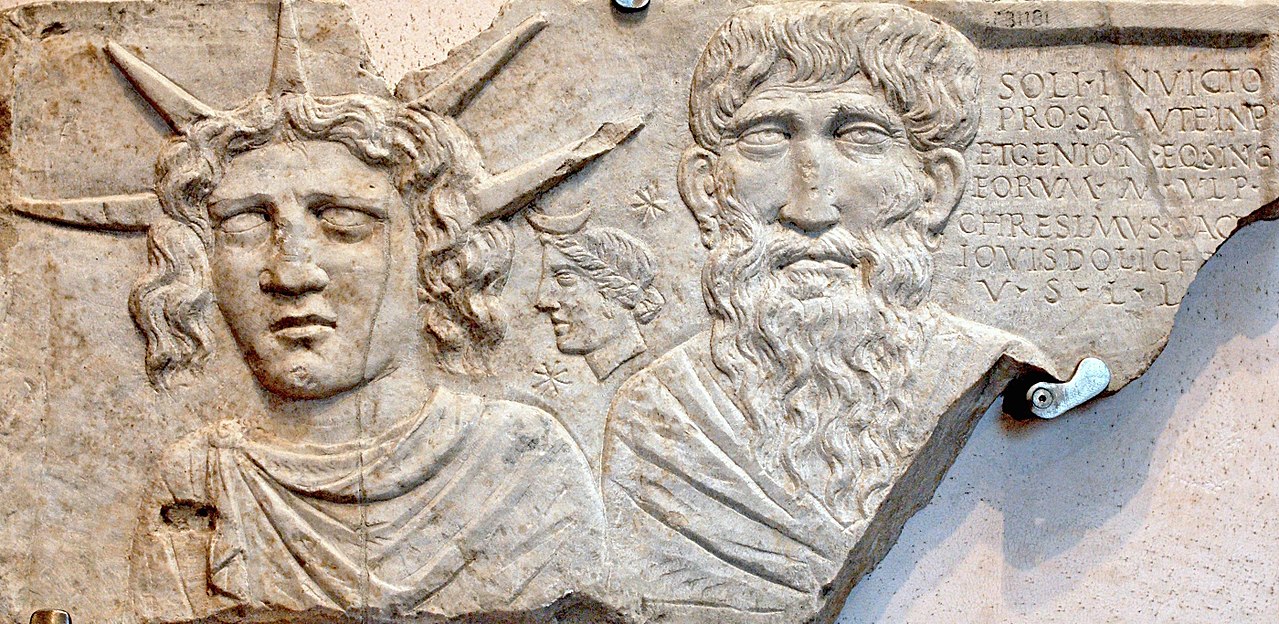
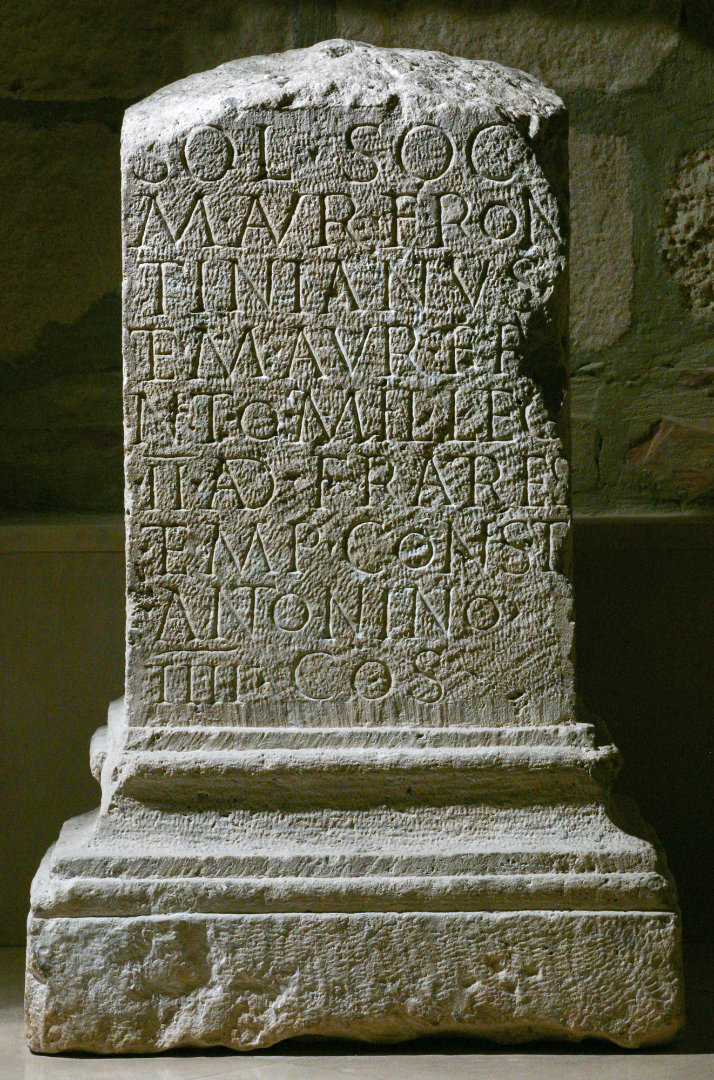
This fragmented altar was erected by two brothers from the Legio II Adiutrix who also built a temple.
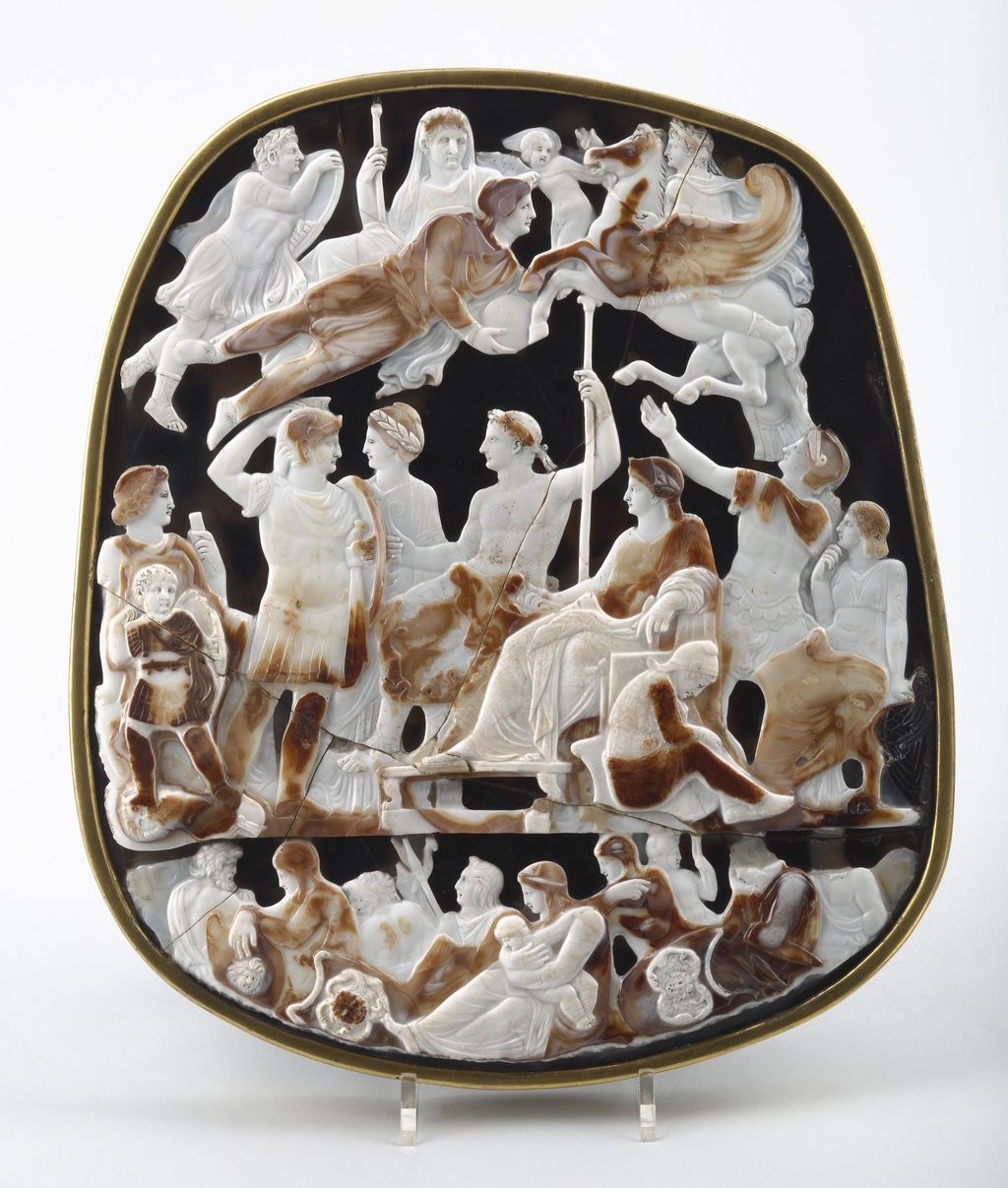
Some authors have speculated that the flying figure dressed in oriental style and holding a globe could be Mithras.

This tabula marmorea was consecrated by a certain slave Vitorinus in Tibur, nowadays Tivoli, near Rome.

The Mithraeum located in Piazza Dante in Rome was discovered in 1874 along with a series of monuments dedicated by a Pater named Primus.
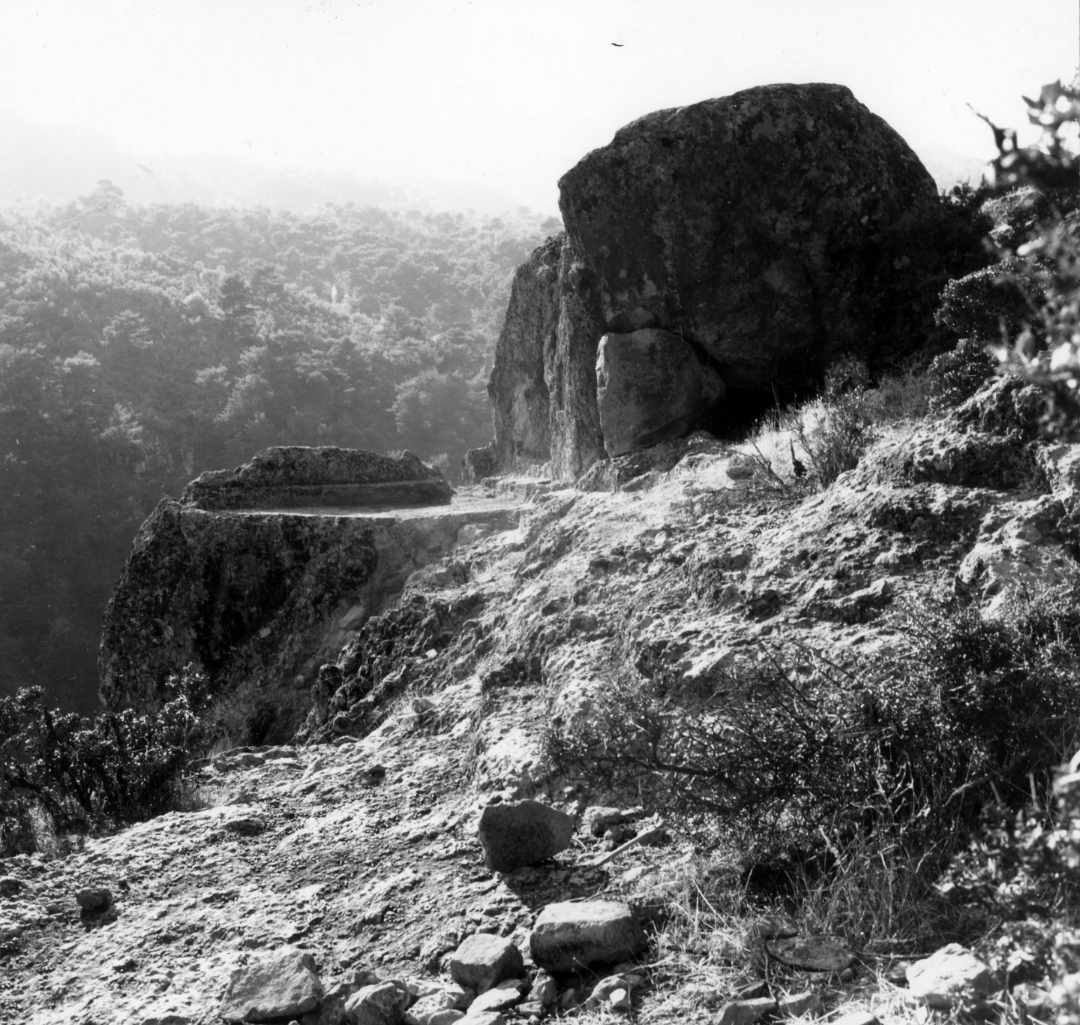
Mithras became the main deity worshipped in the sanctuary of Meter in Kapikaya, Turkey, in Roman times, at least until the fourth century.
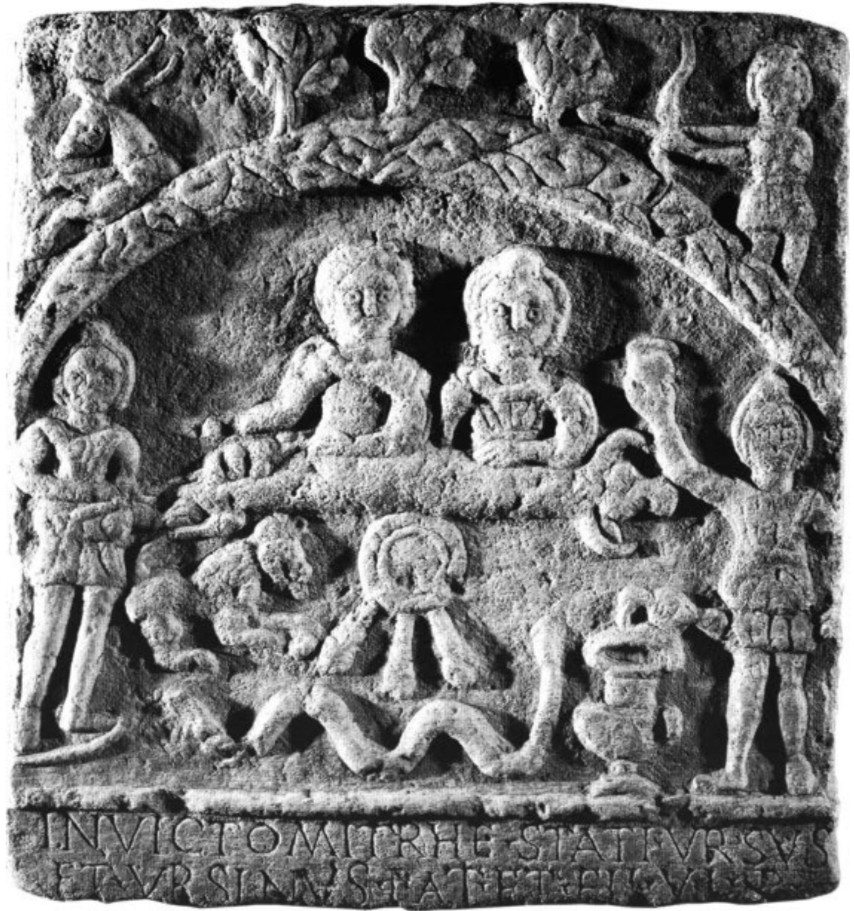
Mithras and Sol share a sacred meal accompanied by Cautes and Cautopates on a relief found in a cemetery from Croatia.
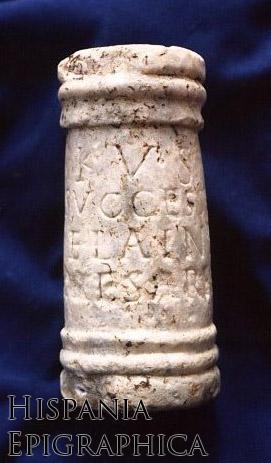
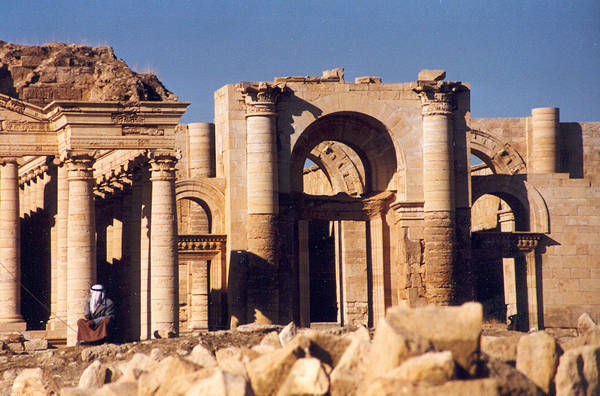
The city of Hatra was famed for its fusion of several civilization cults, which several temples devoted to gods from all Indo-European world.

In Aquincum petrogenia, Mithras holds the usual dagger and torch as he emerges from the rock.

Subtitle Late Roman senator who rose from pater to pater patrum in the Mithraic community of San Silvestro in Capite.
