Your search Tal hal Hariri / Es-Sâlihiyeh / As Salhiyah gave 3730 results.

Second terracotta tablet found at Calvi depicting Mithras killing the bull, now at Berlin, Antiquarium.

This fragment of a sculpture depicting the birth of Mithras from a rock, intertwined with a chaotic mass of serpent coils, was discovered in Aquileia, Italy.

The Mithraeum of Visentium, near Capodimonte in Viterbo, was carved grotto-style into a tuff cliff overlooking the waters of Lake Bolsena, just a few dozen metres away.

This remarkable marble statue of Mithras killing the bull from Apulum includes a unique dedication by its donor, featuring the rare term signum, seldom found in Mithraic contexts.
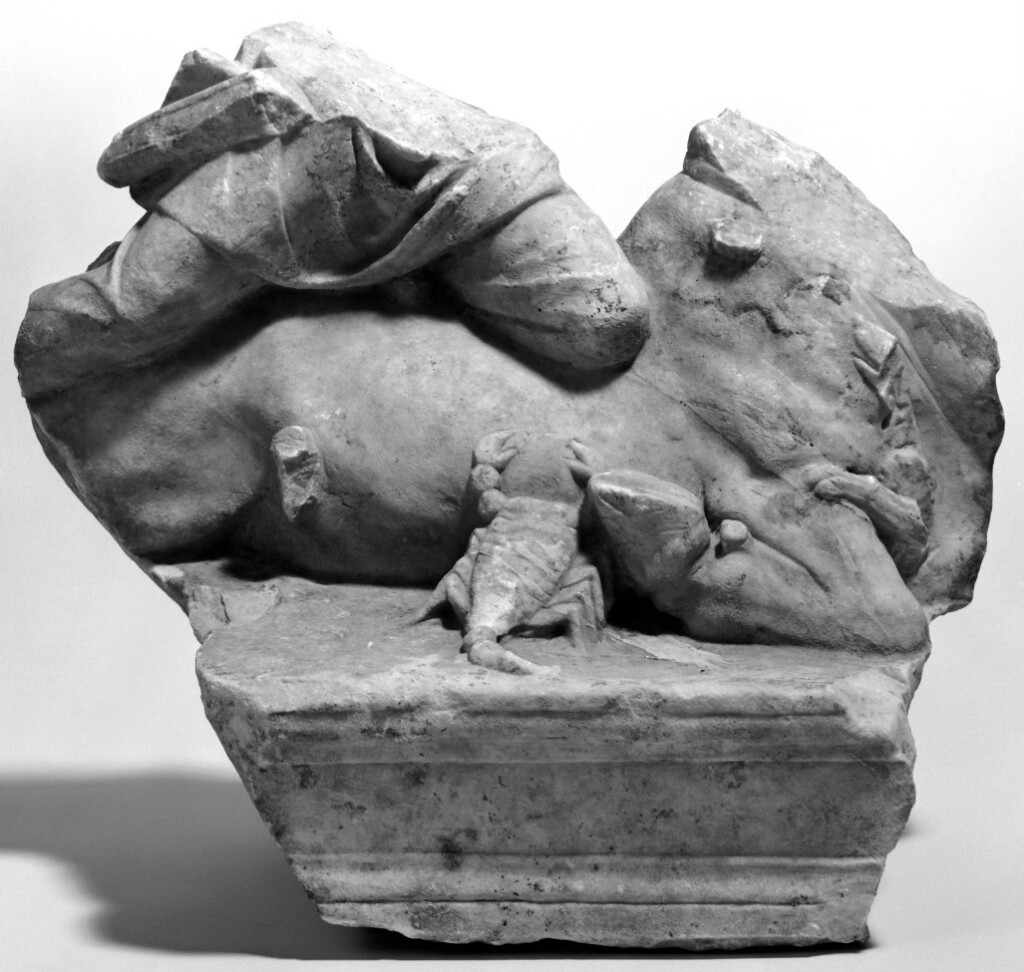
This fragmentary scupture of Mithras killing the bull belongs to the Getty Museum, Los Angeles, USA.

The remains of the Mithraeum of Aosta, also known as the Mitreo di Augusta Praetoria, were discovered in 1953 in insula 59, in a commercial district of the ancient city.

One of the first comprehensive historical reassessments of Mithraism in Roman Hispania, combining a revised catalogue of the archaeological and epigraphic evidence with analysis of its chronology, geographical distribution, and social composition.
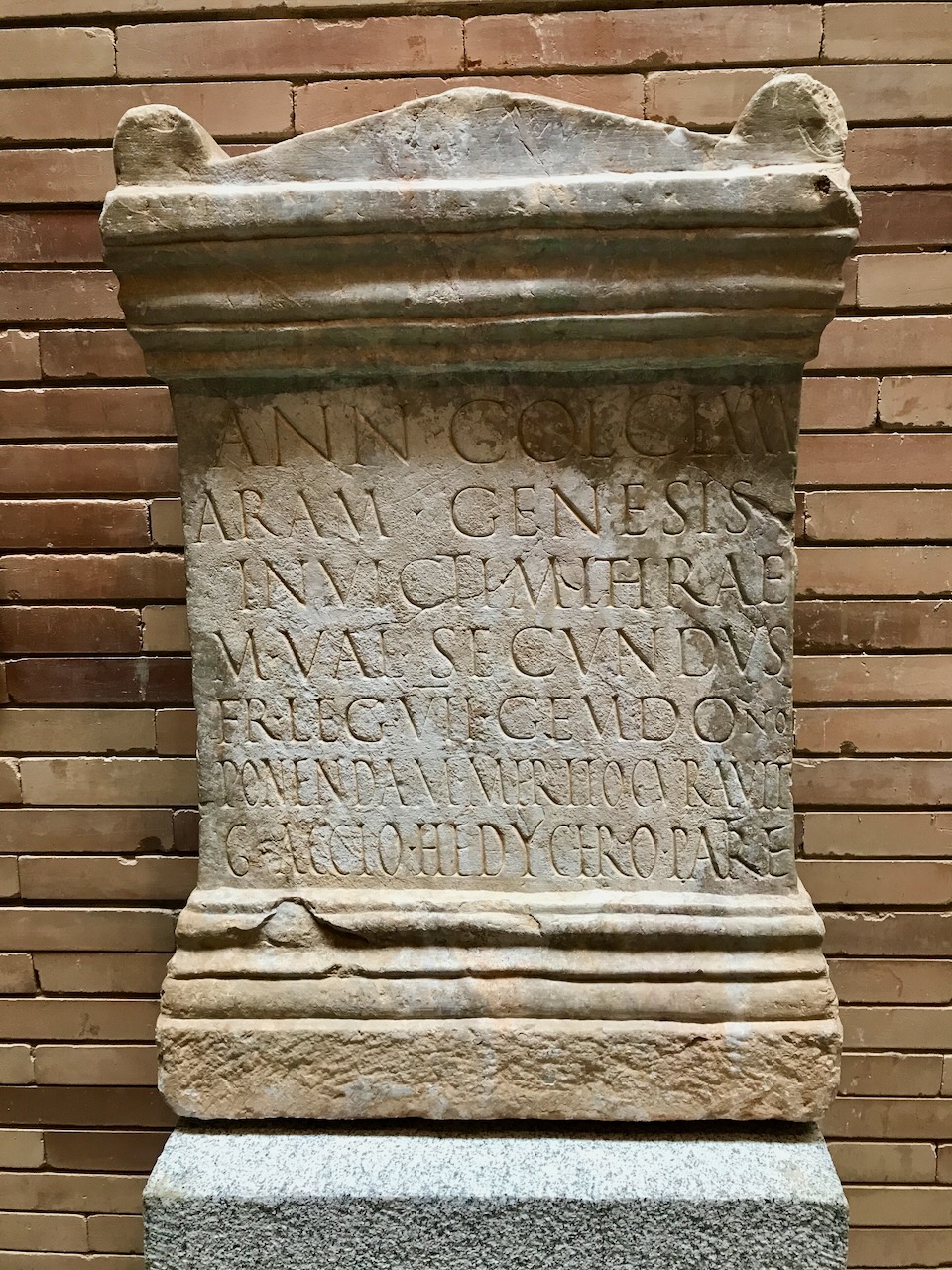
This altar is dedicated to the birth of Mithras by a frumentarius of the Legio VII Geminae.

This marble sculpture from Sicily, known as the Randazzo Vecchio or Rannazzu Vecchiu, contains some essential elements of the Mithraic Aion, the lion-headed god.

This fine Roman marble slab of the killing bull of Mithras belongs to a private owner, most recently from Los Angeles, USA.
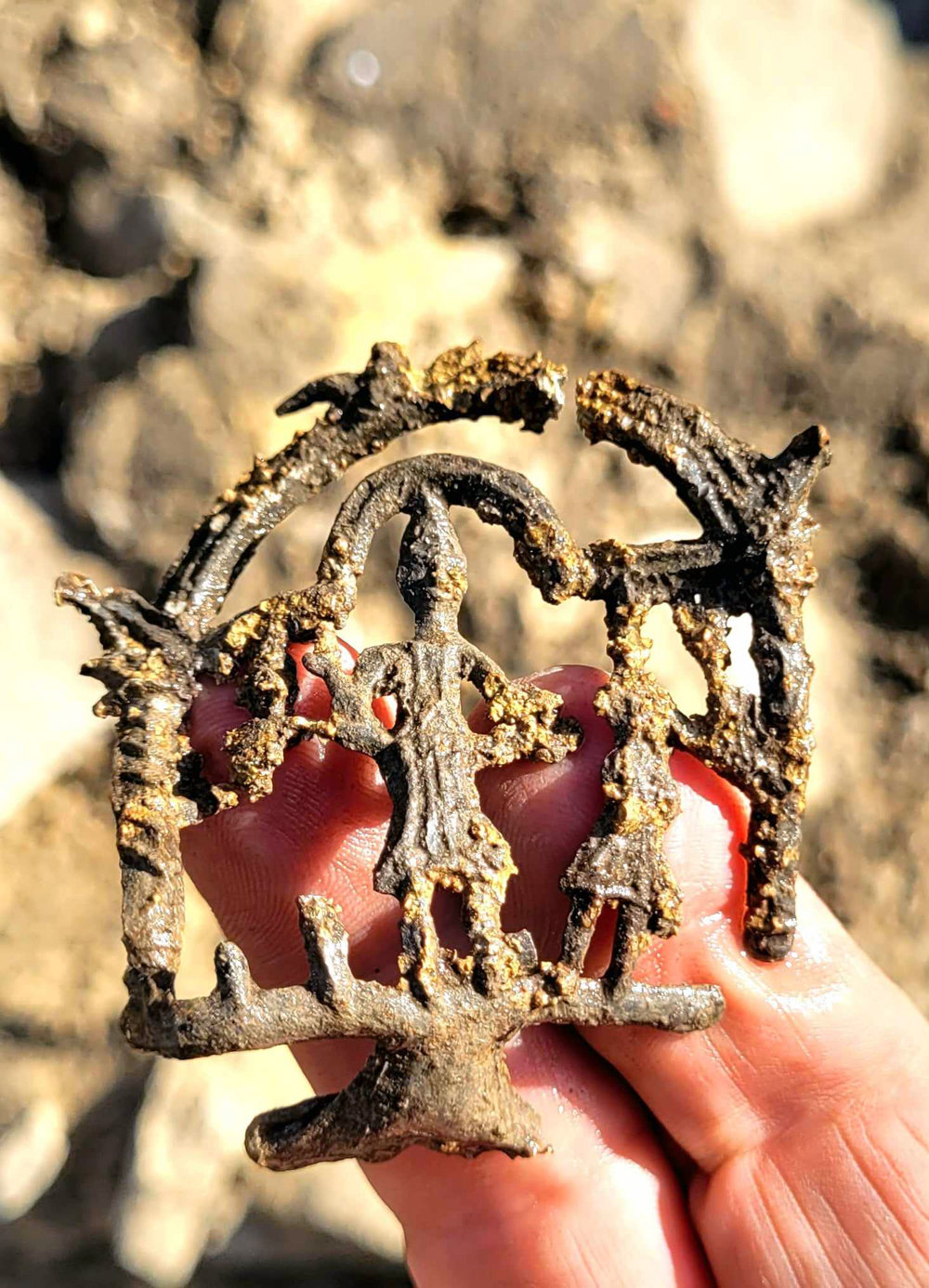
A sixth temple dedicated to Mithras has been identified for the first time in the military sector of the ancient Roman city of Aquincum.
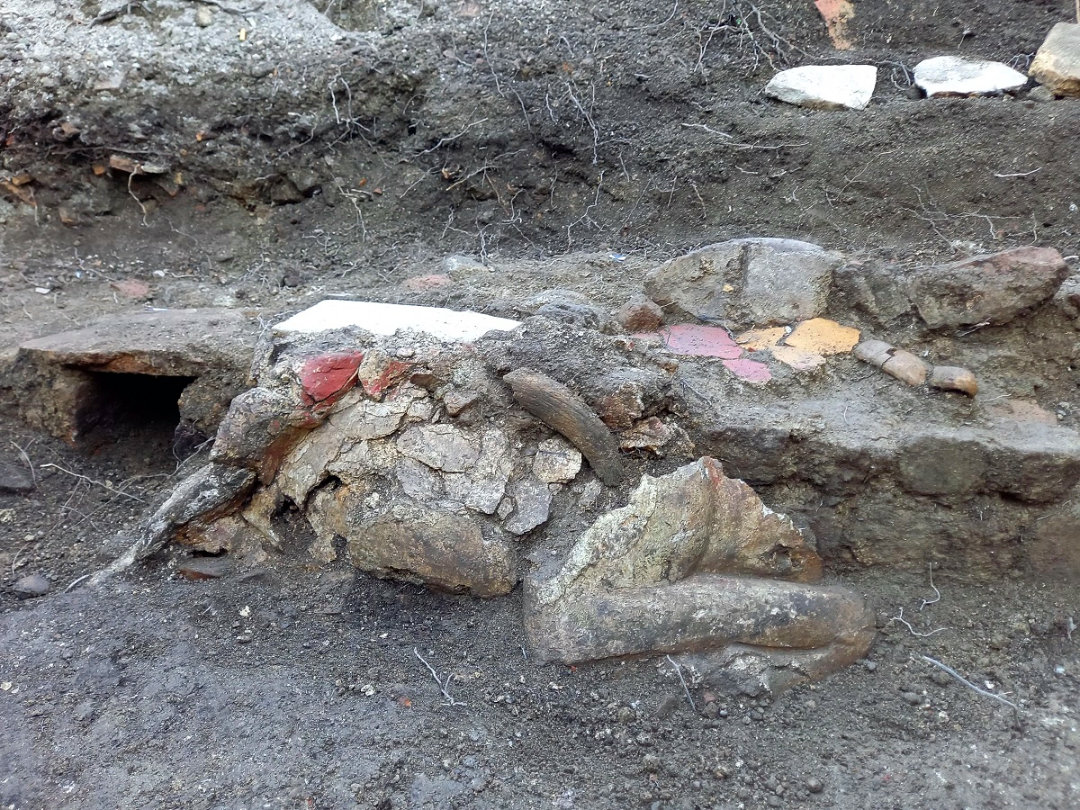
Archaeologists discovered the 20th temple dedicated to Mithras in Ostia during the restoration of the domus del capitello di stucco in 2022.

This marble slab, found in the Mithraeum of San Clemente, bears an inscription by a certain Aelius Sabinus for the health of the Emperor Antoninus Pius and his sons.
This inscription was dedicated to God Cautes by a certain Flavius Antistianus, Pater Patrorum in Rome.
This monument is too fragmentary to recod it definitely as a Mithras-monument.
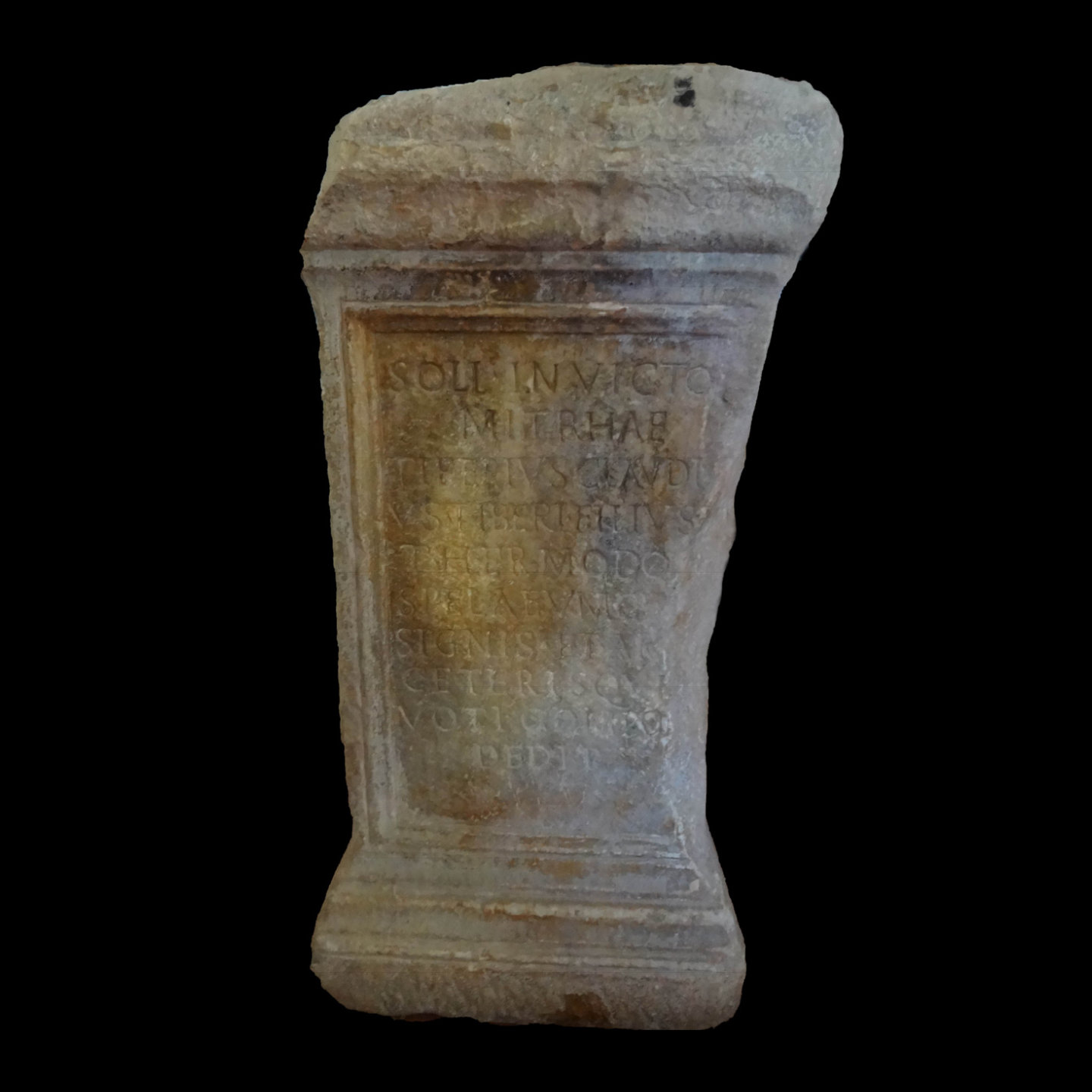
The donor of this Mithraic inscription from Bolsena, a certain Tiberius Claudius Thermoron, is known from two other monuments.
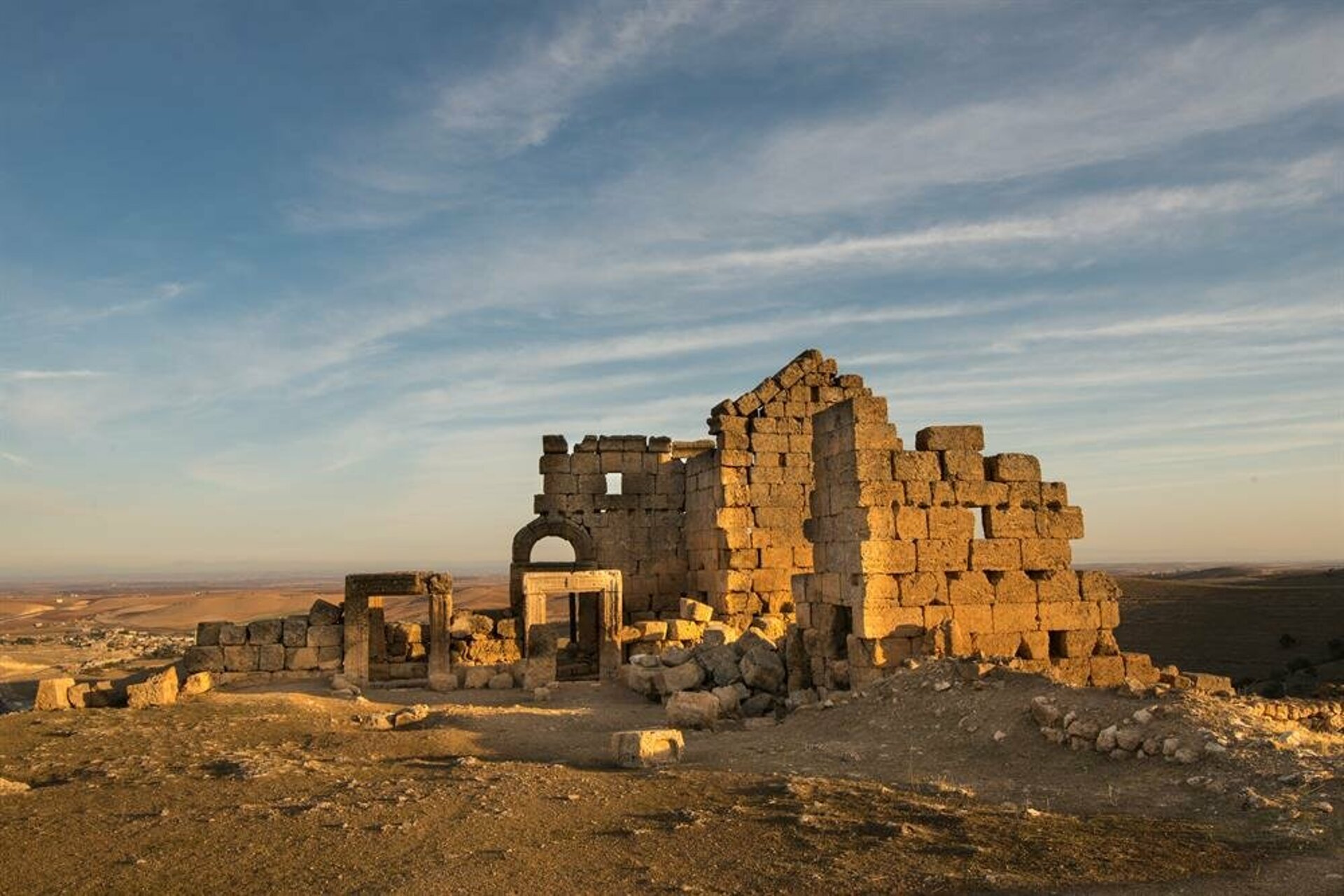
A Mithraeum was discovered in 2007, during the excavations at the Zerzevan Castle.
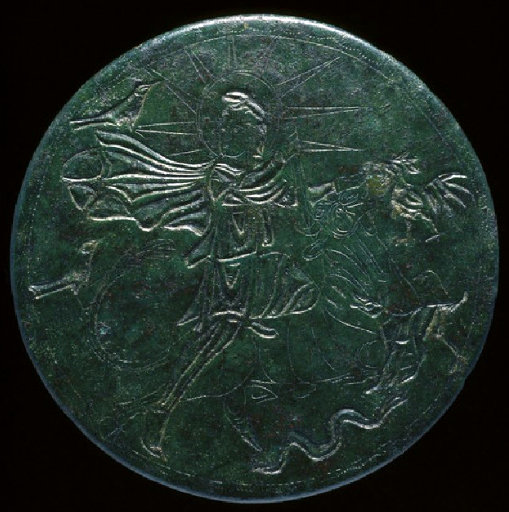
In the Mithraic bronze brooch found in Ostia, Cautes and Cautopates have been replaced by a nightingale and a cock.
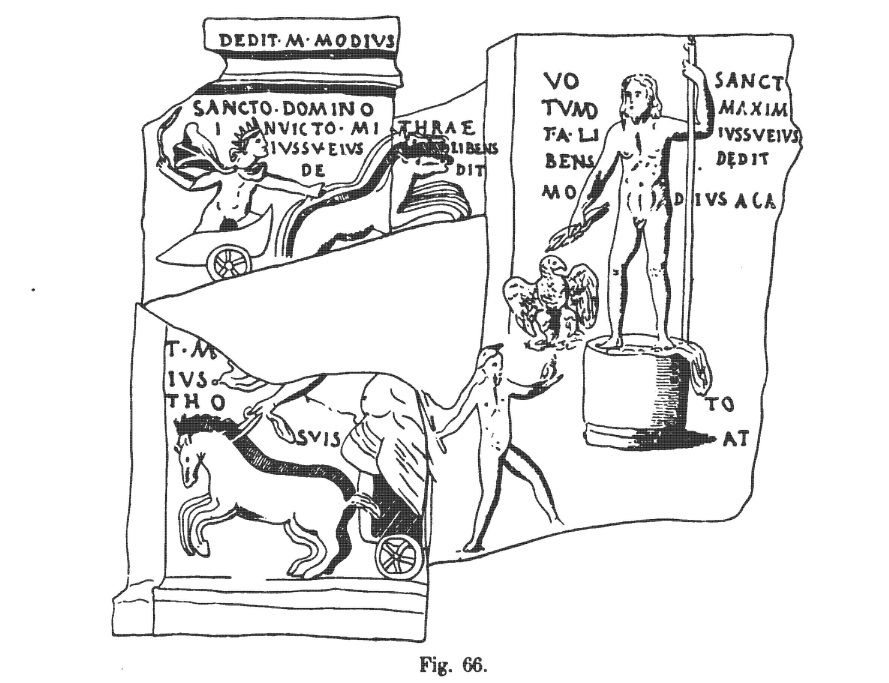
These three fragments of carved marble depict Jupiter, Sol, Luna and a naked man wearing a Phrygian cap, with inscriptions calling Mithras Sanctus Dominum.
