Your search Terme di Caracalla gave 2084 results.
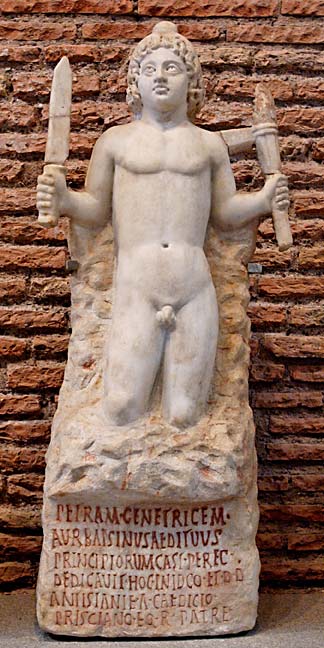
The sculpture of Mithras rock-birth from Santo Stefano Rotondo bears an inscription of Aurelius Bassinus, curator of the cult.
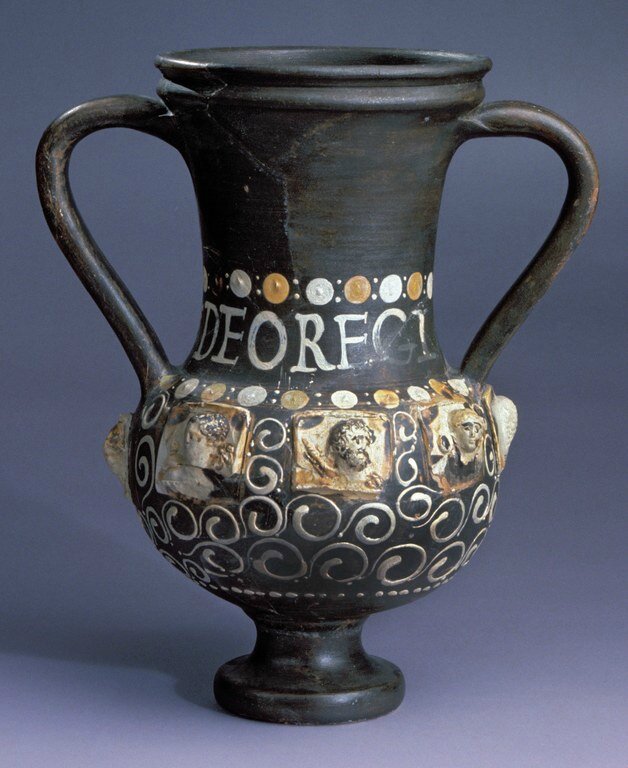
The vase bears an inscription to the god but also 'king' Mithras.
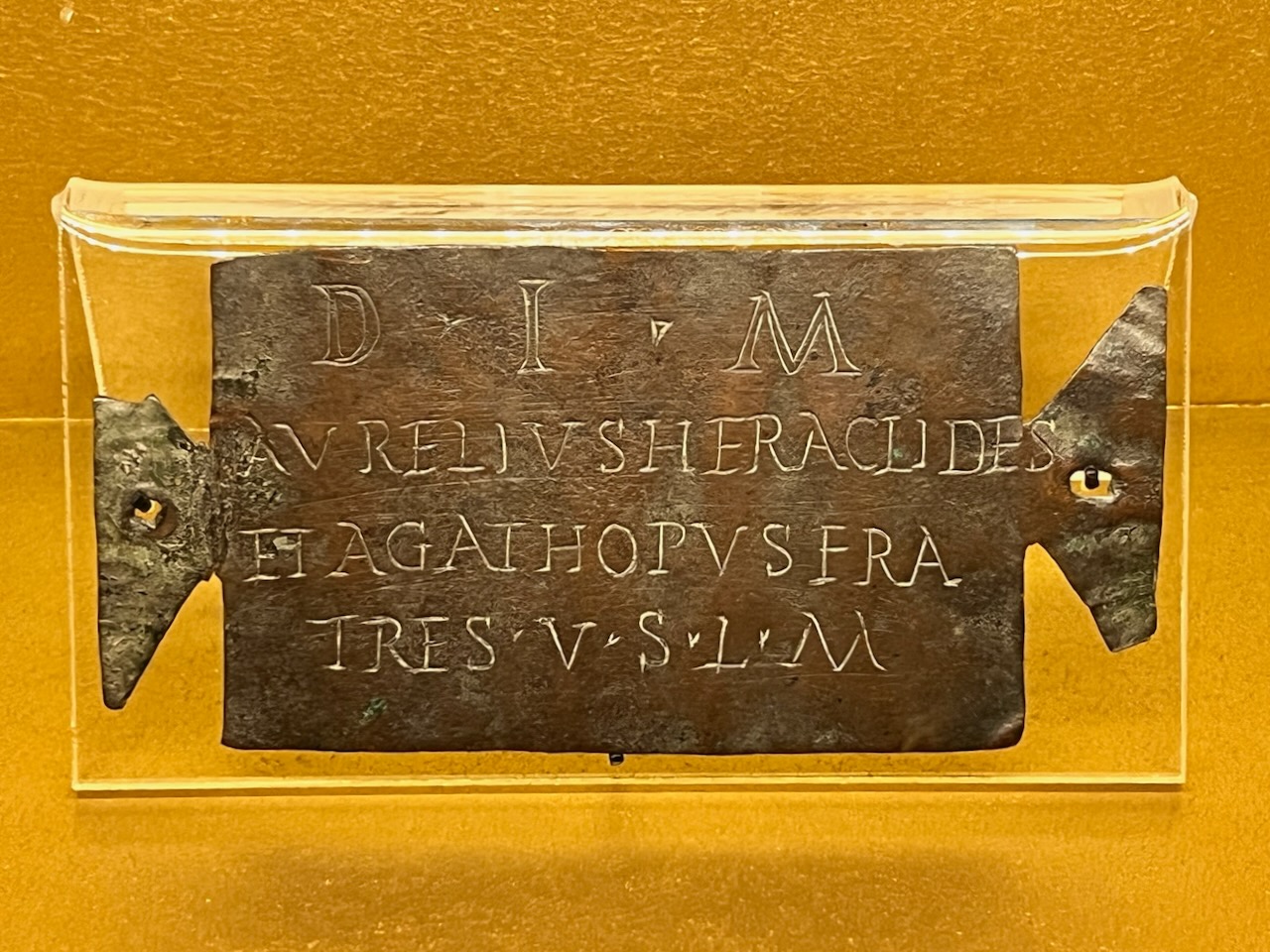
This small bronze tabula ansata was dedicated to Mithras by two brothers, probably not related by blood.
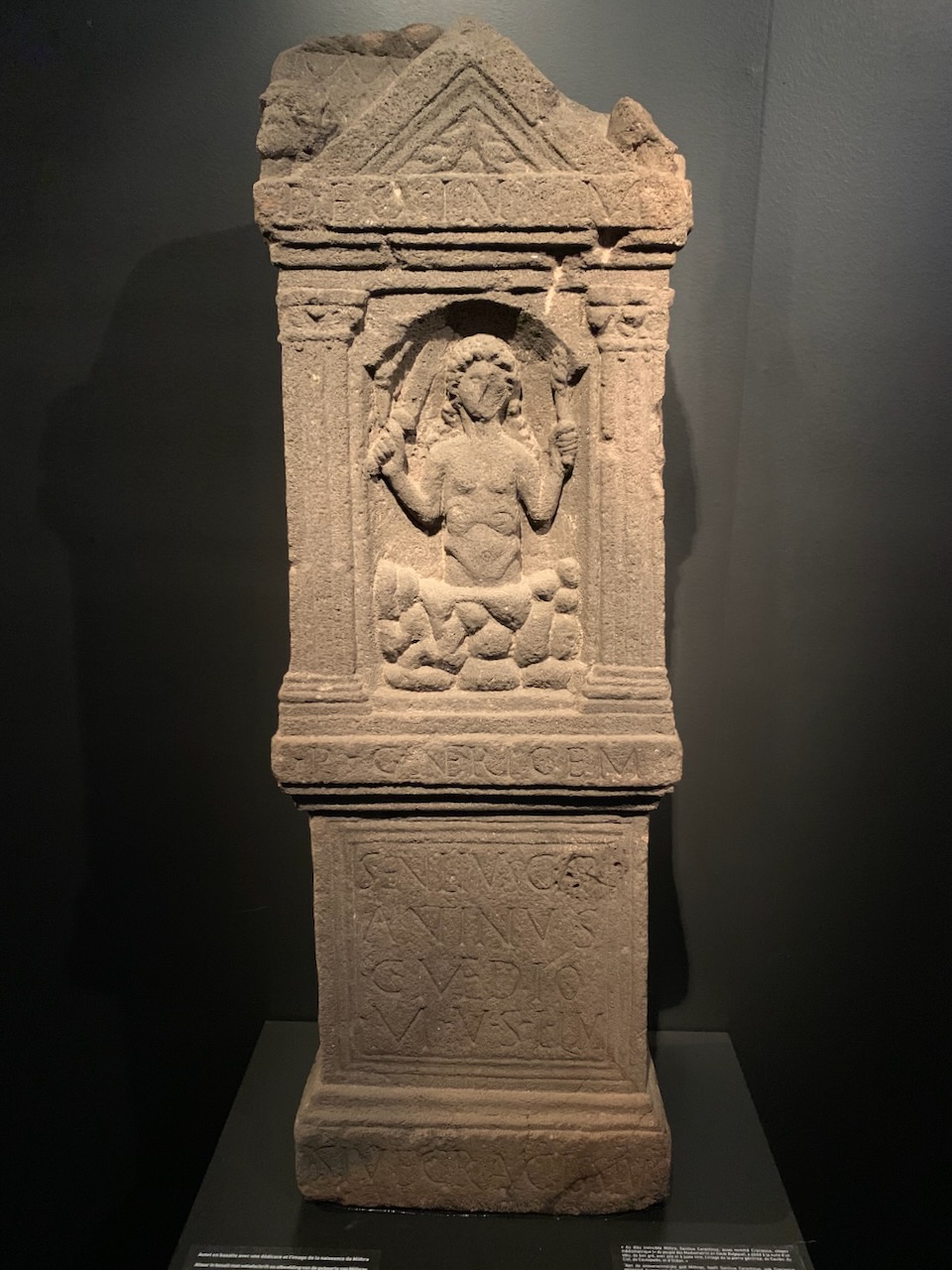
The Mithraic stele from Nida depicts the Mithras Petrogenesis and the gods Cautes, Cautopates, Heaven and Ocean.
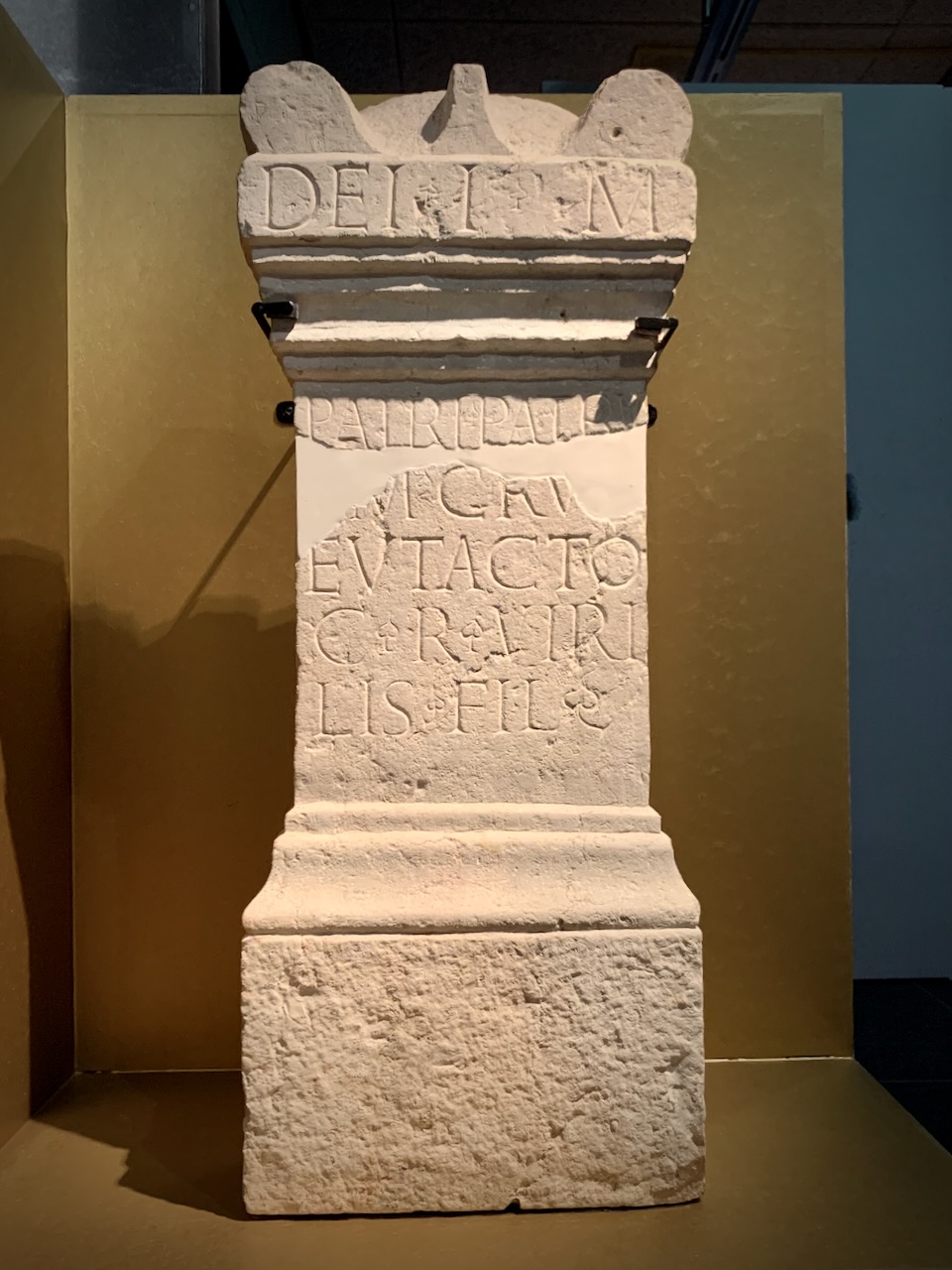
This altar was dedicated by a son to his father, one of the few Patres Patrum recorded in the western provinces.

The dedicator of this altar was a slave in the service of a high official, the prefect Gaius Antonius Rufus, known from other inscriptions.
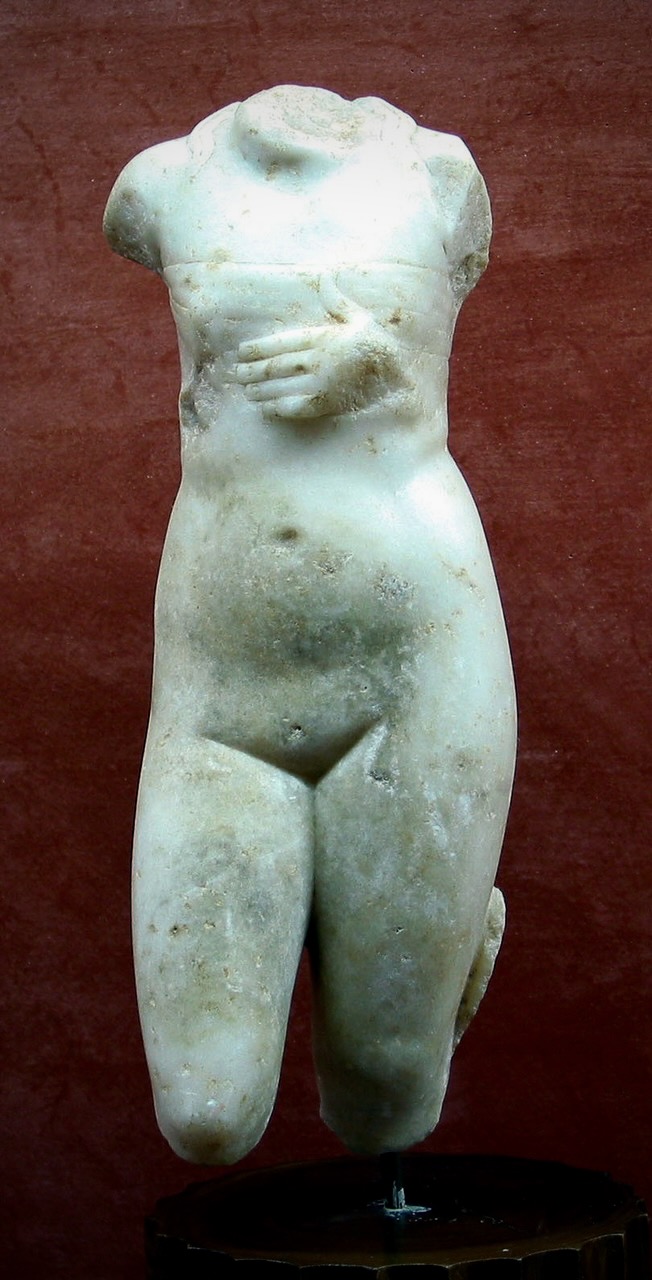
The lack of attributes and its decontextualisation prevent us from attributing a specific Mithraic attribution to this small Venus pudica from Mérida.
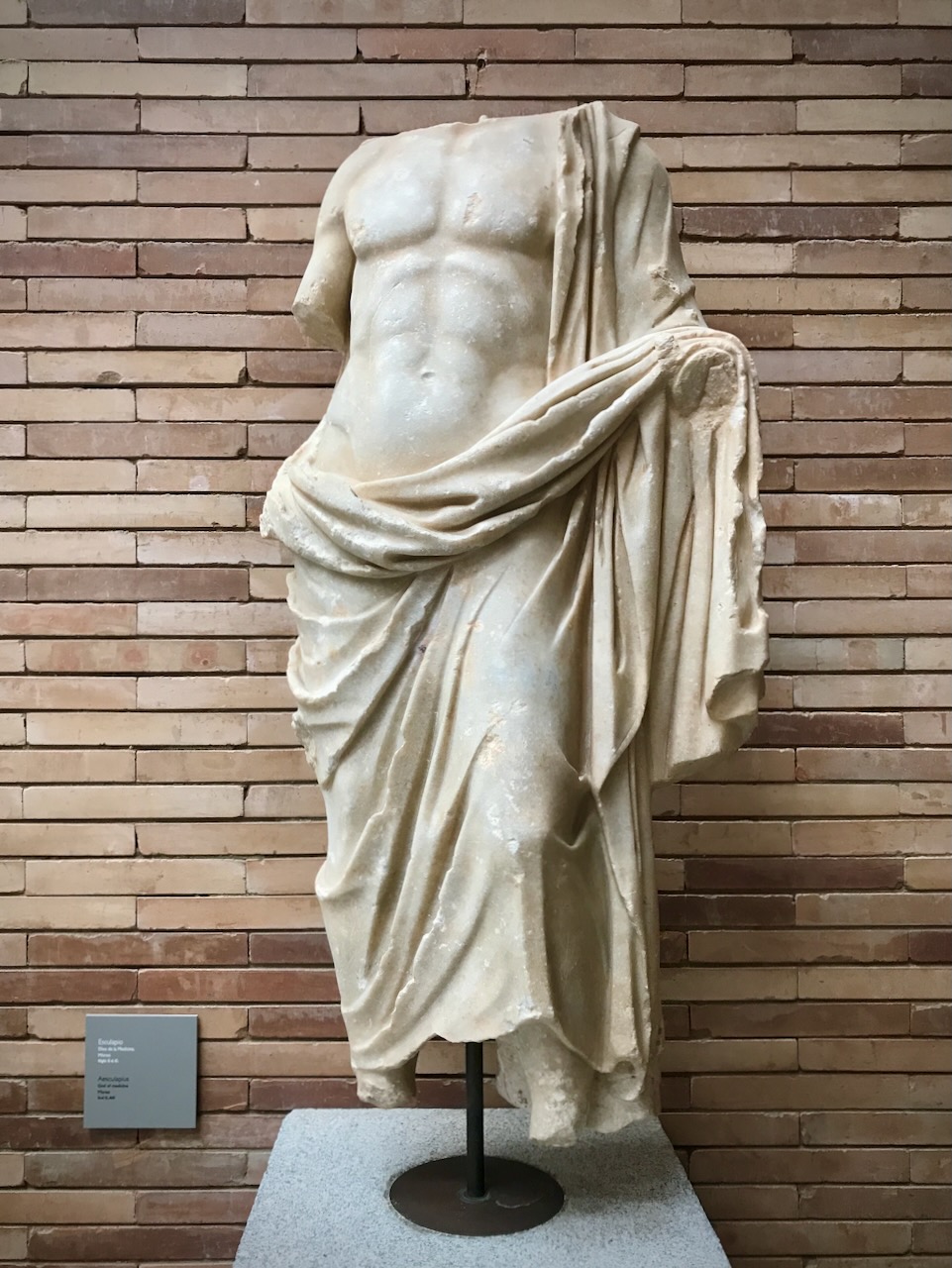
This standing sculptural figure from Mérida appears to carry the serpent staff, characteristic of the medicine god Aesculapius.
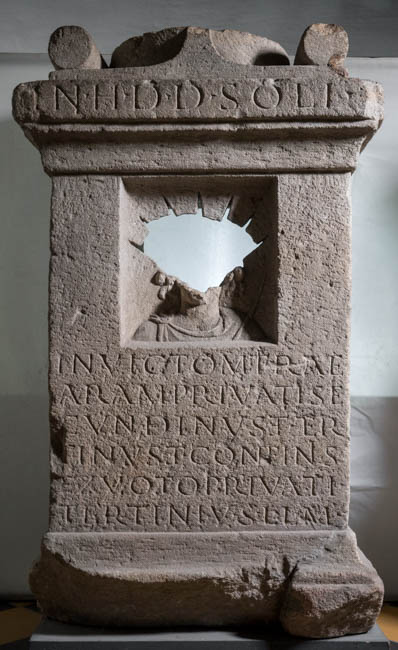
The altar of the Sun god belongs to the typology of the openwork altar to be illuminated from behind.

The Mithraeum of Slaveni was discovered in 1837 on the right bank of the river Olt, in Romanati district.

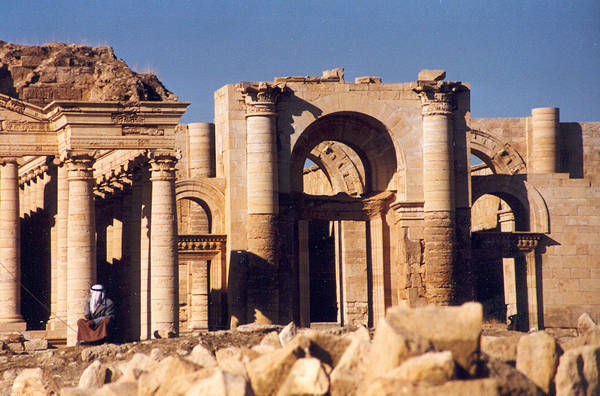
The city of Hatra was famed for its fusion of several civilization cults, which several temples devoted to gods from all Indo-European world.
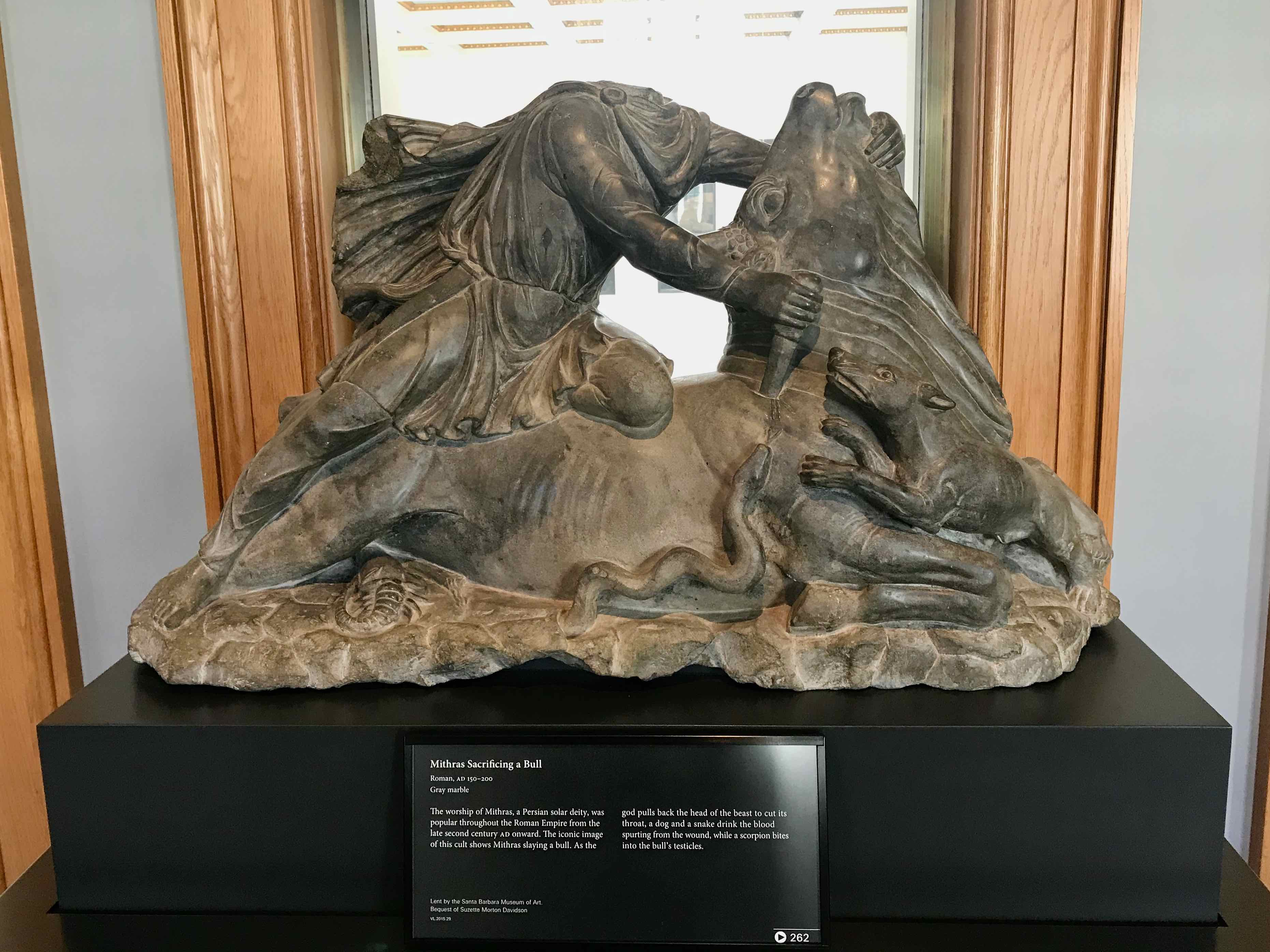
Tauroctony in black marble on display at the Santa Barbara Museum of Art, California.
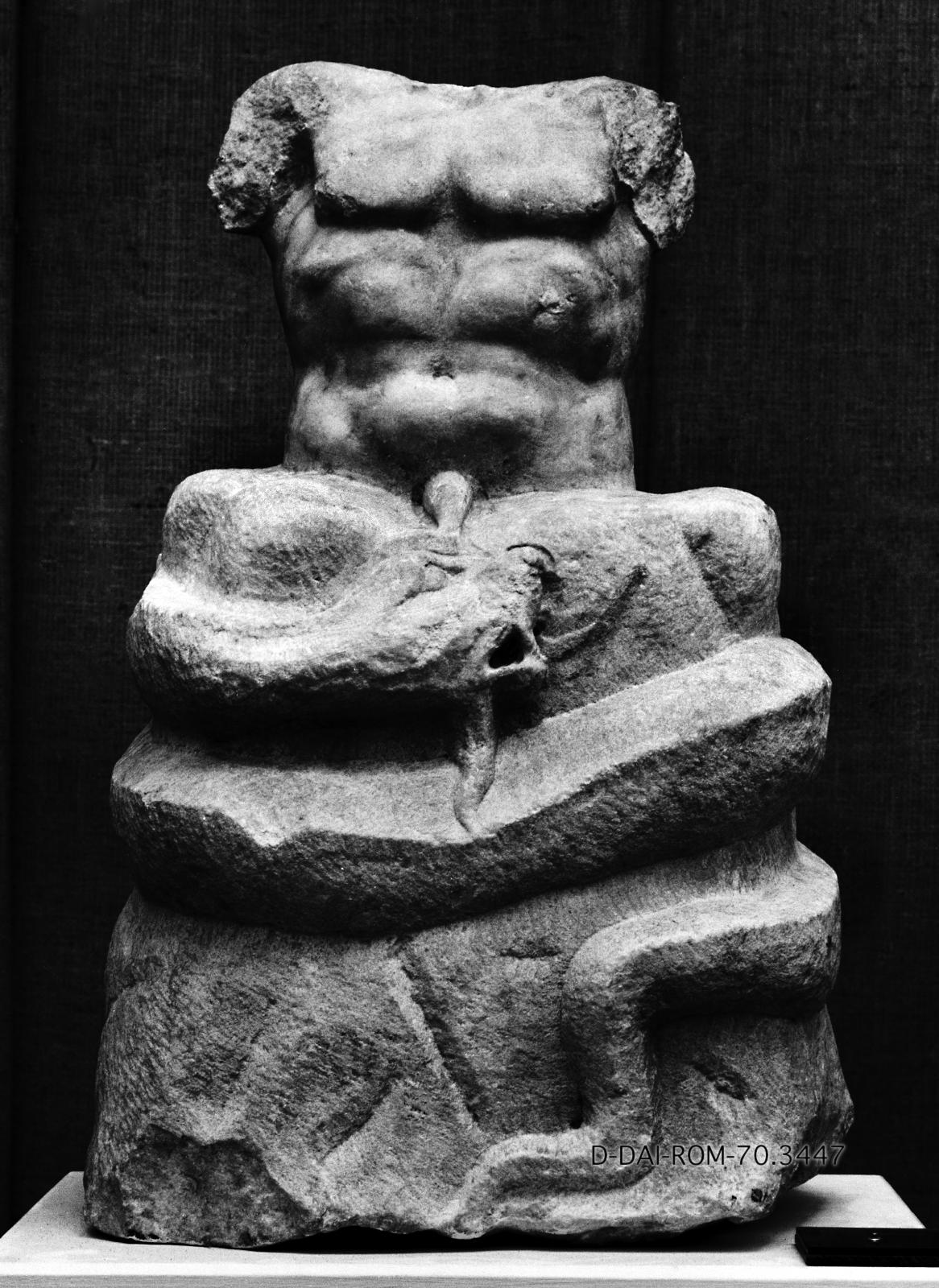
Mithras born from the rock with a snake raising in coils around it.
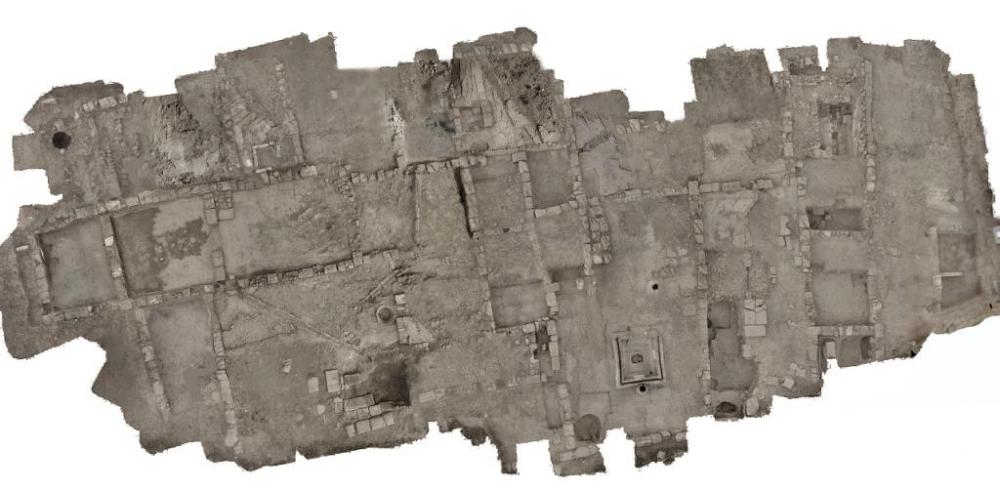
The discovery of the Mithraeum of Tarquinia is due to the Department for Protection of Cultural Heritage of the Carabinieri, who noticed some clandestine excavations near the Ara della Regina.
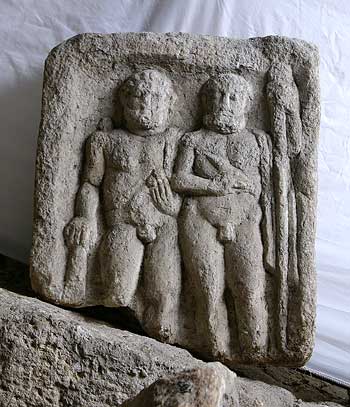
This marble relief was found in a Mithraeum in Ptuj.
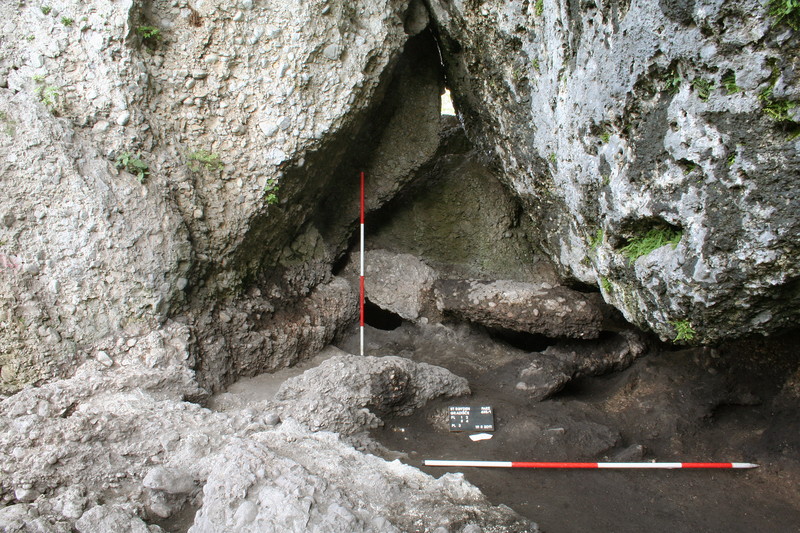
The 'Mithraic cave' in the Gradische/Gradišče massif near St. Egidio contained vessels decorated with snakes and the remains of chicken bones and other animals that were consumed during Mithraic ceremonies.
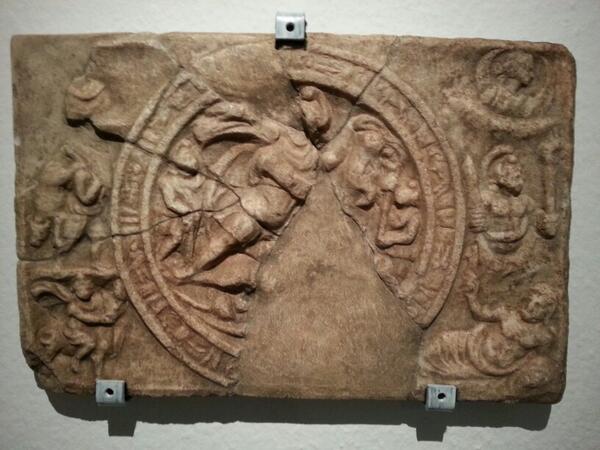
The relief of Mithras slaying the bull of Sisak includes the zodiac and multiple scenes from the myth of Mithras.
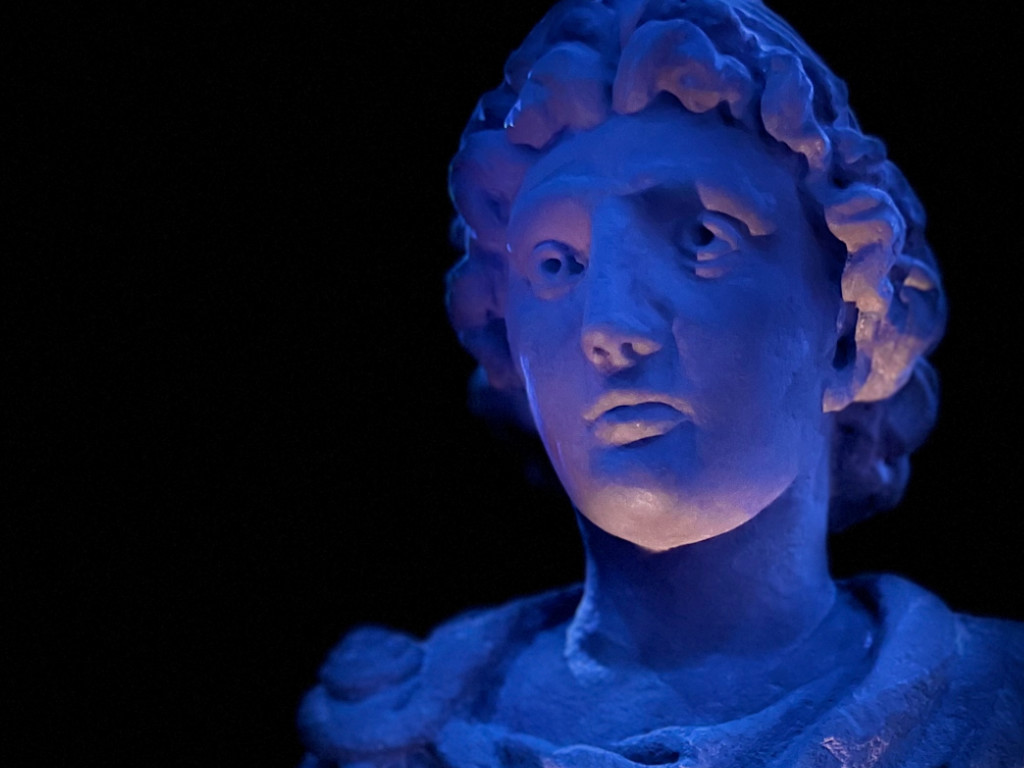
The exhibition The Mystery of Mithras opens at the Mariemont Museum in Belgium, home of Franz Cumont, the father of studies on the solar god.
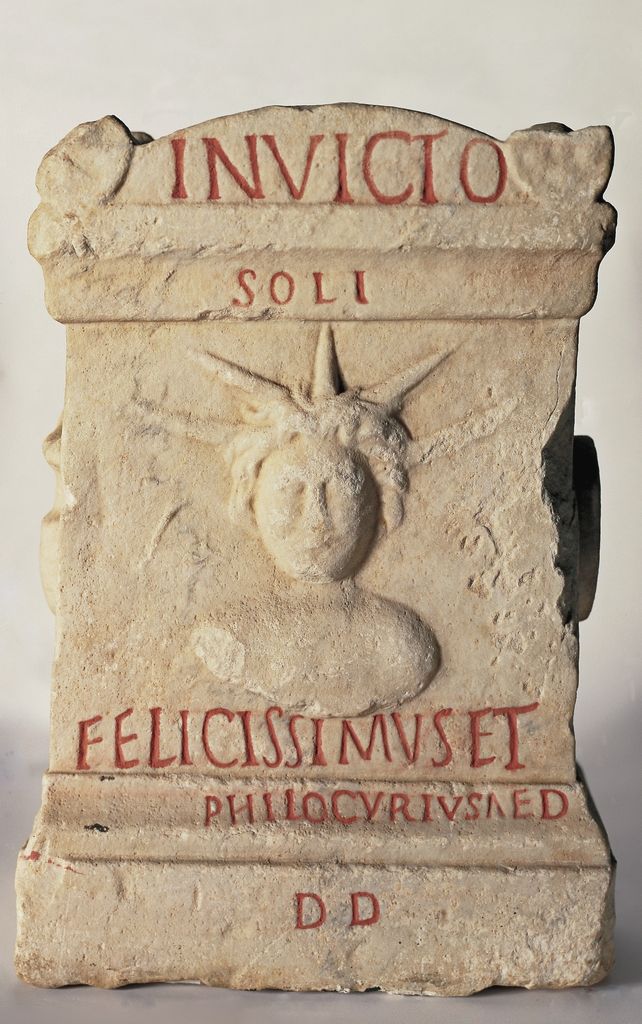
This small altar found in Rome depicts the god Sol with five rays around his head.
