Your search Val di Non gave 2329 results.

Inscription from Mithraeum I at Ptuj, ancient Poetovio, dedicated to Petrae genetrici ex viso by Felix, vicarius of Prudens, slave of Antonius Rufus, vilicus of the publicum portorium Illyricum — one of several Mithraic dedications by this household.
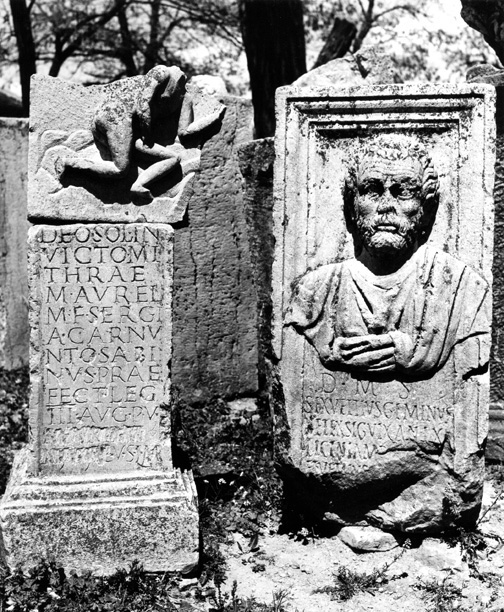
White marble base from Mithraeum I at Ptuj, ancient Poetovio, bearing a dressed bust of Sol on the left lateral face and an inscription recording a dedication related to the Mithraic transit ritual.
Marble altar with akroteria from Mithraeum I at Ptuj, ancient Poetovio, dedicated to Invicto Mithrae by Festus, vicarius of Primus, vilicus of the publicum portorium.
Inscription from Sisak, ancient Siscia, dedicated to Iovi optimo maximo, Soli invicto, and the Genius loci by Aurelius Antiocianus; the Mithraic character is uncertain.
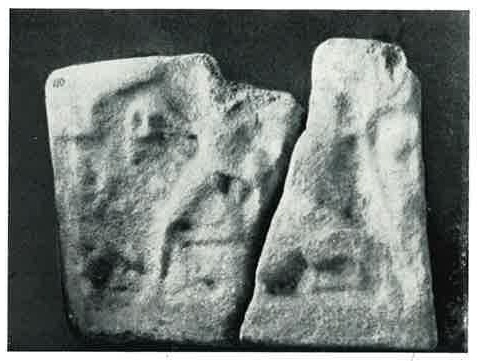
Weathered marble tauroctony relief in two fragments from Ruše, Noricum, depicting the bull-slaying with only the dog visible, flanked by two torchbearers both holding their torches upraised; no Sol or Luna.
This altar to the god Sol invicto Mithra was erected by a legate during Maximin’s reign in Lambaesis, Numidia.
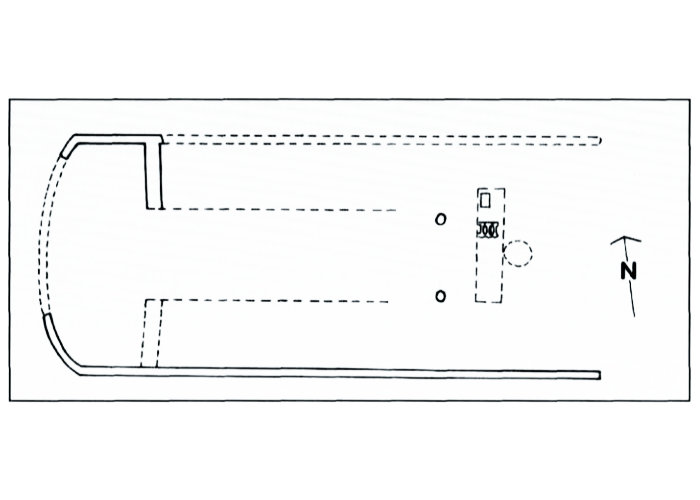
One of the largest known Mithraea in Pannonia, the sanctuary of Sárkeszi stood near the Roman road linking Herculia and Aquincum.

Szombathely is the oldest recorded city in Hungary. It was founded by the Romans in 45 AD under the name of Colonia Claudia Savariensum, and it was the capital of the Pannonia Superior province of the Roman Empire.
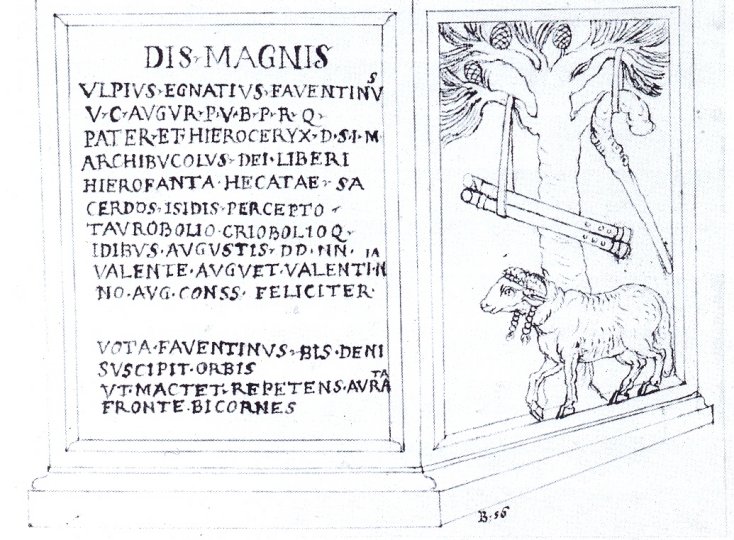
Both of them were discovered in 1609 in the foundations of the façade of the church of San Pietro, Rome.
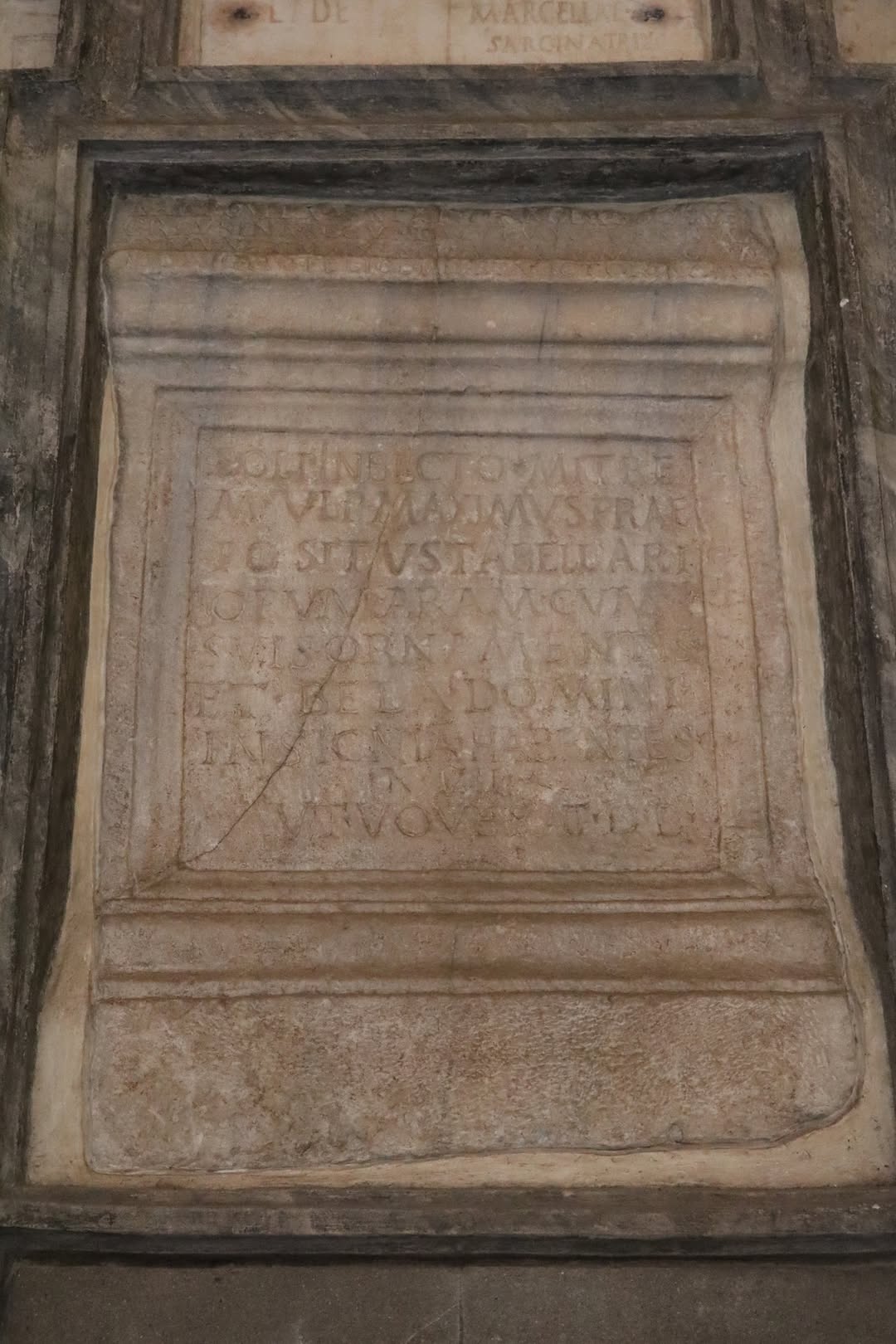
Marble altar dedicated to Sol Invictus Mithras, found in Rome (in aedibus Maffaeiorum), set up in 183 A.D. by M. Ulpius Maximus, praepositus tabellariorum, together with its ornaments and Mithraic insignia, in fulfilment of a vow.
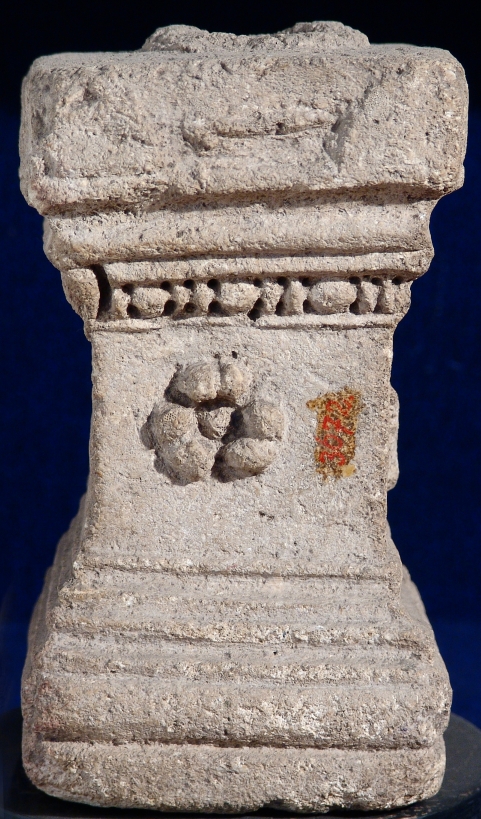
This limestone altar from Roman Dacia preserves a dedication to Mithras by a commander of the Ala II Pannoniorum.

These six marble fragments from the Second Mithraeum of Poetovio preserve parts of tauroctonies together with figures of Sol, Cautes, and Cautopates.
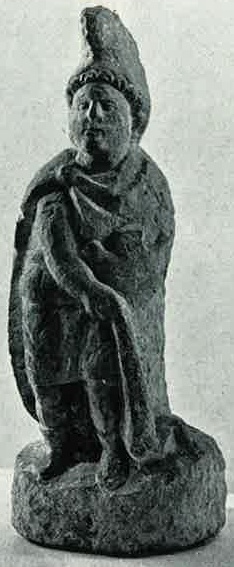
This statuette of Cautopates from Intercisa shows the torchbearer holding a burning torch and a pelta at his side.
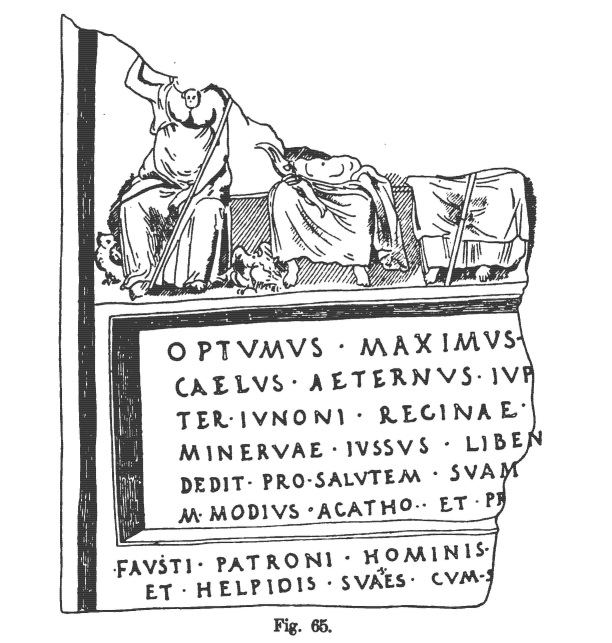
This marble relief bears an inscription by Marcus Modius Agatho, who dedicated several monuments to Mithras on the Caelian Hill in Rome.
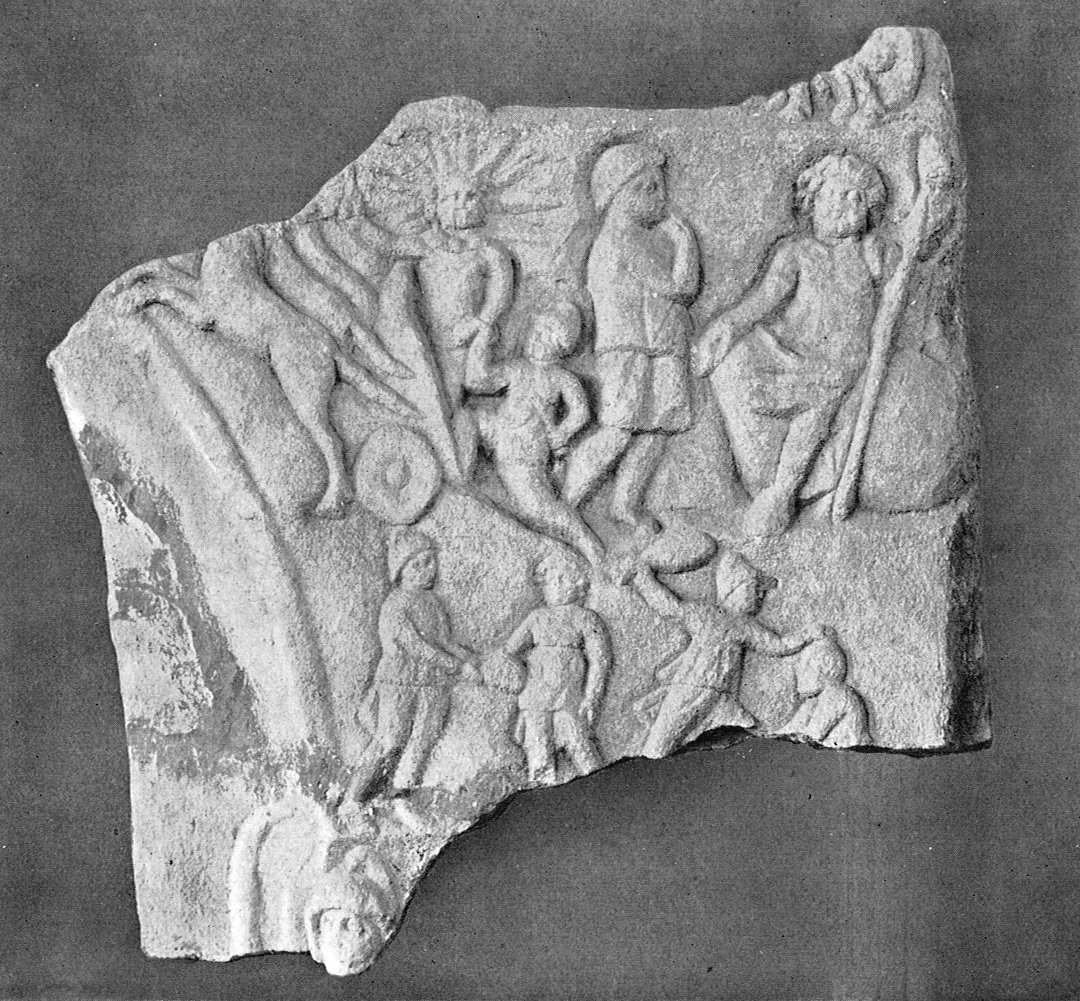
Several Mithraic scenes, including Mithras with Saturn, Mithras with Sol and Mithras' Ascension, are depicted on this fragment of a relief from Ptuj.
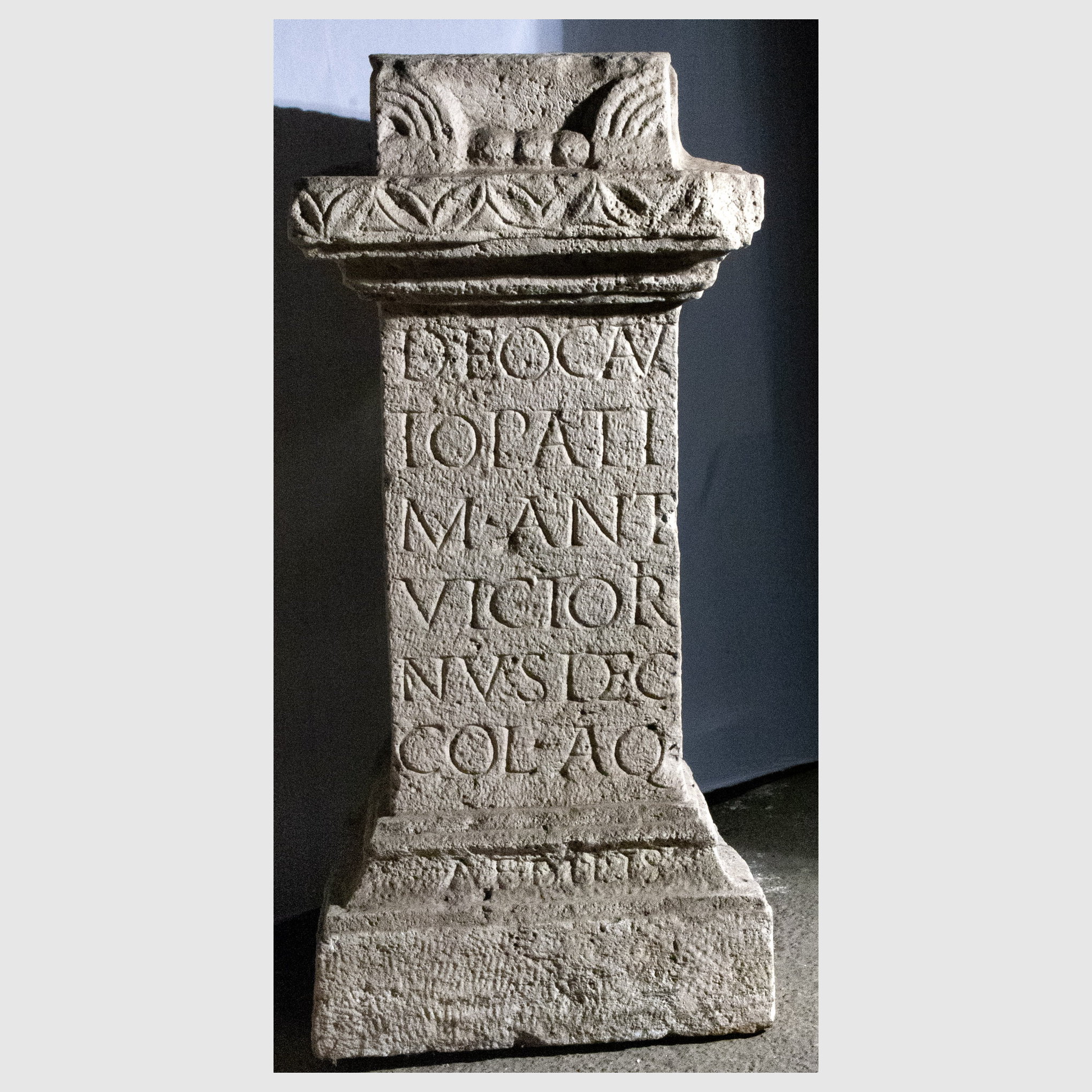
These two altars, erected by a certain Victorinus in the mithraeum he built in his house, bear inscriptions to Cautes and Cautopates.
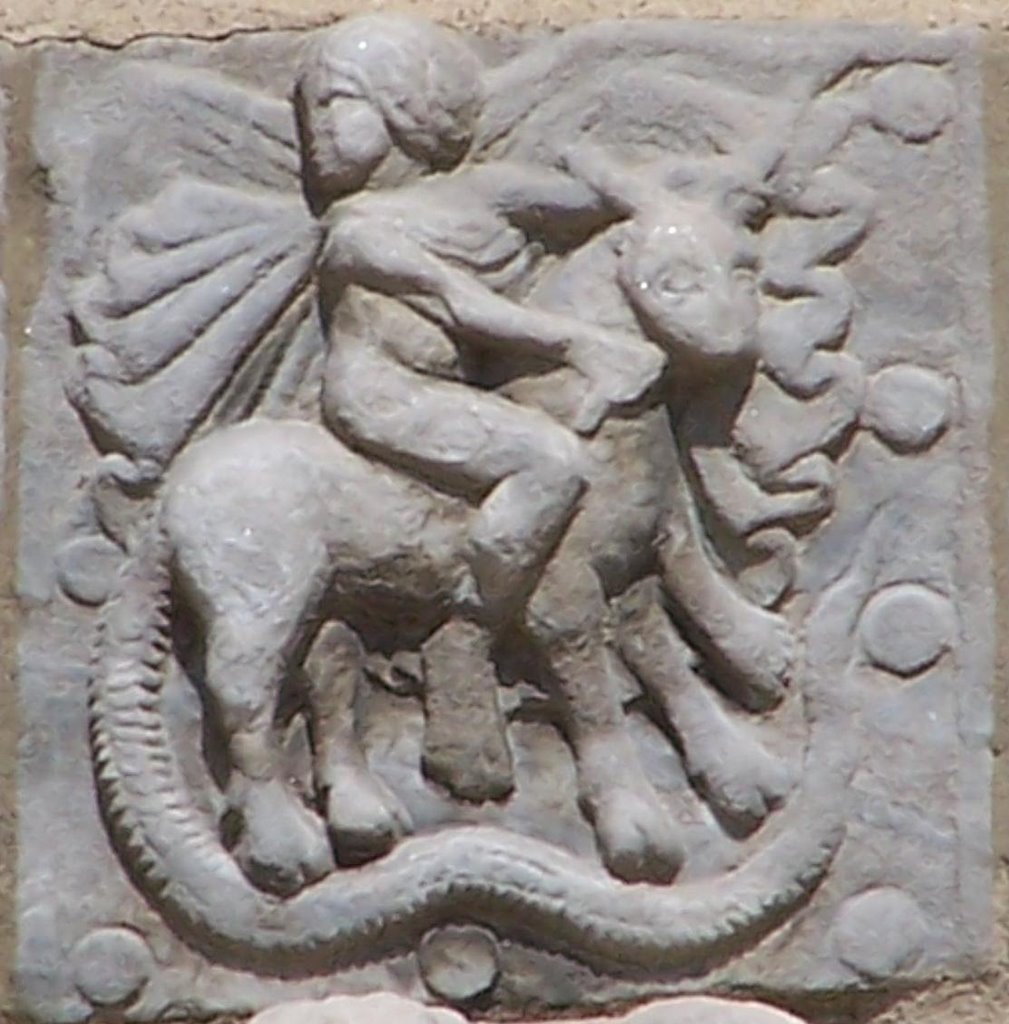
Mithras slaying the bull appears as the sign of Capricorn in a zodiacal sequence on the Pórtico del Cordero of the Abbey de Santo Domingo de Silos, Burgos, Spain.
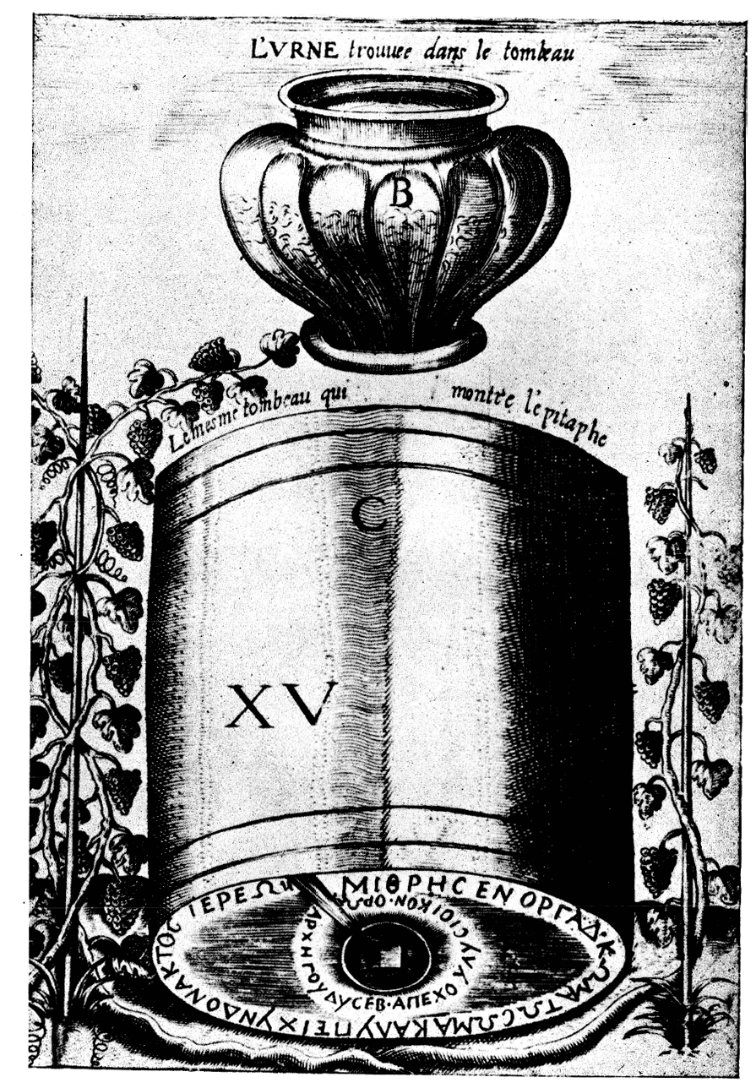
This funerary inscription, engraved on a stone urn discovered near Roman Dijon, mentions a certain Chyndonax, described as a priestly leader of Mithras.
Fragments of this limestone statue include the head and torso of Mercury, holding the caduceus in his left hand.
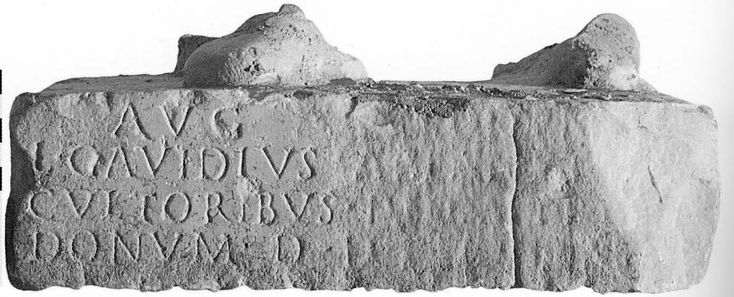
This inscription on white marble by Lucius Gavidius uses the term ther cultores to refer to his Mithraic community in Stabiae, Italy.
