Your search Vatican City gave 203 results.
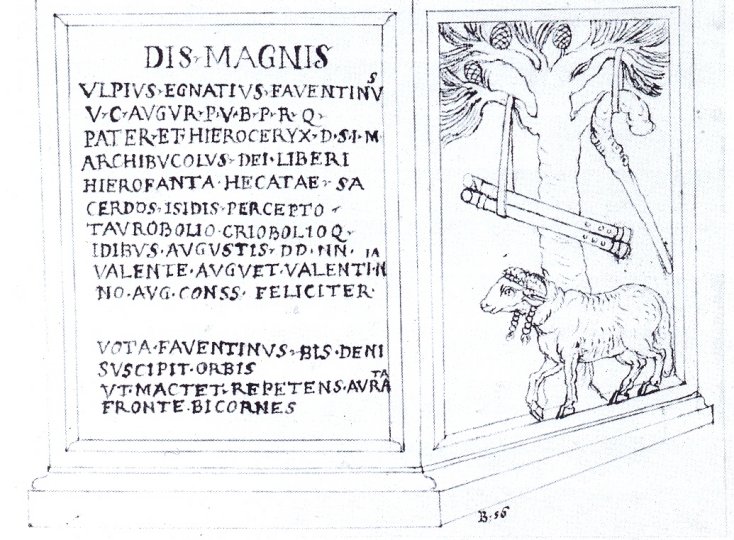
Both of them were discovered in 1609 in the foundations of the façade of the church of San Pietro, Rome.
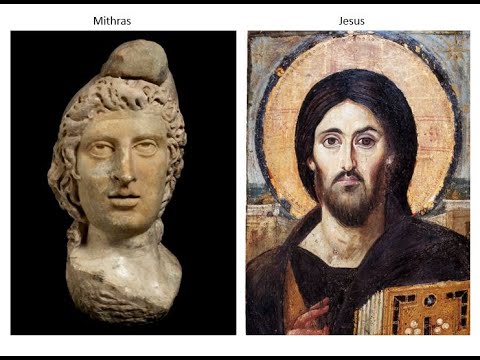
Mithraic Influence on Early Christian Symbolism and Church – Architecture

Marble head of Helios-Mithras with curly hair and seven holes for fastening rays, from the Mitreo degli Animali at Ostia, Lateran Museum.

Marble torso found at Ostia in 1912 between the Decumanus and the Via dei Molini, dedicated to Mithras by a certain Atilius Glyco.

Followers of a revived version of Mithraism in contemporary Italy threaten to overthrow the government and destroy the Vatican. Rome is in chaos. Earthquakes shake the city. The Pope is in a coma.

This unusual bronze bust of Sabazios features multiple symbolic elements, with Mithras depicted in his characteristic pose of slaying the bull, positioned just below Sabazios’ chest.
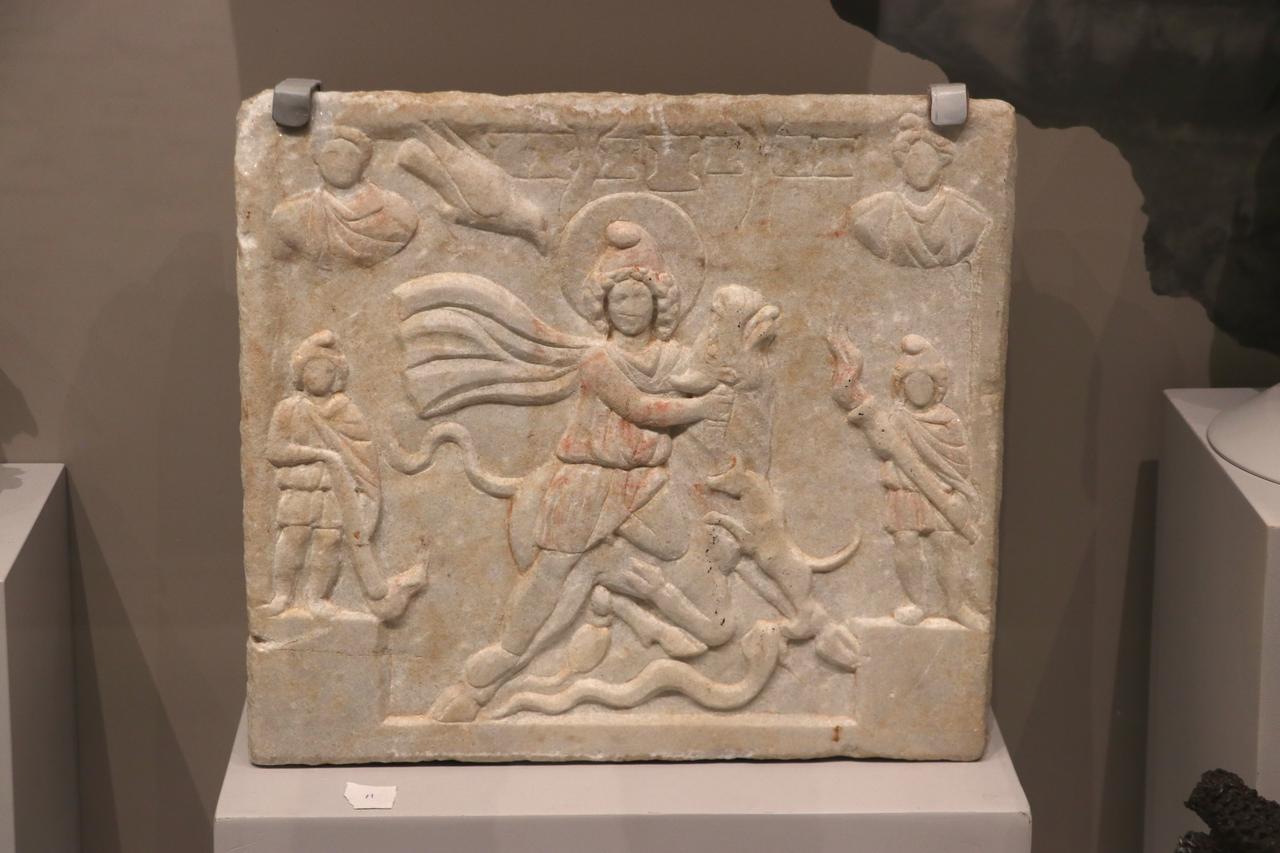
New evidence for the cult of Mithras and the religious practices of Legio IV Scythica at the Roman frontier city of Zeugma on the Euphrates.
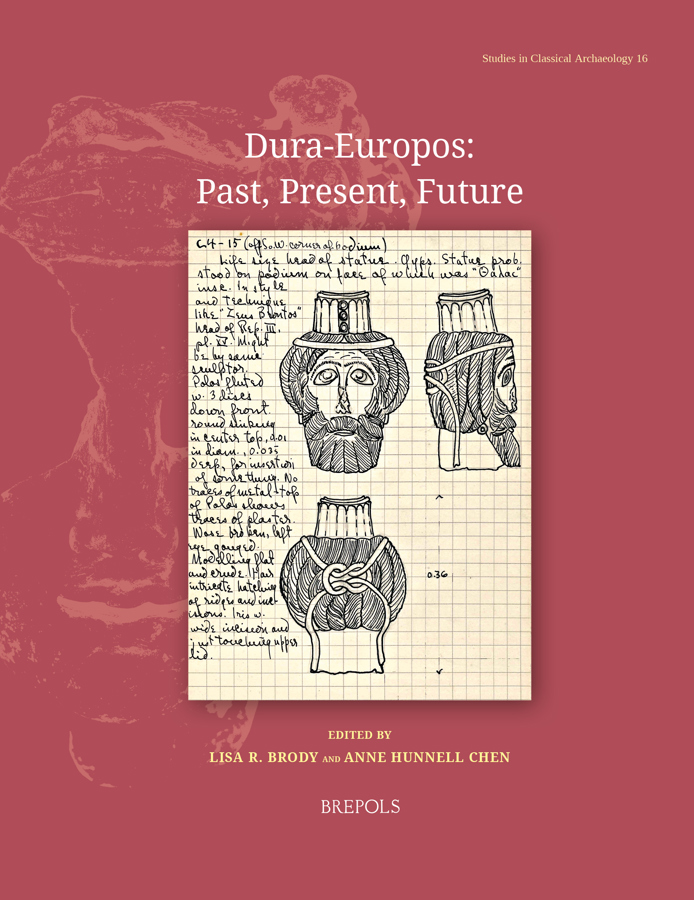
Proceedings from an international conference on the ancient city of Dura-Europos (Syria) held at Yale University in 2022, with papers that explore its cultural heritage through multidisciplinary research approaches.

Proceedings from an international conference on the ancient city of Dura-Europos (Syria) held at Yale University in 2022, with papers that explore its cultural heritage through multidisciplinary research approaches.
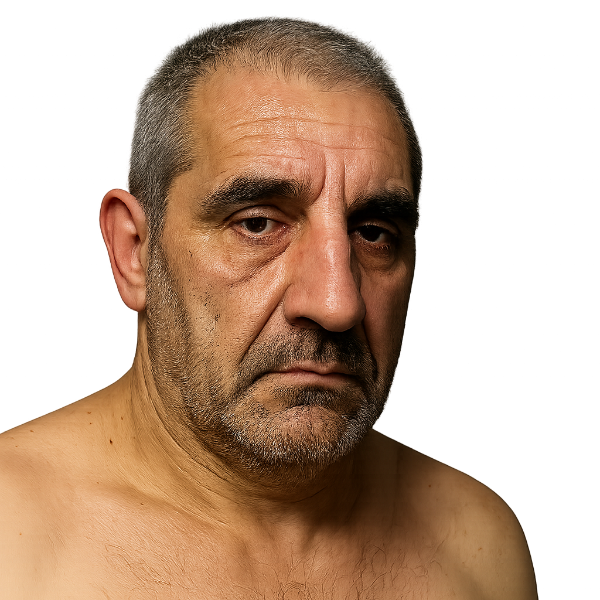
Roman senator, public augur and Mithraic pater attested among the aristocratic dedications associated with the Vatican Phrygianum in 376 CE.

Nuzi at modern Yorghan Tepe, Iraq was an ancient Mesopotamian city 12 kilometers southwest of the city of Arrapha and 70 kilometers southwest of Sātu Qala, located near the Tigris river.
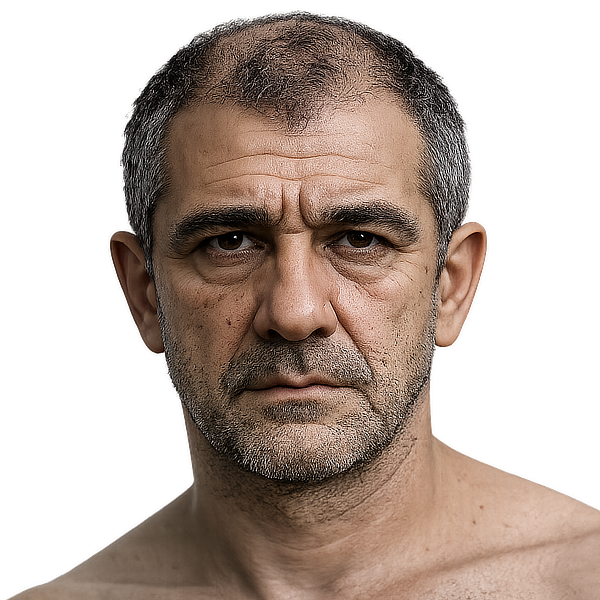
Sextus Pompeius Maximus was an Ostian pater, later honoured as pater patrum, whose benefactions transformed the Aldobrandini Mithraeum and linked him to the city’s ferry guilds.
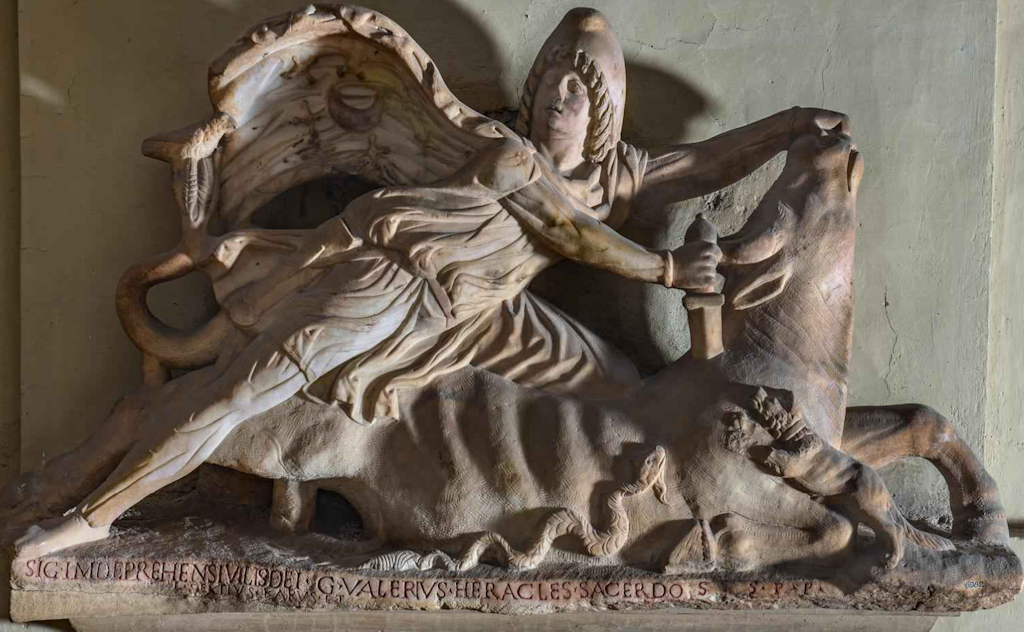
This sculpture of Mithras killing the bull was dedicated to the “incomprehensible god” by a certain priest called Gaius Valerius Heracles.

The Fagan Mithraeum, also known as the Mithraeum of Tor Boacciana, yielded remarkable sculptures of lion-headed deities, several of which are now preserved in the Vatican Museums.
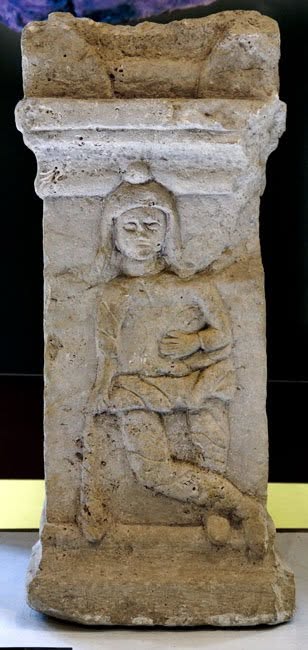
Votive altar depicting Cautopates from the Roman city of Durostorum, modern-day Silistra in Bulgaria.
.jpg)
The statue of Arimanius/Ahriman was found in 1874 under the city wall of York during the construction of the railway station.

A powerful and wealthy man, founder of a mithraeum in the city of Aquincum of which he was the mayor.
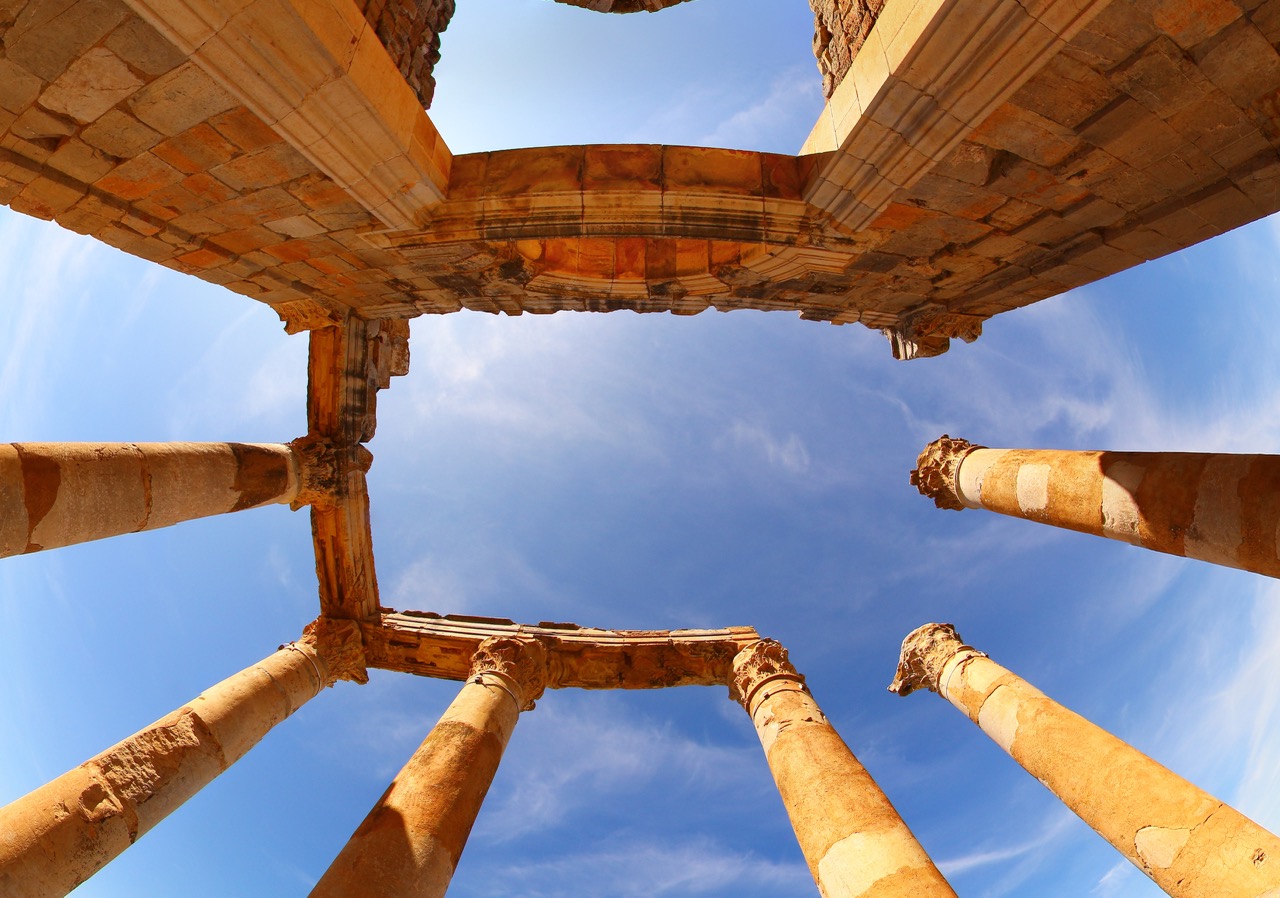
Roman colonial city of Numidia, later known as Djémila, renowned for its exceptionally well-preserved late antique urban remains.
The Roman remains of Benifaió, or Benifayó in Spanish, are located on the outskirts of the city. Of particular interest is a rustic villa inhabited between the 1st and 4th centuries according to the numismatic and ceramic remains found.
