Your search Vil·la romana dels Munts gave 370 results.
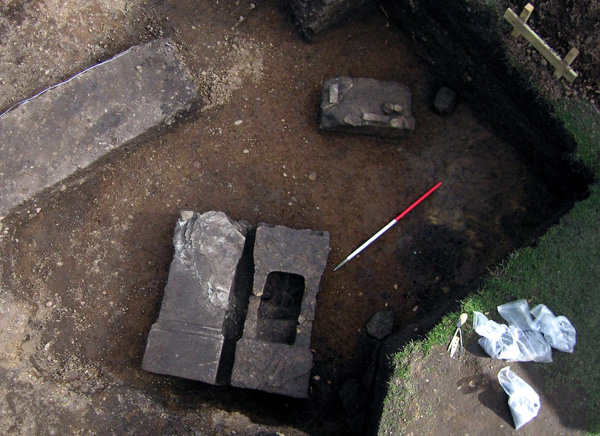
The Mithraeum of Inveresk, south of Musselburgh, East Lothian, is the first found in Scotland, and the earliest securely dated example from Britain.
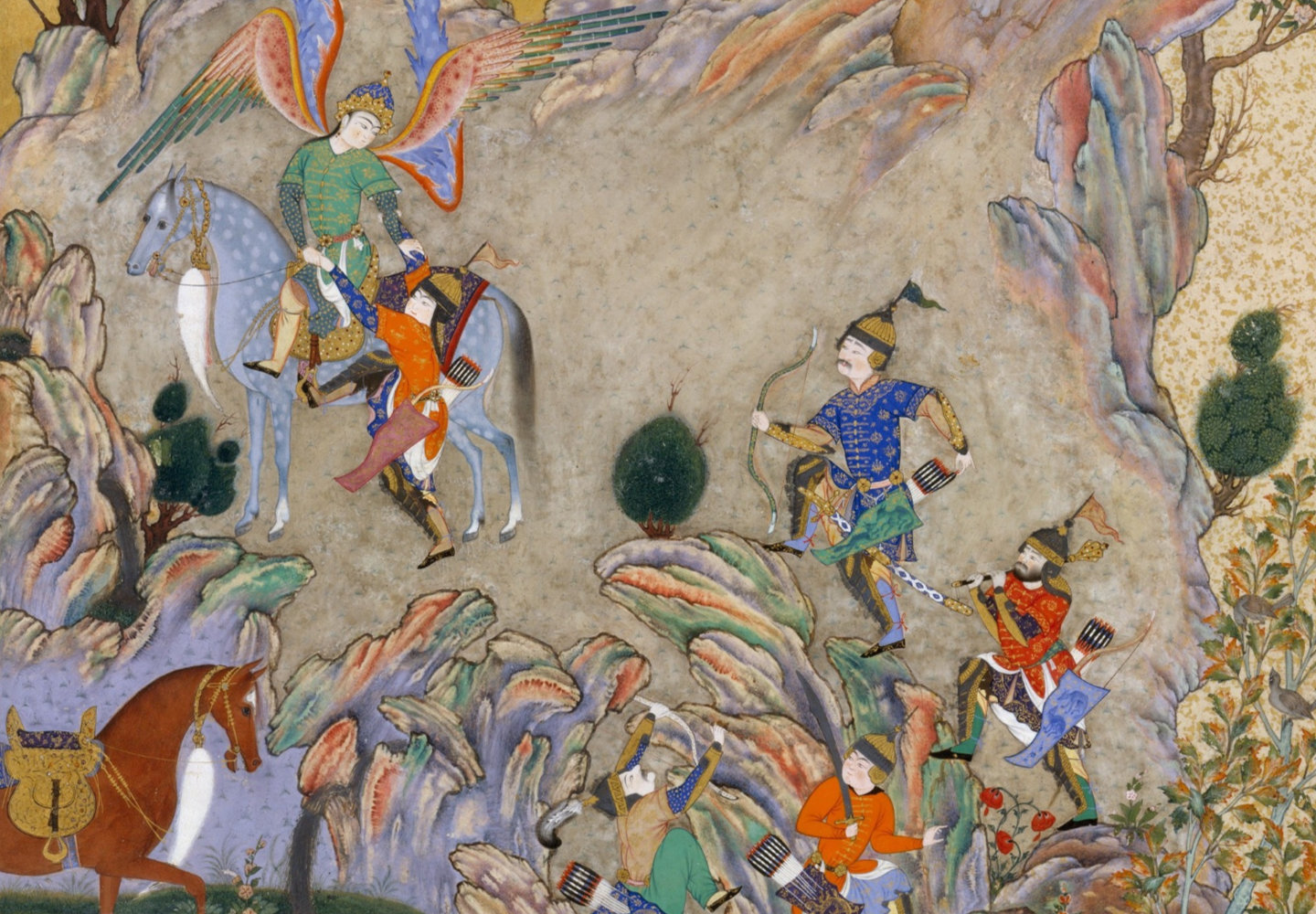
We propose to revisit a passage by the prolific author Marteen Vermaseren that highlights correspondences today forgotten between the Roman Mithras and its Eastern counterparts.
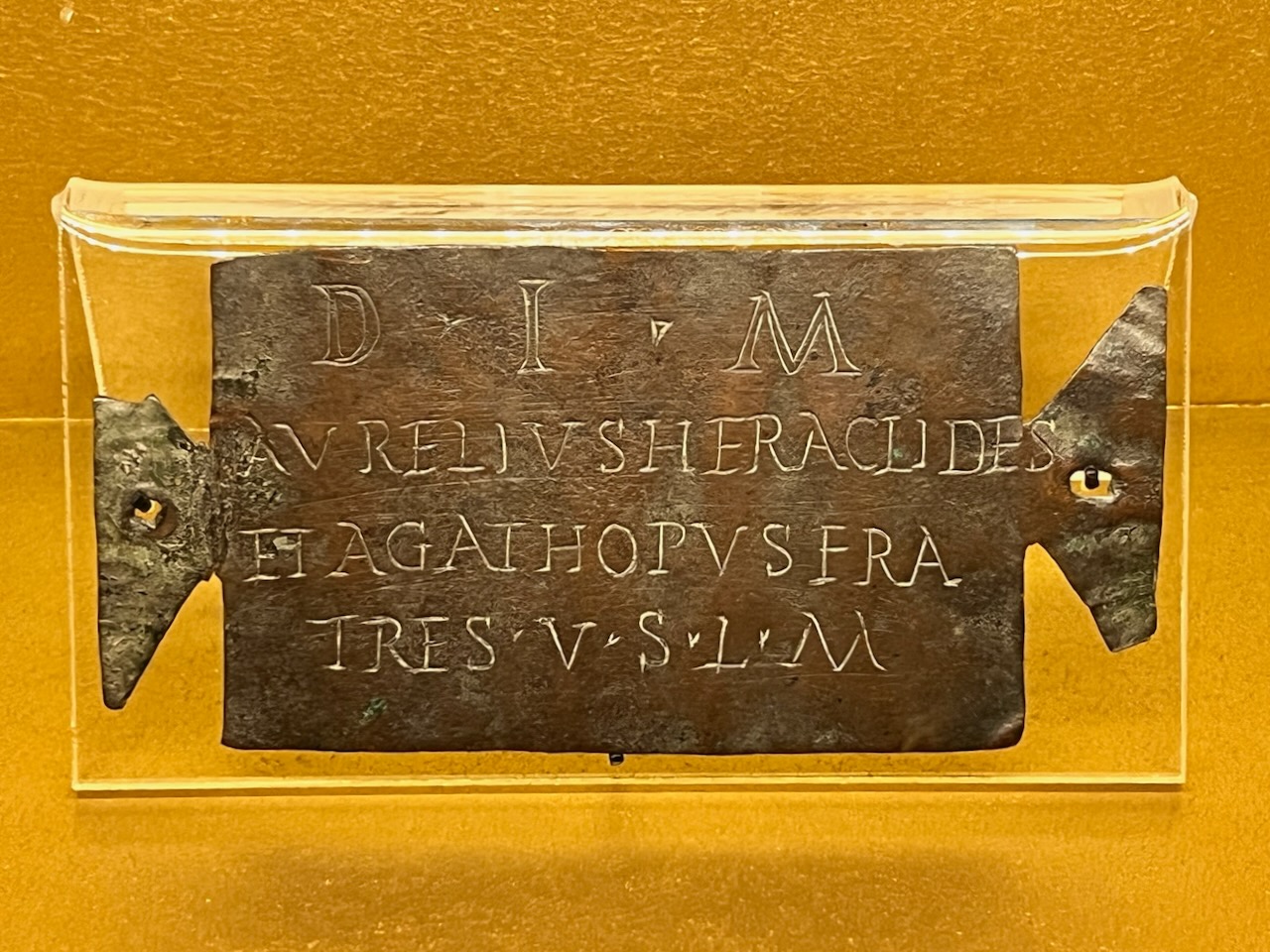
This small bronze tabula ansata was dedicated to Mithras by two brothers, probably not related by blood.

The Mitreo Fagan revealed remarkable sculptures of leon-headed figures now exposed at the Vatican Museum.
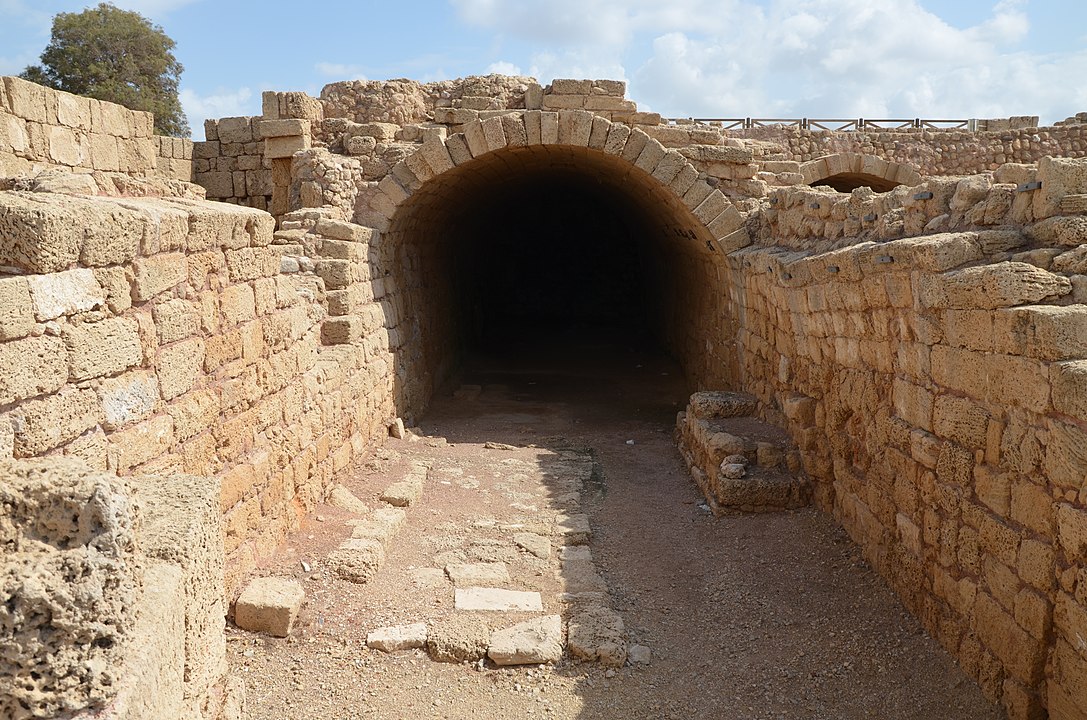
This shrine developed towards the end of 2nd century and remained active until beginning 4th.
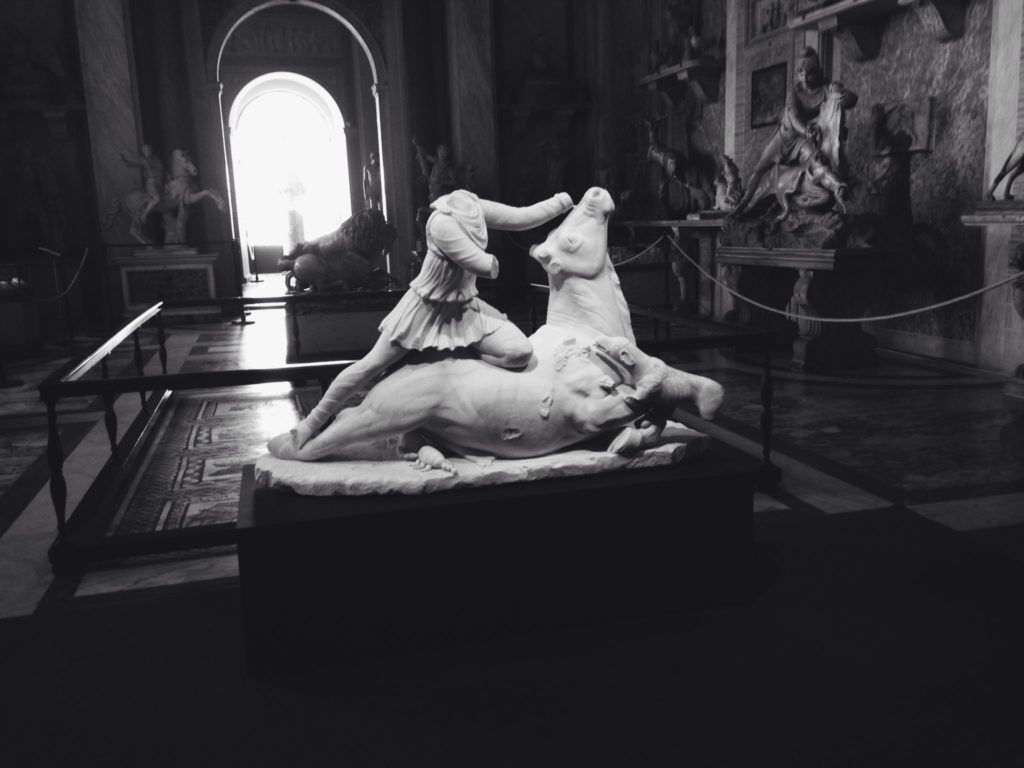
Votive sculpture of Mithras sacrificing the bull from the Mithraeum of Tarquinia.
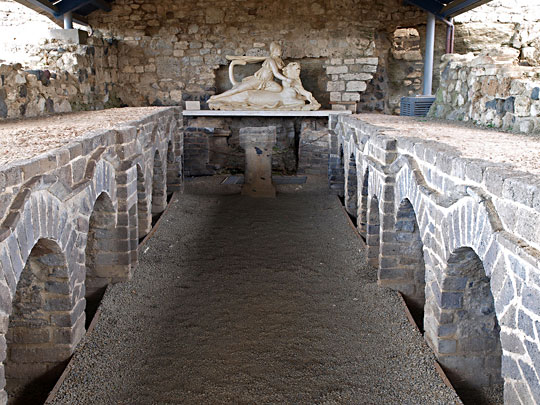
The Mithraeum of Vulci is remarkable because of his high benches and the arches below them.
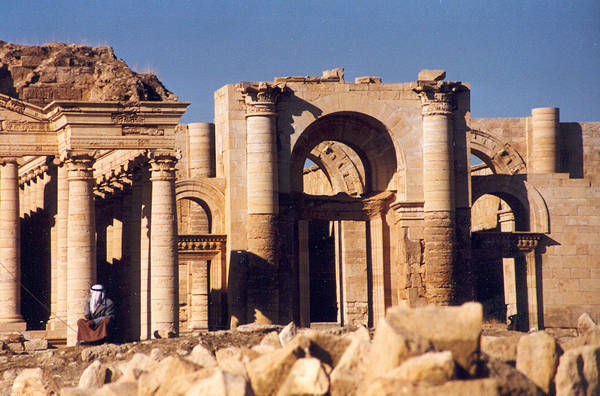
The city of Hatra was famed for its fusion of several civilization cults, which several temples devoted to gods from all Indo-European world.
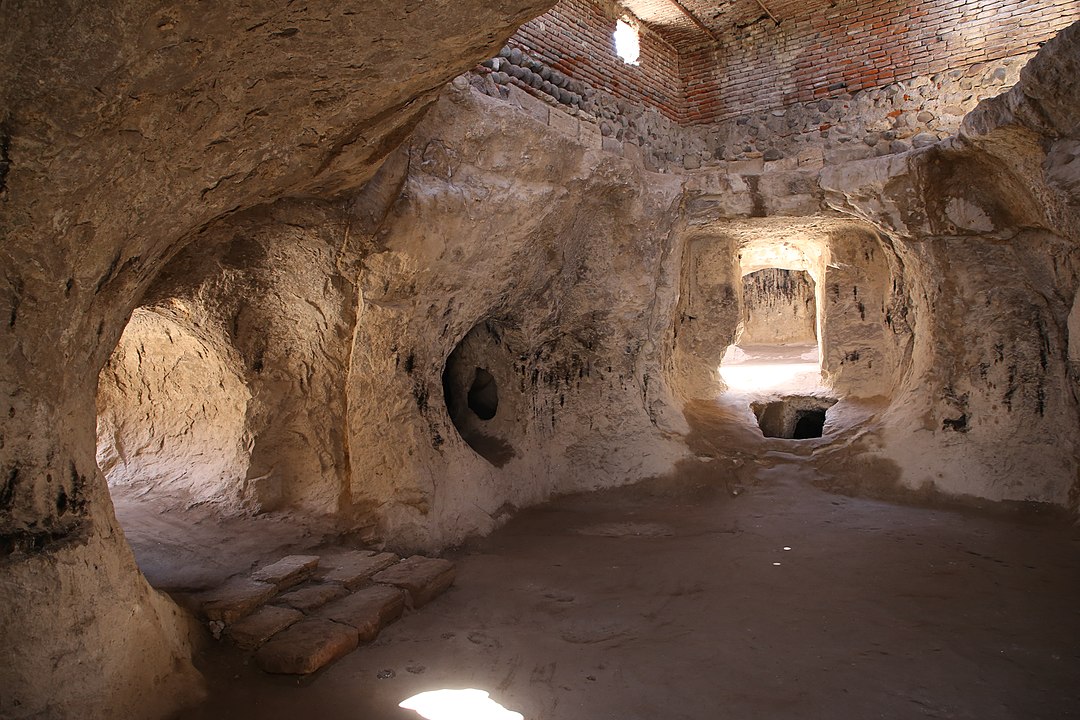
The Mithra Temple of Maragheh, also referred to as the Mithra Temple of Verjuy or simply Mehr Temple, is the oldest surviving Mithraic temple in Iran known to date.
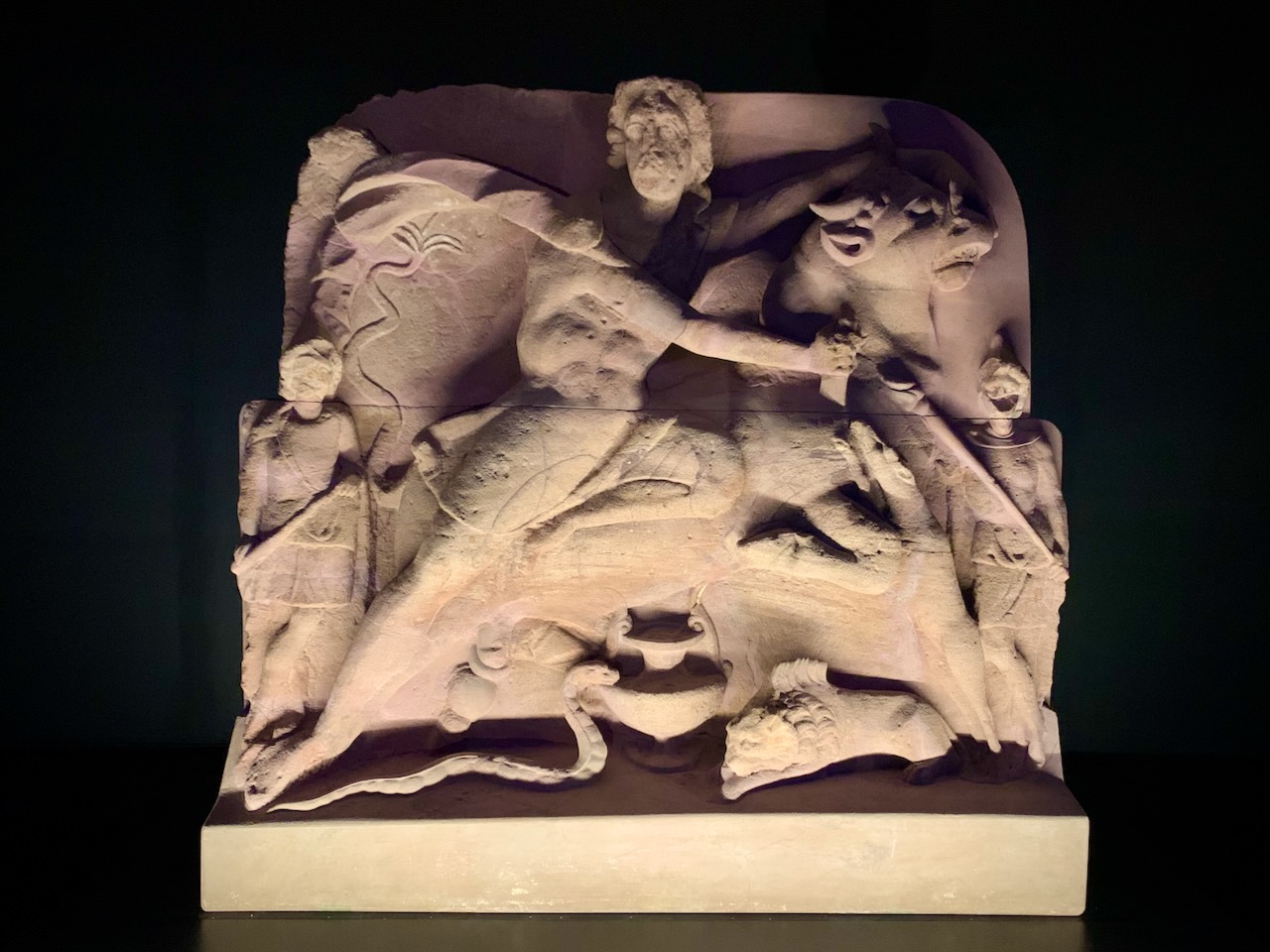
The relief of Mithras slaying the bull from Nida's Mithraeum III was found in two pieces in 1887, destroyed during an air raid on Frankfurt in 1944, and restored in 1986.
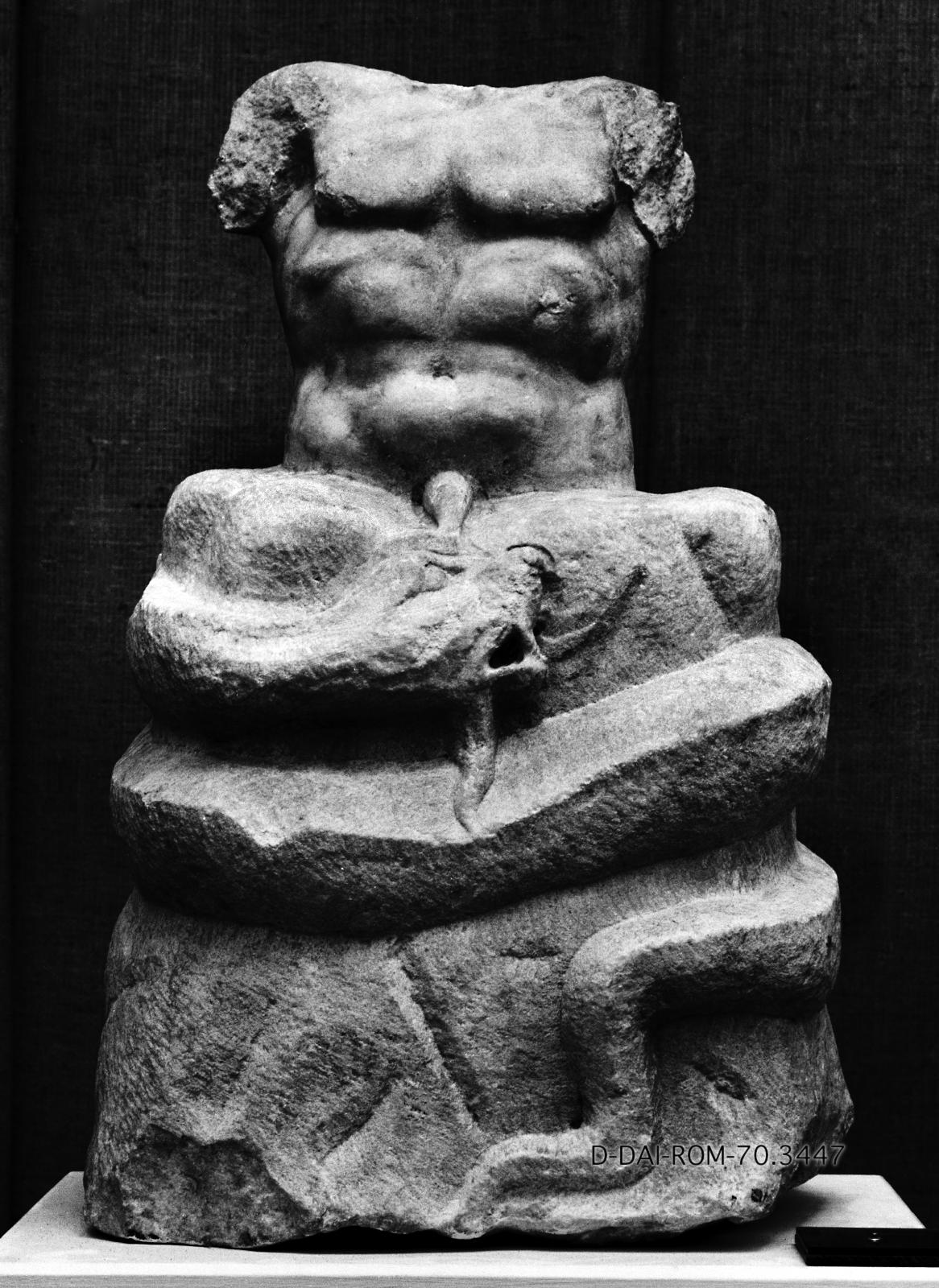
Mithras born from the rock with a snake raising in coils around it.
This temple of Mithras on the north side of the Capitoline Hill in Rome no longer exists.
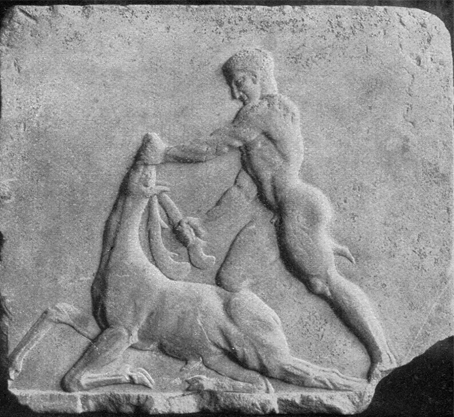
Relief of Heracles/Hercules capturing the Golden Hind of Artemis.
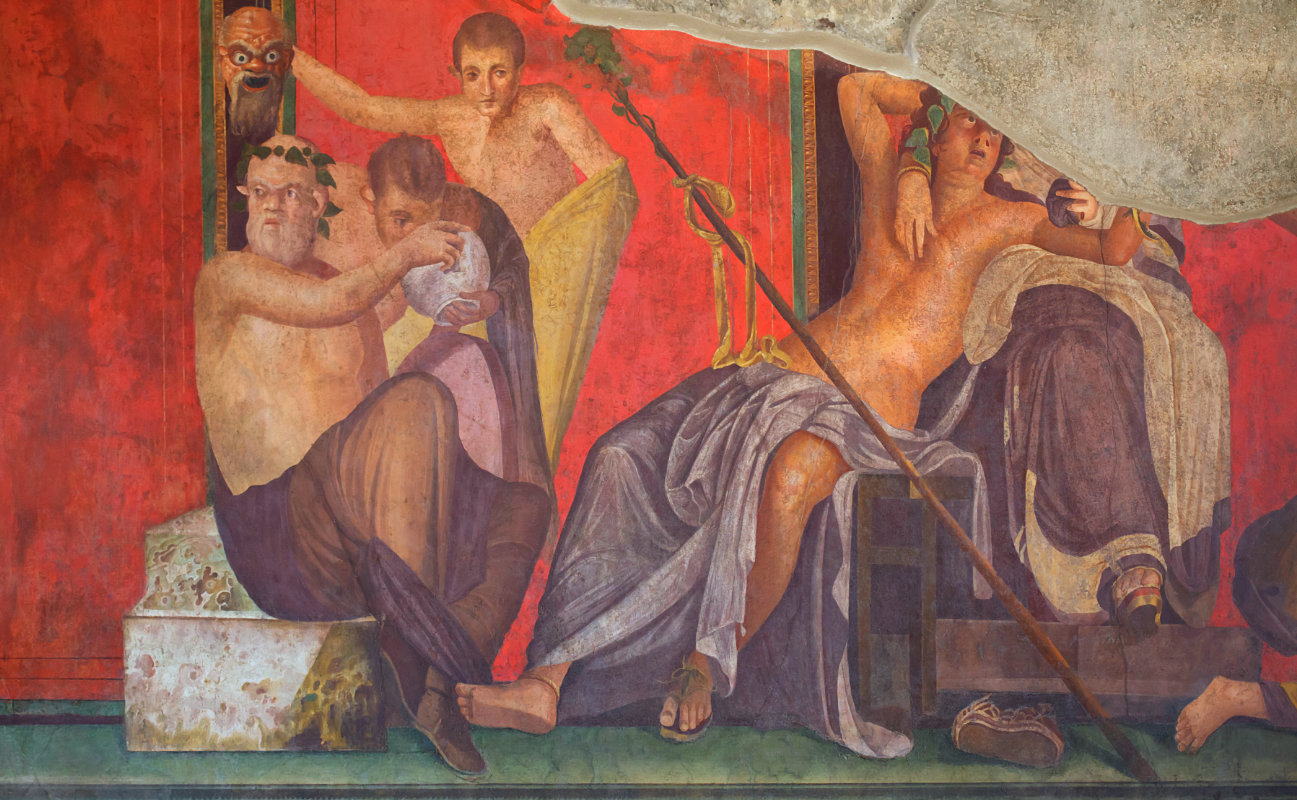
Peter Mark Adams: ‘The initiation was a frightening experience that caused some people to panic as a flood of otherworldly entities swept through the ritual space.’.
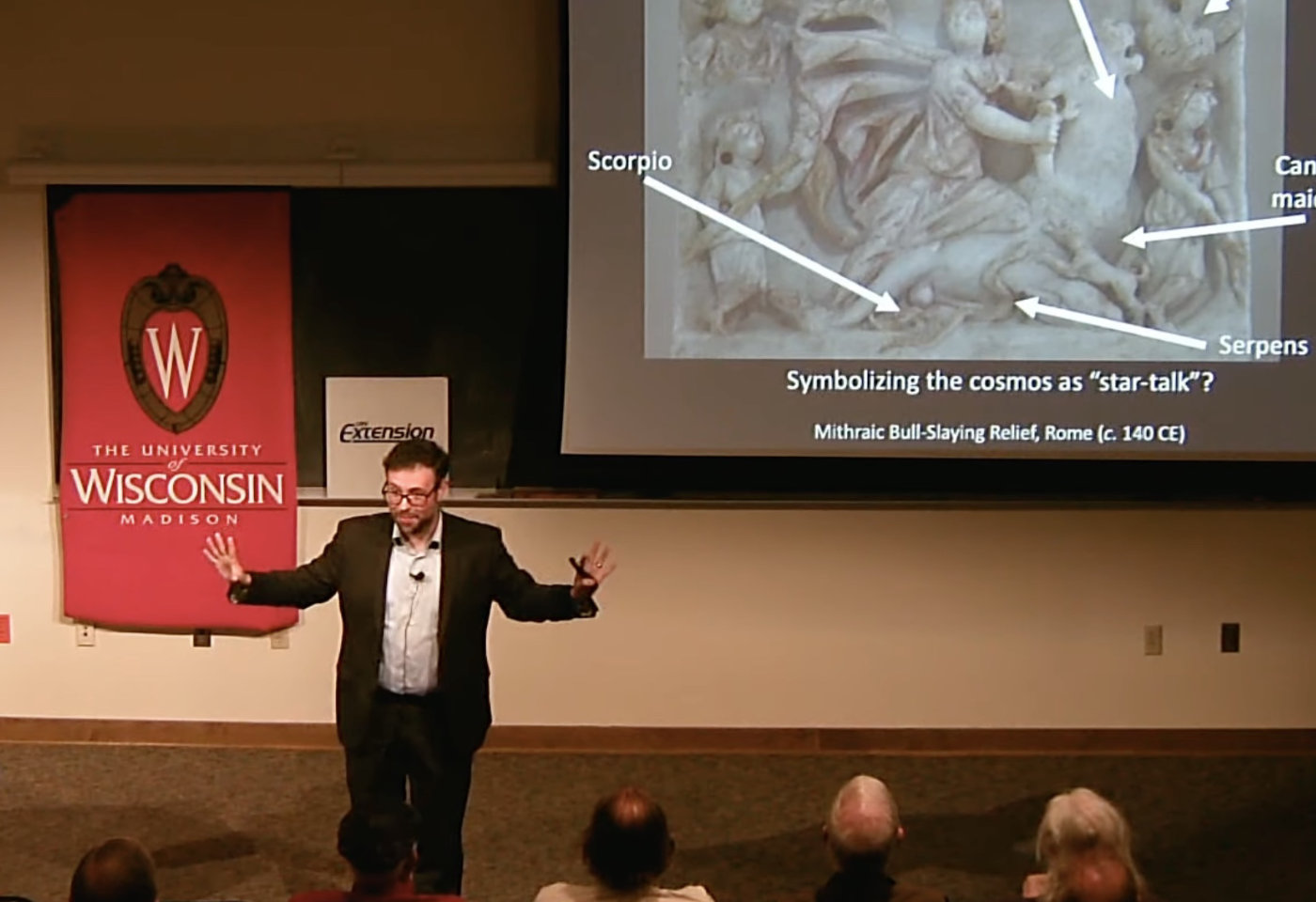
Our modern understanding of Mithraism, though, depends largely on a few short (and very problematic) literary mentions, mostly written by the cult’s Christian rivals.
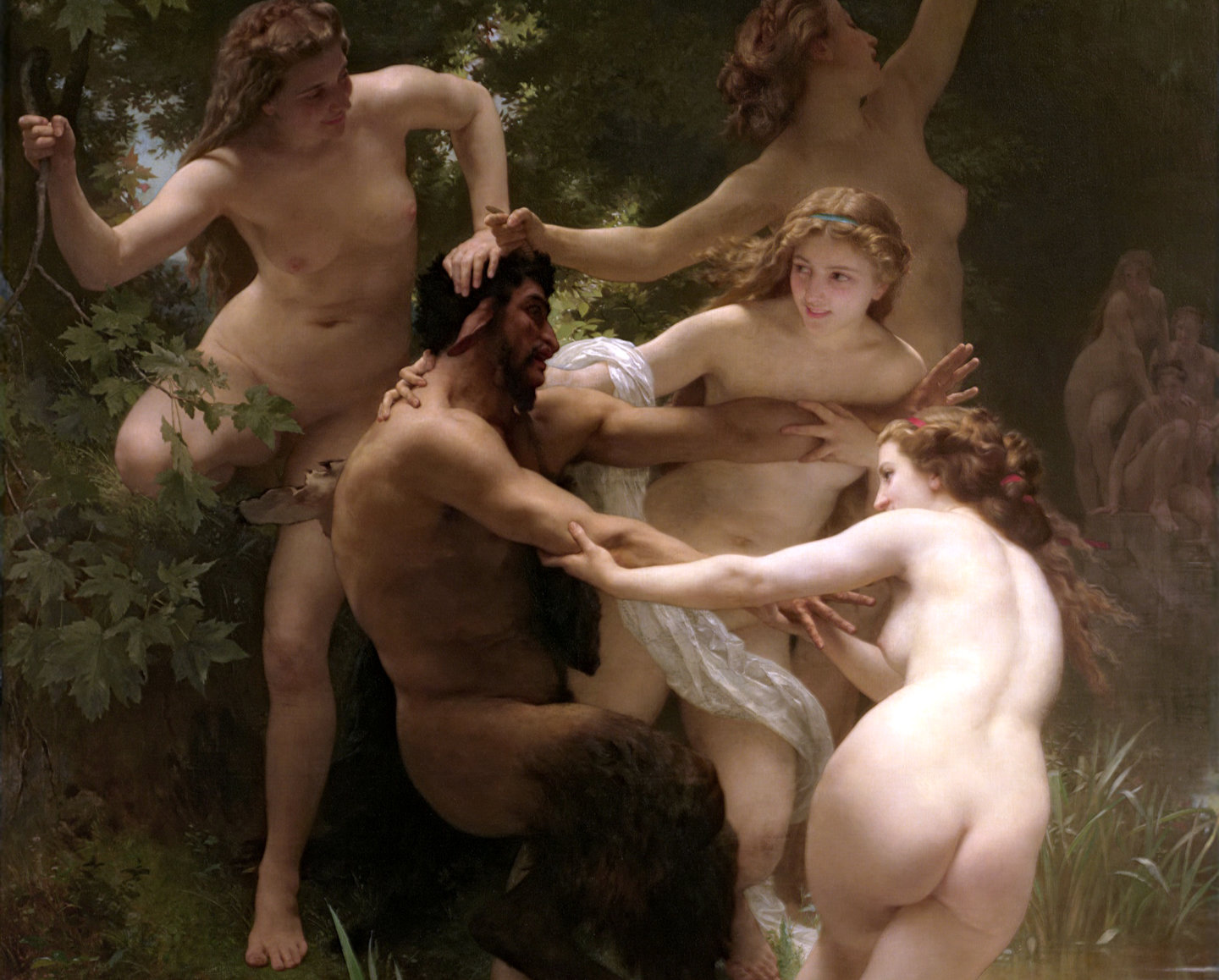
Between the 1st and 4th centuries, Mithraism developed throughout the Roman world. Much material exists, but textual evidence is scarce. The only ancient work that fills this gap is Porphyry’s intense and complex essay.
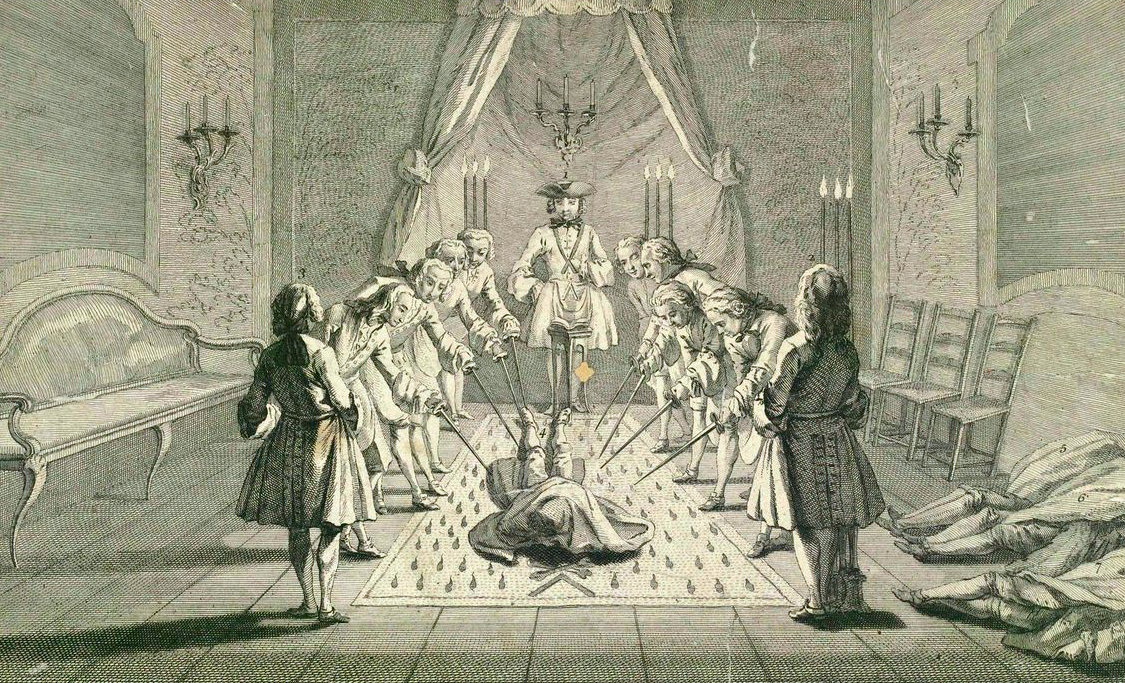
Twelve centuries separate the decline of Roman Mithraism from the dawn of Freemasonry. Twelve centuries during which the mysteries of Mithras have remained more secret than ever.
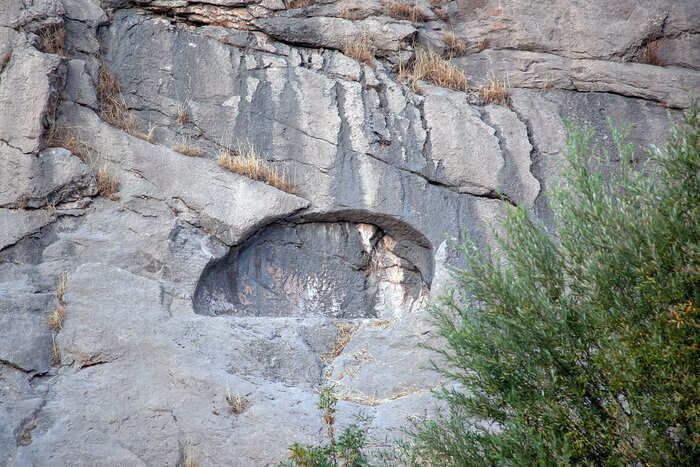
Some Iranian archaeologists suggest that the carving was created by a follower of Mithraism as it depicts a simple portrayal of a human with his right hand raised and an object in his hand. But, experts say it needs much more study in order to date the pe
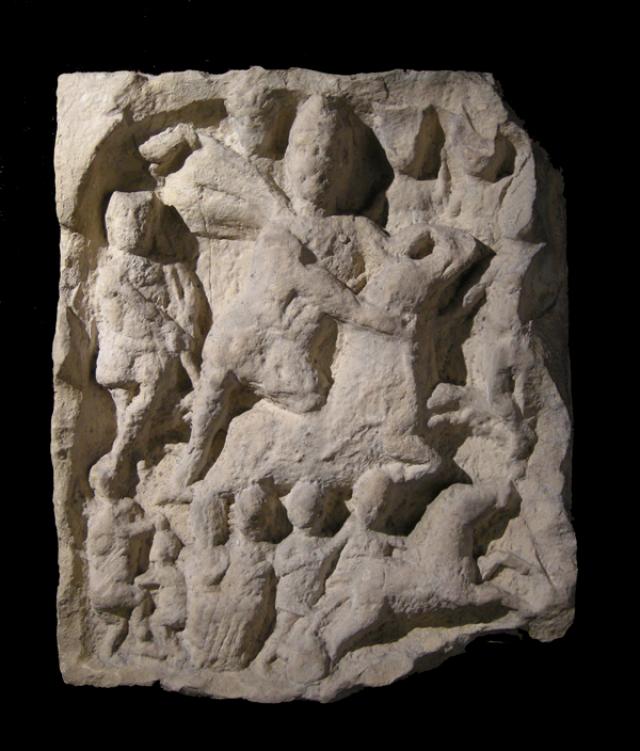
This stone in basso relief of Mithras killing the bull was found 10 foot underground in Micklegate York in 1747.

Mackwiller has yielded significant archaeological material connected with the religious landscape of Roman Germania.
