Your search Villa dei Quintili gave 359 results.
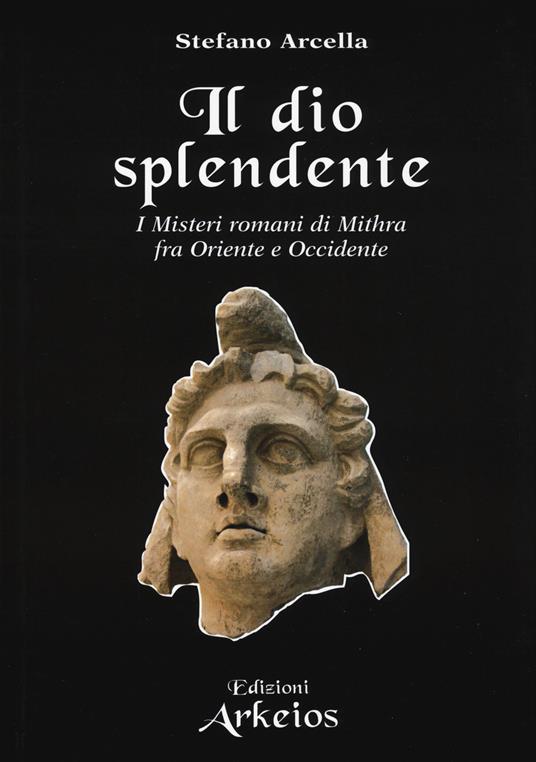
A study that re-examines Roman Mithraism through epigraphic evidence and comparative analysis, exploring its links with Orphism, Platonism, and Iranian traditions, and presenting the cult of Mithras as a solar path of individual spiritual awakening between East and West…


Memoir by Félix Lajard analysing a Mithraic bas-relief discovered in Vienne in 1830. Based on direct examination of the fragments and their context, the study corrects an earlier misidentification and documents a rare lion-headed figure within a probable mithraeum…
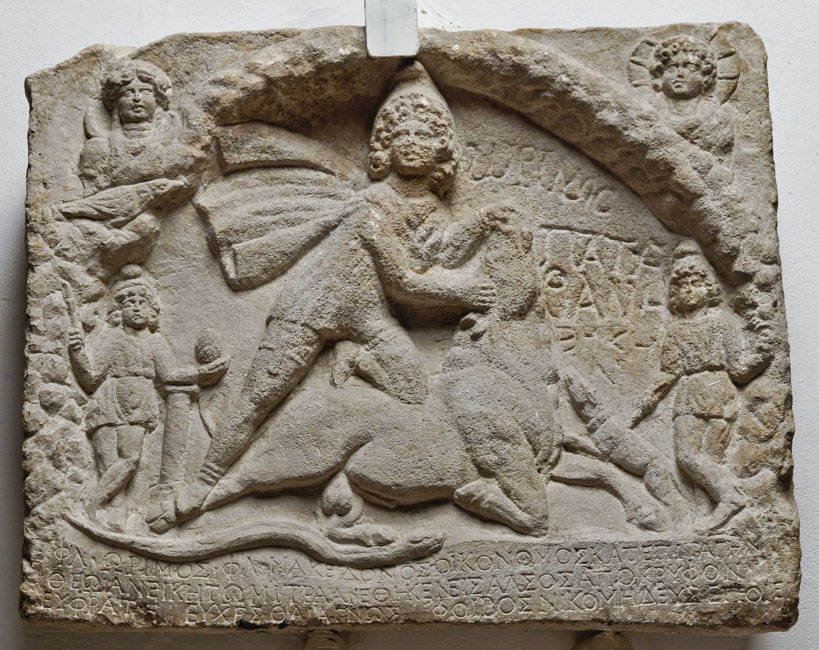
This limestone relief of Mithras killing the bull bears an inscription by a certain Flavius Horimos, consecrated in a ’secret forest’ in Moesia.
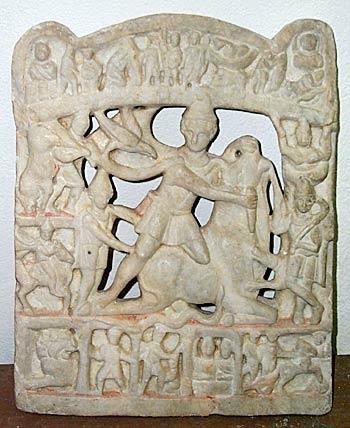
This Mithraic relief of the Danubian type was found in 1940 in the old town of Plovdiv.

The Mithraeum II in Stockstadt was in fact the first one known built in the vicus. It was destroyed by fire around 210.
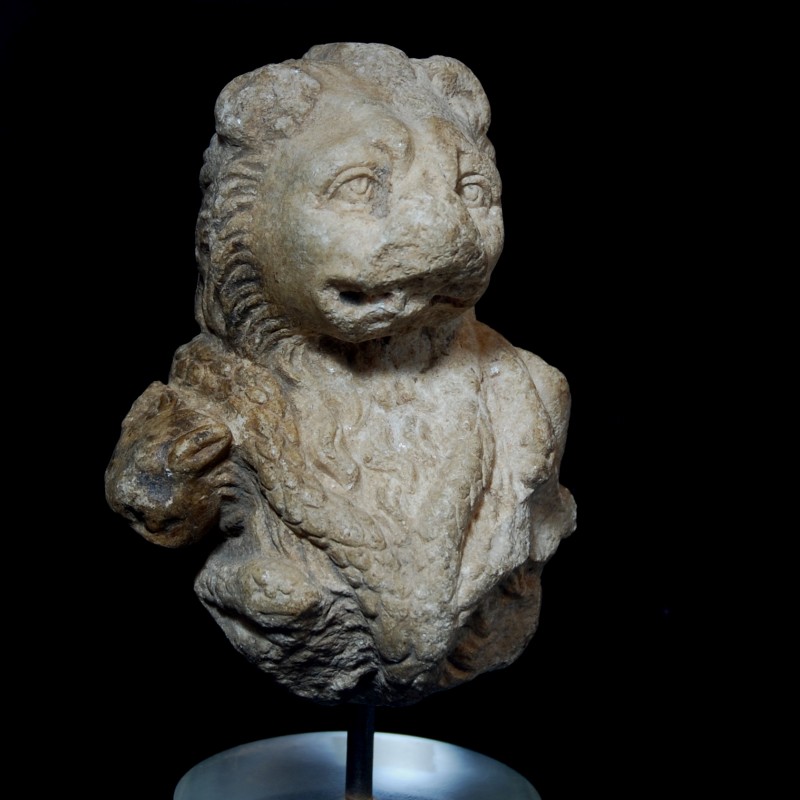
This bust of a lion-headed figure has been was part of a French private collection.
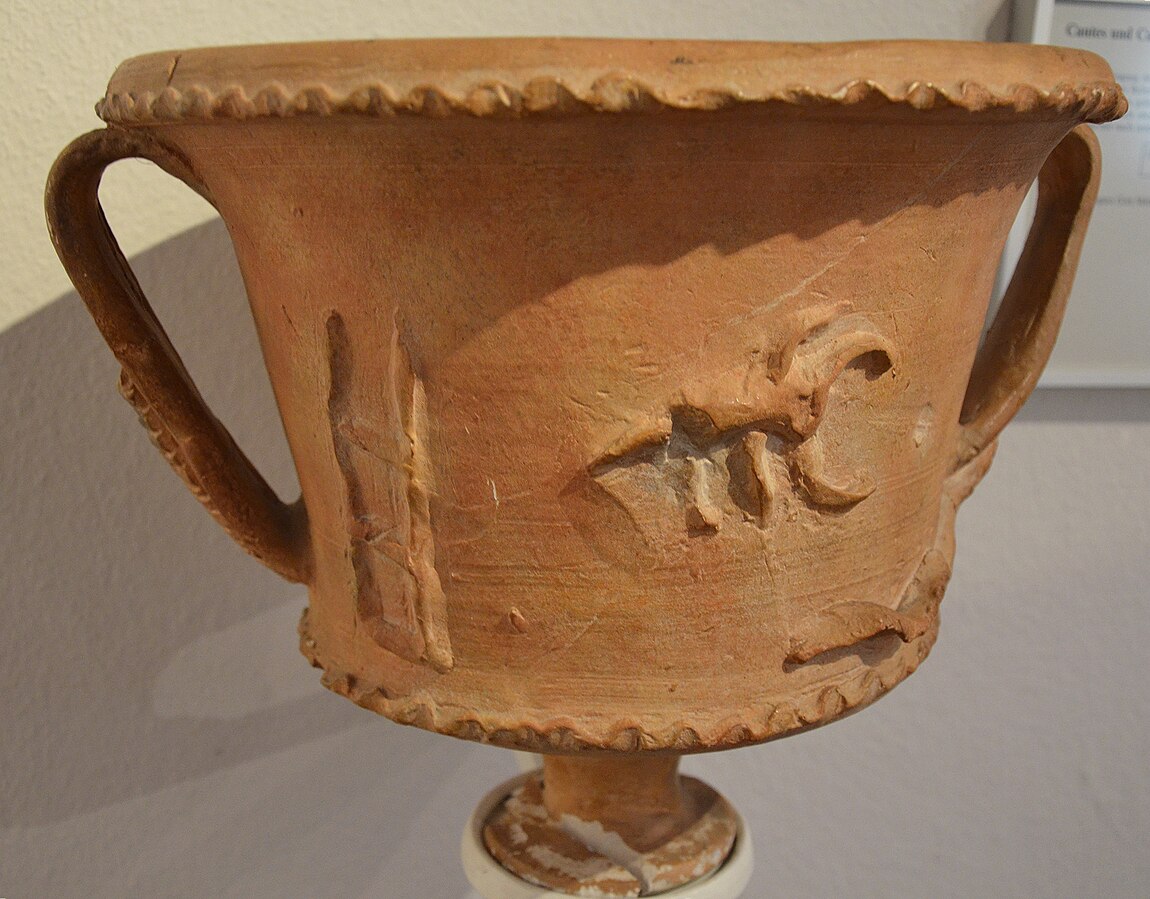
Terracotta krater from the southern part of the Friedberg Mithraeum, discovered in 1849. The vessel is decorated in relief with serpents, a scorpion and a ladder-like motif.
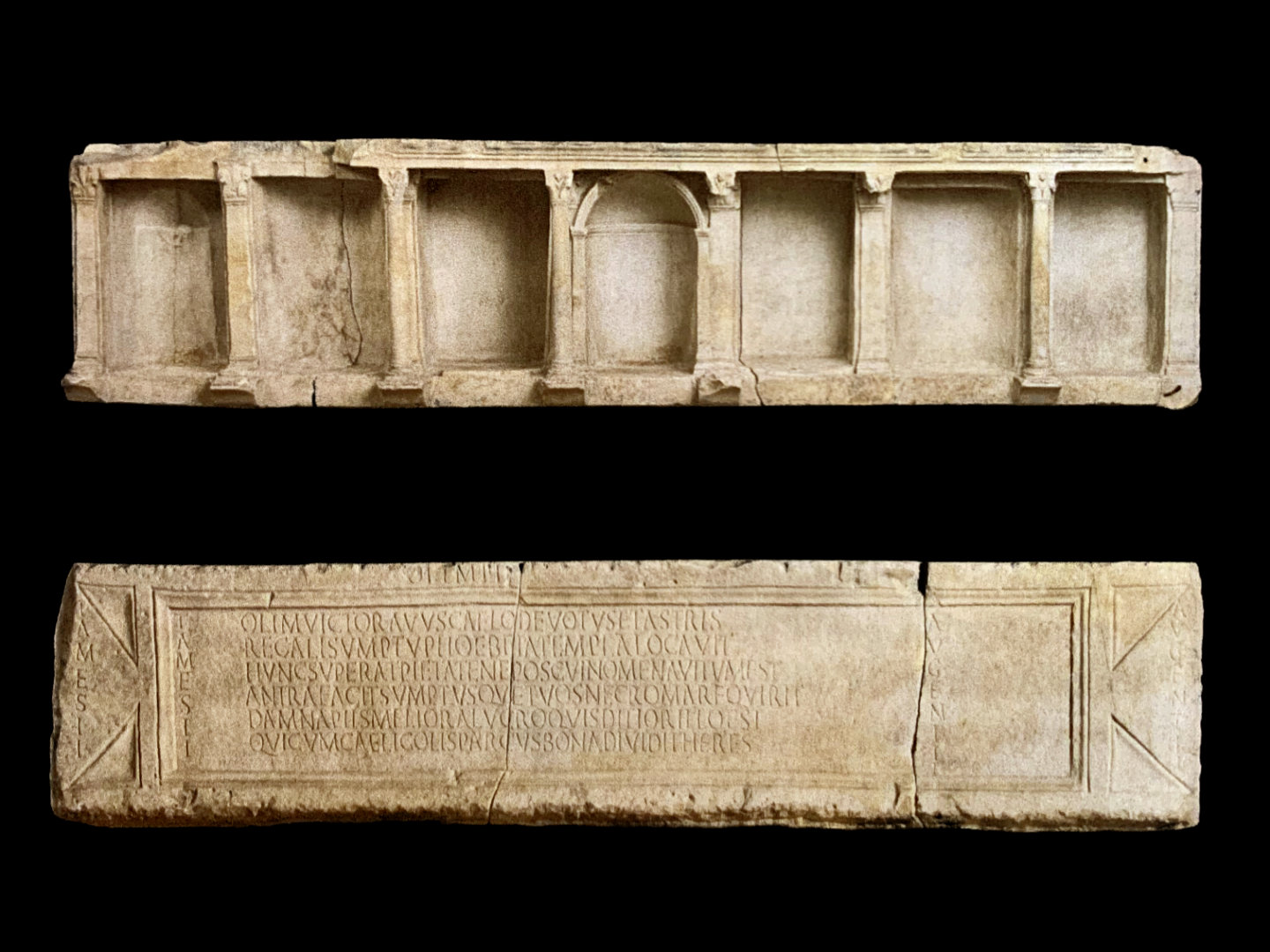
This monument is the only one still available from the disappeared Mithraeum in Piazza S. Silvestro in Capite.
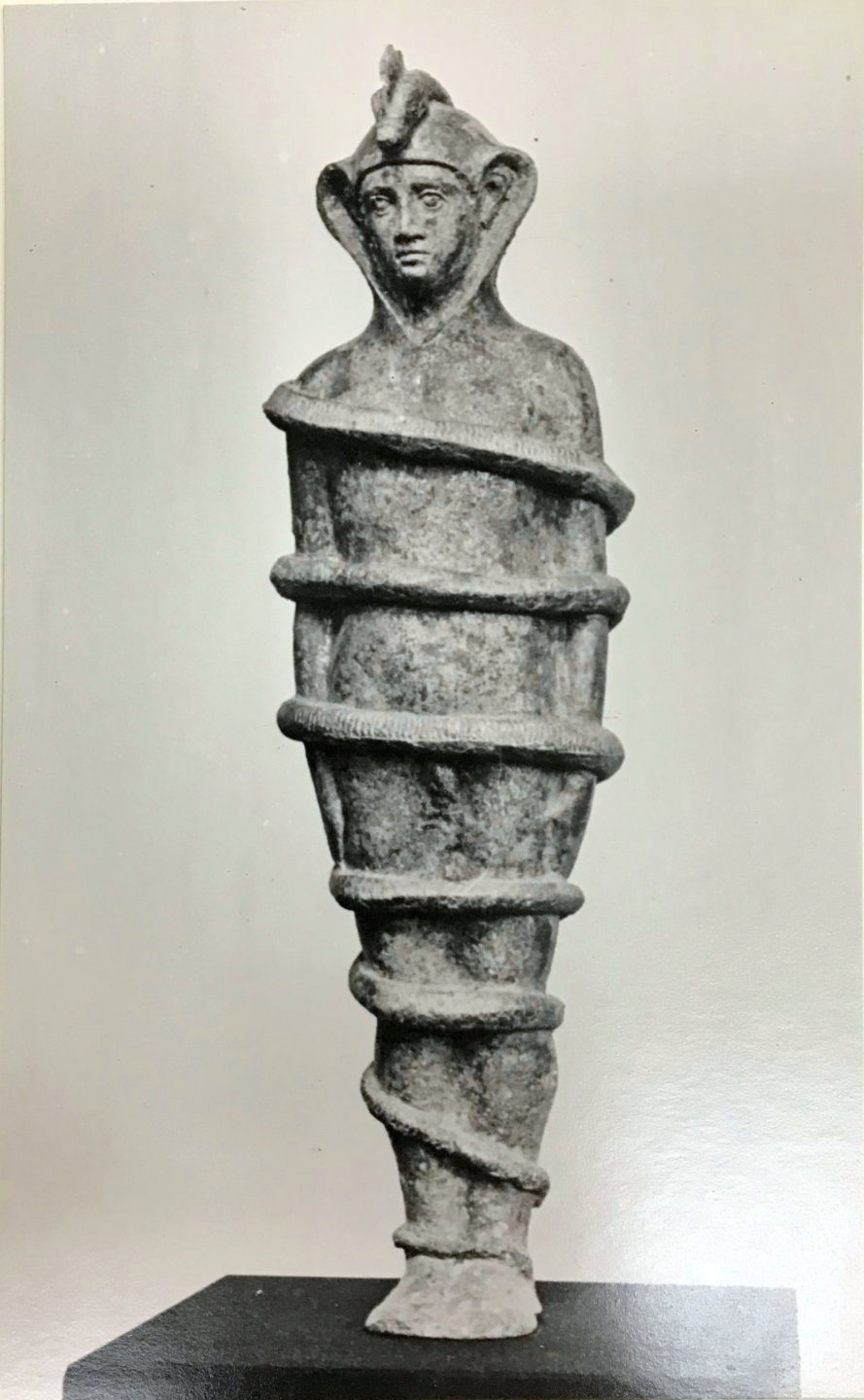
Roman relief from a sanctuary on the Janiculum Hill (Rome), showing a male figure bound by a serpent coiled seven times.
In these passages from his hymns and satires, Julian articulates a solar theology in which Helios governs cosmic order and time. Within this framework, Mithras appears as a personal divine guide associated with the ascent of souls.
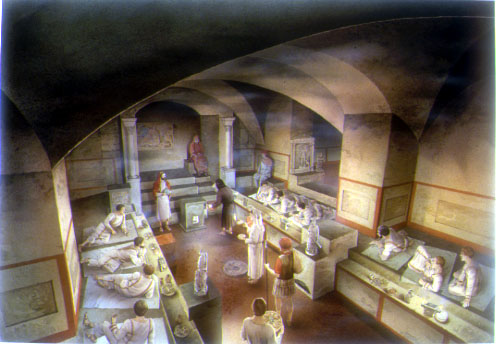
The Mithraeum of the Crypta Balbi was locted in the middle of a densely populated insula near the theatre of Cornelius Balbus.

Born in the mists of history, Mithras, the deity of light, known for at least 3,500 years and still revered today, has appeared in different ages, religions and forms. This volume explores the sources of the god's history, with a focus on the Roman myths of Mithras…

Peter Mark Adams’ The Game of Saturn: Decoding the Sola-Busca Tarocchi is the first full length, scholarly study of the enigmatic Renaissance masterwork known as the Sola-Busca tarot.

A conversation between Peter Mark Adams and Christophe Poncet on the esoteric tarot, in relation to the elite and Saturnian Sola-Busca tarocchi and the popular and luminous Tarot de Marseille.

Papers of the international conference "Roman Mithraism: the Evidence of the Small Finds". Tienen 7-8 November 2001.

The starting point of this study of the initiation into the cult of Mithras are the 462 sites where traces of the cult have been found to date. They form the framework of the study.

This magnificently illustrated publication renews the Mithraic dossier on the basis of concrete data, with caution and penetration. Marino's discovery is disconcerting and rekindles the controversy about the order in which bands should be read.


