Your search Villa of Domitian at the Castel Gandolfo gave 3663 results.

Pair of sandstone altars from Ober-Florstadt, the larger of which bears a palm-branch on its upper cornice
Fragment of a sandstone statue, comprising a head and hand certainly belonging to a figure of Cautes, found at Ober-Florstadt
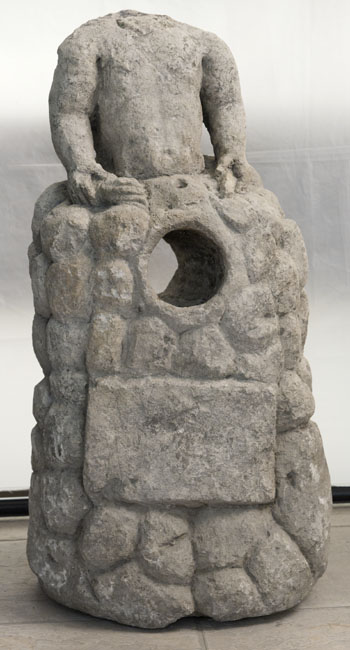
This sculpture from Dobrosloveni, Romania, depicts the petrogenesis of Mithras, with a hole through the generative rock from which water flowed.
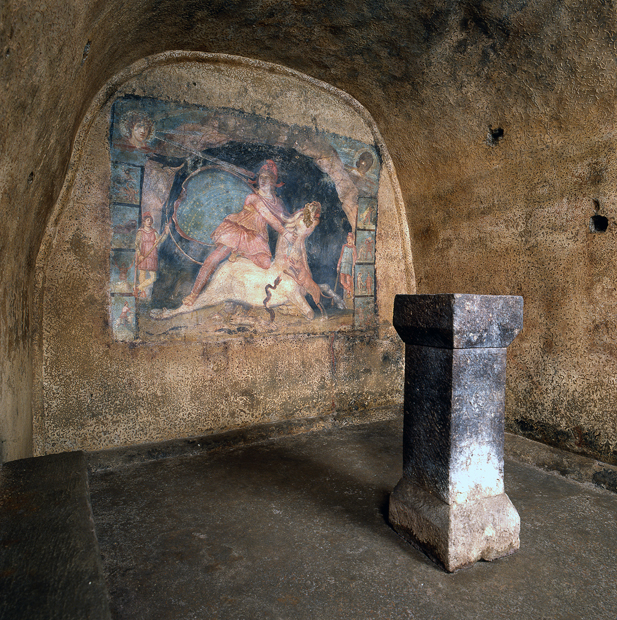
The Marino Mithraeum preserves one of the most elaborate painted cycles of Mithras’ myth, combining the tauroctony, planetary symbolism and scenes from the god’s sacred narrative.

In this relief of Mithras as bull slayer, recorded in 1562 in the collection of A. Magarozzi, Cautes and Cautopates have been replaced by trees still bearing the torches.
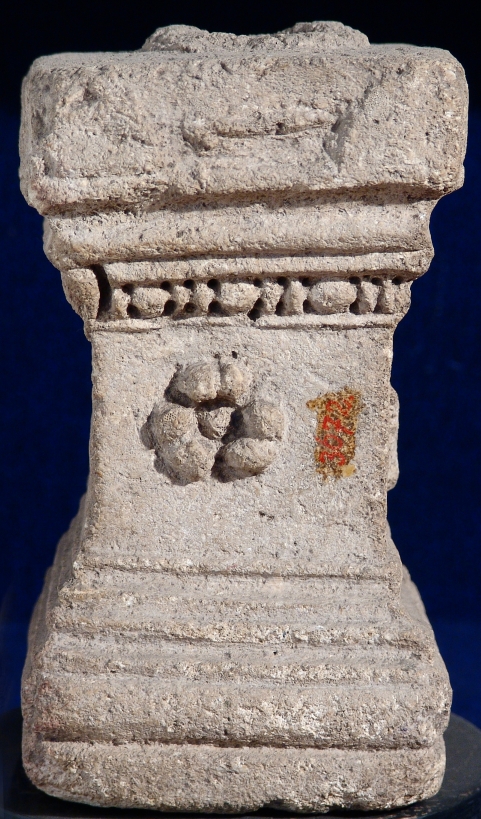
This limestone altar from Roman Dacia preserves a dedication to Mithras by a commander of the Ala II Pannoniorum.
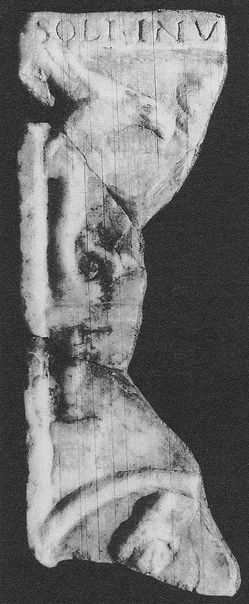
This marble fragment from Apulum preserves the head of Mithras beneath an arch together with a raven and the remains of Sol’s radiate crown.
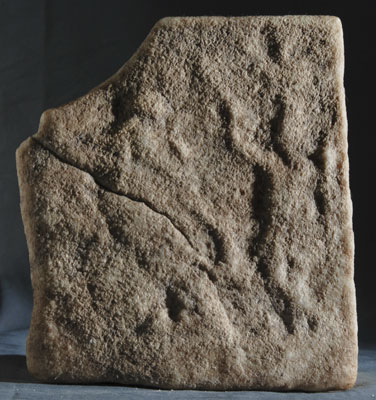
This small weathered marble fragment preserves part of a tauroctony with Cautes, Luna, the serpent, and a leaping dog.
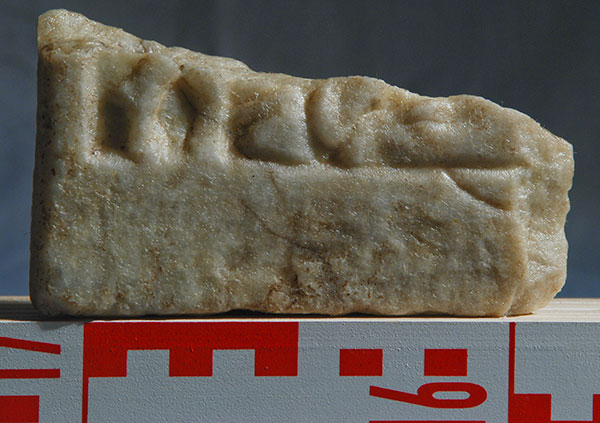
This small marble fragment preserves the crossed legs of a torchbearer, probably Cautopates, beside the hoof of the bull and the foot of Mithras.
This stele found at the foot of the Aventine bears an inscription of Kastos father and son, and mentions several syndexioi who shared the same temple.
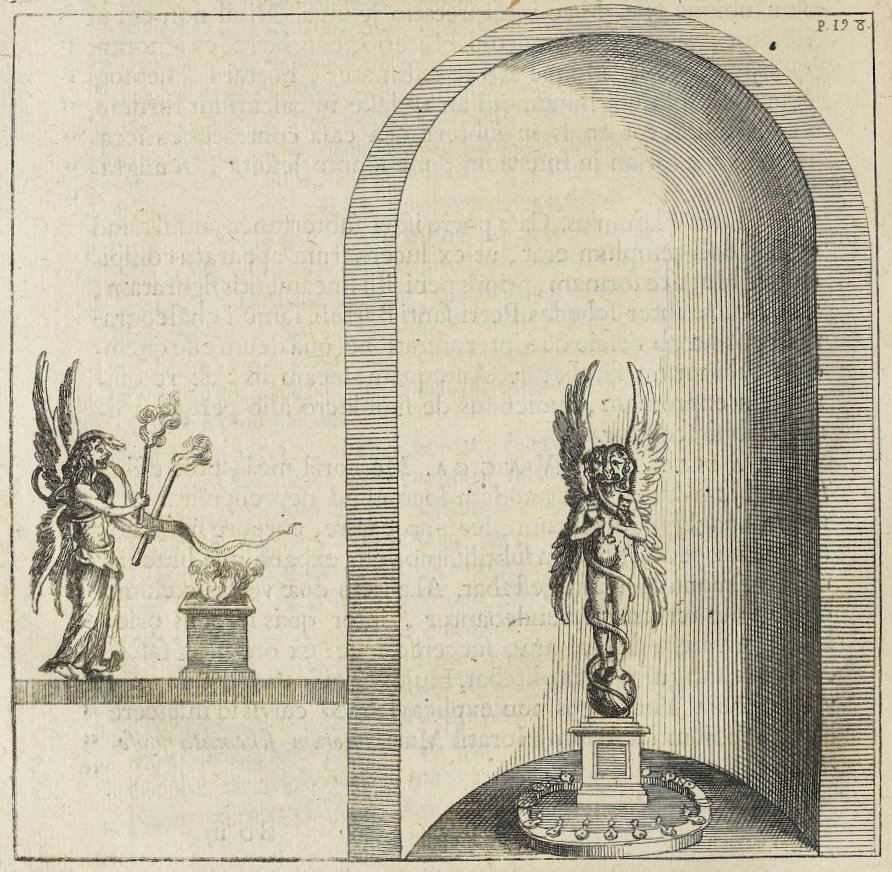
This monument has been identified from ’Memorie di varie antichità trovate in diversi luoghi della città di Roma’, a book by Flaminio Vacca of 1594.

This marble relief depicting Mithras killing the bull, found at Porto d’Anzio in 1699 and now lost, is known from a engraving by del Torre.
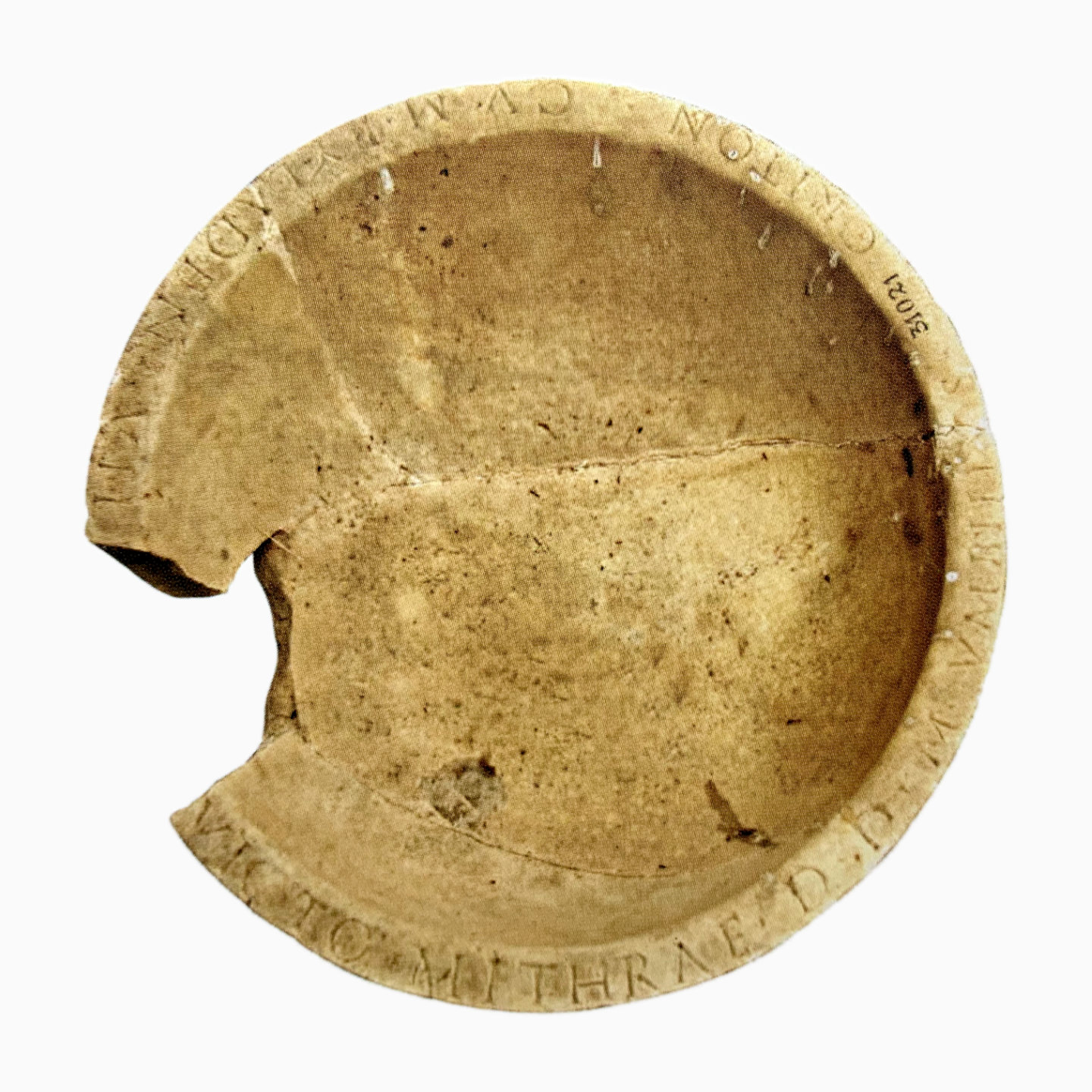
This marble basin found in the Mithraeum of the Footprint bears an inscription of a certain Umbilius Criton, associated with a monumental tauroctonic sculpture also found in Ostia.
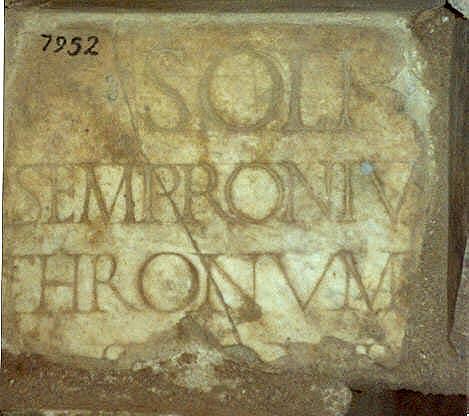
Slab marble indicates that Lucius Sempronius has donated a throne to the Mitreo delle Pareti Dipinte.
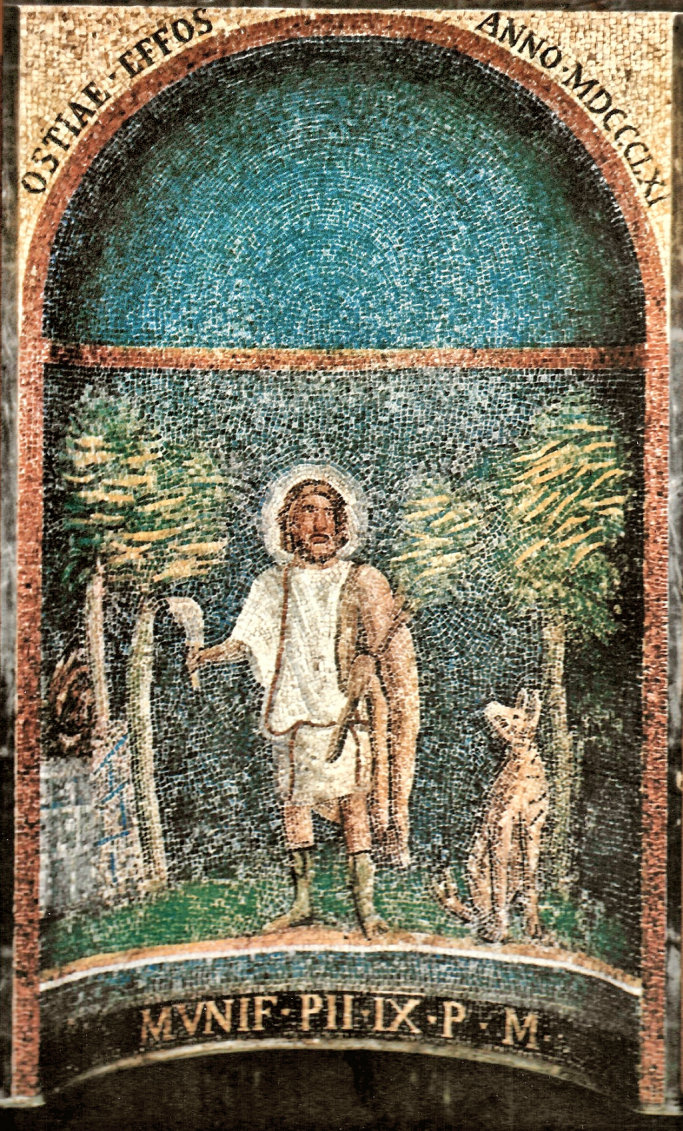
This unusual mosaic representation of the god Silvanus was found in the Mithreaum of the so-called Imperial Palace in Ostia.
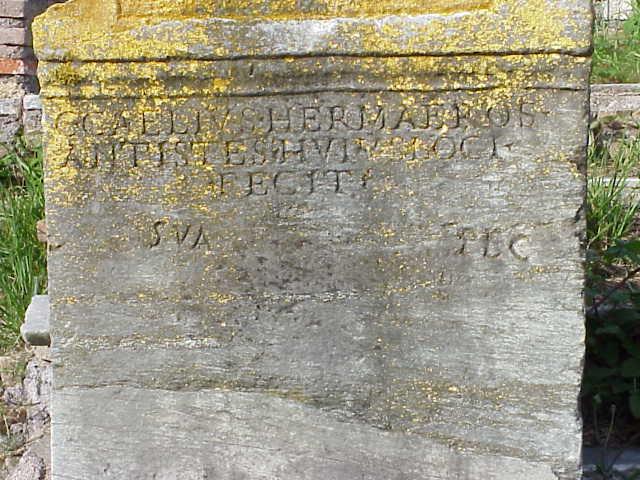
This is one of several marble inscriptions made by a certain Caelius Ermeros, who was the antistes of the Mithraeum of the Imperial Palace.
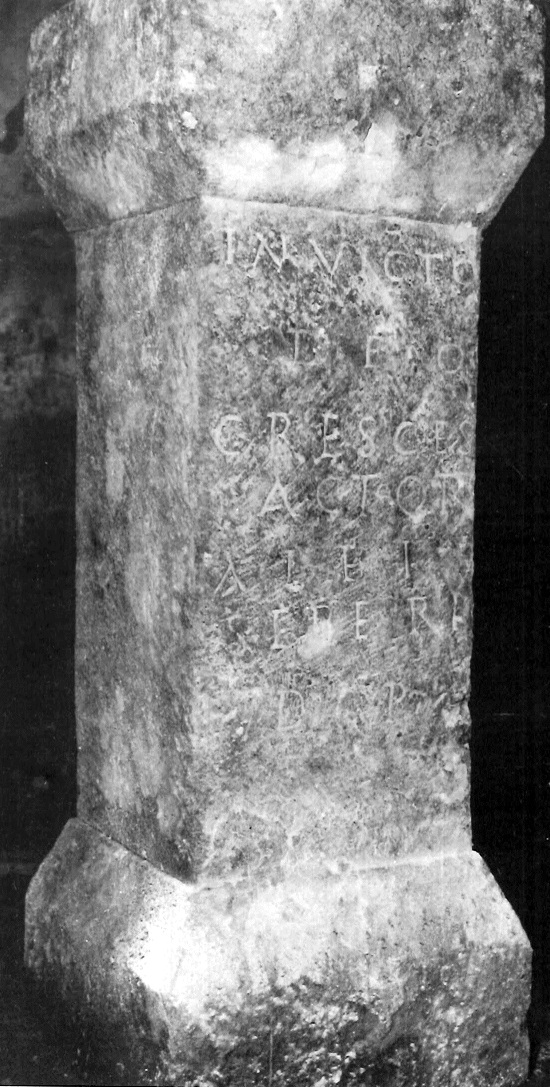
The monument is engraved with an inscription by Cresces, the donor.

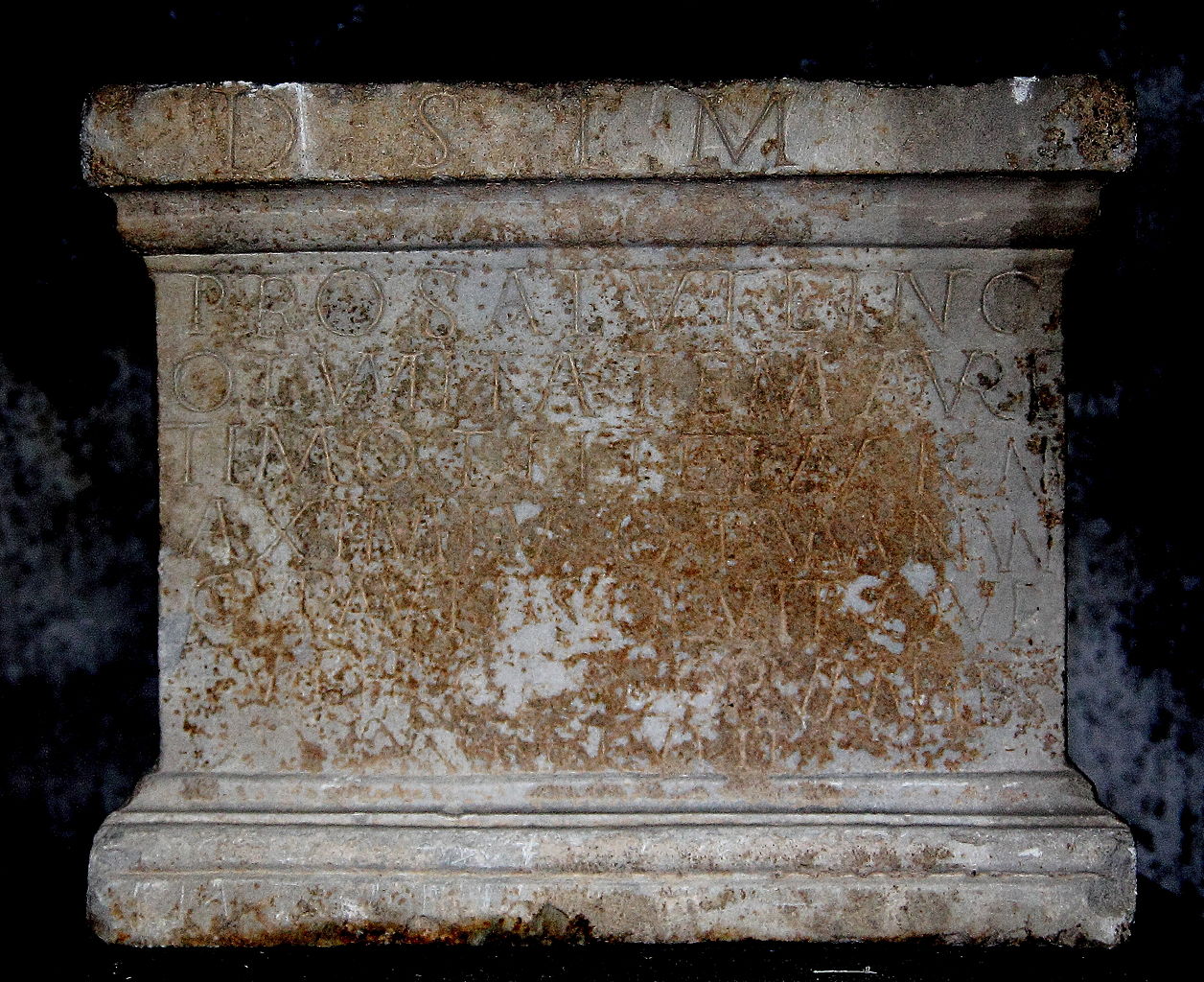
Mithraic stele, from Alba Iulia, Romania, with inscription.
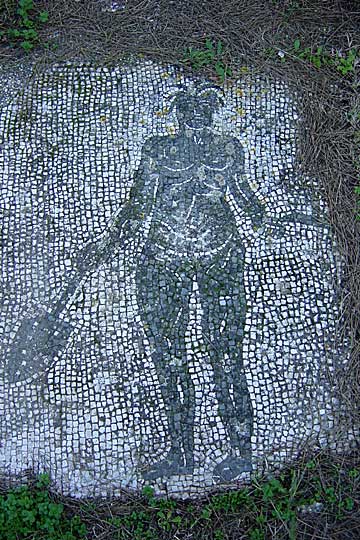
Several figures related to the Mysteries of Mithras are depicted on the mosaics of the Mithraeum of the Animals.
